
Michelin Plate
Our verdict
Au Cheval Noir holds consecutive Michelin Plate recognition (2024 and 2025), placing it among the more consistently regarded traditional restaurants in the Bas-Rhin. Situated in Kilstett, just north of Strasbourg, it operates in the mid-range price bracket and draws diners who want Alsatian cooking grounded in regional tradition rather than contemporary reinvention.

Pearl is the En Primeur Club membership app, where members save venues, book tables and use the concierge.
The menu
What to order
- Filets de caille rôtis sur ravioles de cèpes
- Matelote au riesling
Alsace at the Table: What Traditional Cuisine Means in the Bas-Rhin
The villages that ring Strasbourg to the north form one of France's quieter but more consistent belts of regional cooking. Kilstett sits in that corridor, where the Rhine plain stretches flat between the city and the German border, and where restaurants have historically served a local clientele rather than positioning themselves for passing tourist trade.
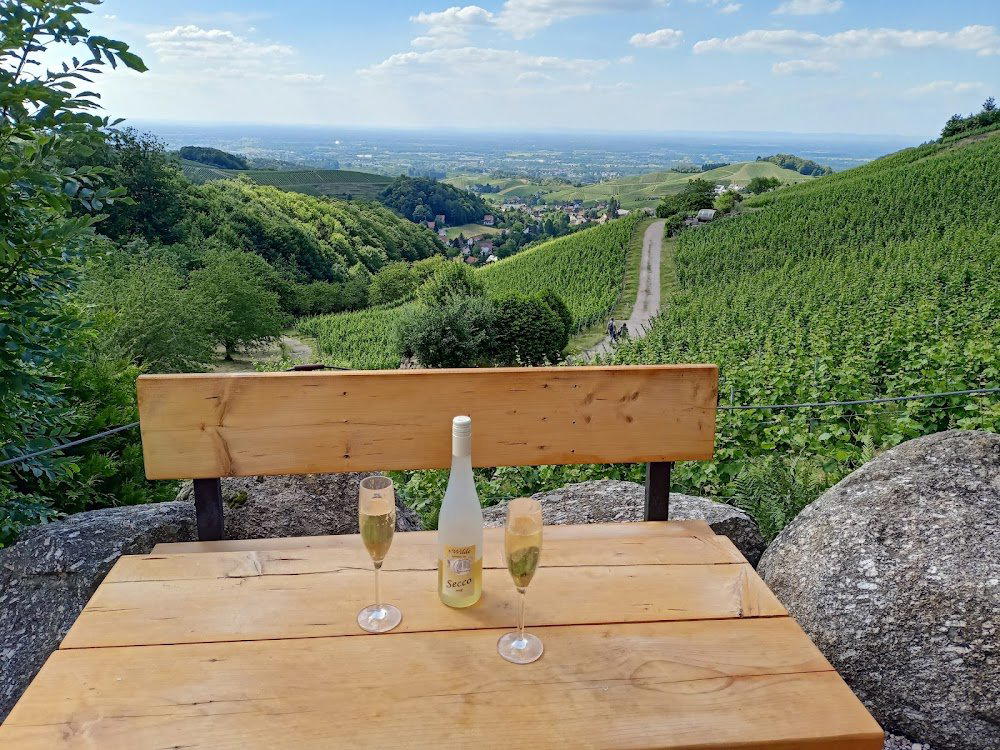
That geographic distinction matters. Strasbourg supports a different register of expectation, from the two-starred formality of Au Crocodile in Strasbourg to various contemporary bistros competing on technique and sourcing narrative. Kilstett is not that city. What this village setting typically allows, and what traditional Alsatian restaurants in these communes have long relied on, is a closer relationship between kitchen and local supply: game from the Rhine forest, freshwater fish from the river and its tributaries, pork products tied to centuries of charcuterie tradition, and produce from farms operating in the same alluvial plain.
The Weight of the Michelin Plate
Two consecutive Michelin Plate awards, in 2024 and 2025, say something specific about a restaurant at this price point. The Plate designation marks kitchens where inspectors judge the cooking to be good enough to note, without the full scoring apparatus that accompanies star consideration. For a €€ address in a village north of Strasbourg, that sustained recognition over two cycles is a signal about consistency rather than ambition. Michelin inspectors visit anonymously and return; two consecutive appearances in the guide at the same level indicate a kitchen that is not riding a single good season.
To calibrate where that sits in the French regional spectrum: the country's acclaimed addresses, including Mirazur in Menton, Flocons de Sel in Megève, or closer to home the Auberge de l'Ill in Illhaeusern, operate at price points and scales far above what Au Cheval Noir represents. The Plate is not a star. But for a village restaurant at €€, it marks a kitchen that has passed external scrutiny twice running, which is more than most comparable addresses can claim.
Sourcing and Tradition in Alsatian Cooking
Alsace has one of France's most geographically defined cuisine traditions, and understanding it helps calibrate what to expect from a traditional restaurant in the region. The cuisine draws on distinct local conditions: Rhine plain agriculture that produces white asparagus in spring, Munster and other washed-rind cheeses from the foothills, freshwater fish including pike, carp, and trout from the river system, and a pork culture embedded in the charcuterie trade that has shaped the local table since at least the medieval period. Dishes like baeckeoffe, choucroute garnie, and tarte flambée are not folk novelties but direct expressions of what this land and climate have historically produced.
The editorial tradition of French regional food writing, from the work that shaped guides like Michelin's regional editions, has long framed Alsatian cooking as a cuisine of hearty precision rather than minimalist elegance. It is food that tends to fill a plate seriously and pair without apology with the Rieslings and Pinot Gris from the nearby Route des Vins. For restaurants in the Bas-Rhin plainland, maintaining that tradition is both an asset and a constraint: diners who come wanting it are rewarded; those expecting the lighter vocabulary of modern French cooking will need to look elsewhere, including toward Alléno Paris au Pavillon Ledoyen in Paris or AM par Alexandre Mazzia in Marseille for that register.
Other traditional French addresses recognised by Michelin at comparable price tiers, such as Auberge Grand'Maison in Mûr-de-Bretagne and Auga in Gijón, illustrate how regional fidelity combined with consistent execution forms the backbone of mid-range Michelin recognition across multiple European contexts. Au Cheval Noir belongs to that category of restaurants whose value lies in doing the known things well rather than introducing the new.
The Atmosphere of a Village Restaurant
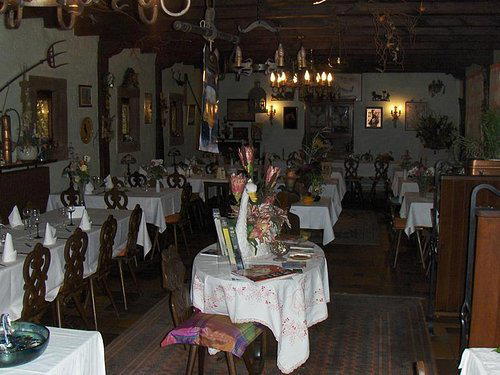
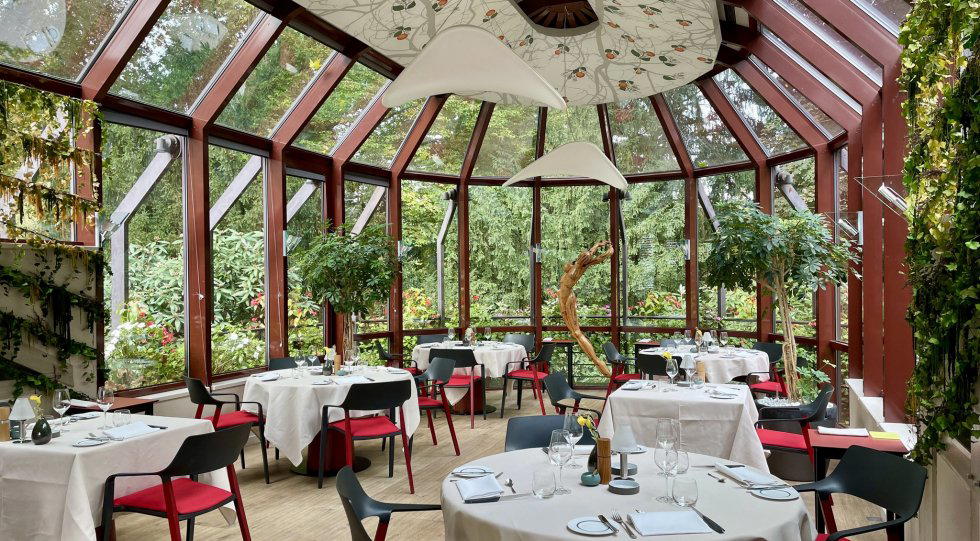
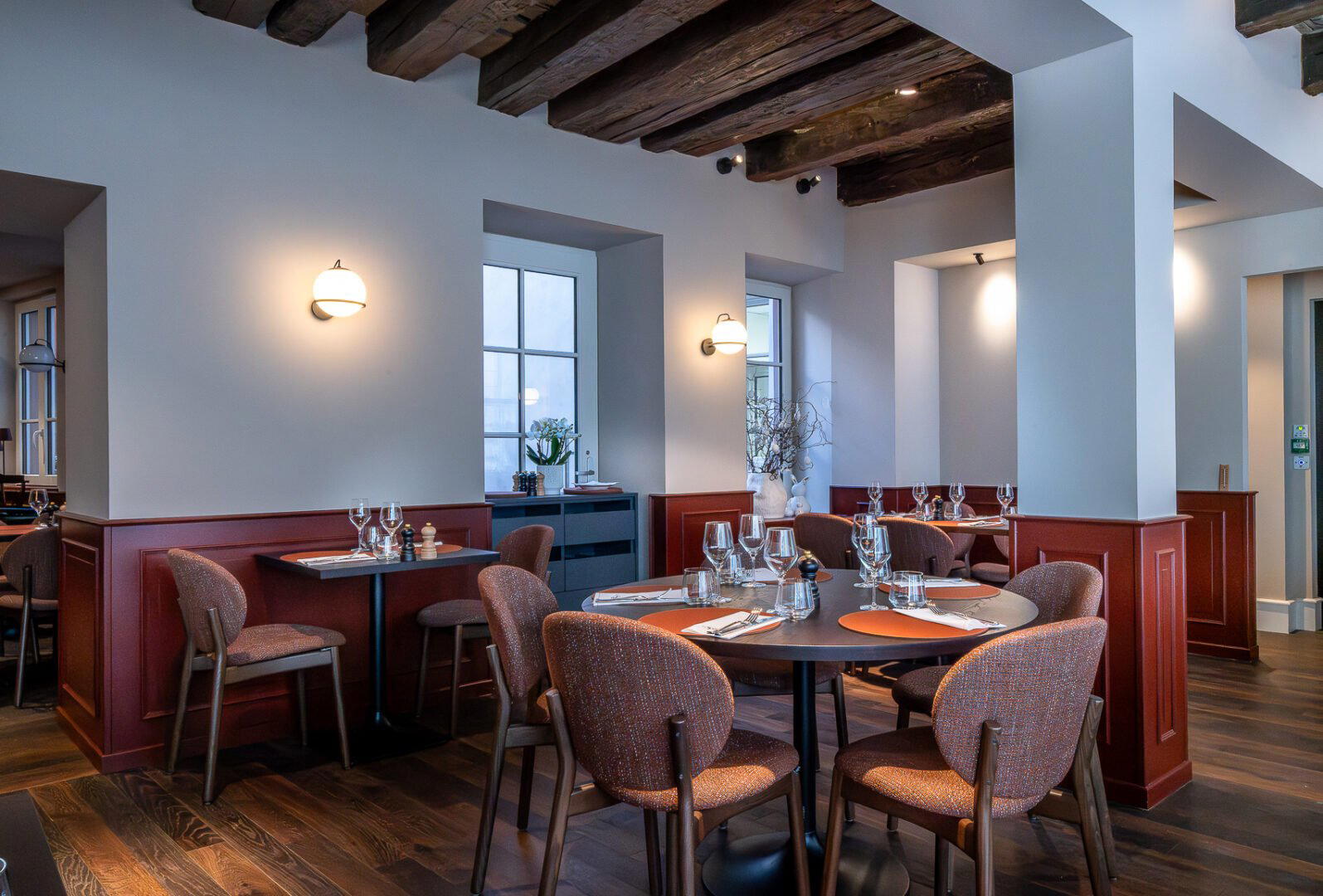
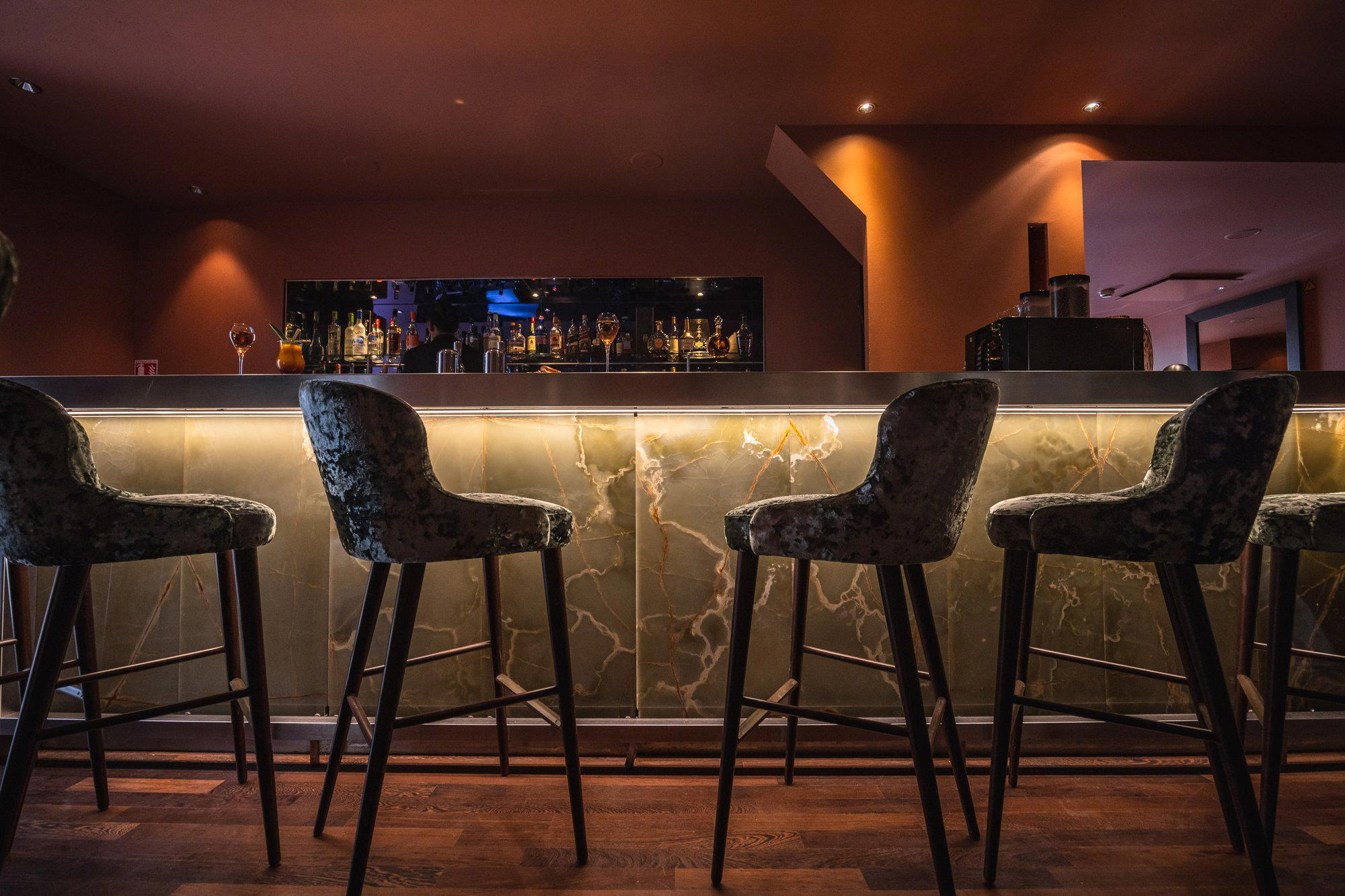
Village restaurants in the Rhine plain corridor typically operate in converted farmhouses or older commercial buildings, with interiors that run toward warm materials, wooden panelling or beams, and a room scale that resists the formality of city dining. The address on Rue du sous Lt Maussire in Kilstett is not a destination hotel annex or a purpose-built contemporary space. It is a village restaurant, which in the Alsatian context means a room designed for locals eating properly rather than for tourists processing an experience. That distinction shapes everything from noise level to service pace to the assumed rhythm of the meal.
Prices at €€ in the French context mean a main course and modest accompaniment is achievable for two people without significant outlay, placing the experience firmly within the reach of a midweek dinner or a relaxed weekend lunch rather than a special-occasion budget. That accessible positioning, combined with the Michelin Plate recognition, is what distinguishes Au Cheval Noir from the broader mass of rural Alsatian bistros: it has external validation without the premium pricing that usually accompanies it.
Planning a Visit
Kilstett sits approximately fifteen kilometres north of Strasbourg, reachable by car along the D468 or via the regional train network to nearby stations. For visitors staying in Strasbourg, the journey makes sense as a deliberate excursion rather than a casual walk-in, which reinforces the recommendation to plan ahead. Given the restaurant's sustained Michelin recognition and its relatively compact village setting, weekends particularly are likely to fill. For those building a broader picture of the area, our full Kilstett restaurants guide covers the wider dining scene, and guides for hotels, bars, wineries, and experiences in Kilstett are available for planning the full visit. For those extending their trip through Alsace's more celebrated dining addresses, Auberge de l'Ill in Illhaeusern and Auberge du Vieux Puits in Fontjoncouse sit within reasonable regional reach and operate in a higher tier of ambition and price.
Frequently asked questions
How much does it cost to eat at Au Cheval Noir?
Pricing at Au Cheval Noir is listed as €€.
What's Au Cheval Noir's location?
Au Cheval Noir is located at 1 Rue du sous Lt Maussire, 67840 Kilstett, France, Kilstett.
A Quick Peer Check
| Venue | Cuisine | Price | Awards | Notes |
|---|---|---|---|---|
| Au Cheval NoirThis venue (the venue you are viewing) | Traditional Alsatian French Bistro | $30–50 | Michelin Plate | Not listed |
| Alléno Paris au Pavillon Ledoyen | Modern French Fine Dining | $150–200 | 3 Michelin Stars · World's 50 Best #79 | Creative |
| Kei | Contemporary French, Modern Cuisine | Not listed | Michelin 3 Star | Not listed |
| L'Ambroisie | Classic French Haute Cuisine | $300–500 | 2 Michelin Stars · World's 50 Best #23 | French, Classic Cuisine |
| Le Cinq - Four Seasons Hôtel George V | Modern French Fine Dining | $300–500 | 3 Michelin Stars · World's 50 Best #24 | French, Modern Cuisine |
| Plénitude | Modern French Sauce-Led Fine Dining | $300–500 | 3 Michelin Stars · World's 50 Best #14 | Contemporary French |
Recognition history
Dated appearances from independent guides and award organizations, with the underlying list record or original source where available.
Michelin Plate
Michelin
Full recognition history (3 entries)
Michelin Plate
Michelin
Michelin Plate
Michelin
Continue exploring
More in Kilstett
Restaurants in Kilstett
All restaurants in Kilstett →
Bars in Kilstett
Browse all →


Details
- Cozy
- Rustic
- Elegant
- Classic
- Family
- Group Dining
- Special Occasion
- Business Dinner
- Terrace
- Garden
- Historic Building
- Sommelier Led
- Local Sourcing
- Garden
- A La Carte
Current opening hours
- Monday
- Closed
- Tuesday
- Closed
- Wednesday
- 12–2 PM, 7–10 PM
- Thursday
- 12–2 PM
- Friday
- 12–2 PM, 7–10 PM
- Saturday
- 12–2 PM, 7–10 PM
- Sunday
- 12–2 PM
Hours can change for holidays and private events. Hours as of .
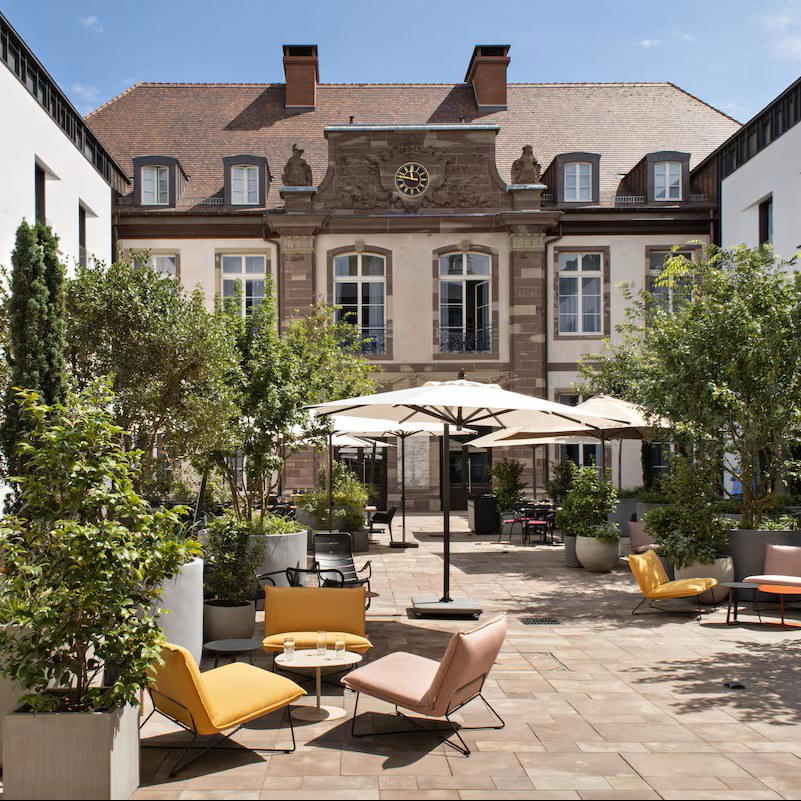
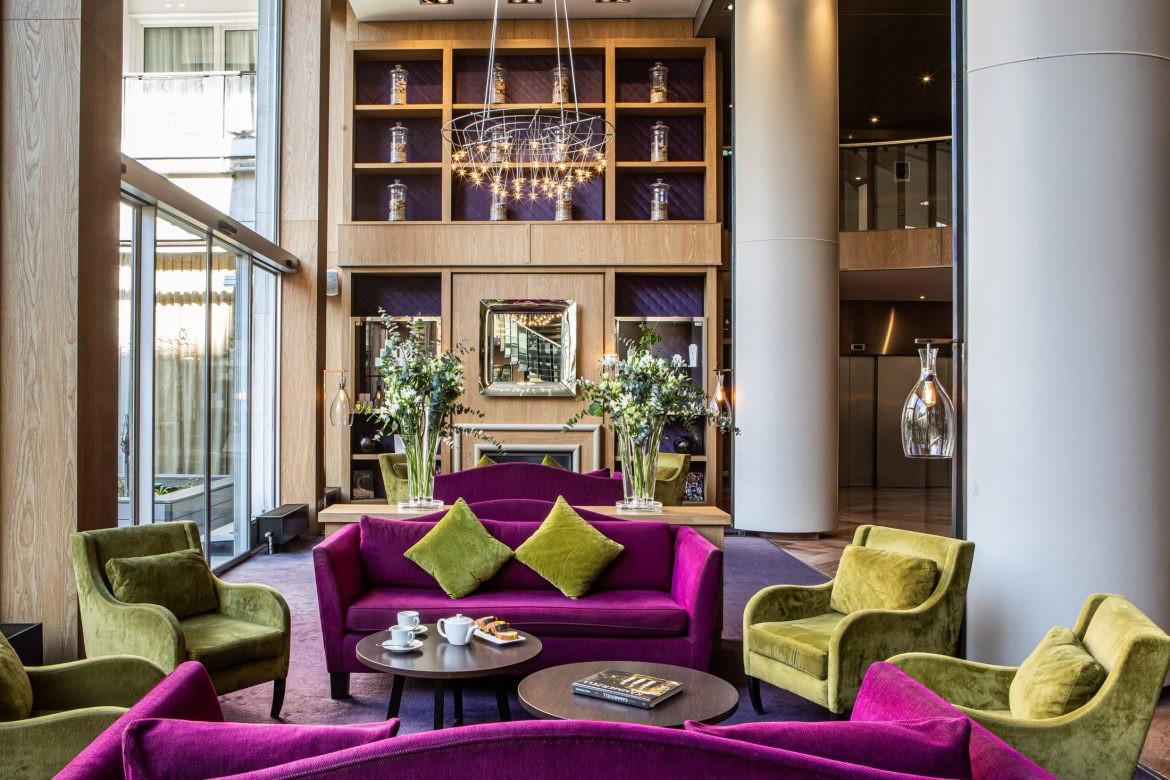
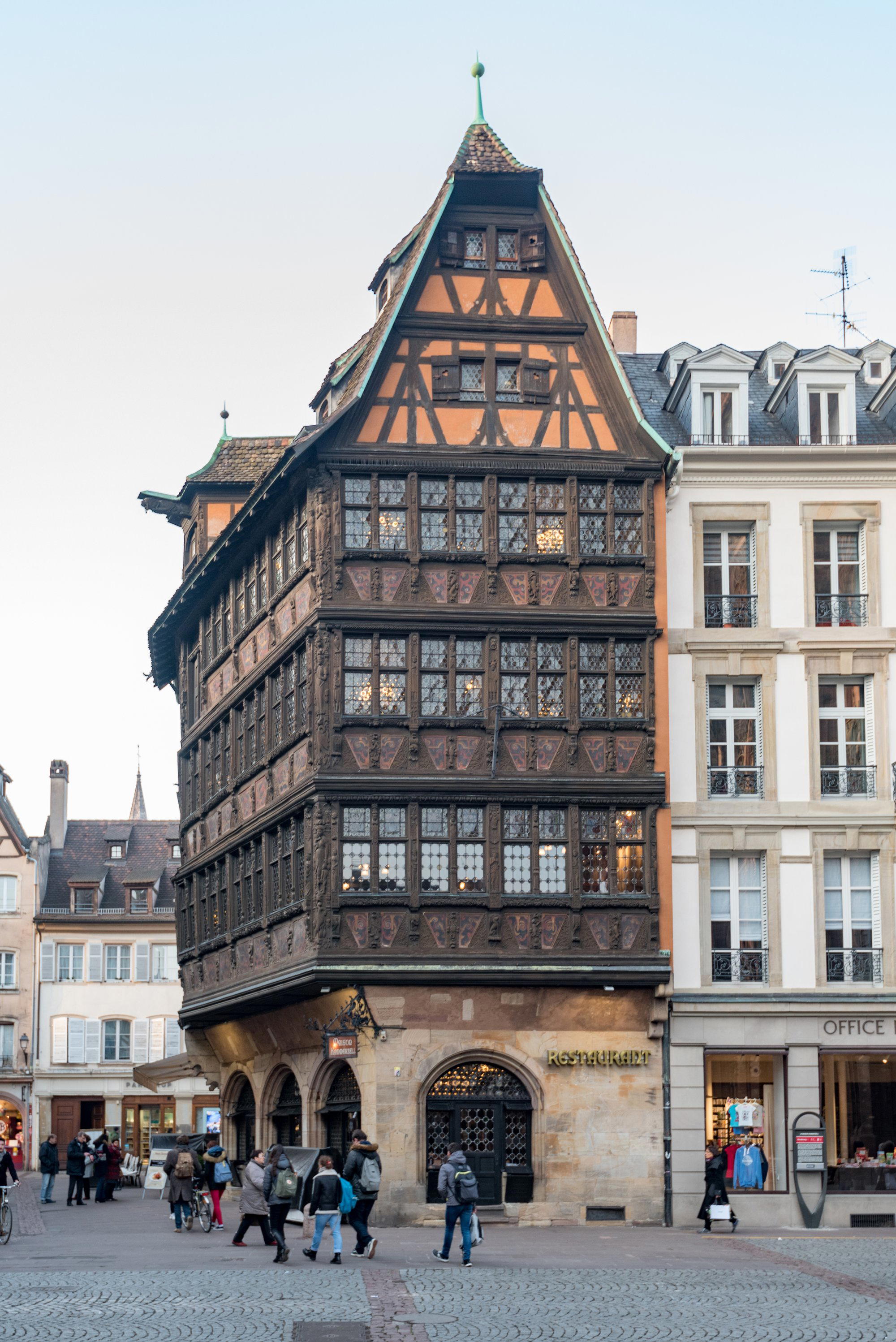
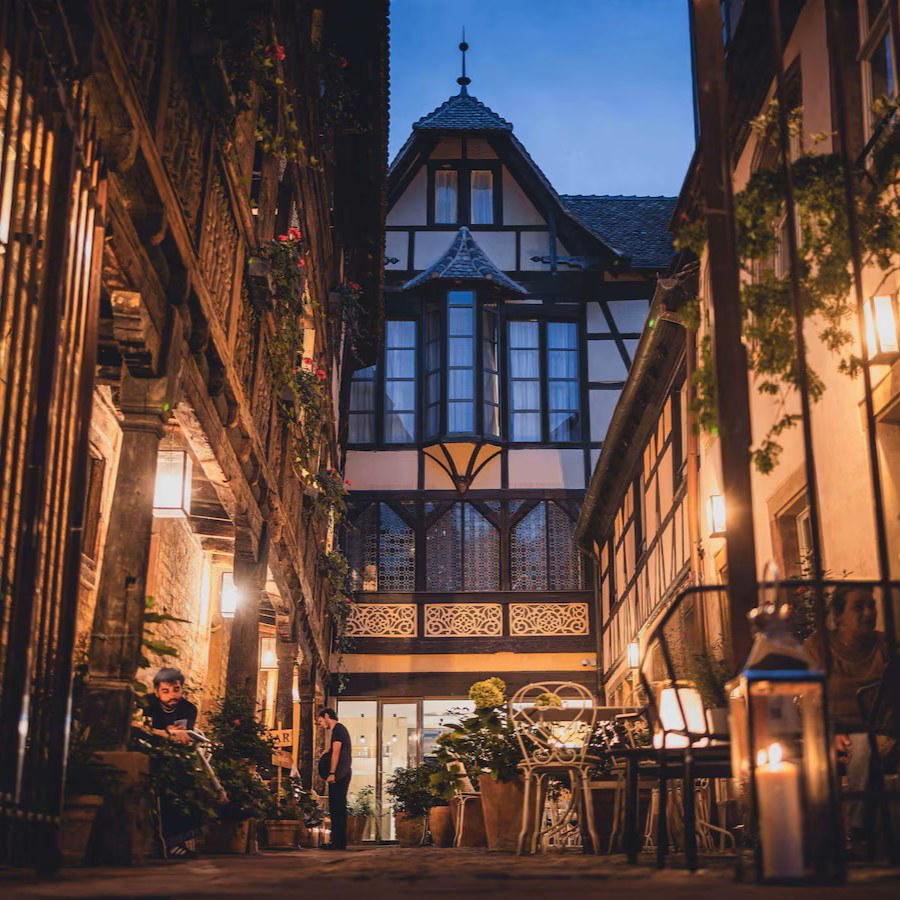
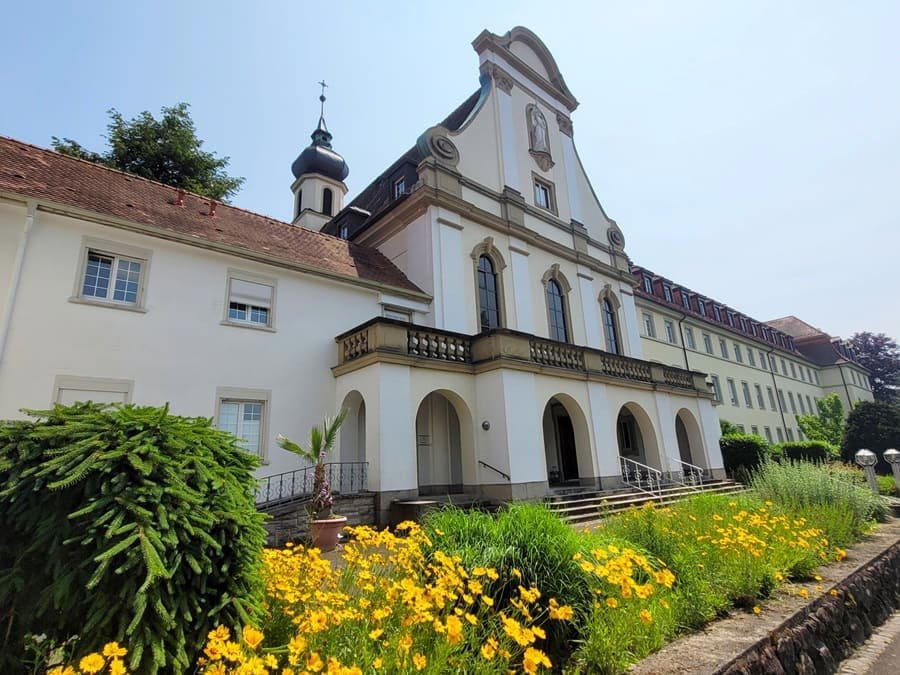
Chaleureuse et authentique ambiance in a half-timbered 18th-century house blending modern and rustic elements with a peaceful, elegant atmosphere.