
Atelier 7 Brasserie sits in Vienna’s Innere Stadt, where brasserie dining intersects with the city’s older habits of market cooking, long lunches, and polished rooms. With no public awards or chef-led mythology attached, the useful read is category-led: consider it through central-Vienna access, sourcing expectations, and how brasserie formats differ from tasting-menu restaurants.
Pearl is the En Primeur Club membership app — saves, bookings, and concierge access live there. Same editors, same standards.
- Address
- Riemergasse 7, 1010 Wien, Austria
- Phone
- +43 1 89068880
- Website
- mandarinoriental.com
- Directions
- Get directions
 Saves & bookings on Pearl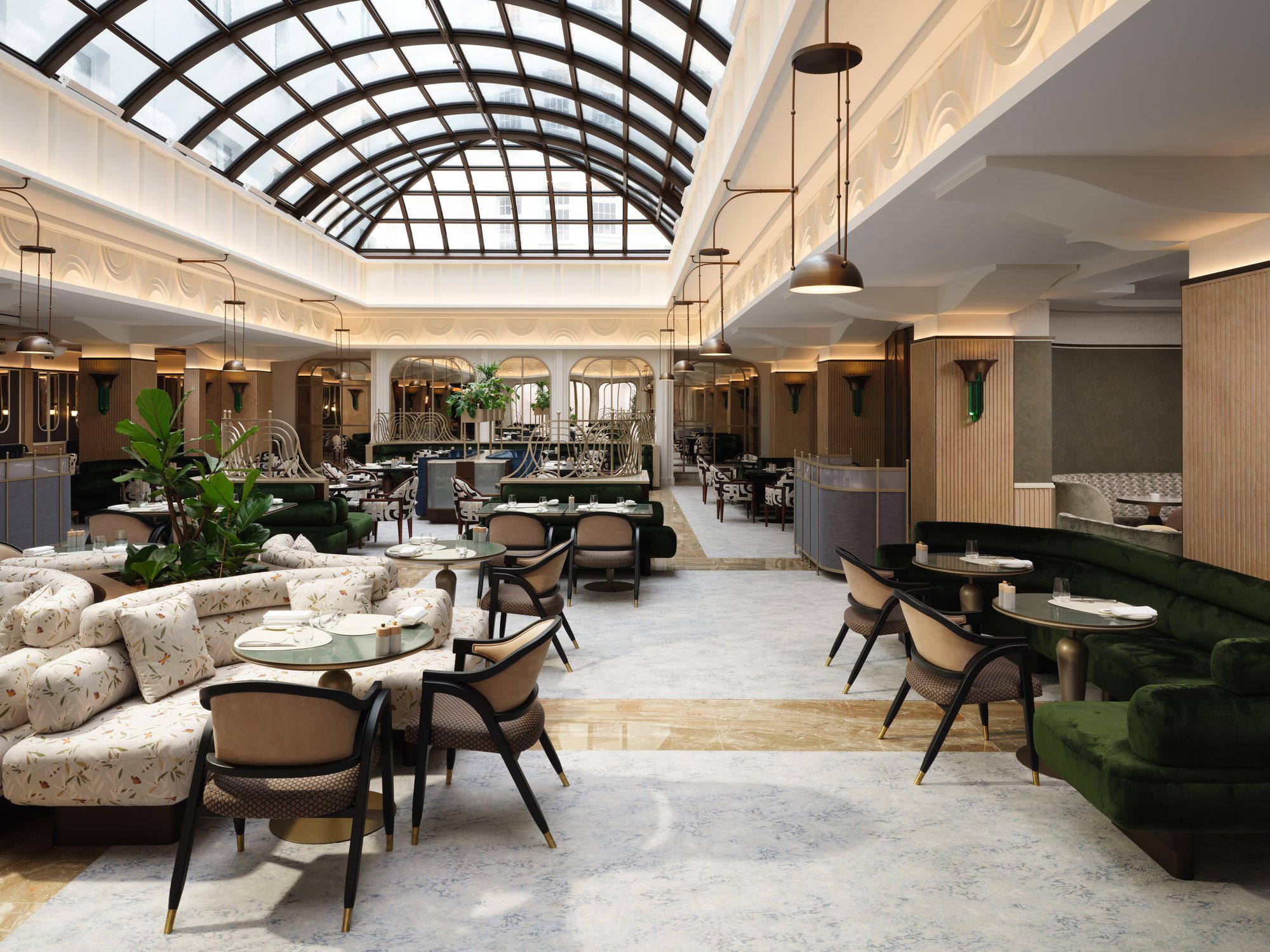
Riemergasse belongs to the tighter, older fabric of Vienna’s first district: stone façades, short sightlines, and a dining rhythm shaped by offices, hotels, theatres, and residents who know which streets empty after closing time. Atelier 7 Brasserie enters that context as a brasserie rather than a destination tasting room, which matters. In Vienna, the brasserie promise is less about ceremony than fluency: a room that can handle lunch, dinner, wine, and a mixed table without forcing the evening into a fixed-format script.
Central Vienna brasserie cooking is judged by sourcing, not spectacle
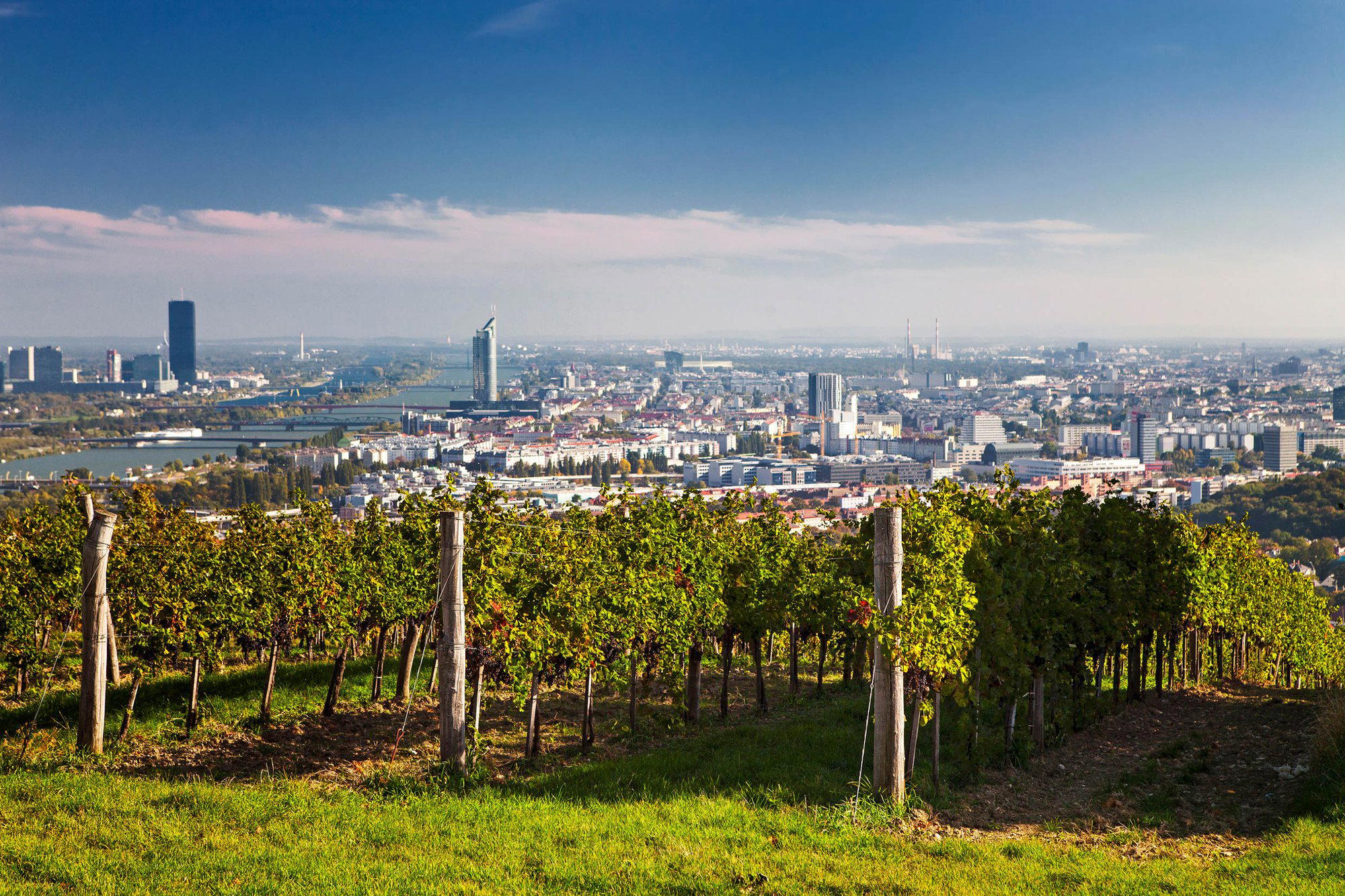
The sharper question for a city-centre brasserie is where the kitchen places its confidence. Vienna’s serious casual dining has long depended on the pull between urban polish and nearby agricultural supply: produce from Lower Austria, freshwater fish traditions along the Danube system, dairy and beef from Alpine regions, and the seasonal logic of asparagus, chanterelles, pumpkin, game, and orchard fruit. A brasserie in the Innere Stadt has to translate that supply chain into food that feels grounded without becoming rustic theatre.
Atelier 7 Brasserie is not publicly framed around a named chef, awards list, or tasting-menu architecture, so the editorial lens should stay practical and comparative. This is the lane where ingredient quality, pacing, and wine compatibility carry more weight than culinary autobiography. Vienna has room for highly authored dining, but the brasserie category asks a different set of questions: does the menu read seasonally, does it give enough range for mixed appetites, and does the room suit both a planned evening and a lower-friction central meal?
That category sits apart from several other Vienna formats. A garden-leaning restaurant such as &flora speaks to a different version of contemporary city dining, while 1870 suggests a more historically coded register. At the other end of the spectrum, 16er Würstelstand shows why Vienna’s food culture cannot be reduced to linen and glassware; the sausage stand remains part of the city’s after-hours grammar. Brasserie dining sits between those poles, with enough structure for a proper evening and enough flexibility to avoid becoming a performance.
The Innere Stadt rewards restaurants that understand timing
Location changes the way a restaurant is used. In Vienna’s first district, dining rooms absorb multiple audiences in a single service: business lunches, pre-concert dinners, hotel guests, and locals using the centre because it is convenient rather than ceremonial. That makes timing a serious editorial detail. The room that works at 6 p.m. before a performance may feel different after 8:30 p.m. when the district’s rhythm shifts from errands and appointments toward longer tables and wine-led meals.
The absence of public award signals also clarifies the decision. Atelier 7 Brasserie should not be read against Austria’s trophy restaurants, nor against reservation-led counters where scarcity is part of the value proposition. It belongs to the more useful middle of the city: central, adaptable, and dependent on execution rather than accolade. For diners mapping a Vienna itinerary, that can be more useful than another fixed-menu address, especially when the day already includes museums, shopping, or a hotel check-in nearby.
Vienna’s dining map becomes clearer when formats are separated rather than ranked. 18er Grill points toward a grill-led read of the city; 360° OCEAN SKY shifts the appeal toward view and setting. Nearby comparison names such as Atelier 7 The Café, Le Sept, Clementine im Glashaus, Le viet, and Kao Soi Thai Bistro show how dense the central market is, with café, French-inflected, greenhouse, Vietnamese, and Thai formats all competing for the same urban meal slots. In that field, a brasserie has to win through range and reliability rather than novelty.
How to place it inside a Vienna itinerary
Use the restaurant as a first-district dining option when the priority is a composed meal without the commitment of a heavily staged format. The address places it within Vienna’s museum-and-centre circuit, which makes it more useful for travellers staying in or moving through the Innere Stadt than for those building a neighbourhood crawl across the outer districts. For broader planning, Our full Vienna restaurants guide gives the citywide restaurant spread, while Our full Vienna hotels guide, Our full Vienna bars guide, Our full Vienna wineries guide, and Our full Vienna experiences guide help connect dinner with the rest of the trip.
Austria also rewards travellers who compare Vienna with the country’s smaller dining centres. The pace and sourcing conversation changes at 's Paul Restaurant in Traunkirchen, 1er Beisl im Lexenhof in Nußdorf am Attersee, 1st Lobster in Kitzbühel, 2Stein in Krems, 7burger in Salzburg, and À la carte restaurant Leni's in Going am Wilden Kaiser. Those addresses underline how much Austrian dining depends on place: lakes, wine towns, ski regions, and capital-city streets create different expectations before a menu is even opened.
The editorial verdict is simple: the restaurant is a central Vienna brasserie to judge by format discipline, ingredient logic, and usefulness within the first district, not by chef mythology or award-chasing. Travellers who want a brasserie frame in the Innere Stadt should treat it as part of a broader Vienna plan rather than a standalone pilgrimage. For a contrasting international read on casual specialization, compare how single-category focus works at Jōdo Saké Bar in Los Angeles or Onigiri Time in Pasadena; Vienna’s brasserie tradition is broader, slower, and more dependent on the room’s ability to carry different kinds of evenings.
Snapshot
Comparable venues by cuisine and price in the same metro.
| Venue | Cuisine |
|---|---|
| Atelier 7 Brasserie | This venue |
Recognition history
Dated appearances from independent guides and award organizations, with the underlying list record or original source where available.
Michelin Plate
Michelin
Continue exploring
More in Vienna
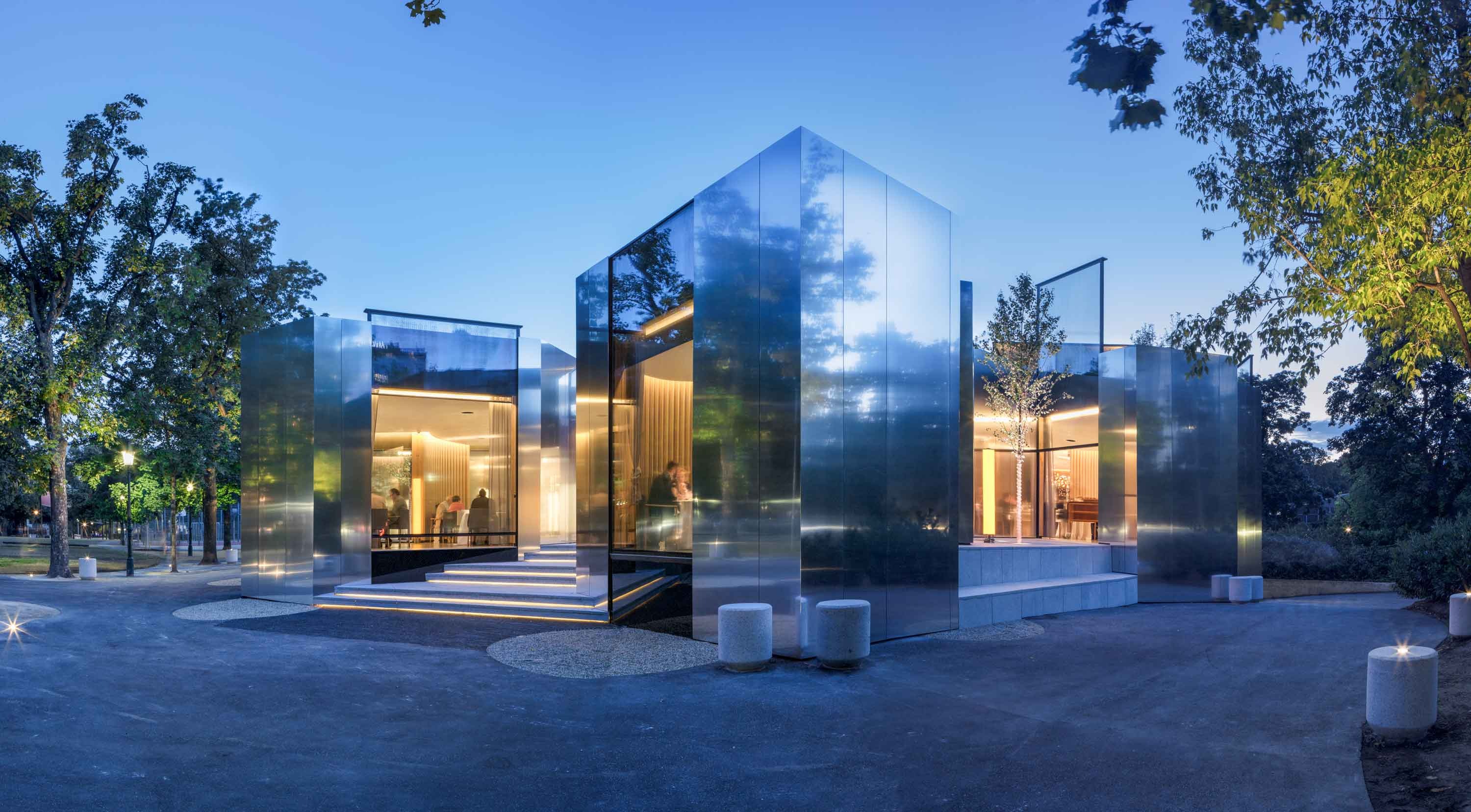
Restaurants in Vienna
Browse all →
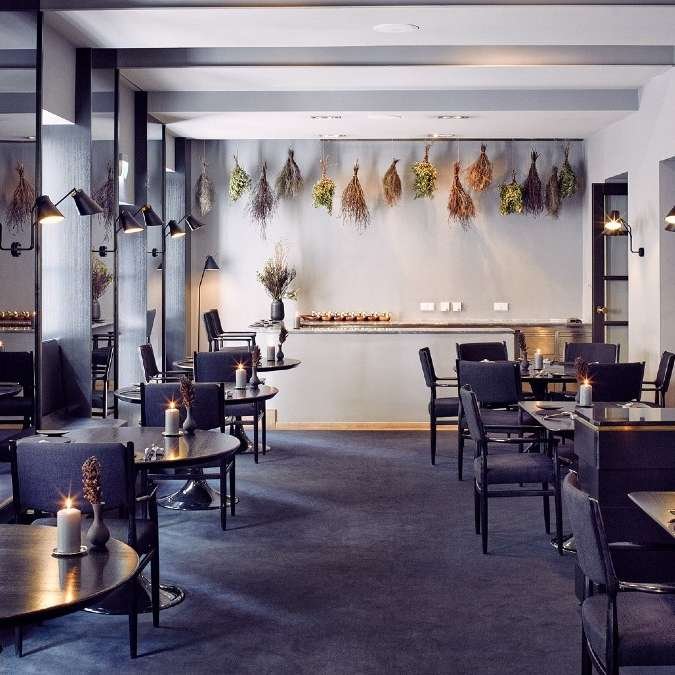
Bars in Vienna
Browse all →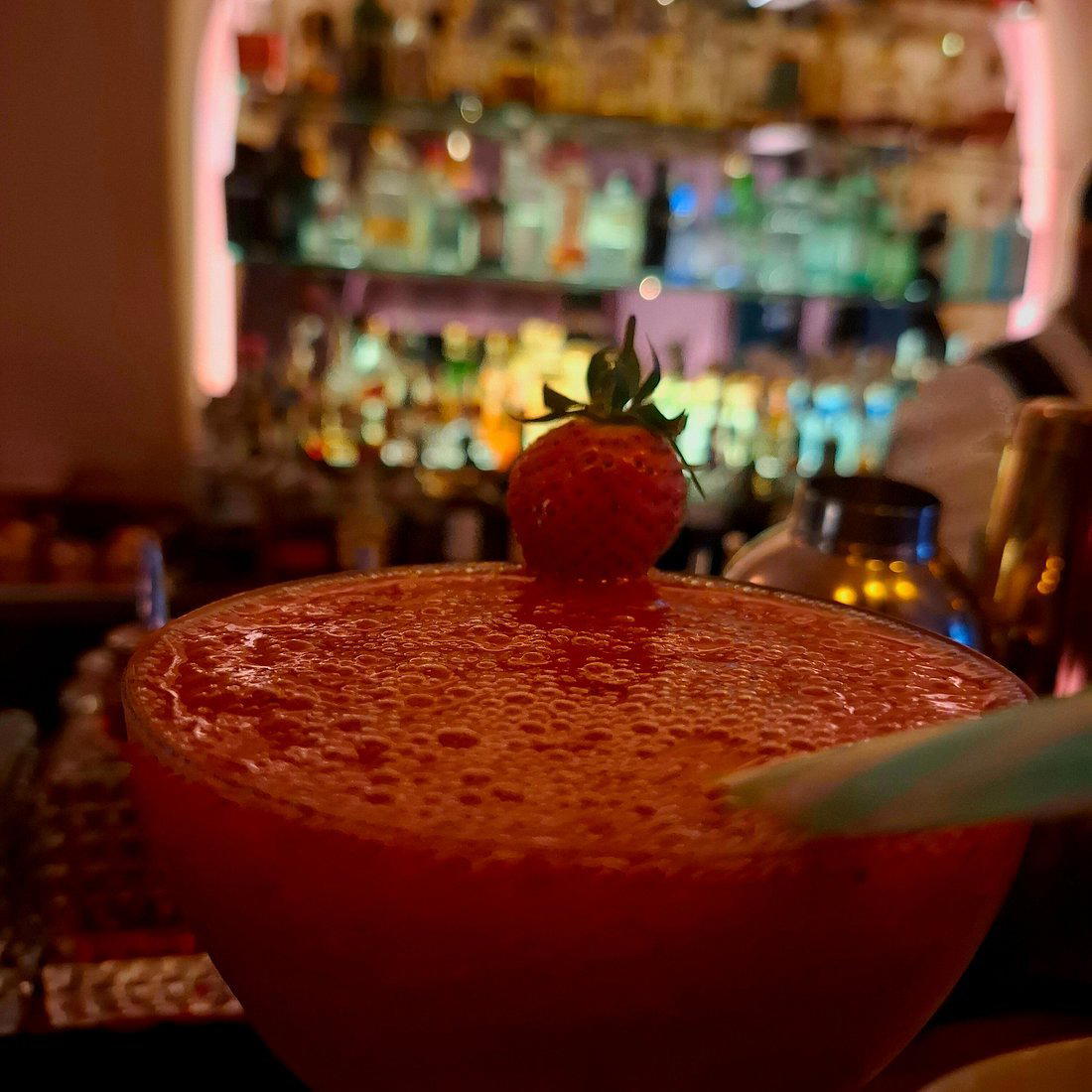
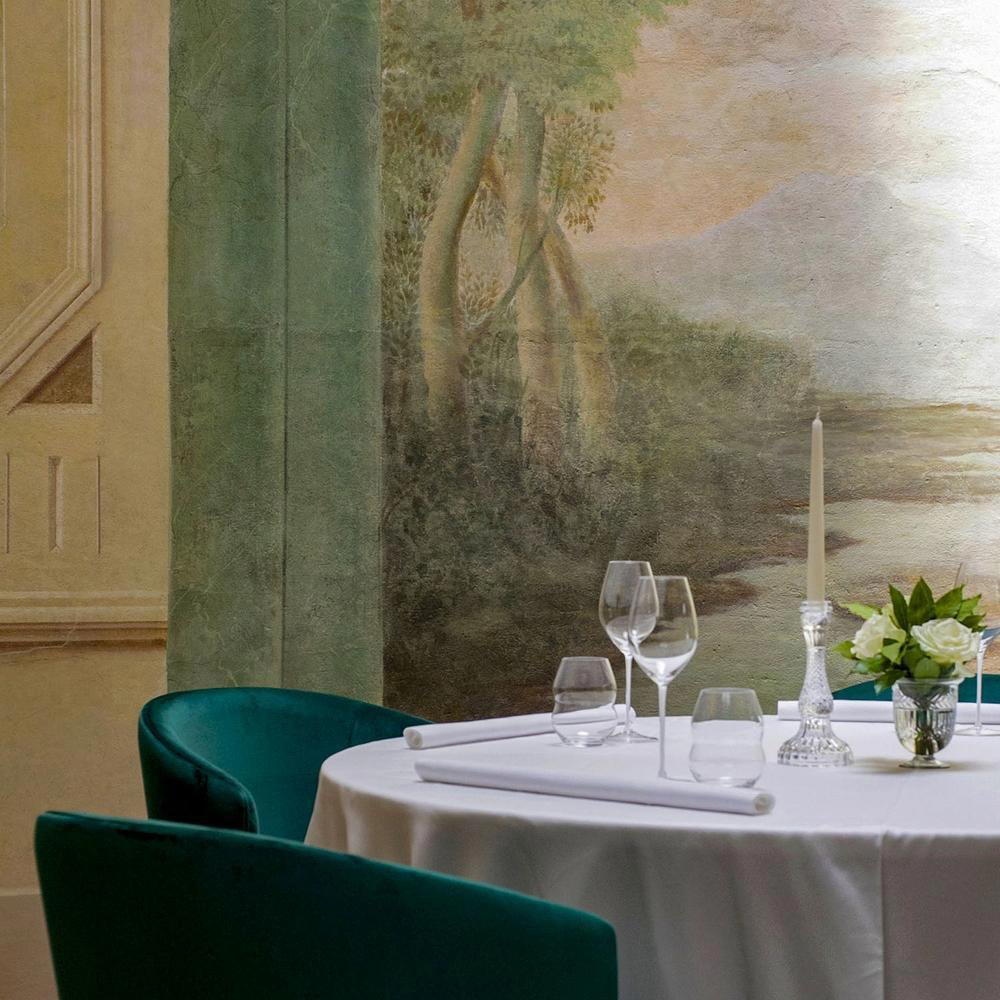
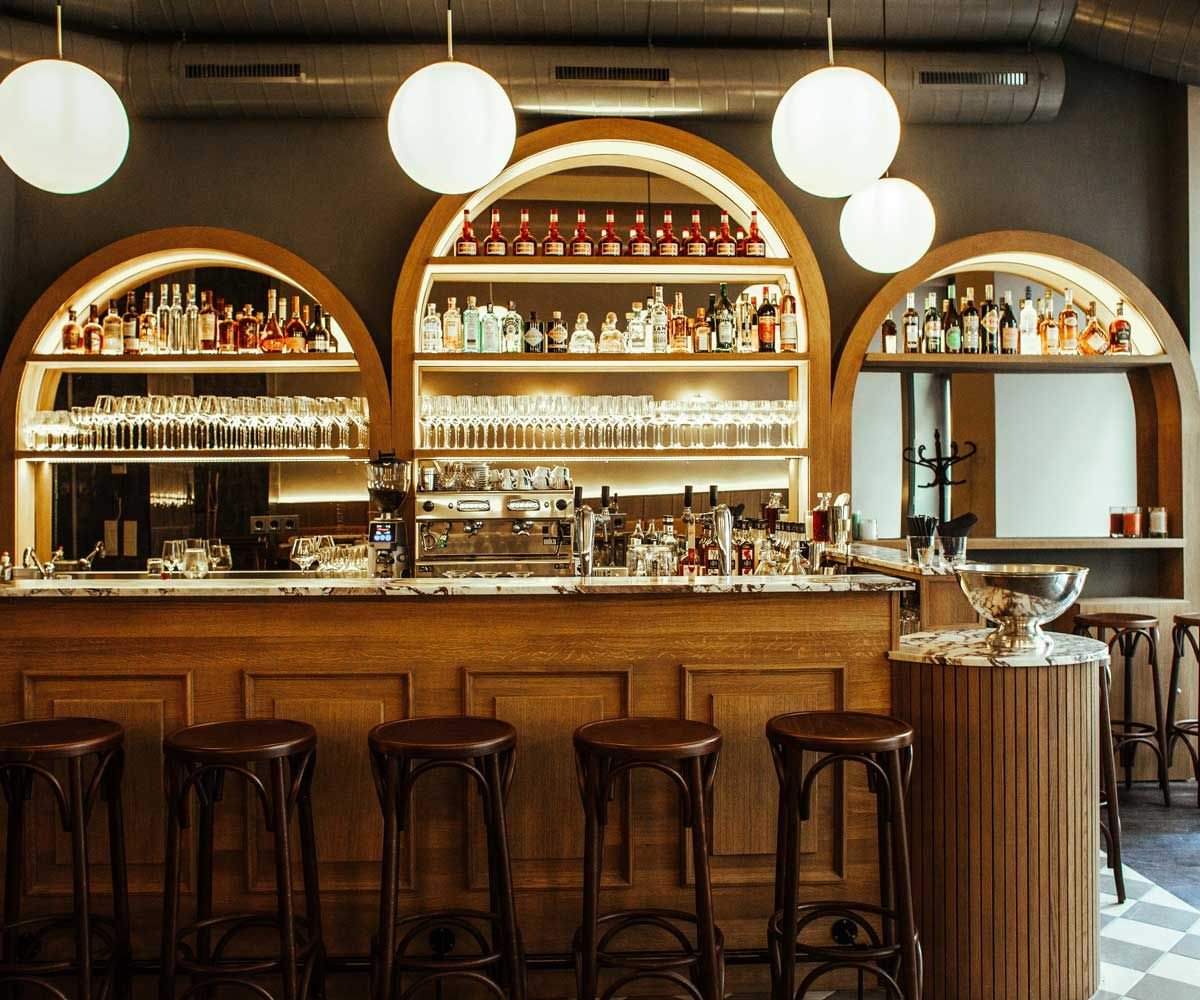
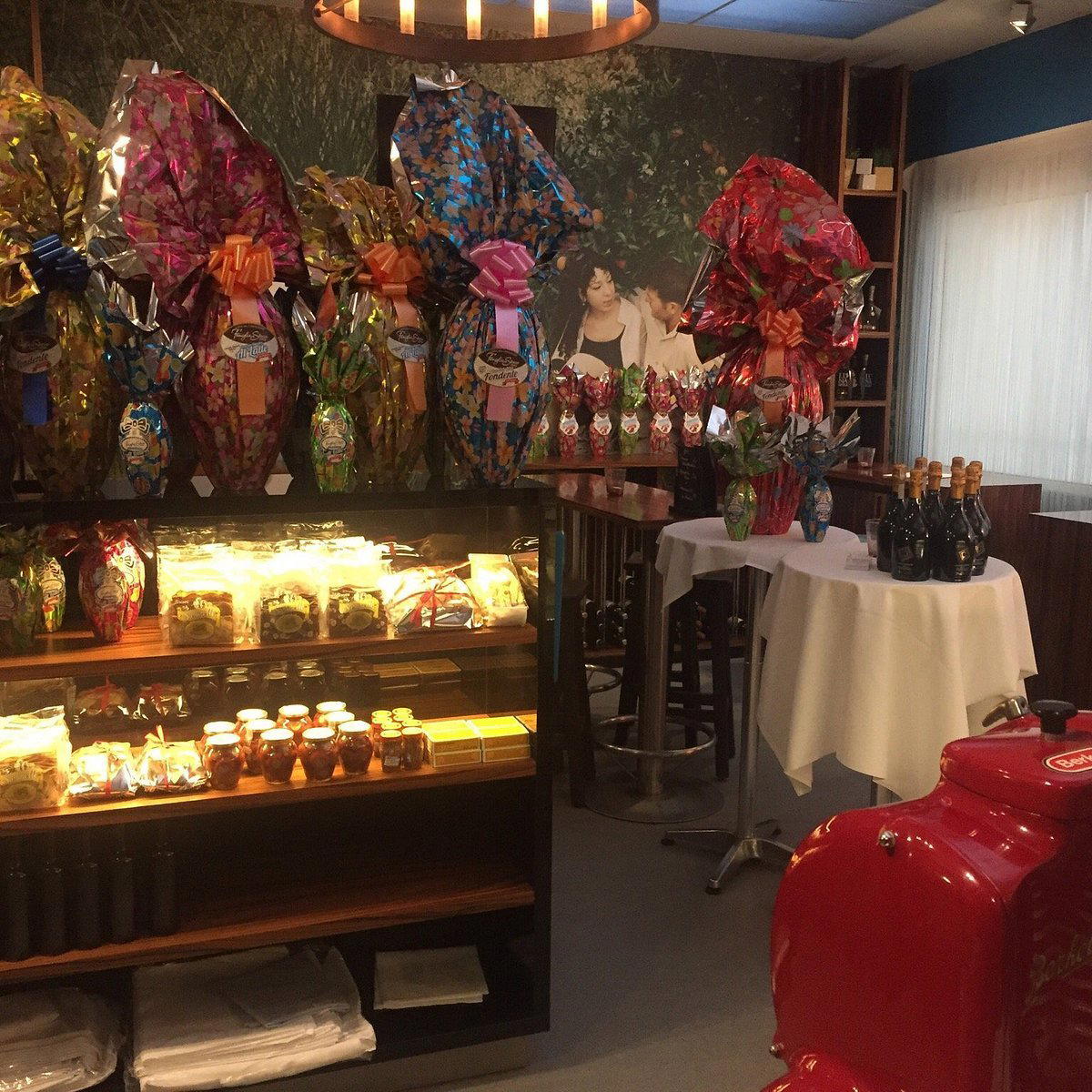
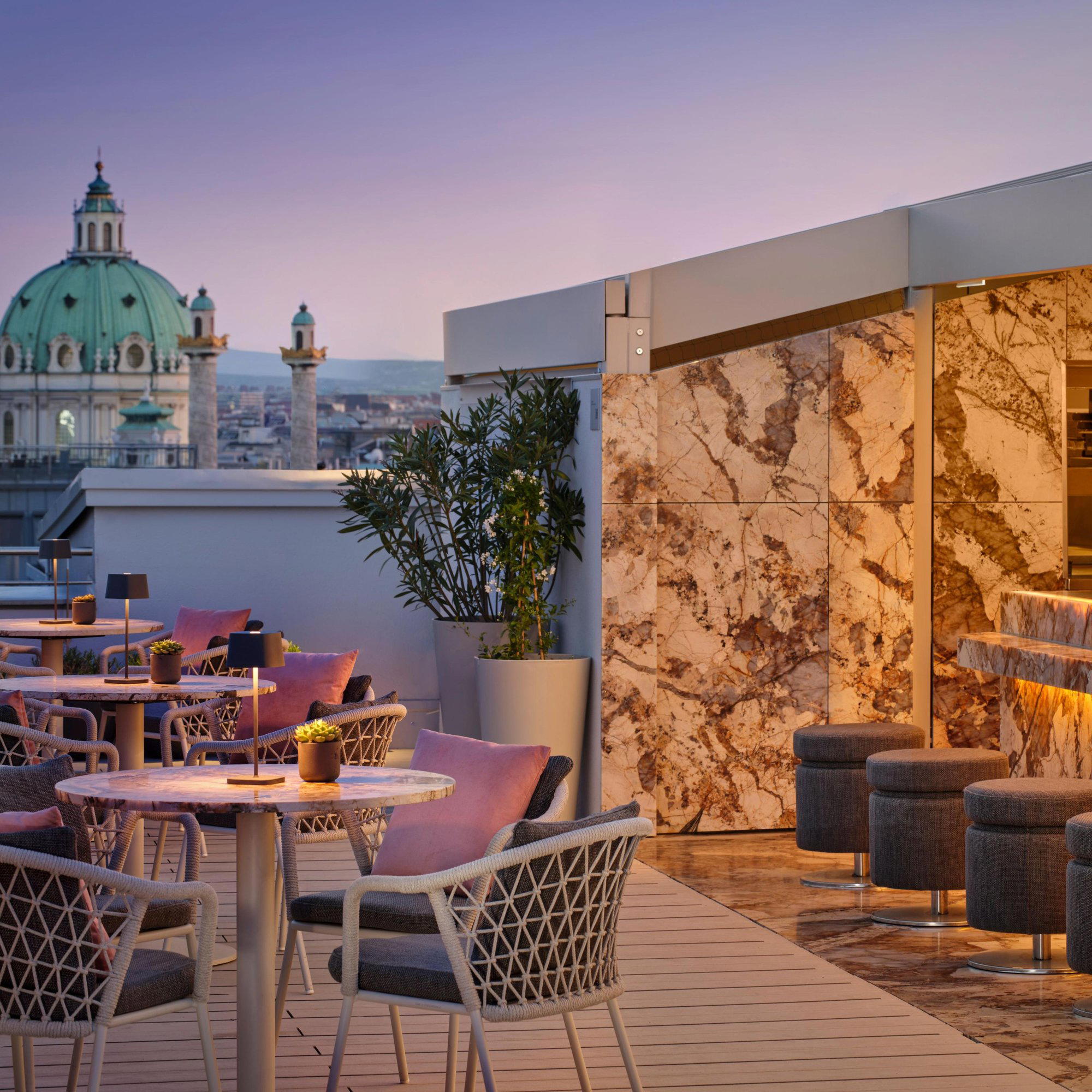
Hotels in Vienna
Browse all →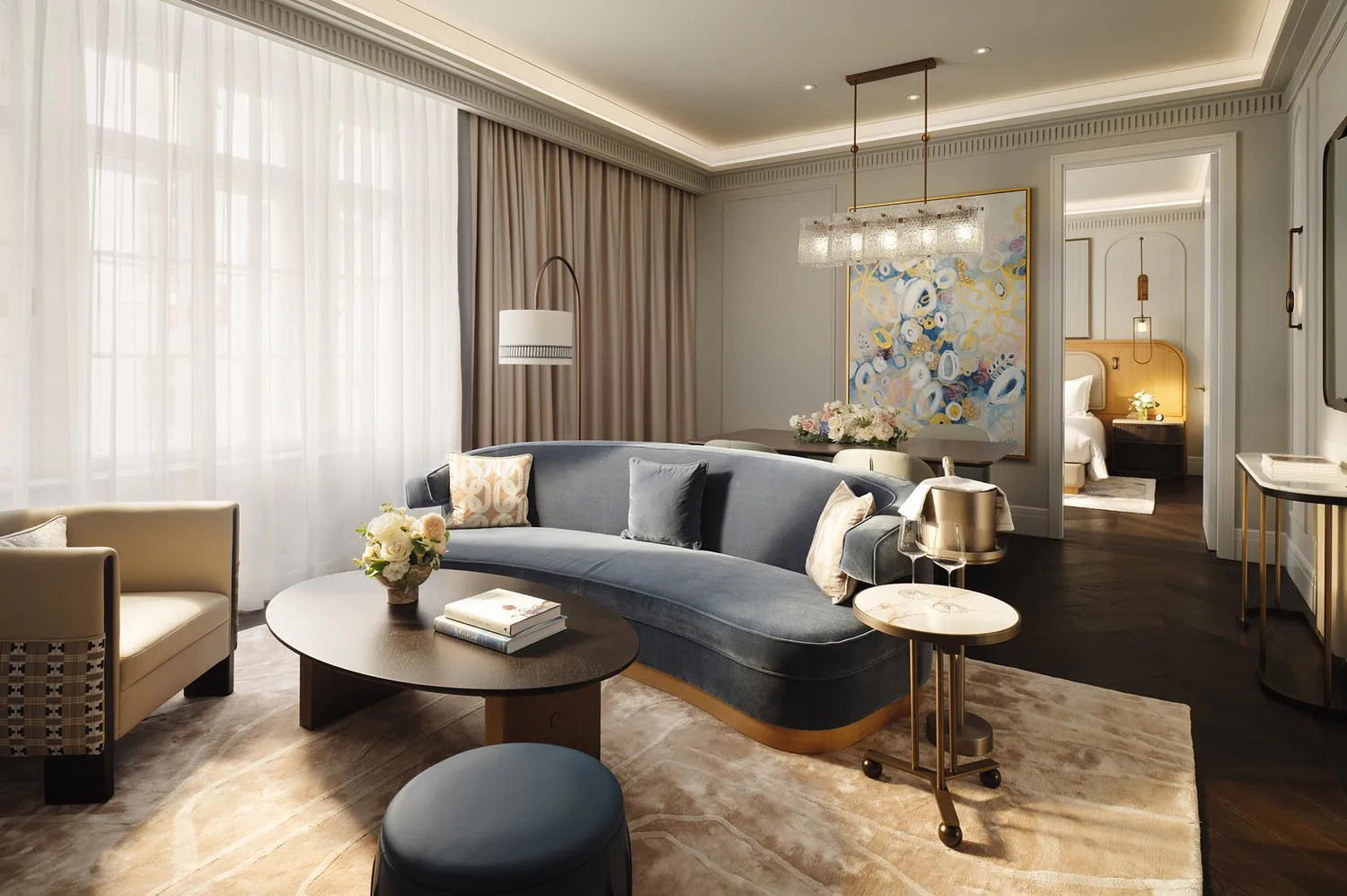
At a Glance
- Elegant
- Sophisticated
- Modern
- Business Dinner
- Group Dining
- Brunch
- Casual Hangout
- After Work
- Hotel Restaurant
- Design Destination
- Craft Cocktails
- Sake Program
- Local Sourcing
- Sustainable Seafood
Current opening hours
- Monday
- 7 AM–10:30 PM
- Tuesday
- 7 AM–10:30 PM
- Wednesday
- 7 AM–10:30 PM
- Thursday
- 7 AM–10:30 PM
- Friday
- 7 AM–10:30 PM
- Saturday
- 7 AM–10:30 PM
- Sunday
- 7 AM–10:30 PM
Hours can change for holidays and private events. Last verified .
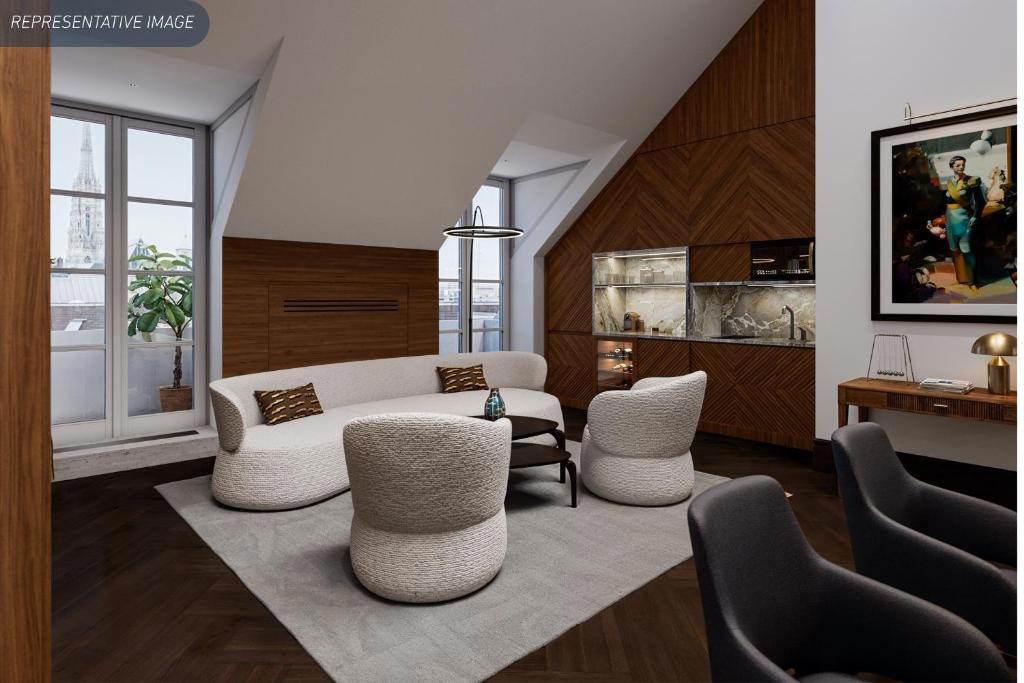
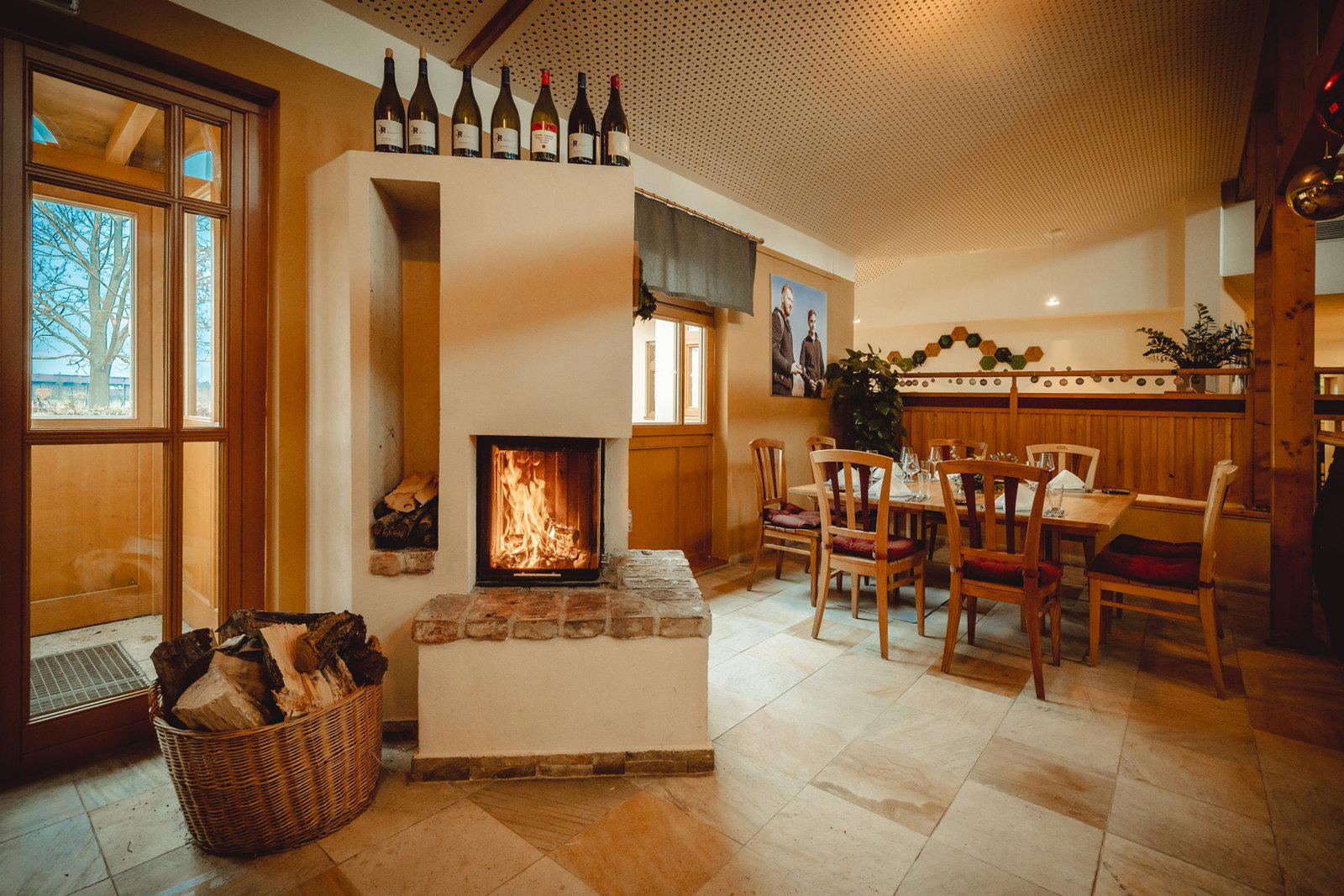
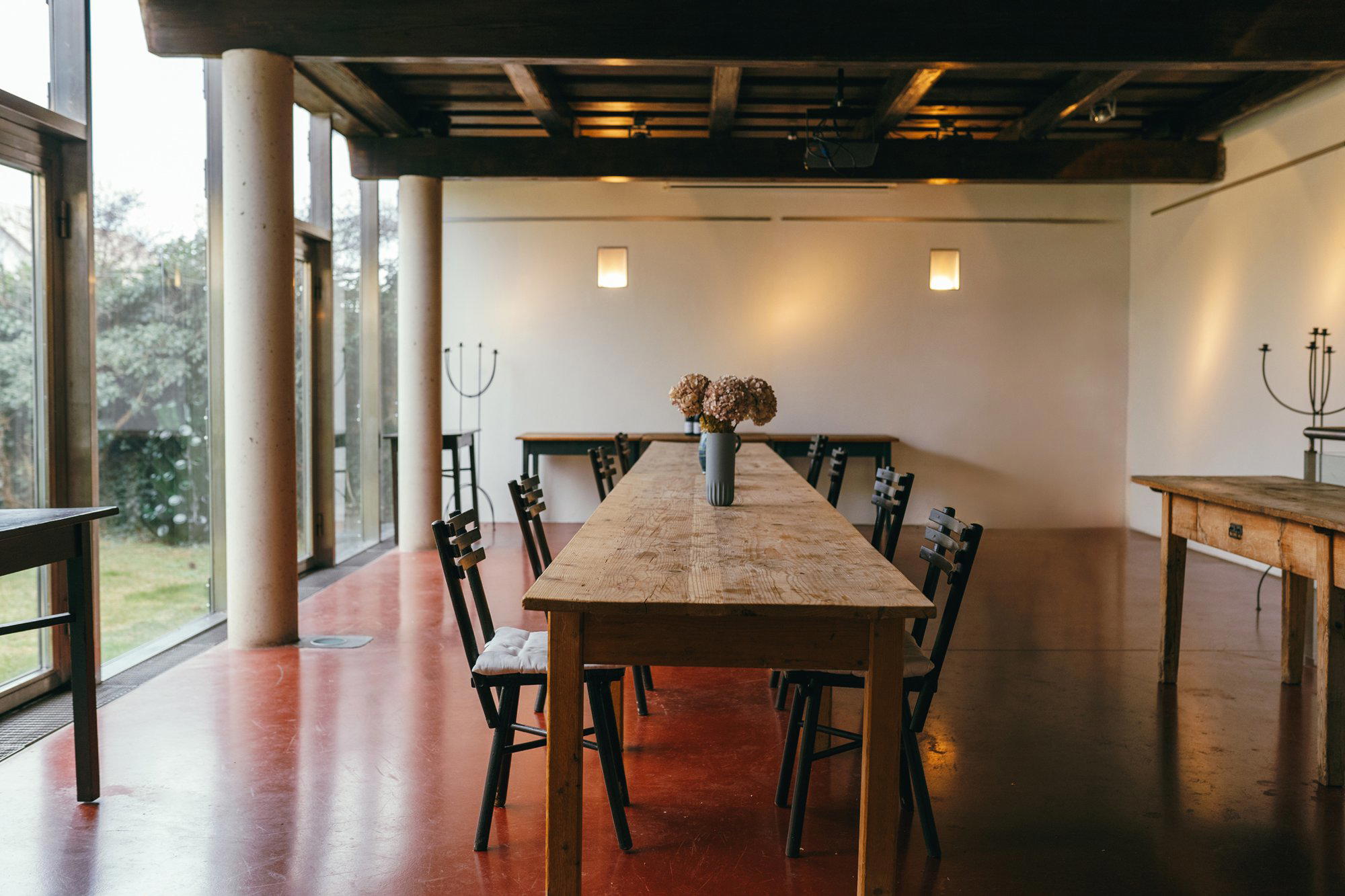
Elegant, warm, and welcoming, with Art Nouveau-inspired design, polished stone tables, and a chic atrium setting.