Asti Ristorante
Asti Ristorante occupies a Fifth Avenue address in San Diego's Gaslamp Quarter, positioning itself within a dining corridor that ranges from casual to formal Italian. The restaurant sits in a neighbourhood where the competition is broad and the Italian category is well-represented, making menu architecture and room character the primary differentiators for returning guests.
Pearl is the En Primeur Club membership app — saves, bookings, and concierge access live there. Same editors, same standards.
- Address
- 728 Fifth Ave, San Diego, CA 92101
- Phone
- +16192328844
- Website
- astisandiego.com
- Directions
- Get directions
 Saves & bookings on Pearl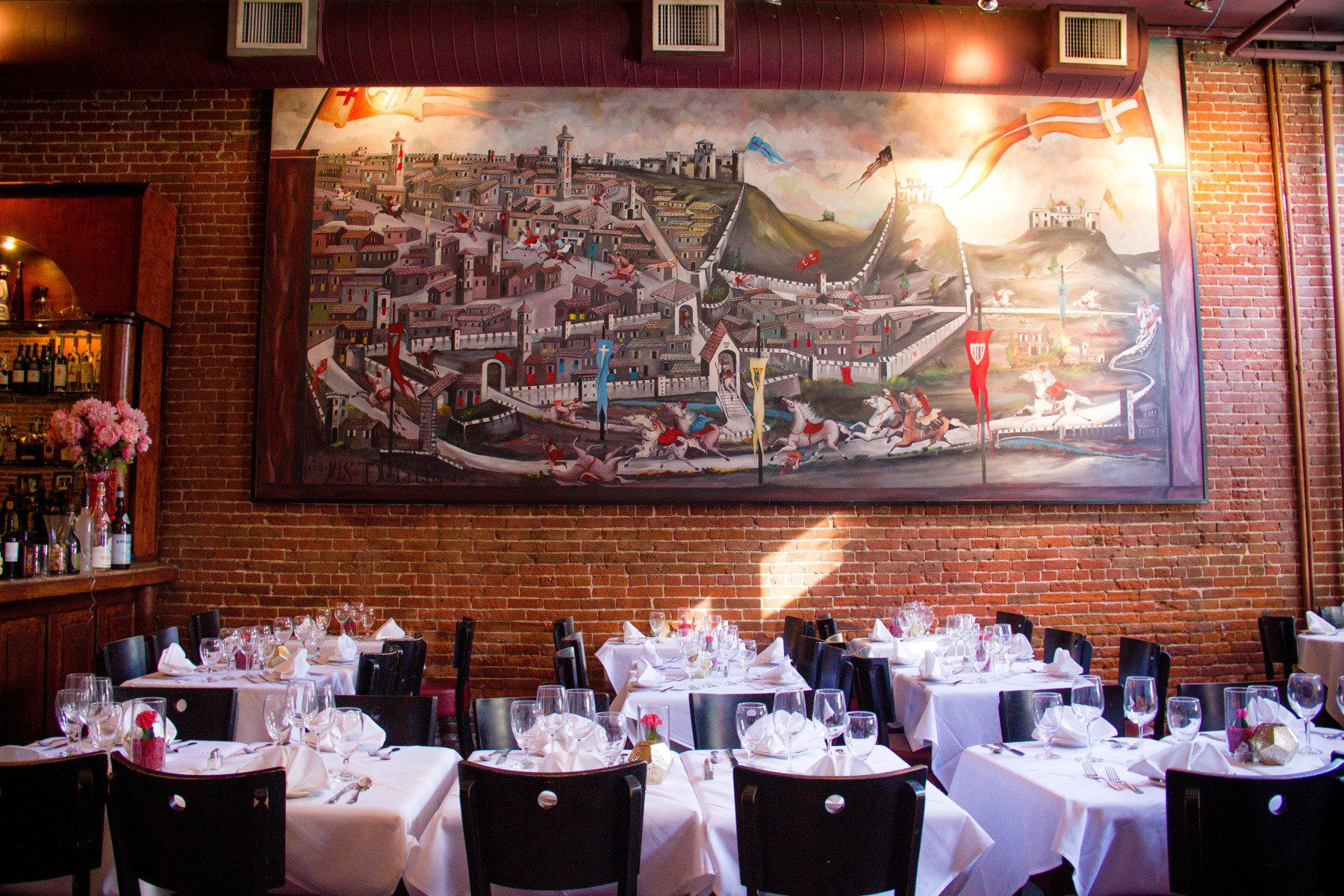
Fifth Avenue, Gaslamp Quarter: What the Address Says About Italian Dining in San Diego
San Diego's Gaslamp Quarter has long operated as the city's most compressed dining corridor, where a single block on Fifth Avenue can hold a dozen different cuisines and price points in close proximity. Italian restaurants in this stretch face a particular test: the category is crowded nationally and locally, and diners walking the strip have options at every register. The restaurants that maintain consistent audiences in this environment tend to do so through legible menu logic, room character that holds up on a second visit, and a kitchen identity that doesn't blur at the edges. Asti Ristorante, at 728 Fifth Ave, sits inside that competitive reality.
To understand what Asti is doing, it helps to consider what Italian dining in American urban corridors has become. At one end of the spectrum, you have trattorias built around regional specificity, where the menu is an argument for a particular Italian province. At the other, you have broad-church Italian-American houses that prioritise volume and accessibility. The interesting category sits between those poles: restaurants with enough editorial discipline to tell a coherent story through their menu structure, without the austerity of a strictly regional format. San Diego's Italian scene has historically leaned toward the latter, and the Gaslamp addresses reflect that.
How the Menu Structure Frames the Experience
The editorial angle on any Italian restaurant worth thinking about is ultimately structural. A menu is a document. It tells you what the kitchen believes, what it can execute consistently, and where it draws its reference points. Italian menus in particular have a grammar: antipasti that orient the palate, a pasta course that carries the weight of culinary identity, secondi that test protein sourcing and technique, and a dolci section that either commits to tradition or hedges toward continental comfort. When a restaurant gets that sequence right, the meal has a shape. When it doesn't, the experience feels like a selection of dishes rather than a dinner.
Italian cuisine rewards this kind of structural thinking more than most traditions. The regional diversity of the peninsula means that a menu drawing from, say, Piedmont and Sicily simultaneously is making a choice, consciously or not, about whether to be a survey course or a point of view. Guests who eat Italian regularly will notice this. Those who don't will feel it in whether the meal coheres. The Gaslamp's dining audience includes both groups, which is why the Italian restaurants that hold their ground here tend to be the ones with the clearest internal logic, even if that logic isn't explicitly stated on the menu.
Addison remains the city's benchmark for formal dining, holding two Michelin stars in a French contemporary format that represents the ceiling of the local market. Soichi occupies a comparable position in Japanese cuisine, with an omakase format that commands serious attention. Italian dining in San Diego sits in a different tier, generally more accessible and less ceremony-dependent, which creates its own set of expectations around value and consistency.
The Gaslamp as Context, Not Background
The street is active in the way tourist-adjacent corridors tend to be: there is noise, there is foot traffic, and the signage competes for attention. Restaurants that work here have usually made a decision about how much of that energy they want to absorb and how much they want to filter out. A room that reads clearly as a destination, rather than a waypoint, changes how guests settle in. The Italian restaurant tradition offers a useful toolkit for this: warm lighting, tablecloths, a wine list with some depth, and a room that doesn't require explanation.
777 G St and, nearby, 1450 El Prado, both of which serve different segments of the downtown audience. For visitors arriving by air or from the waterfront, 94th Aero Squadron represents another reference point in the broader dining map.
Italian Dining in the National Frame
San Diego's Italian restaurants exist within a national conversation about what the category can achieve. At the reference tier, restaurants like Le Bernardin in New York City demonstrate what formal European-tradition dining looks like at its most disciplined, while The French Laundry in Napa and Lazy Bear in San Francisco show how California kitchens have developed their own high-conviction dining formats. Italian-specific excellence in the US spans from the regional rigour of Frasca Food and Wine in Boulder, which built its identity on Friulian cuisine, to the broader contemporary American formats at Smyth in Chicago. Internationally, Atelier Moessmer Norbert Niederkofler in Brunico represents what Italian fine dining looks like when it commits fully to regional identity and sourcing discipline.
They are useful for understanding what the category's ceiling looks like and what choices lower down the price register are implicitly making. A Gaslamp Italian that offers a broad menu with pasta, pizza, and secondi makes a different argument than a tasting-menu format built around a single region. Neither is wrong; they are different bets on what the audience wants. The restaurants that lose their footing are usually those that haven't decided which bet they're making.
Providence in Los Angeles and Emeril's in New Orleans both operate in cities with competitive, cuisine-diverse dining environments where a restaurant's identity has to be legible enough to compete for a repeat audience. Blue Hill at Stone Barns in Tarrytown, Single Thread Farm in Healdsburg, The Inn at Little Washington, and Atomix in New York City each show how a defined editorial point of view sustains audience loyalty in crowded markets.
Budget and Context
Comparable venues nearby, for context on price, style, and recognition.
| Venue | Cuisine | Price |
|---|---|---|
| Asti RistoranteThis venue — the venue you are viewing | Downtown, Northern Italian | $$$ |
| Osteria Panevino | Downtown, Authentic Sicilian Italian | $$$ |
| Monzu Fresh Pasta | Downtown, Authentic Italian Fresh Pasta | $$$ |
| Lala | Downtown, Modern Italian | $$$ |
| Baci Restaurant | Clairemont Mesa, Classic Italian | $$$ |
| Arrivederci | Uptown, Authentic Italian Trattoria | $$ |
Continue exploring
More in San Diego
Restaurants in San Diego
Browse all →
Bars in San Diego
Browse all →

At a Glance
- Elegant
- Intimate
- Classic
- Cozy
- Date Night
- Special Occasion
- Group Dining
- Private Dining
- Extensive Wine List
- Local Sourcing
- Street Scene
Current opening hours
- Monday
- 4–10 PM
- Tuesday
- 4–10 PM
- Wednesday
- 4–10 PM
- Thursday
- 4–10 PM
- Friday
- 12–10 PM
- Saturday
- 12–10 PM
- Sunday
- 12–10 PM
Hours can change for holidays and private events. Last verified .
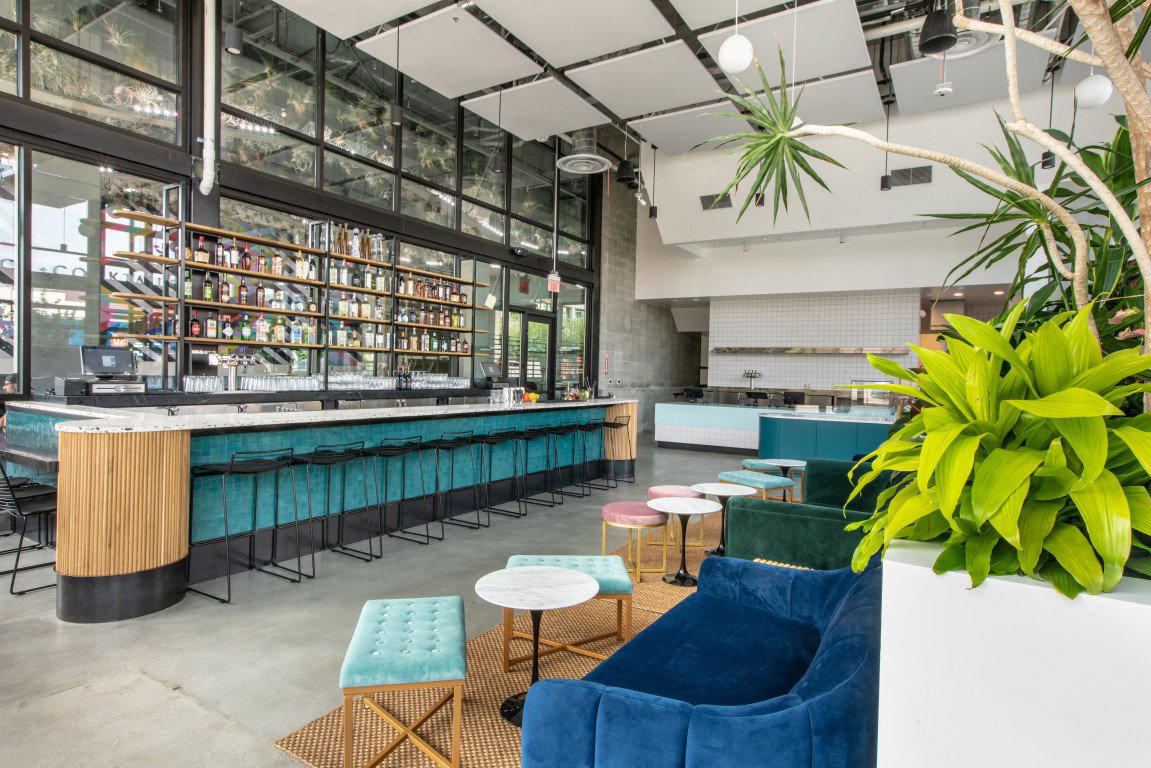
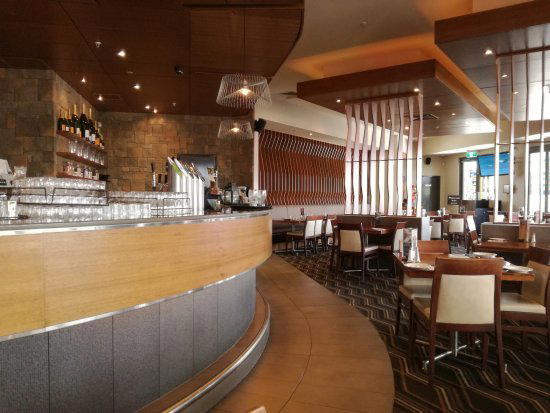
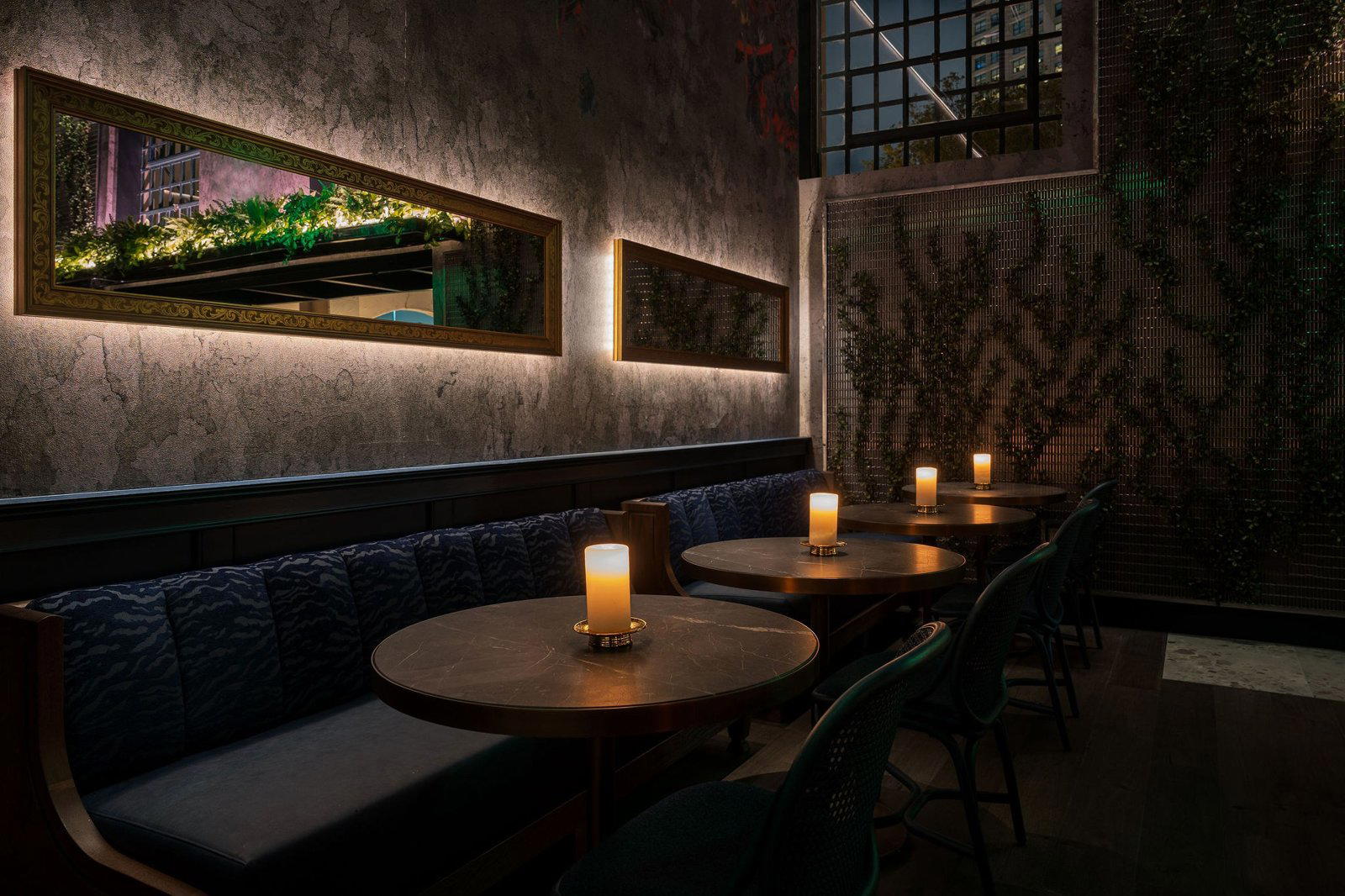
Warm, elegant ambiance with Victorian-style brick walls, shades of burgundy, and candlelight on the patio.