Monzu Fresh Pasta
On Tenth Avenue in San Diego's East Village, Monzu Fresh Pasta occupies a specific lane in the city's Italian dining scene: handmade pasta as the organizing principle, not a supporting act. The menu's architecture reflects a pasta-forward logic that places the kitchen's craft at the center of each visit. For a neighborhood still defining its dining identity, it functions as a useful reference point.
Pearl is the En Primeur Club membership app — saves, bookings, and concierge access live there. Same editors, same standards.
- Address
- 455 Tenth Ave, San Diego, CA 92101
- Phone
- +16192555032
- Website
- monzufreshpasta.com
- Directions
- Get directions
 Saves & bookings on Pearl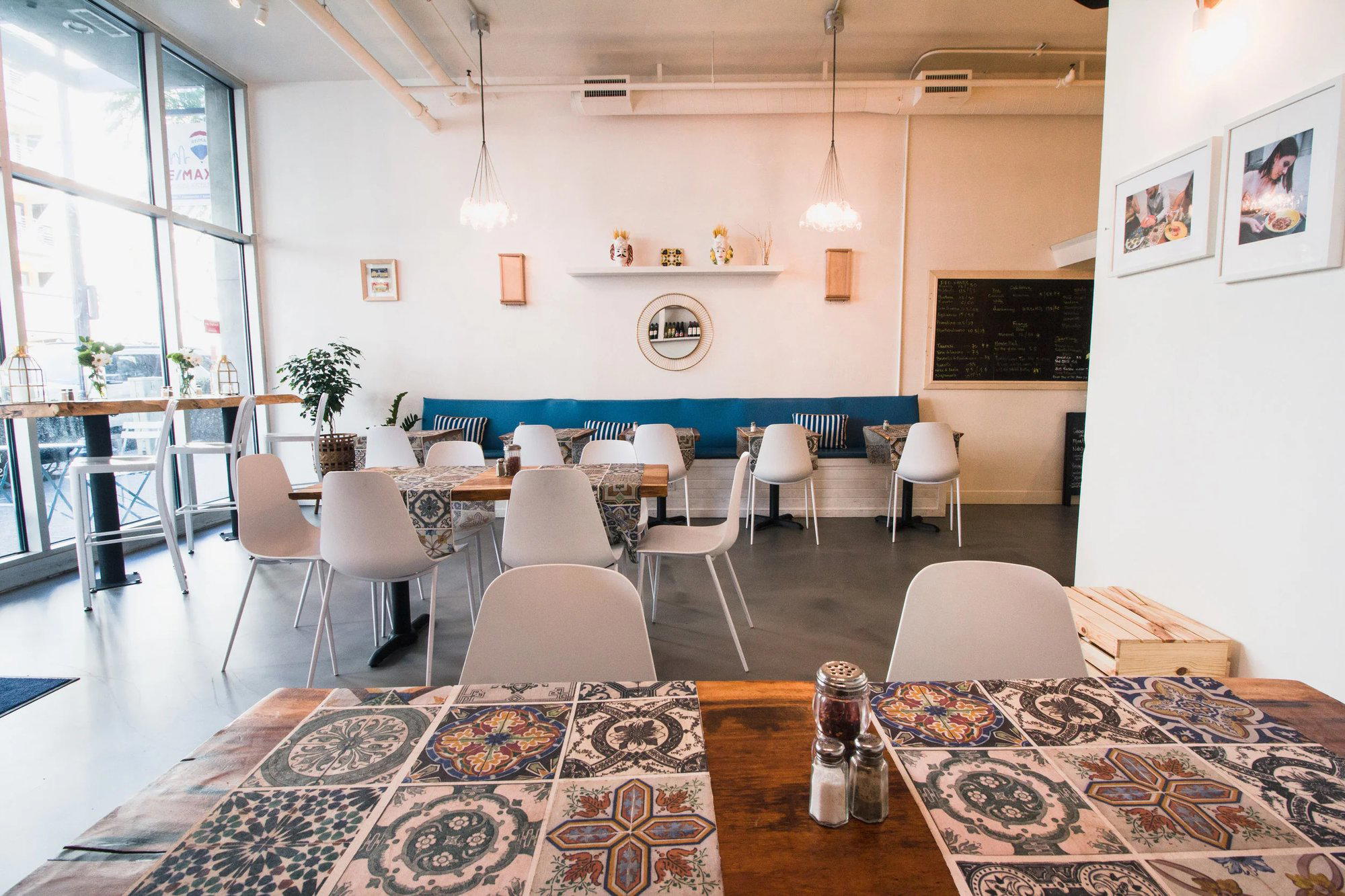
East Village and the Fresh Pasta Question
San Diego's East Village has spent the better part of a decade assembling a restaurant identity. The neighborhood sits close enough to the Gaslamp Quarter to draw foot traffic but distinct enough in character to attract operators who are building something deliberate rather than chasing tourist volume. The dining that has taken root here tends toward specificity: kitchens with a defined point of view, formats that reward repeat visits, and menus structured around a craft premise rather than a broad appeal strategy. Monzu Fresh Pasta is a casual Italian restaurant at 455 Tenth Ave in San Diego's East Village, with. Monzu Fresh Pasta, at 455 Tenth Avenue, fits that pattern. Its address puts it in a corridor where the city's restaurant scene is still being written, which gives the kitchen both an audience inclined toward curiosity and the pressure to justify the attention.
The fresh pasta format is a useful lens for understanding where a kitchen is positioning itself. In most American cities, pasta occupies a middle tier: competent, familiar, rarely the reason a critic books a table. The restaurants that have changed that calculus, from the neighborhood red-sauce institutions of New York's outer boroughs to the more technically ambitious pasta programs that emerged in the 2010s, did so by treating the dough itself as a discipline. Hydration ratios, resting times, flour blends, and extrusion versus hand-rolling produce measurably different results, and a menu built around fresh pasta is implicitly making an argument about which of those choices matter. That argument is the first thing worth reading when you arrive at Monzu.
Reading the Menu as a Structure
A pasta-forward menu has an internal logic that differs from a conventional Italian-American format. In the latter, pasta is one section among many, flanked by antipasti, secondi, and dessert, with the protein often commanding the highest price and kitchen attention. When a restaurant organizes itself around fresh pasta as the central offering, the hierarchy shifts. The pasta section is not an interlude between a salad and a steak; it is the main event, and the surrounding courses exist to frame it. That structural decision tells you something about where the kitchen's labor is concentrated and what the kitchen believes its audience came to find.
Menus organized this way also tend to reward specificity in ordering. The distinctions between pasta formats, whether a hand-torn pappardelle versus a thin-rolled tagliatelle, a filled pasta versus an extruded shape, carry weight in a kitchen that has made those choices deliberately. The saucing decisions that follow are downstream of the pasta form, not independent of it. A diner who reads the menu at that level of granularity will generally eat better than one who orders by familiarity alone. This is the kind of restaurant where asking questions of the service staff about the day's pasta formats is not pedantic; it is the right move.
East Village's broader dining mix provides useful context for calibrating expectations. The neighborhood's Italian options sit in a city that ranges from the formal, award-decorated end of the spectrum, exemplified by Addison at the summit of San Diego's fine dining hierarchy, to the more casual, ingredient-led formats that have multiplied in neighborhoods like North Park and Mission Hills. The Japanese dining scene, anchored by places like Soichi, has demonstrated that San Diego diners will support technically serious, format-specific kitchens. Fresh pasta, handled with equivalent seriousness, occupies a comparable niche: approachable in format but demanding in execution.
San Diego's Italian Dining Context
Italian food in California has always occupied a complicated position. The state's agricultural abundance and proximity to wine country, from Napa properties like The French Laundry's broader Yountville ecosystem to the farm-to-table discipline of Single Thread Farm in Healdsburg, has pushed kitchens toward seasonal, produce-led menus that sometimes align with Italian regional cooking and sometimes diverge from it entirely. The question for any Italian-leaning kitchen in California is how much it wants to anchor in Italian precedent versus adapt to local ingredient logic. Fresh pasta is one of the few elements of Italian cooking that travels well across that divide: the technique is Italian, but the filling, the sauce, and the accompaniments can shift seasonally without losing coherence.
Across the country, the restaurants that have raised fresh pasta's critical profile have done so by treating it as a platform for ingredient-forward cooking rather than a nostalgic gesture. Le Bernardin in New York City built its reputation on fish-forward precision; the pasta-focused operators who have earned comparable attention have done it by applying similar rigor to dough and sauce. The comparison is not about category equivalence but about the underlying logic: technique in service of a specific ingredient or format, applied consistently. Elsewhere in the country, destinations like Lazy Bear in San Francisco, Alinea in Chicago, and Blue Hill at Stone Barns in Tarrytown have demonstrated that American diners will engage with format-driven menus when the kitchen's commitment is legible. The fresh pasta format, at its leading, makes that commitment legible through the plate itself.
Planning a Visit
Monzu Fresh Pasta is located at 455 Tenth Avenue in San Diego's East Village, positioned within walking distance of the neighborhood's growing concentration of dining and drinking options. The restaurant is recommended for reservations and is open Monday through Thursday from 5 to 9 PM, Friday and Saturday from 5 to 10 PM, and Sunday from 5 to 9 PM. East Village parking is limited during evening service, and the neighborhood's walkability from downtown San Diego makes it accessible for visitors staying in the central hotel corridor. For pasta-forward dining specifically, the question is less about occasion formality and more about whether the kitchen's craft logic is operating at the level the menu promises.
Cuisine and Credentials
Comparable venues nearby, for context on price, style, and recognition.
| Venue | Cuisine | Price | Notes |
|---|---|---|---|
| Monzu Fresh PastaThis venue — the venue you are viewing | Authentic Italian Fresh Pasta | $$$ | Not listed |
| Monello | Modern Milanese Italian | $$$ | Downtown |
| Garibaldi | Sardinian-Inspired Italian Rooftop | $$$ | Downtown |
| Bencotto | Modern Italian Pasta Kitchen | $$$ | Downtown |
| Osteria Panevino | Authentic Sicilian Italian | $$$ | Downtown |
| Romanissimo | Authentic Roman Italian Cuisine | $$$ | Downtown |
Continue exploring
More in San Diego
Restaurants in San Diego
Browse all →
Bars in San Diego
Browse all →
At a Glance
- Cozy
- Romantic
- Intimate
- Classic
- Date Night
- Casual Hangout
- Open Kitchen
- Standalone
- Terrace
- Craft Cocktails
- Beer Program
- Local Sourcing
- Street Scene
Current opening hours
- Monday
- 5–9 PM
- Tuesday
- 5–9 PM
- Wednesday
- 5–9 PM
- Thursday
- 5–9 PM
- Friday
- 5–10 PM
- Saturday
- 5–10 PM
- Sunday
- 5–9 PM
Hours can change for holidays and private events. Last verified .
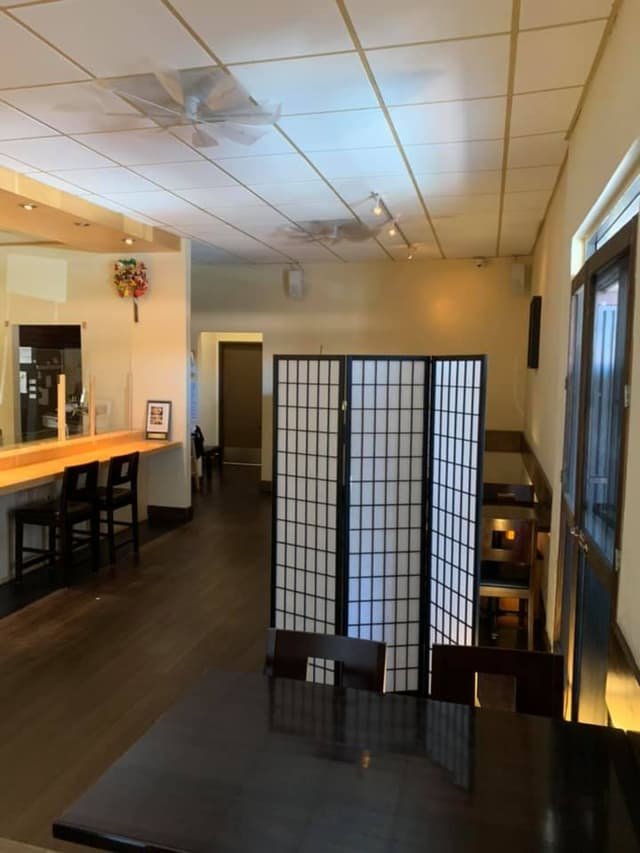
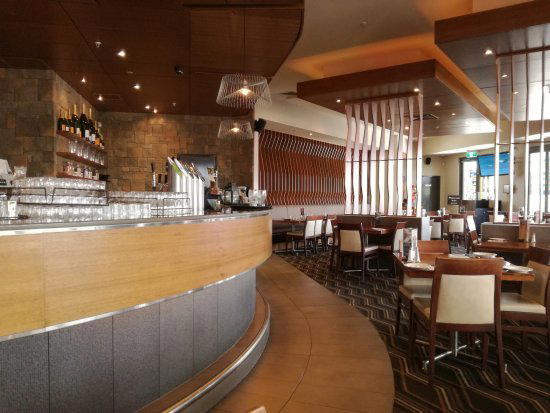
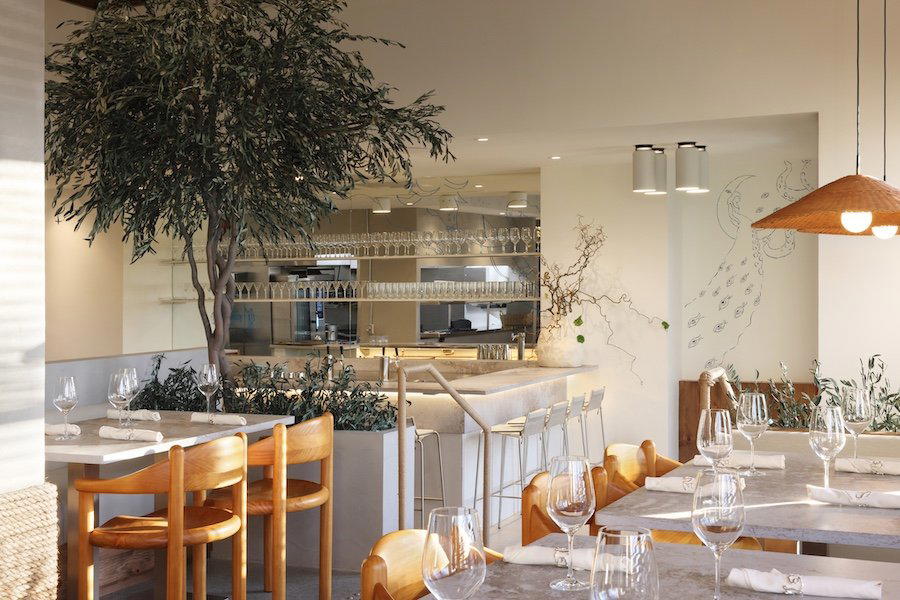
Warm, intimate Mediterranean-inspired dining room with soft lighting and welcoming atmosphere; sidewalk seating along Tenth Avenue provides street-level charm and neighborhood connection.