ASTA
Our verdict
ASTA sits inside the Jardín de Moraleja Green complex in Alcobendas, a district that has quietly developed one of Madrid's more considered dining corridors north of the city. For visitors arriving from central Madrid, it represents a reason to cross the M-30 with purpose.

Pearl is the En Primeur Club membership app — saves, bookings, and concierge access live there. Same editors, same standards.
- Address
- Jardín de Moraleja Green, Av. de Europa, 10, Edificio Sur, 28108 Alcobendas, Madrid, Spain
- Phone
- +34916573099
- Hours
- Mon–Tue 1–5 PMWed–Thu 1–5 PM, 8 PM–12 AMFri–Sat 1 PM–12 AMSun 1–6 PM
- Website
- astarestaurante.com
- Directions
- Get directions
- Booking
- Book on CoverManager
The menu
What to order
- Verduras frescas asadas al carbón con huevo a baja temperatura y trufa negra
- Salmorejo cordobés
The Setting: Alcobendas as a Dining Address
The Avenida de Europa corridor in Alcobendas is not where most Madrid restaurant conversations start, but it is increasingly where some of the more interesting ones finish. The Jardín de Moraleja Green development, where ASTA occupies space in the southern building, functions less like a retail-anchored complex and more like a contained dining district: a cluster of mid-to-upper price point rooms drawing a clientele that lives or works in the affluent northern suburbs rather than making the trek from Salamanca or Chamberí. The geography shapes the room in a particular way. The atmosphere is composed rather than performative, calibrated for a regular rather than a tourist, and that distinction is felt from the moment you approach the entrance off Avenida de Europa.
El Barril de La Moraleja holds the seafood position at the €€€ tier. 99 Sushi Bar handles the Japanese counter format at a comparable price point. A'Kangas by Urrechu covers the grills and meats category at the €€ level, and En Copa de Balón Enolounge provides a wine-led alternative. ASTA's positioning within this cluster, and what separates it from these rooms, is the subject worth examining. For a fuller picture of what Alcobendas offers across all categories, the Alcobendas restaurants guide maps the broader scene.
Ingredient Sourcing and the Question of Provenance
Across Spain's serious restaurant tier, the conversation around sourcing has shifted significantly over the past decade. The question is no longer whether a kitchen uses seasonal product but how traceable that product is, how directly the kitchen has established supplier relationships, and whether the menu is built around what the land and coast can offer at a given moment rather than what a central distribution network happens to stock. This is the frame through which Spain's most referenced kitchens now operate. Azurmendi in Larrabetzu runs on-site gardens and local agricultural networks as a structural commitment, not a seasonal feature. Aponiente in El Puerto de Santa María has made the sourcing of overlooked marine species into its entire editorial identity. Quique Dacosta in Dénia has built a body of work around the specificity of the Mediterranean coast as a provenance claim.
In the Madrid metropolitan area, the sourcing conversation takes a different shape. Inland Castile brings exceptional lamb, suckling pig, game in autumn, and a legume tradition that remains underrepresented in urban fine dining rooms. The central plateau's producers, from Segovia south to Toledo, provide a different kind of agricultural identity than the coastal kitchens enjoy, and the restaurants that engage with it seriously are the ones worth tracking. A kitchen in Alcobendas that draws on this regional supply network has immediate access to product that its coastal peers have to import: milk-fed lechazo, Manchego-area vegetables, Castilian pulses, and the particular quality of Iberian pork raised on land within a two-hour drive.
What that means in practice at ASTA is that the address, northern Madrid rather than the city centre, is not a limitation but a positioning advantage if the kitchen is sourcing from the region it actually inhabits. The restaurants that have understood this leading in the broader Spanish context, including Atrio in Cáceres, have made regional agricultural identity into a point of creative and commercial distinction rather than a constraint.
Where ASTA Sits in the Spanish Fine Dining Conversation
Spain's Michelin-starred tier is dense and geographically distributed in a way that is unusual by European standards. The Basque Country alone carries more starred addresses per capita than most European nations. Arzak in San Sebastián and Martin Berasategui in Lasarte-Oria anchor the northern tier. Mugaritz in Errenteria operates in a more conceptual register. In Catalonia, El Celler de Can Roca in Girona and Cocina Hermanos Torres in Barcelona have consolidated their positions at the top of the formal dining category. Valencia's Ricard Camarena represents another strong regional node.
ASTA operates outside this starred tier as currently documented, which means its competitive frame is the serious suburban restaurant: a category that is not always given its due in Spanish food writing, which tends to concentrate attention on the destination tables and the tourist-facing city-centre rooms. The suburban serious restaurant serves a different reader need: it is where the local professional population eats well without theatre, where the sourcing commitment can be as strong as in the destination rooms but the format is less ceremonial.
That comparison is worth holding alongside rooms in comparable international suburban markets. Lazy Bear in San Francisco built a format around communal dining and local sourcing that proved a suburban or neighbourhood address is no constraint on seriousness. The category exists, and ASTA's position within it is the productive frame for a visit.
Planning a Visit
ASTA is located at Jardín de Moraleja Green, Avenida de Europa 10, Edificio Sur, in Alcobendas, a short drive north of Madrid via the A-1. The surrounding Moraleja Green complex means parking is generally accessible, which matters for a suburban dining address where the arrival experience differs from a city-centre walk. From central Madrid, the journey sits at approximately 20 to 25 minutes by car depending on traffic on the northern arterials, or reachable via the Cercanías line to Alcobendas-La Moraleja combined with a short taxi. Booking in advance is advisable given the limited number of comparable rooms in the immediate area and the consistent local demand from the Moraleja residential catchment. Phone and online booking details are best confirmed directly with the venue. Dress code across the Moraleja Green dining tier tends toward smart casual, consistent with a room that serves a business-lunch and weekend-dinner clientele.
Frequently asked questions
Is ASTA good for families?
ASTA is positioned within the fine dining corridor of Avenida de Europa in Alcobendas, which suggests a dining format oriented toward focused, adult-led meals rather than casual family outings. The Jardín de Moraleja Green setting offers an upscale retail and dining environment that may suit older children comfortable in a quieter, sit-down context. Families with young children should confirm the restaurant's suitability directly before booking.
Is ASTA formal or casual?
ASTA occupies a serious dining address in Alcobendas at Jardín de Moraleja Green, which typically aligns with a polished, composed atmosphere rather than a relaxed neighbourhood setting. Guests dining at this tier of the Avenida de Europa corridor would generally be dressed accordingly, though the specific dress code is best confirmed when booking. The setting leans toward considered, occasion-led dining.
How does ASTA compare to Madrid city-centre fine dining, and is it worth the journey from central Madrid?
ASTA is located at Avenida de Europa 10, Edificio Sur, in Alcobendas, a short drive north of Madrid via the A-1 motorway, placing it outside the capital's traditional dining centre but within the growing cluster of serious restaurants along the Avenida de Europa corridor. Spain's fine dining scene is geographically distributed in a way that rewards travelling beyond city limits, with destination-worthy kitchens operating well outside Salamanca or Chueca. For those willing to make the drive, Alcobendas is building a case as a credible address on its own terms.
What should I order at ASTA?
ASTA's approach aligns with Spain's broader shift toward provenance-driven menus, where the sourcing of ingredients shapes the structure of what arrives at the table rather than a fixed à la carte list. Given its position in the Spanish fine dining conversation, a tasting or set menu format is likely the intended way to experience the kitchen's full range. Check current menu details directly with the restaurant before your visit.
What's the address for ASTA?
ASTA is located at Jardín de Moraleja Green, Av. de Europa, 10, Edificio Sur, 28108 Alcobendas, Madrid, Spain, Alcobendas.
Should I book ASTA in advance?
For a fine dining address in Alcobendas operating at this level on the Avenida de Europa corridor, advance booking is strongly advisable, particularly for weekend evenings or larger groups. The Jardín de Moraleja Green location draws from both the local Alcobendas and wider Madrid dining public, which narrows availability during peak periods. check the venue's official channels to confirm reservation lead times.
A Quick Peer Check
| Venue | Cuisine | Price | Awards | Notes |
|---|---|---|---|---|
| ASTAThis venue — the venue you are viewing | Modern Spanish Brew Pub | $20–30 | Not listed | Not listed |
| El Barril de La Moraleja | Spanish Seafood | $50–100 | Michelin Plate | Seafood |
| 99 sushi bar | Modern Japanese Fusion Sushi | $100–150 | Michelin Plate | Japanese |
| A'Kangas by Urrechu | Mediterranean Steakhouse | $50–100 | Michelin Plate · Macarfi 7 Food Rating | Meats and Grills |
| En Copa de Balón Enolounge | Mediterranean Vinoteca | $20–30 | Not listed | Not listed |
ASTA
Featured Guides
Continue exploring
More in Alcobendas
Restaurants in Alcobendas
Browse all →
Bars in Alcobendas
Browse all →
Hotels in Alcobendas
Browse all →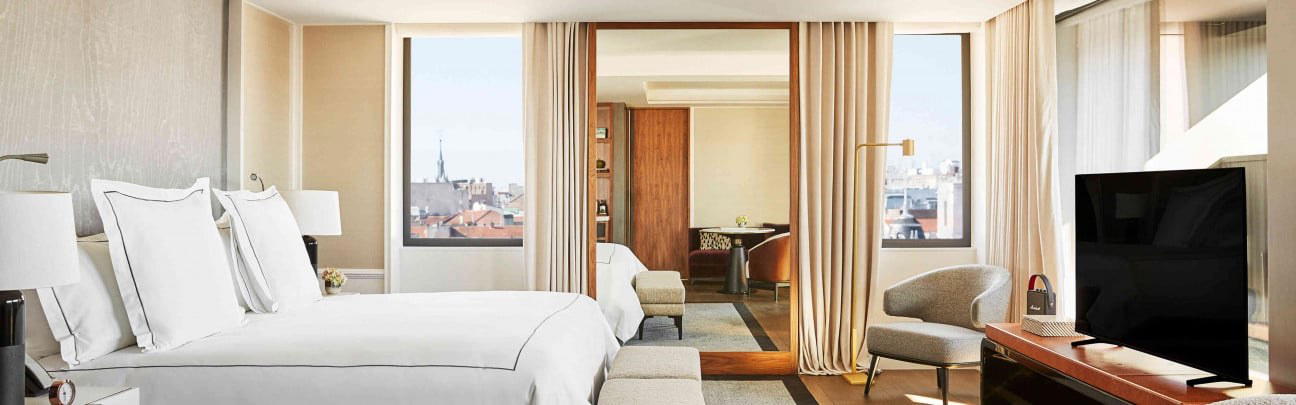



Details
- Lively
- Modern
- Elegant
- Group Dining
- Family
- Casual Hangout
- Open Kitchen
- Beer Program
- A La Carte
- Small Plates
- Beer Program
- Gluten Free Options
Current opening hours
- Monday
- 1–5 PM
- Tuesday
- 1–5 PM
- Wednesday
- 1–5 PM, 8 PM–12 AM
- Thursday
- 1–5 PM, 8 PM–12 AM
- Friday
- 1 PM–12 AM
- Saturday
- 1 PM–12 AM
- Sunday
- 1–6 PM
Hours can change for holidays and private events. Last verified .
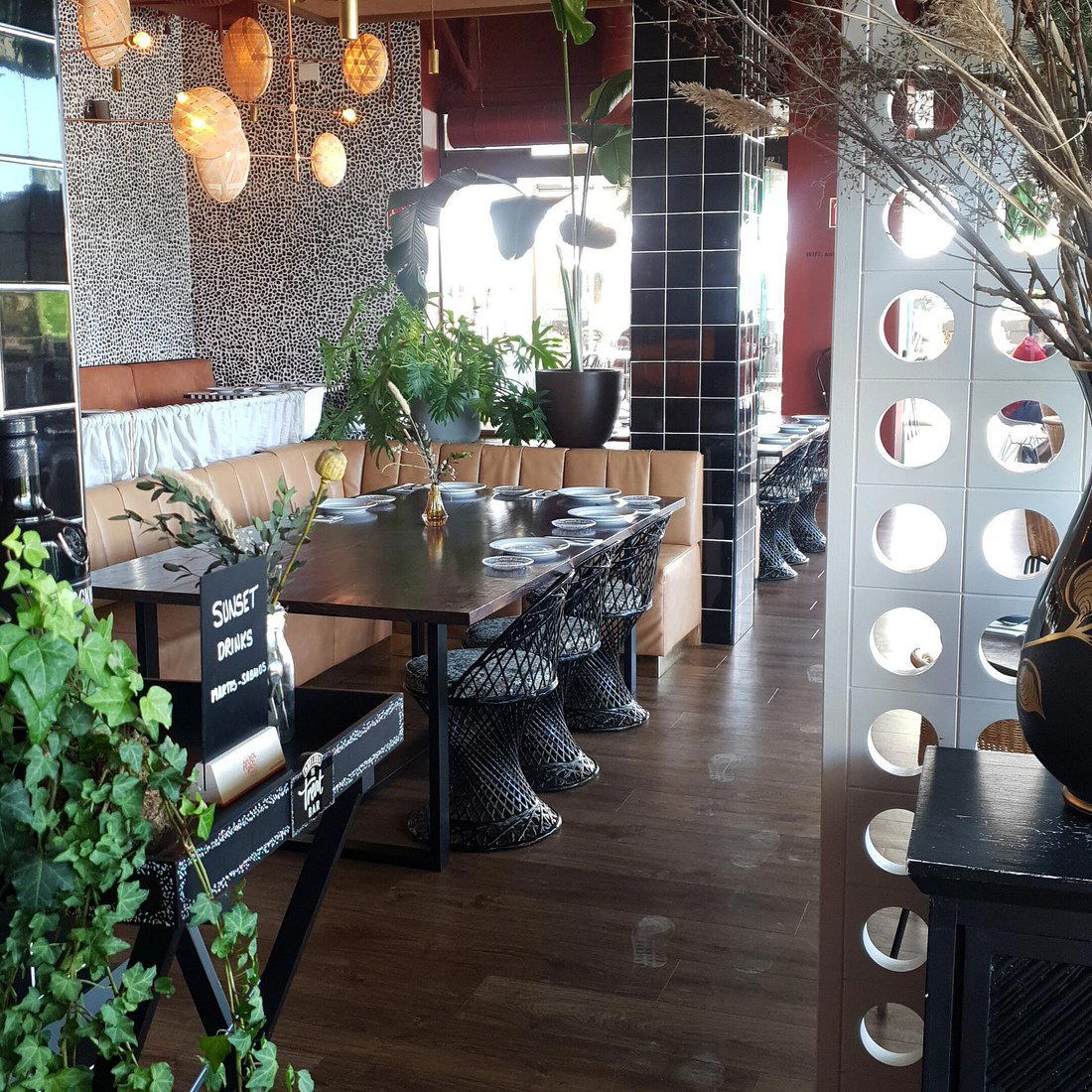
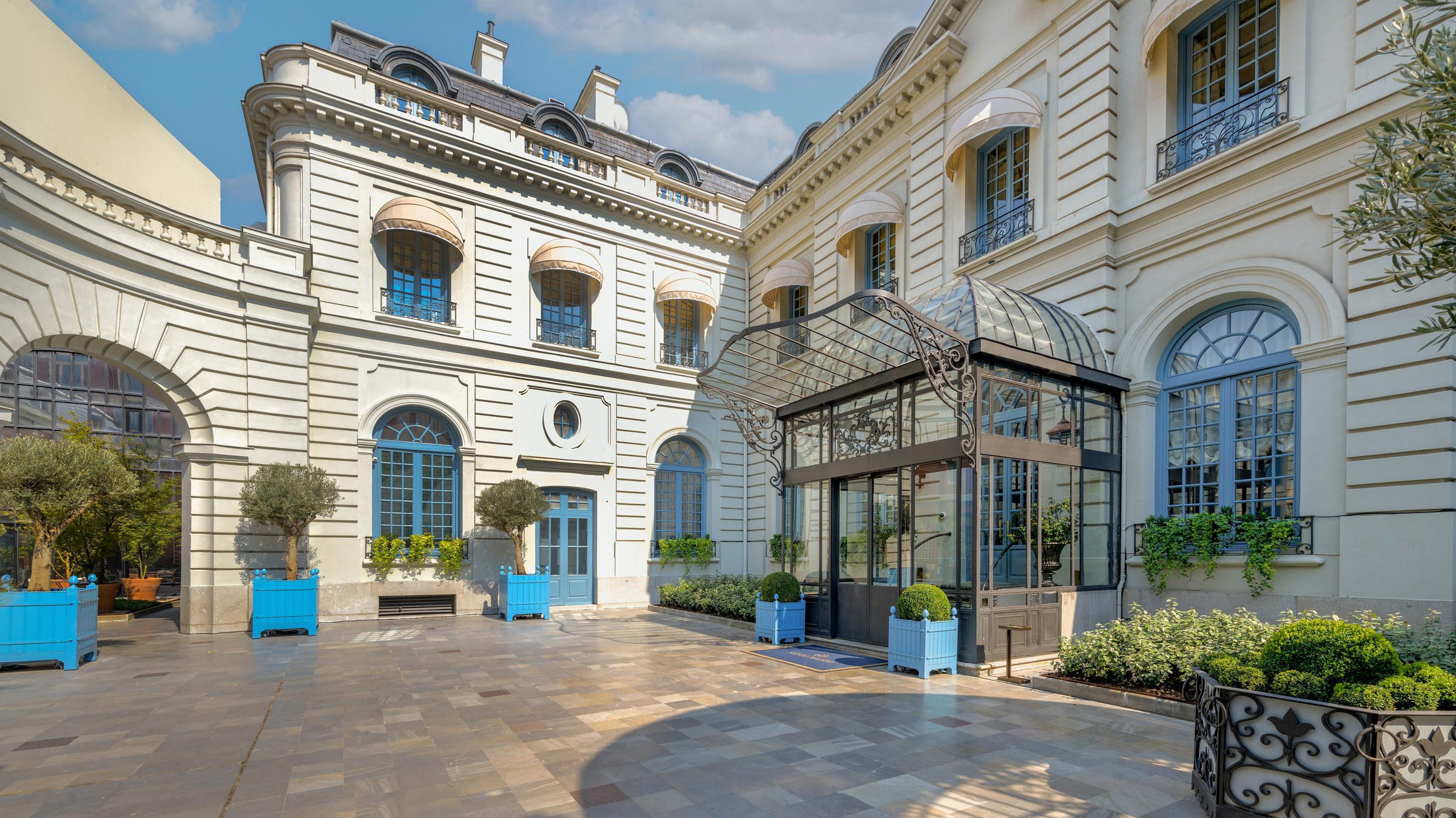
Classy interiors with warm soul, featuring contrast of wood, stone, and iron for an elegant yet comfortable atmosphere.