99 sushi bar

Michelin Plate
Our verdict
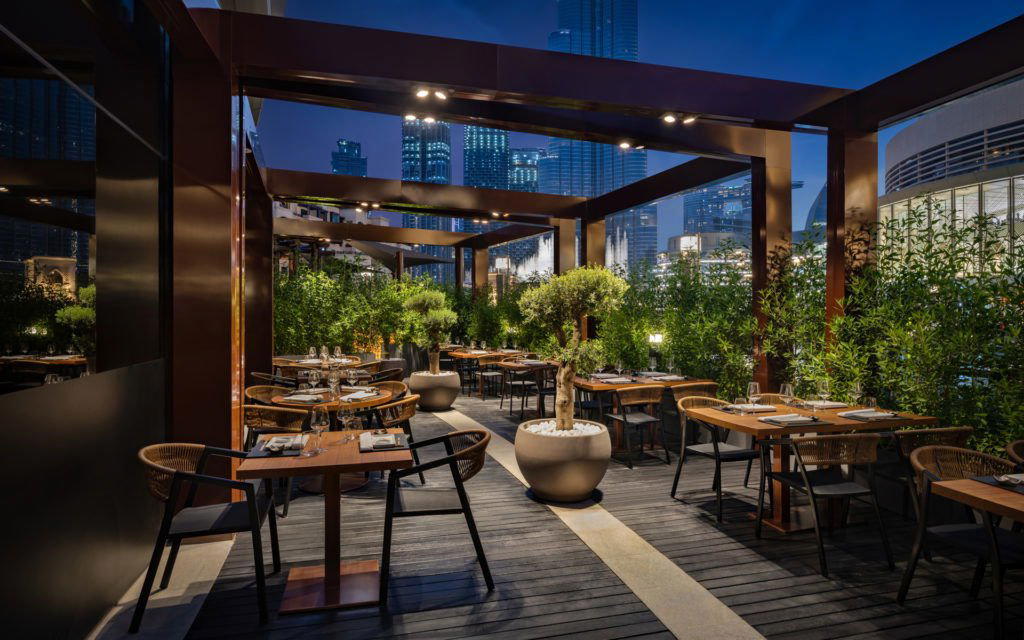
The open sushi counter, where chefs prepare dishes in front of guests against a cascade-of-water backdrop, is the room's visual anchor. The cooking adapts Japanese forms to broader palates while keeping the spirit of the counter tradition intact.

Pearl is the En Primeur Club membership app — saves, bookings, and concierge access live there. Same editors, same standards.
- Address
- Urb, C. de la Estafeta, 2, 28109 Alcobendas, Madrid, Spain
- Phone
- +34 916 50 31 59
- Hours
- Mon–Sat 1:30–4 PM, 8:30–11:15 PMSun 1:30–4 PM
- Website
- 99sushibar.com
- Directions
- Get directions
The menu
What to order
- Tiger prawn tempura
- Red prawn nigiri
- Foie gras sushi
- Wagyu burger
- Turbot
- Sea bass
- Flambéed salmon
- Bull tartare gunkan
Seasonal Thinking Without the Full Kaiseki Structure
The kaiseki tradition, developed through Kyoto's tea ceremony culture and later formalised into multi-course seasonal menus, operates on a principle of restraint and response to ingredient availability. Most European Japanese restaurants cannot sustain the full kaiseki sequence, which requires both a precisely trained kitchen brigade and a supply chain capable of delivering Japan's seasonal produce at the right moment. What the tradition does export, even in modified form, is the underlying discipline of letting ingredients drive the menu rather than imposing a fixed formula on them year-round.
At 99 Sushi Bar, the emphasis on a sushi counter positions the restaurant within the broader Japanese counter tradition even if the menu moves more freely than a strict kaiseki or omakase format would allow. Tiger prawn tempura is specifically noted among the dishes worth ordering, and tempura itself carries its own lineage: introduced to Japan via Portuguese missionaries in the sixteenth century, then refined through centuries of frying technique into one of the more precisely codified preparations in the Japanese repertoire. A well-executed tempura requires temperature-controlled batter, the right oil, and timing measured in seconds rather than minutes. Its presence on the menu as a recommendation signals the kitchen's confidence in technique-dependent preparations.enprimeurclub.com/restaurants/diverxo-madrid-restaurant">DiverXO in Madrid, which operates in a progressive Asian idiom at a €€€€ price point well above the accessible mid-range. Below that ceiling, the market diversifies into a range of formats and price tiers where the Michelin Plate serves as a meaningful differentiator. Internationally, the comparison set for this style of accessible counter-led Japanese dining sits in Tokyo rooms like Myojaku and Azabu Kadowaki, where counter service and ingredient-forward cooking define the format at various price tiers. The Madrid region also produces destinations across the broader Spanish creative spectrum, from El Celler de Can Roca in Girona to Azurmendi in Larrabetzu, and situating 99 Sushi Bar within this national conversation helps clarify what it is: a reliably crafted, counter-format Japanese restaurant at a mid-high price tier rather than a destination in the trophy-dining sense.
High-volume consistent scoring at this level generally indicates that the kitchen performs reliably across service rather than peaking on occasion, which matters for a restaurant serving a repeat local clientele more than a transient tourist one.
Planning Your Visit
99 Sushi Bar is located at Urb, C.enprimeurclub.enprimeurclub.com/restaurants/cocina-hermanos-torres-barcelona-restaurant">Cocina Hermanos Torres in Barcelona, Martin Berasategui in Lasarte-Oria, Mugaritz in Errenteria, and
How It Stacks Up
| Venue | Cuisine | Price | Awards |
|---|---|---|---|
| 99 sushi barThis venue — the venue you are viewing | Modern Japanese Fusion Sushi | $100–150 | Michelin Plate |
| Aponiente | Progressive - Seafood, Creative | Not listed | Michelin 3 Star |
| Arzak | Modern Basque, Creative | Not listed | Michelin 3 Star |
| DiverXO | Progressive - Asian, Creative | Not listed | Michelin 3 Star |
| El Celler de Can Roca | Progressive Spanish, Creative | Not listed | Michelin 3 Star |
| Quique Dacosta | Creative | Not listed | Michelin 3 Star |
Recognition history
Dated appearances from independent guides and award organizations, with the underlying list record or original source where available.
Michelin Plate
Michelin
Full recognition history (2 entries)
Michelin Plate
Michelin
Continue exploring
More in Alcobendas
Restaurants in Alcobendas
Browse all →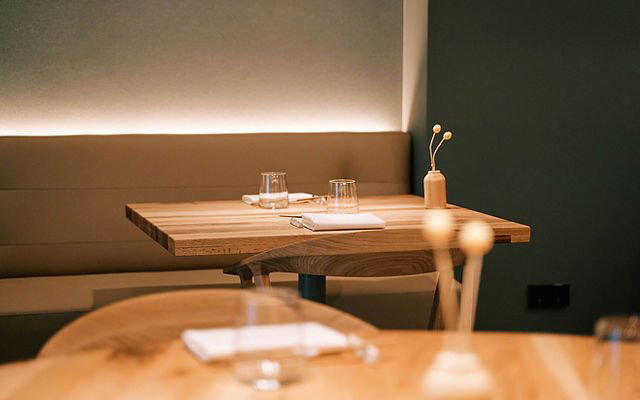
Bars in Alcobendas
Browse all →
Hotels in Alcobendas
Browse all →


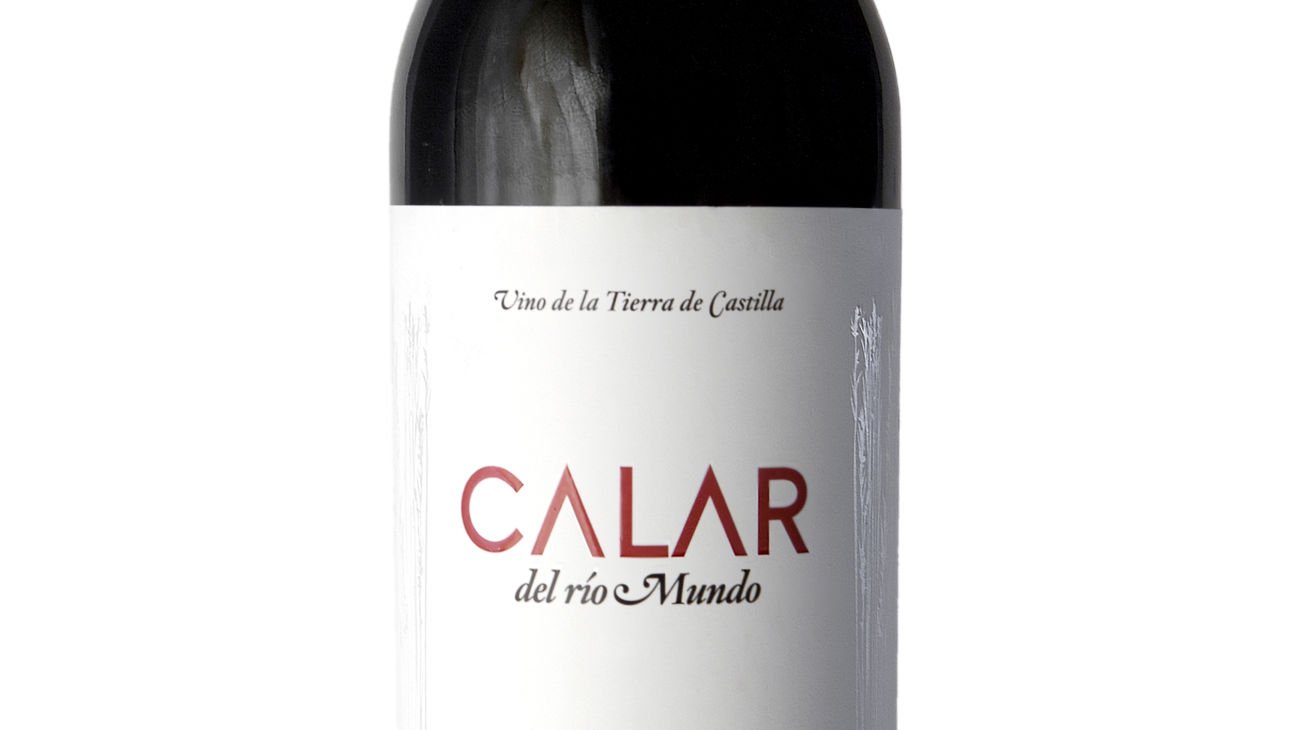
99 sushi bar
The wine
- Wine program
- Curated wine list
- Extensive wine list
Details
- Elegant
- Modern
- Sophisticated
- Date Night
- Business Dinner
- Special Occasion
- Celebration
- Open Kitchen
- Chefs Counter
- Extensive Wine List
- Sustainable Seafood
- A La Carte
- Omakase
- Counter Dining
- Wine
- Vegetarian Friendly
- Pescatarian Friendly
- Allergy Accommodating
Current opening hours
- Monday
- 1:30–4 PM, 8:30–11:15 PM
- Tuesday
- 1:30–4 PM, 8:30–11:15 PM
- Wednesday
- 1:30–4 PM, 8:30–11:15 PM
- Thursday
- 1:30–4 PM, 8:30–11:15 PM
- Friday
- 1:30–4 PM, 8:30–11:15 PM
- Saturday
- 1:30–4 PM, 8:30–11:15 PM
- Sunday
- 1:30–4 PM
Hours can change for holidays and private events. Last verified .
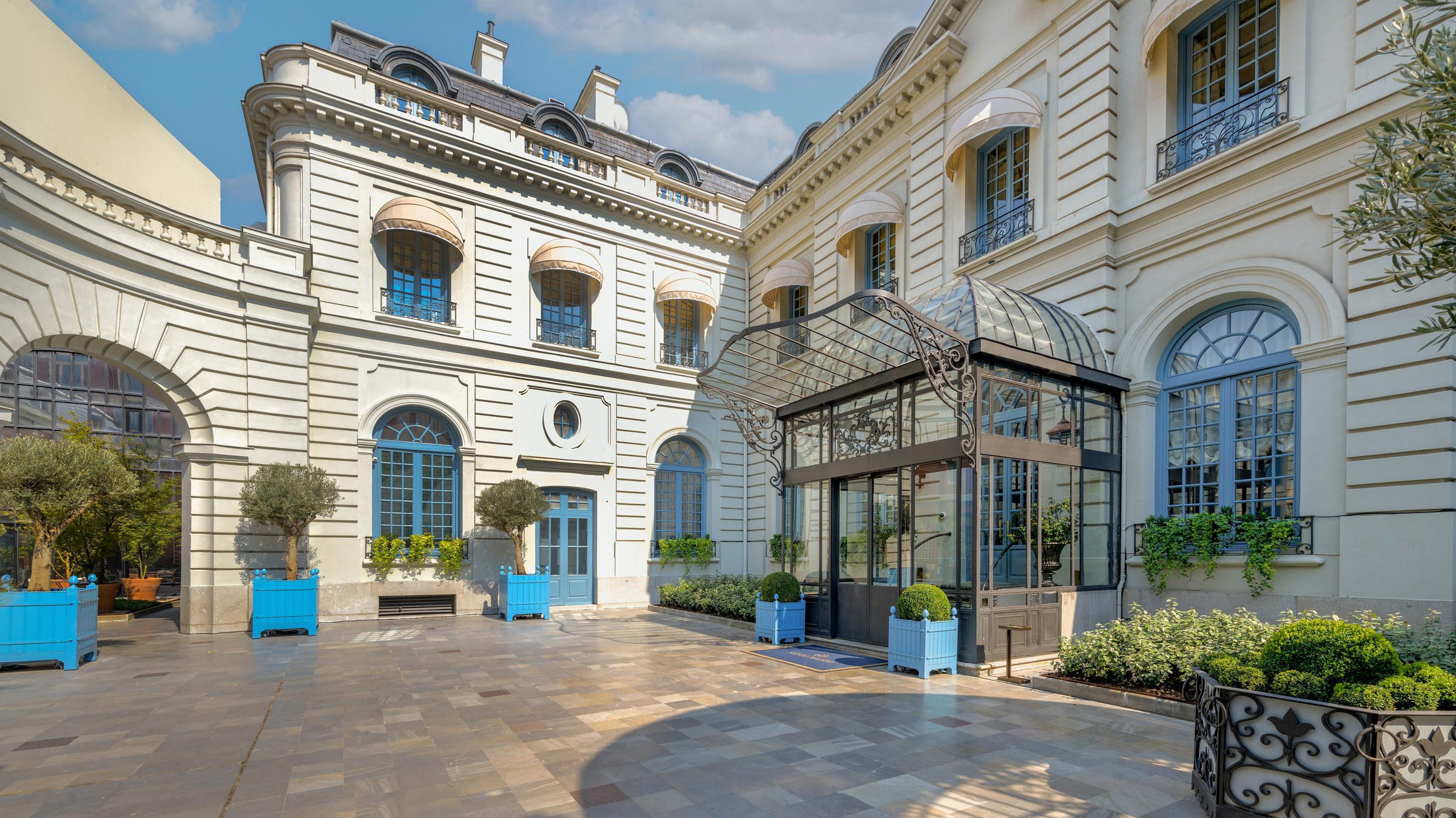
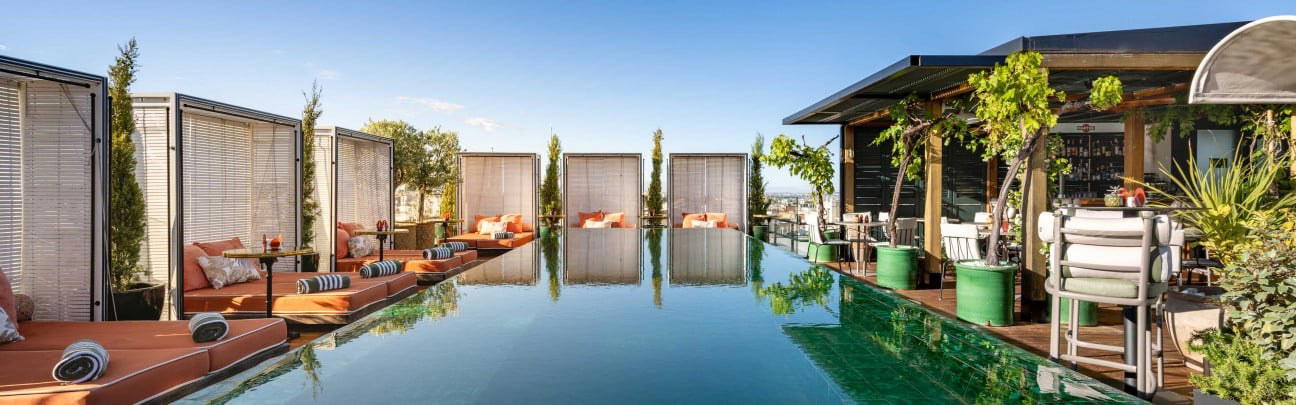
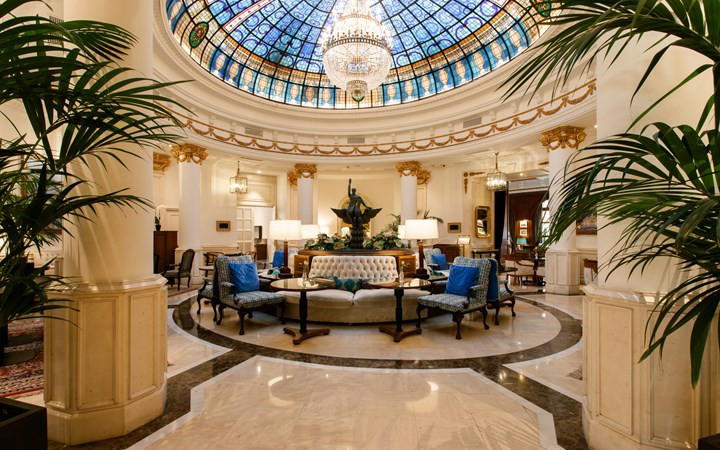
Modern, pleasant setting with somewhat dim lighting; intimate atmosphere with well-distributed tables; described as a nice local escape from the city hustle.