
Asian Kitchen Cafe Momofuku gives Osaka’s Nepalese and broader Asian cooking a compact, serious address in Kujo, away from the city’s louder tourist dining corridors. Its Tabelog 100 selection for Asian and ethnic cuisine in WEST 2024 signals a small-format room operating above casual curry-house expectations, with menu structure rather than spectacle doing the work.
Pearl is the En Primeur Club membership app — saves, bookings, and concierge access live there. Same editors, same standards.
- Address
- 1 Chome-3-12 Kujo, Nishi Ward, Osaka, 550-0027, Japan
- Phone
- +81 6-7493-2317
- Website
- instagram.com
 Saves & bookings on Pearl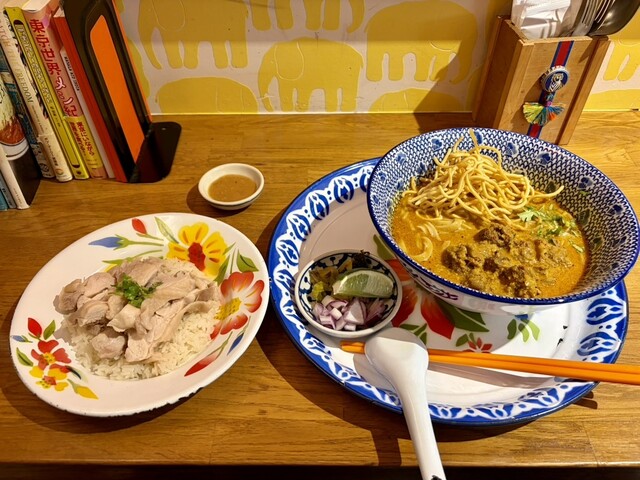
Kujo’s restaurant rhythm is different from the floodlit appetite of Namba or Umeda. The neighborhood eats closer to the ground: compact rooms, regular customers, train-station proximity, and menus built for repeat use rather than occasion dining. In that setting, Asian Kitchen Cafe Momofuku belongs to Osaka’s quieter ethnic-cooking tier, where Nepalese categories sit alongside broader Asian plates and the room’s scale keeps the experience focused.
Osaka has long absorbed outside food cultures through practical appetite rather than museum-like preservation. Korean cooking, Chinese counters, curry shops, ramen rooms, bakeries, and immigrant-run kitchens all sit comfortably beside the city’s takoyaki-and-kushikatsu shorthand. Nepalese restaurants in Japan often get reduced to the lunch-set template, but the stronger examples use that familiarity as an entry point, then widen the frame through stews, grilled items, breads, rice plates, pickles, and spice structures that do not need to mimic Japanese curry. This is the useful lens here: not novelty, but how a small Osaka restaurant organizes Asian and Nepalese cooking into a menu that can work for solo diners, families, and repeat neighborhood meals.
A compact Nepalese-Asian menu in a city that rewards repeat dining
The menu architecture matters because it tells the reader what kind of meal to expect. A restaurant built around a fixed tasting menu asks for surrender; a counter ramen shop asks for speed; an Osaka ethnic café with a broader Asian and Nepalese identity asks for selection. The draw is not a single named dish, and no serious reading should pretend otherwise. The draw is the ability to move across curry-house comfort, shared plates, rice-and-bread logic, and take-out practicality without turning the meal into a formal production.
That structure places Asian Kitchen Cafe Momofuku closer to Osaka’s durable everyday specialists than to destination restaurants chasing ceremony. The Tabelog score of 3.54 and selection for Tabelog 100 Asian cuisine / Ethnic cuisine WEST 2024 give it a public benchmark, but the stronger signal is consistency across a compact format. Fifteen seats, with counter and table seating, create a room where the menu cannot sprawl carelessly. Small kitchens expose weak organization quickly; concise category control is part of the craft.
Among Osaka peers, the comparison is not with luxury dining but with other narrow-focus addresses that earn loyalty through repeatable strength. RODDA group sits in a similar budget band for Asian and ethnic cooking, while Aabel Curry occupies the lower-cost curry lane. Mendokoro Amakawa shows how a tightly defined noodle shop can compete on focus rather than range, and Izumi Burger proves the same point in a different casual category. The useful distinction is that Momofuku’s menu has to hold several cultural references at once, so coherence becomes the test.
Recognition without the ceremony of fine dining
Tabelog’s Hyakumeiten lists are not Michelin-style stars, but in Japan they matter because they surface category specialists across highly competitive local markets. Selection in the Asian and ethnic cuisine WEST list in 2024 puts this address into a regional conversation that includes Osaka and the wider western Japan dining field. For travelers, that is a better cue than décor language or overblown claims: the restaurant is being judged within its category, not against sushi counters, kappo rooms, or French dégustation venues.
The room also signals how to read the experience. Counter seating suits solo dining, table seating works for small groups, and the family-friendly positioning fits Osaka’s habit of treating strong food as an everyday decision rather than a formal reward. Take-out adds another clue. This is food designed to function beyond a staged dining room, a trait common to many serious casual restaurants in Japan where operational discipline matters as much as polish.
The absence of a named chef in the public-facing information should not be treated as a gap in the story. In this category, chef mythology often tells less than the menu’s working grammar. The question is whether the cooking can carry lunch, dinner, and repeat local use; whether spice, starch, and protein categories are arranged with enough clarity; and whether the experience survives without theatrical explanation. The award history suggests that this compact Kujo address has done that well enough to be noticed across western Japan’s Asian and ethnic dining field.
How to place it inside an Osaka itinerary
For visitors building an Osaka food plan, this is the kind of address that corrects an itinerary overloaded with market grazing and famous snack runs. It gives the city’s ethnic-food scene a place on the schedule without pushing the meal into fine-dining territory. Pair it conceptually with casual specialists rather than luxury restaurants: the logic is closer to a focused curry room, noodle counter, bakery, or neighborhood café than to a long-course evening.
That broader Osaka map is worth considering. For coffee and lighter stops, EP Club’s Osaka listings include .cafe and 52CHO-ME BAKERY. For the city’s mass-appeal comfort-food side, 551 Horai (551蓬莱) sits in another lane entirely, while 99 Pizza Napoletana Gourmet and a canto (Italian) show how Osaka absorbs imported formats at different levels of ambition. Readers mapping the city more broadly should use Our full Osaka restaurants guide, alongside Our full Osaka hotels guide, Our full Osaka bars guide, Our full Osaka wineries guide, and Our full Osaka experiences guide.
For a wider Japan and international casual-dining frame, compare the role of focused specialist venues such as -Grilled beef Sukiyaki- KAMAKURA TANUKIAN 鎌倉 たぬき庵 in Kamakura. 鮪と炭火焼き うお炭 秋葉原店 in Tokyo.know in Kumamoto, (Shoku) Vietnam in Kawasaki, [Curry Senmon Ten] Maruyama Kyoju. in Sapporo, [ki:] in Kyoto, Jōdo Saké Bar in Los Angeles, and Onigiri Time in Pasadena. The shared lesson is simple: small formats often reveal more about a city’s eating culture than trophy reservations, especially when the menu is organized for locals first.
Comparable Spots, Quickly
Comparable venues at the same tier for side-by-side context.
| Venue | Cuisine | Price | Notes |
|---|---|---|---|
| Asian Kitchen Cafe MomofukuThis venue — the venue you are viewing | Asian Fusion Cafe | $$ | Not listed |
| Think Shokudo | Creative multi-national vegetable-focused diner | $$ | Kita |
| Kosuda | Innovative Japanese Omakase Counter | $$$ | Kita |
| Spice Ryori Nallamanam | Modern South Asian–inspired spice curry & banana-leaf bento | $$ | Chūō |
| Moeyo Mensuke (燃えよ麺助) | Duck Ramen Specialist | $$ | Fukushima |
| MIKI FRUITS CAFE | Dining | Not listed | Nishi |
Recognition history
Dated appearances from independent guides and award organizations, with the underlying list record or original source where available.
Tabelog 100 #80 · No. 80
Tabelog · Tabelog 100 - Asian cuisine / Ethnic cuisine - WEST - 2024
Continue exploring
More in Osaka
Restaurants in Osaka
Browse all →




Bars in Osaka
Browse all →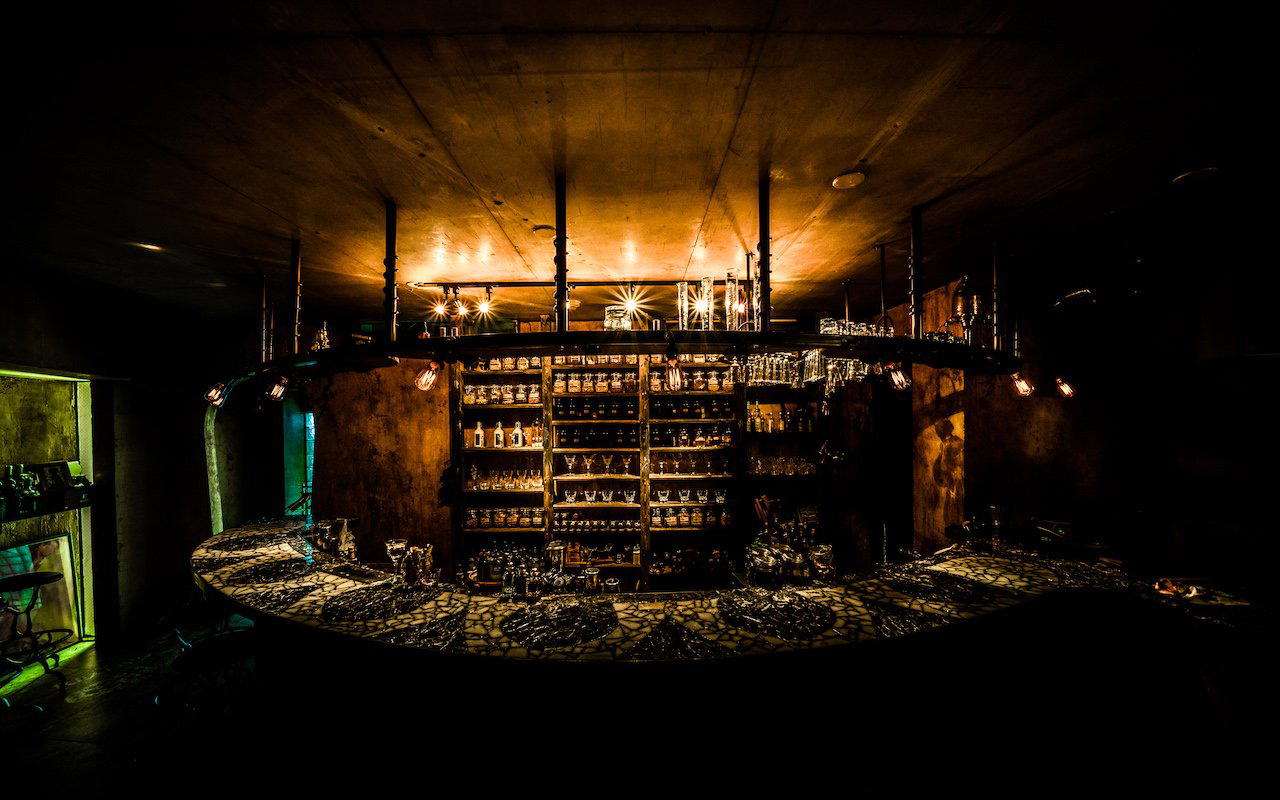

Hotels in Osaka
Browse all →



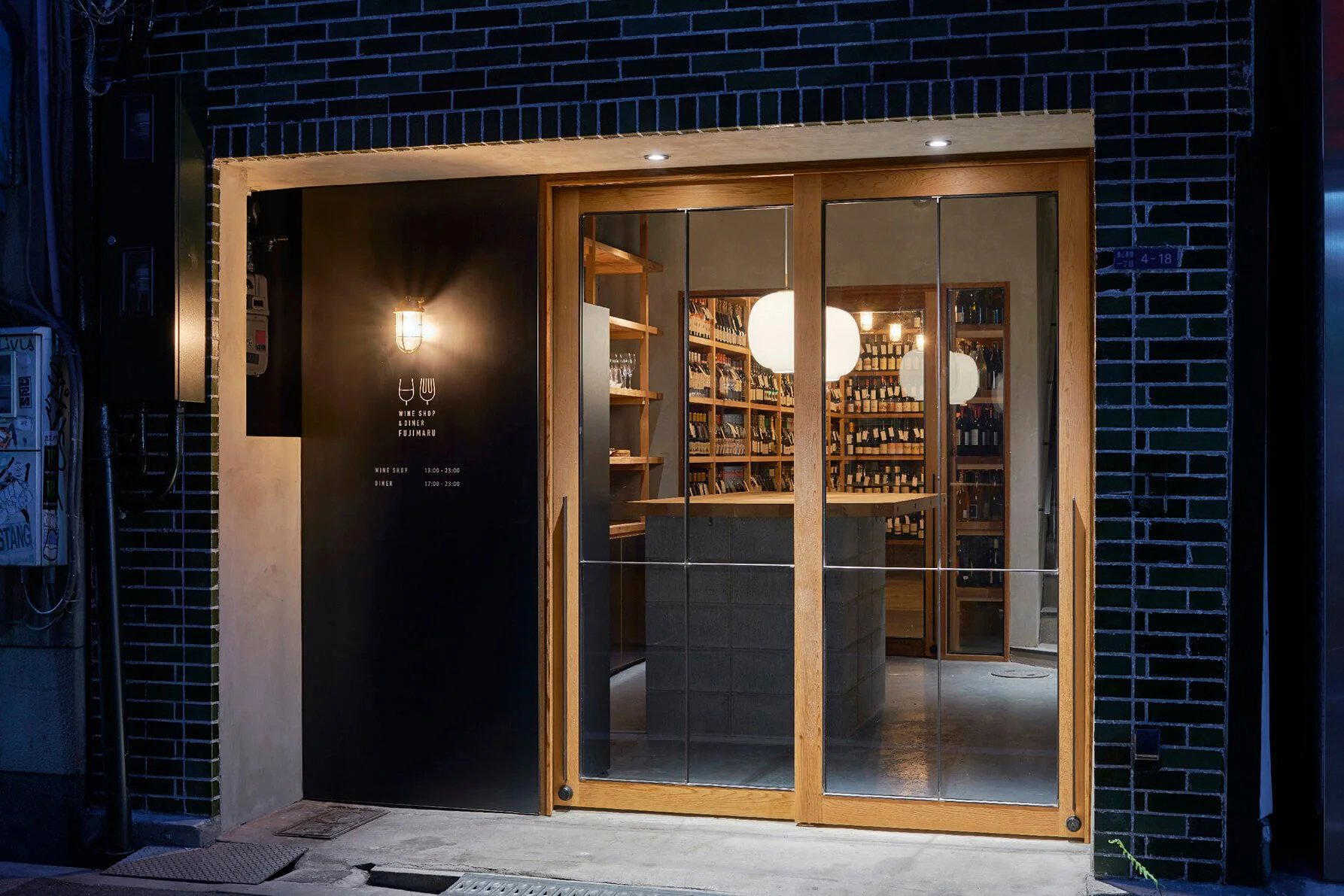
Wineries in Osaka
Browse all →
At a Glance
- Cozy
- Modern
- Trendy
- Casual Hangout
- Family
- Solo
- Standalone
Current opening hours
- Monday
- Closed
- Tuesday
- Closed
- Wednesday
- 12–3 PM, 6–9:30 PM
- Thursday
- 12–3 PM, 6–9:30 PM
- Friday
- 12–3 PM, 6–9:30 PM
- Saturday
- 12–3 PM, 6–9:30 PM
- Sunday
- 12–3 PM, 6–9:30 PM
Hours can change for holidays and private events. Last verified .
Compact, casual, and family-friendly, with a simple neighborhood-cafe feel rather than a formal dining room.