
Think Shokudo brings Osaka’s Asian and ethnic dining conversation into Nakatsu, away from the city’s louder eating districts. Recognition in Tabelog’s 2024 Asian cuisine / Ethnic cuisine WEST 100 places it among a selective regional group, while the modest lunch and dinner ranges keep it grounded in the casual dining tier rather than the ceremony of fine dining.
Pearl is the En Primeur Club membership app — saves, bookings, and concierge access live there. Same editors, same standards.
- Address
- 大阪府大阪市北区中津3-10-4 西田ビル 1F
- Website
- think-diner.com
 Saves & bookings on Pearl
Nakatsu changes the rhythm before the meal begins. North of Umeda’s station crush, streets narrow, storefronts quieten, and Osaka’s dining energy shifts from neon declaration to small-room confidence. Think Shokudo fits this setting: not spectacle, but part of the city’s countercurrent, where Asian and ethnic cooking sits comfortably beside cafés, bakeries, curry rooms, izakaya-adjacent drinking food, and small Western-leaning kitchens without explanation.
Osaka’s reputation still leans on takoyaki, okonomiyaki, kushikatsu, and late-night appetite, but that shorthand misses much of what the city now eats well. A stronger reading is plural: specialist counters, neighborhood dining rooms, and casual formats treating non-Japanese Asian cooking as everyday food, not imported novelty. Think Shokudo belongs to that register. Its selection for Tabelog’s 2024 Asian cuisine / Ethnic cuisine WEST 100 matters because the category says something about Osaka: regional recognition is not limited to sushi temples, kappo rooms, or French-Japanese tasting menus.
Nakatsu's quieter dining mood suits Asian and ethnic cooking
The neighborhood matters. Nakatsu is close enough to Umeda for convenience yet far enough from the station complex to avoid feeling like a concourse decision. In Osaka, a short walk can separate transit dining from places built on local repeat custom. In this part of Kita-ku, slower streets, compact rooms, and less performative hospitality frame the meal. The sensory experience is less theatrical plating than proximity: room, kitchen tempo, murmur of other tables, and the feeling of a small Osaka dining pocket rather than a department-store restaurant floor.
The wider area rewards cross-category eating. A day could start with bread at 52CHO-ME BAKERY, move through coffee at .cafe, and end in a room where Asian, ethnic, and cafeteria-style cues sit together without fuss. That mix represents contemporary Osaka better than a single-dish checklist. For broader routing, Our full Osaka restaurants guide gives the useful spread, while Our full Osaka bars guide, Our full Osaka hotels guide, Our full Osaka experiences guide, and Our full Osaka wineries guide place dinner inside a wider itinerary rather than an isolated booking.
The recognition signals a casual room operating above its price tier
Useful comparison is not Osaka’s luxury tasting rooms, but sharper casual specialists, where focused kitchens build reputations without luxury codes. In the supplied peer group, DIAMOND BIRYANI and SOMA sit in a lower spend band, Japoni lands closer to Think Shokudo’s dinner range, and TXAGORVA moves higher. Tonkatsu Noguchi, with pork-cutlet focus and higher listed spend, belongs to another specialist economy. The spread shows the restaurant’s position: accessible enough for an unceremonious meal, yet recognized enough to stand apart from ordinary neighborhood convenience.
Tabelog’s Hyakumeiten lists are revealing in categories that receive less international attention. The 2024 Asian cuisine / Ethnic cuisine WEST 100 is not a Michelin hierarchy; it reads as a regional map of places earning sustained diner attention within a genre. For travelers, that is often more useful than star-chasing, pointing to rooms locals discuss, revisit, and fold into normal life. The restaurant’s Tabelog score of 3.56 reinforces that middle register: not a trophy-room number, but a credible signal in a market where user scores cluster tightly and inflated praise is rare.
That position explains why atmosphere matters more than formal service language. Osaka’s casual Asian and ethnic dining works well when it does not imitate hotel dining or tasting-menu choreography. The appeal is a compact room with clear food identity, a wine option rather than a sprawling pairing program, and enough informality for friends to make sense of the table. The non-smoking policy and absence of private rooms also point to a shared-room experience, not secluded entertainment dining.
How to read the experience before choosing it
The restaurant is a sensory pause in Kita-ku rather than a grand-night-out choice. The draw is the accumulated format: Asian and ethnic categories in a small Osaka dining room, casual price tier, wine available, and recognition placing it inside a regional selection rather than a tourist brochure circuit. Travelers expecting a choreographed chef’s-counter meal are looking in the wrong direction. The better use case is lunch or dinner built around neighborhood texture, especially for diners wanting Osaka beyond takoyaki lines and department-store dining floors.
Practical filters matter. The restaurant is non-smoking; parking is unavailable; private rooms and private use are unavailable; cards are not accepted; electronic money and QR code payments are listed. Dinner is reservation-only, and the room is not positioned as a family-friendly fallback. These details sharpen the decision: this is a small-format adult meal, not a flexible group venue or child-focused stop between sightseeing plans.
For Osaka context, keep the city’s breadth in view. Put the restaurant beside the populist certainty of 551 Horai (551蓬莱), the Italian direction of a canto (Italian), or the pizza specialist energy of 99 Pizza Napoletana Gourmet, and you see a city feeding different appetites at different speeds. For similar casual-specialist logic elsewhere in Japan, compare (Shoku) Vietnam in Kawasaki, [Curry Senmon Ten] Maruyama Kyoju. in Sapporo, [ki:] in Kyoto.know in Kumamoto. 鮪と炭火焼き うお炭 秋葉原店 in Tokyo, and -Grilled beef Sukiyaki- KAMAKURA TANUKIAN 鎌倉 たぬき庵 in Kamakura. The principle travels further: Jōdo Saké Bar in Los Angeles and Onigiri Time in Pasadena show how Japanese and Asian casual formats shift meaning outside their home cities.
The verdict is simple: choose the restaurant for a grounded Osaka meal with regional recognition and neighborhood scale. It is not the city’s loudest dining statement, precisely the point. Nakatsu supplies the quieter frame; the category supplies the context; the Tabelog 2024 selection supplies the trust signal.
Price and Recognition
Comparable venues by category and price.
| Venue | Cuisine | Price | Notes |
|---|---|---|---|
| Think ShokudoThis venue — the venue you are viewing | Not listed | $$ | Not listed |
| Spice Ryori Nallamanam | Not listed | $$ | Chūō, Modern South Asian–inspired spice curry & banana-leaf bento |
| MAKE ONE TWO | Not listed | $$ | Chūō, Asian Stand Bar / Izakaya |
| Pres | Kita, Modern standing wine bar & bistro | $$$ | Not listed |
| STAND AFRO | Chūō, Creative Fusion Standing Bar | $$ | Not listed |
| Menya JouRoku (麺屋 丈六) | Namba, Takaida-Style Tamari Shoyu Ramen | $$ | Not listed |
Recognition history
Dated appearances from independent guides and award organizations, with the underlying list record or original source where available.
Tabelog 100 #97 · No. 97
Tabelog · Tabelog 100 - Asian cuisine / Ethnic cuisine - WEST - 2024
Continue exploring
More in Osaka
Restaurants in Osaka
Browse all →

Bars in Osaka
Browse all →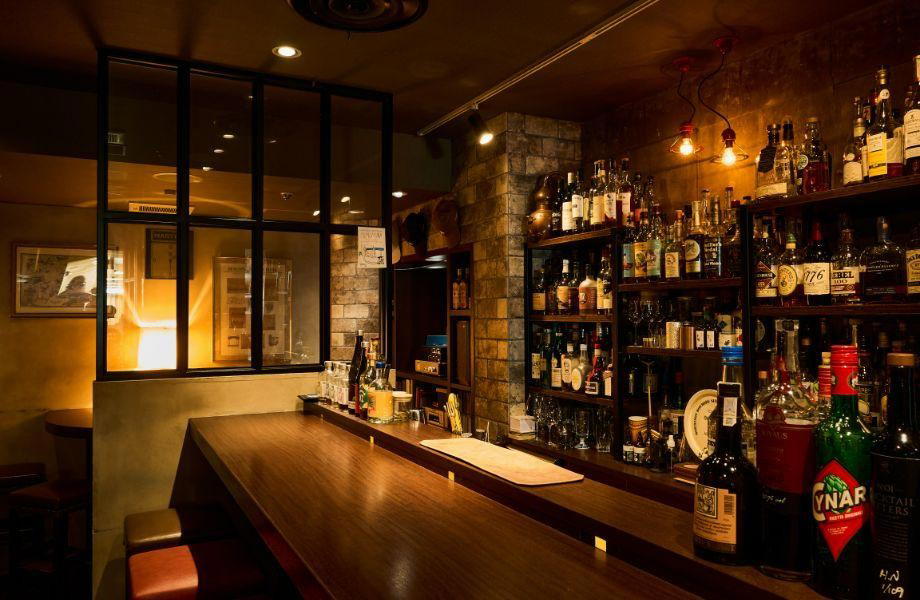
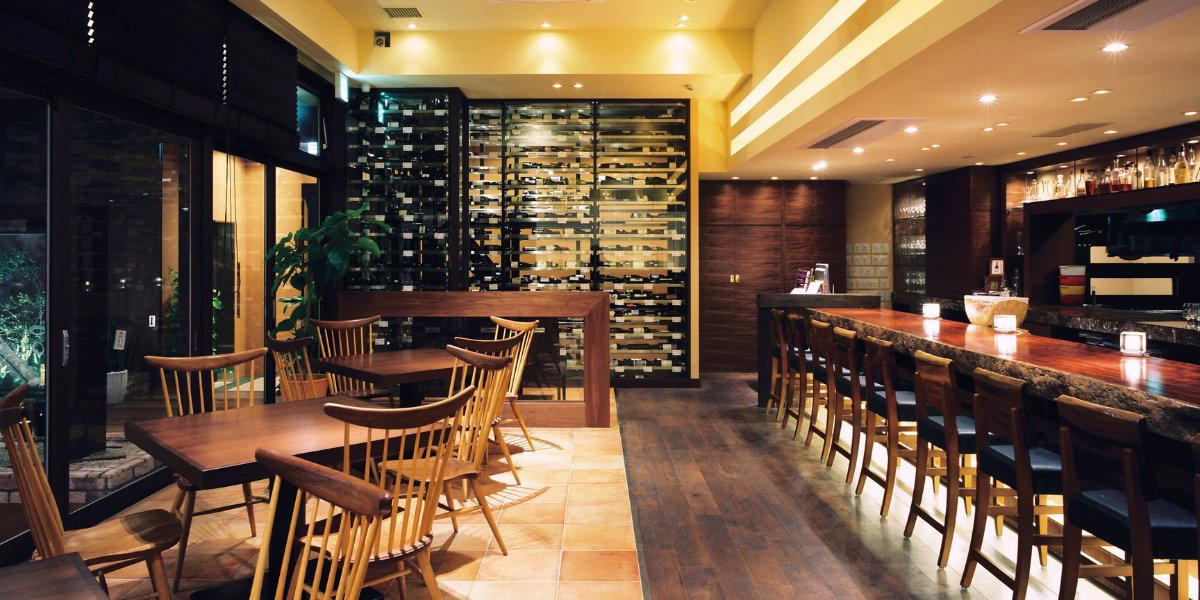
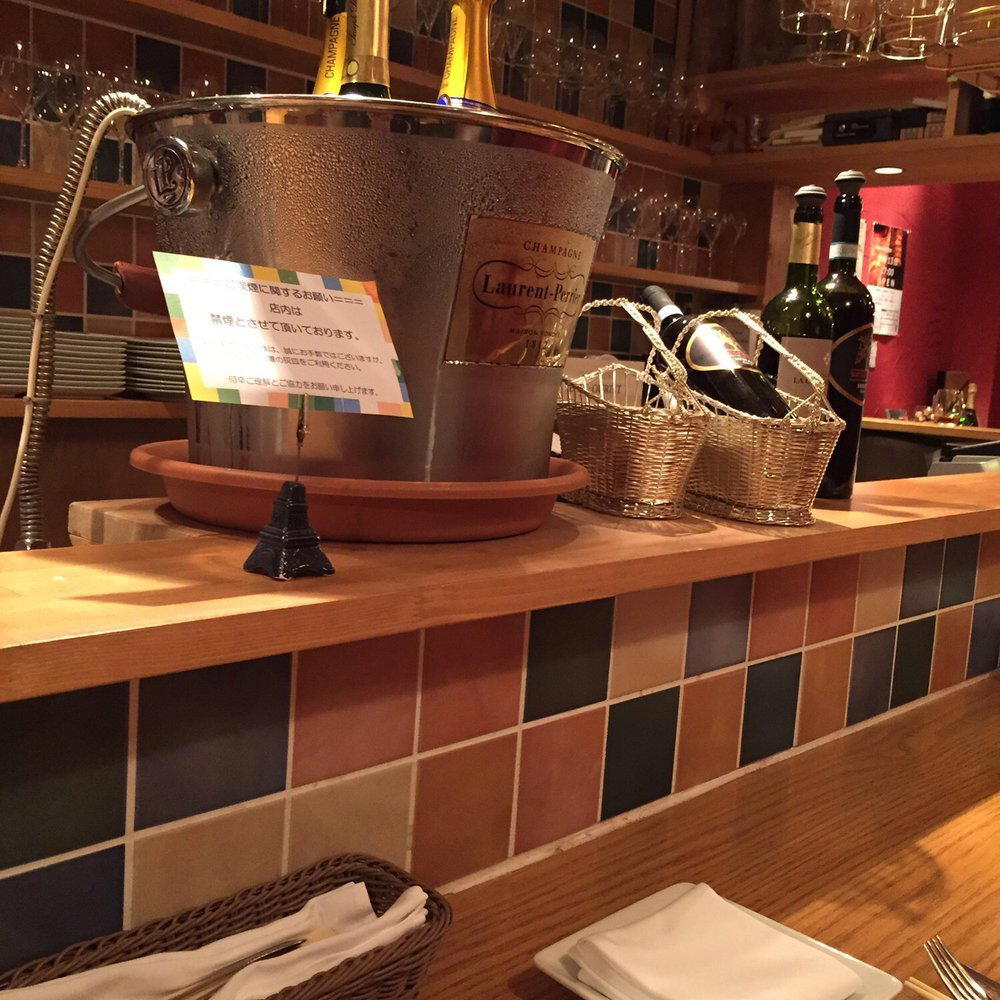
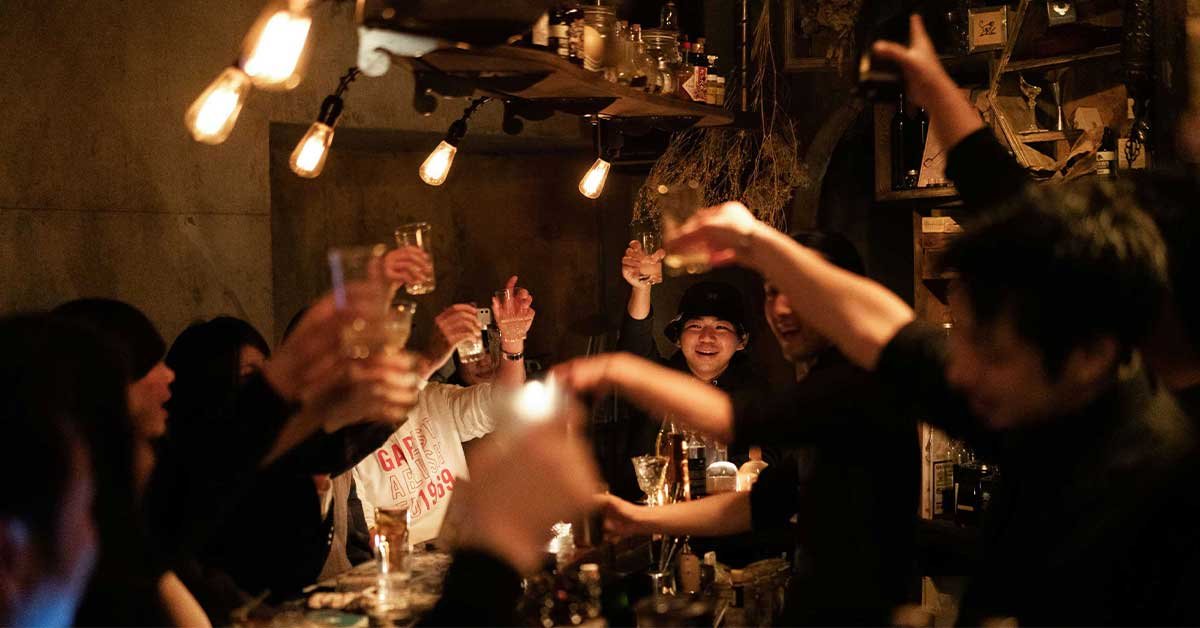
Hotels in Osaka
Browse all →


Wineries in Osaka
Browse all →
At a Glance
- Cozy
- Intimate
- Date Night
- Solo
- Casual Hangout
- After Work
- Standalone
Warm, casual and intimate, with a neighborhood feel; guests describe it as a cozy, low‑key spot where you can take time over thoughtfully seasoned fusion dishes.