Asian Bowl

Our verdict
Asian Bowl brings Burmese cooking into a New York dining culture where the cuisine remains underrepresented, especially outside specialist neighborhoods. The point here is the ritual of contrast: salads built from ginger and tea leaves, soups and curries that work through fermented, fried, fresh, crushed, and whole elements rather than a single dominant flavor.

Pearl is the En Primeur Club membership app, where members save venues, book tables and use the concierge.
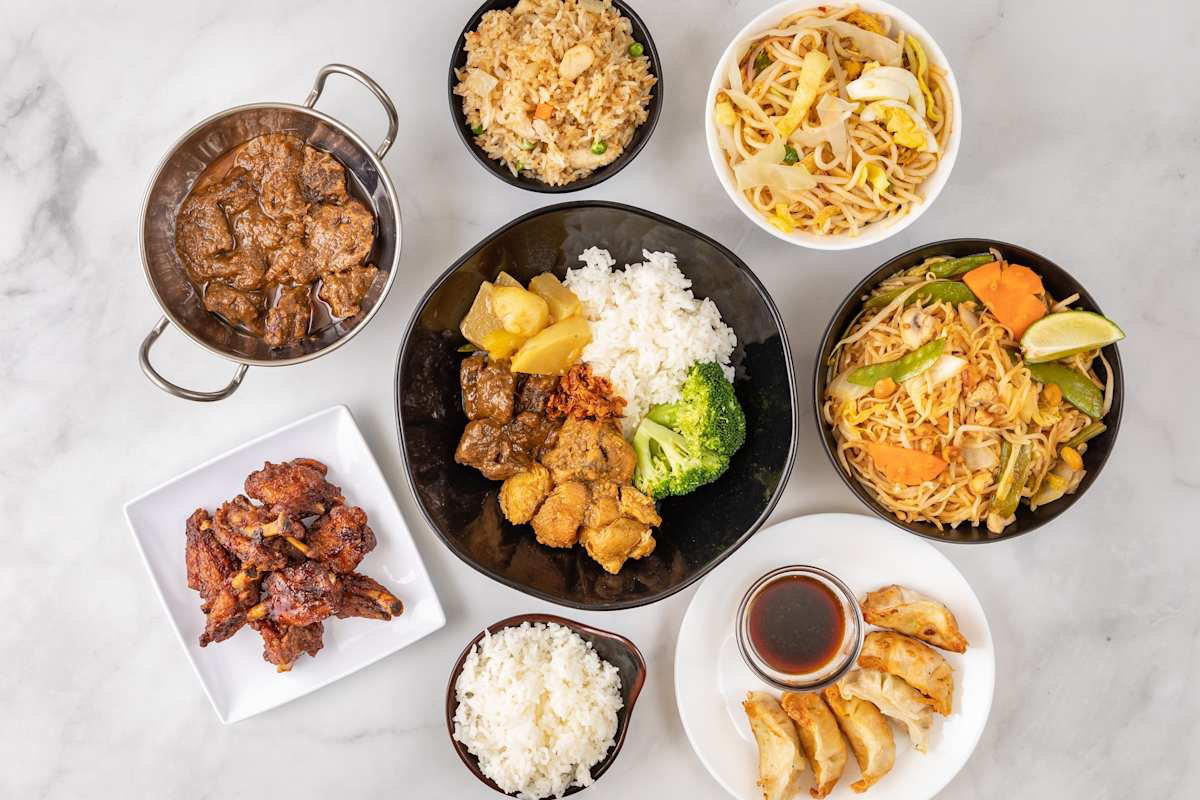
The menu
What to order
- Mohinga (Burmese fish noodle soup)
- Tea leaf salad
- Coconut noodle soup
- Curry bowls
From the street, Asian Bowl reads modestly, and the name can mislead before the first plate arrives. That matters because Burmese cooking in New York remains a smaller conversation than Thai, Chinese, Japanese, Korean, or Vietnamese dining. The meal asks for a different rhythm: not appetizer-to-main, but a table built around friction, crunch, acidity, bitterness, warmth, and oil. Salads do serious work. Ginger is mellowed rather than used for sharp shock; tea leaves bring a nerve-twingeing bitterness that turns into appetite. Soups and curries supply the deeper register, but the signature grammar is texture, with raw, fried, fresh, fermented, whole, and powdered elements calibrated in small shifts.
Burmese dining in New York runs on contrast, not courses
The city’s dining habits sort cuisines into familiar formats: omakase counters, tasting menus, mezze spreads, ramen shops, taco counters, wine-bar small plates. Burmese food resists that filing system. Its salads can be anchor dishes, and the pleasure is cumulative. A forkful may carry crackle, chew, sting, and earthiness at once; the next bite changes because the mixture has shifted. Pacing matters. Ordering too narrowly misses the point; treating the table as shared components gets closer to the custom.
The inherited name, Asian Bowl, is less useful than the kitchen’s identity. Burmese food remains rare in New York, and that scarcity changes how the restaurant should be read. It is not competing on spectacle or tasting-menu choreography. It belongs to the part of the city’s dining culture where immigrant cooking translates itself through storefront pragmatism while carrying techniques far more intricate than the room suggests. The food depends on dozens of ingredients in small ratios: fermented notes held in check, fried bits used for percussion, crushed elements folded through to thicken and season at once.
That makes the ritual unusually democratic. The table, not the individual plate, is the unit of meaning. Salads should be shared early, before richer soups and curries flatten the palate. Rice is not filler; it lets bitterness, chile heat, sourness, and savor land in sequence. The meal rewards diners who let dishes overlap instead of guarding each order as a possession.
Why the salads carry the argument
In many American restaurants, salad signals lightness or restraint. In Burmese cooking, it can be the meal’s most intellectually dense part. Tea-leaf salad is the obvious lesson: fermented tea leaves bring bitterness, tannin, and a faintly electric edge. Ginger salad works another register, using preserved or softened sharpness to build appetite. These are not palate cleansers. They are structural dishes, waking the mouth and setting up the deeper, earthier movement of soups and curries.
The key is balance without smoothing everything into politeness. Burmese cooking lets flavors stay legible: sourness stays sour, bitterness stays bitter, fried elements keep their dry snap. The craft is proportion. A less careful version becomes noise; a better one keeps each sensation in its lane long enough for the next to register. Asian Bowl’s appeal is tied to that calibration, not luxury signals. The price tier is moderate by New York standards, but the cooking’s complexity is not as casual as the name implies.
For diners used to Southeast Asian meals organized around one dominant sauce or a clear protein centerpiece, this table can feel more modular. The stronger move is to order across temperature and texture: one bracing salad, one soup, one curry, rice, and enough shared space for dishes to cross over. The custom is not fussy, but it requires attention. The first bite is rarely the whole story; the meal builds as mixtures settle, oils spread, and crunchy elements soften at the edges.
The Queens context: small storefronts, serious regional cooking
Queens remains New York’s great corrective to Manhattan’s restaurant narratives. The borough’s strength is not only breadth, but specificity: regional kitchens in commercial strips where rent, community demand, and immigrant networks let narrower cuisines survive. Burmese food fits that pattern. It has not become a dominant city category, making a restaurant like this less about trend-chasing than keeping a regional vocabulary visible.
That visibility matters because New York often rewards cuisines only after they become easy to brand. Burmese cooking is harder to flatten. It draws from borderland proximities and trade-route habits without becoming a simple hybrid label. Tea leaves, fermented components, chickpea-based textures, noodle soups, curries, and salads carry different historical signals. A New York diner does not need a lecture to enjoy the meal, but the table makes more sense as relationships rather than a checklist of dishes.
The practical decision is simple: come ready to share, and do not let the name define expectations. This is for diners who care about how acidity, bitterness, crunch, and fermentation behave together, not those looking for a glossy room to carry the evening. The reward is a clearer understanding of a cuisine the city still underrepresents. In a dining culture crowded with familiar categories, that specificity is the point.
For broader context on the city’s dining range, see Our full New York City restaurants guide, alongside city guides to New York City hotels, New York City bars, New York City wineries, and New York City experiences. Related restaurant reading includes Little Myanmar, & Sons Ham Bar, 'inoteca, 1 or 8 (Sushi - Japanese), and 12 Chairs (Israeli). Outside New York, EP Club also covers Jōdo Saké Bar in Los Angeles, Onigiri Time in Pasadena, ¿Por Qué No? in Portland, 'Ai Love Nalo in Waimanalo Beach, 'āina in San Francisco, 'Ama 'Ama in Kapolei, Burmatown, Burmese in Corte Madera, and Rangoon Bistro, Burmese in Portland.
Frequently asked questions
Where exactly is Asian Bowl?
Asian Bowl is located in New York City.
Is Asian Bowl more mid-range or high-end?
Pricing at Asian Bowl is listed as $$.
What awards or recognition does Asian Bowl have?
Asian Bowl has received recognition including: Forgive the name, inherited from a previous tenant. The food here is Burmese, still a rarity in the city, with coolly bracing salads of mellowed ginger and nerve-twingeing tea leaves alongside earthy soups and curries, all uniting dozens of….
Is Asian Bowl focused on a specific cuisine style?
Asian Bowl serves Burmese cuisine.
Comparable Venues Nearby
Comparable venues nearby, for context on price, style, and recognition.
| Venue | Cuisine | Price | Notes |
|---|---|---|---|
| Asian BowlThis venue (the venue you are viewing) | Casual Burmese & Asian Bowls | $10–20 | Not listed |
| Sweatshop Studios LLC | other | Not listed | Fort Greene |
| Kashkar Cafe | Uyghur | $20–30 | Brighton Beach |
| Benfaremo, the Lemon Ice King of Corona | Italian Ice | $1–10 | Corona |
| La Fusta | Authentic Argentine Steakhouse | $30–50 | Elmhurst |
| Mountain Province | Philippine Single-Origin Coffee | Not listed | East Williamsburg |
Recognition history
Dated appearances from independent guides and award organizations, with the underlying list record or original source where available.
New York Times Best Restaurants in New York City #80
New York Times
Continue exploring
More in New York City
Restaurants in New York City
All restaurants in New York City →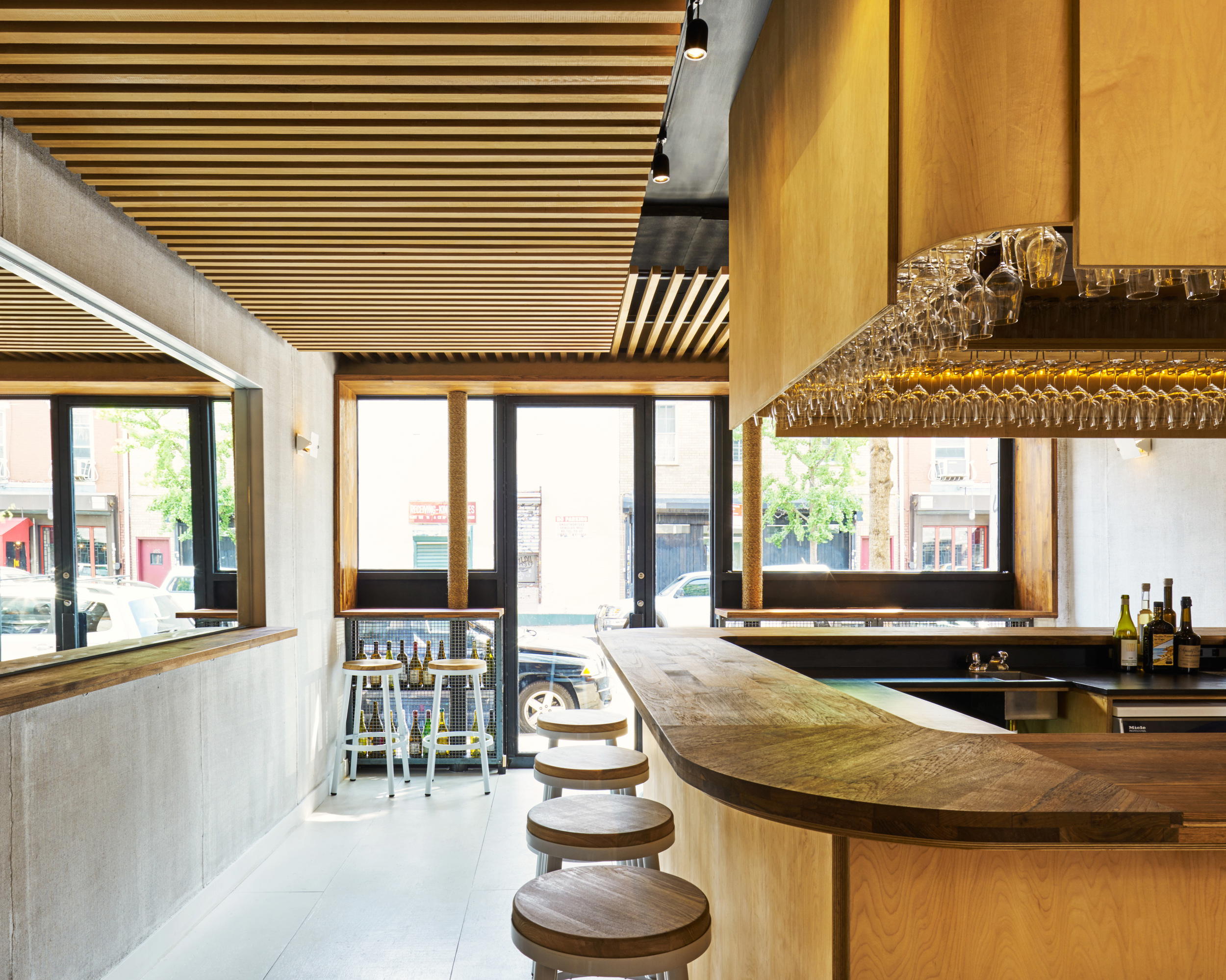
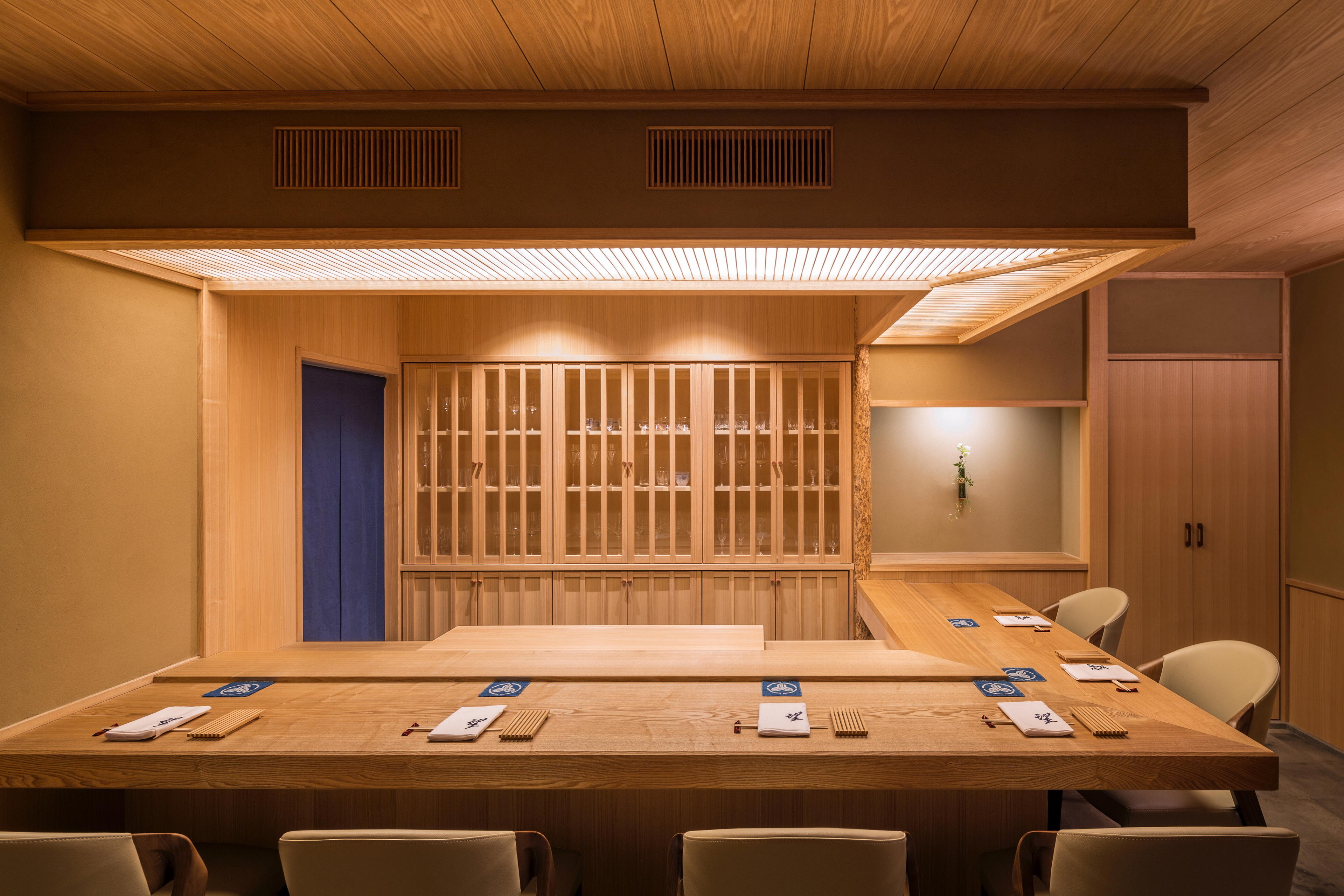
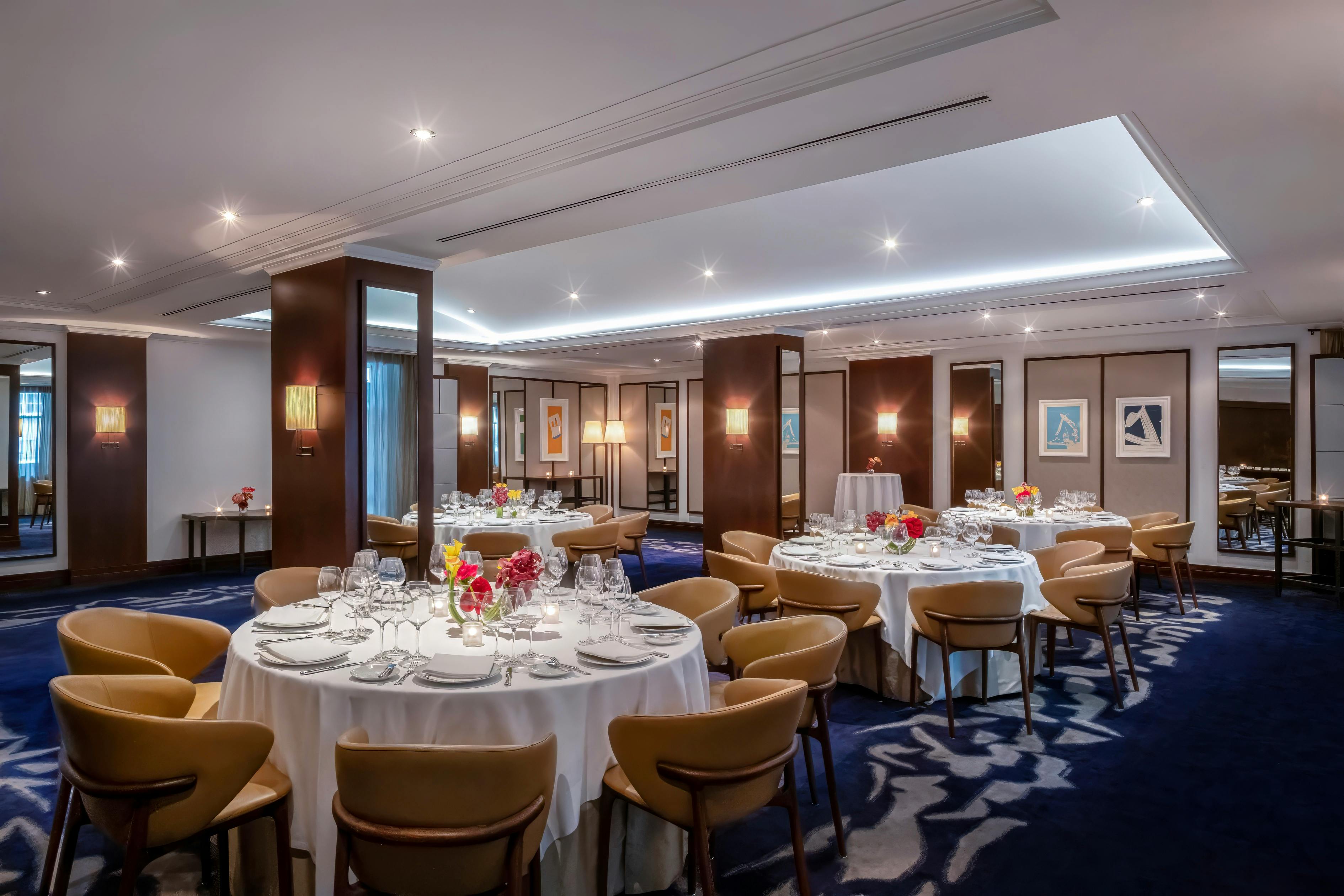
Bars in New York City
All bars in New York City →




Details
- Casual
- Cozy
- Casual Hangout
- Family
- Solo
- After Work
- Group Dining
- Standalone
- A La Carte
- Counter Dining
- Vegetarian Friendly
- Vegan Options
- Gluten Free Options
Current opening hours
- Monday
- 12–9 pm
- Tuesday
- 12–9 pm
- Wednesday
- 12–9 pm
- Thursday
- 12–9 pm
- Friday
- 12–9 pm
- Saturday
- 12–9 pm
- Sunday
- 12–9 pm
Hours can change for holidays and private events. Hours as of .
Casual, brightly lit counter-service restaurant with simple decor; atmosphere is relaxed and friendly, more about hearty bowls and quick meals than design or scene.