Little Myanmar


A family-run Burmese restaurant in the East Village, Little Myanmar earned a Michelin Bib Gourmand in 2024 for cooking that traces Myanmar's position at the crossroads of Southeast Asian food cultures. The menu ranges from tea-leaf salads and noodle dishes to curries and paratha, priced at accessible $$ levels, with hospitality that punches well above the modest square footage.
Pearl is the En Primeur Club membership app — saves, bookings, and concierge access live there. Same editors, same standards.
- Address
- 150 E 2nd St, New York, NY 10009
- Phone
- (917) 475-1183
- Website
- littlemyanmar.org
- Directions
- Get directions
 Saves & bookings on Pearl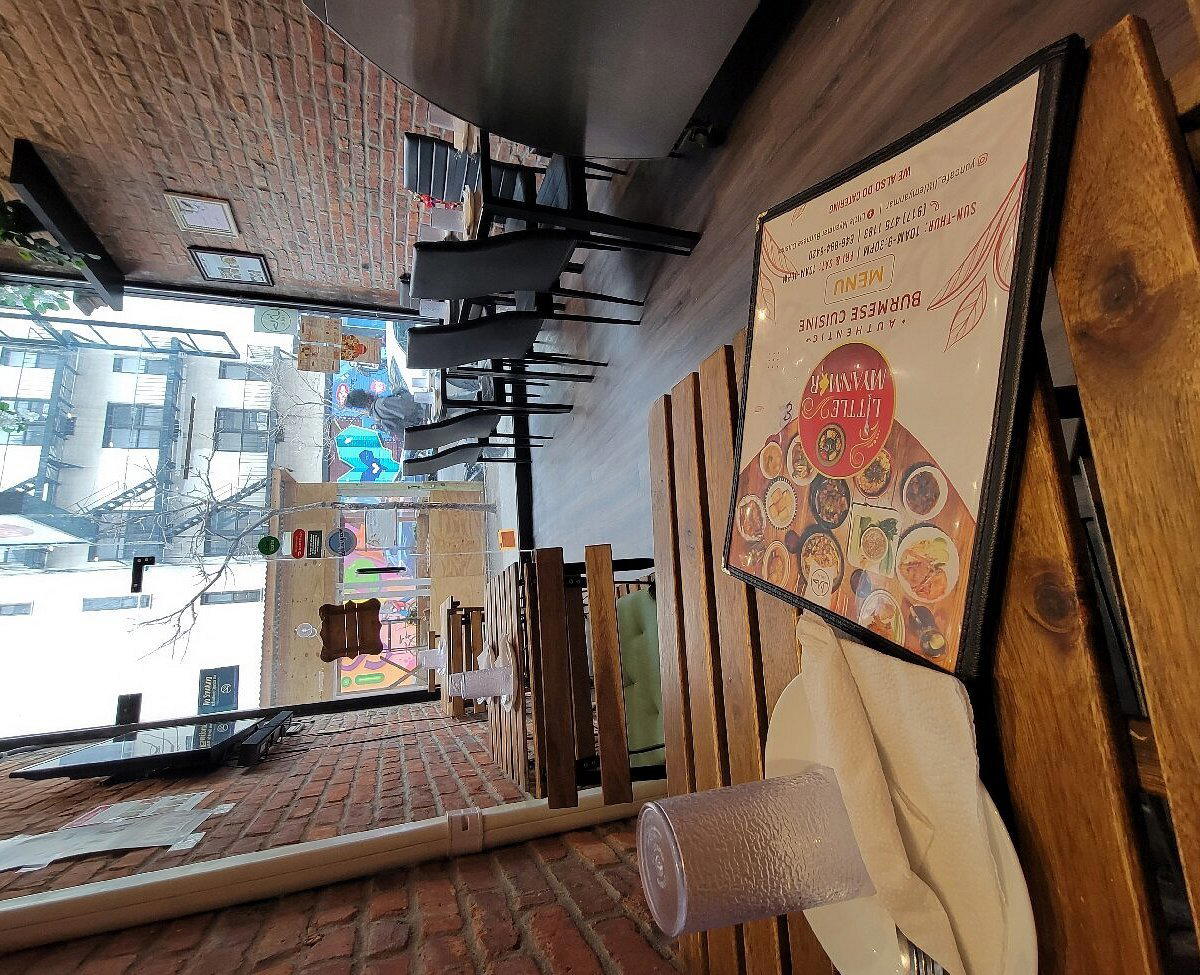
Bib Gourmand in the East Village: How Burmese Cooking Found Its Critical Footing
The Michelin Bib Gourmand designation, awarded to restaurants offering notable cooking at prices that stay below a defined threshold, has historically clustered in New York around a handful of cuisines: Chinese, Korean, Japanese, and Italian dominate the list. Burmese restaurants appear far more rarely, which makes Little Myanmar's 2024 recognition at 150 E 2nd St in the East Village a data point worth examining. It signals something specific: that Burmese cuisine, long available in New York but largely absent from critical conversation, has crossed into a tier of recognition that the city's food establishment now tracks seriously.
This matters beyond the venue itself. Myanmar's cuisine draws from geography as much as culture, the country shares borders with China, India, Thailand, Bangladesh, and Laos, and the cooking reflects each of those adjacencies without collapsing into any single one. Coconut cream arrives alongside fermented flavors associated with Chinese pickling traditions; samosas appear next to noodle dishes that owe their structure to Thai technique; oxtail preparations read closer to South Asian slow-cooking logic. The result is a cuisine with genuine breadth, which is why a small menu would be a disservice. The kitchen at Little Myanmar doesn't pare it down.
The Menu as Cultural Argument
Michelin's inspectors eat anonymously and repeatedly before awarding recognition, which means the 2024 Bib Gourmand reflects consistent kitchen output. What they were eating here covers a wide register. The tea-leaf salad, a dish with no real analogue in neighboring cuisines, anchors the experience: fermented tea leaves carry a layered bitterness and funk that takes time to read but rewards the patient diner. It functions almost as a mission statement, this kitchen isn't softening the cuisine for a broader audience.
The Burmese pancake, filled with vegetables and toasted sesame seeds, provides textural contrast early in a meal. House-made roti with potato curry represents the Indian coastal influence that runs through Burmese port culture. Kaut swe thoke, a yellow noodle salad with chicken in curry sauce, sits in the middle register between snack and main. Paratha chicken and curries handle the heavier end of the menu. This isn't a venue trimming its offer to what travels most easily to non-Burmese diners; the menu is broad, and that breadth is itself a critical claim about what the cuisine can hold.
Portions are structured for sharing, which at the $$ price tier means a table of two can cover significant ground without a large bill. That accessibility is part of what the Bib Gourmand is designed to recognize: cooking this considered at prices that don't require the same planning calculus as, say, Masa or Per Se or Eleven Madison Park.
East Village Context: Where Little Myanmar Sits in the Neighbourhood
The East Village runs a different culinary logic than Midtown or the Upper West Side. It has historically been one of the more permeable parts of Manhattan for cuisines that don't yet have a critical infrastructure around them: Ukrainian, Japanese izakaya, South Asian, and now Burmese have all found space here before finding it elsewhere. The neighbourhood's rent pressures have tightened over the past decade, but the block-level diversity of E 2nd St still supports small operators who aren't anchored to tourist traffic or expense-account dining.
Little Myanmar's physical footprint is small. The operation is family-run: Thidar Kyaw and Tin Ko Naing, along with their daughter Yun Naing, manage the space and the kitchen. The hospitality is described as warm, which in a venue this size isn't a bonus feature, it's structural. In small-format restaurants, the room's character is almost entirely a function of the people running it, not the interior design.1, which for a tiny East Village spot with this level of menu complexity reads as consistent rather than merely enthusiastic.
Burmese Cuisine in the U.S.: A Small but Growing Critical Tier
Burmese cooking in the United States remains concentrated in a small number of cities. Outside New York, notable Burmese kitchens include Burmatown in Corte Madera and Teni East Kitchen in San Francisco, both of which have built recognition in the Bay Area. The cuisine hasn't yet generated the critical density that Korean cooking has in New York, venues like Atomix operate at the $$$$ tier with extensive tasting menu infrastructure, but the Michelin Bib Gourmand signal suggests the evaluative apparatus is now paying attention.
That trajectory matters for how a diner should think about eating Burmese in New York right now. The cuisine is early in its critical arc here. Restaurants earning Bib Gourmand recognition before a cuisine reaches broader cultural saturation often represent its most concentrated expression: the cooking hasn't been adjusted for mainstream palatability yet, and the operators haven't been pulled toward the formulas that tend to follow commercial success. For comparison, French cuisine at the high end in New York operates in a fully mature critical environment: Le Bernardin and Eleven Madison Park exist inside decades of accumulated critical infrastructure. The restaurant operates in different territory, where the recognition is newer and the cuisine still largely defines its own terms.
The same pattern of small-format, family-operated restaurants earning early critical recognition in underrepresented cuisines has played out in other American cities. Emeril's in New Orleans, Lazy Bear in San Francisco, Alinea in Chicago, The French Laundry in Napa, Single Thread Farm in Healdsburg, and Providence in Los Angeles each arrived at different moments in their cuisine's critical development. The common thread is that early critical recognition, when it arrives before mainstream saturation, tends to mark a version of the cooking closer to its source logic.
Planning Your Visit
The restaurant is located at 150 E 2nd St, New York, NY 10009, in the East Village. The price tier is $$, and the sharing-format menu means a thorough meal through multiple dishes remains accessible for two diners. Hours are Mon to Thu and Sun, 11 AM to 9:30 PM, and Fri to Sat, 11 AM to 10:30 PM. The restaurant is walk-in friendly.
How Little Myanmar Compares on Logistics
| Venue | Cuisine | Price Tier | Recognition | Format |
|---|---|---|---|---|
| The restaurant | Burmese | $$ | Michelin Bib Gourmand (2024) | Small, family-run, walk-in or call ahead |
| Atomix | Modern Korean | $$$$ | Michelin two stars | Tasting menu, advance reservation required |
| Le Bernardin | French/Seafood | $$$$ | Michelin three stars | Prix fixe, advance reservation required |
| Masa | Sushi/Japanese | $$$$ | Michelin three stars | Omakase counter, months-ahead booking |
Recognition Snapshot
Comparable venues nearby, for context on price, style, and recognition.
| Venue | Cuisine | Price | Awards | Notes |
|---|---|---|---|---|
| Little MyanmarThis venue — the venue you are viewing | Authentic Burmese | $$ | Bib Gourmand | Not listed |
| Miss Ada | Modern Israeli Mediterranean | $$ | Bib Gourmand | Fort Greene |
| Ivan Ramen | Dining | Not listed | Michelin Plate | Lower East Side |
| MáLà Project | Sichuan Dry Pot | $$ | Bib Gourmand | East Village |
| Hupo | Modern Sichuan Chinese | $$ | Bib Gourmand | Long Island City-Hunters Point |
| Cardamom | Goan Indian Cuisine | $$ | Bib Gourmand | Sunnyside |
Recognition history
Dated appearances from independent guides and award organizations, with the underlying list record or original source where available.
Michelin Bib Gourmand
Michelin
New York Times Best Restaurants in New York City
New York Times
Michelin Bib Gourmand
Michelin
Continue exploring
More in New York City
Restaurants in New York City
Browse all →
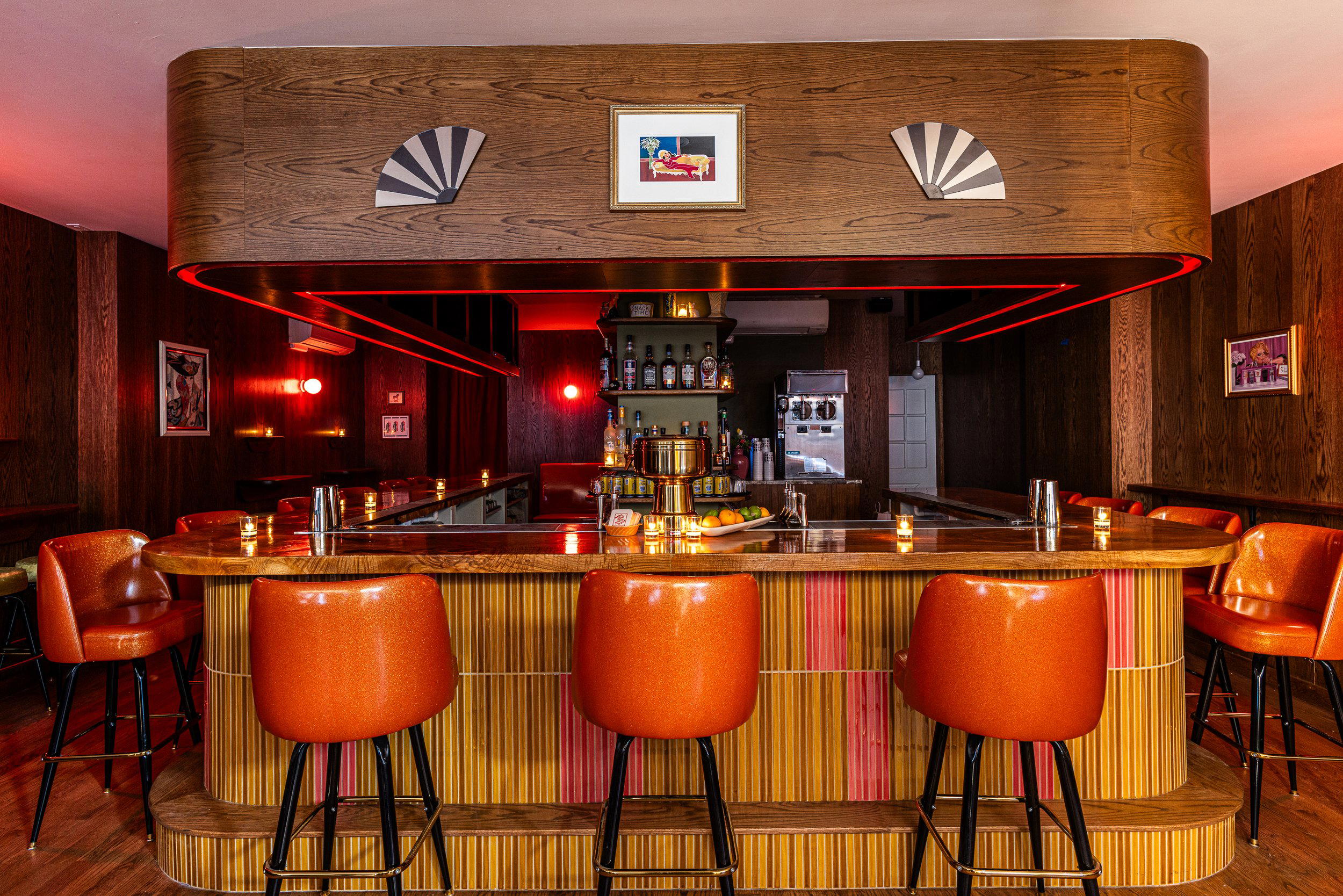
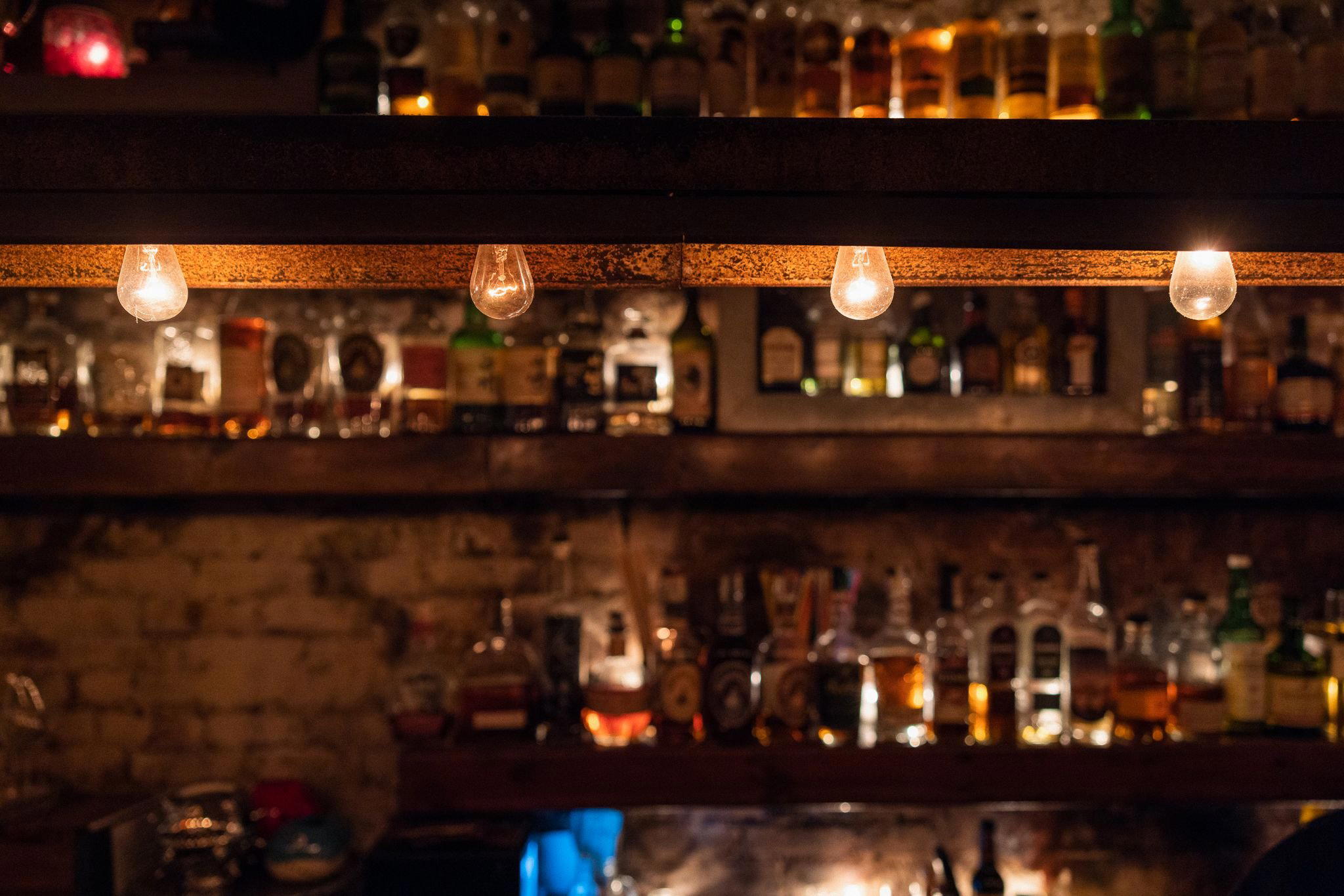
Bars in New York City
Browse all →
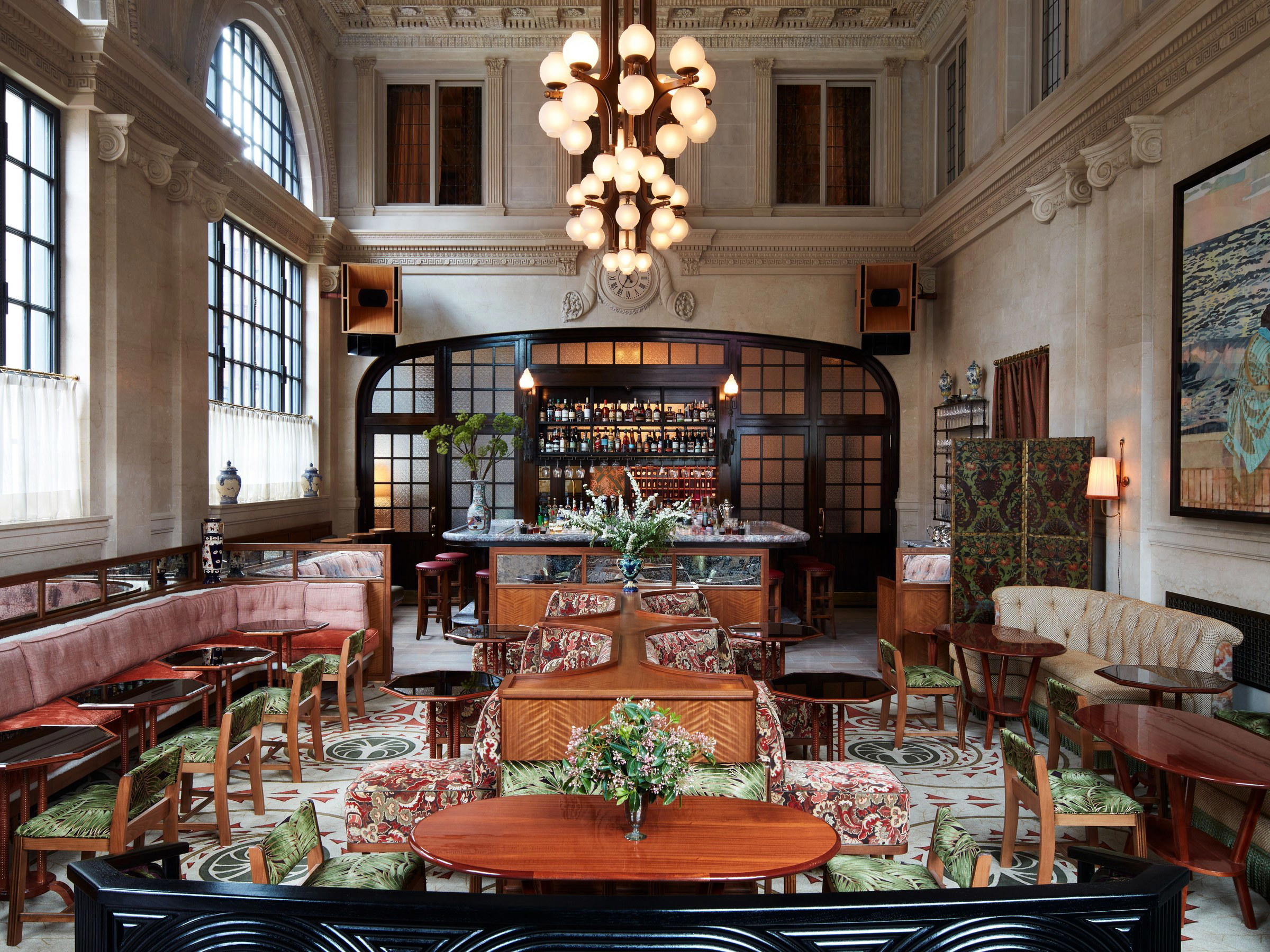
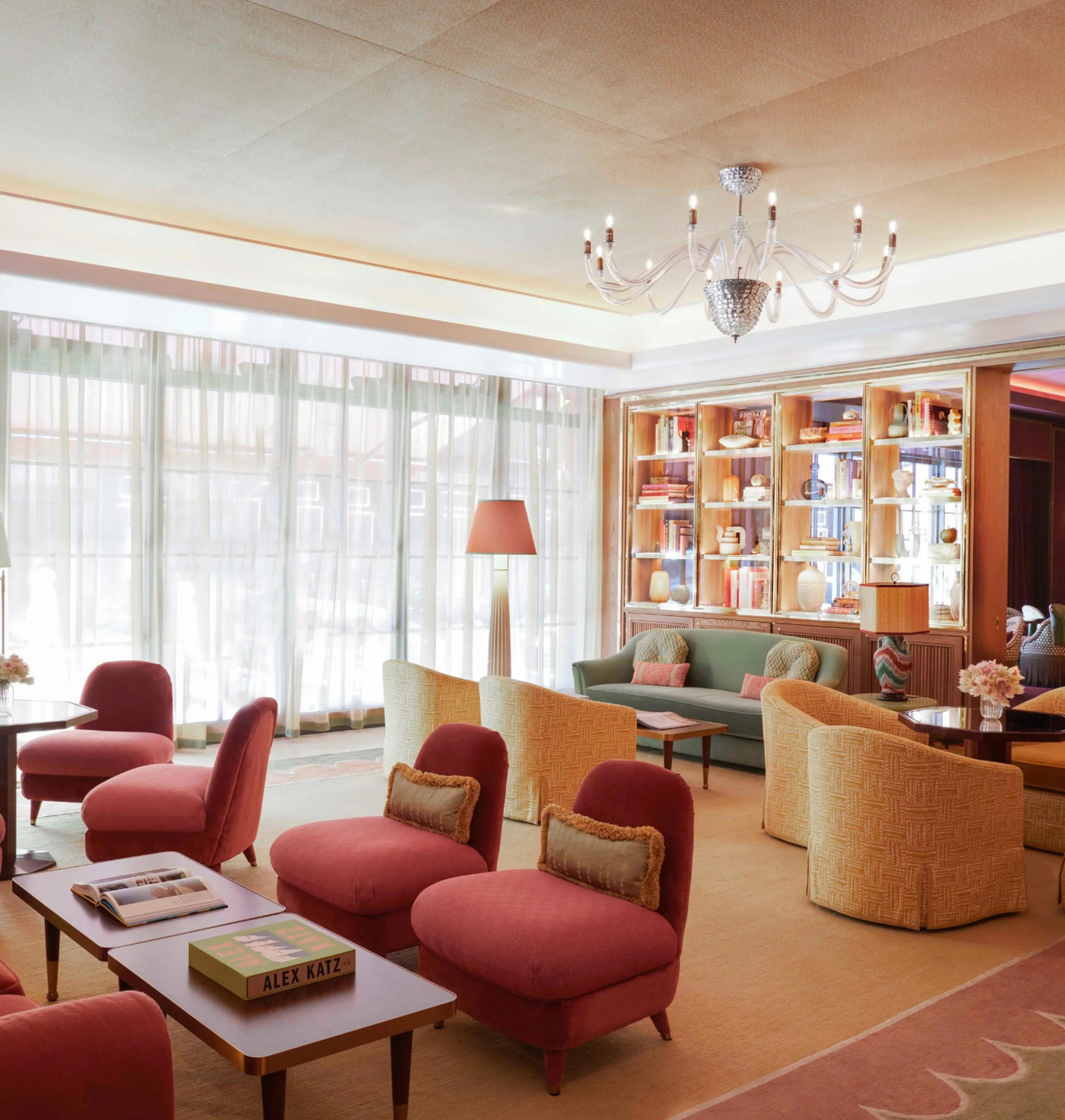
Hotels in New York City
Browse all →





At a Glance
- Cozy
- Intimate
- Casual Hangout
- Solo
- Standalone
Current opening hours
- Monday
- 11 AM–9:30 PM
- Tuesday
- 11 AM–9:30 PM
- Wednesday
- 11 AM–9:30 PM
- Thursday
- 11 AM–9:30 PM
- Friday
- 11 AM–10:30 PM
- Saturday
- 11 AM–10:30 PM
- Sunday
- 11 AM–9:30 PM
Hours can change for holidays and private events. Last verified .
Warm hospitality in a super tiny, hole-in-the-wall space with fresh ingredient preparation audible to diners.