

Macarfi 6.9 Food Rating
Our verdict
Asador Donostiarra occupies a distinct position in Madrid's Tetuán district, bringing the open-fire tradition of the Basque Country to a neighbourhood not known for culinary tourism. Ranked on Opinionated About Dining's Casual Europe list three years running and carrying,000 reviews, it represents the serious end of the city's asador category without the theatre of avant-garde dining rooms.

Pearl is the En Primeur Club membership app — saves, bookings, and concierge access live there. Same editors, same standards.
- Address
- C. de la Infanta Mercedes, 79, Tetuán, 28020 Madrid, Spain
- Phone
- +34 915 79 08 71
- Hours
- Mon–Sat 1:15–4 p.m., 8:30 p.m.–12 a.m.Sun 1:15–4 p.m.
- Website
- asadordonostiarra.com
- Directions
- Get directions
- Booking
- Book on CoverManager
The menu
What to order
- Chuletón
- Donosti Steak
- Cod a la Vizcaína
- Monkfish in Green Sauce
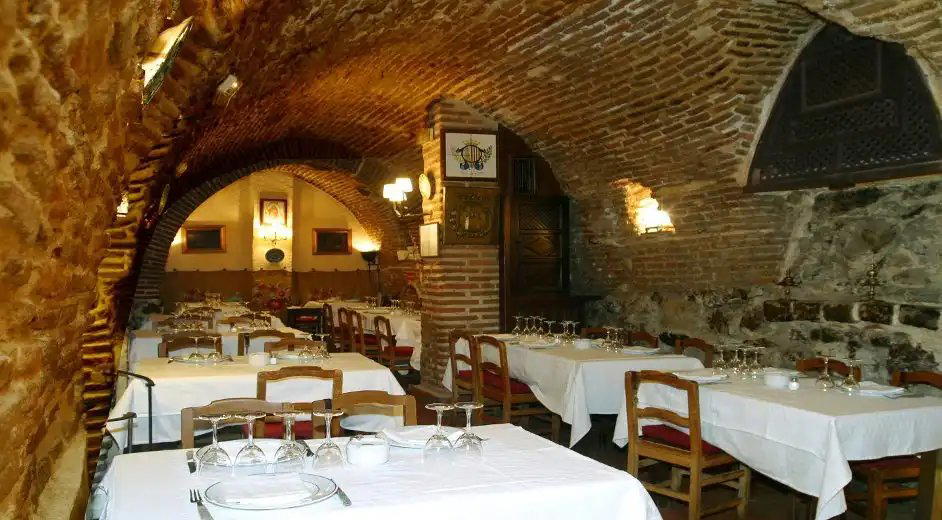
Fire, Smoke, and the Room That Contains It
Madrid's most admired restaurants tend to concentrate along a predictable axis: the creative tasting-menu circuit anchored by the likes of DiverXO, Coque, and Deessa, with long reservation windows and architectural dining rooms designed to announce themselves. Asador Donostiarra, on Calle de la Infanta Mercedes in Tetuán, operates in a different register entirely. The asador tradition does not ask the room to perform. It asks the fire to perform, and the room to stay out of the way.
Tetuán is a working residential district in northwest Madrid, not a neighbourhood with a reputation for restaurant tourism. That is, in part, the point. The physical environment here follows a logic common to the great asadores of the Basque Country and Castile: the space is built around function rather than spectacle. In rooms like this, the interior signals competence through restraint — sturdy tables, adequate light, no surface-level hospitality theatre. The cooking is the architecture. What you notice first is what's coming off the grill, not what's hanging on the walls.
This approach to space is not incidental. The asador format, rooted in the Basque txoko culture and spread across northern Spain, has always treated the physical room as a supporting actor. At the serious end of the category — think Asador Hormo Onda in Larrabetzu or Almansa · Pasión & brasas in Seville, the room frames the grill, not the other way around. Asador Donostiarra lands in that tradition: the physicality of open fire and its attendant smells, sounds, and heat are the dominant sensory facts of the experience.
What the Rankings Say About the Category
Asador Donostiarra has appeared on OAD's Casual Europe list in 2023 (Recommended), 2024 (ranked #652), and 2025 (ranked #606), a consistent upward trajectory that places it inside a competitive set of serious neighbourhood restaurants rather than destination dining rooms. For context, the OAD Casual Europe list sits alongside, not beneath, the main Europe rankings; a placement here signals a different kind of seriousness, one measured in execution and consistency rather than in tasting-menu ambition.
That consistency across three consecutive years is worth noting. The OAD methodology leans on a community of well-travelled eaters who return to venues repeatedly. A three-year presence, with upward movement, suggests the kitchen is not running on early-adopter momentum.
At that volume, the score reflects a broad and diverse clientele, not a self-selecting audience of food writers. Taken alongside the OAD recognition, the picture is of a restaurant operating above the noise in its category without depending on the credentialing apparatus of Michelin stars or the €€€€ price tier occupied by DSTAgE or Paco Roncero.
Asador in Madrid: A Format Worth Understanding
The asador occupies a specific and sometimes underappreciated position in Spanish restaurant culture. It is not a steakhouse in the American sense, and it is not a parrilla in the Argentine sense. The tradition is Basque and Castilian in origin: whole fish, particularly rodaballo (turbot) and besugo (sea bream), cooked over wood or charcoal, alongside lamb chops, whole suckling lamb, and seasonal vegetables, with technique measured in fire management rather than sauce construction. The great asadores of San Sebastián, the source city in Asador Donostiarra's name, set the reference point for the form. Venues like Arzak in San Sebastián represent the Basque culinary tradition at its most evolved, but the asador sits at a different, more primary register: it is the format that predates the nouvelle Basque movement and in many ways underpins it.
In Madrid, the asador has a long-established presence, but the city's dining conversation tilts toward creative cooking. Venues like Azurmendi in Larrabetzu, Martin Berasategui in Lasarte-Oria, El Celler de Can Roca in Girona, and Cocina Hermanos Torres in Barcelona represent the end of the Spanish restaurant spectrum that draws international food travel. The asador sits on the other end: rooted, format-specific, and defined by ingredients and fire rather than by concept. Asador Donostiarra makes that tradition available in a Madrid neighbourhood where the audience is primarily local, and that locality is part of what the OAD community is scoring.
Practical Details for Visiting
Asador Donostiarra opens for lunch from 1:15 pm and dinner from 8:30 pm Monday through Saturday. On Sundays, it serves lunch only (1:15 to 4 pm), which is a structural detail worth building around if you are planning a Sunday in Madrid and want a serious mid-day meal. The address is Calle de la Infanta Mercedes, 79, in the Tetuán district. The kitchen closes at midnight Monday through Saturday, making it a viable option for late dining in Madrid's characteristically extended evening schedule.
For visitors using the city's transport network, Tetuán is accessible via the Madrid Metro. The neighbourhood does not sit on the standard tourist circuit, which is relevant planning information: combine a visit here with other engagements in the northern or western parts of the city rather than treating it as a detour from the centro. For a fuller orientation to eating and drinking across the city, EP Club's Madrid restaurants guide, bars guide, hotels guide, wineries guide, and experiences guide provide the wider context.
Seasonality matters in the asador format. The autumn and winter months align with the prime season for whole roasted lamb and the Atlantic fish species that define the Basque grill tradition. If there is a moment to visit, the colder half of the year is when the format is at its most coherent, not because the kitchen changes dramatically, but because the food and the fire feel most native to the season.
What Should I Eat at Asador Donostiarra?
The asador format at venues of this standing typically centres on a short list of primary ingredients prepared over live fire without significant embellishment. In the Basque-rooted tradition that Asador Donostiarra's name invokes, the defining plates are whole grilled fish (turbot and sea bream being the canonical choices) and roasted lamb. Side dishes tend to be direct: peppers, pimientos de padrón, simple vegetables that let the grill work carry the meal. The format rewards ordering without overthinking it: the kitchen is built around a small range of things done with precision, and that is the right frame for what to expect.
City Peers
| Venue | Cuisine | Price | Awards | Notes |
|---|---|---|---|---|
| Asador DonostiarraThis venue — the venue you are viewing | Traditional Basque Steakhouse | $50–100 | Macarfi 6.9 Food Rating | Not listed |
| DiverXO | Avant-Garde Spanish Tasting Menu | $300–500 | 3 Michelin Stars · World's 50 Best #4 | Progressive - Asian, Creative |
| Deessa | Modern Valencian Fine Dining | $150–200 | 2 Michelin Stars · La Liste Top Restaurants | Modern Spanish, Creative |
| Smoked Room | Modern Japanese Fire Omakase | $200–300 | 2 Michelin Stars · La Liste Top Restaurants | Progressive Asador, Contemporary |
| Coque | Modern Spanish Fine Dining | $300–500 | 2 Michelin Stars · La Liste Top Restaurants | Spanish, Creative |
| Paco Roncero | Avant-Garde Spanish Fine Dining | $150–200 | 2 Michelin Stars · La Liste Top Restaurants | Creative |
Recognition history
Dated appearances from independent guides and award organizations, with the underlying list record or original source where available.
Macarfi 6.9 Food Rating
Macarfi
Opinionated About Dining Casual in Europe Recommended
Opinionated About Dining
Full recognition history (5 entries)
Opinionated About Dining Casual in Europe Ranked #606
Opinionated About Dining
Opinionated About Dining Casual in Europe Ranked #652
Opinionated About Dining
Opinionated About Dining Casual in Europe Recommended
Opinionated About Dining
Continue exploring
More in Madrid
Restaurants in Madrid
Browse all →
Bars in Madrid
Browse all →
Hotels in Madrid
Browse all →


Details
- Classic
- Elegant
- Well Known
- Business Dinner
- Group Dining
- Family
- Celebration
- Special Occasion
- Private Dining
- Historic Building
- Extensive Wine List
- A La Carte
- Tasting Menu
- Gluten Free Options
Current opening hours
- Monday
- 1:15–4 p.m., 8:30 p.m.–12 a.m.
- Tuesday
- 1:15–4 p.m., 8:30 p.m.–12 a.m.
- Wednesday
- 1:15–4 p.m., 8:30 p.m.–12 a.m.
- Thursday
- 1:15–4 p.m., 8:30 p.m.–12 a.m.
- Friday
- 1:15–4 p.m., 8:30 p.m.–12 a.m.
- Saturday
- 1:15–4 p.m., 8:30 p.m.–12 a.m.
- Sunday
- 1:15–4 p.m.
Hours can change for holidays and private events. Last verified .
Traditional wood-heavy decor with celebrity photos, warm welcoming atmosphere, classic and business-oriented with bright lighting.