

Michelin Bib Gourmand · Star Wine List
Our verdict
A 15th-century farmhouse on the slopes of Mount Udalaitz, Arteaga Landetxea earns its Michelin Bib Gourmand through grounded Basque cooking that prioritises local ingredients and regional character over spectacle. Maider Larrañaga manages a cellar of over 1,000 labels while Igor Ezpeleta's kitchen channels the interior Gipuzkoa countryside directly onto the plate. The rustic setting, terrace, and vinoteka make it one of the more complete rural dining experiences in the Basque hinterland.

Pearl is the En Primeur Club membership app, where members save venues, book tables and use the concierge.
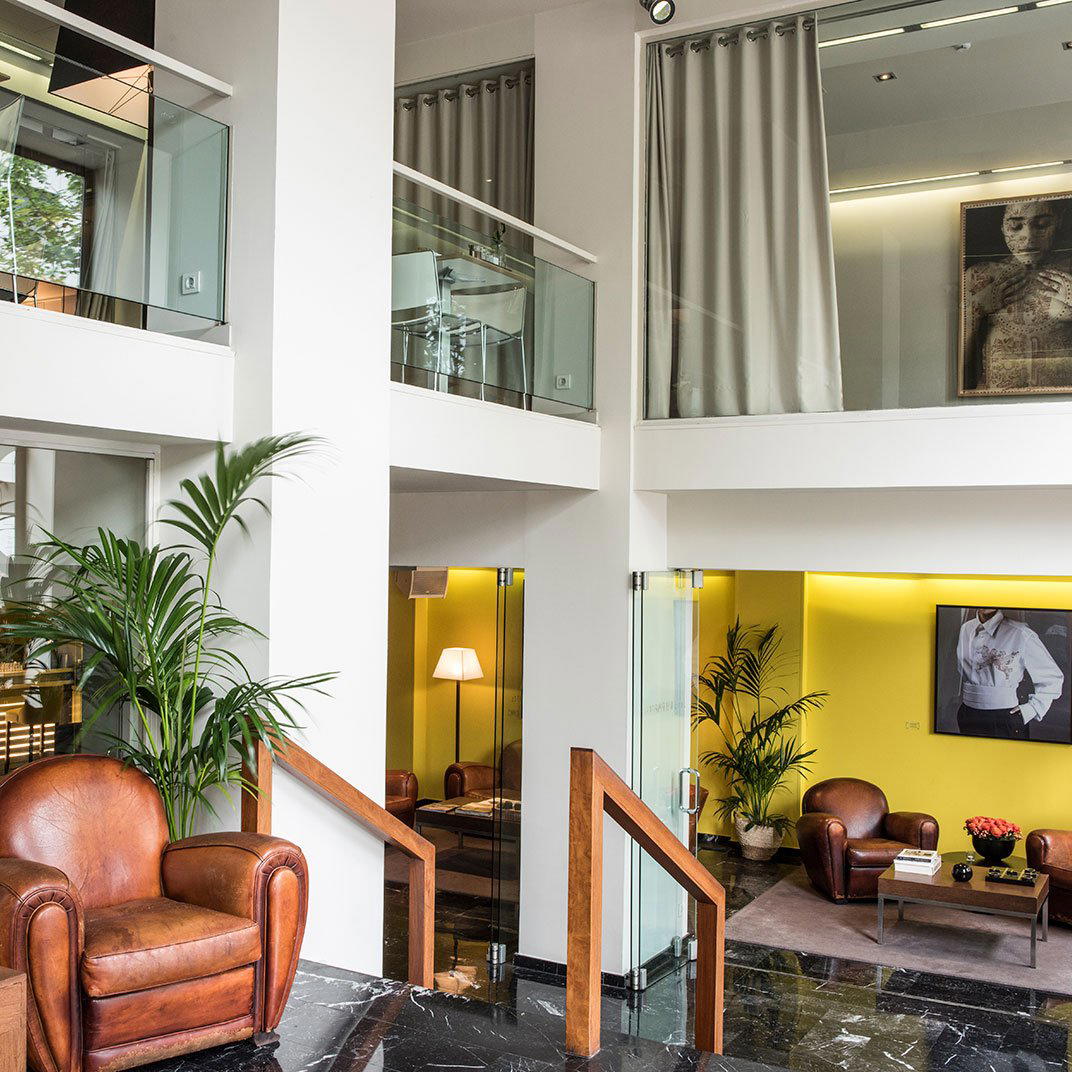
A Farmhouse on the Mountain, Not a Stage Set
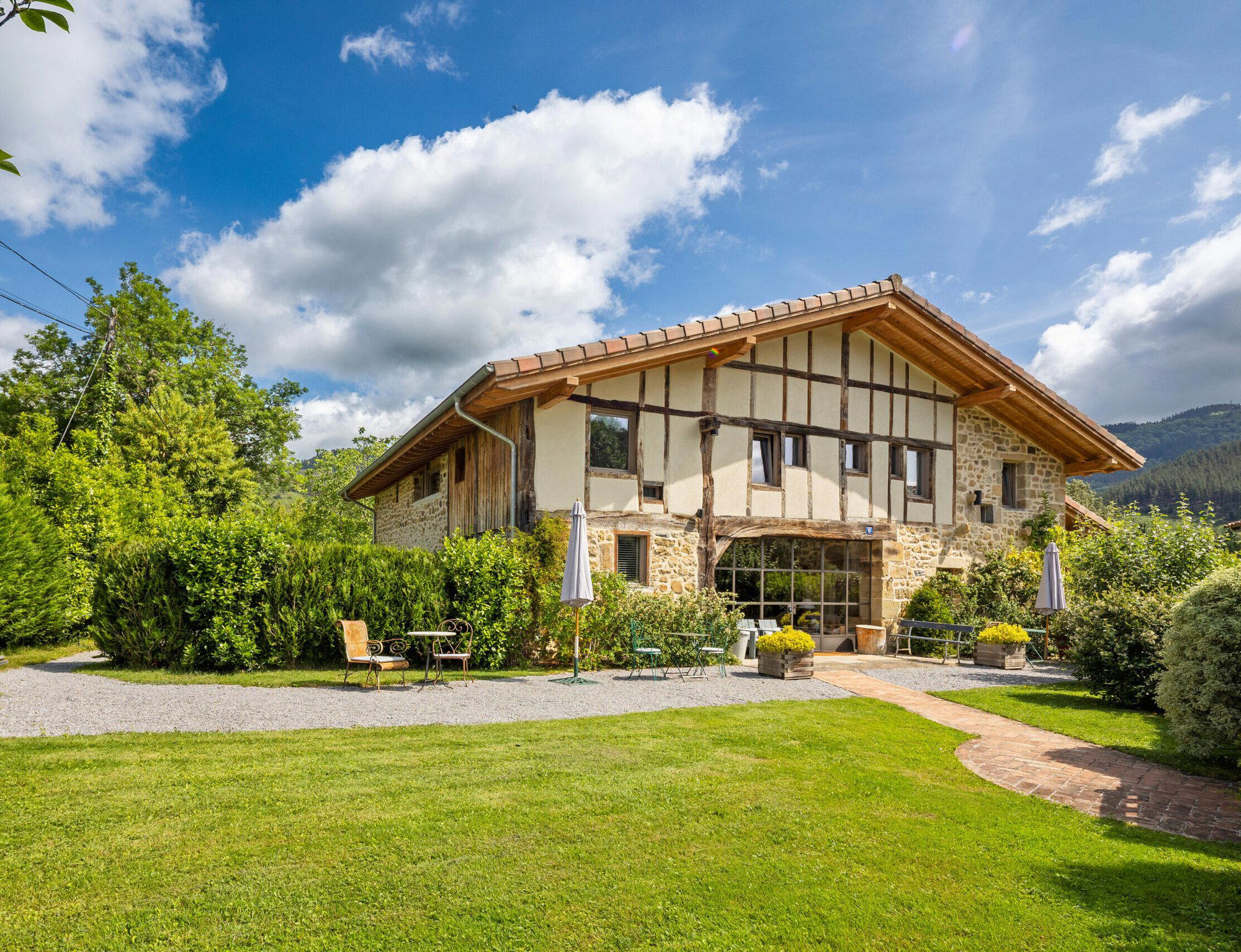
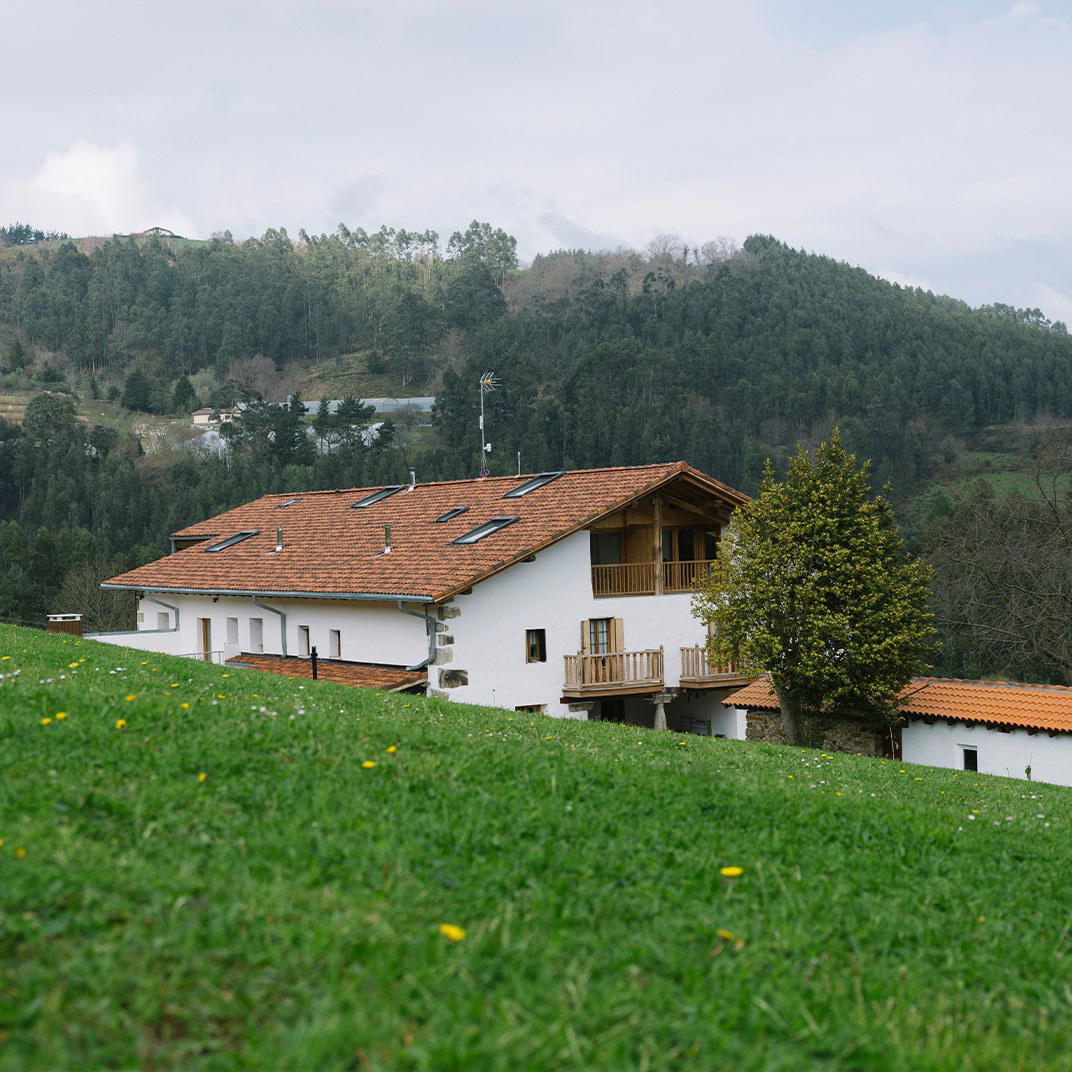
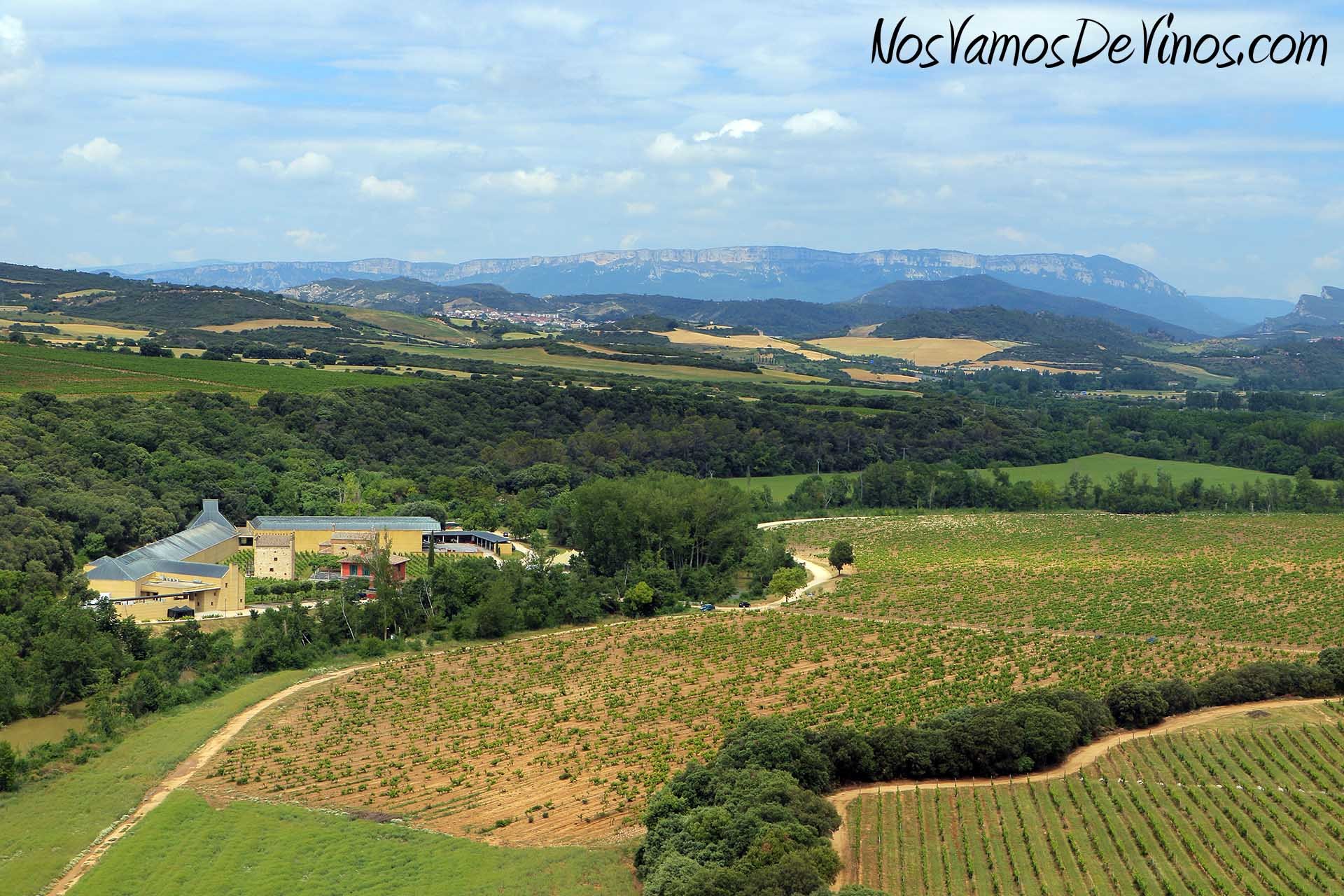
The road to Arteaga Landetxea climbs away from the industrial valley floor of Mondragón toward the slopes of Mount Udalaitz, and the shift in register is immediate. By the time the 15th-century farmhouse comes into view, the reference points are no longer urban: stone walls, mountain pasture, the particular silence of the Gipuzkoa interior. This is not a restaurant that has been styled to look rural. It is rural, and the kitchen takes that seriously.
Basque cuisine in its coastal and urban forms is well documented globally, from the pintxos bars of San Sebastián's Parte Vieja to the avant-garde laboratories at Mugaritz in Errenteria and Arzak in San Sebastián. The interior tradition is less visible internationally but no less coherent: produce-led, seasonally anchored, and shaped by the farmhouse and shepherding culture of the Basque highlands. Arteaga Landetxea operates within that interior register, and the Michelin Bib Gourmand in both 2024 and 2025 confirms that the execution holds up to scrutiny.
The Ritual of Ordering Here
What it shares with that tradition, however, is the same underlying principle: the table is the point, the ingredient is the argument, and the meal is structured around products worth discussing. The grilled fish of the day, specifically flagged in Michelin's own notes on the restaurant, is the kind of dish that invites conversation rather than silent appreciation. It arrives as it is, dependent on the morning's catch and the quality of the grill, not on a kitchen technique applied to disguise the raw material.
That approach places Arteaga Landetxea in the company of restaurants like Ama Taberna in Tolosa, where the product-forward philosophy of the Basque interior drives the menu rather than creative pyrotechnics. The contrast with three-star operations such as Azurmendi in Larrabetzu or Martin Berasategui in Lasarte-Oria is deliberate and instructive: those kitchens transform local ingredients through elaborate technique; here, the cooking mostly steps aside and lets the locality speak. Both approaches are valid. They answer different questions about what Basque food can do.
The Cellar and the Room
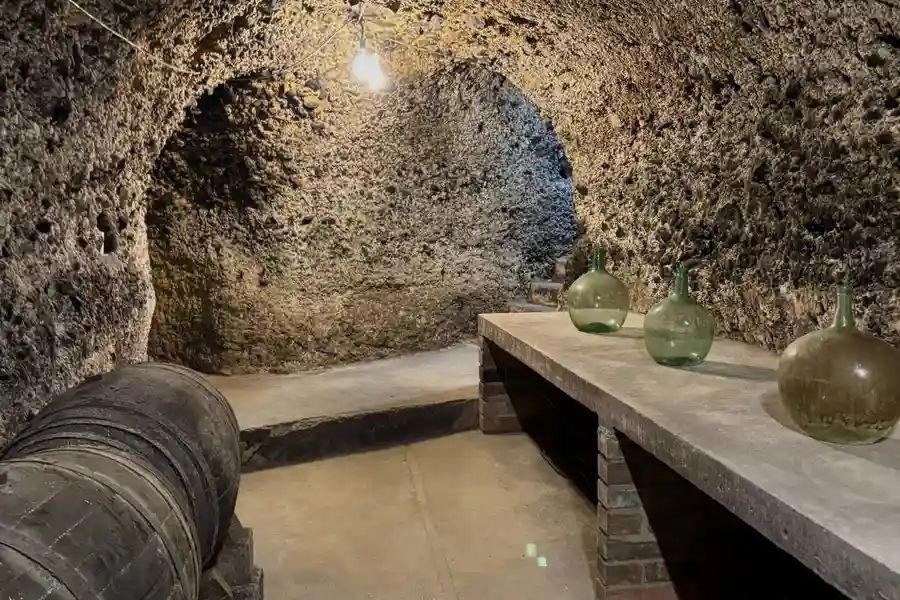
One of the more striking operational facts about Arteaga Landetxea is the scale of its wine program. Maider Larrañaga manages a cellar of over 1,000 labels while also running the dining room, which positions this farmhouse restaurant well above the typical rural asador in terms of what arrives in the glass. A cellar of that depth in a single-location rural restaurant signals sustained commitment to the wine side of the experience, and guests who treat the visit as an opportunity to explore Basque and Spanish producers will find material here that most city restaurants cannot match at this price tier.
The price range sits at the lower end of the scale (€), which makes the wine program particularly worth noting. At the three- and four-star tier, places like El Celler de Can Roca in Girona or DiverXO in Madrid are expected to carry serious cellars at serious prices. Finding comparable breadth at a Bib Gourmand price point in a mountain farmhouse is a different proposition entirely.
Inside the Building
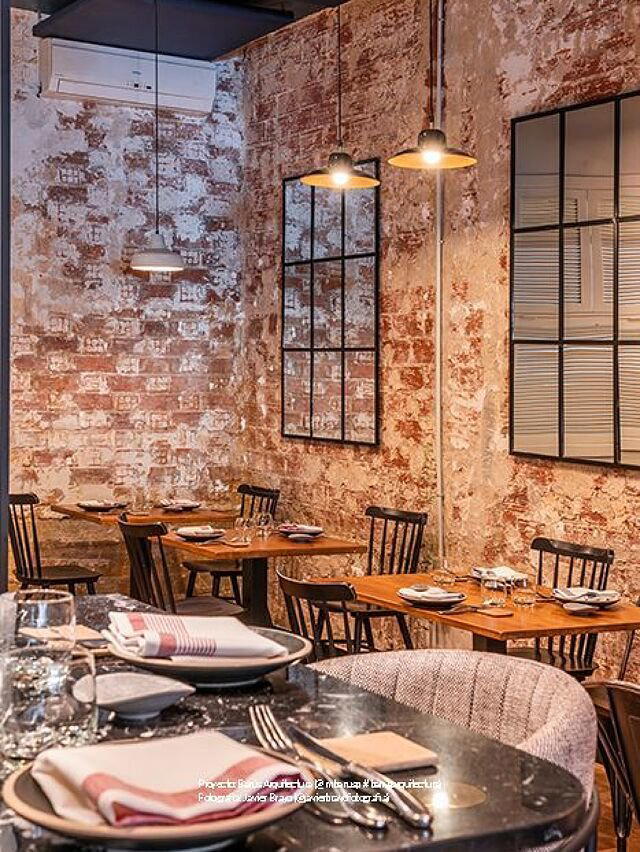
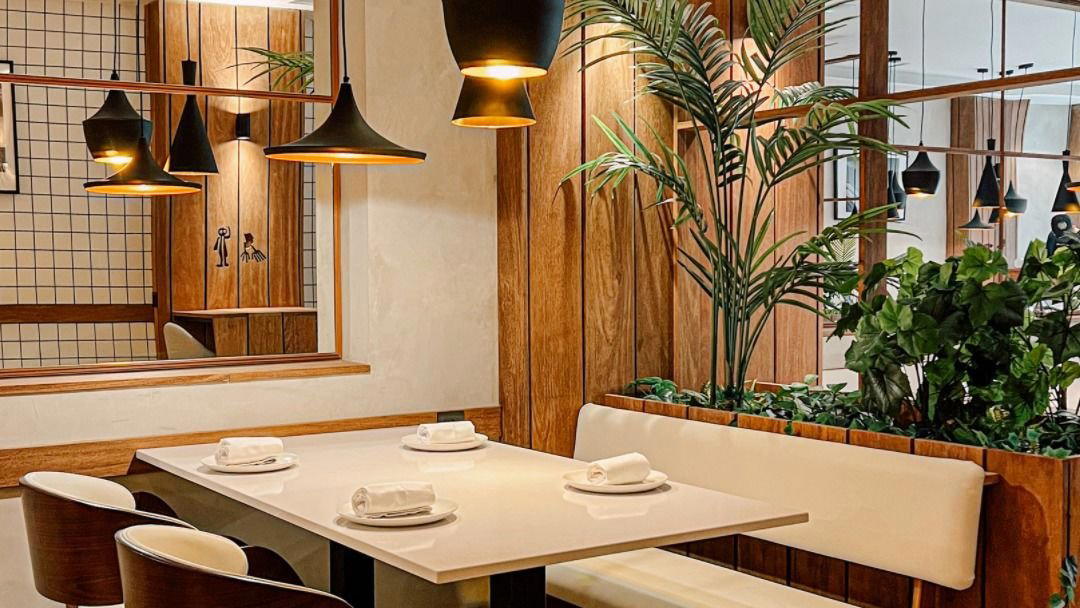
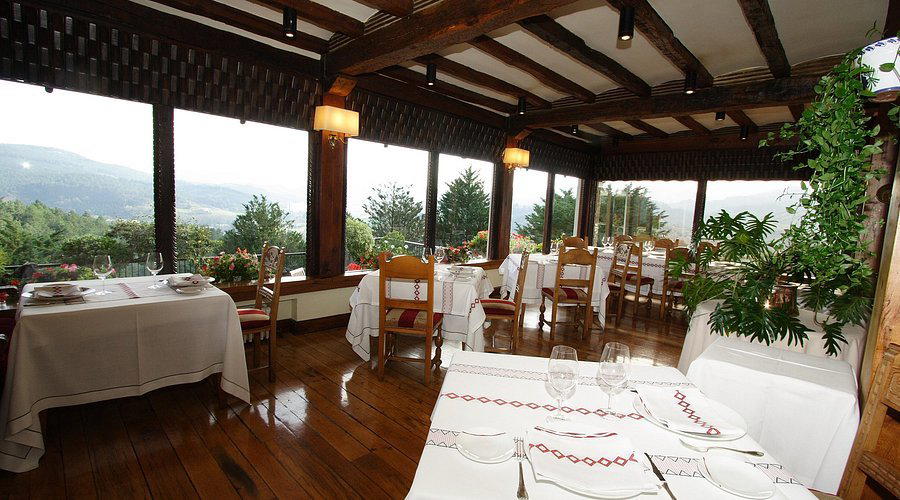
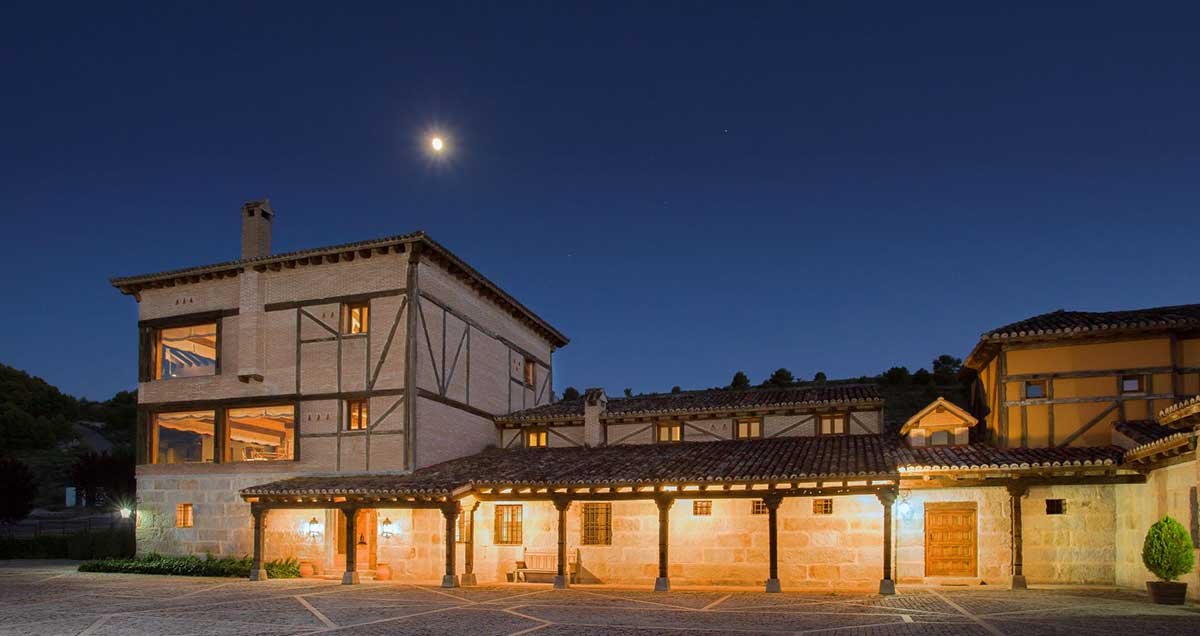
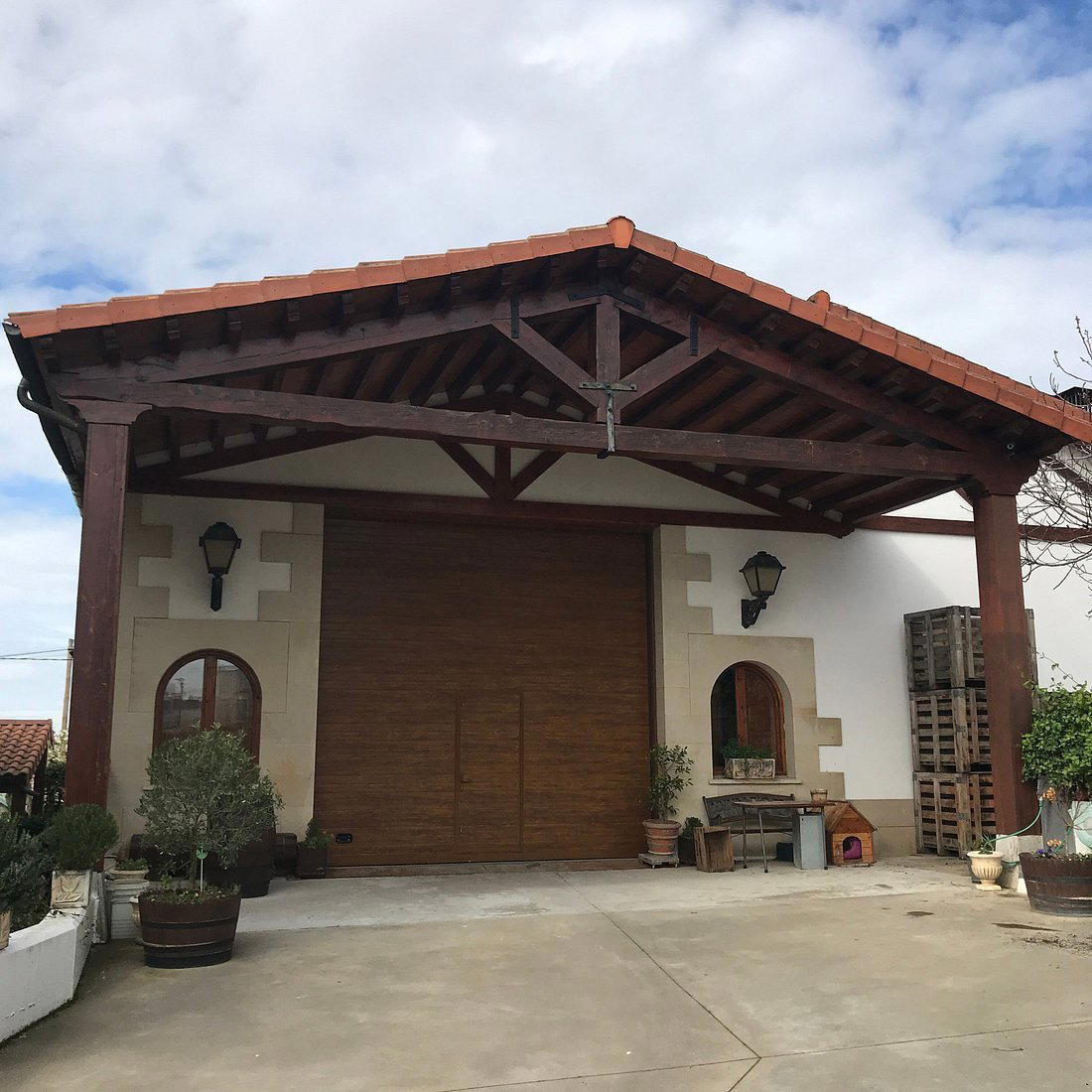
The interior divides into a vinoteka, a main dining room, and a smaller secondary space. The structure of the building, 15th-century farmhouse construction, which in Basque architecture typically means thick stone, heavy timber, and low ceilings, sets the atmospheric tone before any food arrives. The terrace extends the experience outdoors when conditions allow, with Mount Udalaitz providing the backdrop. None of this is designed; it is inherited, and that distinction matters to how the meal feels.
Dining room character places it in a category of Basque restaurants where the physical setting is part of the argument: that serious cooking does not require a purpose-built urban stage. Comparable thinking is visible at iBAi by Paulo Airaudo in San Sebastián, where intimacy of format shapes the experience, though the contexts are quite different.
Getting There and Planning Your Visit
Arteaga Landetxea is located at Garagartza Auz. 37 in Arrasate/Mondragón, Gipuzkoa. The farmhouse sits on the slopes of Mount Udalaitz, which means a car is the practical choice; public transport to this particular address is not a realistic option. Mondragón itself is accessible by rail from San Sebastián and Vitoria-Gasteiz via the Euskotren network, but the final stretch to the farmhouse requires a vehicle. Booking ahead is advisable, particularly for weekend visits: a Bib Gourmand listing in consecutive years draws steady local traffic, and the multiple dining spaces fill without much notice. Hours and booking contacts are best confirmed directly with the restaurant. For broader planning in the area, the full Mondragón restaurants guide covers the wider dining context, alongside the Mondragón hotels guide, bars guide, wineries guide, and experiences guide.
How It Fits the Wider Spanish Dining Picture
Spain's most-discussed restaurant tables in 2024 and 2025 remain concentrated at the creative end: Aponiente in El Puerto de Santa María, Quique Dacosta in Dénia, Ricard Camarena in València, and Cocina Hermanos Torres in Barcelona all represent a mode of Spanish cooking defined by transformation and conceptual ambition. Arteaga Landetxea is not in that conversation, and it does not need to be. It belongs to a different and equally necessary strand: the preservation and articulation of what Basque rural cooking actually is, cooked well, in a place that still looks like where the ingredients come from. The Bib Gourmand designation, awarded by the same guide that stars those high-concept kitchens, is a meaningful signal that both traditions are worth attention.
For travellers moving through the Basque interior rather than following the coastal trail between San Sebastián and Bilbao, the farmhouse at the foot of Udalaitz is one of the more grounded arguments for why that interior deserves a detour. This is not a comparison venue to La Beaugravière in terms of cuisine type, but both share a rural seriousness that urban dining often struggles to replicate.
Frequently asked questions
Would Arteaga Landetxea be comfortable with kids?
The setting works in favour of families with children: a 15th-century farmhouse on the slopes of Mount Udalaitz offers open rural surroundings and a rustic interior that carries none of the formality of a city fine-dining room. The Bib Gourmand recognition signals honest, unpretentious cooking rather than a multi-course tasting format, which generally suits mixed-age groups better. That said, the restaurant is remotely located in Garagartza, Mondragón, so plan for a deliberate drive rather than a casual drop-in.
What should I expect atmosphere-wise at Arteaga Landetxea?
The interior divides across three spaces: a vinoteka, a main dining room, and a smaller secondary room, all within a farmhouse structure that dates to the 15th century. The feel is described as delightfully rustic, with the terrace adding outdoor seating when weather allows. Maider Larrañaga runs the front of house and manages the 1,000-label wine cellar, which means the service dynamic is personal and knowledgeable rather than formally staffed.
Has Arteaga Landetxea won any awards?
Arteaga Landetxea has received recognition including: This 15th century family farmhouse is located on the slopes of Mount Udalaitz in the town of Mondragon, in the beautiful mountainous interior of Gipuzkoa. Igor Ezpeleta heads up the kitchen, while his...; This restaurant occupies a remotely….
What should I order at Arteaga Landetxea?
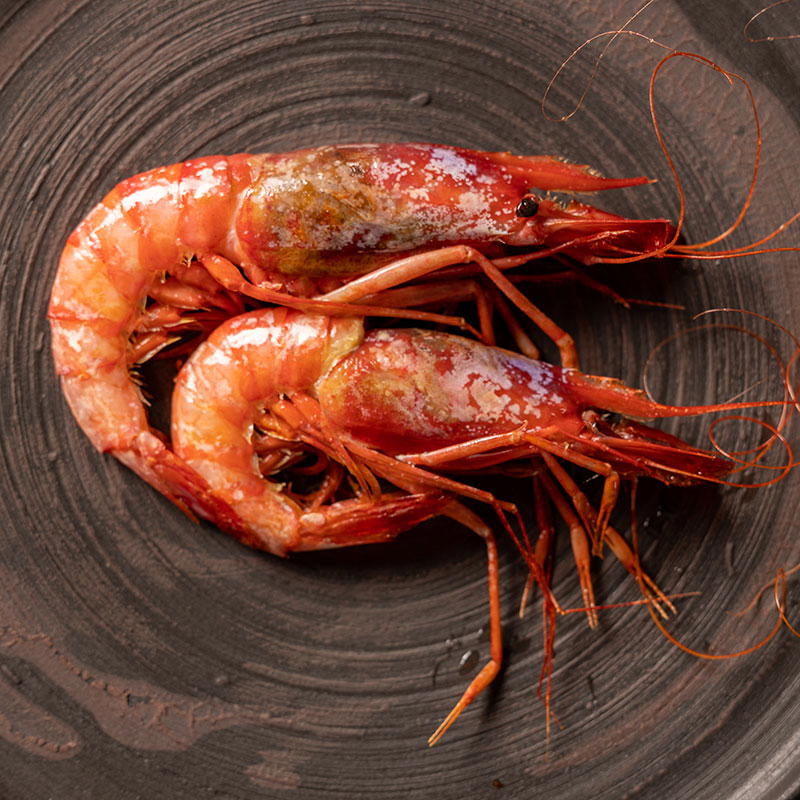
Michelin's own notes for this Bib Gourmand-awarded restaurant single out the grilled fish of the day as the standout choice. Igor Ezpeleta's kitchen focuses on local, high-quality ingredients that reflect the Basque interior rather than the coast, so the menu shifts with seasonal availability. Pairing with a selection from the 1,000-label cellar, guided by Maider Larrañaga, is a logical extension of the meal.
Fast Comparison
| Venue | Cuisine | Price | Awards | Notes |
|---|---|---|---|---|
| Arteaga LandetxeaThis venue (the venue you are viewing) | Traditional Basque | $30–50 | Michelin Bib Gourmand · Star Wine List | Not listed |
| Aponiente | Avant-Garde Marine Seafood | $200–300 | 3 Michelin Stars · World's 50 Best #84 | Progressive - Seafood, Creative |
| Arzak | Contemporary Basque Fine Dining | $300–500 | 3 Michelin Stars · World's 50 Best #31 | Modern Basque, Creative |
| DiverXO | Avant-Garde Spanish Tasting Menu | $300–500 | 3 Michelin Stars · World's 50 Best #4 | Progressive - Asian, Creative |
| El Celler de Can Roca | Creative Catalan Fine Dining | $300–500 | 3 Michelin Stars · World's 50 Best #2 | Progressive Spanish, Creative |
| Quique Dacosta | Avant-Garde Spanish Fine Dining | $300–500 | 3 Michelin Stars · World's 50 Best #65 | Creative |
Recognition history
Dated appearances from independent guides and award organizations, with the underlying list record or original source where available.
Michelin Bib Gourmand
Michelin
Star Wine List
Star Wine List
Full recognition history (4 entries)
Michelin Bib Gourmand
Michelin
Michelin Bib Gourmand
Michelin
Continue exploring
More in Mondragón
Restaurants in Mondragón
All restaurants in Mondragón →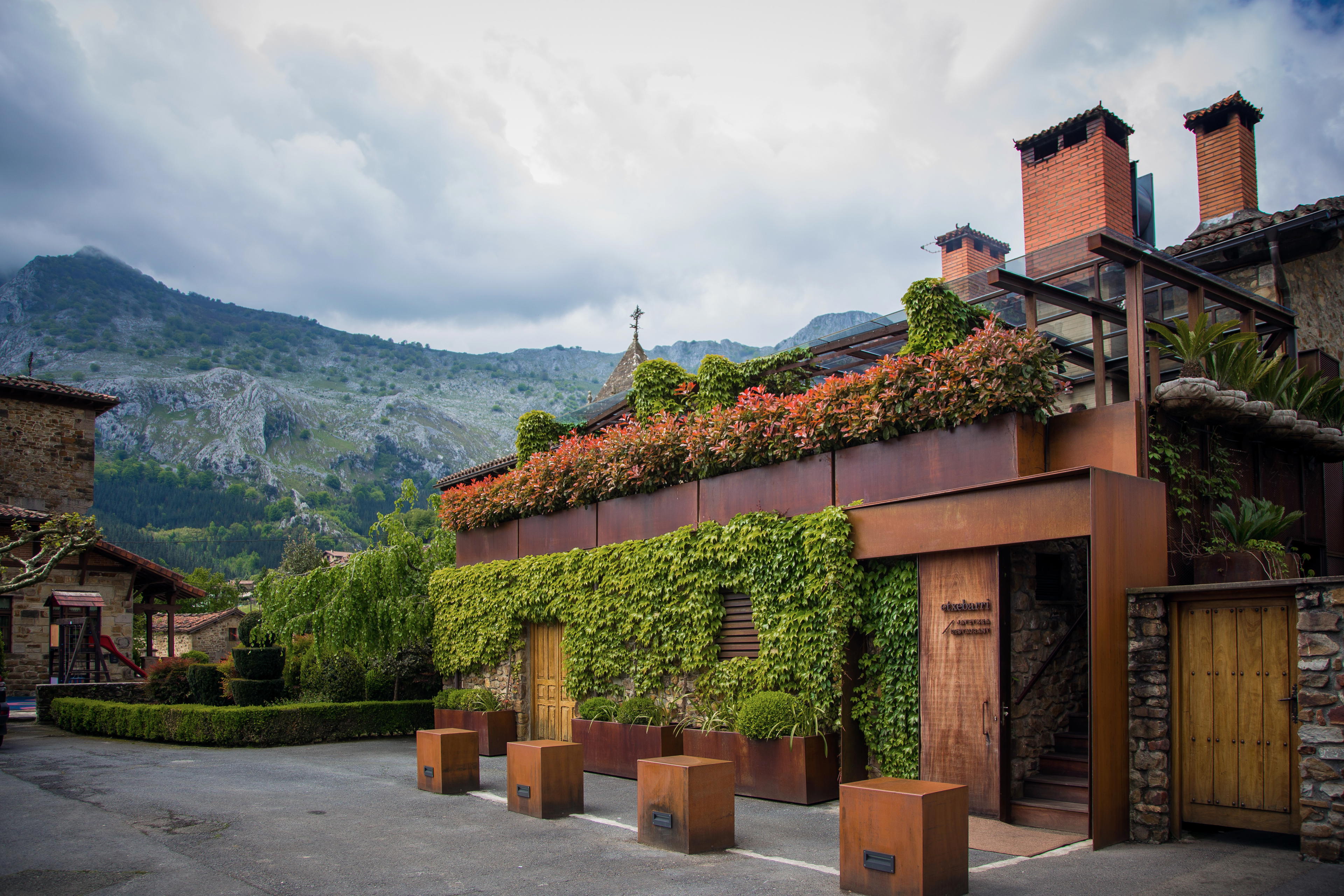
Arteaga Landetxea
The wine
- Wine program
- Deep wine list
- Extensive wine list
Details
- Rustic
- Cozy
- Intimate
- Special Occasion
- Historic Building
- Terrace
- Extensive Wine List
- Local Sourcing
- Mountain
- A La Carte
Current opening hours
- Monday
- Closed
- Tuesday
- 1–3:30 PM
- Wednesday
- 1–3:30 PM
- Thursday
- 1–3:30 PM
- Friday
- 1–3:30 PM
- Saturday
- 1:30–3:30 PM
- Sunday
- 1:30–3:30 PM
Hours can change for holidays and private events. Hours as of .
Delightfully rustic interior with welcoming main dining room, smaller space, and vinoteka, set in picturesque countryside.