ArtCliff Diner
ArtCliff Diner on Beach Road is a Vineyard Haven fixture where the sourcing ethos does the heavy lifting, Martha's Vineyard's agricultural and fishing networks supply a kitchen that treats diner format as a frame, not a limitation. On an island where seasonal supply chains are compressed and ferry-dependent, the ArtCliff's relationship with local producers gives it a different register from mainland breakfast-and-lunch stops.
Pearl is the En Primeur Club membership app — saves, bookings, and concierge access live there. Same editors, same standards.
- Address
- 38 Beach Rd, Vineyard Haven, MA 02568
- Phone
- +1 508 693 1224
- Website
- artcliffdiner.com
- Directions
- Get directions
 Saves & bookings on Pearl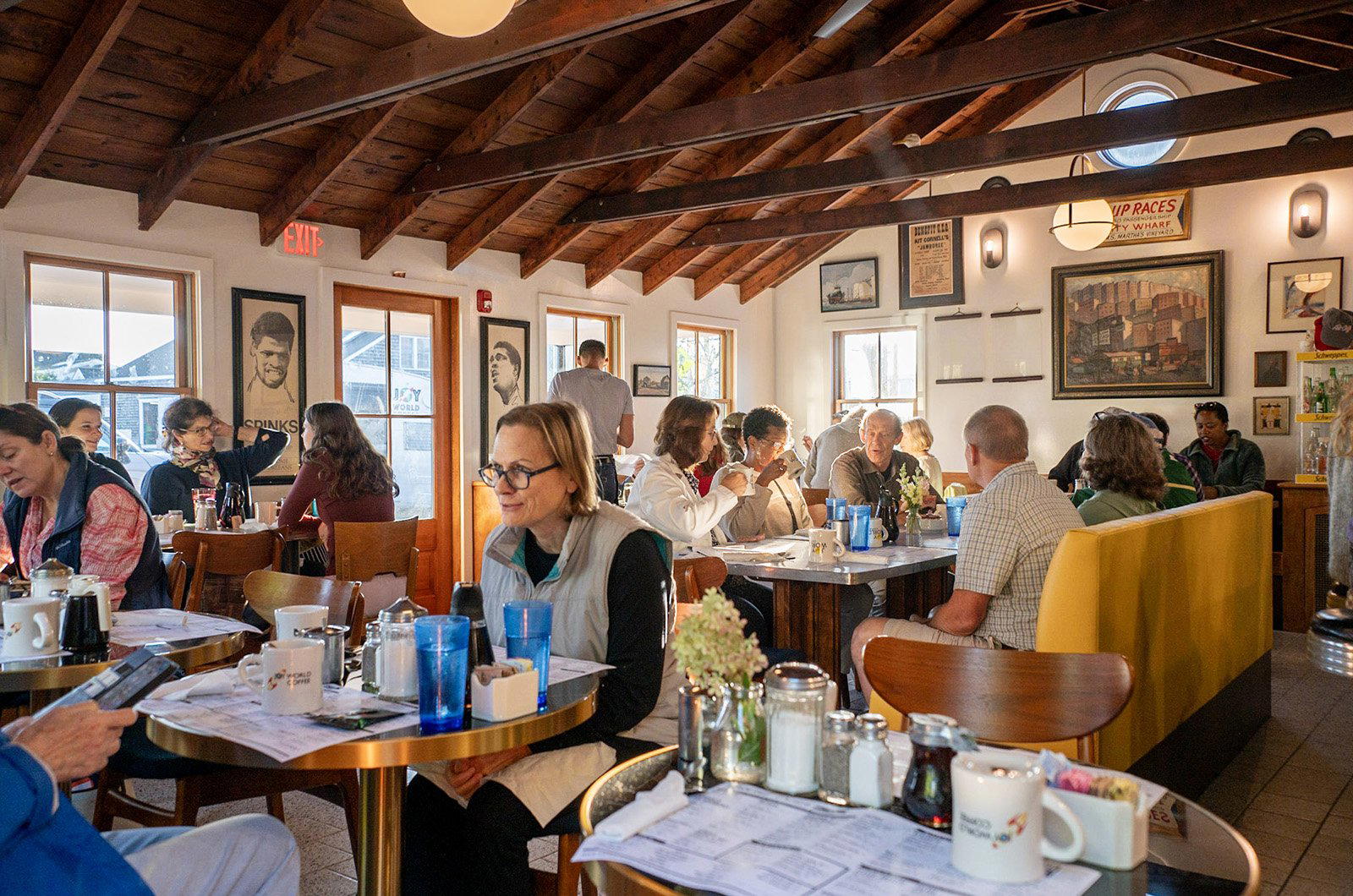
Where the Island Comes to Eat
Beach Road in Vineyard Haven sits at the hinge between the ferry terminal and the rest of Martha's Vineyard, a transition zone where arriving visitors are still orientating themselves and year-round islanders are running errands. It is not a glamorous address. The low-key commercial strip lacks the shingled charm that draws photographers to Edgartown or the artisan cluster of Oak Bluffs, and that ordinariness is precisely the point. Diners that survive on islands like this one do so not through concept or atmosphere engineering but through consistent execution and a reliable relationship with the people who grow, catch, and raise things nearby. ArtCliff Diner, at 38 Beach Rd, operates in that tradition.
The Sourcing Logic of an Island Kitchen
Martha's Vineyard has a particular food geography. The island sits roughly seven miles off the Cape Cod coast, accessible by ferry from Woods Hole, Falmouth, and New Bedford, which means every ingredient that arrives by truck or refrigerated container carries a freight cost and a timing constraint. The response from island kitchens that take food seriously has historically been to minimize that dependency, to source from the farms on the island's interior, from local fishing boats, and from the shellfish beds that make Vineyard waters commercially significant. This is not a romantic posture; it is a practical one born of logistics.
That sourcing framework matters more at the diner end of the market than it might at a white-tablecloth operation where luxury ingredients justify the supply chain. A diner's margins are tighter, its volumes higher, and its menu turnover daily. Maintaining local supply relationships under those conditions requires more operational discipline, not less. When an island diner integrates seasonal local product into a format built around eggs, griddles, and short-order timing, the result says something specific about how the kitchen is run. For visitors arriving on the Vineyard Haven ferry and looking for a first meal that reflects where they have arrived rather than where they came from, that specificity matters.
This approach places ArtCliff in a conversation with farm-driven restaurants operating at different price points nationally. Kitchens such as Blue Hill at Stone Barns in Tarrytown, Single Thread Farm in Healdsburg, and Smyth in Chicago have built their identities around direct producer relationships, a model that commands $$$$ pricing and multi-month reservations. The same underlying principle, applied to a diner counter on a Massachusetts island, produces a fundamentally different dining experience but not necessarily a less coherent one. The logic of eating what is nearby and what is in season holds across price tiers.
The Diner Format as Editorial Statement
American diner culture operates on a set of expectations so codified they function almost as genre constraints: counter seating, laminated menus, breakfast available all day, portion sizes calibrated for appetite rather than refinement. These expectations are not obstacles for a kitchen committed to quality ingredients, they are a framework within which sourcing choices become more visible, not less. When a diner sources its eggs from an island farm or features local fish in a direct preparation, the sourcing is the dish. There is no architectural sauce or high technique to absorb the ingredient into something else.
This is a different kind of transparency than the tasting-menu format favored by restaurants like Lazy Bear in San Francisco or Atomix in New York City, where provenance is often narrated tableside and woven into the progression of courses. At a diner, the communication is less formal but no less present: the quality of a fried egg or a piece of fish on a plate speaks plainly, without editorial support. That directness is either reassuring or exposing, depending on the kitchen's actual commitment to what it claims to source.
Vineyard Haven's Dining Character
Among the Vineyard's six towns, Vineyard Haven functions as the island's commercial center, the port where most visitors arrive and where working-island logistics concentrate. Its dining scene reflects that dual character: practical enough to serve year-round residents through the long off-season, visitor-ready enough to handle summer volume. This is a harder balance to maintain than it appears. Many island restaurants recalibrate entirely for summer traffic and lose whatever local specificity they had in the process; others remain so locally embedded that the summer visitor gets little navigation help. Vineyard Haven's stronger operators tend to sit between those poles.
For seafood sourced closer to the water, The Net Result on the island represents the fish-market end of that local-sourcing spectrum, a useful counterpoint for visitors building a picture of how different formats on the same island interpret the same underlying supply. Our full Vineyard Haven restaurants guide maps the broader range.
The wider national conversation about ingredient provenance has produced particularly documented restaurants in the country. The French Laundry in Napa, Le Bernardin in New York City, Providence in Los Angeles, and Addison in San Diego have each built reputations partly on the depth of their sourcing programs. So have Emeril's in New Orleans, The Inn at Little Washington, Frasca Food and Wine in Boulder, The Wolf's Tailor in Denver, ITAMAE in Miami, Oyster Oyster in Washington, D.C., and Atelier Moessmer Norbert Niederkofler in Brunico. The distance between those operations and a diner counter on Beach Road is enormous in format, price, and ambition, but the foundational question each is answering is the same: does what arrives on the plate reflect where you are?
Planning a Visit
ArtCliff Diner is located at 38 Beach Rd, Vineyard Haven, MA 02568, within easy walking distance of the Steamship Authority ferry terminal, a practical detail that makes it a natural first or last stop on an island visit. ArtCliff Diner is open Monday, Thursday through Sunday from 7 AM to 2 PM and closed Tuesday and Wednesday. It is walk-in friendly, so arriving early is usually the simplest way to get a seat.
Comparable Spots, Quickly
Comparable venues nearby, for context on price, style, and recognition.
| Venue | Cuisine | Price | Notes |
|---|---|---|---|
| ArtCliff DinerThis venue — the venue you are viewing | Creative American Diner | $$ | Not listed |
| The Net Result | New England Seafood Market & Takeout | $$ | Vineyard Haven |
| Provisions Hearth & Kitchen | New England Inspired American Breakfast | $$ | Framingham |
| Liberty & MAIN | Modern American Bistro | $$ | Legacy Place |
| Bostonia Public House | American Contemporary Gastropub | $$ | Downtown |
| Tradesman Brighton | Modern American Gastropub | $$ | Brighton |
Continue exploring
More in Vineyard Haven
Restaurants in Vineyard Haven
Browse all →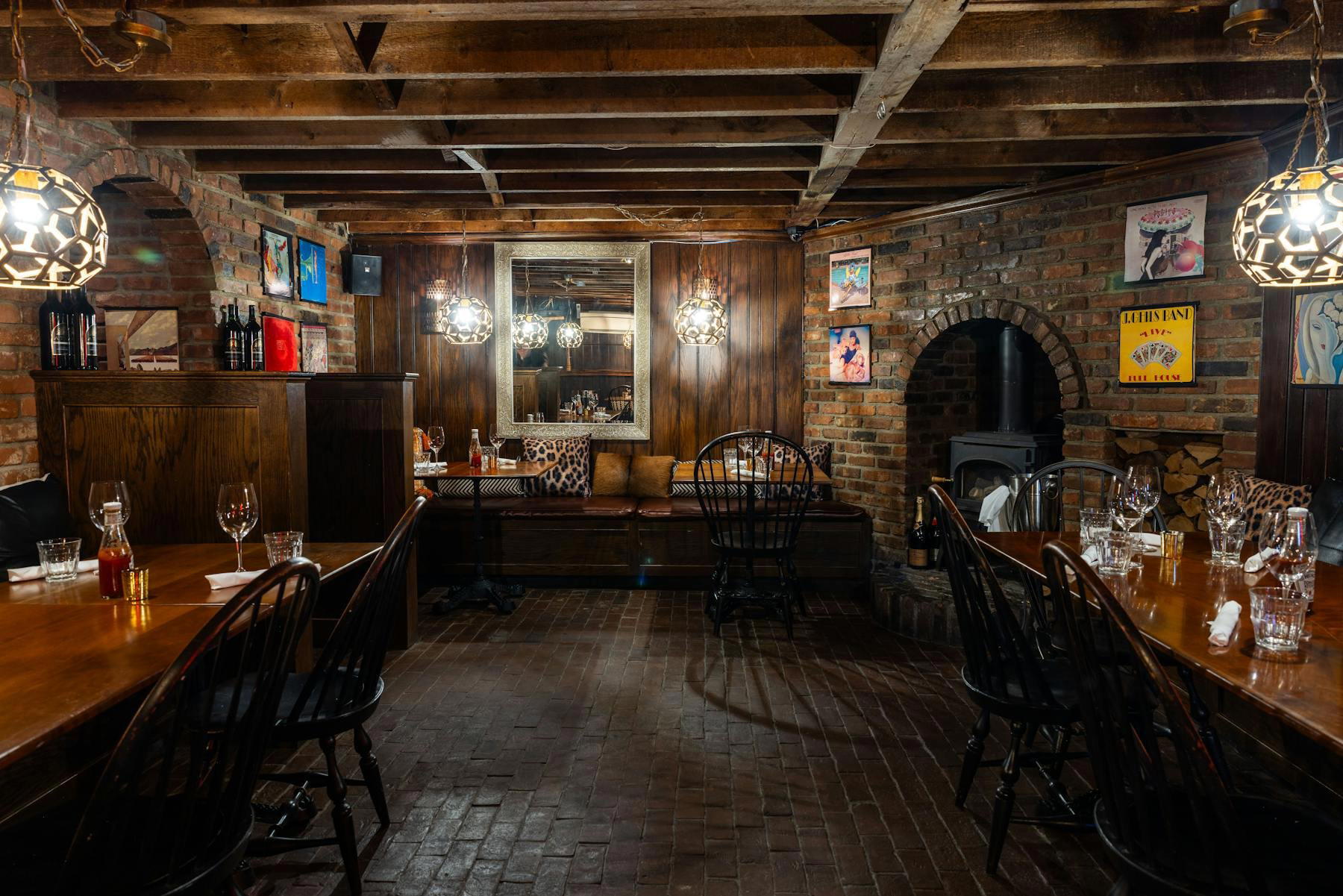
Bars in Vineyard Haven
Browse all →


At a Glance
- Whimsical
- Cozy
- Rustic
- Classic
- Brunch
- Family
- Casual Hangout
- Historic Building
- Local Sourcing
Current opening hours
- Monday
- 7 AM–2 PM
- Tuesday
- Closed
- Wednesday
- Closed
- Thursday
- 7 AM–2 PM
- Friday
- 7 AM–2 PM
- Saturday
- 7 AM–2 PM
- Sunday
- 7 AM–2 PM
Hours can change for holidays and private events. Last verified .
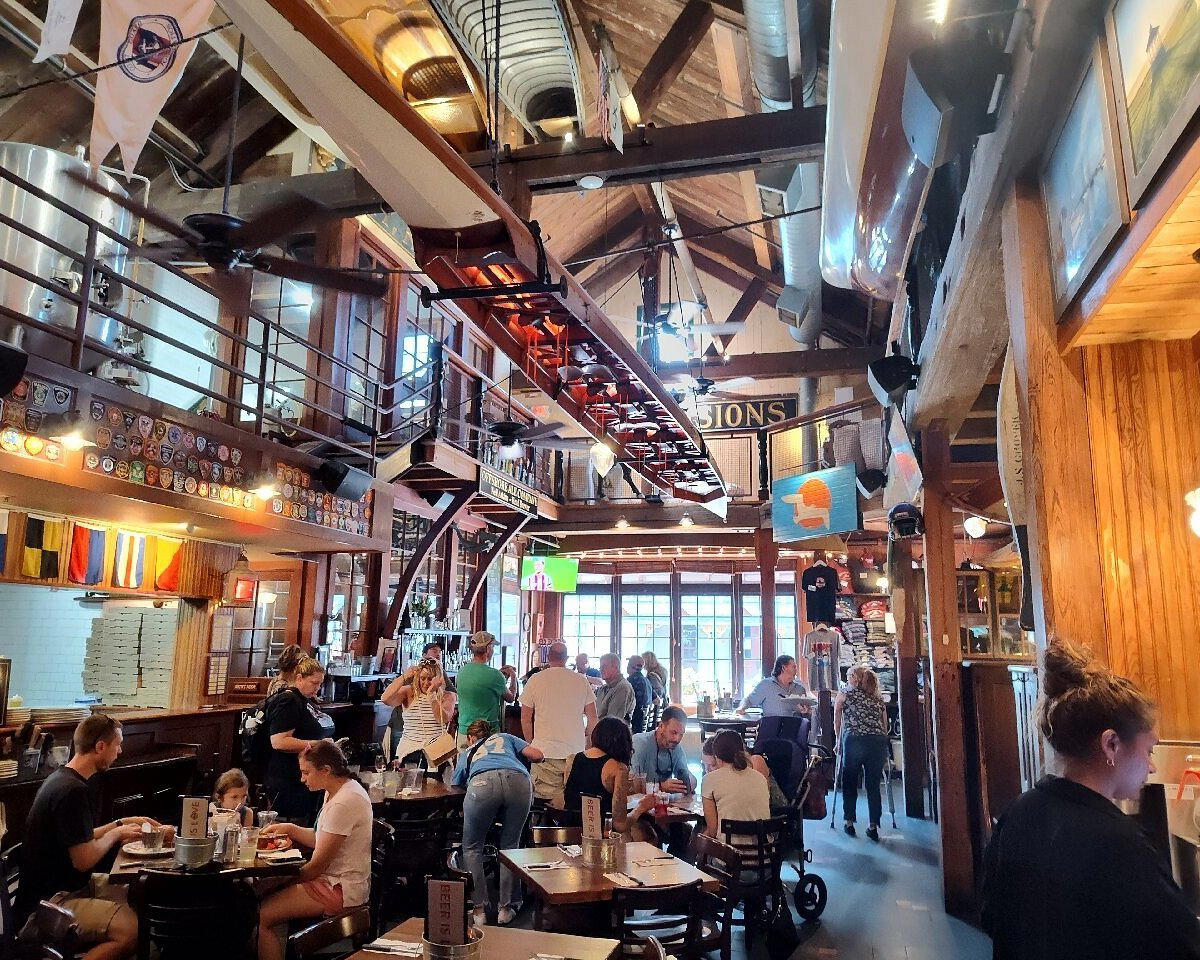
Friendly, quirky atmosphere with vintage decor and a home-away-from-home feel, often with lines out the door.