The Net Result
A Vineyard Haven fish market and counter-service spot on Beach Road, The Net Result occupies the casual, catch-focused end of Martha's Vineyard's seafood scene. Its position near the harbor places it inside a long tradition of island fish-house eating that prizes freshness over formality. For visitors seeking direct access to local catch without reservation logistics, it represents the practical anchor of the island's seafood offering.
Pearl is the En Primeur Club membership app — saves, bookings, and concierge access live there. Same editors, same standards.
- Address
- 79 Beach Rd, Vineyard Haven, MA 02568
- Phone
- +1 508 693 6071
- Website
- mvseafood.com
- Directions
- Get directions
 Saves & bookings on Pearl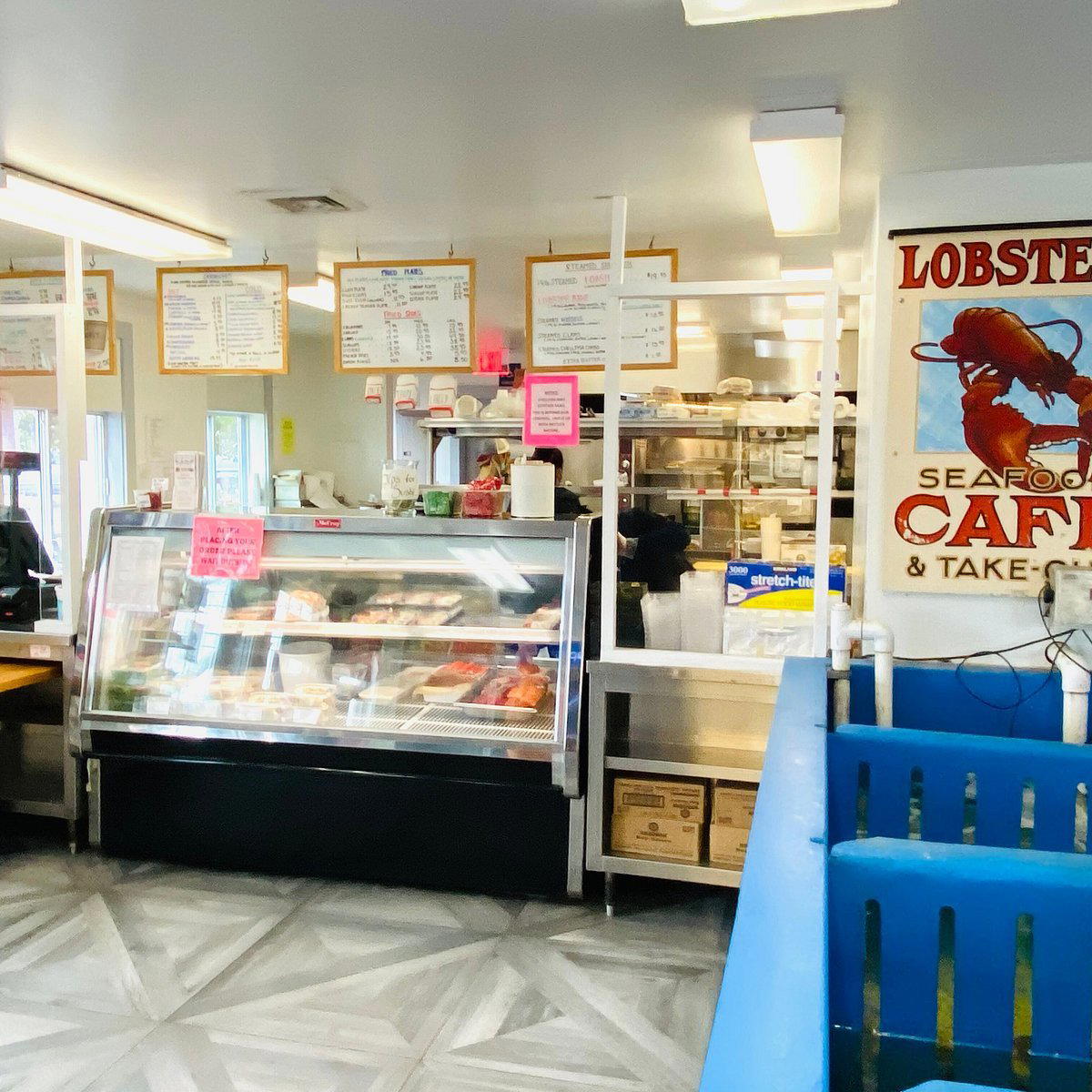
Beach Road, Harbor Proximity, and the Island Fish-House Tradition
Martha's Vineyard's seafood eating culture has always divided along a clear axis: the white-tablecloth rooms that dress up the catch, and the counter-service fish markets where the catch itself is the entire proposition. The Net Result, at 79 Beach Road in Vineyard Haven, sits firmly in the second camp. The approach to the building gives the game away before you reach the door: the address puts it close enough to the harbor that the distance between boat and plate is less a marketing claim than a geographic fact. This is the kind of place where the room's design is incidental to what's on ice in the display case.
That directness has deep roots on the island. Long before Martha's Vineyard became a summer destination for the East Coast's professional class, its economy ran on fishing. The fish house, the market, the lobster pound, these weren't dining formats, they were infrastructure. Today's casual fish counters inherit that logic, whether or not they acknowledge it. The setting may have acquired a different clientele over the decades, but the underlying premise remains: buy what came off the boat, eat it with minimal interference.
Where The Net Result Sits in Vineyard Haven's Eating Scene
Vineyard Haven is the island's year-round commercial center, which gives it a slightly different character from Edgartown's more polished restaurant row or Oak Bluffs' bar-heavy summer energy. The dining options here tend toward the functional and the genuine, serving working islanders as much as seasonal visitors. In that context, a fish market with prepared food is a natural fit. It occupies the same register as ArtCliff Diner, which anchors the casual breakfast-and-lunch end of Vineyard Haven's scene, both operate without the reservation apparatus and price architecture of the island's destination restaurants.
For a broader sense of how this tier of eating fits into Martha's Vineyard's overall food identity, our full Vineyard Haven restaurants guide maps the scene across price points and formats, from counter service through to seasonal fine dining.
The Cultural Logic of the New England Fish Market
To understand what a place like The Net Result represents, it helps to read it against the broader history of New England coastal eating. The fish market as a food-service format predates the restaurant as an institution in this part of the country. Gloucester, New Bedford, Provincetown, and the Vineyard all developed variations on the same model: a working waterfront business that sold retail fish and, eventually, prepared food to avoid waste and serve the people already walking through the door.
That model has proven more durable than most dining formats. In an era when restaurants at the upper end of the American seafood category, places like Le Bernardin in New York City or Providence in Los Angeles, invest heavily in sourcing narratives and tasting menu architecture, the fish market operates on the opposite principle: transparency through simplicity. The product speaks because nothing is obscuring it. There is no tasting menu at a fish market, no wine pairing, no amuse-bouche. The credential is the ice, the turnover, and the proximity to the source.
This is not a lesser form of eating. It is a different one, with its own demands and its own standards. Freshness is non-negotiable in a way that it can be managed around in a kitchen with the right techniques. A fish market lives or dies on the quality of what arrives each morning and how quickly it moves.
How This Compares to the Island's Broader Seafood Offer
Martha's Vineyard supports a range of seafood formats across the season. At one end, you have the kind of farm-to-table-inflected destination dining that increasingly characterizes premium American coastal eating, a category that includes places like Blue Hill at Stone Barns in Tarrytown, Single Thread Farm in Healdsburg, and Smyth in Chicago, where sourcing and seasonality are formalized into the menu structure. At the other end, you have the casual, high-turnover counter formats that serve the island's working population and the visitors who want to eat well without the production.
The Net Result operates in the latter register. It does not compete with the island's white-tablecloth rooms any more than a good fishmonger competes with The French Laundry in Napa or The Inn at Little Washington. These are different categories entirely, serving different moments in a traveler's day and different appetites for formality. The comparison set for a Vineyard Haven fish market is other fish markets: the lobster shacks of Maine, the clam bars of Cape Cod, the raw bars of Rhode Island.
Against that comparable set, location and sourcing proximity matter more than any award or critical citation. The Vineyard's fishing grounds produce striped bass, bluefish, tuna, and shellfish across the season, and a market on Beach Road with direct access to that supply chain is positioned to move fresher product than a comparable counter further from the water.
Planning a Visit
Martha's Vineyard operates on a compressed seasonal calendar. The bulk of visitors arrive between late June and Labor Day, and the island's counter-service spots absorb significant foot traffic during those weeks. Beach Road sees consistent movement between Vineyard Haven's ferry terminal and the town center, which means the restaurant benefits from natural passing traffic rather than relying on destination-driven visits.
No reservation is required for counter-service eating of this type. The format is self-selecting: you know before you arrive whether you want this kind of meal or something more structured. Visitors with children will find the casual format considerably easier to manage than a seated restaurant, with no dress code and no formal service rhythm to work around.
For those using the Vineyard as a base for wider New England coastal eating, the island sits within ferry range of Cape Cod and the broader South Shore dining scene. Travelers building a more ambitious American seafood itinerary might also consider how places like ITAMAE in Miami, Addison in San Diego, or Frasca Food & Wine in Boulder approach regional ingredient sourcing from entirely different geographic and cultural starting points, a useful contrast for understanding what makes New England's coastal eating tradition its own distinct category.
Budget Reality Check
Comparable venues nearby, for context on price, style, and recognition.
| Venue | Cuisine | Price | Notes |
|---|---|---|---|
| The Net ResultThis venue — the venue you are viewing | Not listed | $$ | Not listed |
| ArtCliff Diner | Vineyard Haven, Creative American Diner | $$ | Not listed |
| Larsen's Fish Market | Menemsha, Fresh Seafood Market | $$ | Not listed |
| The Hourly Oyster House | West Cambridge, Seafood Raw Bar | $$ | Not listed |
| Yankee Lobster | Not listed | $$ | South Boston Waterfront, Fresh Boston Seafood |
| Celine | seafood | Not listed | Not listed |
Continue exploring
More in Vineyard Haven
Restaurants in Vineyard Haven
Browse all →
Bars in Vineyard Haven
Browse all →





At a Glance
- Casual
- Rustic
- Casual Hangout
- Family
- Waterfront
- Open Kitchen
- Local Sourcing
- Waterfront
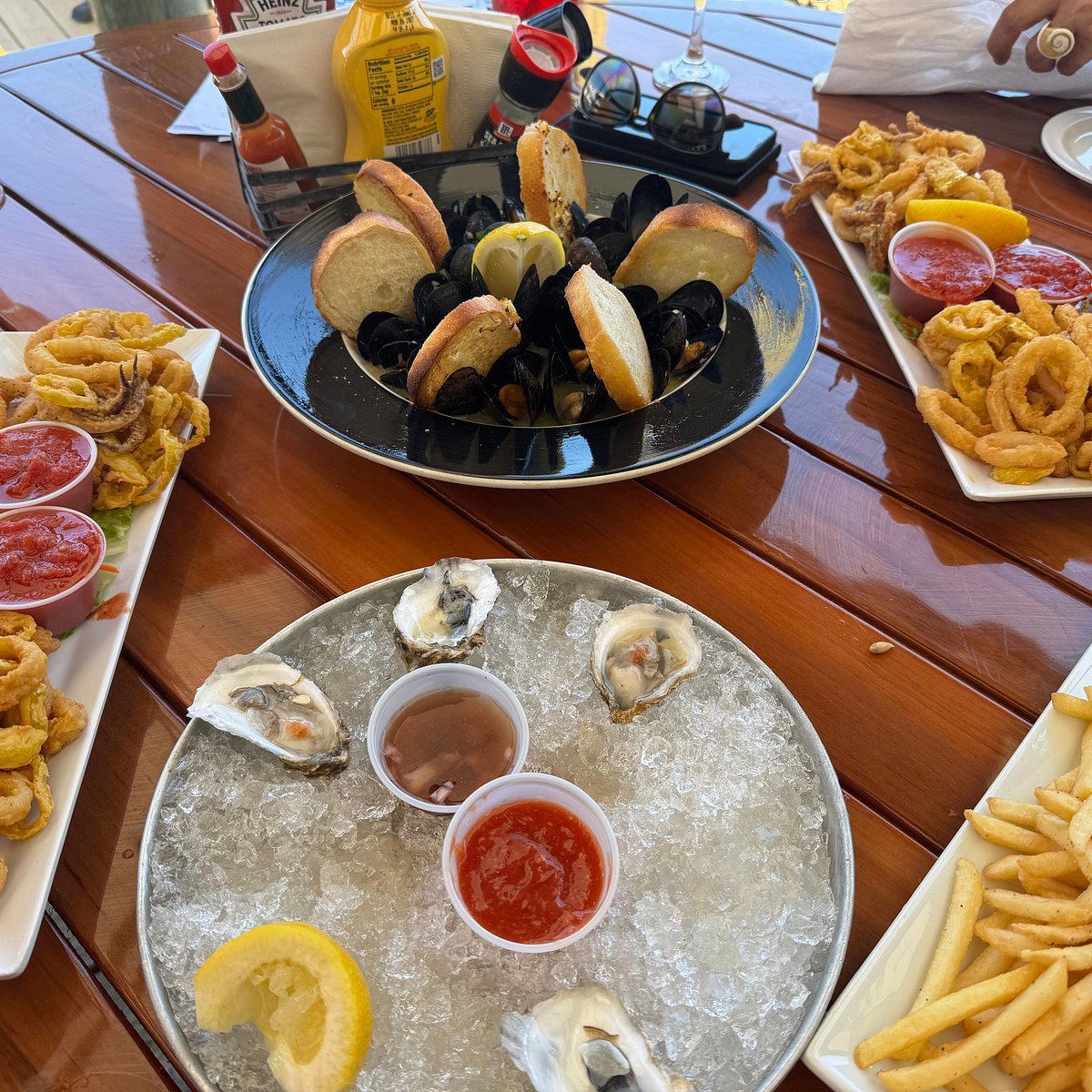
Casual outdoor picnic table seating with a relaxed fish market atmosphere.