Aroimak
Aroimak sits in Wallisellen, the low-key industrial-residential suburb northeast of Zurich that has quietly developed a dining scene worth tracking. The name — Thai for 'very delicious' — signals a kitchen working in Southeast Asian territory, positioned well outside the canton's white-tablecloth circuit. For the Zurich-area diner willing to leave the city centre, it represents a different kind of evening.
Pearl is the En Primeur Club membership app — saves, bookings, and concierge access live there. Same editors, same standards.
- Address
- Friedenstrasse 8 Wiesgasse 11 (Korrespondenzadresse, 8304 Wallisellen, Switzerland
- Phone
- +41798398419
- Website
- aroimak.ch
- Directions
- Get directions
 Saves & bookings on Pearl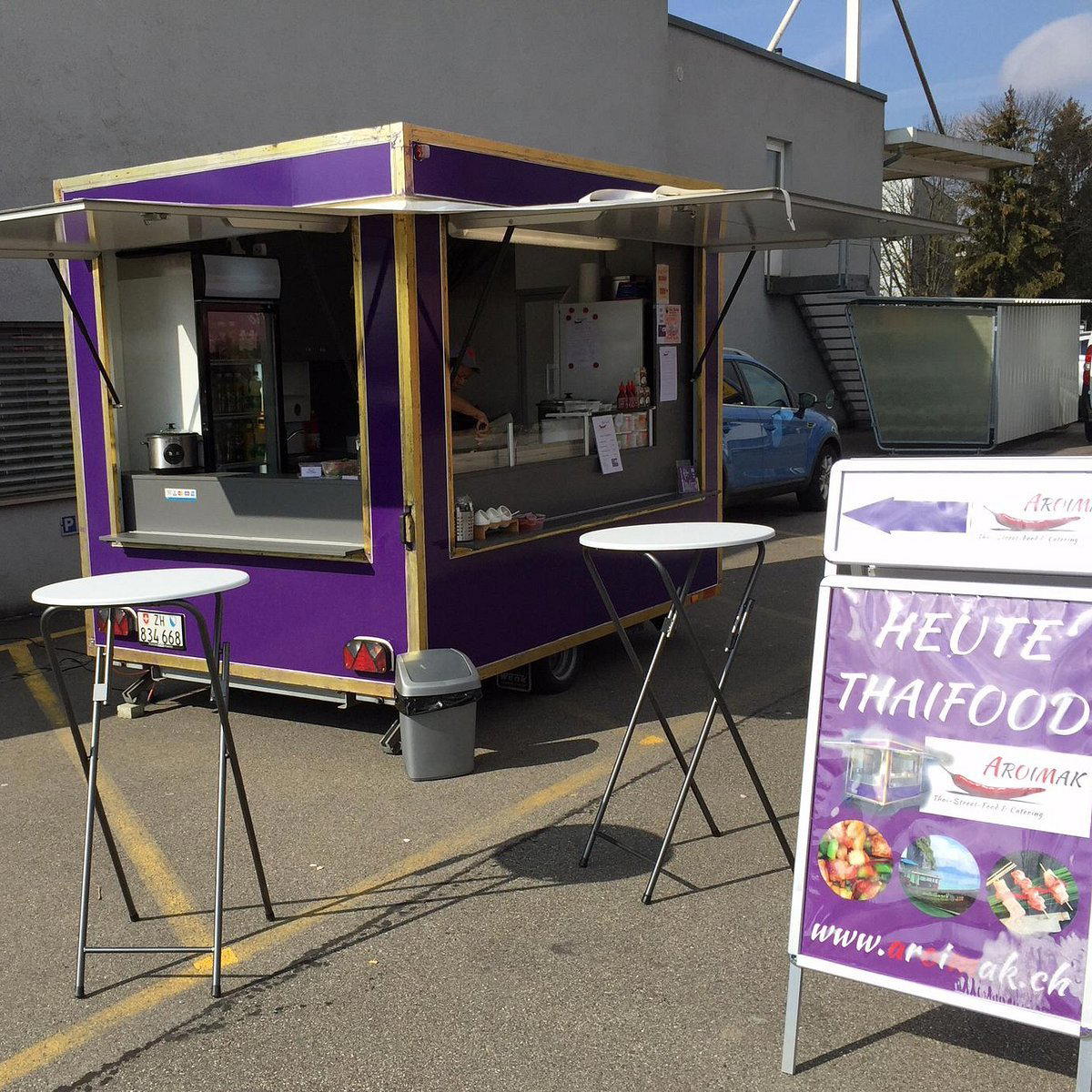
Wallisellen's Dining Scene and Where Aroimak Fits
The suburban dining belt surrounding Zurich has long operated in the shadow of the city's formal restaurant culture. Wallisellen, a municipality of warehouses, tram depots, and quietly dense residential streets roughly eight kilometres northeast of Zurich's Hauptbahnhof, is not where most food writers start their itinerary. Yet that geography has a way of producing the kind of neighbourhood restaurants that survive on repeat local custom rather than tourist foot traffic — places with fewer reasons to perform and more reasons to cook well. Aroimak, addressed at Friedenstrasse 8 in Wallisellen, occupies that suburban-honest register. Its name derives from Thai and translates to something close to 'very delicious,' a declaration of intent without ceremony.
Switzerland's broader fine-dining circuit trends toward modern European and contemporary Swiss formats. Properties like Schloss Schauenstein in Fürstenau, Memories in Bad Ragaz, and focus ATELIER in Vitznau define the €€€€ prestige tier with tasting menus anchored in Alpine produce and Swiss culinary identity. Aroimak operates in a different register entirely — Southeast Asian in orientation, suburban in setting, and positioned for a diner who is not cross-referencing award lists before booking. That gap in the market is not incidental. Zurich's Thai and broader Southeast Asian dining options have historically clustered in the city centre, leaving the suburban northeast underserved by anything with kitchen ambition.
The Setting: Wallisellen Without Pretension
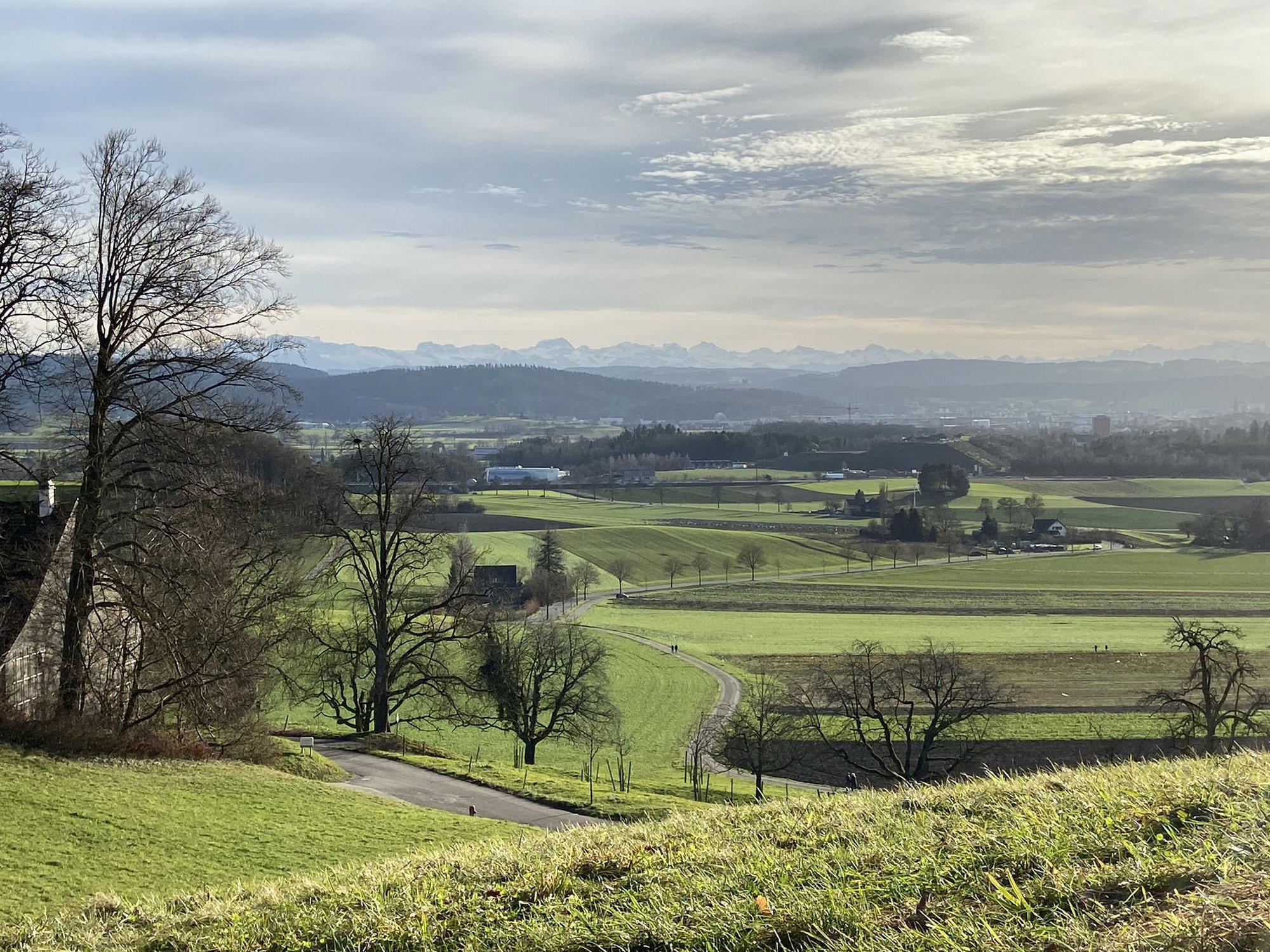
Approaching a restaurant on Friedenstrasse in Wallisellen, the frame is residential and functional rather than destination-oriented. There are no cobblestone approaches or curated shopfront aesthetics that signal a self-conscious dining experience. What this kind of environment tends to produce, and what the leading suburban restaurants across Europe have always understood, is a room that earns its repeat customers through the plate rather than the address. For context on the wider neighbourhood dining character, our full Wallisellen restaurants guide maps the local scene in more detail.
Nearby in Wallisellen, Restaurant zum Doktorhaus and SIGN eat & drink represent different points on the local dining spectrum. The municipality is not a dining destination in the way that Zurich's Kreis 4 or Kreis 5 are, but it supports a functional and occasionally serious restaurant culture for the people who live and work there.
Ingredient Sourcing and the Southeast Asian Kitchen in Switzerland
The question of ingredient sourcing sits at the centre of how Southeast Asian restaurants in landlocked Central European countries succeed or compromise. Thai cooking, in particular, depends on a set of aromatics, fresh galangal, kaffir lime leaves, lemongrass, Thai basil, bird's eye chillies, that do not grow in Swiss soil and arrive either via specialist import chains or through growers in southern Europe who have expanded their range to meet diaspora and restaurant demand. The leading Thai kitchens in Switzerland have developed sourcing relationships that get close to the real thing; the rest substitute and the food flattens accordingly.
Switzerland's proximity to specialty importers in Germany, France, and the Netherlands, all of which support significant Southeast Asian communities with dedicated wholesale supply chains, means that a committed kitchen in Wallisellen has access to the raw materials it needs. The discipline is in choosing to use them rather than defaulting to easier local substitutes.
For comparison, the Swiss restaurant landscape at the prestige tier demonstrates that sourcing rigor is achievable across cuisines. Hotel de Ville Crissier in Crissier and Cheval Blanc by Peter Knogl in Basel anchor their menus in provenance-first sourcing; at a different price point and in a different culinary tradition, the same logic applies to what makes a neighbourhood Thai kitchen credible. The Japanese Restaurant in Andermatt illustrates that non-European cuisines can sustain serious sourcing standards within the Swiss context.
Planning a Visit
Wallisellen is accessible from Zurich by S-Bahn, with the journey from the Hauptbahnhof taking under fifteen minutes on the S8 or S14 lines, a transit link that makes the suburb considerably less remote than its industrial character might imply. For visitors already based in central Zurich, the journey is comparable in time to crossing the city by tram. Aroimak's address at Friedenstrasse 8 is in the residential core of Wallisellen rather than on the main commercial strip, so arriving by public transport and walking a short distance is the practical approach.
Contacting the restaurant directly, or checking current availability through local platforms, is the recommended approach before planning an evening around it. Given the suburban format and the size typical of independent neighbourhood restaurants in this part of the Zurich agglomeration, walk-ins during peak evening service hours carry risk. A reservation, where possible, is the more reliable path.
For those building a broader Zurich-region dining itinerary, the full spectrum of Swiss culinary ambition runs from neighbourhood spots like Aroimak up through mid-tier creative kitchens such as Skin's - the restaurant in Lenzburg, Mammertsberg in Freidorf, and Taverne zum Schäfli in Wigoltingen, and further to destination-grade addresses like Einstein Gourmet in Sankt Gallen, Maison Wenger in Le Noirmont, La Table du Valrose in Rougemont, and Da Vittorio - St. Moritz in St. Moritz. Internationally, the comparison point for technically committed cooking in a specific culinary tradition is illustrated by venues like Le Bernardin in New York City and Lazy Bear in San Francisco, both reminders that culinary seriousness and neighbourhood scale are not in conflict.
Continue exploring
More in Wallisellen
Restaurants in Wallisellen
Browse all →
Bars in Wallisellen
Browse all →
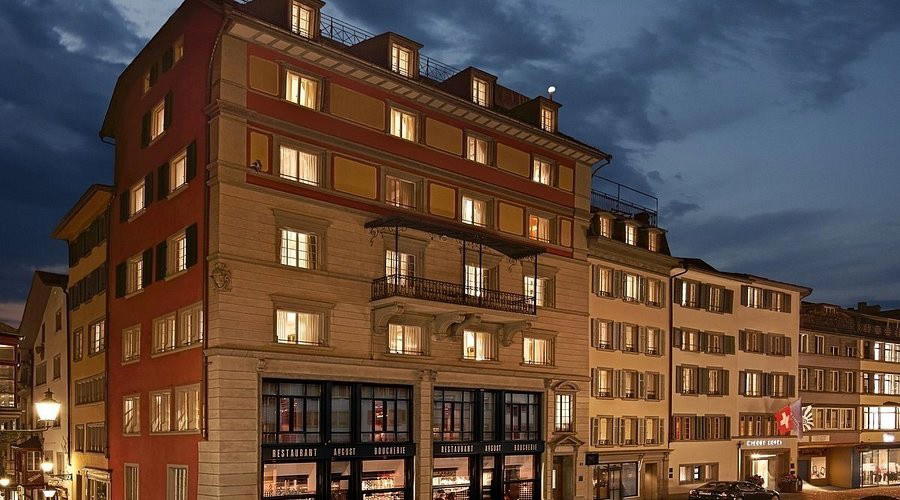
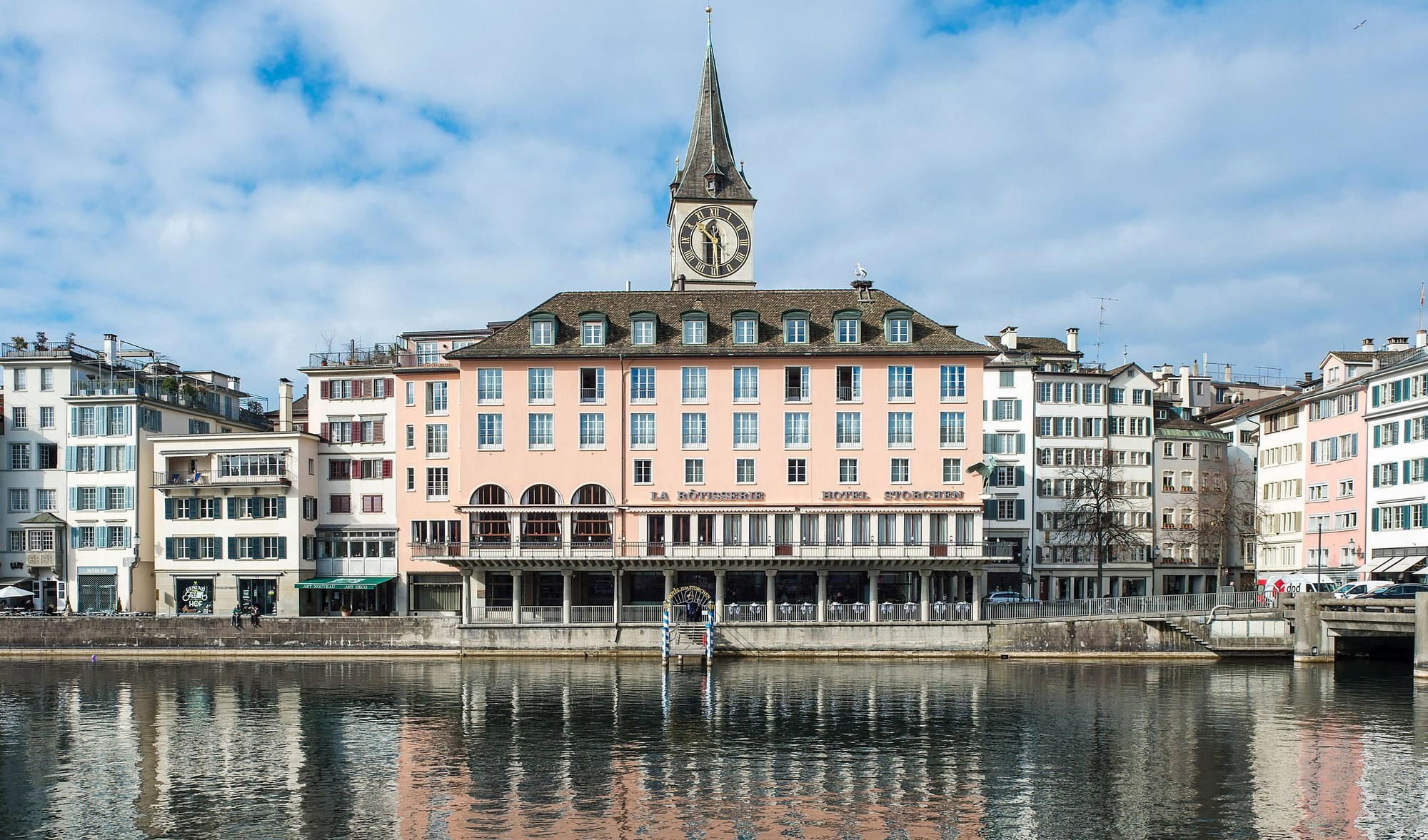
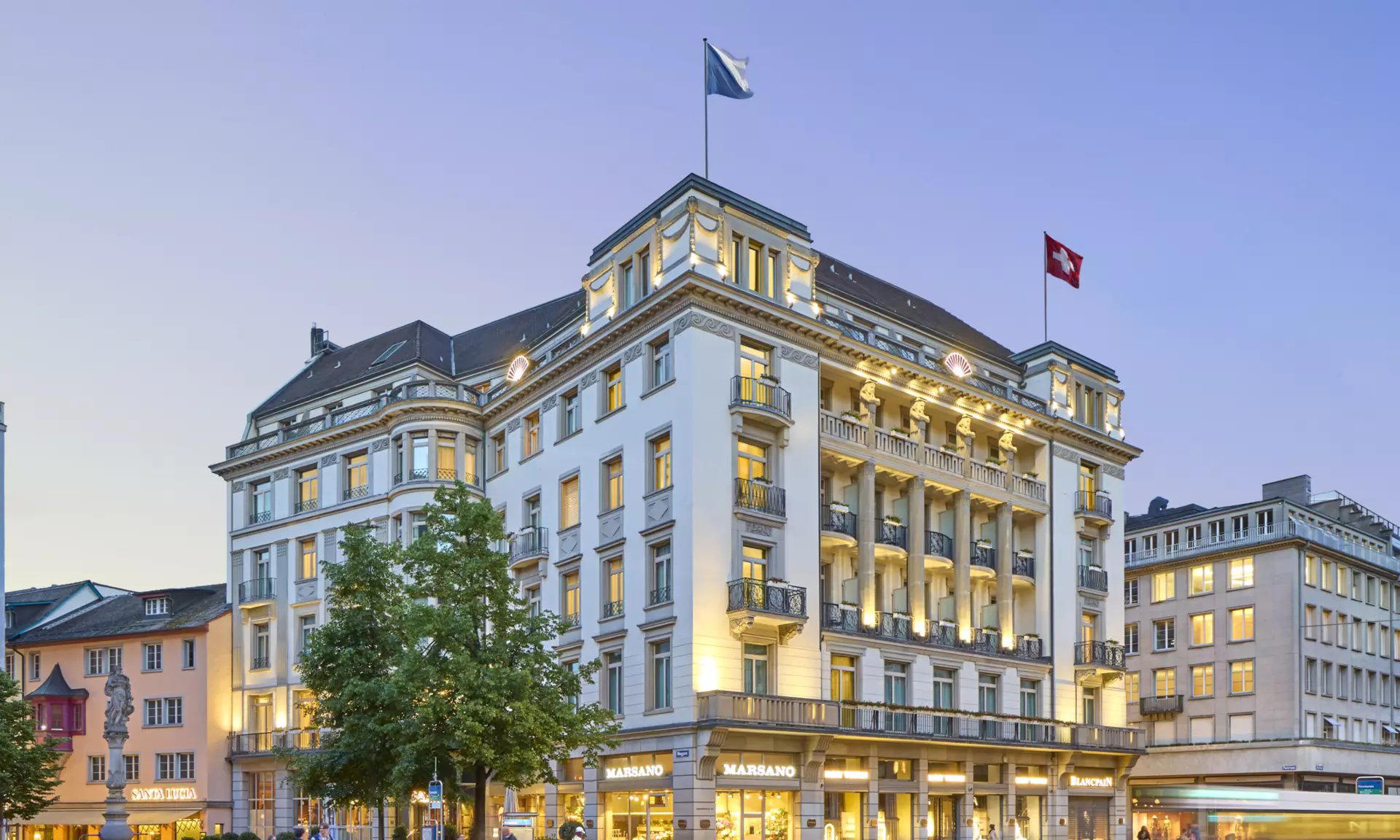
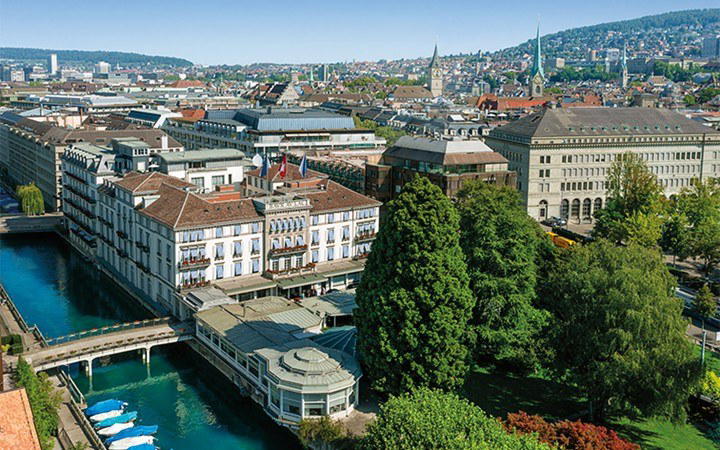
Hotels in Wallisellen
Browse all →

At a Glance
- Casual
- Trendy
- Casual Hangout
- After Work
Current opening hours
- Monday
- 11:30 AM–1:30 PM
- Tuesday
- 11:30 AM–1:30 PM
- Wednesday
- 11:30 AM–1:30 PM
- Thursday
- 11:30 AM–1:30 PM
- Friday
- 11:30 AM–1:30 PM
- Saturday
- Closed
- Sunday
- Closed
Hours can change for holidays and private events. Last verified .
Casual, fast-paced food truck environment with a focus on quick, fresh meal service in an informal setting.