Thai Food Corner
On Brauerstrasse in Zurich's District 4, Thai Food Corner occupies a corner of the city where the dining crowd skews local and the room reads as a neighbourhood constant rather than a destination play. The address places it in a quarter that has gradually absorbed more international dining options, making it a practical reference point for Thai cooking in a city where Southeast Asian options remain thinner on the ground than in comparable European capitals.
Pearl is the En Primeur Club membership app — saves, bookings, and concierge access live there. Same editors, same standards.
- Address
- Brauerstrasse 3, 8004 Zürich, Switzerland
- Phone
- +41442910121
- Website
- thai-food-corner.ch
- Directions
- Get directions
 Saves & bookings on Pearl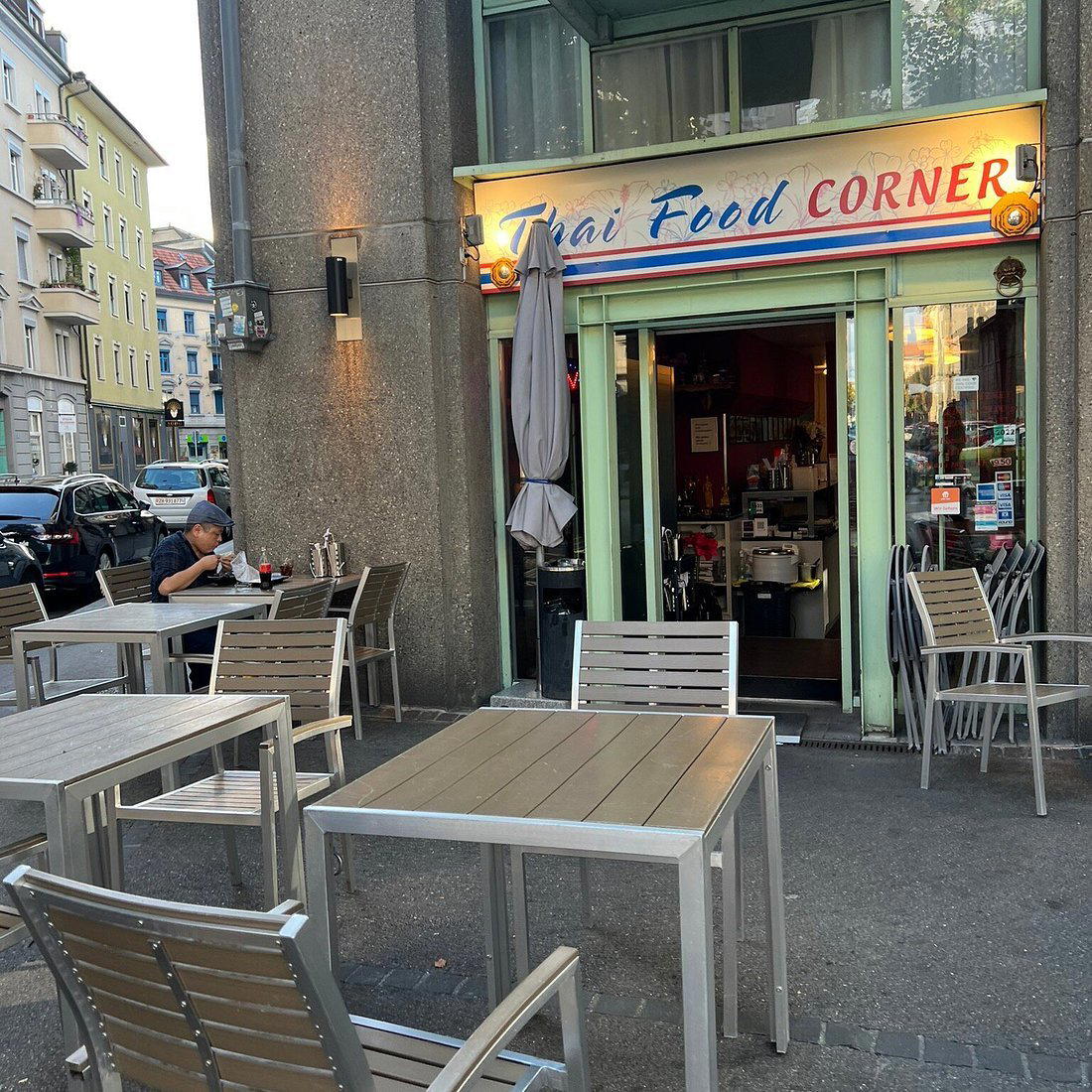
District 4 and the Geography of Thai Cooking in Zurich
Zurich's District 4, the Aussersihl quarter, has been the city's most consistent incubator for affordable, internationally-minded dining for at least two decades. Where the city centre pulls toward Swiss-French formality and the Widder-level expense account, Brauerstrasse and its side streets operate on a different register: higher turnover, more regulars, lower price points, and a dining culture shaped as much by resident communities as by visitors. Thai Food Corner sits at Brauerstrasse 3, in that neighbourhood logic. The address is not incidental, it locates the restaurant within a pocket of Zurich where Southeast Asian, Middle Eastern, and Southern European kitchens share blocks, each serving a community that actually uses them weekly rather than occasionally.
That matters as context because Thai cooking in Zurich has never achieved the density it holds in London, Amsterdam, or Paris. Switzerland's restaurant culture has long prioritised French and Italian traditions, with serious investment in those forms visible at destinations like Hotel de Ville Crissier in Crissier or Cheval Blanc by Peter Knogl in Basel. Southeast Asian cooking sits at the other end of that investment spectrum, which is partly why a neighbourhood Thai restaurant operating consistently in District 4 holds a different kind of value than it might in a city where the category is saturated.
The Room and How It Reads
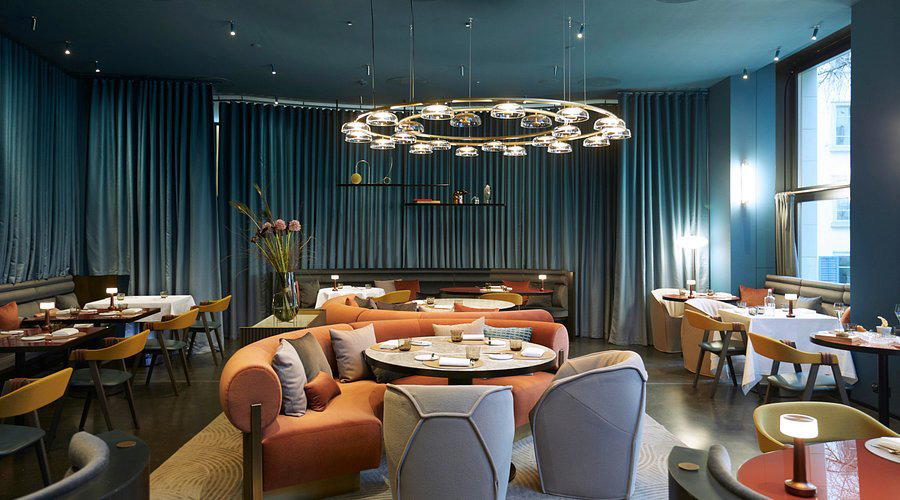
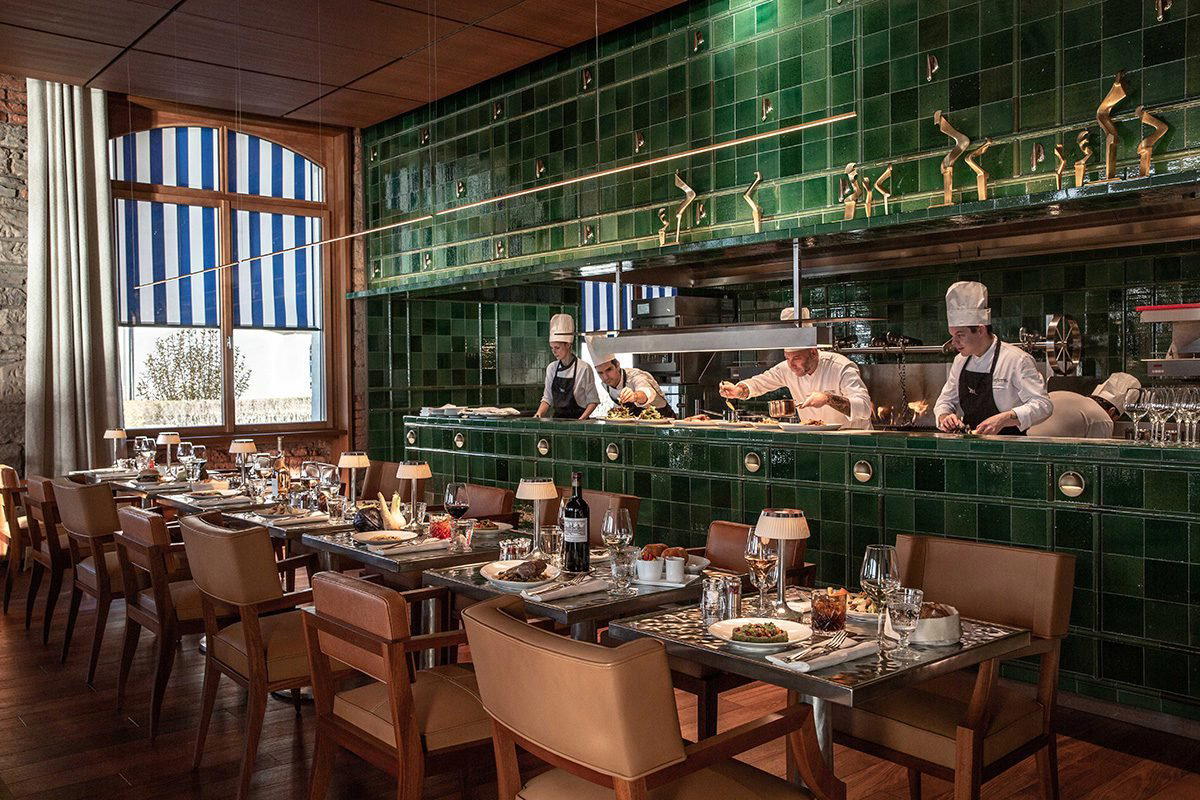
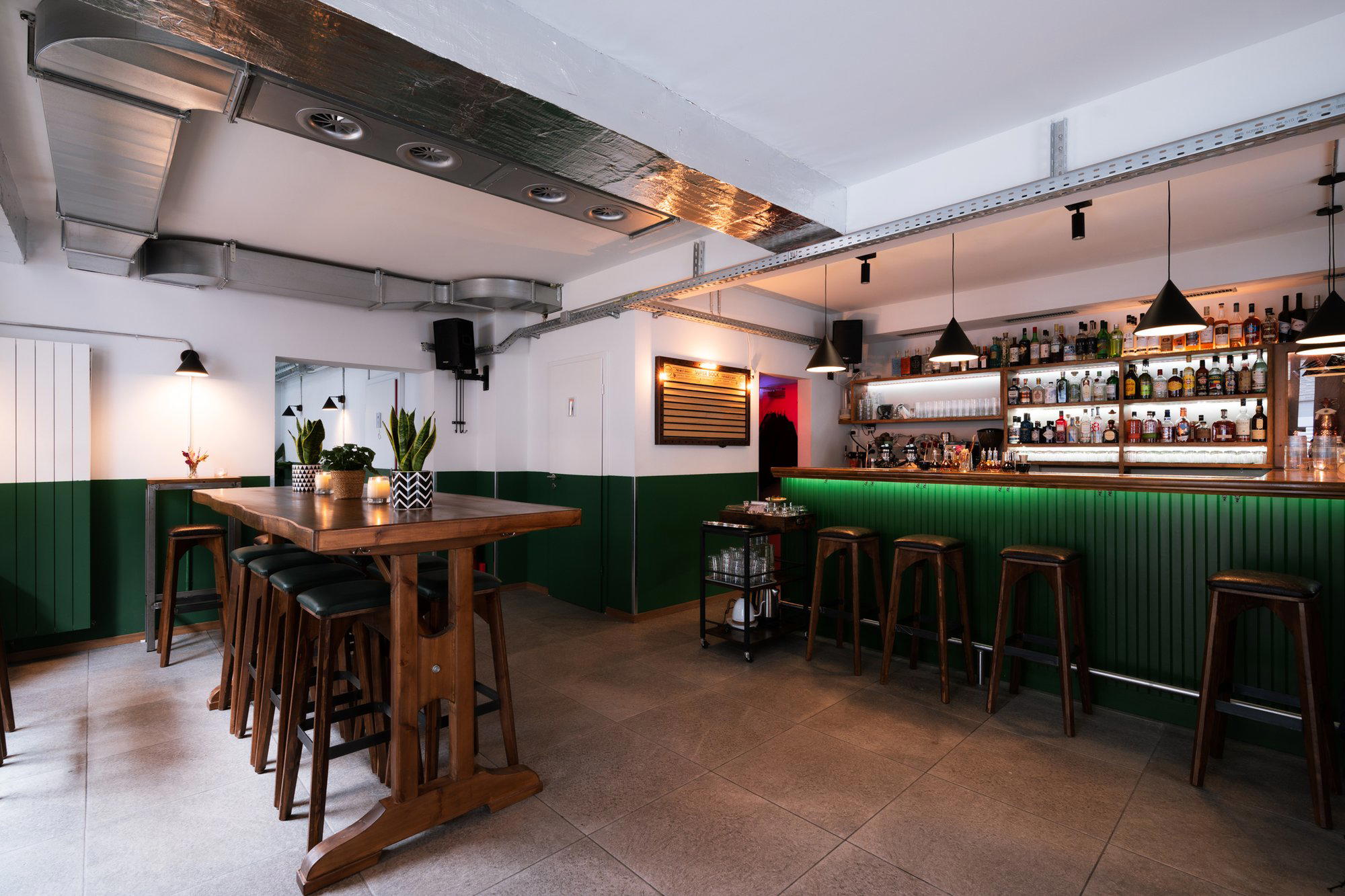
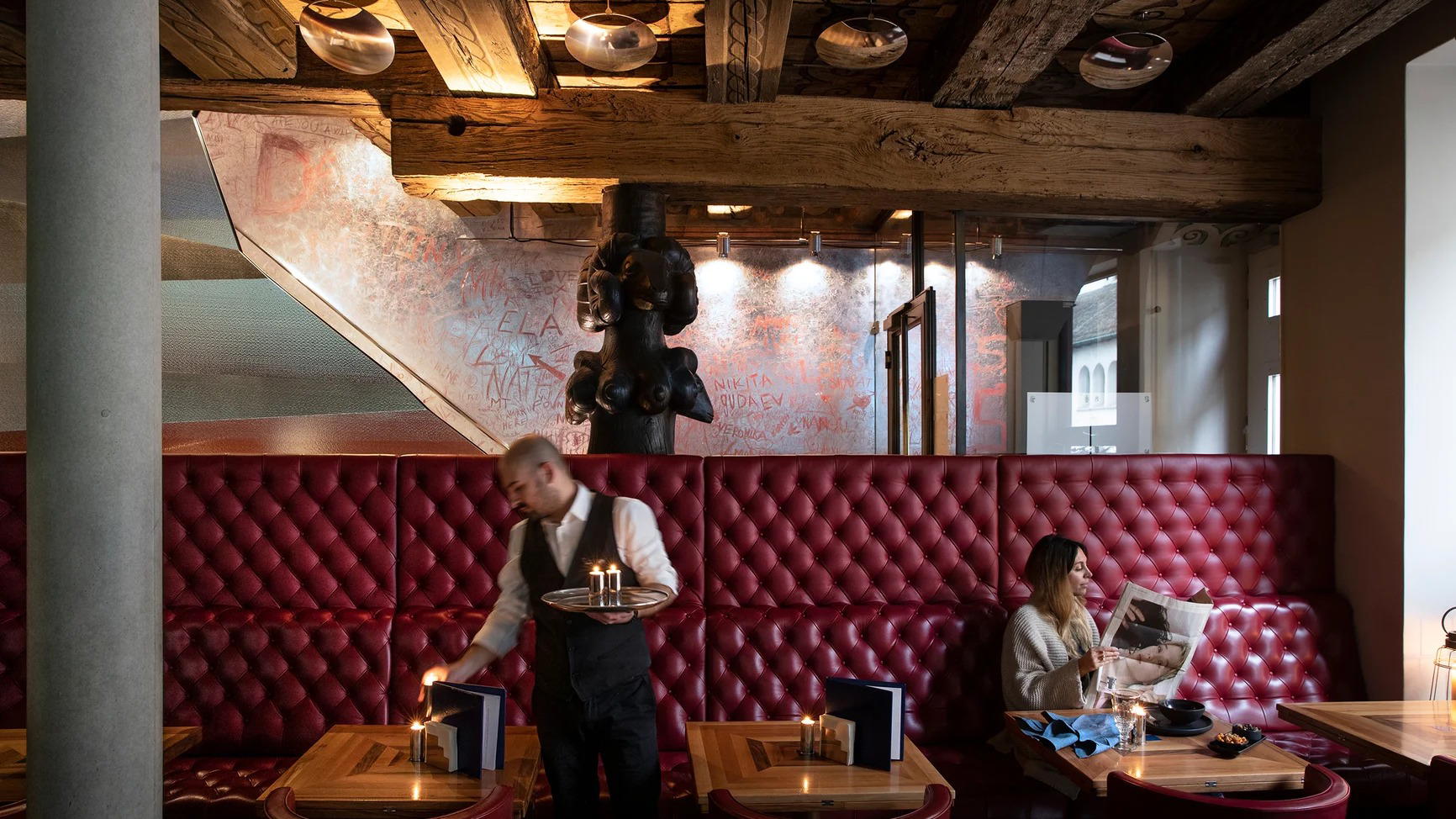
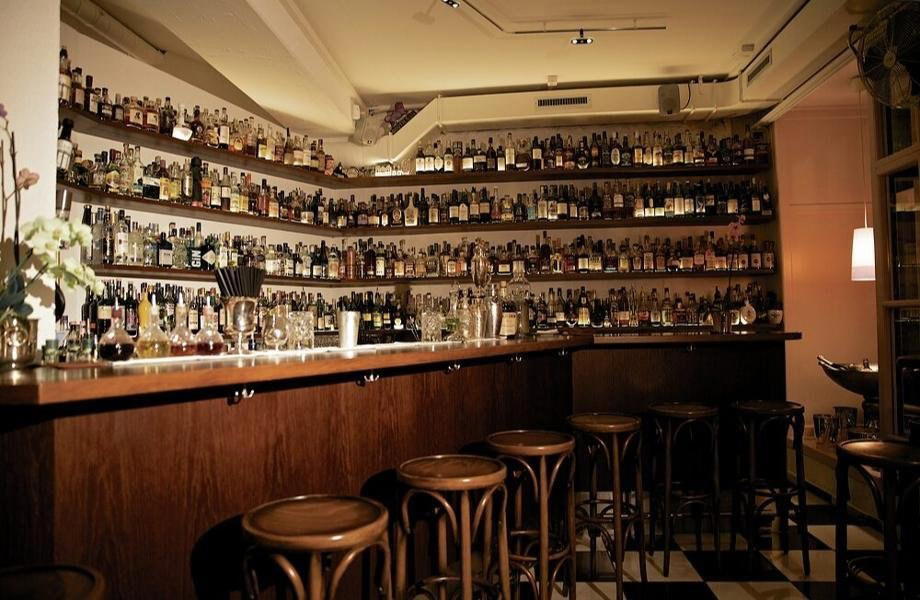
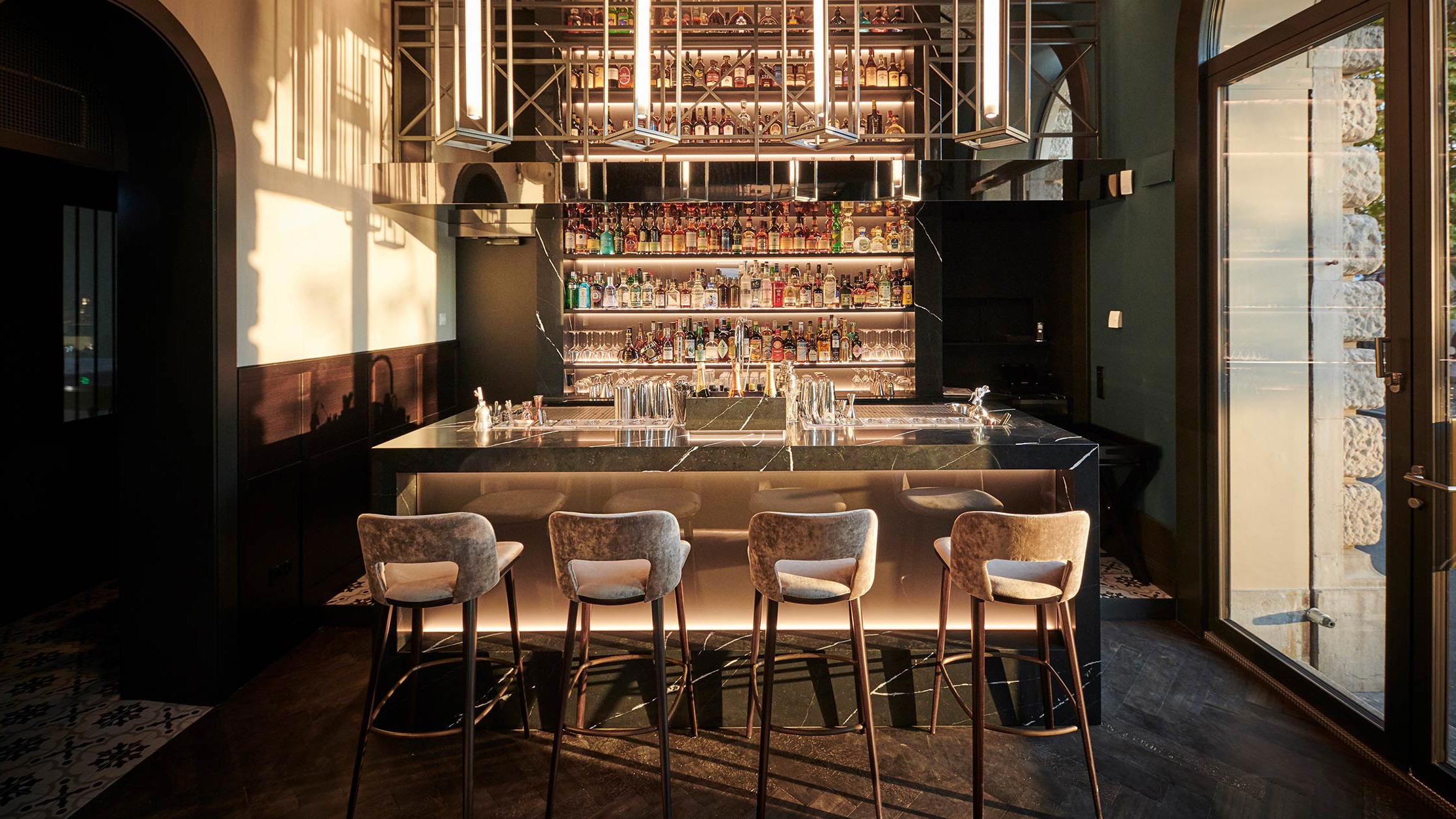
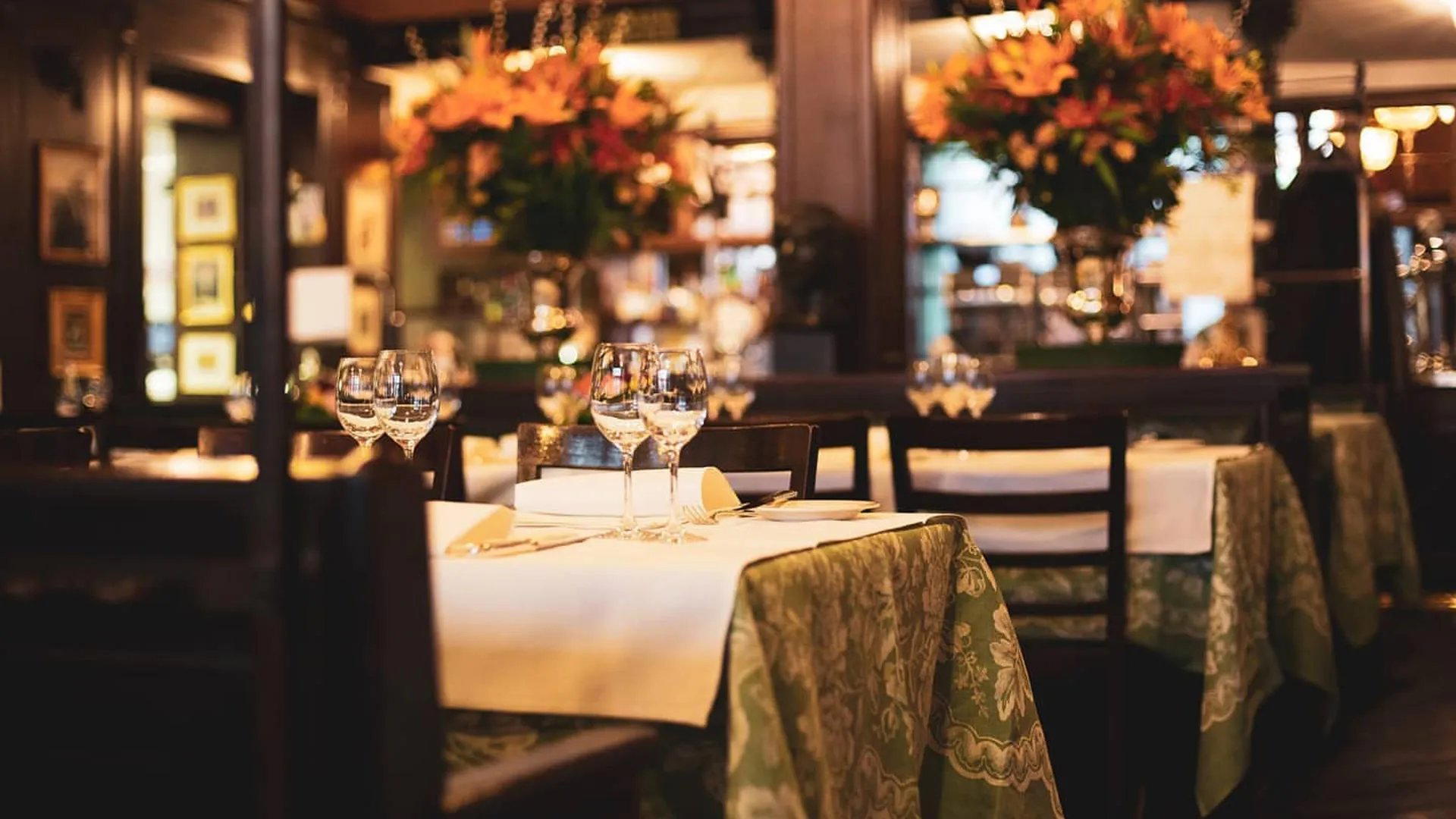
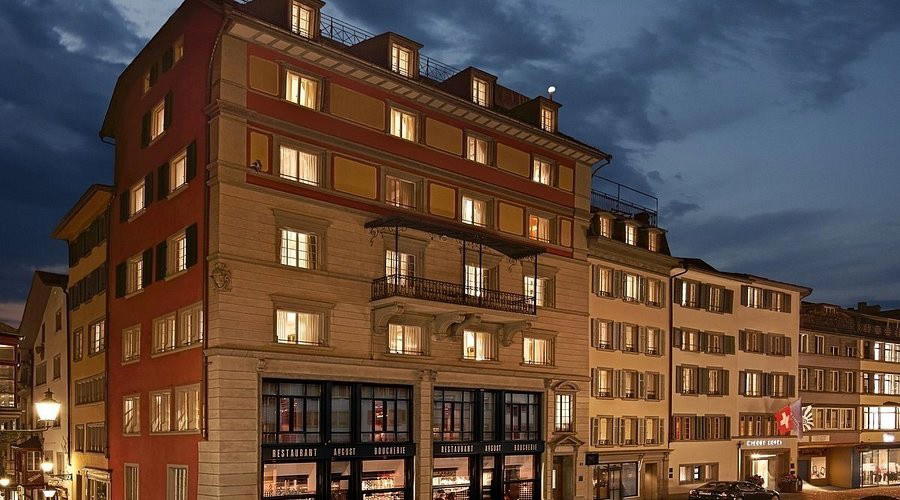
Approaching Brauerstrasse 3 from the street, the environment signals a restaurant that belongs to the block rather than one that has been designed to pull people off it. District 4's texture at street level is mixed-use and unpolished in the way that European working neighbourhoods tend to be before significant gentrification pressure arrives, ground-floor businesses, residential above, foot traffic that is purposeful rather than touristic. A Thai restaurant operating in this context typically runs a tighter, more functional room than a destination dining concept: the atmosphere is produced by the food and the regular crowd rather than by lighting design or soundtrack curation.
This is the district's characteristic mode, and it connects Thai Food Corner to a broader Zurich pattern. The city's most committed neighbourhood restaurants, across all cuisine types, tend to operate without the formal service architecture that defines the starred tier. At IGNIV Zürich by Andreas Caminada, the sharing format and front-of-house coordination are as deliberate as the kitchen output. At the neighbourhood level, the dynamic shifts: the team is smaller, the roles overlap, and the consistency of the experience depends more on individual relationships between a compact crew and a regular clientele than on a tiered service structure.
Team Dynamics at the Neighbourhood Scale
The editorial angle of collaboration between kitchen, floor, and any specialist roles plays out differently at restaurants like Thai Food Corner than it does at the high-end formats covered elsewhere in Zurich's dining circuit. At The Counter or The Restaurant, the interaction between sommelier knowledge, front-of-house narrative, and kitchen technique is a structured performance with multiple contributors and defined roles. At a compact neighbourhood Thai kitchen, the equivalent dynamic is compression: fewer people doing more, the kitchen and floor often separated by little physical or operational distance, and the accumulated knowledge of regulars doing some of the work that a formal briefing process would handle in a larger team.
This is not a diminished version of collaboration, it is a different form of it. In Thai restaurant culture specifically, the kitchen tends to carry the authoritative voice, because the cuisine's complexity (spice calibration, the balance of fish sauce, palm sugar, and lime across a single dish) resides in technique and muscle memory rather than in tableside explanation. Front-of-house in this context functions less as interpreter and more as traffic manager and relationship keeper. The regulars who return to Brauerstrasse 3 on a Tuesday night are not arriving for a wine pairing dialogue; they are arriving because someone in that kitchen has cooked something consistently well enough to make the return trip automatic.
Thai Cooking in the Swiss Context
Switzerland's relationship with Southeast Asian cuisine reflects broader European patterns but with specific local inflections. Import costs, ingredient availability, and a food culture that has historically treated Asian cooking as casual and low-margin have combined to keep the category underdeveloped relative to its presence in larger markets. This is not a criticism of Swiss taste, it is an observation about infrastructure. The serious investment in Asian cuisine that has produced destination-level Korean cooking at Atomix in New York City or French-inflected seafood at Le Bernardin in New York City requires a supply chain, a critical mass of knowledgeable diners, and decades of category development that Swiss cities are still building toward.
In that context, a Thai restaurant that has established itself as a neighbourhood fixture in Zurich's District 4 is doing something that requires more operational resilience than its positioning might suggest. The city's dining dollar skews heavily toward European formats, compare the density of Swiss-accredited restaurants at Schloss Schauenstein in Fürstenau, Memories in Bad Ragaz, or 7132 Silver in Vals against the number of recognised Southeast Asian addresses, and the gap tells you something about where institutional support and critical attention concentrate.
How It Fits the Broader Zurich Scene
- Pad Thai
- Green Curry
- Tom Yum Goong
- Phad See Eiew
- Fried Fish with Red Curry
- Krapow Fried Rice
Fast Comparison
Comparable venues nearby, for context on price, style, and recognition.
| Venue | Cuisine | Price | Notes |
|---|---|---|---|
| Thai Food CornerThis venue — the venue you are viewing | Authentic Thai | $$ | Not listed |
| Soi Thai | Authentic Thai Street Food | $$ | Fluntern |
| Winit's | Authentic Thai | $$ | Wollishofen |
| Ah-Hua Brauerstrasse | Authentic Thai | $ | Aussersihl |
| LA Brea SoCal Tacos | SoCal Mexican Tacos | $$ | Unterstrass |
| Chimy's | Asian Vegetarian Buffet | $$ | Unterstrass |
At a Glance
- Casual
- Lively
- Casual Hangout
- Group Dining
- Solo
- Family
- Terrace
Current opening hours
- Monday
- 11 AM–11 PM
- Tuesday
- 11 AM–11 PM
- Wednesday
- 11 AM–11 PM
- Thursday
- 11 AM–11 PM
- Friday
- 11 AM–11 PM
- Saturday
- 12–11 PM
- Sunday
- 12–11 PM
Hours can change for holidays and private events. Last verified .
Simple and unpretentious with plastic chairs and basic decor; casual neighborhood atmosphere with outdoor seating on a small square with fountain.