Basilikum
On Haldenbachstrasse in Zurich's university quarter, Basilikum occupies a stretch of the city where neighbourhood dining culture runs deeper than the tourist circuit. The address alone signals a certain local seriousness: this is not a restaurant angling for passing trade. For Zurich's dining scene, where herb-forward cooking and seasonal sourcing have become defining preoccupations, Basilikum's name carries its own editorial weight.
- Address
- Haldenbachstrasse 2, 8000 Zürich, Switzerland
- Directions
- Get directions
The University Quarter and What It Asks of a Restaurant
Zurich's dining geography is more layered than the city's compact size suggests. The centre pulls in the Michelin-tracked rooms and the international visitors who follow awards trails; the university quarter around Haldenbachstrasse operates on a different register entirely. Restaurants here earn their regulars through consistency and cooking philosophy rather than press cycles. Basilikum, at Haldenbachstrasse 2, sits inside that ecosystem, where the expectation is that a restaurant will have a point of view about what it serves and where that food comes from.
Switzerland's broader restaurant culture has moved decisively toward provenance-led menus over the past decade. What began as a premium-tier conversation at rooms like Schloss Schauenstein in Fürstenau and Memories in Bad Ragaz has filtered into neighbourhood dining in a way that feels genuine rather than aspirational. The question a restaurant in Zurich's university district must answer is not whether it sources well, but how that sourcing shapes the plate and the price point simultaneously.
Ingredient Sourcing as Editorial Position
The name Basilikum, the German word for basil, is not incidental. In the context of Zurich neighbourhood dining, it signals an orientation toward herbs, greenery, and the kind of cooking that starts with what is growing rather than what a menu template requires. This is a meaningful distinction in a city where the higher-end rooms, including IGNIV Zürich by Andreas Caminada and The Restaurant, have built reputations around produce relationships that predate the seasonal sourcing trend by years.
The Swiss agricultural calendar is a genuine constraint and a genuine advantage. Kitchens that work with it, rather than importing around it, tend to produce menus that shift more noticeably between seasons than those that maintain year-round ingredient stability. In the Zurich neighbourhood context, this creates a rhythm that regulars can track visit to visit. It also creates a natural ceiling on what a kitchen can promise in advance, which is why the most provenance-committed addresses in this tier rarely publish static menus that hold for more than a few weeks at a time.
For comparison, the herb-and-vegetable-forward positioning that a name like Basilikum implies has become more commercially serious across Zurich's mid-tier. Eden Kitchen and Bar operates at a comparable neighbourhood-accessible price tier with an Italian-inflected approach to produce; the creative-format rooms like The Counter push seasonal sourcing into technical territory. Basilikum's positioning on Haldenbachstrasse places it in neither camp exactly, which is often where the most honest neighbourhood cooking happens.
What the Zurich Scene Sets as the Baseline
Understanding Basilikum requires understanding what Zurich's restaurant culture treats as table stakes. Switzerland's Michelin presence is disproportionately large for the country's size: rooms like Hotel de Ville Crissier in Crissier and Cheval Blanc by Peter Knogl in Basel operate at the formal end of that recognition, while Einstein Gourmet in Sankt Gallen and Maison Wenger in Le Noirmont hold their own within Swiss fine-dining geography. Even at the neighbourhood level in Zurich, this national context raises the floor. A restaurant does not persist at an address like Haldenbachstrasse 2 without delivering something the local audience considers worth returning for.
The university quarter specifically draws a mix of academics, professionals, and long-term residents who eat out frequently and notice when quality slips. This is a sharper audience than a tourist-facing location would generate, and it is one that tends to reward places that improve over time rather than those that open with fanfare and plateau. In that sense, the neighbourhood itself functions as a quality filter.
Zurich's broader dining pattern also reflects Swiss eating culture in ways that matter to sourcing: the country's strong agricultural protections and short supply chains between farms and urban kitchens mean that a restaurant committed to local provenance here is working with a more stable infrastructure than its equivalents in many other European cities. The Alpine growing season is short, but what it produces, from dairy to root vegetables to mountain herbs, carries genuine regional character.
Placing Basilikum in the Wider Swiss Context
Zurich is not Switzerland's only serious dining city, and a complete picture of the national scene requires looking beyond the city limits. The farm-to-table commitments visible at rooms like Mammertsberg in Freidorf and the mountain-setting precision of focus ATELIER in Vitznau represent the direction Swiss sourcing culture is moving at a national level. Da Vittorio in St. Moritz and La Table du Valrose in Rougemont demonstrate that Switzerland's alpine geography generates serious culinary ambition beyond its urban centres.
For international context, the same sourcing seriousness that defines Zurich's better neighbourhood restaurants has parallels in rooms that have made provenance the structural logic of the entire menu. Lazy Bear in San Francisco and Le Bernardin in New York City represent different expressions of that principle at different price tiers, but the underlying commitment to knowing where ingredients originate is the same impulse that drives the most credible neighbourhood restaurants in European cities. The scale differs; the philosophy does not.
For a broader orientation to what Zurich's restaurant scene offers across cuisine types and price points, the EP Club Zurich restaurants guide covers the full range, from traditional Swiss rooms like Widder to the creative-format addresses that have given the city a more contemporary dining reputation internationally.
Planning a Visit
Basilikum operates at Haldenbachstrasse 2 in Zurich's 8000 postcode, within walking distance of the university district's main corridors. Given that detailed booking and hours information is not publicly confirmed, the most reliable approach is to check directly with the restaurant before planning around a specific time slot. Neighbourhood restaurants of this type in Zurich tend to run lunch and dinner services with tighter seating than the formal dining rooms in the centre, which makes advance contact advisable rather than optional.
In Context: Similar Options
A compact comparison to help you place this venue among nearby peers.
| Venue | Cuisine | Price | Awards |
|---|---|---|---|
| BasilikumThis venue — the venue you are viewing | Not listed | Not listed | Not listed |
| IGNIV Zürich by Andreas Caminada | Sharing | €€€€ | Michelin 2 Star |
| KLE | Vegan | €€€ | Michelin 1 Star |
| Kronenhalle | Swiss, Traditional Cuisine | €€€ | World's 50 Best |
| The Counter | Creative | €€€€ | Michelin 2 Star |
| Eden Kitchen & Bar | Italian | €€€€ | Michelin 1 Star |
Continue exploring
More in Zürich
Restaurants in Zürich
Browse all →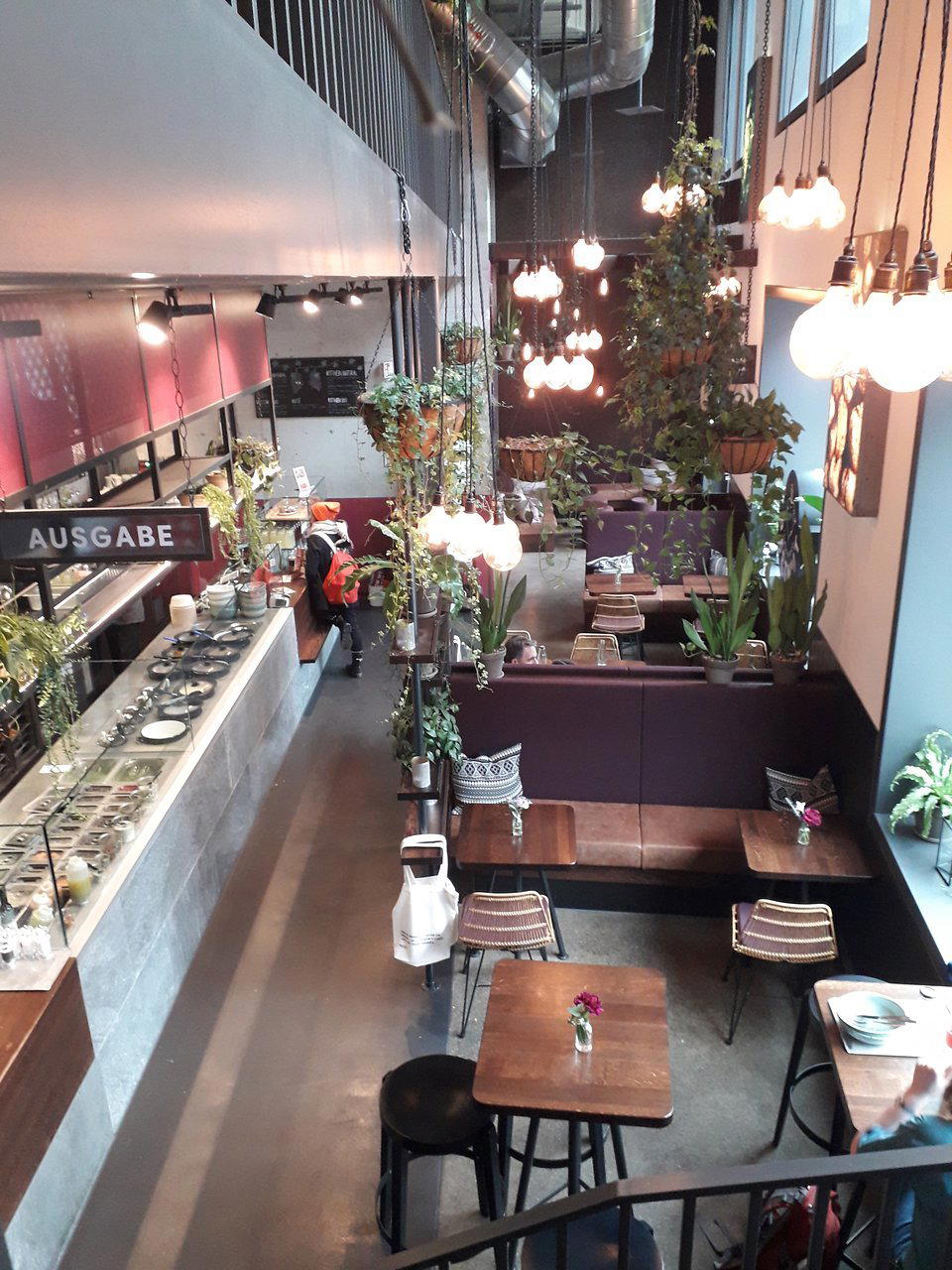
Bars in Zürich
Browse all →
Hotels in Zürich
Browse all →

At a Glance
- Classic
- Casual Hangout
- Family
- Local Sourcing
Casual neighborhood spot for Italian dining.
Know Before You Go
- Getting there
- Haldenbachstrasse 2, 8000 Zürich, Switzerland