Armenian Taverna
Our verdict
One of Manchester's longest-standing Armenian dining addresses, Armenian Taverna on Princess Street holds a distinct position in a city where Middle Eastern and Caucasian cooking traditions remain underrepresented. The restaurant draws on the ceremonial rhythms of Armenian hospitality — shared plates, layered mezze, and a pacing that resists the city's faster casual formats. For travellers seeking something outside the modern British tasting menu circuit, it functions as a reliable point of cultural contrast.

Pearl is the En Primeur Club membership app — saves, bookings, and concierge access live there. Same editors, same standards.
- Address
- 3-5 Princess St, Manchester M2 4DF, United Kingdom
- Phone
- 0161 834 9025
- Hours
- Daily 12–11 PM
- Website
- armeniantaverna.co.uk
- Directions
- Get directions
- Booking
- Book on the venue's website
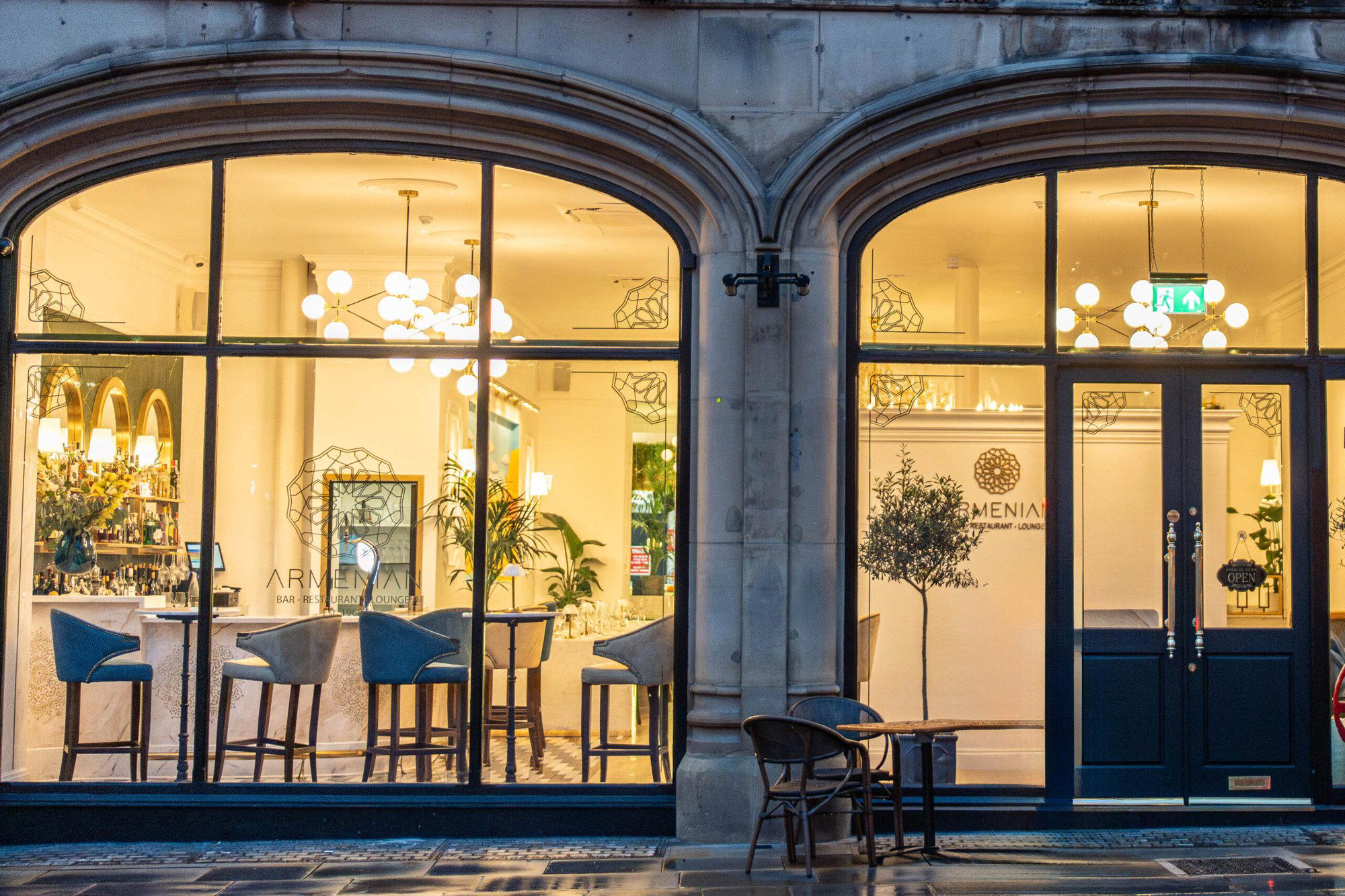
The menu
What to order
- Yerevan khachapuri
- Shashlik
- Sea bass with spinach
- Madznov kebab
- Honey cake
Where Princess Street Slows Down
Manchester's central dining corridor along Princess Street carries a particular density of competing formats: tasting counter, modern bistro, neighbourhood wine bar. Armenian Taverna, occupying the ground floor at 3-5 Princess Street, offers a different rhythm entirely. Armenian hospitality, as a tradition, is structured around abundance and duration. Meals are not paced toward a single main event but unfold through successive rounds of shared plates, bread, and slow conversation. Walking into a room built around that logic, in a city more associated with progressive tasting menus and creative contemporary formats, is a notable change of register.
Armenian cuisine sits at the intersection of several older culinary traditions: the spice routes connecting Anatolia to the Caucasus, the bread-centred table culture of the Levant, and the lamb-forward meat cookery of the eastern Mediterranean. What that produces in practice is a table that fills incrementally rather than arriving in sequenced courses. Dishes overlap. You eat with your hands as often as with cutlery. The meal has a social architecture that European fine-dining formats have largely abandoned.
The Dining Ritual: How the Table Actually Works
Understanding how to approach an Armenian meal matters more than knowing the individual dishes. The mezze stage sets the table's character and can, if ordered well, constitute much of the meal on its own. Spreads, dips, and pickled vegetables arrive in close sequence, accompanied by flatbread. In Armenian tradition, bread carries specific cultural weight — it is not a prelude to the meal but part of it, and the type served signals something about the kitchen's investment in that foundational element.
From the mezze base, the table typically moves toward grilled meats and slower-cooked preparations. Lamb dominates Armenian protein traditions historically, appearing in minced form in kofte-adjacent preparations, as skewered cuts over charcoal, and as the base of slow-braised dishes seasoned with dried fruits and warm spice. These are not fusion constructions — they reflect a culinary logic that predates the European restaurant format by centuries.
The pacing requires patience that is worth giving. Ordering aggressively at the start and trying to manage the table like a set-menu format works against the meal's internal logic. The better approach is to begin with the cold and room-temperature dishes, assess the table's appetite, and order the grilled and hot preparations in a second wave. This mirrors how the food is designed to arrive.
In a city where wine-forward neighbourhood restaurants and rooftop destination dining set much of the pace, Armenian Taverna operates on a different scale of expectation. The room is not designed to turn tables at speed. That is not a flaw in service; it is the format working correctly.
Armenian Cuisine in the UK Context
Armenian restaurants in the United Kingdom are sparse enough that any functioning example in a major city occupies a position partly by default. The cuisine is not widely represented in the British dining landscape, most exposure to the broader category comes through Lebanese, Turkish, or Iranian restaurants, all of which share ingredients and techniques but carry different cultural coding. The distinction matters to anyone approaching Armenian Taverna with genuine curiosity rather than passing familiarity.
Several components separate Armenian cooking from its regional neighbours in ways that go beyond surface-level spice profiles. The fermented dairy tradition is particularly distinct: matzoon, the Armenian cultured yoghurt, appears in preparations where Greek yoghurt would be used elsewhere but with a sharper, more complex acidity. Dried fruit in savoury cooking, particularly apricot and sour plum, is more prevalent in Armenian kitchens than in comparable Lebanese formats. Herb usage leans heavier on fresh tarragon and fenugreek greens than the parsley-and-mint baseline common across the Levant.
These are not abstract distinctions. They produce a table that tastes recognisably different from the broader category of Middle Eastern dining, even when individual dishes share apparent similarities with their regional counterparts.
Placing Armenian Taverna in Manchester's Wider Scene
Manchester's restaurant infrastructure at the upper end is concentrated around a relatively small set of formats. Modern European tasting menus anchor the city's Michelin conversation, alongside the progressive British cooking that has defined its critical reputation nationally. The UK's broader award circuit, from properties like Waterside Inn in Bray and CORE by Clare Smyth in London to regional leaders like L'Enclume in Cartmel and Moor Hall in Aughton, does not typically engage with the cultural-heritage dining category that Armenian Taverna represents.
That is not a criticism of either side. Restaurants operating in the Caucasian and Armenian tradition are not competing for the same type of recognition as Gidleigh Park, Hand and Flowers, or Midsummer House.
Regionally, the closest comparisons are specialist ethnic restaurants in cities with larger diaspora communities, London, Birmingham (where Opheem demonstrates what depth in a specific sub-tradition can achieve critically), and parts of Manchester itself with established Middle Eastern community dining. Armenian Taverna sits in that space: culturally specific, not primarily pursuing mainstream critical validation, and structured around a hospitality tradition that predates the modern restaurant format.
Planning a Visit
Princess Street is walkable from Manchester Piccadilly and sits within the city centre's main dining cluster. For anyone building a Manchester itinerary that includes the progressive cooking at the upper end of the city's scene, Armenian Taverna functions as a meaningful contrast rather than an alternative in the same tier. The meal is better suited to evenings with unhurried time, and the format rewards groups of three or more who can spread across the mezze range without rationing.
Direct confirmation with the venue before visiting is advisable, particularly for weekend evenings when demand for the city's central addresses is highest. For a full survey of Manchester's dining options across price points and formats, see our full Manchester restaurants guide.
The broader context of distinctive dining experiences rooted in specific cultural traditions extends internationally to references like Ynyshir Hall in Machynlleth, hide and fox in Saltwood, Le Bernardin in New York City, and Lazy Bear in San Francisco, each of which demonstrates how format discipline and cultural specificity create a dining identity that survives without chasing the mainstream award circuit.
Frequently asked questions
Where exactly is Armenian Taverna?
Armenian Taverna is located at 3-5 Princess St, Manchester M2 4DF, United Kingdom, Manchester.
Is Armenian Taverna in Manchester a good option for groups unfamiliar with Armenian food?
Armenian Taverna at 3-5 Princess Street, Manchester is one of very few restaurants in the UK dedicated to Armenian cuisine, which makes it a practical entry point for anyone approaching the food for the first time. The mezze-led format works naturally for groups because dishes arrive in stages and the table shares across the spread, reducing the pressure of individual ordering. Arriving with some appetite and an openness to the sequenced approach will get the most from the meal.
What dish is Armenian Taverna famous for?
Armenian Taverna sits on Princess Street in Manchester, a city where Armenian restaurants are scarce enough that the kitchen's mezze spread carries the most attention. The mezze stage, built from a sequence of cold and hot sharing plates, defines the meal's character here more than any single dish. Specific menu items are best confirmed directly with the venue before visiting.
Can I walk in to Armenian Taverna?
Armenian Taverna is at 3-5 Princess Street, Manchester M2 4DF, which places it squarely within the city centre's main dining cluster and within walking distance of Manchester Piccadilly. Walk-in availability depends on the day and covers of the evening, so booking ahead is the more reliable approach, particularly on weekends when the Princess Street corridor sees consistent demand.
What's the defining dish or idea at Armenian Taverna?
The defining idea is the mezze ritual itself: a sequenced spread of sharing plates that sets the table's character before any main arrives. Armenian cuisine in the UK has few dedicated venues, which means Armenian Taverna in Manchester occupies a relatively singular position in the city's restaurant infrastructure. The format rewards slower pacing and a table willing to order broadly rather than from a single-plate mindset.
Style and Standing
Comparable venues nearby, for context on price, style, and recognition.
| Venue | Cuisine | Price | Awards | Notes |
|---|---|---|---|---|
| Armenian TavernaThis venue — the venue you are viewing | Armenian | $20–30 | Not listed | Not listed |
| Hispi | Modern British Bistro | $50–100 | The Good Food Guide GFG Good | Didsbury East |
| Dishoom Manchester | Bombay-inspired Indian comfort food | $20–30 | Not listed | Deansgate |
| Bundobust Manchester Piccadilly | Gujarati Vegetarian Street Food | $20–30 | Not listed | Piccadilly |
| The Little Yang Sing | Authentic Cantonese Dim Sum & Chinese | $30–50 | Not listed | Deansgate |
Continue exploring
More in Manchester
Restaurants in Manchester
Browse all →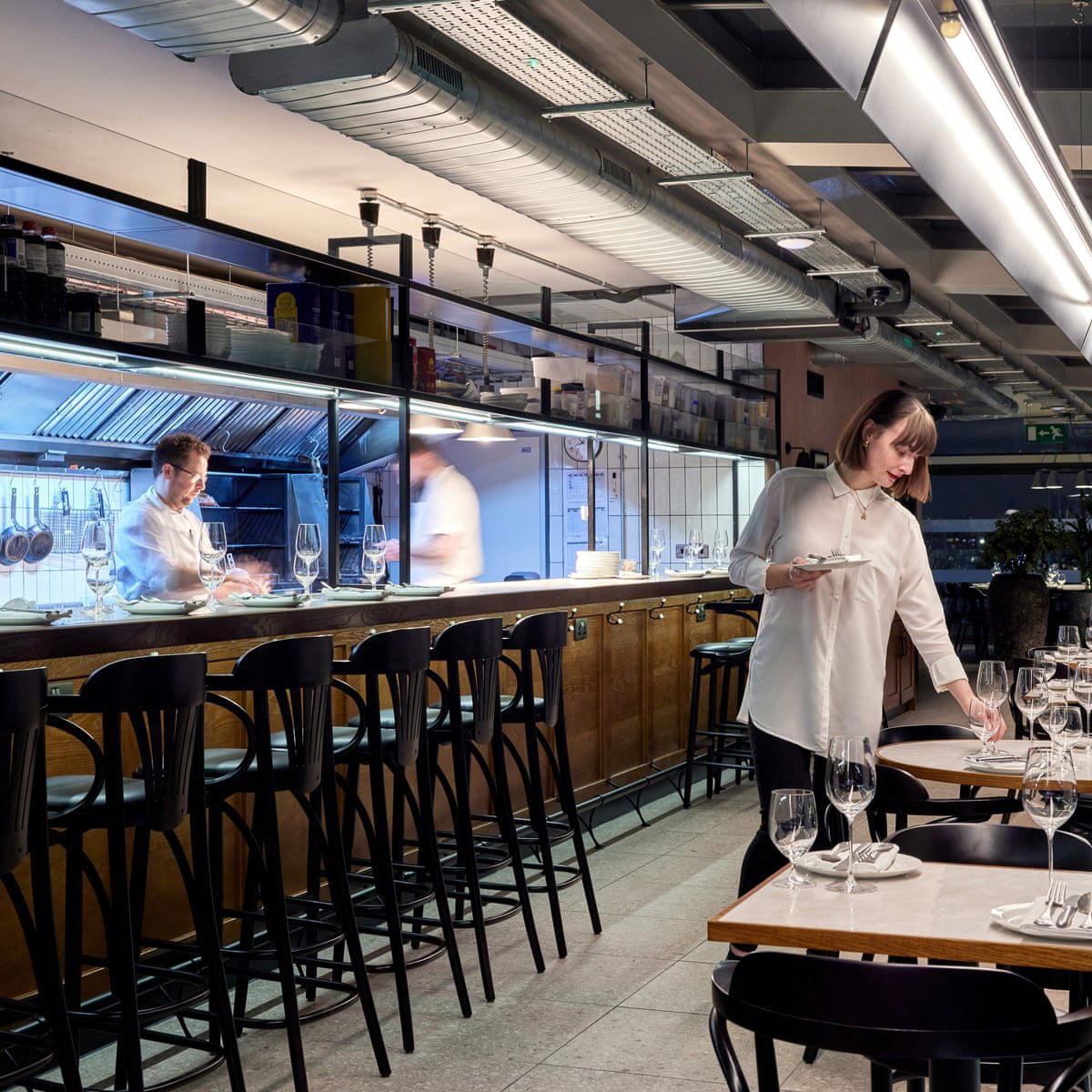
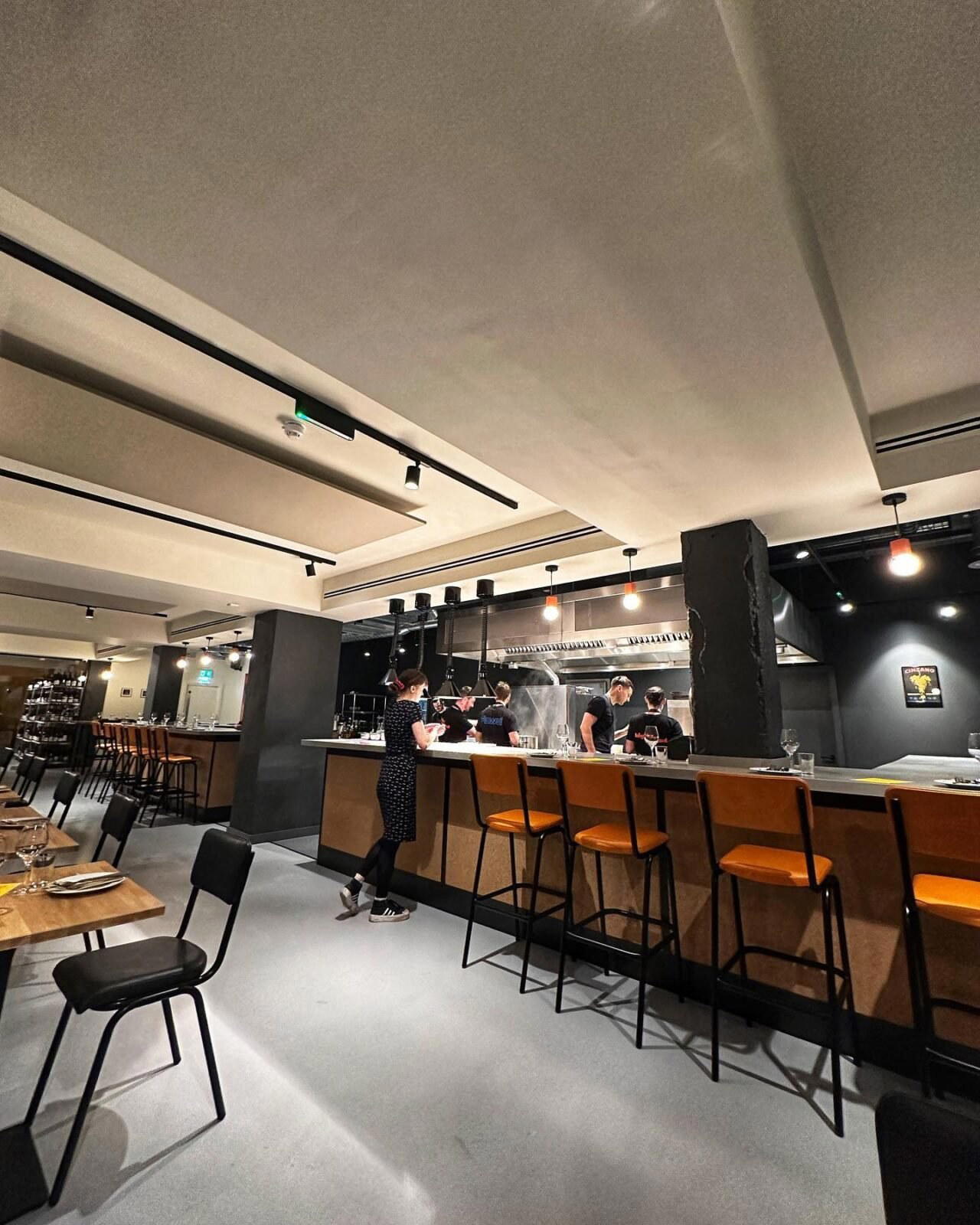
Bars in Manchester
Browse all →
Armenian Taverna
The wine
- Wine program
- Curated wine list
- Beer program
Details
- Classic
- Cozy
- Historic
- Well Known
- Group Dining
- Family
- Casual Hangout
- Celebration
- Business Dinner
- Standalone
- Historic Building
- Beer Program
- Local Sourcing
- Street Scene
- A La Carte
- Set Menu
- Wine
- Vegetarian Friendly
- Vegan Options
- Gluten Free Options
Current opening hours
- Monday
- 12–11 PM
- Tuesday
- 12–11 PM
- Wednesday
- 12–11 PM
- Thursday
- 12–11 PM
- Friday
- 12–11 PM
- Saturday
- 12–11 PM
- Sunday
- 12–11 PM
Hours can change for holidays and private events. Last verified .
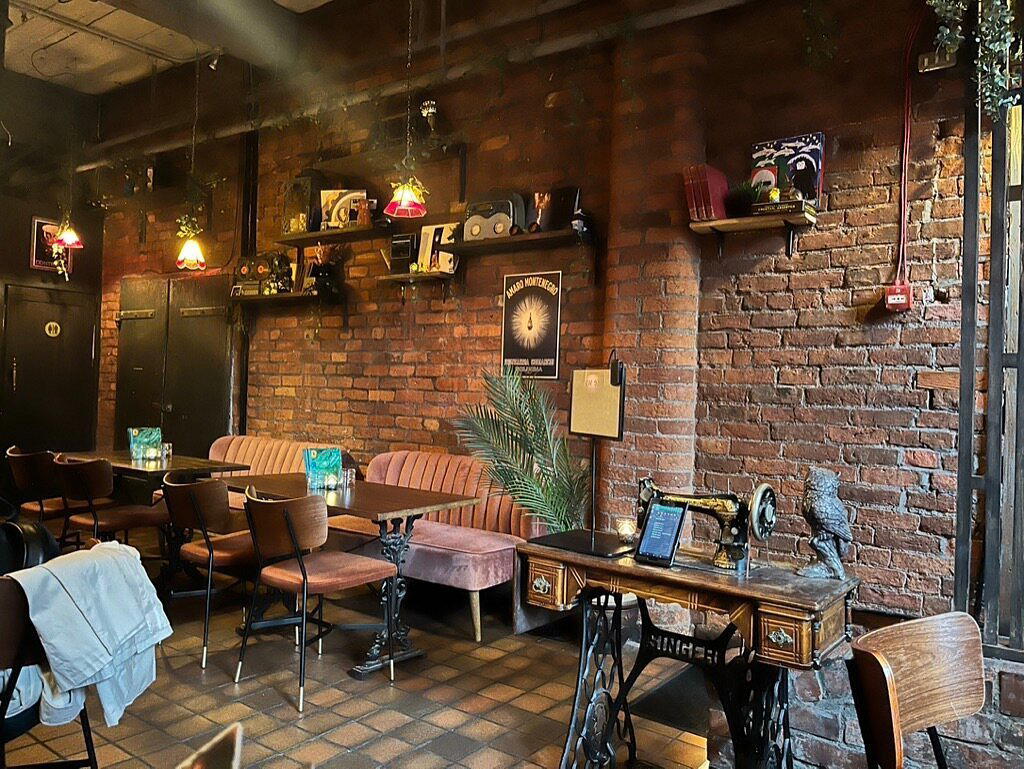
Warm, traditional, and welcoming, with a bright modern upstairs room and a stylish interior noted by reviewers; the overall feel is cosy family hospitality rather than formal dining.