The Spärrows


Michelin Bib Gourmand
Our verdict
Under the railway arches of Manchester's Green Quarter, The Spärrows holds a Michelin Bib Gourmand for its house-made dumplings, spätzle, and filled pasta — a format that draws on Alpine and Eastern European tradition while keeping prices firmly at the accessible end of the city's dining spectrum. The wine list leans toward smaller producers, with a sake selection and an attached bottle shop rounding out a programme that runs well beyond the kitchen.

Pearl is the En Primeur Club membership app — saves, bookings, and concierge access live there. Same editors, same standards.
- Address
- 16 Red Bank, Cheetham Hill, Manchester M4 4HF, United Kingdom
- Phone
- +44 161 302 6267
- Hours
- Mon ClosedTue 5–11 PMWed–Thu 5–10:30 PMFri–Sat 12–10:30 PMSun 12–9:30 PM
- Website
- thesparrows.me
- Directions
- Get directions
- Booking
- Book on the venue's website
A Bell, an Arch, and a Bowl of Dumplings
There is a moment, standing at 16 Red Bank in Manchester's Green Quarter, when the city's more theatrical dining rituals make sense. You ring a bell to enter. The space sits beneath railway arches — the kind of industrial infrastructure that has become shorthand for a certain type of neighbourhood restaurant across northern England. What follows inside, though, is less about aesthetic posturing and more about the specific logic of a kitchen that has chosen dough as its primary medium. Pasta, dumplings, spätzle: the carbohydrate is the point here, and the discipline applied to it explains why The Spärrows has earned consecutive Michelin Bib Gourmand recognition in both 2024 and 2025.
Alpine and Eastern European Traditions, Read Together
Spätzle — the soft egg-noodle dumpling of Alpine Germany, Austria, and Switzerland, gives the restaurant its name. The English translation is close enough to "sparrows" that the pun is functional rather than forced, and it flags the kitchen's geographic reference points immediately. In British restaurant terms, the format is genuinely specific: this is not a pan-European pasta menu but a tightly argued case for a cluster of related dumpling and pasta traditions that run from the Austrian Tyrol eastward through Central and Eastern Europe.
That specificity has a sustainability dimension that is easy to overlook. Dumpling and pasta-based cuisines are, structurally, among the more resource-efficient formats in European cooking. Flour, eggs, and relatively small quantities of meat or cheese carry the menu. The house-made approach, gnocchi, pelmeni, pierogi, spätzle all produced in-kitchen, means supply chains are shorter, waste from pre-prepared or transported ingredients is lower, and the kitchen retains control over sourcing decisions at the ingredient level. At the ££ price point, with a Bib Gourmand indicating value relative to cooking quality, the operation demonstrates that ingredient discipline and low environmental footprint are not in tension with serious food.
The Menu as a Geographic Argument
The menu moves from west to east without making a theatrical event of it. Spätzle and gnocchi anchor the Alpine end, arriving with sauce choices that include sage butter and guanciale with egg yolk. The eastern half of the menu brings pierogi and pelmeni, the latter being the Russian dumpling that shares structural DNA with its Central Asian and Eastern European cousins. Sour cream and garlic breadcrumbs accompany the meatier fillings, seasonings that signal an understanding of how these dishes are actually eaten in their home contexts, not a reinterpretation of them for a British audience unfamiliar with the originals.
Sharing boards of cured meats, smoked fish, or cheeses sit alongside the dumplings, functioning as the kind of table-anchoring course that paces a meal without requiring everyone to commit to a single arc. In cooler months, a Tyrolese goulash with knöpfle and pickles appears, knöpfle being the round-cut cousin of spätzle, and pickles providing the acid counterpoint that Central European cooking uses in place of the fresh herbs more common in Mediterranean traditions. The vegetable and salad element of the menu is described as bright and fresh, positioned specifically to balance the carbohydrate weight of the dumplings.
Dessert includes a brownie credited to "Daz's wife", a detail that functions as a trust signal about the kitchen's relationship with its extended community, and carpaccio-sliced pineapple with sorbet. The closer, by most accounts, is cinnamon spätzle in brown sugar: the savory medium turned sweet, which is both a sensible way to end a dumpling meal and a demonstration of range within a deliberately constrained format.
The Wine Programme and the Bottle Shop
The wine list operates on the same logic as the food: regional specificity, smaller producers, and a refusal to default to the familiar. Alpine wines are present and appropriate to the menu's geographic argument. Swiss whites are on the list, a category that British wine culture has been slow to engage with, partly because Swiss wine exports are limited and partly because the category lacks the marketing infrastructure of France or Italy. The Spärrows treats them as a credible match for the food rather than a curiosity.
The sake selection is harder to explain on strict regional-pairing grounds, but it makes sense from a producer-philosophy perspective: sake, like natural wine, has a small-producer ecosystem and a fermentation-led identity that aligns with the kind of beverage programme that prioritizes craft over brand recognition. The attached bottle shop extends the programme beyond the meal, allowing guests to take producers home, a format that creates a direct relationship between the restaurant's curation and the broader small-producer market it supports.
Events including winemakers' lunches and sake tastings position The Spärrows as a venue with an ongoing relationship with producers, not just a list that gets updated seasonally. For Manchester's dining scene, which now includes mana (Progressive Cuisine, Creative British) at the high-commitment tasting-menu end and Another Hand in the natural-wine-led contemporary space, The Spärrows occupies a distinct position: ingredient-focused, format-specific, producer-connected, and accessible on price.
Where It Sits in Manchester's Dining Picture
Manchester's Michelin-recognised restaurants span a range from the ££££ ambition of Skof (Creative) and Adam Reid at the French (Modern European) to the Bib Gourmand tier, where the guide's value judgment carries weight. A Bib Gourmand is not a consolation prize; it is a specific editorial statement that the cooking quality exceeds what the price would lead you to expect. At ££, The Spärrows sits in a peer group alongside Manchester's other value-led but serious kitchens, with Bell representing a different approach to the same price bracket. The Green Quarter address, away from the Northern Quarter's denser restaurant cluster, means the restaurant draws a local audience rather than a tourist circuit, which is, in part, why it has maintained neighbourhood-favourite status rather than becoming a destination in the city-break sense.
For context on the broader UK restaurant picture, Bib Gourmand recognition places The Spärrows in a national conversation that includes Michelin-starred properties like L'Enclume in Cartmel, Moor Hall in Aughton, and The Fat Duck in Bray at the full-star end, a reminder that Michelin's value tier and its starred tier are measuring different things, not different levels of seriousness.
Planning Your Visit
The Spärrows is at 16 Red Bank, Cheetham Hill, Manchester M4 4HF, a short distance from the city centre and accessible from the Northern Quarter on foot. Entry is by bell, ring and wait. The ££ pricing makes it one of the more accessible serious restaurants in the city, and the bottle shop means a visit can extend into something to drink at home. For broader planning, [our full Manchester restaurants guide](), [hotels guide](), [bars guide](), [wineries guide](), and experiences guide cover the wider picture.
Frequently asked questions
Who is the chef or culinary lead at The Spärrows?
The chef associated with The Spärrows is Ken Kamo.
What should I order at The Spärrows?
The menu's centre of gravity is the dumpling and pasta section: spätzle and gnocchi come with sauce choices ranging from sage butter to guanciale and egg yolk, while pierogi and pelmeni arrive with sour cream and garlic breadcrumbs. In cooler months, the Tyrolese goulash with knöpfle is a reliable call. For dessert, the cinnamon spätzle with brown sugar has the strongest following among regulars.
What price level is The Spärrows?
Pricing at The Spärrows is listed as ££.
Where do I go for The Spärrows?
The Spärrows is located at 16 Red Bank, Cheetham Hill, Manchester M4 4HF, United Kingdom, Manchester.
Is The Spärrows award-winning?
The Spärrows has received recognition including: Nestled under the railway arches in Manchester’s Green Quarter is this somewhat hidden restaurant where you have to ring a bell to enter. Its name is (almost) the English translation of the word ‘spätzle’ – which gives some clue as to the s….
Is The Spärrows reservation-only?
Entry requires ringing a bell at 16 Red Bank — a format that signals this is not a walk-in-first operation. Given the Bib Gourmand recognition in both 2024 and 2025 and the restaurant's local following, booking ahead is the practical approach rather than arriving on spec.
Fast Comparison
A short peer table to compare basics side-by-side.
| Venue | Cuisine | Price | Awards | Notes |
|---|---|---|---|---|
| The SpärrowsThis venue — the venue you are viewing | Modern Central European Spätzle & Dumplings | $30–50 | Michelin Bib Gourmand | Not listed |
| mana | Modern British Fine Dining | $200–300 | 1 Michelin Star · Star Wine List | Progressive Cuisine, Creative British |
| Skof | Modern British Fine Dining | $150–200 | 1 Michelin Star · AA Rosettes 3 Rosettes | Creative |
| MAYA | Modern European Bistro | Not listed | Michelin Plate · La Liste Top Restaurants | Mexican, Modern Cuisine |
| Erst | Modern European Small Plates | $50–100 | Michelin Bib Gourmand · Star Wine List | Wine Bar, British Contemporary |
| Higher Ground | Modern British | $50–100 | Michelin Bib Gourmand · Star Wine List | Not listed |
Recognition history
Dated appearances from independent guides and award organizations, with the underlying list record or original source where available.
Michelin Bib Gourmand
Michelin
The Good Food Guide Good Food Guide Best Local Restaurant
The Good Food Guide
Full recognition history (5 entries)
Michelin Bib Gourmand
Michelin
The Good Food Guide GFG Very Good
The Good Food Guide
Michelin Bib Gourmand
Michelin
Continue exploring
More in Manchester
Restaurants in Manchester
Browse all →
Bars in Manchester
Browse all →

Details
- Cozy
- Intimate
- Modern
- Date Night
- Special Occasion
- Group Dining
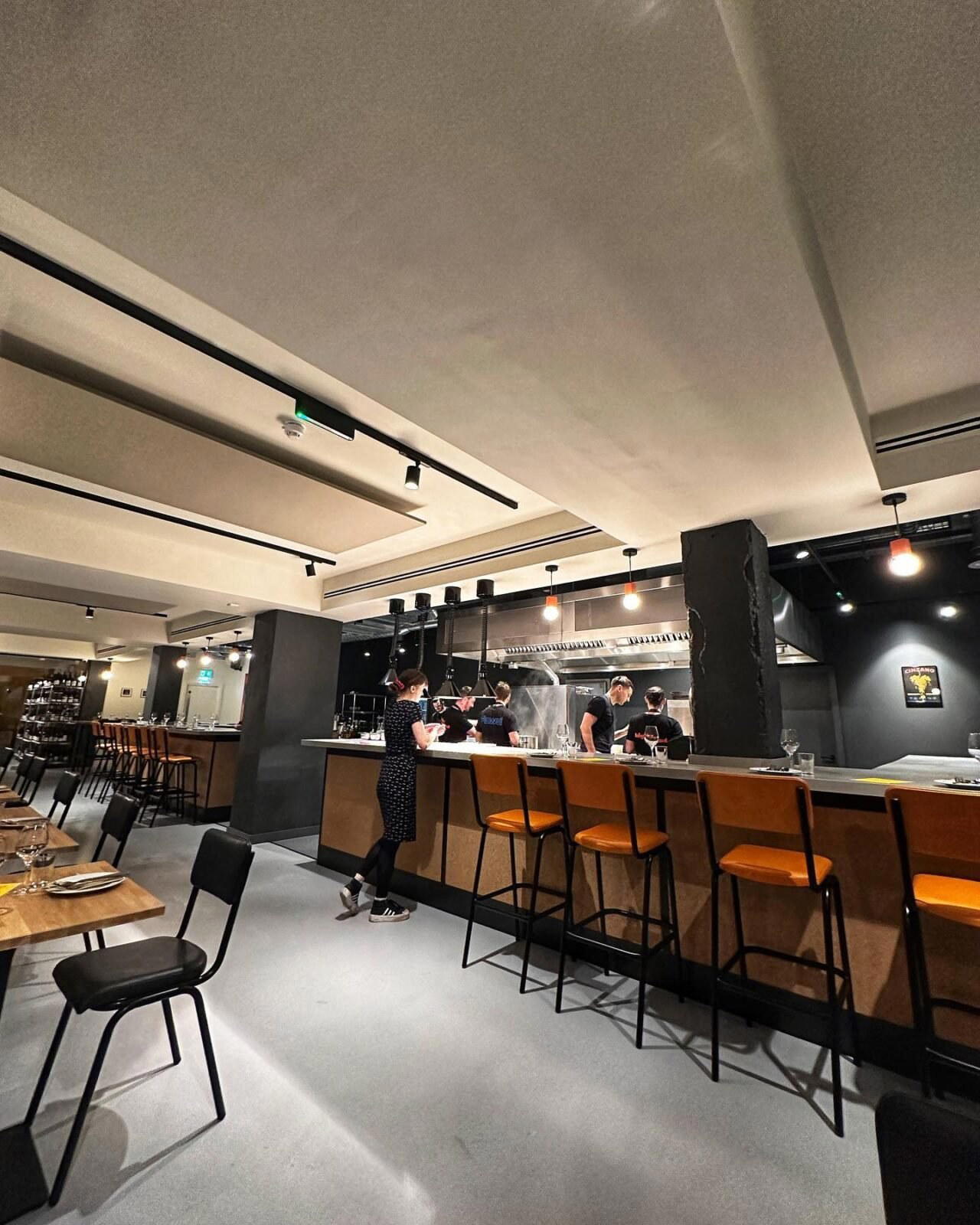
- Open Kitchen
- Sake Program
- Small Plates
- A La Carte
- Sake
- Alpine Wines
- Vegetarian Friendly
Current opening hours
- Monday
- Closed
- Tuesday
- 5–11 PM
- Wednesday
- 5–10:30 PM
- Thursday
- 5–10:30 PM
- Friday
- 12–10:30 PM
- Saturday
- 12–10:30 PM
- Sunday
- 12–9:30 PM
Hours can change for holidays and private events. Last verified .
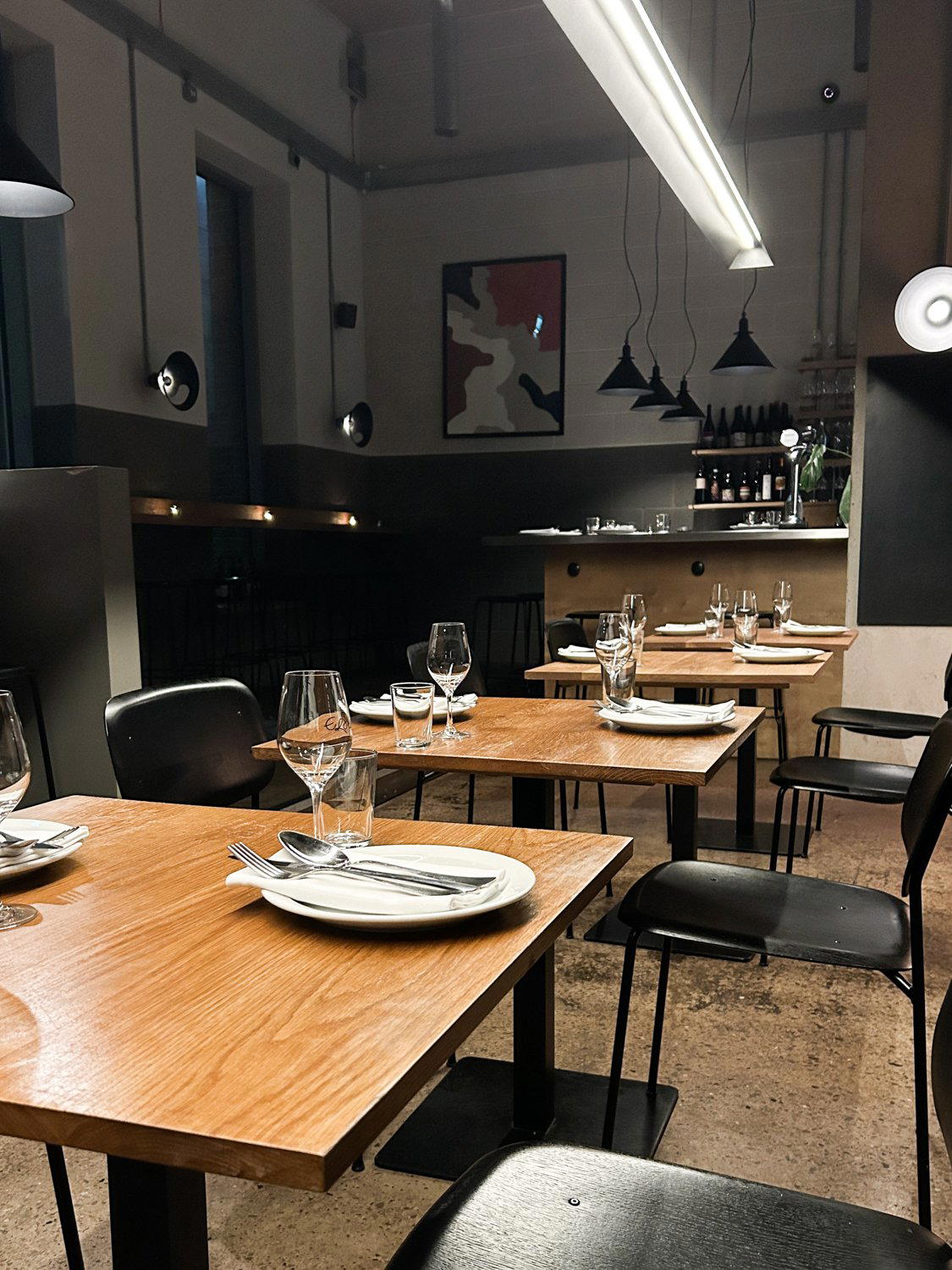
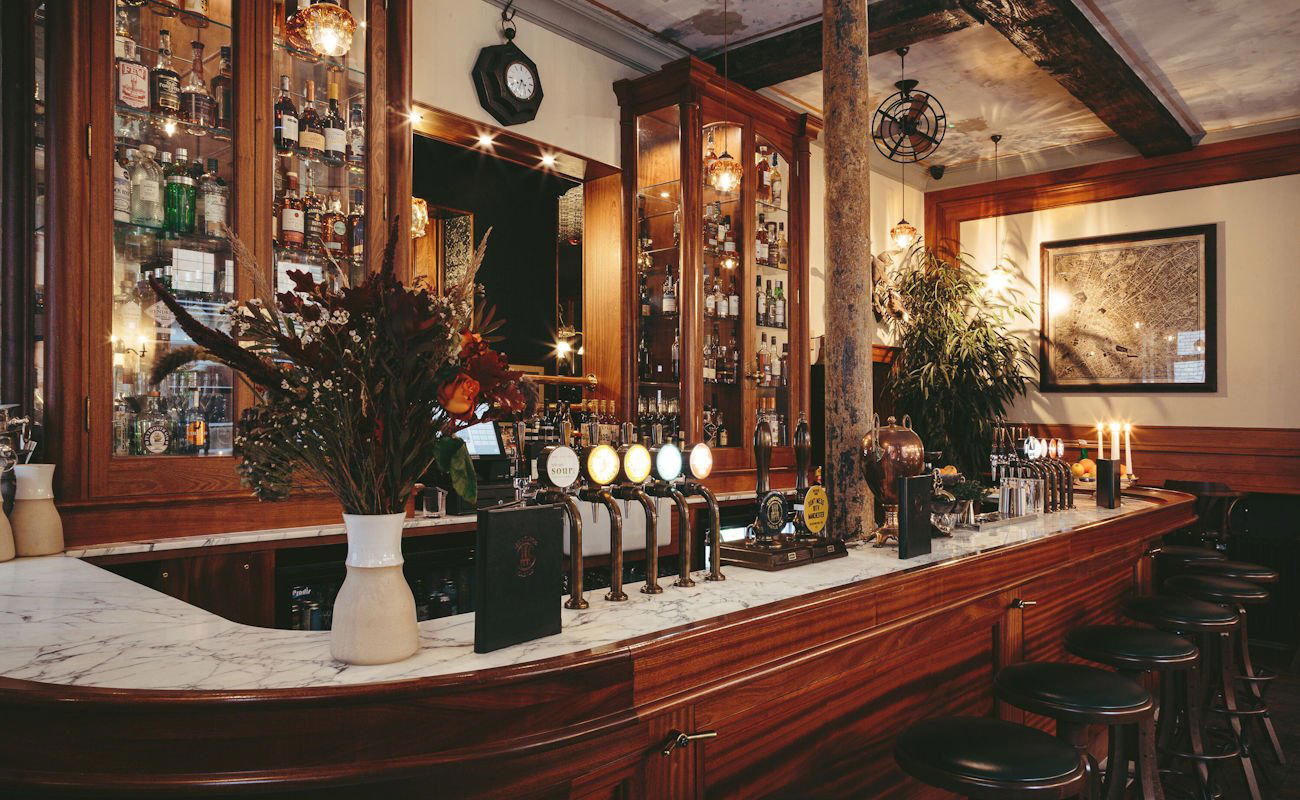
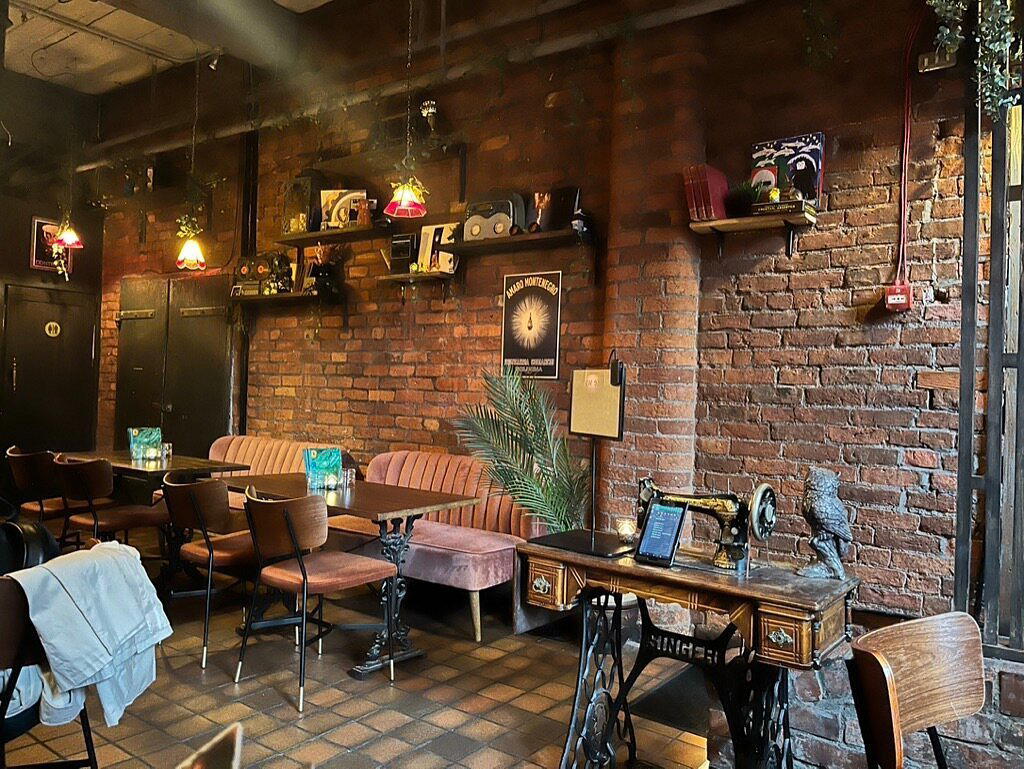
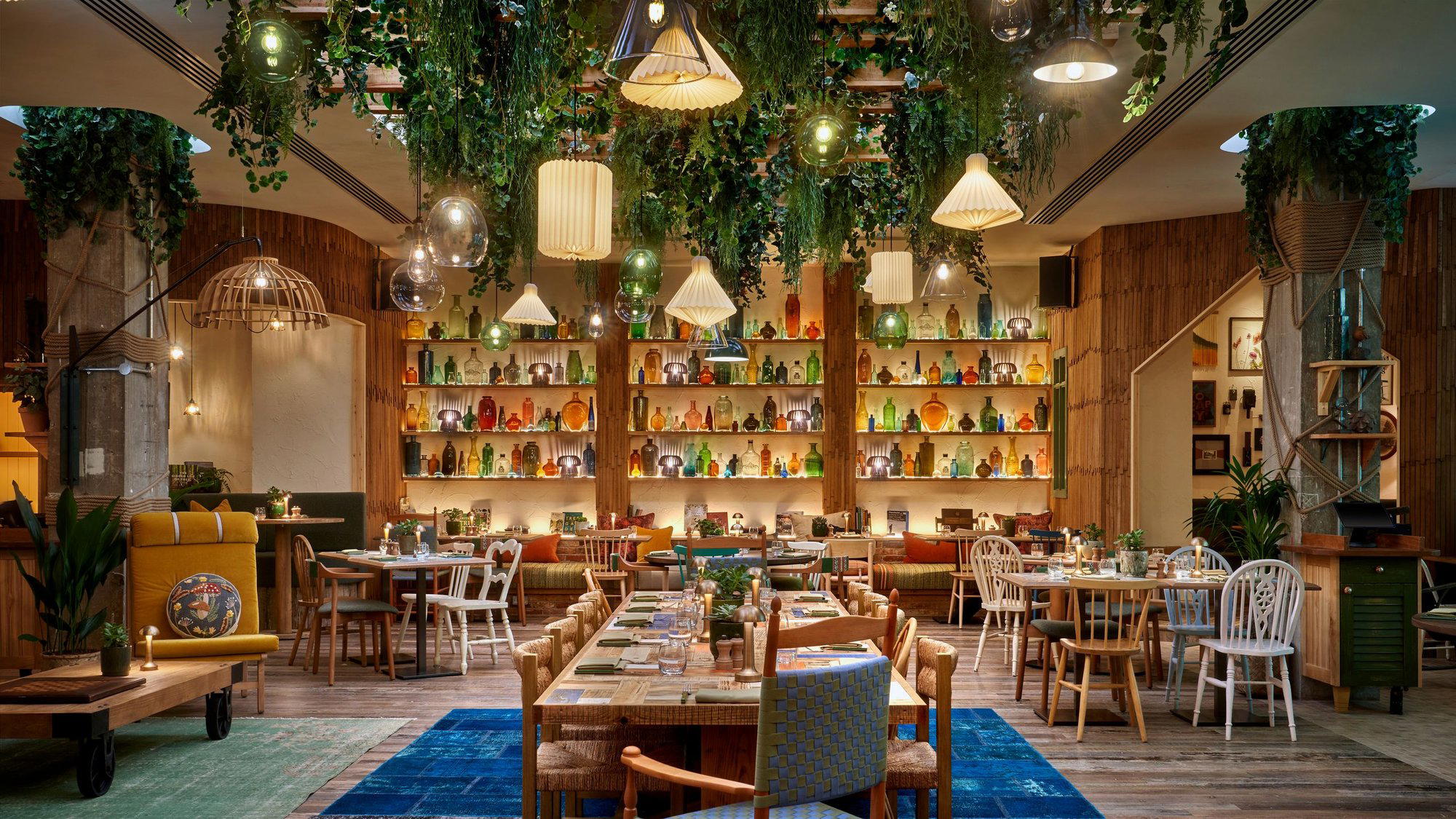
Cozy and calm with golden light, natural wood, vintage bric-a-brac, and subtle table lamps creating an intimate, contemplative atmosphere.