Arlette
Arlette is a San Francisco restaurant operating in a city where California's ingredient-led dining tradition runs deepest. Positioned among the upper tier of the Bay Area's contemporary dining scene, it draws on the region's proximity to notable produce, sustainable fisheries, and farm networks that have shaped Northern California cooking for decades. A reservation here connects to a broader story about where American fine dining is heading.

Pearl is the En Primeur Club membership app — saves, bookings, and concierge access live there. Same editors, same standards.
Where the Plate Begins: Sourcing and the San Francisco Fine Dining Tradition
Northern California did not invent farm-to-table dining, but it made the argument most convincingly. The proximity of San Francisco to the Central Valley, the Sonoma and Marin agricultural belts, and the Pacific Coast fisheries gives its restaurants a supply chain that peers in Chicago, New York, or Atlanta can only approximate. That geographic advantage is not incidental, it is structural, and it shapes what the highest tier of Bay Area dining can credibly put on a plate. Arlette, a restaurant in San Francisco, sits within that tradition, in a city where ingredient provenance is not a marketing claim but a baseline expectation.
The contemporary restaurants that define San Francisco's upper dining bracket, Saison, Benu, Atelier Crenn, Quince, and Lazy Bear, have each staked a position on a continuum between produce-reverence and technical transformation. Some lean toward live-fire primacy; others toward French formalism rerouted through Japanese influence. What connects them is a shared commitment to ingredient selection as the first decision of the creative process, not the last. Arlette enters this conversation at a moment when that commitment has become the defining standard of the category.
The Setting: What San Francisco's Fine Dining Rooms Communicate
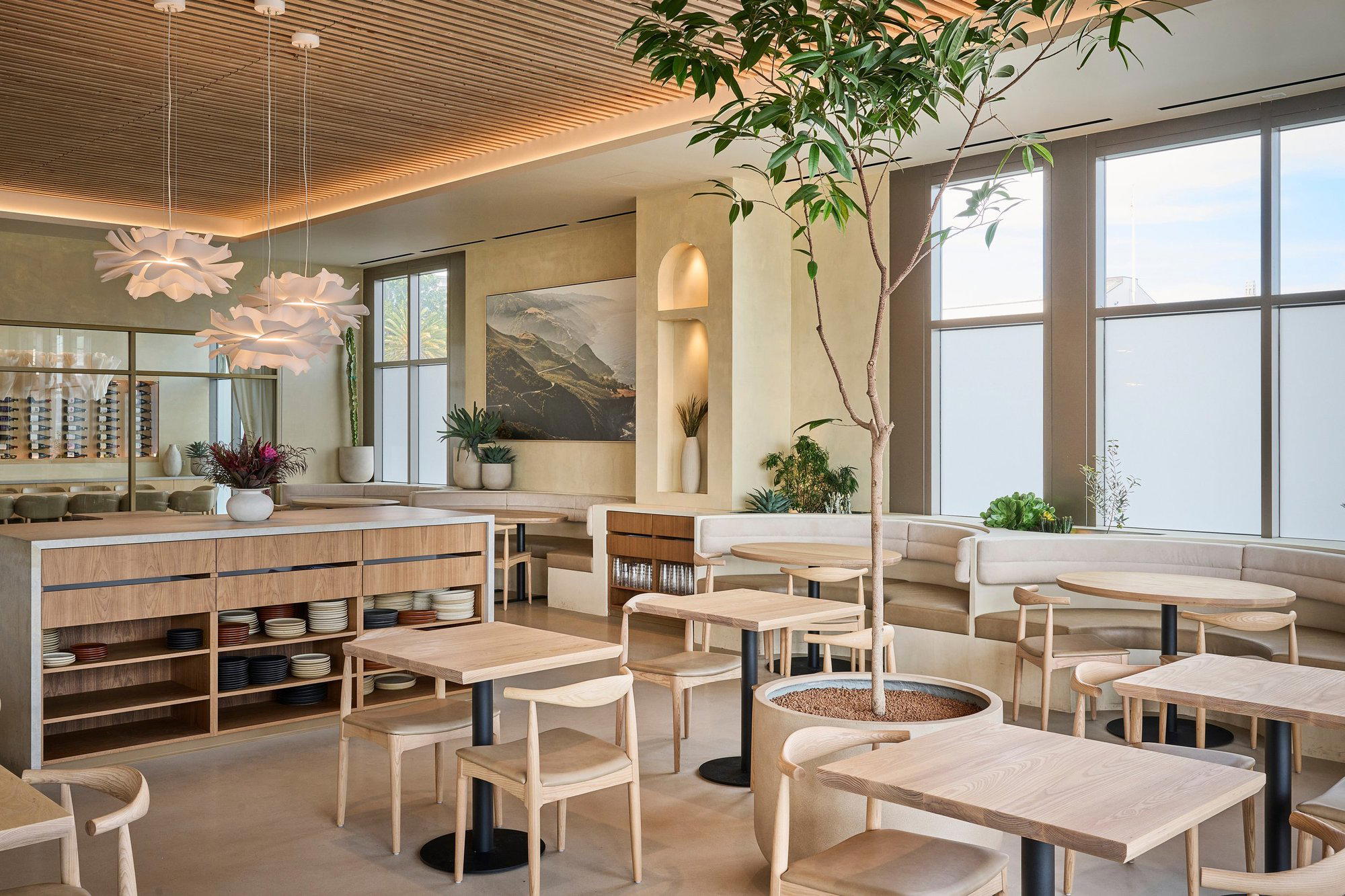
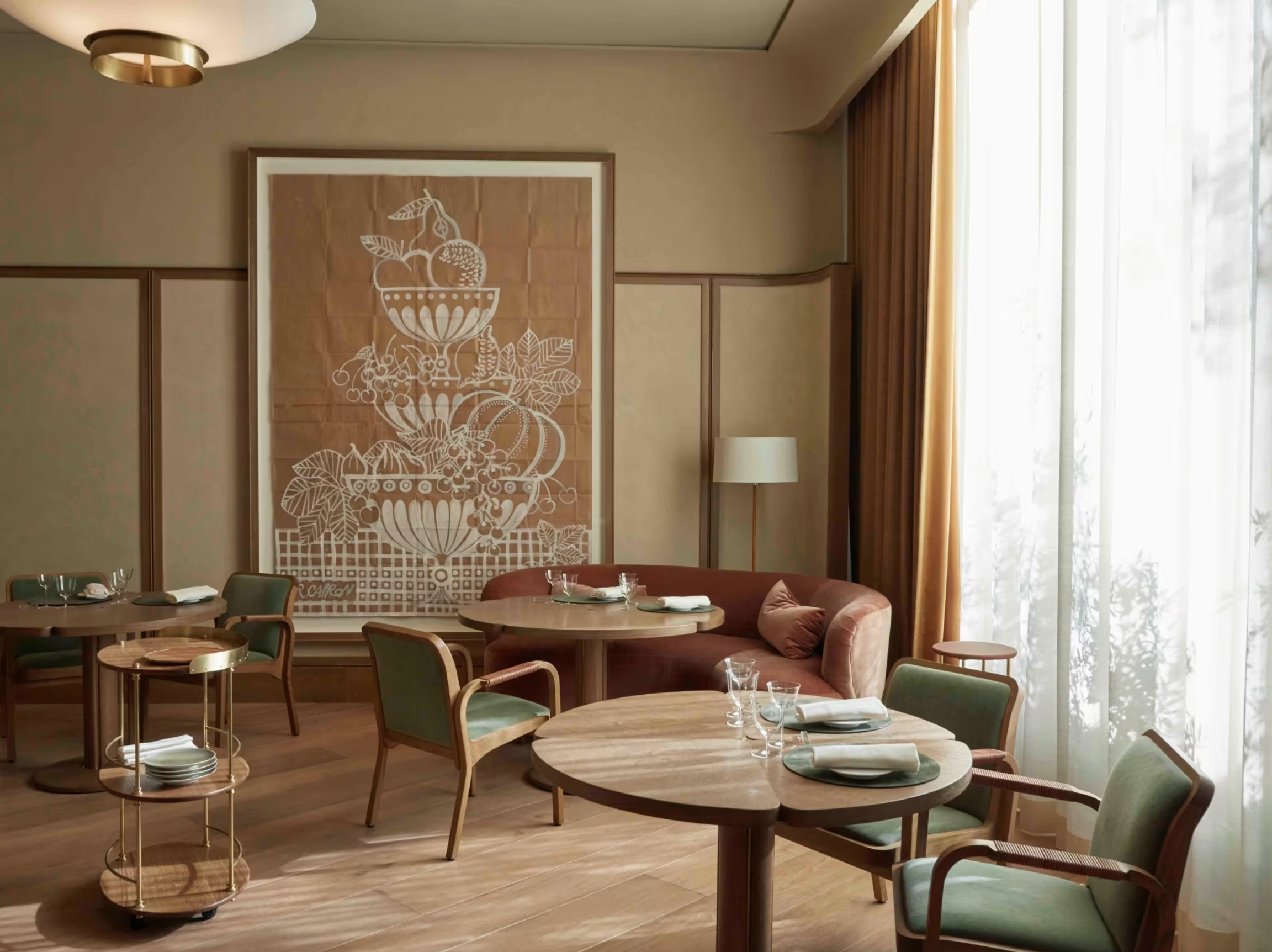
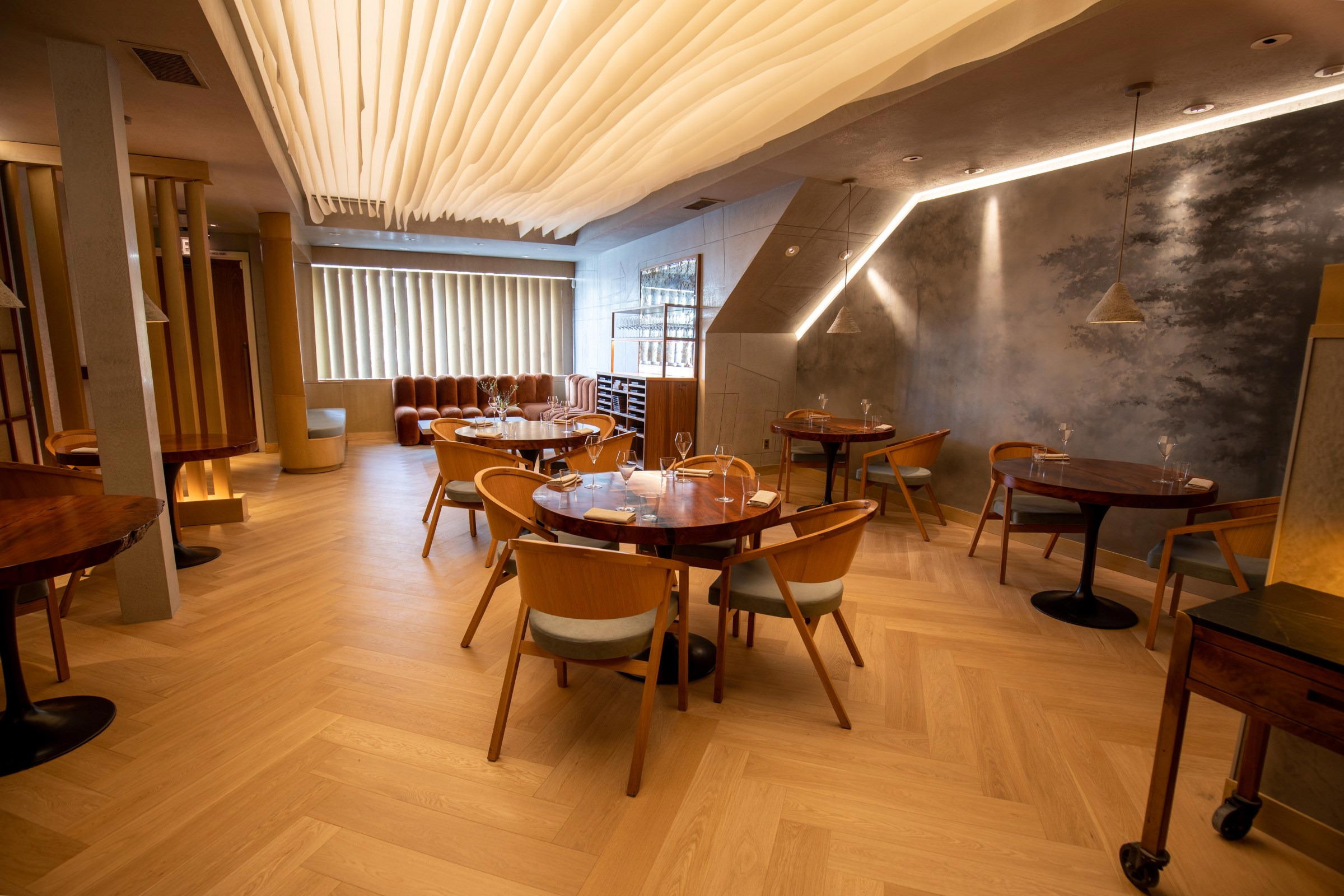
Fine dining rooms in San Francisco tend to resist the maximalist theatrics common in Las Vegas or Dubai. The city's aesthetic preference runs toward restraint: natural materials, controlled light, room proportions that encourage conversation rather than spectacle. This is partly a function of the architectural stock available in older neighborhoods, and partly a cultural disposition that prizes substance over performance. A room that feels considered rather than decorated signals, in this market, that the kitchen has similar priorities.
Arlette operates in a city where that signal matters. Dining rooms here are read as evidence of editorial intent, what the chef chose to surround you with is understood as continuous with what they chose to put in front of you. In the tier occupied by Arlette's peers, the room is never incidental. It frames the sourcing story that begins long before service.
Ingredient Geography: Why the Bay Area Supply Chain Is the Foundation
The argument for Northern California as the center of American ingredient-led dining rests on several verifiable facts. The region has year-round growing seasons for a wider range of produce than almost anywhere else in the continental United States. The Dungeness crab season, the Hog Island oyster beds of Tomales Bay, the stone fruit of Brentwood, the herbs and microgreens of farms in Sonoma and Marin, these are not generic inputs. They are specific, seasonally bound, and available to San Francisco restaurants at a freshness that is structurally impossible to replicate elsewhere.
This is why the sourcing frameworks of San Francisco's leading tables differ from those of, say, Le Bernardin in New York or Alinea in Chicago. Those restaurants operate at the same tier of ambition, but their ingredient story is one of procurement across greater distance. San Francisco restaurants, at their leading, are cooking within walking distance of their supply. Single Thread Farm in Healdsburg took this to its logical conclusion by owning the farm. Blue Hill at Stone Barns in Tarrytown built a similar model on the East Coast. Arlette, within San Francisco proper, inherits a city-wide infrastructure of farmer relationships, fishmonger networks, and forager partnerships that have been built over several decades.
Positioning Arlette in the Competitive Set
San Francisco's highest-tier restaurants price consistently at the $$$$ level, and they compete less with mid-market dining than with each other and with comparable programs in Los Angeles, New York, and internationally. Providence in Los Angeles and Addison in San Diego represent the Southern California answer to what the Bay Area does with seasonal California produce and seafood. The French Laundry in Napa remains the region's most documented benchmark, against which every serious Northern California tasting menu is implicitly measured.
Within the city itself, the competitive set is well-defined. Atelier Crenn holds three Michelin stars and anchors the French-leaning, poetic end of the spectrum. Benu works the boundary between Korean-American and classical French with three Michelin stars. Quince brings an Italian-Californian framework with Michelin recognition. Saison is defined by live-fire sourcing and has held multiple stars. Lazy Bear operates a ticketed format with communal seating that distinguishes it logistically from its peers. Arlette's position in this set will be determined by the sourcing specificity and creative framework it brings to a field that rewards differentiation backed by evidence, not assertion.
For readers interested in comparable programs nationally, Bacchanalia in Atlanta, Atomix in New York City, The Inn at Little Washington, and Emeril's in New Orleans each represent regional approaches to the same broader question: what does a serious American restaurant owe its ingredient suppliers, and how explicitly should that debt appear on the plate. Internationally, 8 1/2 Otto e Mezzo Bombana in Hong Kong demonstrates how European fine dining frameworks adapt to Asian ingredient contexts, a comparison that sharpens what is distinct about the California model.
Planning Your Visit
San Francisco's upper-tier dining requires advance planning regardless of the specific restaurant. The city's concentrated fine dining market means that the highest-demand rooms at this level typically book out weeks in advance, with weekend seatings filling first.
| Restaurant | Price Tier | Style | Booking Lead Time (approx.) |
|---|---|---|---|
| Arlette | Contact venue | San Francisco contemporary | Confirm directly |
| Atelier Crenn | $$$$ | Modern French | 4-8 weeks |
| Benu | $$$$ | French-Chinese | 4-6 weeks |
| Quince | $$$$ | Italian contemporary | 2-4 weeks |
| Lazy Bear | $$$$ | Progressive American | Ticketed, varies |
| Saison | $$$$ | Californian | 2-4 weeks |
Standing Among Peers
Comparable venues nearby, for context on price, style, and recognition.
| Venue | Cuisine | Price | Notes |
|---|---|---|---|
| ArletteThis venue — the venue you are viewing | Dining | $$$ | Not listed |
| Arquet Restaurant | Modern Californian Wood-Fired | $$$ | Financial District/South Beach |
| Credo | Rustic Italian with Northern California Sensibilities | $$$ | Financial District/South Beach |
| 1760 | Global Fusion with Asian Influences | $$$ | Polk Gulch |
| Dingles Public House | Modern British Gastropub | $$$ | Hayes Valley |
| RTB Fillmore | Modern Fusion Tasting Menu | $$$ | Fillmore |
Continue exploring
More in San Francisco
Restaurants in San Francisco
Browse all →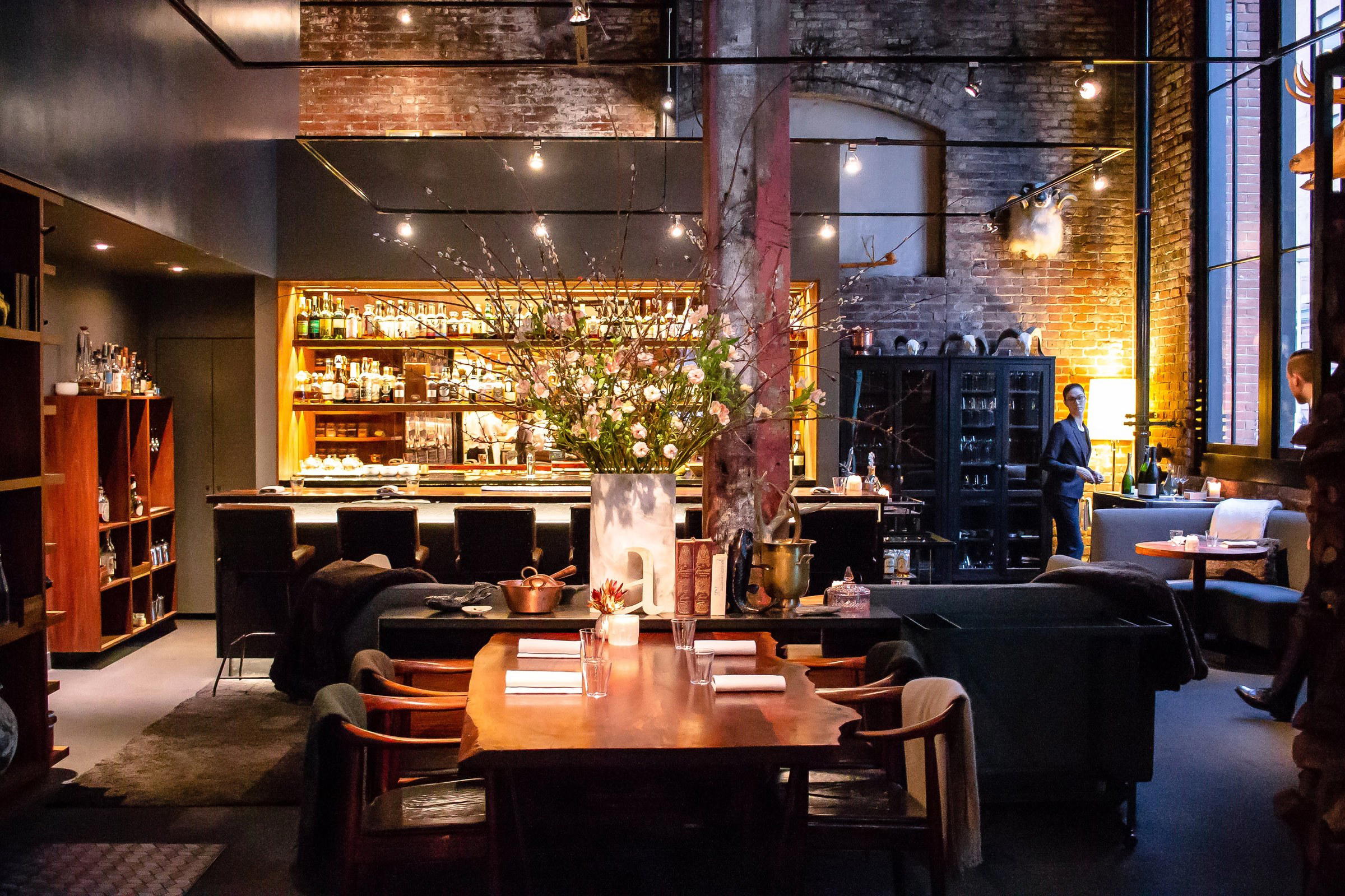
Bars in San Francisco
Browse all →
Hotels in San Francisco
Browse all →

Wineries in San Francisco
Browse all →
At a Glance
- Elegant
- Scenic
- Sophisticated
- Date Night
- Special Occasion
- Waterfront
- Waterfront
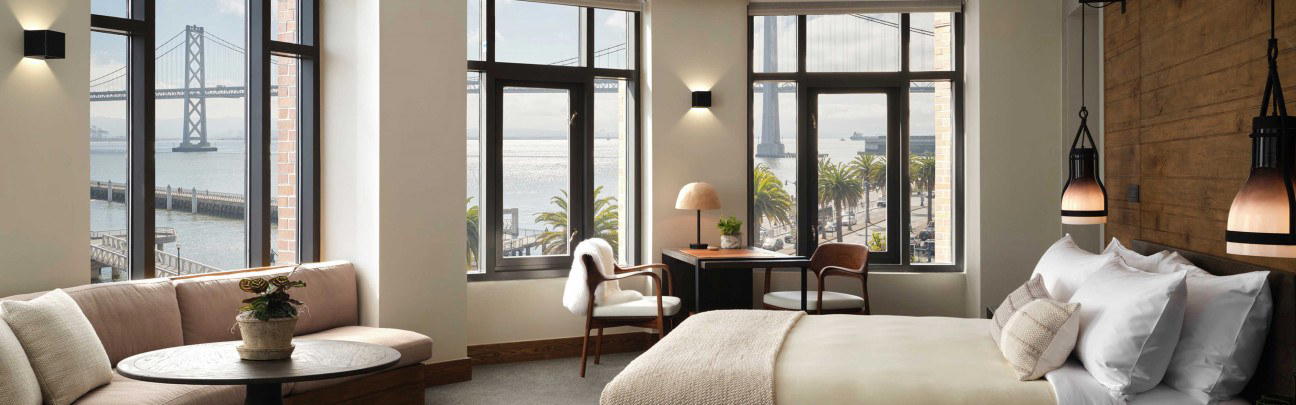
Festive atmosphere with bay views for special occasions like Valentine's Day.