Arguello Market
Arguello Market sits at 782 Arguello Boulevard in San Francisco's Inner Richmond, a neighborhood where the gap between corner-store casualness and serious eating has always been narrower than visitors expect. The address places it at the edge of a district shaped by decades of immigrant cooking traditions and local market culture. For visitors building a picture of the city's food geography, the Richmond corridor is a reliable reference point.
Pearl is the En Primeur Club membership app — saves, bookings, and concierge access live there. Same editors, same standards.
- Address
- 782 Arguello Blvd, San Francisco, CA 94118
- Phone
- +14157515121
- Website
- arguellomarket.com
- Directions
- Get directions
 Saves & bookings on Pearl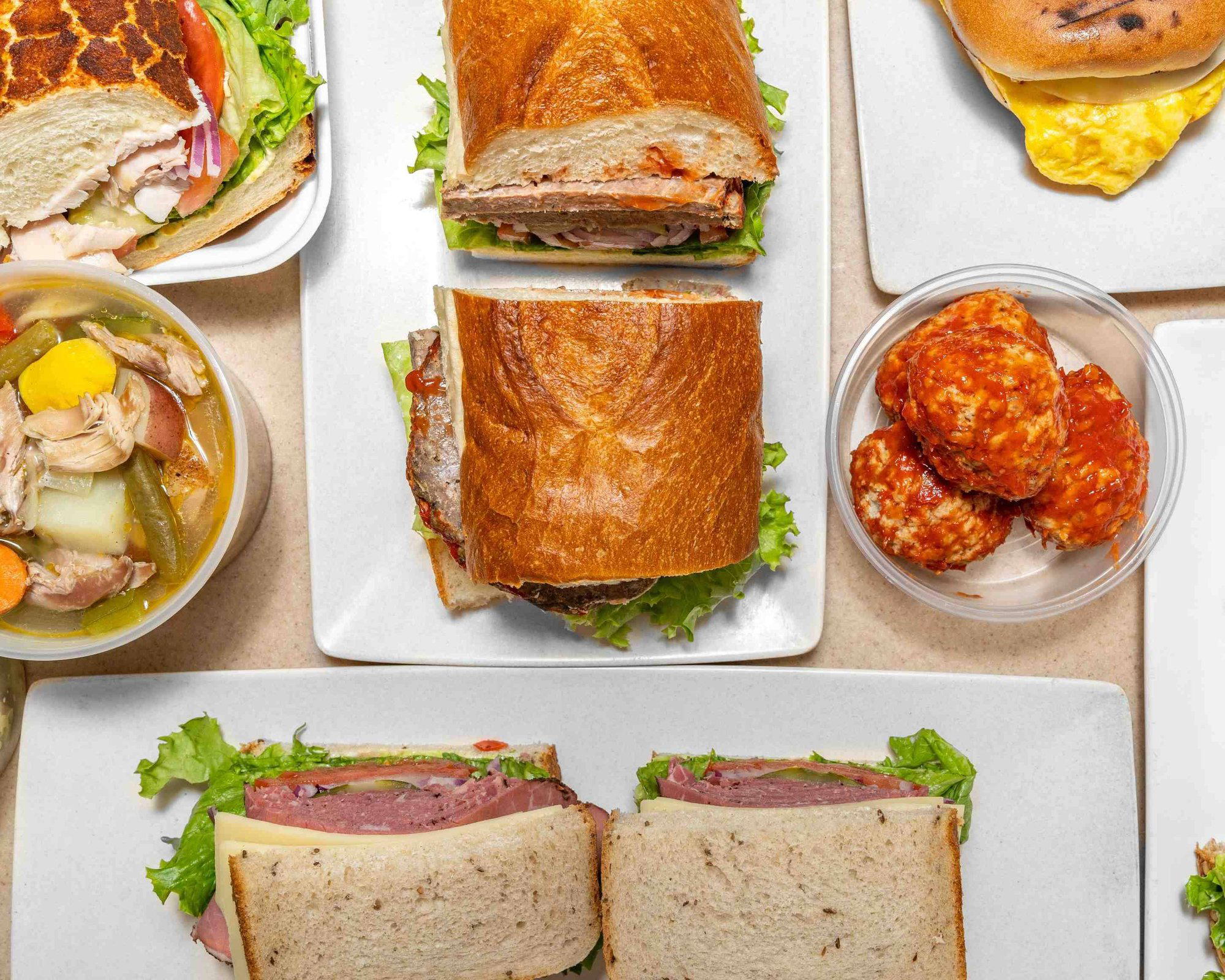
The Inner Richmond and What It Asks of You
San Francisco's Inner Richmond moves at a different cadence than the downtown dining corridor. The blocks along Arguello Boulevard and the avenues branching east toward the park have long supported a food culture built on repetition and routine rather than occasion and spectacle. Regulars here come back not because a room demands it, but because the ritual of returning is the point. That pattern shapes how eating in this part of the city works: you arrive without a reservation alarm set three months prior, you know what you want before you walk in, and the transaction is honest in both directions.
Arguello Market is a casual restaurant at 782 Arguello Boulevard in San Francisco's Inner Richmond, serving Classic American Deli Sandwiches at about $15 per person. The city's dining conversation tends to orbit a small cluster of nationally recognized rooms: Lazy Bear and its communal progressive American format, Atelier Crenn's Modern French precision, Benu's French-Chinese synthesis, Quince's Italian-influenced contemporary cooking, and Saison's wood-fire Californian framework. All of these sit at the $$$$ tier and require forward planning measured in weeks or months. Arguello Market operates in a different register entirely, and understanding which register that is matters before you walk through the door.
The Ritual of the Neighborhood Market Visit
In American food culture, the neighborhood market has a specific grammar. It is not the farmers market, with its weekend ceremony and vendor theater. It is not the specialty grocer built around a single category. The neighborhood market on a residential block is a place of recurring small decisions: what to eat today, what the household needs this week, whether the prepared section looks worth it. The ritual is low-stakes by design, but over time it accumulates into something more significant. These are the places that shape how a neighborhood eats daily, rather than how it performs eating for guests.
That framing applies broadly across cities. Blue Hill at Stone Barns in Tarrytown operates at the ceremonial extreme of farm-to-table eating, where the meal is explicitly an event built around agricultural philosophy. Single Thread Farm in Healdsburg imports a Japanese omotenashi framework onto Northern California produce. These formats require a particular kind of attention from the diner. The neighborhood market asks for none of that. It asks only that you show up and decide.
The Inner Richmond as a Food Geography
The Richmond District is among the more instructive neighborhoods in San Francisco for understanding how immigrant food traditions layer over time. The stretch from Arguello west toward the ocean has historically supported Cantonese and Shanghainese restaurants, Russian bakeries, Burmese kitchens, and Irish pubs in close proximity, not as a curated multicultural showcase but as an organic consequence of successive waves of settlement. The food retail in the area reflects that same layering: specialty items that would require dedicated sourcing elsewhere sit alongside ordinary household staples because the customer base has always demanded both.
This density of food knowledge per square block places the Richmond in a different category from, say, the Ferry Building market area, where the food culture is more self-conscious and visitor-oriented. What you find on Arguello and the surrounding avenues tends to serve the people who live there, and that orientation produces a different kind of market ecology.
For context on how neighborhood-rooted food addresses compare at the premium end of American dining, it is useful to look at places like Frasca Food and Wine in Boulder or Smyth in Chicago, both of which have built sustained reputations by serving a local base with genuine depth rather than chasing destination-dining traffic. The model differs in price tier and format, but the underlying logic of earning neighborhood loyalty shares common ground.
Planning Considerations for the Area
The following table situates Arguello Market against the San Francisco restaurants most often cited in the same city context. The contrast is instructive precisely because it illustrates the range within a single city's food geography.
| Venue | Format | Price Tier | Lead Time | Neighborhood |
|---|---|---|---|---|
| The restaurant | Market / Retail | Not published | Walk-in | Inner Richmond |
| Lazy Bear | Progressive American, Ticketed | $$$$ | Weeks to months | Mission |
| Atelier Crenn | Modern French, Tasting | $$$$ | Weeks to months | Cow Hollow |
| Benu | French-Chinese, Tasting | $$$$ | Weeks to months | SoMa |
| Quince | Italian Contemporary, Tasting | $$$$ | Weeks ahead | Jackson Square |
| Saison | Californian, Wood-fire | $$$$ | Weeks ahead | SoMa |
The distance between the restaurant and the upper tier of San Francisco dining is not a hierarchy of quality so much as a difference in what kind of eating each format supports. A week that includes a tasting menu at Benu and a morning at an Inner Richmond market is a more complete picture of the city's food culture than either experience alone.
Placing Arguello Market in a Wider American Context
Across American cities, the gap between neighborhood food infrastructure and destination dining has widened as critical attention concentrates on a smaller number of high-production rooms. Le Bernardin in New York, The French Laundry in Napa, Providence in Los Angeles, Addison in San Diego, The Inn at Little Washington, and Emeril's in New Orleans all occupy the certified-destination tier, where the experience is built to justify travel and the booking process is itself a signal of the meal's status. The neighborhood market occupies the opposite end of that spectrum, where the justification is proximity and repetition rather than occasion.
Internationally, the same dynamic plays out in different forms. Atelier Moessmer Norbert Niederkofler in Brunico and Atomix in New York represent formats where every element of the meal has been constructed with deliberate ceremony. The neighborhood market is the structural opposite: a format where the diner supplies the ceremony, or dispenses with it entirely.
For a fuller orientation to where the restaurant sits within the city's food ecosystem, see our full San Francisco restaurants guide, which maps the range from tasting-menu rooms to neighborhood addresses across the city's distinct districts.
Cuisine Context
Comparable venues nearby, for context on price, style, and recognition.
| Venue | Cuisine | Price | Notes |
|---|---|---|---|
| Arguello MarketThis venue — the venue you are viewing | Classic American Deli Sandwiches | $ | Not listed |
| The Cosmopolitan | American Seafood Steakhouse | $ | San Francisco |
| Joe's Ice Cream | Classic American Ice Cream Parlor | $ | Outer Richmond |
| The Bird | Fried Chicken Sandwiches | $ | Financial District/South Beach |
| Uncle Boy's | American Burgers with Filipino Influences | $ | Inner Richmond |
| Bi-Rite Creamery | Seasonal Small-Batch Ice Cream Shop | $ | Mission Dolores |
Continue exploring
More in San Francisco
Restaurants in San Francisco
Browse all →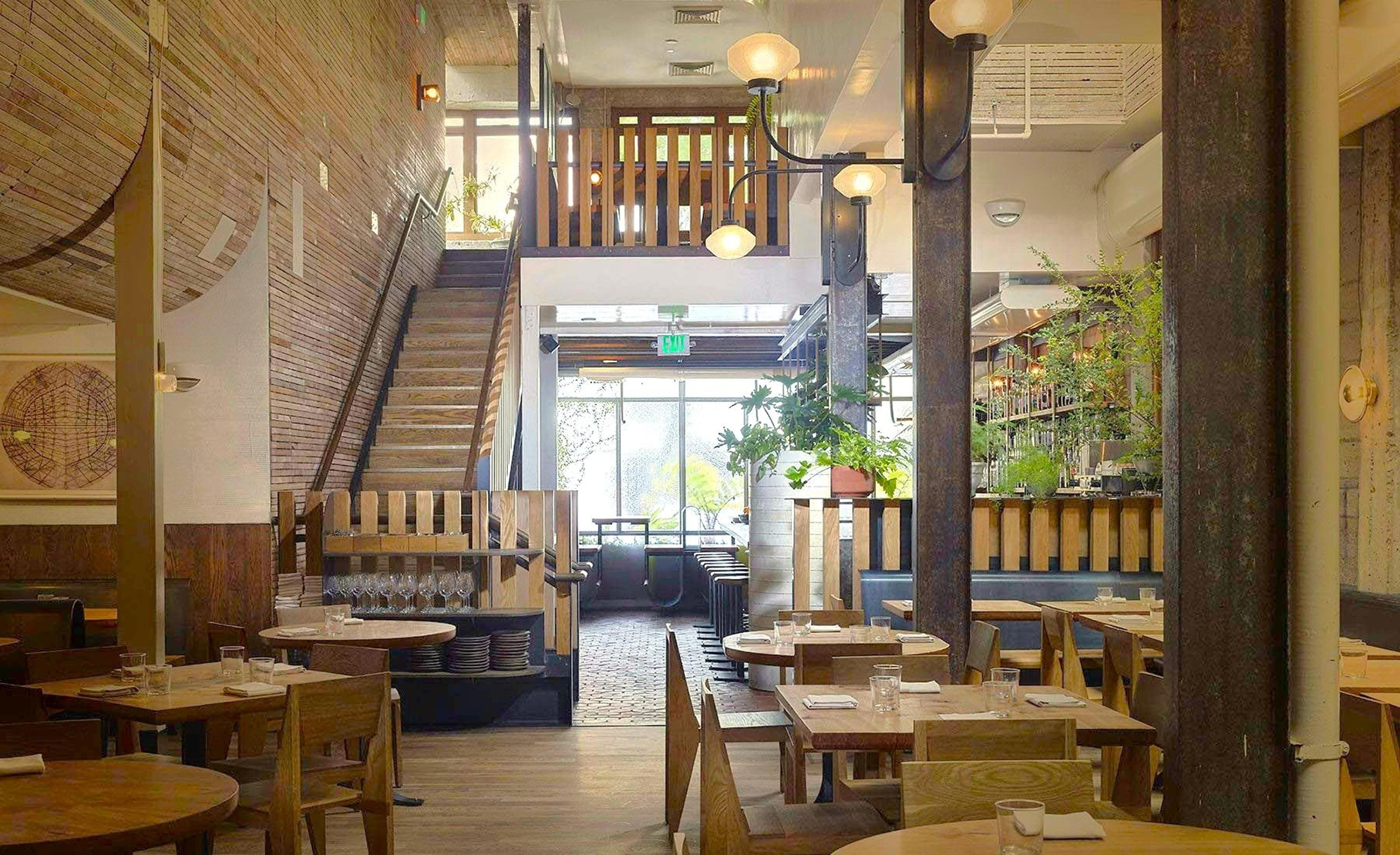
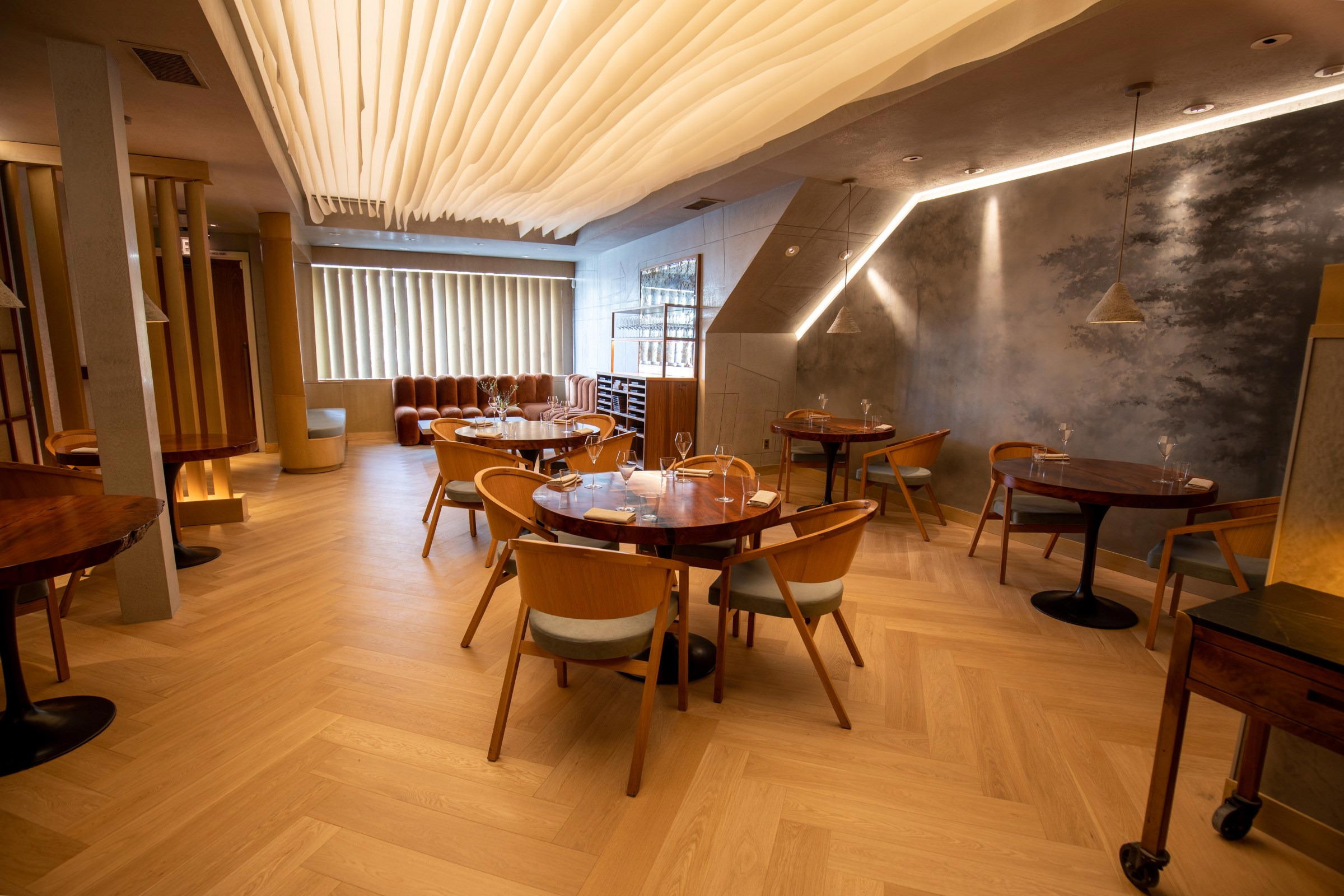
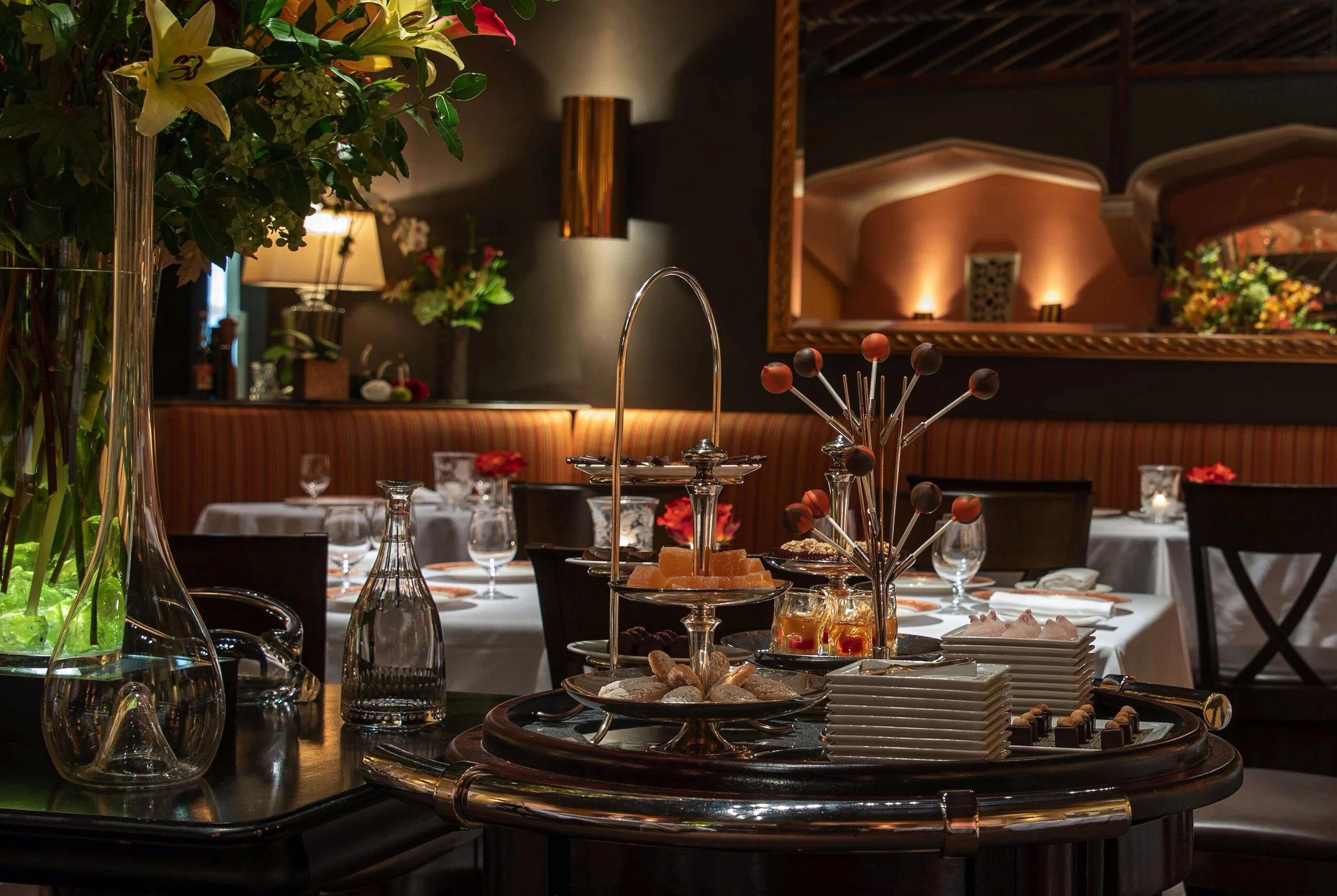
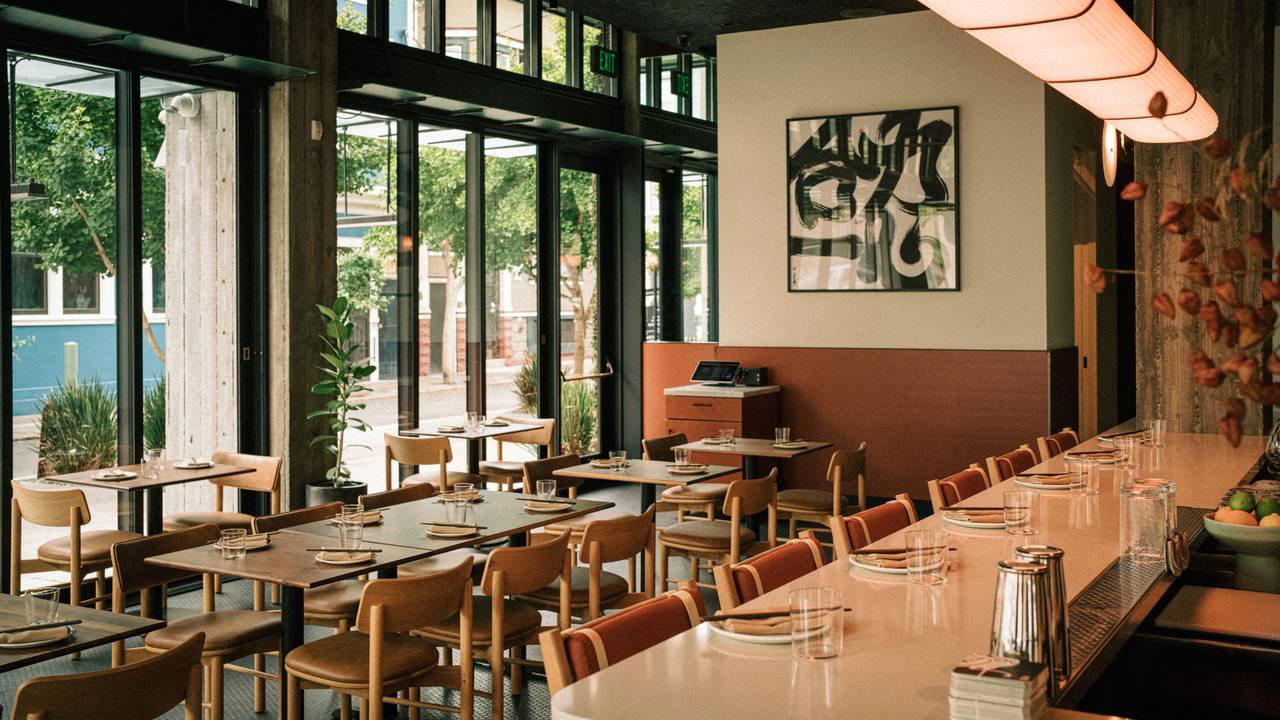
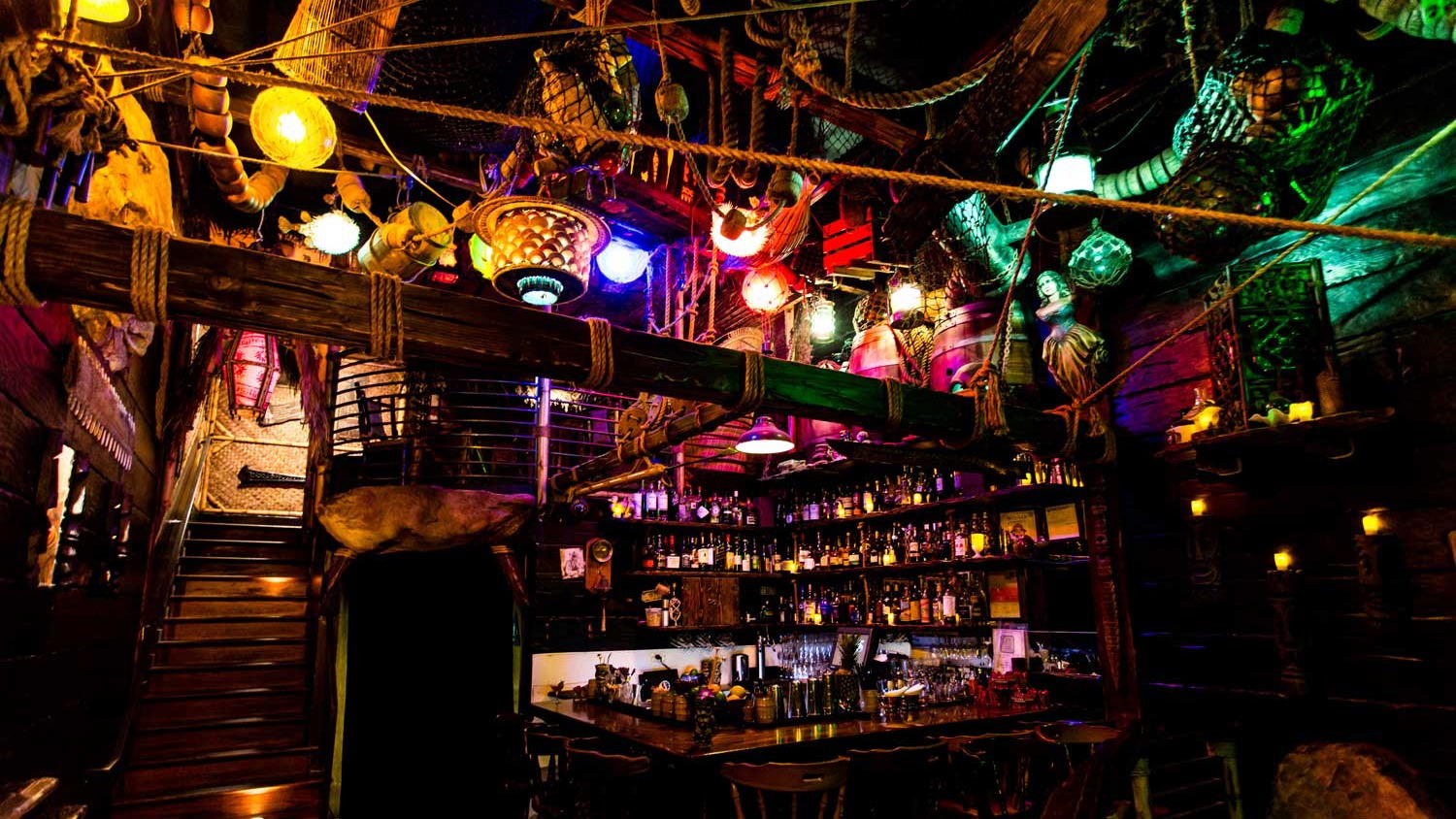
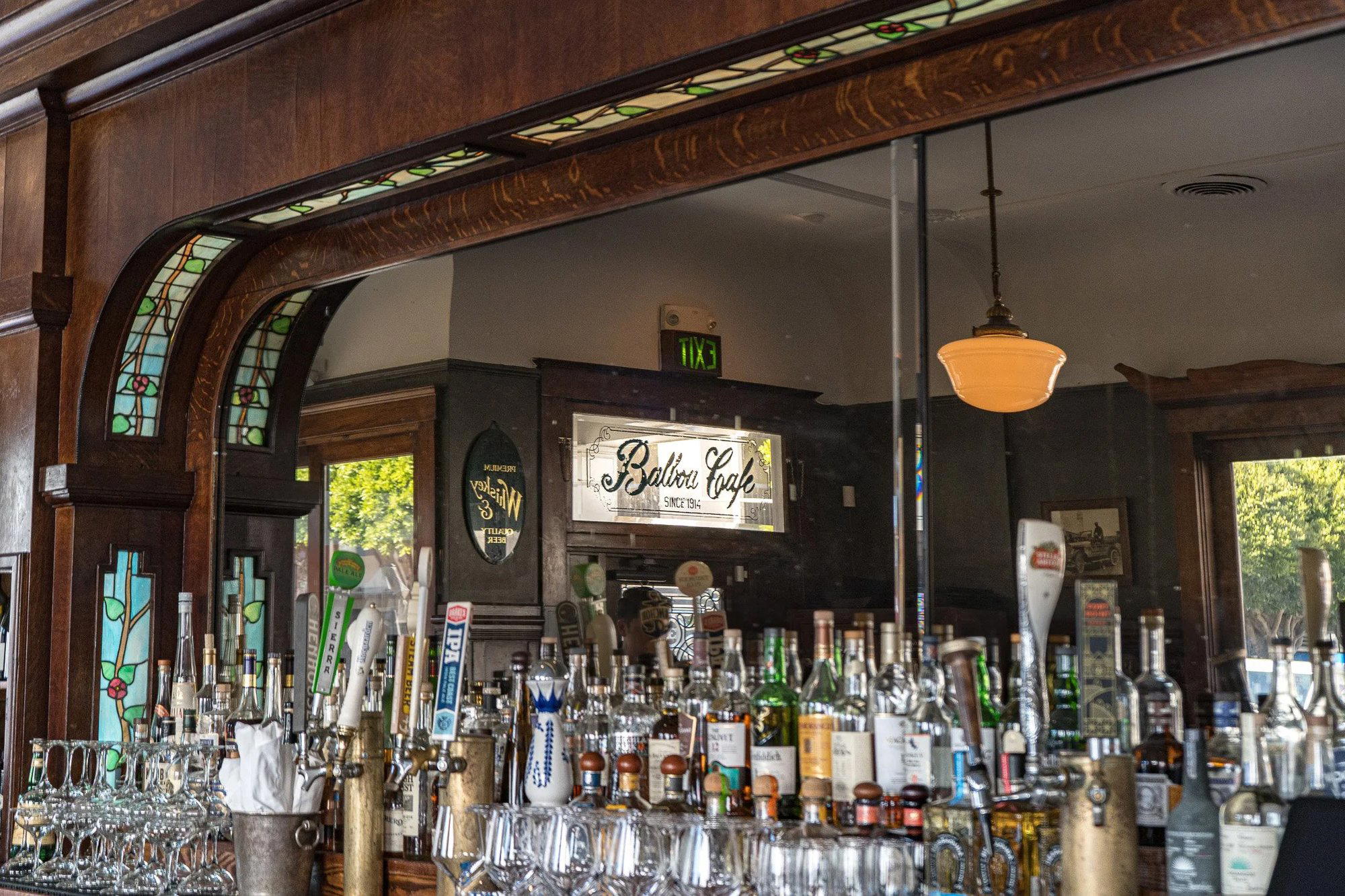
Bars in San Francisco
Browse all →
Hotels in San Francisco
Browse all →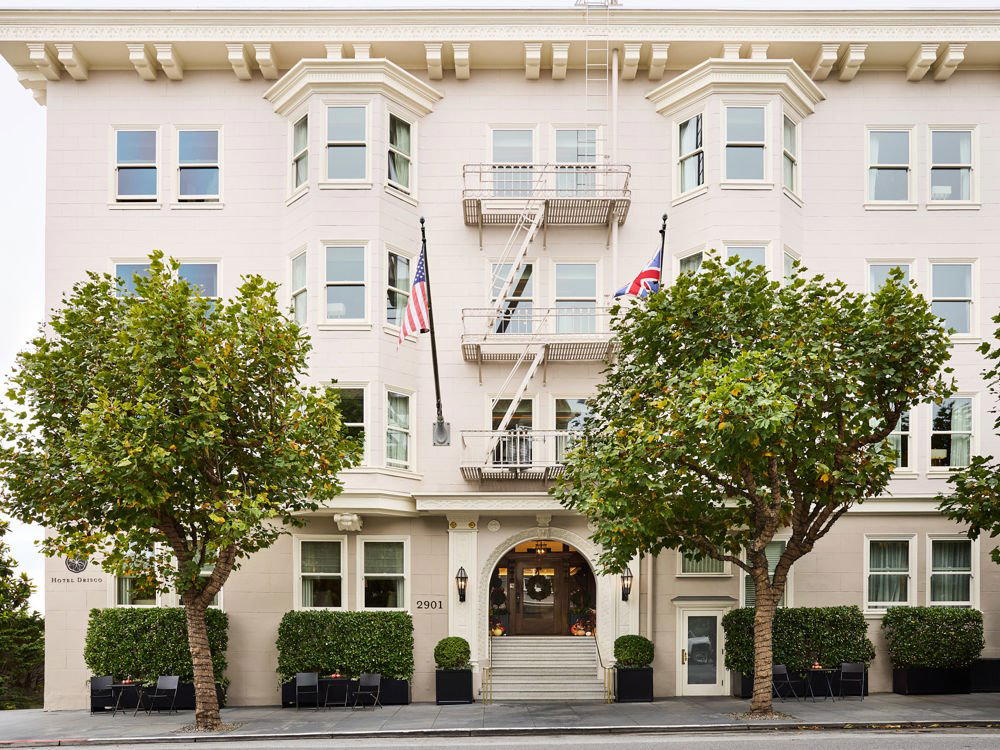
At a Glance
- Classic
- Cozy
- Casual Hangout
- Standalone
- Organic
Current opening hours
- Monday
- 7:30 AM–8 PM
- Tuesday
- 7:30 AM–8 PM
- Wednesday
- 7:30 AM–8 PM
- Thursday
- 7:30 AM–8 PM
- Friday
- 7:30 AM–8 PM
- Saturday
- 7:30 AM–8 PM
- Sunday
- 7:30 AM–7 PM
Hours can change for holidays and private events. Last verified .
No-frills, welcoming neighborhood market deli with a cool atmosphere from distinctive local brands and high-quality produce.