Our verdict
Areca Restaurant belongs to the quieter side of Hoi An dining, where the point is less spectacle than proximity: river-country produce, central Vietnam’s market logic, and a city whose cooking has long been shaped by trade, rice, herbs, and seafood. With few formal details published, the smarter read is contextual: treat it as a local address to assess against Hoi An’s ingredient-led restaurant culture rather than a trophy-table destination.

Pearl is the En Primeur Club membership app — saves, bookings, and concierge access live there. Same editors, same standards.
- Address
- 01 Đống Đa, Hội An Tây, Đà Nẵng 560000, Vietnam
- Phone
- +84 235 3754 999
- Hours
- Daily 6:30 AM–10 PM
- Website
- silksenseresort.com
- Directions
- Get directions
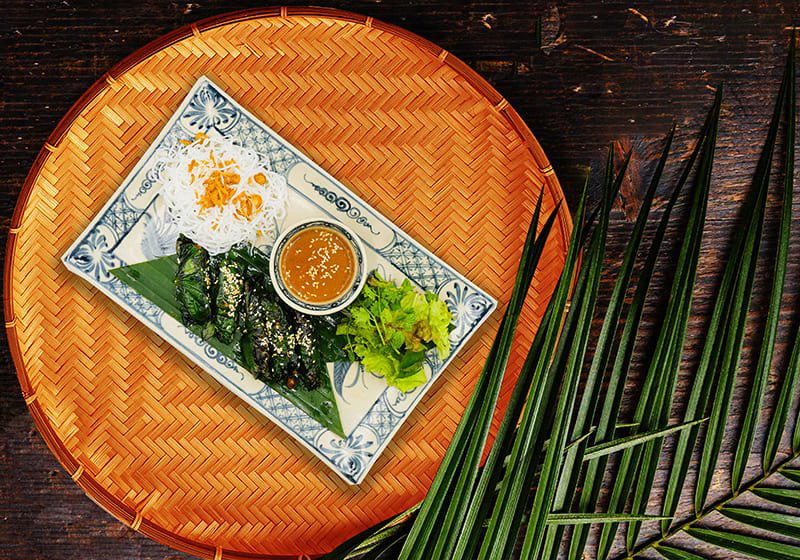
The menu
What to order
- Hoi An specialties
- Refined Western dishes
- Fresh local seafood
Hoi An dining begins before the menu: low river light, shopfronts opening onto narrow streets, the smell of grilling, herbs, rice batter, fish sauce, and charcoal moving through the old trading town. Areca Restaurant sits inside that broader rhythm. In this city, restaurants are judged less by ceremony than by how convincingly they handle the local supply chain: herbs from nearby plots, rice and noodles tied to central Vietnam’s pantry, seafood moving in from the coast, and sauces calibrated to heat, salt, sweetness, and acid.
That ingredient story matters because Hoi An is not a city built around a single restaurant format. It runs on overlapping registers: market food, family kitchens, cooking-school dining rooms, beach-side seafood, hotel restaurants, and small independent addresses. For a wider sweep of the city’s tables, see Our full Hoi An restaurants guide, with neighbouring reference points such as other Hoi An dining rooms, Art Space, and informal local stops. The useful question is not whether one address outshouts the rest, but what kind of Hoi An meal the reader is trying to anchor.
Hoi An's ingredient economy is the real frame
Central Vietnam’s cooking rewards restraint with sharp edges. Fresh herbs are not garnish; they set the temperature of a dish. Rice paper, noodles, pickles, turmeric, chilli, peanuts, and fish sauce carry structure. Seafood, pork, and vegetables often matter less as luxury markers than as tests of turnover and handling. In that context, Areca Restaurant reads as part of the city’s broader dining conversation, where the attraction is often a kitchen’s relationship with everyday produce rather than a personality-led tasting-menu narrative.
This is where Hoi An differs from Vietnam’s larger restaurant cities. Other cities may push deeper into regional specialisation or absorb international and contemporary formats at scale. Hoi An’s dining identity is more compressed. A restaurant here competes with the city’s own street-level food memory: local noodle dishes, dumplings, bánh mì culture, rice crackers, grilled seafood, and the herb gardens associated with the surrounding countryside. That pressure can be useful. It keeps the standard honest.
For travellers building a Vietnam itinerary, Areca Restaurant makes more sense when read alongside regional contrasts rather than as a standalone claim. Compare it with other urban dining rooms, coastal resort restaurants, and central-coast city tables across Vietnam. Hoi An’s appeal is more intimate: fewer layers between market, kitchen, and table.
How to read the room before ordering
With limited public detail on chef narrative, price range, or fixed format attached to Areca Restaurant, the sensible approach is to judge the meal by local fundamentals. Look for dishes that express central Vietnamese balance rather than imported luxury cues. In Hoi An, that usually means herbs with snap, sauces that do more than add salt, noodles or rice components with clear texture, and cooking that lets seafood or vegetables retain identity. The absence of a formal tasting-menu frame can be a strength in this city, where à la carte flexibility often suits mixed groups and travellers moving between sightseeing, river walks, and evening meals.
The comparison set in Hoi An is broad. Art Space pushes a more designed restaurant experience, while places such as Coco Corner, Nipa Bistro, Cầu An Bàng, and Red Bridge Cooking School, Restaurant, and Villa - Hoi An Riverside point to the city’s spread across casual dining, riverside formats, beach-adjacent cooking, and culinary education. Areca Restaurant belongs in the decision set for readers who want a grounded Hoi An meal without making the evening revolve around ceremony. That does not make it a substitute for the city’s specialist street-food stops; it makes it a different kind of pause, one where local sourcing and kitchen clarity should do the work.
Planning it into a Hoi An stay
Hoi An rewards clustering. Pair restaurant choices with the shape of the day: old-town wandering, beach time, hotel downtime, or a transfer within the region. For the wider trip architecture, use Our full Hoi An hotels guide, Our full Hoi An bars guide, Our full Hoi An wineries guide, and Our full Hoi An experiences guide. Travellers extending beyond Vietnam can place the same ingredient-first lens against other casual dining and drinking formats, but Hoi An’s strength remains its immediacy: the meal is strongest when the kitchen stays close to the region’s herbs, rice, seafood, and heat.
Frequently asked questions
Is Areca Restaurant okay with children?
The listing for Areca Restaurant in Hoi An does not specify a children’s policy. Its location in Hoi An makes it easy to place within a family day in town. For a child-friendly plan, the practical move is to check the setup before going.
Is Areca Restaurant formal or casual?
No dress code or service format is listed for Areca Restaurant. The venue is in Hoi An, and the room should be read directly rather than through a stated policy.
Where is Areca Restaurant in Hoi An?
Areca Restaurant is located in Hoi An.
Is Areca Restaurant reservation-only?
The public record for Areca Restaurant does not state a reservation model. Its Hoi An location suggests planning around the city’s dining rhythm rather than assuming a fixed-format counter or tasting menu room. Plan ahead if the meal needs a set time. Check the venue's official channels for the latest details.
What's the signature at Areca Restaurant?
No named signature dish is listed for Areca Restaurant. The only fixed location anchor here is Hoi An, so the restaurant should be approached for its general menu rather than a documented specialty. That keeps expectations aligned with the information provided.
Can Areca Restaurant handle vegetarian requests?
The listing does not specify a vegetarian menu, but a Hoi An restaurant may still be able to adapt dishes depending on the kitchen. Because no cuisine type is given for Areca Restaurant, vegetarian diners should treat flexibility as a question to raise before ordering.
How It Stacks Up
Comparable venues by cuisine and price in the same metro.
| Venue | Cuisine | Price |
|---|---|---|
| Areca RestaurantThis venue — the venue you are viewing | Vietnamese and international fusion restaurant in a riverside resort | $20–30 |
| Nipa Bistro | Vietnamese Bistro | Not listed |
| Cầu An Bàng | Vietnamese Seafood | $10–20 |
| Red Bridge Cooking School, Restaurant, and Villa - Hoi An Riverside | Modern Vietnamese | $20–30 |
| Art Space | Modern East–West fusion with wood‑fired pizza and 3D‑printed desserts | $20–30 |
Details
- Elegant
- Modern
- Scenic
- Cozy
- Family
- Group Dining
- Date Night
- Casual Hangout
- Celebration
- Special Occasion
- Waterfront
- Garden
- Hotel Restaurant
- Terrace
- Courtyard
- Farm To Table
- Local Sourcing
- Organic
- Sustainable Seafood
- Waterfront
- Garden
- A La Carte
- Buffet
- Cocktails
- Wine
- Beer
- Vegetarian Friendly
- Pescatarian Friendly
- Organic Focus
Current opening hours
- Monday
- 6:30 AM–10 PM
- Tuesday
- 6:30 AM–10 PM
- Wednesday
- 6:30 AM–10 PM
- Thursday
- 6:30 AM–10 PM
- Friday
- 6:30 AM–10 PM
- Saturday
- 6:30 AM–10 PM
- Sunday
- 6:30 AM–10 PM
Hours can change for holidays and private events. Last verified .
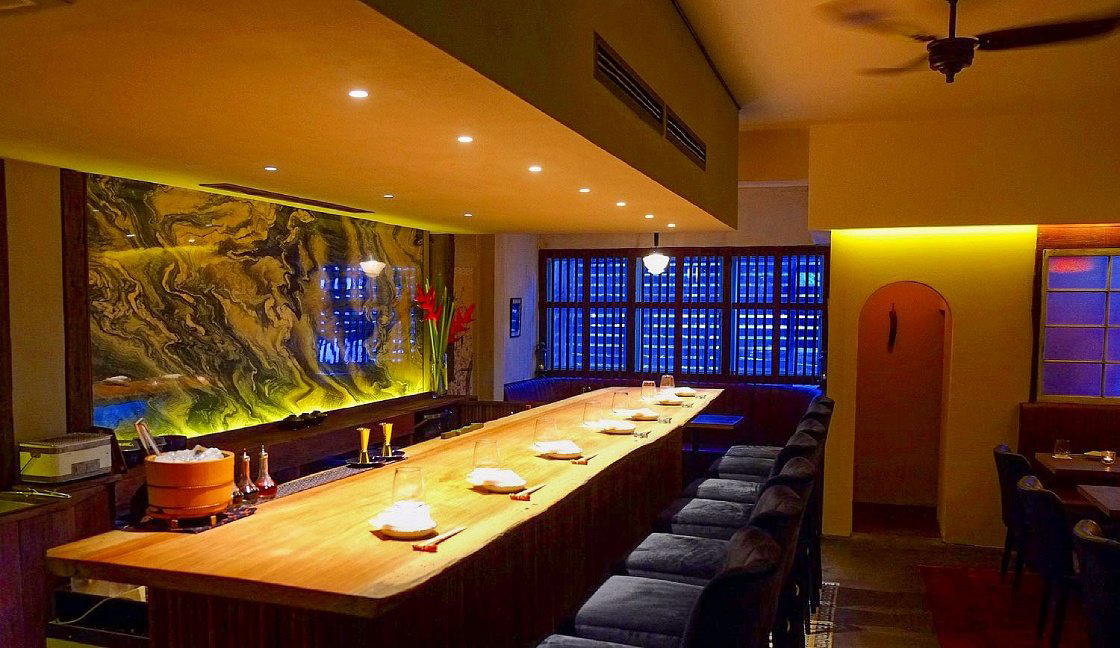
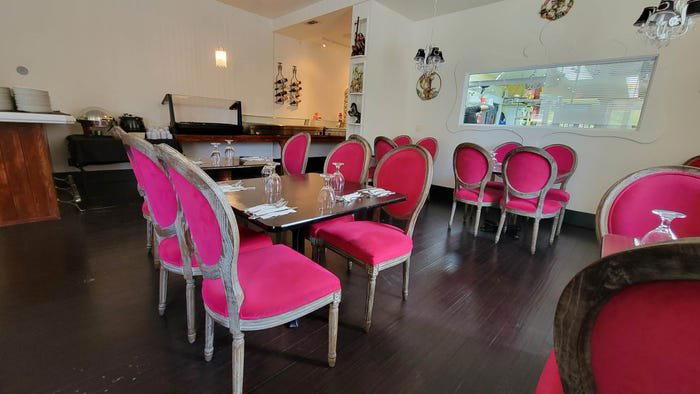
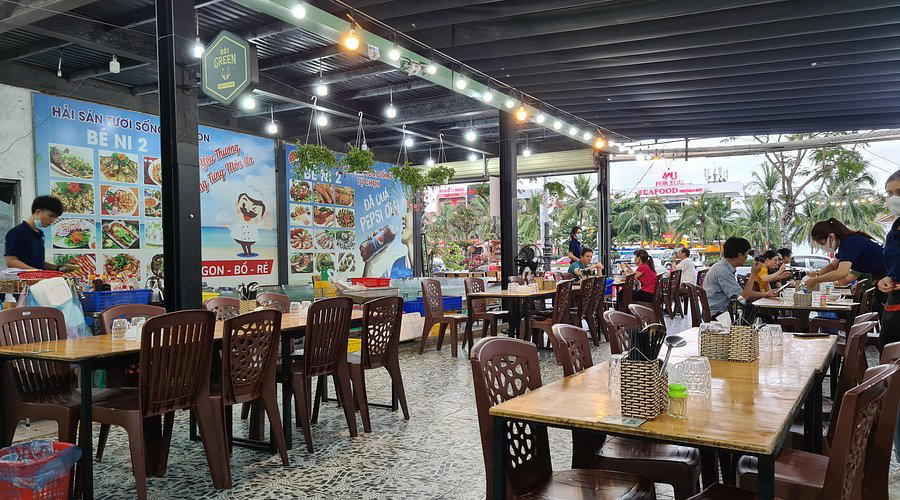
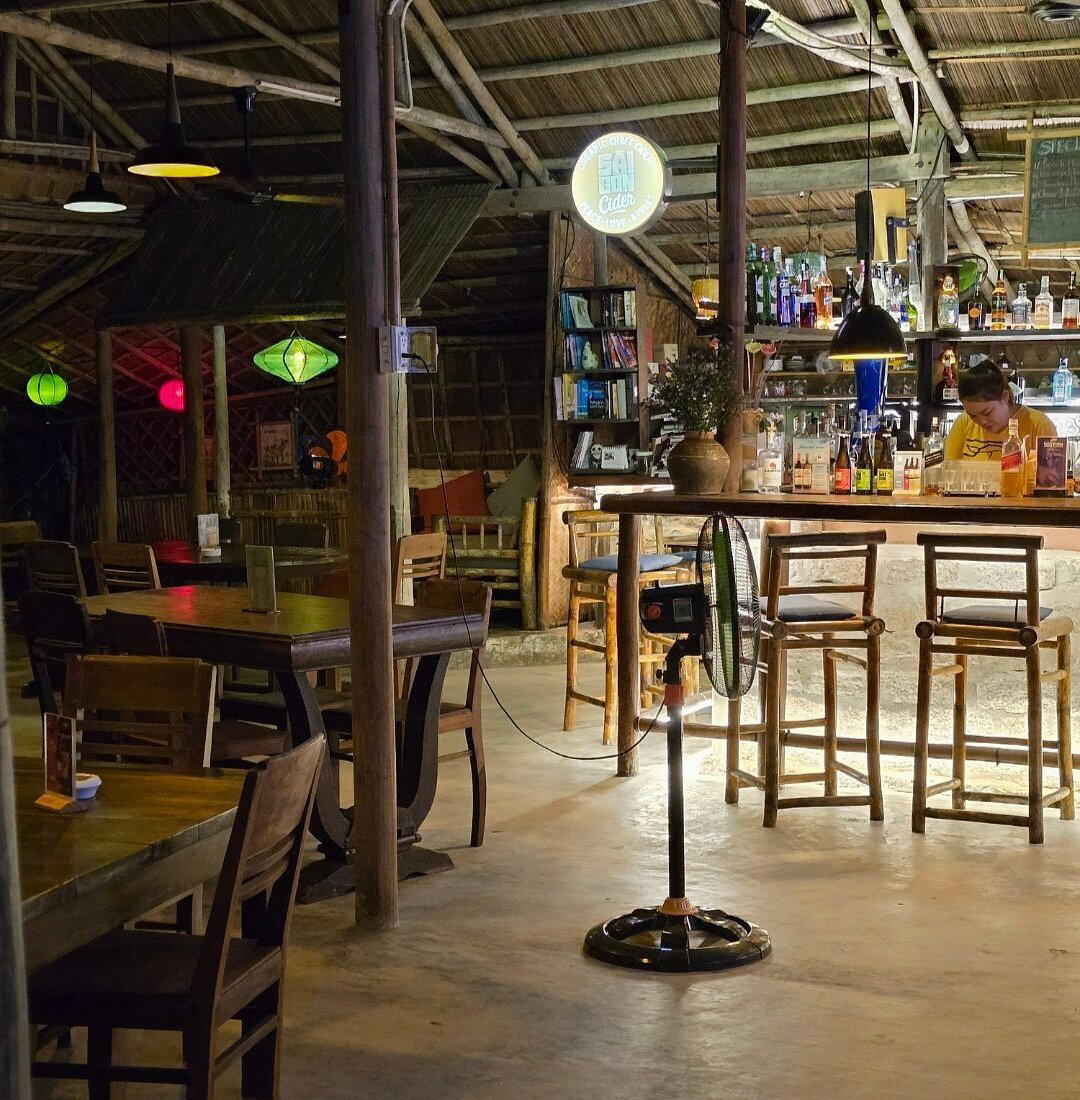
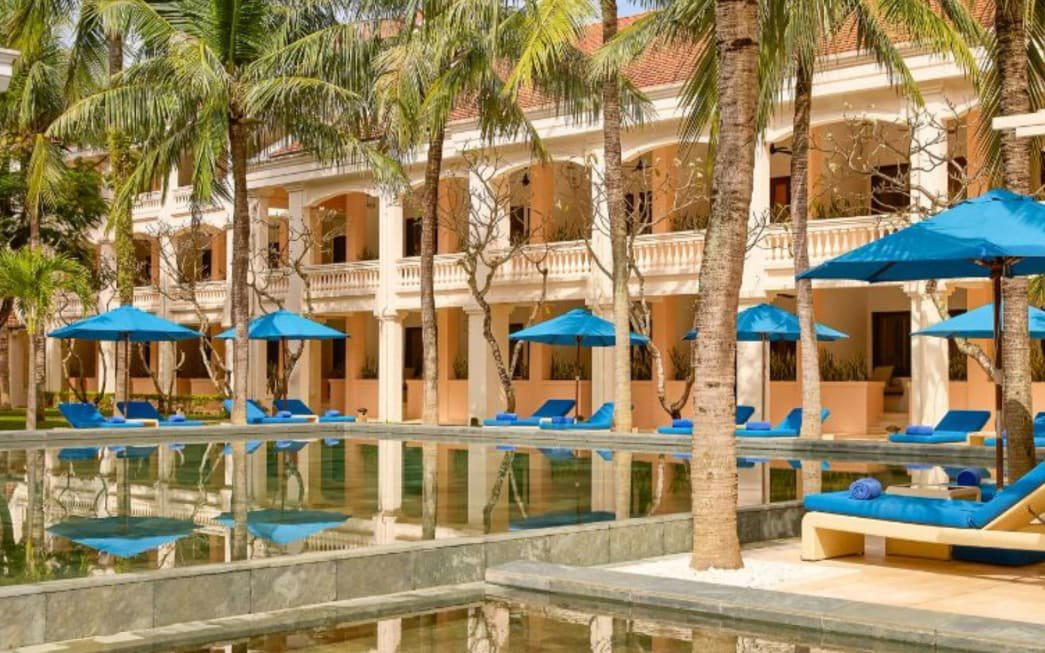
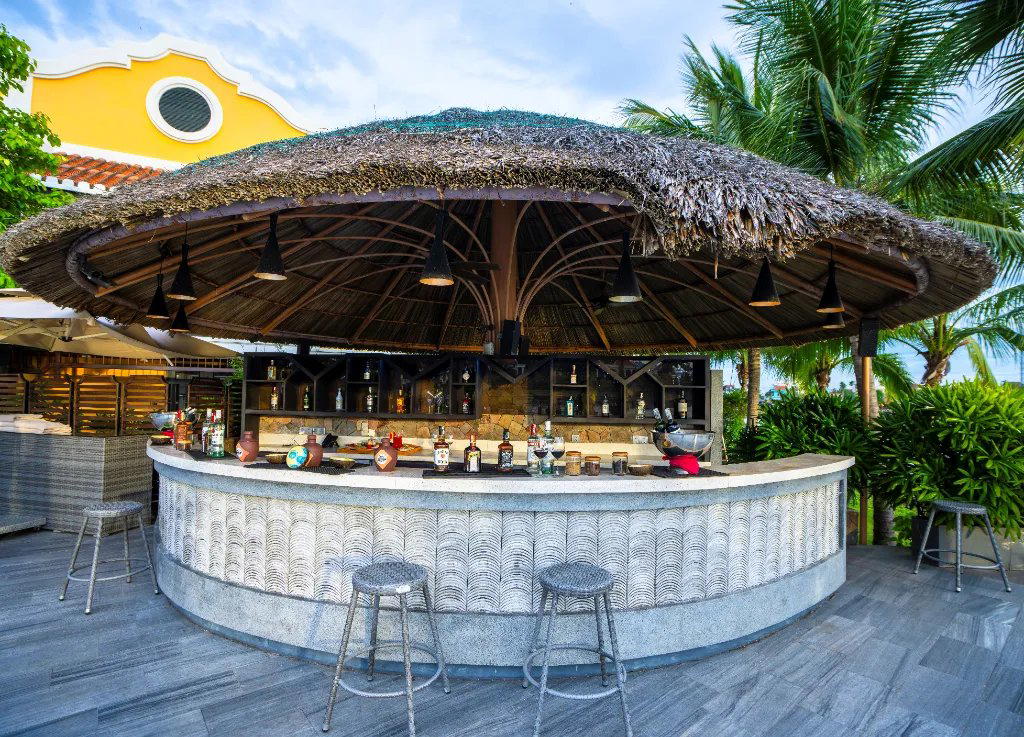
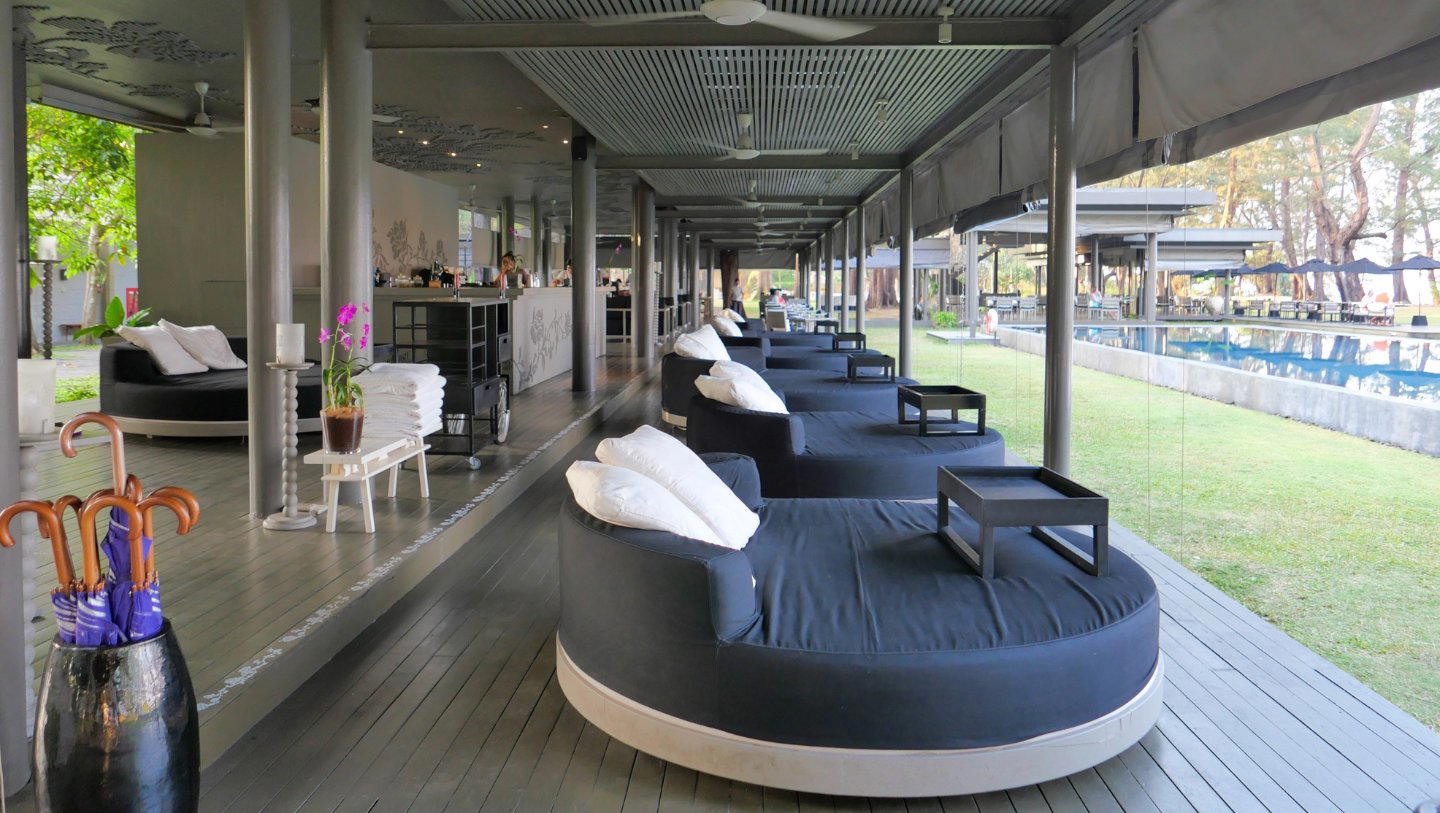
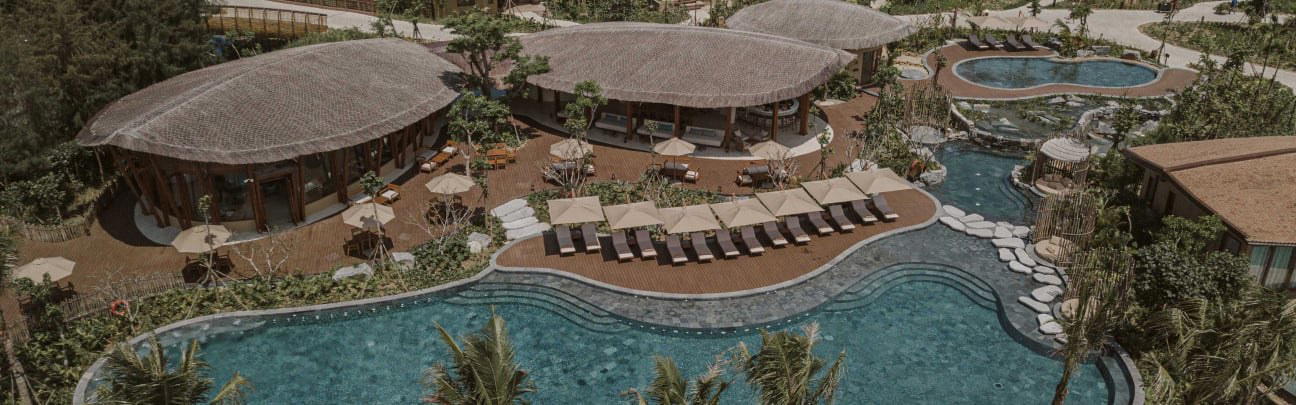
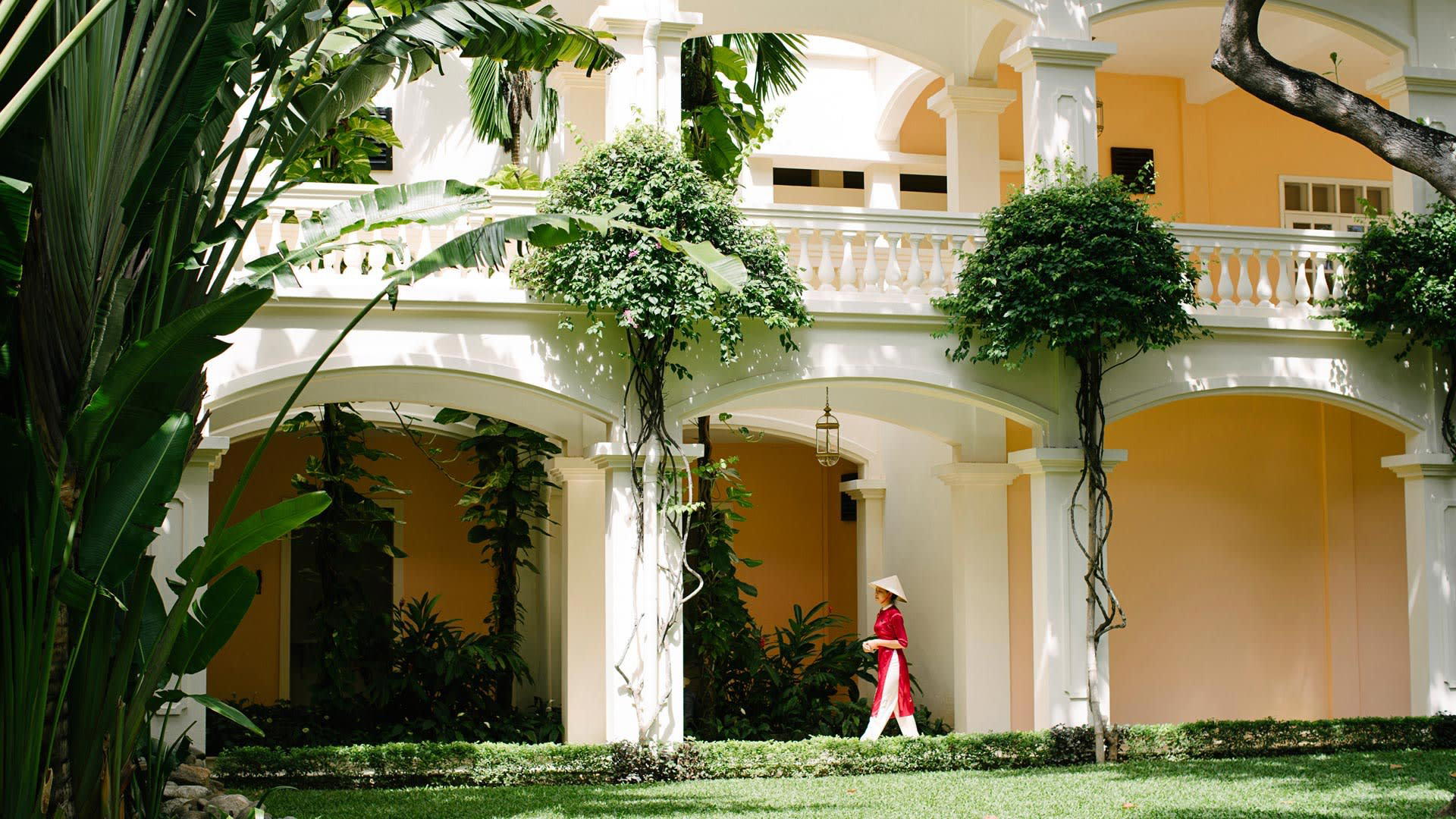
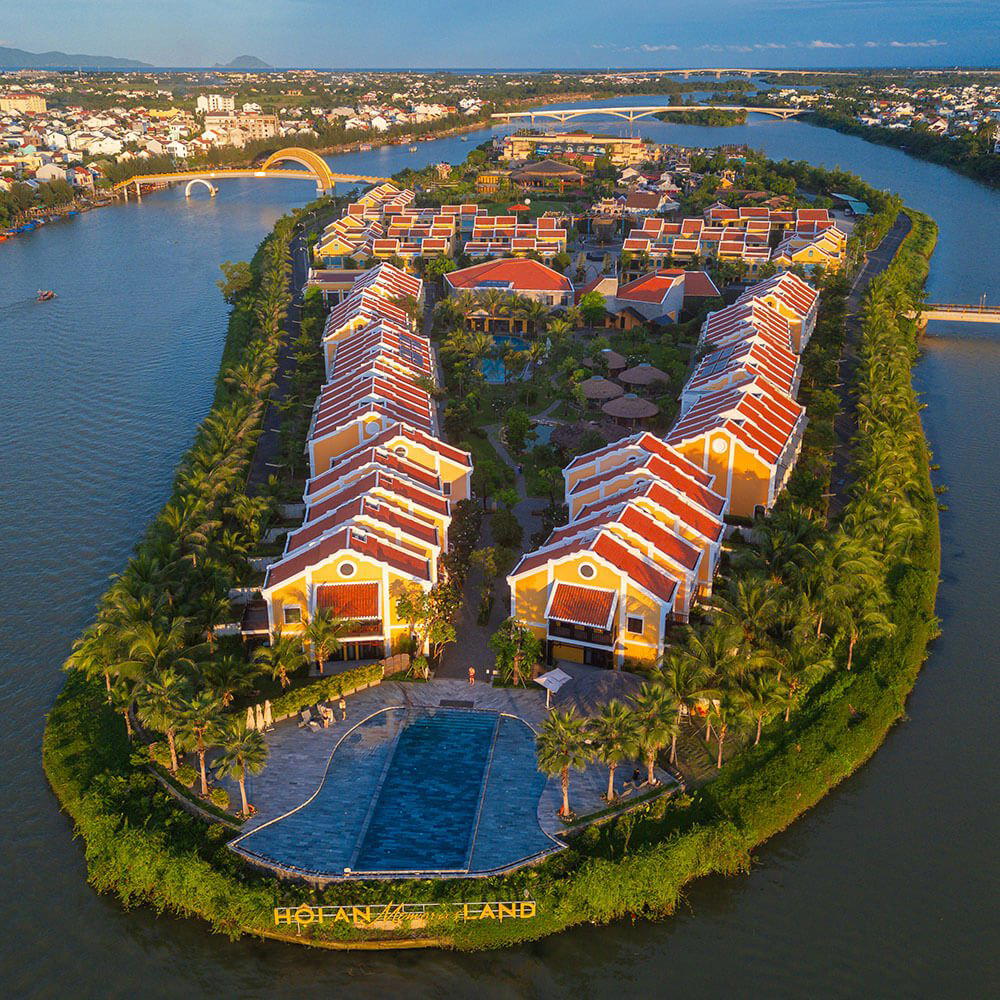
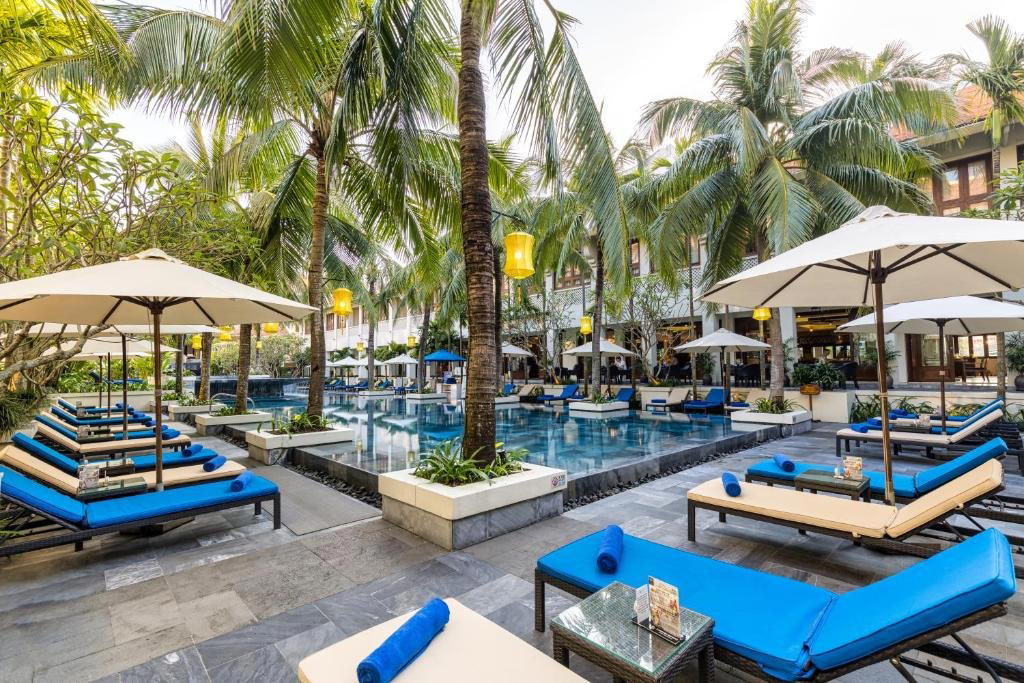
Relaxed, resort-style setting with comfortable indoor and outdoor seating by the river, soft lighting, and a calm, upscale-but-casual atmosphere suited to both couples and families.