Our verdict
Art Space belongs to Hoi An’s looser, design-led dining tier, where the appeal is less about formal awards culture and more about how a restaurant fits the city’s daily rhythm. Its long daily service window makes it a flexible stop for travellers comparing riverside dining, old-town cafés, and casual Vietnamese restaurant formats across the city.

Pearl is the En Primeur Club membership app — saves, bookings, and concierge access live there. Same editors, same standards.
- Address
- 1 Pham Hong Thai Street
- Phone
- +84 911 404 454
- Hours
- Daily 10:30 AM–11 PM
- Website
- artspacehoian.com
- Directions
- Get directions
The menu
What to order
- Banh Mi pizza
- Locally caught seafood dishes
- 3D‑printed desserts
- Vietnamese Pho cocktail
- Wood‑fired pizzas
Approaching Hoi An, the dining scene shifts between lantern-lit heritage streets, riverside terraces, hotel restaurants, coffee-led day rooms, and casual kitchens built around central Vietnam’s produce. Art Space sits inside that pattern: not ceremonial temple or street-food counter, but part of the city’s growing group of all-day restaurants where the room matters almost as much as the plate. In a town where meals are shaped by walking routes, heat, rain, and the evening crowd, that format has practical weight.
Hoi An’s food identity is geographic. The river system, nearby herb gardens, central-coast seafood, rice noodles, and market cooking give the city a tighter culinary vocabulary than many first-time visitors expect. The strongest meals rarely depend on luxury signals; they depend on freshness, turnover, and a kitchen’s understanding of local herbs, texture, acidity, and heat. Art Space is useful read through that lens: not as a destination tasting-menu room, but as a composed, accessible version of Hoi An dining that stays connected to the region’s produce culture.
Hoi An dining works well when the ingredients stay close to the city
The city’s restaurant hierarchy is unusually broad for its size. At one end are single-dish specialists and bánh mì counters; at the other, hotel-backed dining rooms, international menus, and polished riverside restaurants for visitors wanting space, service, and longer hours. Art Space belongs closer to the latter, but the better comparison is Hoi An’s middle tier: places where travellers can pause between sightseeing, eat outside strict lunch-and-dinner windows, and still remain within the local food conversation.
That tier matters because Hoi An’s best-known flavours are ingredient-led rather than technique-led. Local noodles, dumplings, central-style herbs, grilled seafood, rice paper textures, and market vegetables rely on short supply chains. Even without a chef manifesto or formal sourcing programme, the city sets expectations. Coherent restaurants respect its market logic: fresh herbs are not garnish, noodles are not an afterthought, and central Vietnam’s sweet-sour-salty structure needs precision, not volume.
For a Hoi An food itinerary, context helps. Banh Mi Phuong (Hoi An) represents the high-turnover, single-category side of the city’s appetite, while 42 Đường Phan Bội Châu points to the small-address, local-restaurant end. Before and Now sits in the older traveller-facing casual tradition, where the room often carries as much memory as the menu. Art Space is better understood against these formats than against international fine dining: its role is a slower, more composed stop without requiring a formal dining plan.
The useful category is all-day, design-aware, and traveller-facing
Hoi An rewards pacing. Midday heat pushes serious eating into shaded rooms, cafés, and hotel restaurants; evening brings the city’s densest foot traffic; rain can turn a casual plan into a tactical search for somewhere comfortable and open. Art Space’s day-to-night format makes it part of the city’s flexible dining infrastructure, useful where plans bend around river walks, tailoring appointments, beach runs, and day trips to nearby ruins or villages.
The recognition frame is also practical. Hoi An is not a city where every worthwhile table is sorted by starred rankings or international lists. Some restaurants trade on speed, heritage dishes, river views, hotel service, or being easy to fold into a day without ceremony. The decision is practical, not status-driven. If the brief is a trophy meal, this is not the frame. If it is an orderly, design-conscious pause in a food city fragmented by time of day and mood, the category makes sense.
Choice of stop matters. Visitors often over-concentrate meals in the busiest parts of Hoi An, then judge the whole city by its most crowded streets. Better: split the itinerary between one specialist stop, one market-adjacent meal, one polished room, and one unhurried drink or snack break. Other Hoi An dining rooms, casual local restaurants, and 42 Đường Phan Bội Châu help map that spread. For broader planning, Our full Hoi An restaurants guide is the starting point, then layer in Our full Hoi An hotels guide, Our full Hoi An bars guide, Our full Hoi An wineries guide, and Our full Hoi An experiences guide if the trip extends beyond meals.
How to place it within a Vietnam itinerary
Vietnam’s dining map changes sharply by city. Larger cities are built around different rhythms of broths, rice dishes, dense street grids, and contemporary formats, while Hoi An moves at a smaller scale. Fast-moving urban dining and coastal or resort destinations each sit in markets shaped by different traveller flows, so direct one-to-one comparisons can blur what makes Hoi An distinctive.
That comparison clarifies Hoi An’s strength. The city need not mimic metropolitan dining. Its advantage is scale: meals connect by walking, cycling, river crossings, and short rides, and the food often feels closest to the place when ingredients stay legible. Art Space fits a traveller wanting a calmer, more structured pause within that circuit rather than another queue-driven hit or long formal dinner.
International comparisons help only up to a point. Specialist formats elsewhere often depend on category clarity: the concept tells the diner what to expect before ordering. Hoi An’s flexible restaurants work differently. Their value lies in day-long usefulness, room comfort, and whether the kitchen stays connected to central Vietnam’s produce logic. Read Art Space that way and it becomes less about chasing a headline than choosing the right stop for the city.
Frequently asked questions
Can I bring kids to Art Space?
Art Space’s all-day, day-to-night format makes it a practical stop for families in Hoi An, especially for lunch or an early dinner. It reads as part of the city’s flexible dining circuit rather than a formal late-night room.
What's the overall feel of Art Space?
Art Space reads as a long-service, traveller-facing address in Hoi An, with an all-day format that stretches from daytime into the evening. That suggests a relaxed, flexible room rather than a fixed-service dining format.
What days is Art Space closed?
No specific closed day is listed for Art Space. Treat it as an all-day dining option in Hoi An and confirm current opening details before going.
Where exactly is Art Space?
Hoi An.
What's the defining dish or idea at Art Space?
No specific dish is listed for Art Space, so the clearest idea is its all-day format in Hoi An. The day-to-night positioning points to a place built for flexible dining rather than a single-signature menu.
Comparison Snapshot
Comparable venues by cuisine and price in the same metro.
| Venue | Cuisine | Price |
|---|---|---|
| Art SpaceThis venue — the venue you are viewing | Modern East–West fusion with wood‑fired pizza and 3D‑printed desserts | $20–30 |
| Hoi An Riverside | Vietnamese | Not listed |
| 42 Đường Phan Bội Châu | Authentic Hoi An Vietnamese | $10–20 |
| Bánh Mì Phượng | Iconic Hoi An Bánh Mì | $1–10 |
| Before and Now | Modern Vietnamese Fusion Urban Bistro | Not listed |
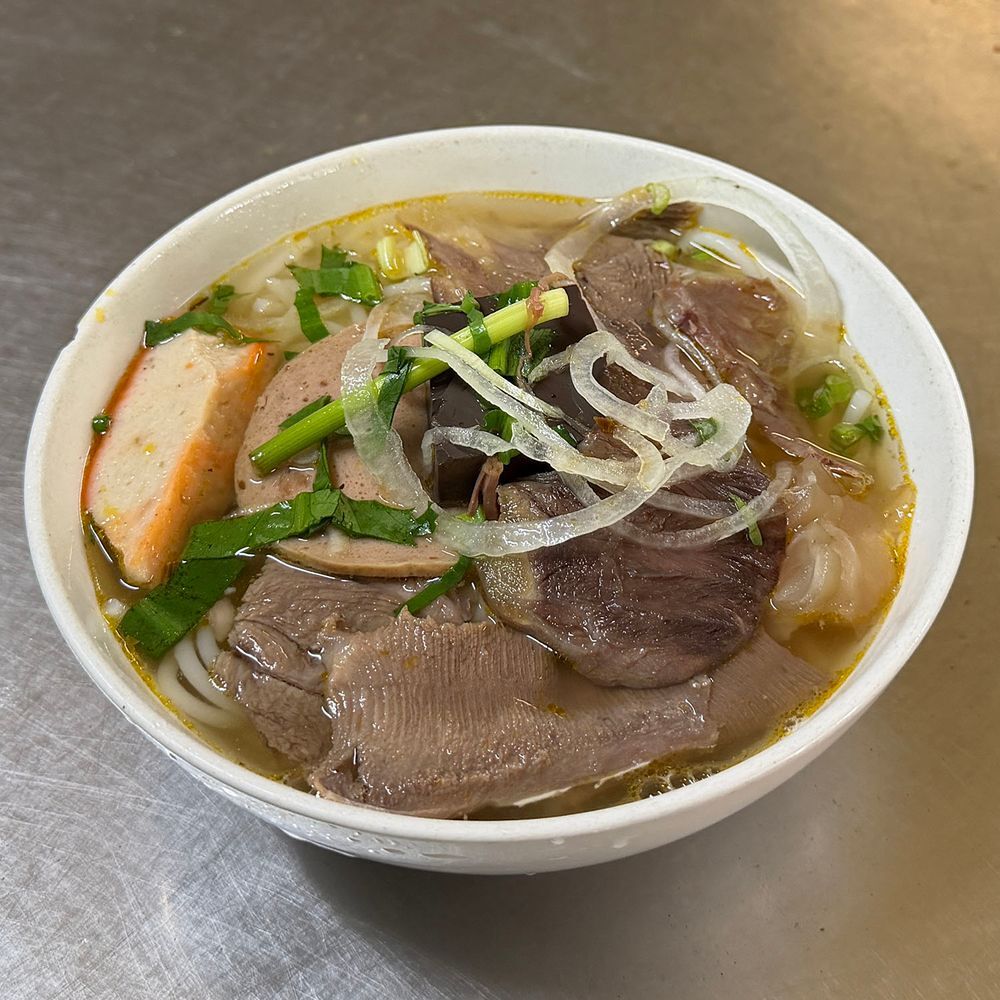
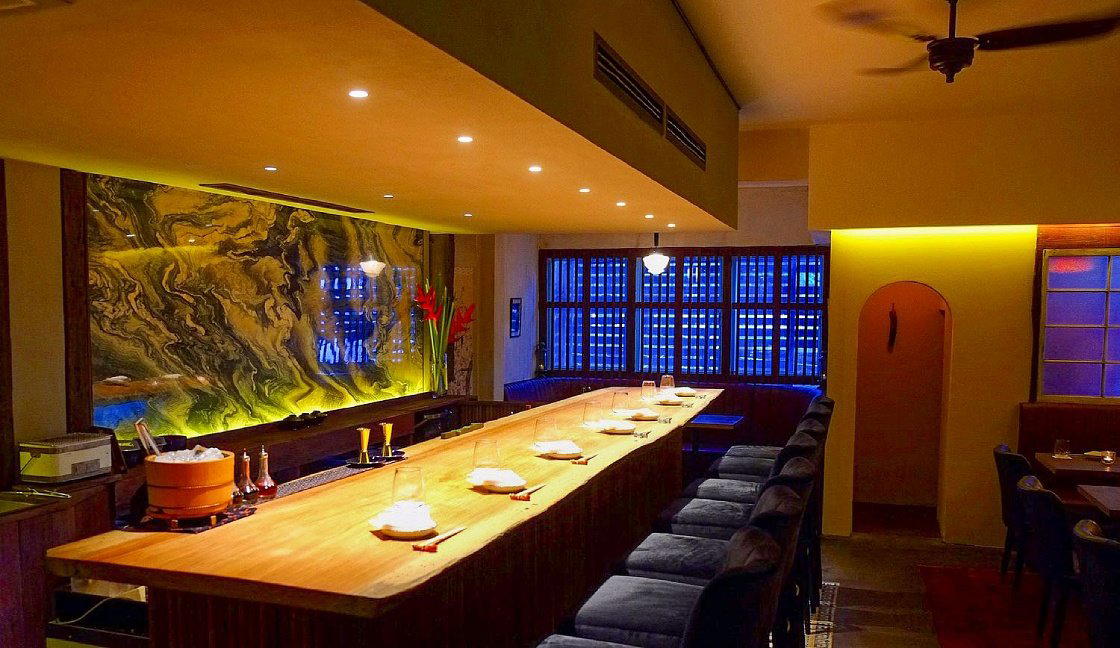
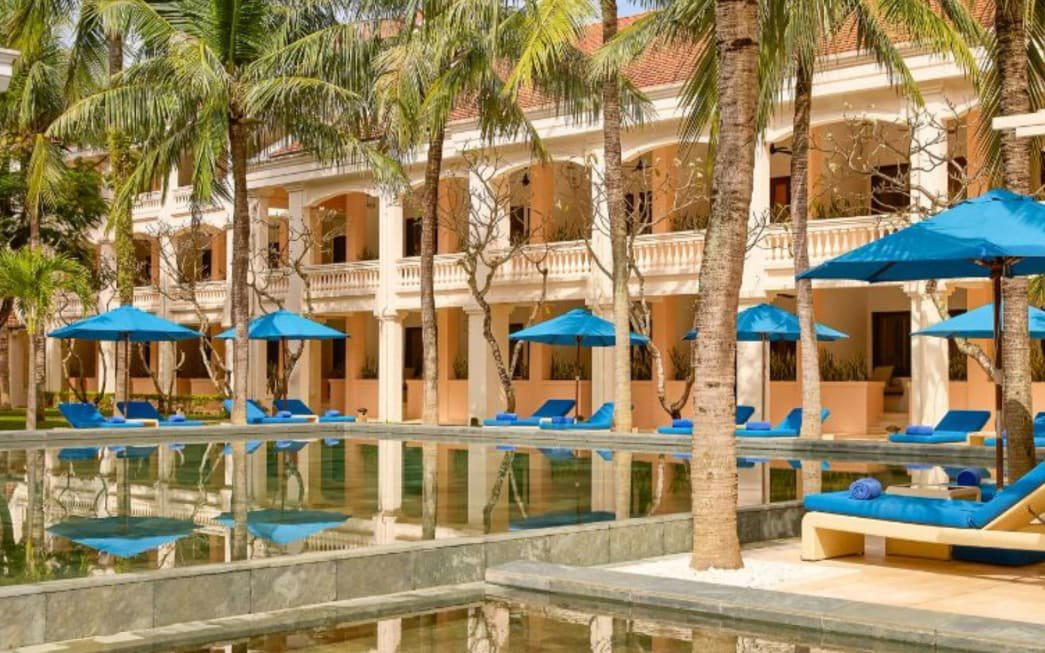
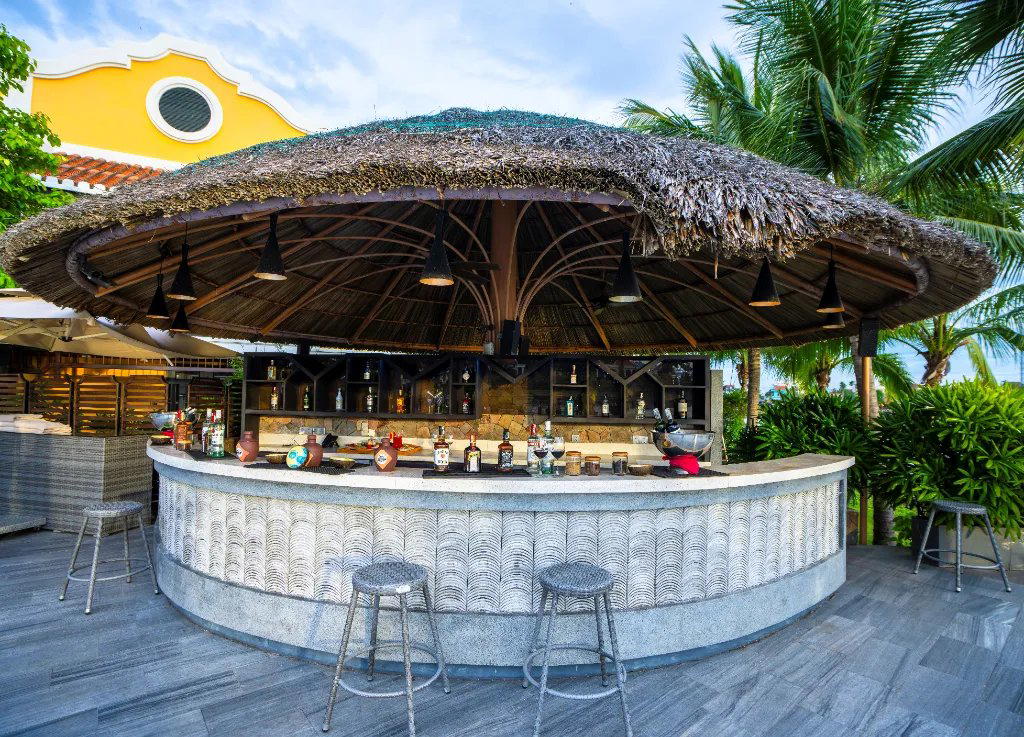
Art Space
The wine
- Wine program
- Curated wine list
- Extensive wine list
- Craft cocktails
- Zero-proof drinks
- Beer program
Details
- Modern
- Trendy
- Sophisticated
- Lively
- Whimsical
- Date Night
- Group Dining
- Casual Hangout
- After Work
- Late Night
- Design Destination
- Hotel Restaurant
- Terrace
- Extensive Wine List
- Craft Cocktails
- Beer Program
- Zero Proof
- Local Sourcing
- A La Carte
- Small Plates
- Cocktails
- Wine
- Beer
- Coffee
- Vegetarian Friendly
Current opening hours
- Monday
- 10:30 AM–11 PM
- Tuesday
- 10:30 AM–11 PM
- Wednesday
- 10:30 AM–11 PM
- Thursday
- 10:30 AM–11 PM
- Friday
- 10:30 AM–11 PM
- Saturday
- 10:30 AM–11 PM
- Sunday
- 10:30 AM–11 PM
Hours can change for holidays and private events. Last verified .
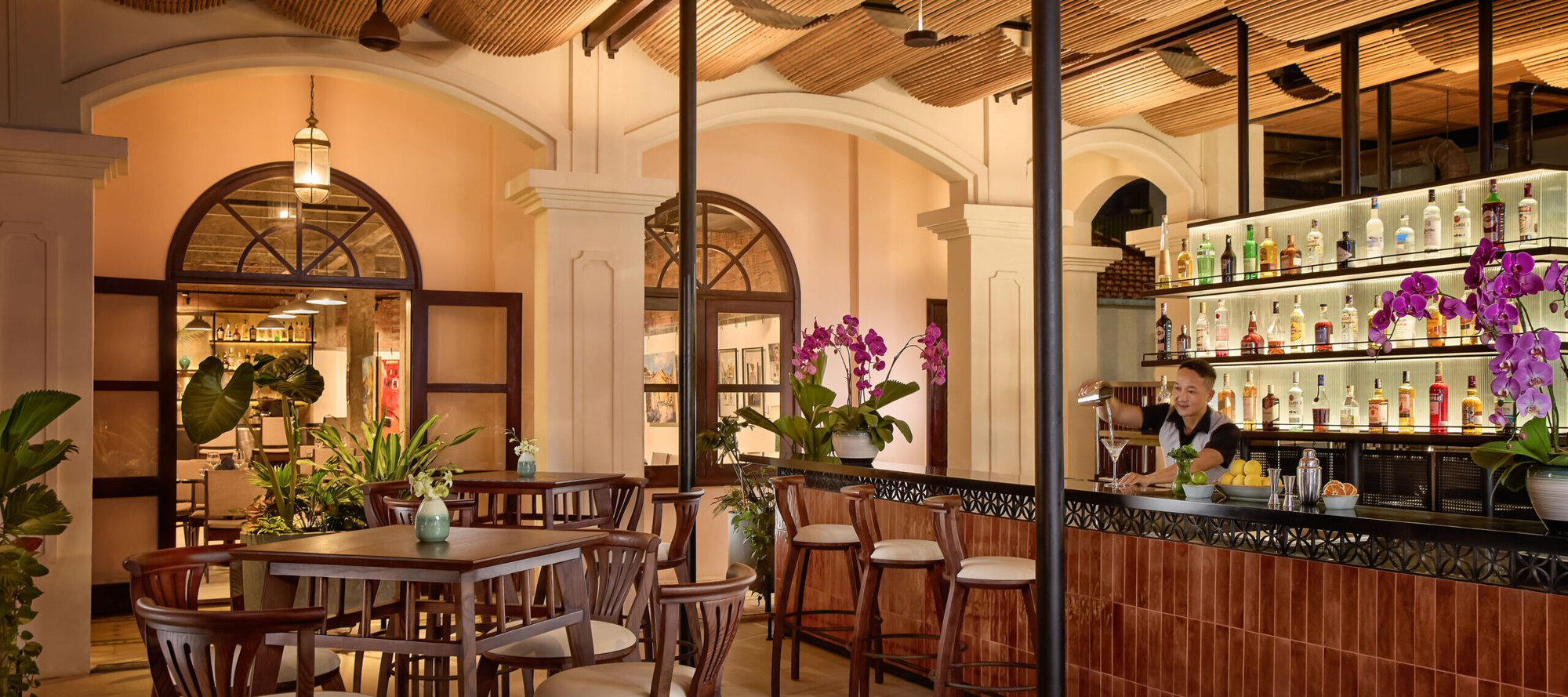
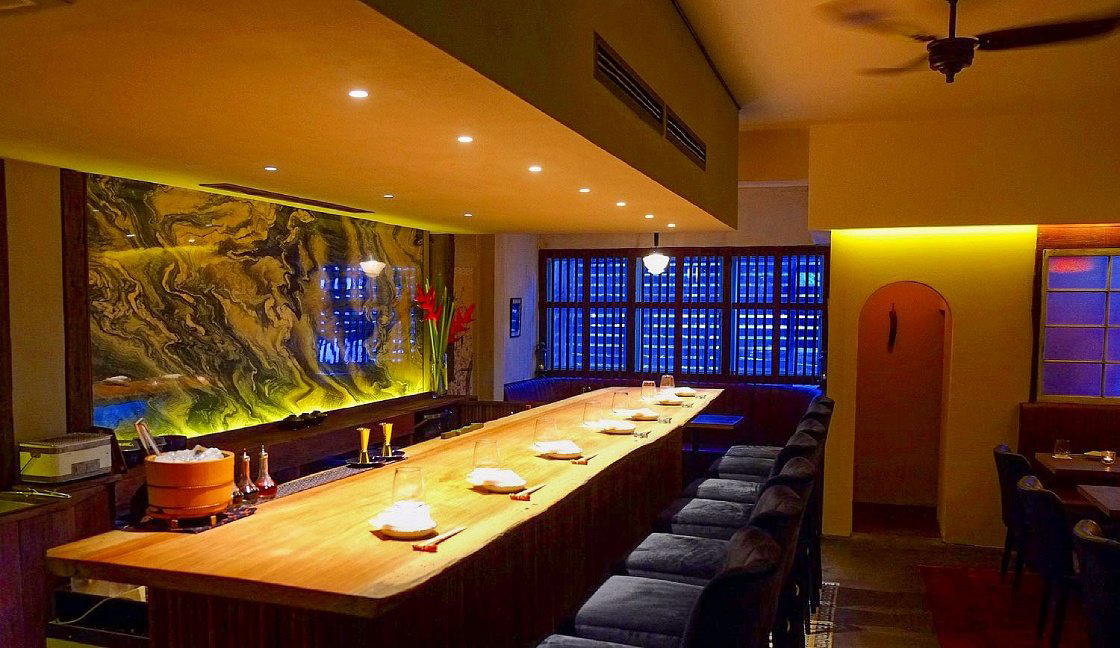
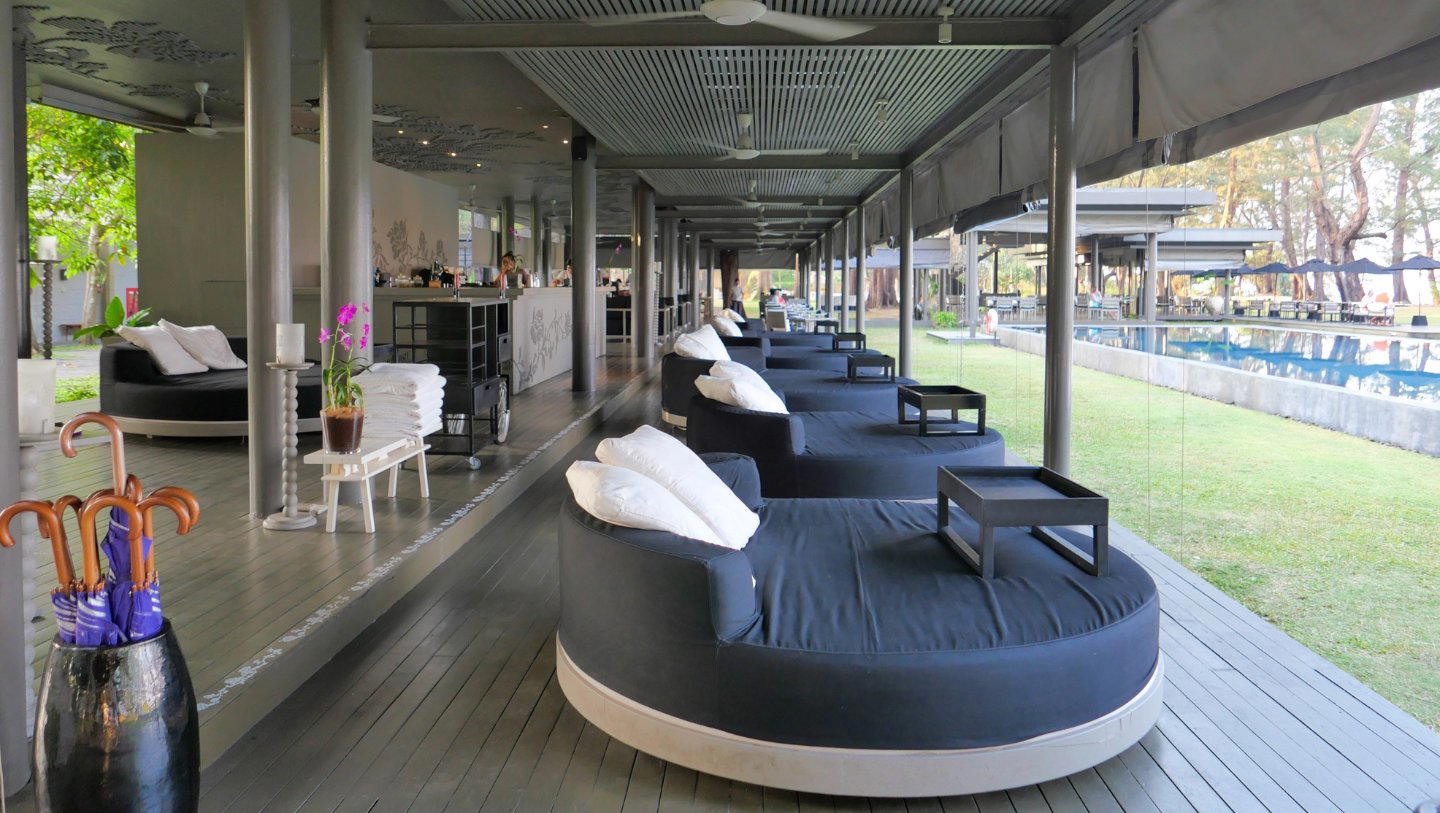
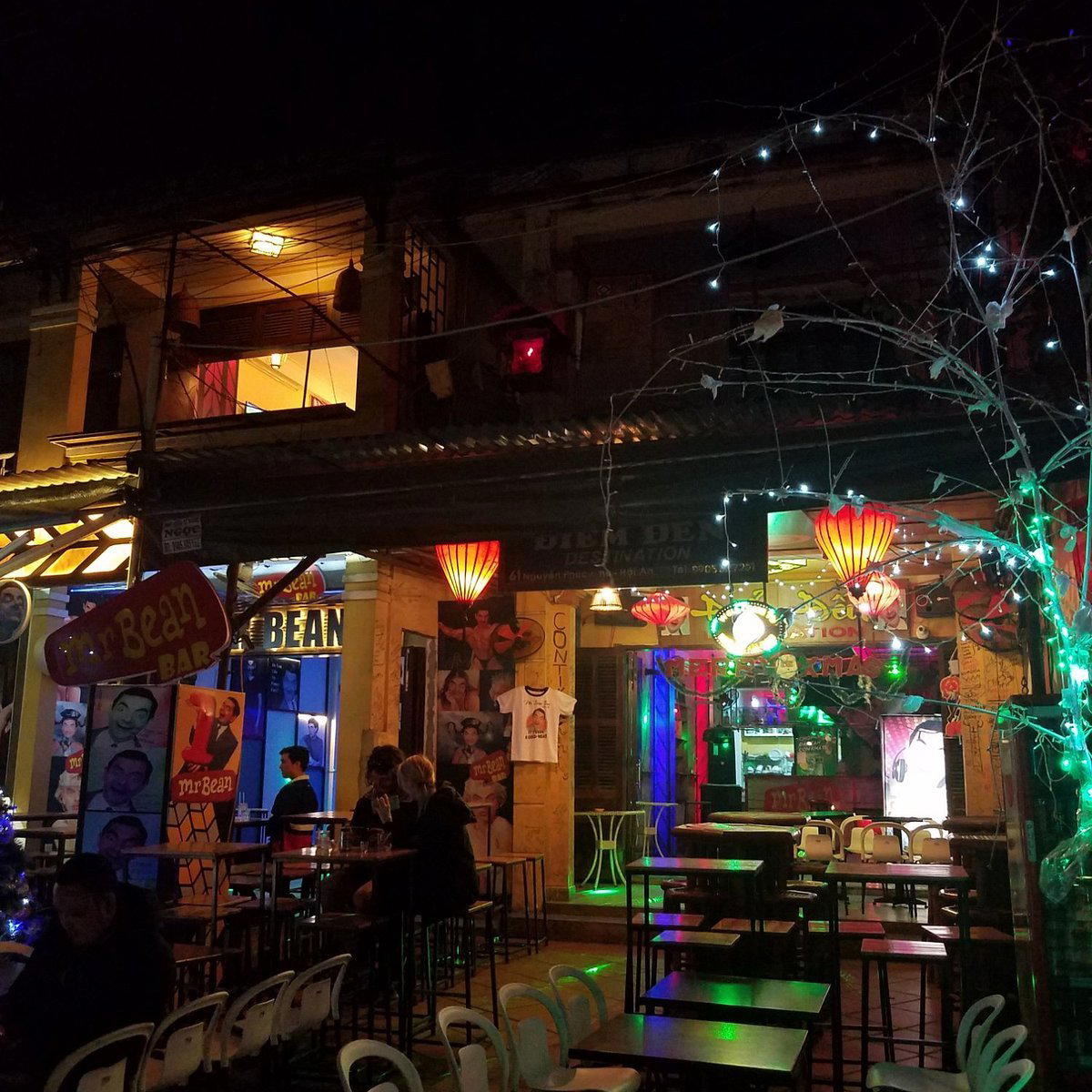
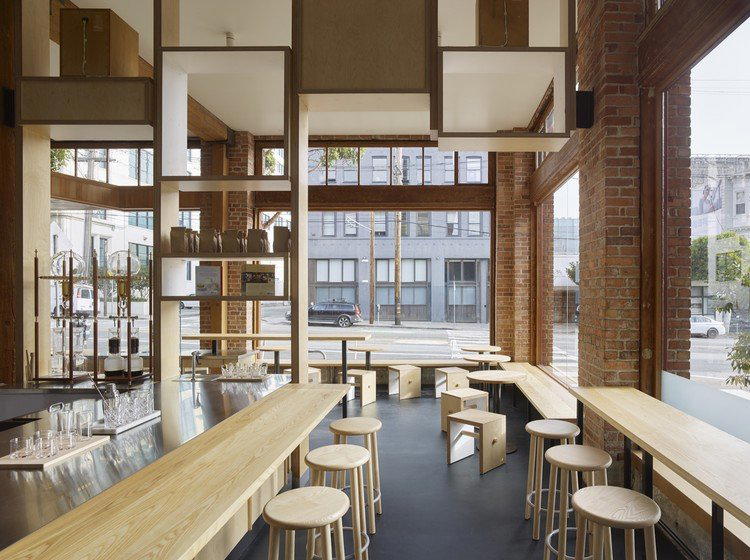
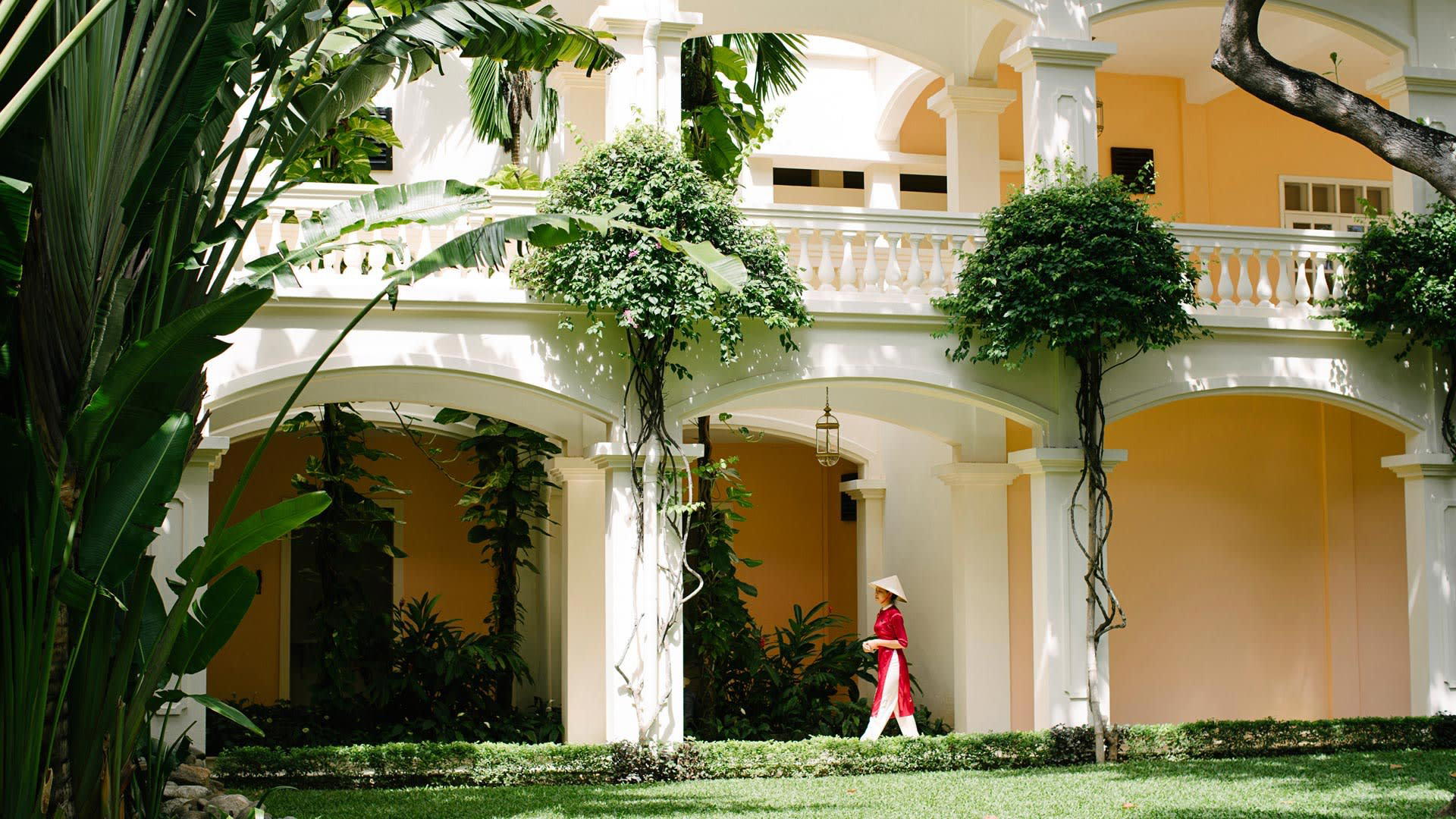
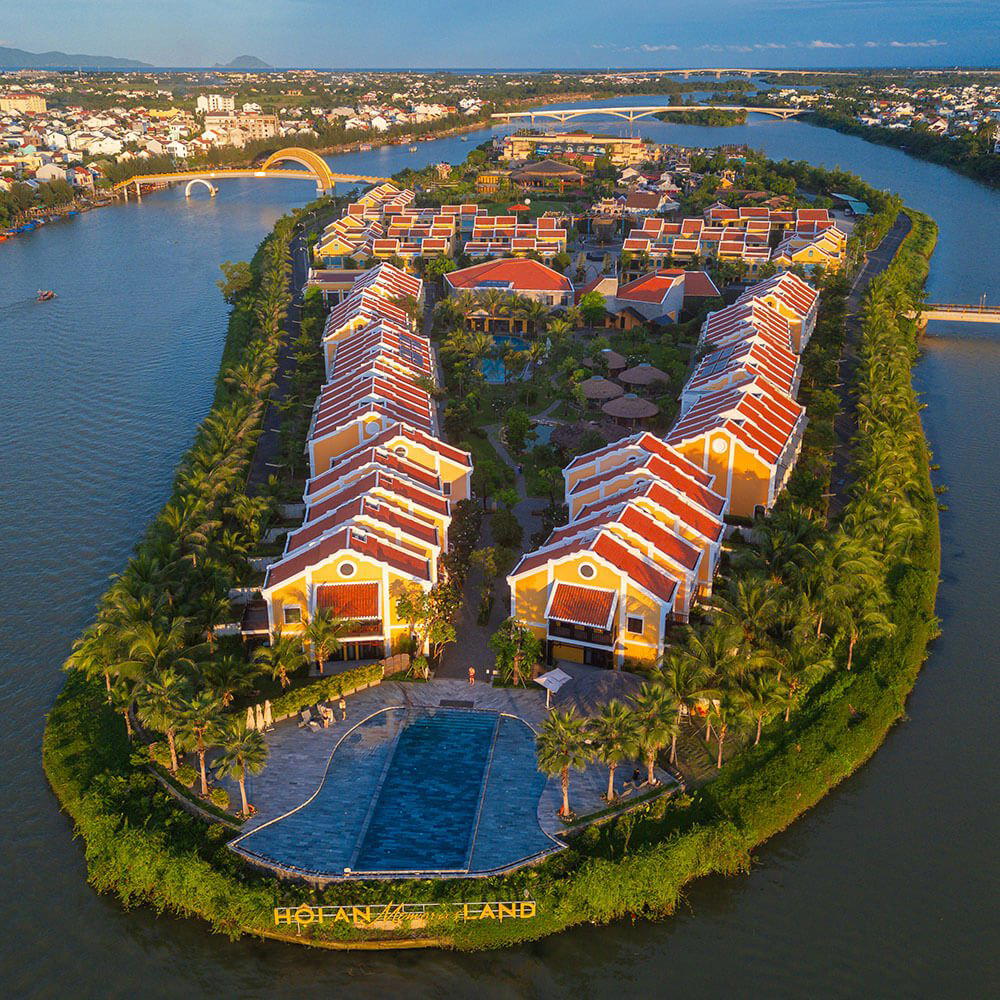
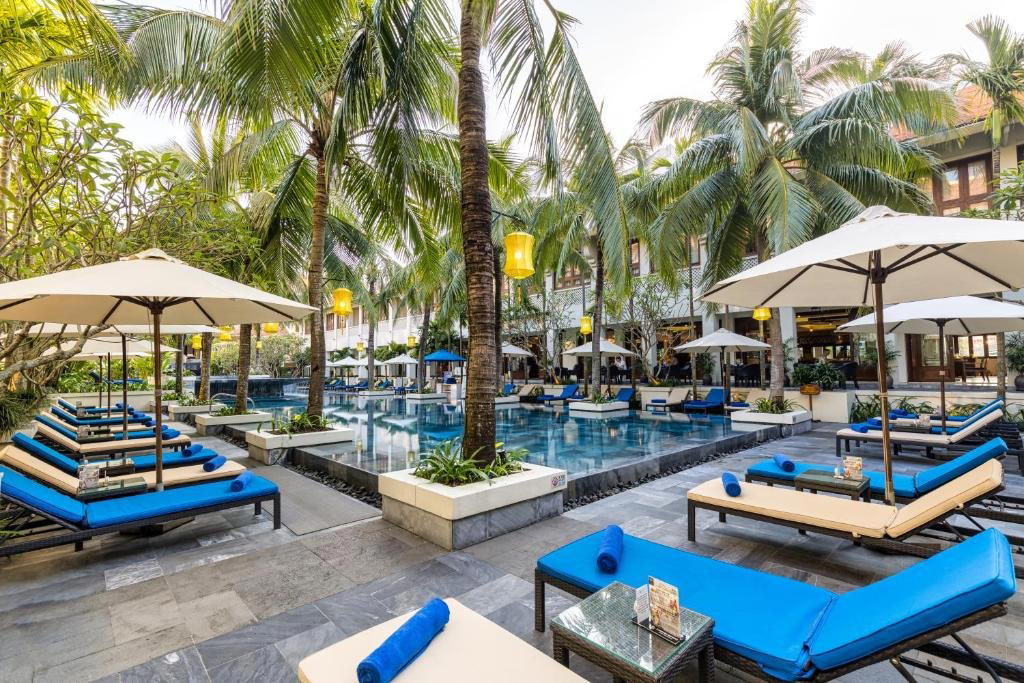
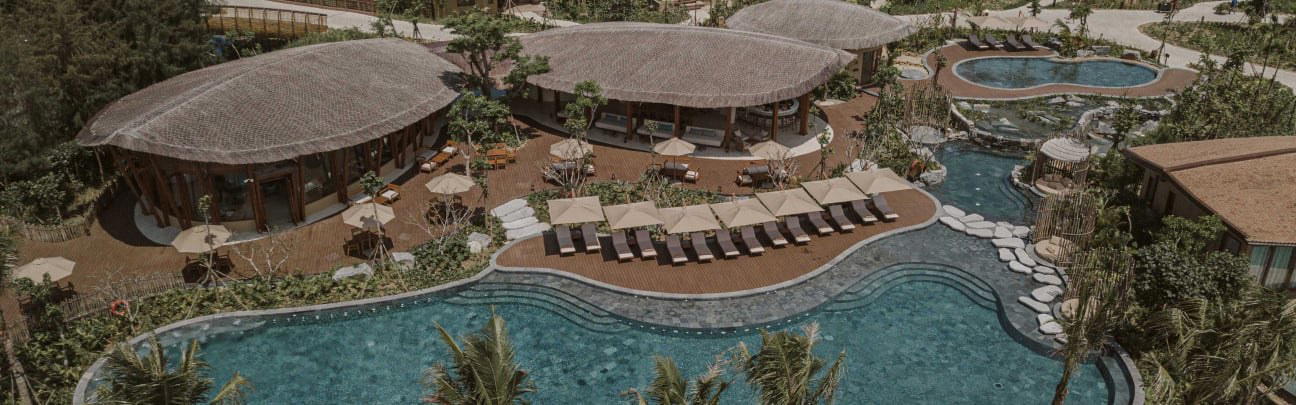
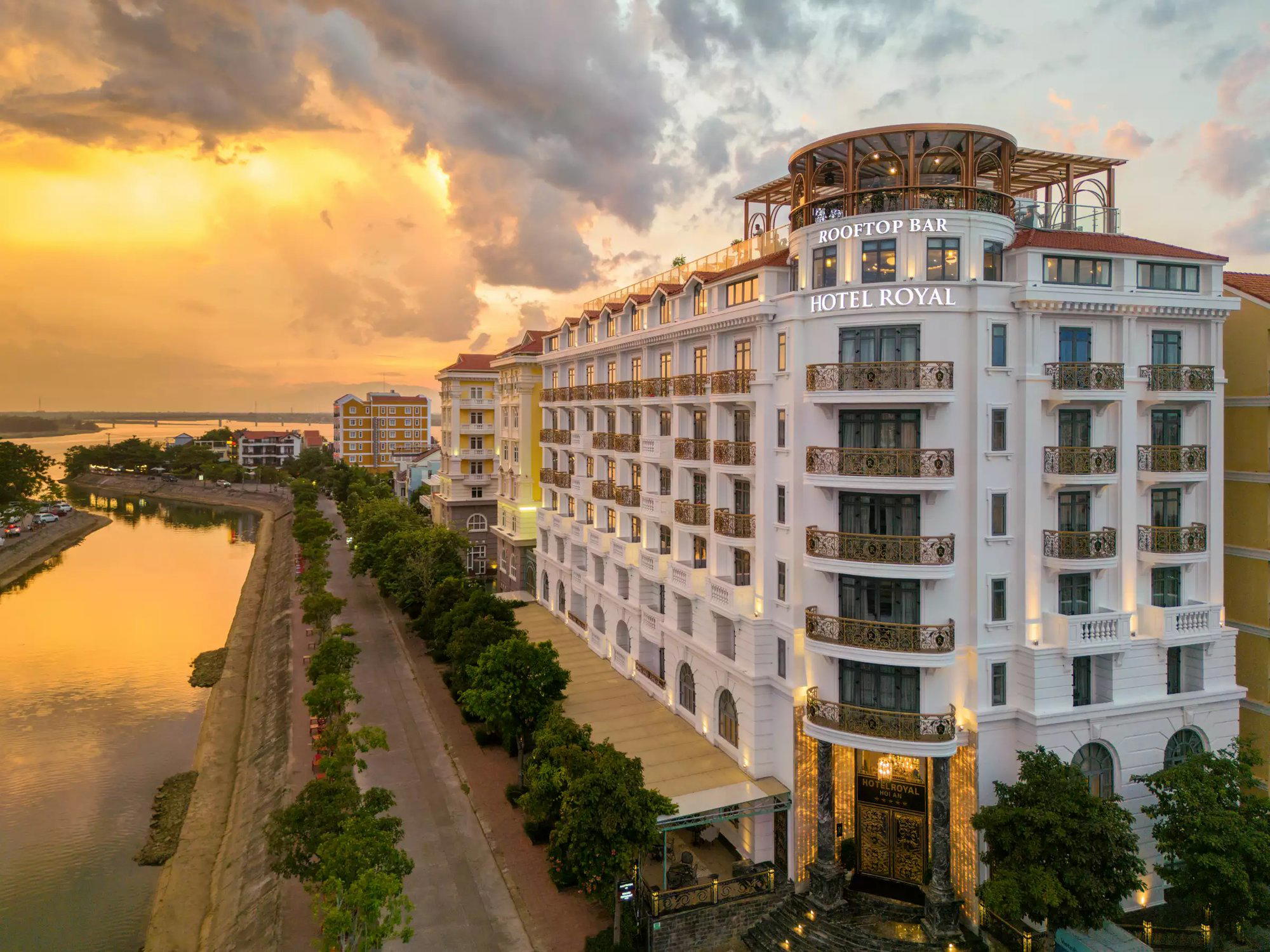
A large, airy, gallery-like space filled with original paintings, photography, sculpture and tribal art, combining air-conditioned comfort with a breezy outdoor terrace for a creative yet relaxed dining atmosphere.