Arden Waikiki
Our verdict
Arden Waikiki fits a newer Honolulu dining conversation: contemporary cooking shaped by island supply chains rather than resort formula. Its position on Kalākaua Avenue places it inside Waikiki’s visitor corridor, but the stronger editorial read is ingredient-led dining in a city where local farms, Pacific seafood, and hotel economics all shape the plate.

Pearl is the En Primeur Club membership app — saves, bookings, and concierge access live there. Same editors, same standards.
- Address
- 2885 Kalākaua Ave, Honolulu, HI 96815
- Phone
- (808) 791-5151
- Hours
- Mon–Tue ClosedWed 5–9 PMThu 5 PM–12 AMFri–Sun 5–9 PM
- Website
- ardenwaikiki.com
- Directions
- Get directions
- Booking
- Book on OpenTable
The menu
What to order
- Hamachi with lilikoi ponzu and jalapeño salsa
- Spicy 'ahi tuna dip
- Garlic shrimp with sourdough
- Maple salmon on rice
In Honolulu, the mood around Arden Waikiki is best understood through the city rather than a precise block-by-block address. The setting matters because contemporary cooking in Hawaii is never just technique. The stronger restaurants in this category are judged by how seriously they treat local supply: island produce with short seasons, Pacific seafood with real procurement constraints, and a dining audience split between residents and visitors with different expectations.
Honolulu has long had two parallel restaurant economies. One is visitor-facing, built around familiarity, volume, and ease. The other is more ingredient-literate, shaped by farmers’ markets, Japanese technique, Native Hawaiian foodways, plantation-era migration, and chefs working within the limits of an island state. Arden Waikiki belongs to the latter conversation by category rather than spectacle: contemporary cuisine, here, is most convincing when it treats sourcing as structure, not decoration.
Contemporary Honolulu cooking works when the supply chain leads
The point of an ingredient-led Honolulu table is not just to name local farms or put tropical produce on the menu. Hawaii’s food identity is built from distance and proximity at once. Some ingredients grow close to the dining room, while other staples carry the cost and fragility of ocean freight. That tension is part of the city’s dining grammar. A contemporary restaurant in Honolulu must decide whether to flatten the islands into visitor shorthand or work with the more complicated reality of what is seasonal, available, and worth paying for.
Arden Waikiki’s Contemporary classification places it in a flexible lane, useful and unforgiving. In Honolulu, that label can cover polished dining rooms, chef-led neighborhood restaurants, seafood-driven menus, and restaurants borrowing from Japanese, Korean, Filipino, Chinese, Portuguese, and mainland American references. The category has weight only when the kitchen shows discipline. The question is less “what cuisine is it?” and more “does the menu make sense in Hawaii?”
That question is sharp in Honolulu, where diners may be eating in the city for one night only, while local regulars have little patience for generic luxury cues. Ingredient sourcing is the dividing line. Local vegetables, island-raised meat, and Pacific catch can carry a meal when handled with restraint; they become empty signals when buried under decorative plating. The better reading of Arden Waikiki is as part of Honolulu’s attempt to make contemporary dining feel tied to place without turning every plate into a postcard.
Honolulu changes the read of the room
Location does editorial work here, but the useful shorthand is simply Honolulu. A dinner at Arden Waikiki can sit between visitor polish and city dining rather than collapsing into either camp, especially when the cooking is judged by how clearly it responds to Hawaii’s ingredients and diners.
The restaurant’s own public-facing press presence gives it a recognition trail, so the trust signal is not built on empty trophy language alone. In practice, assess it against Honolulu’s contemporary dining standards: ingredient choice, pacing, service confidence, and whether the kitchen gives Hawaii’s produce and seafood enough space. Recognition can clarify hierarchy, but in Honolulu it does not explain the whole scene. Many of the city’s more interesting meals happen in rooms where local sourcing and neighborhood credibility carry more weight than national lists.
The named culinary team, Chefs Makoto Ono and Amanda Cheng, gives the restaurant a clearer authorship than a purely anonymous dining room. Even so, Hawaii dining is often over-explained through individual chef narratives, when the more useful story is systems: who has access to good fish, who can buy consistently from smaller farms, and who knows local diners can tell genuine island cooking from imported resort style. Arden Waikiki is best read through both the chefs’ point of view and those local pressures.
How to place Arden within a Honolulu dining plan
For a Honolulu itinerary, Arden Waikiki works as a contemporary dinner rather than a survey of traditional Hawaiian cooking. Visitors trying to understand the broader city should pair that meal with other formats across the island’s dining map: longtime local restaurants, oceanfront dining rooms, casual counters, hotel restaurants, bars, and cultural experiences. Other Honolulu dining rooms can be useful for different slices of the city’s dining habits, but Arden Waikiki’s role is most clearly contemporary and ingredient-led.
The broader planning layer matters because Honolulu meals are rarely isolated from logistics. Traffic, hotel location, beach timing, and the choice between staying near the visitor core or moving elsewhere in the city all affect how a night feels. For wider context, use our full Honolulu restaurants guide alongside our full Honolulu hotels guide, our full Honolulu bars guide, our full Honolulu wineries guide, and our full Honolulu experiences guide. Treat any single dining area as one part of Honolulu, not as a substitute for the whole city.
For readers tracking contemporary and Pacific-adjacent dining beyond Hawaii, useful reference points sit in broader patterns rather than direct one-to-one comparisons. Contemporary restaurants can differ widely when location and sourcing define the meal, from seafood-led rooms to produce-driven menus to kitchens shaped by migration, island supply chains, and local expectations. That range is why Arden Waikiki should be judged less by a rigid cuisine box and more by how convincingly it makes Honolulu part of the cooking.
The editorial verdict is measured: Arden Waikiki is most interesting for diners who want a Honolulu dinner framed by the city’s ingredient conversation rather than a resort checklist. Go expecting contemporary cooking shaped by place, and judge it by how clearly the menu handles Hawaii’s local supply, not by imported markers of luxury.
Frequently asked questions
Can I bring kids to Arden Waikiki?
Those details are not published. Arden Waikiki reads more like an evening contemporary restaurant than a family-focused daytime room. Check the venue's official channels for the latest details.
What's the vibe at Arden Waikiki?
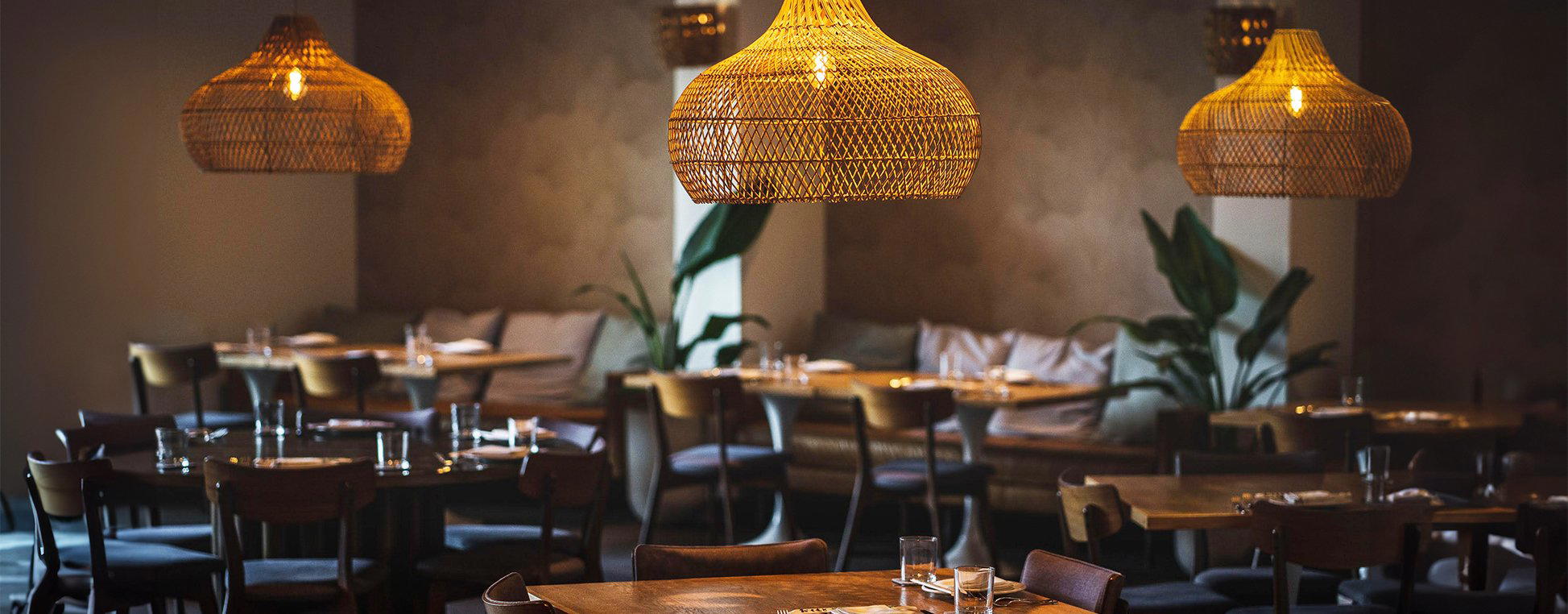
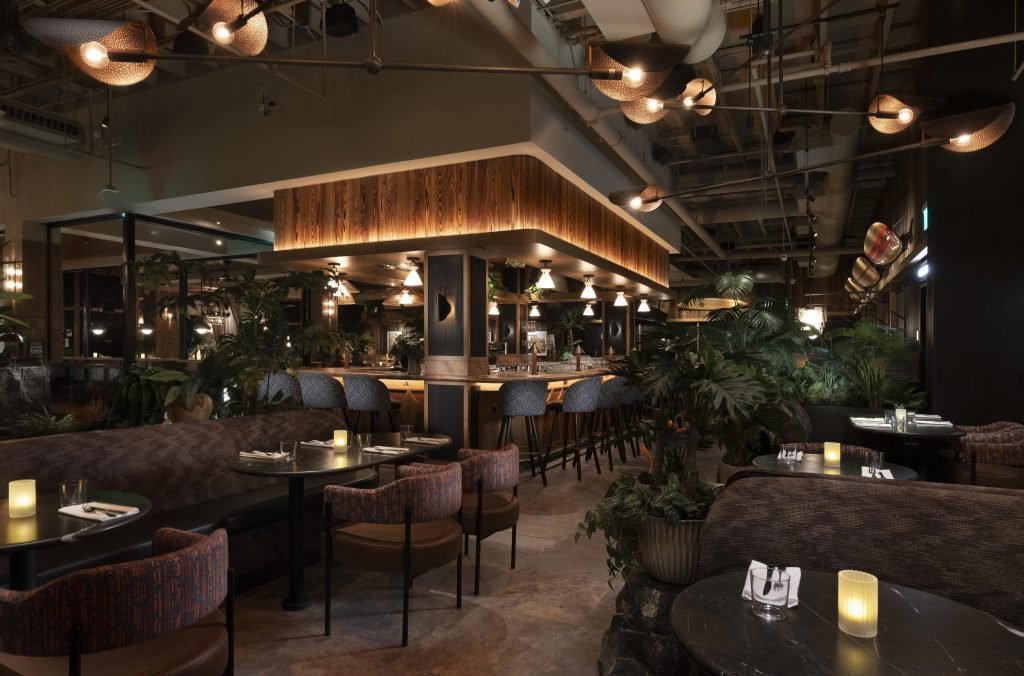
Arden Waikiki is a contemporary Honolulu restaurant. Expect the room to be read through its chef-led point of view, ingredient sourcing, and place within the city’s contemporary dining conversation.
What cuisine category does Arden Waikiki fall under?
Arden Waikiki serves Contemporary cuisine.
Is Arden Waikiki open every day?
Current opening days and hours are not included in the verified venue details here. Check Arden Waikiki's official channels for the latest schedule before planning a visit.
What's the address for Arden Waikiki?
Arden Waikiki is located in Honolulu.
What's the signature at Arden Waikiki?
No named signature dish is listed in the verified venue details here. The clear anchor is the contemporary cuisine and the kitchen associated with Chefs Makoto Ono and Amanda Cheng, so the menu should be read as chef-led rather than item-led. Check the venue's official channels for the latest details.
In Context
Comparable venues nearby, for context on price, style, and recognition.
| Venue | Cuisine | Price | Notes |
|---|---|---|---|
| Arden WaikikiThis venue — the venue you are viewing | Contemporary Hawaiʻi Cuisine | $50–100 | Not listed |
| 3660 On the Rise | Euro-Island Fusion | Not listed | Kaimuki, Euro-Island Fusion |
| Duc's Bistro | Vietnamese-French Fusion Bistro | $50–100 | Chinatown, Vietnamese-French Fusion Bistro |
| Tangö Contemporary Cafe | Scandinavian-Asian Fusion Bistro | $30–50 | Ala Moana, Scandinavian-Asian Fusion Bistro |
| Taormina | Authentic Sicilian Cuisine | $50–100 | Waikiki, Authentic Sicilian Cuisine |
| Ki Club | Japanese Fusion | $30–50 | Ala Moana, Japanese Fusion |
Details
- Scenic
- Romantic
- Sophisticated
- Intimate
- Modern
- Date Night
- Group Dining
- Celebration
- Private Event
- Business Dinner
- Private Dining
- Panoramic View
- Hotel Restaurant
- Craft Cocktails
- Extensive Wine List
- Natural Wine
- Local Sourcing
- Farm To Table
- Mountain
- Small Plates
- Prix Fixe
- A La Carte
- Craft Cocktails
- Wine
- Natural Wine
- Vegetarian Friendly
- Pescatarian Friendly
Current opening hours
- Monday
- Closed
- Tuesday
- Closed
- Wednesday
- 5–9 PM
- Thursday
- 5 PM–12 AM
- Friday
- 5–9 PM
- Saturday
- 5–9 PM
- Sunday
- 5–9 PM
Hours can change for holidays and private events. Last verified .
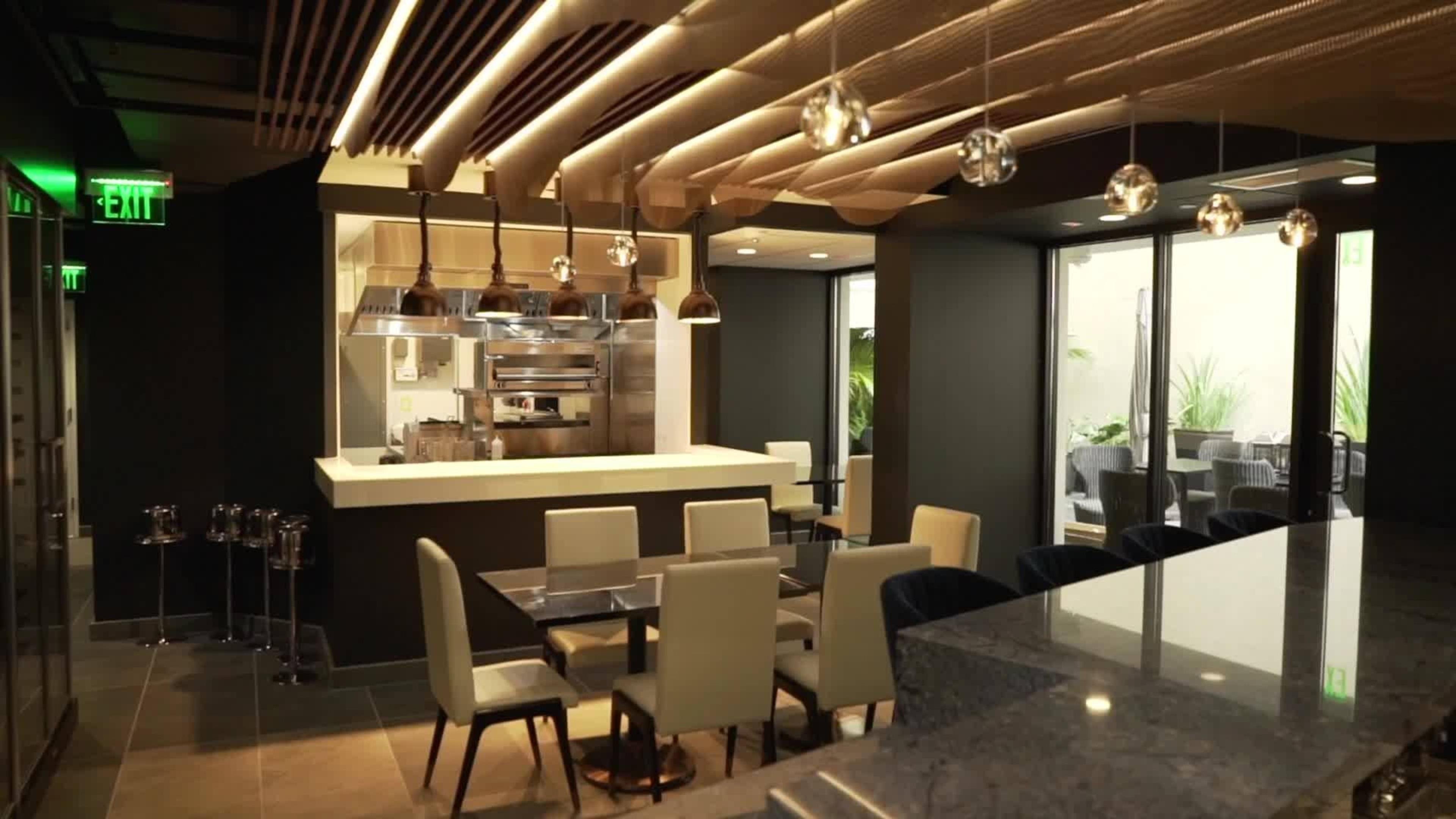
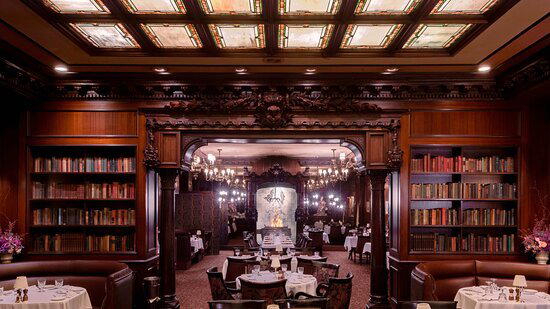
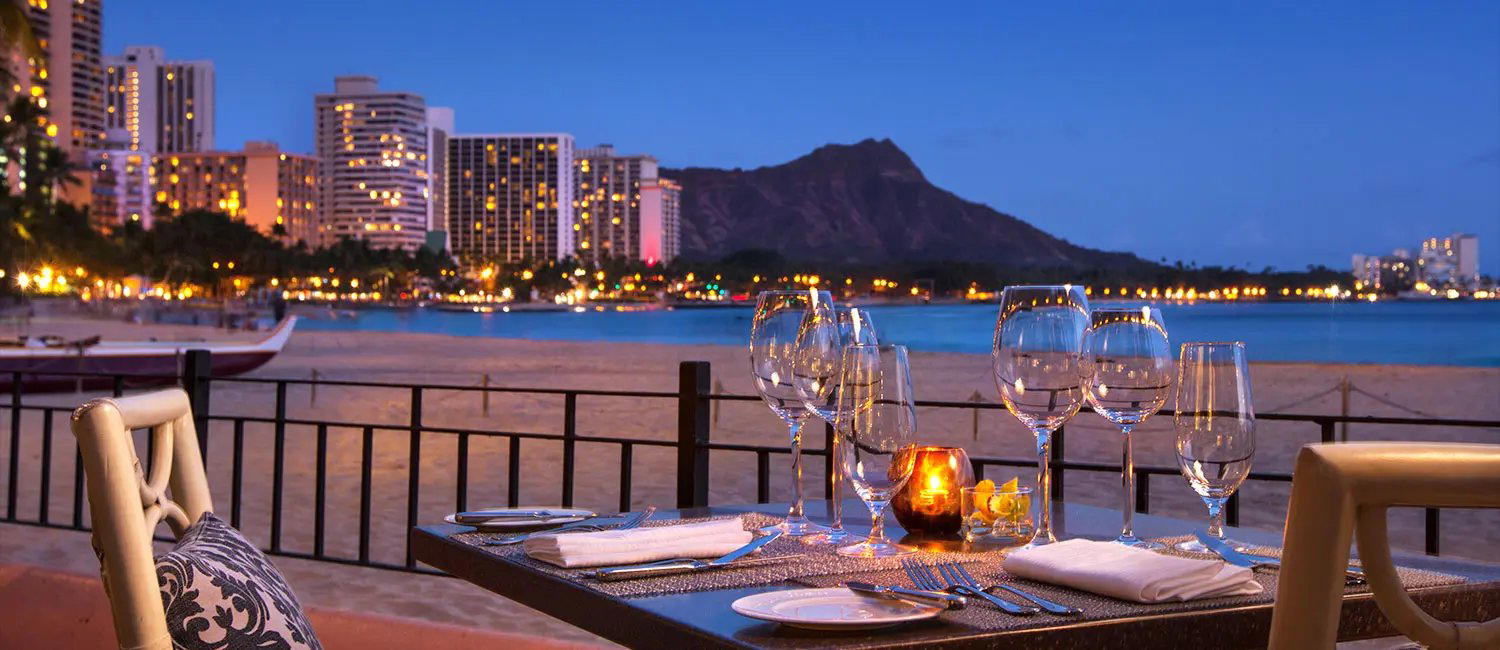
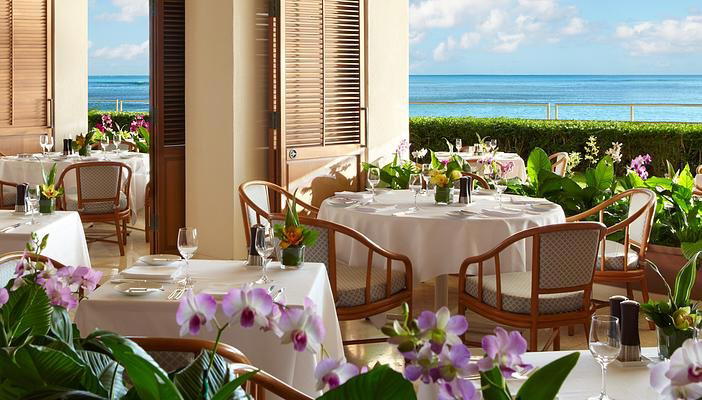
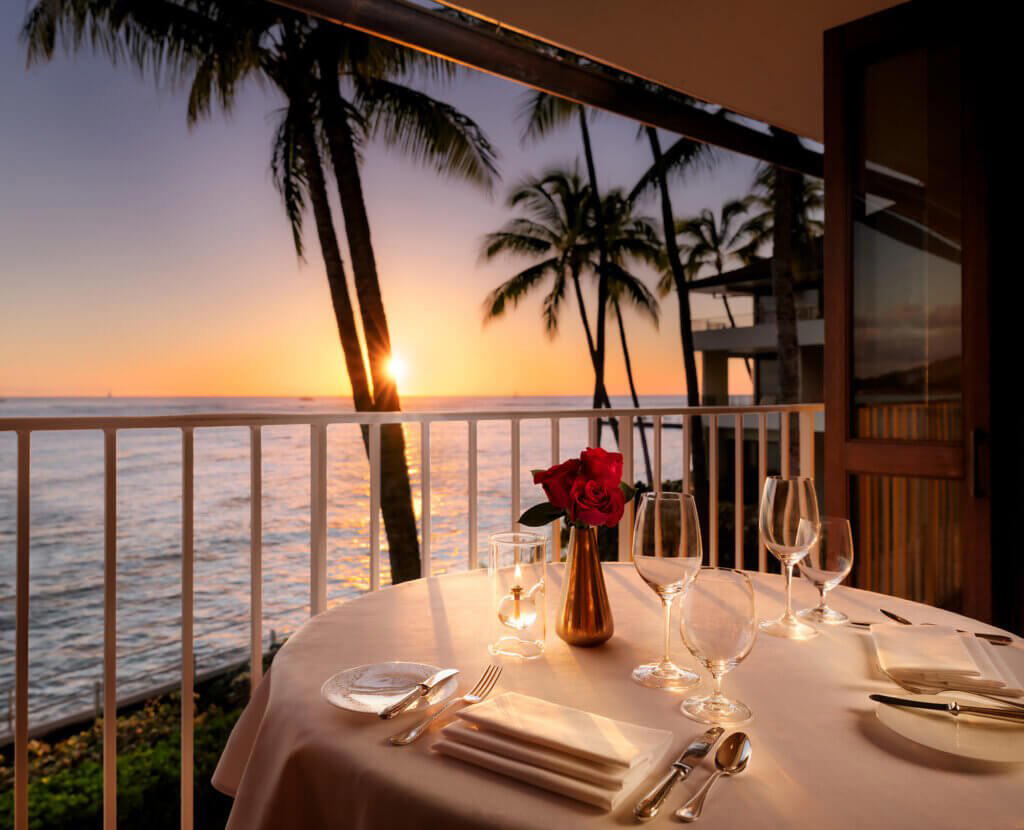
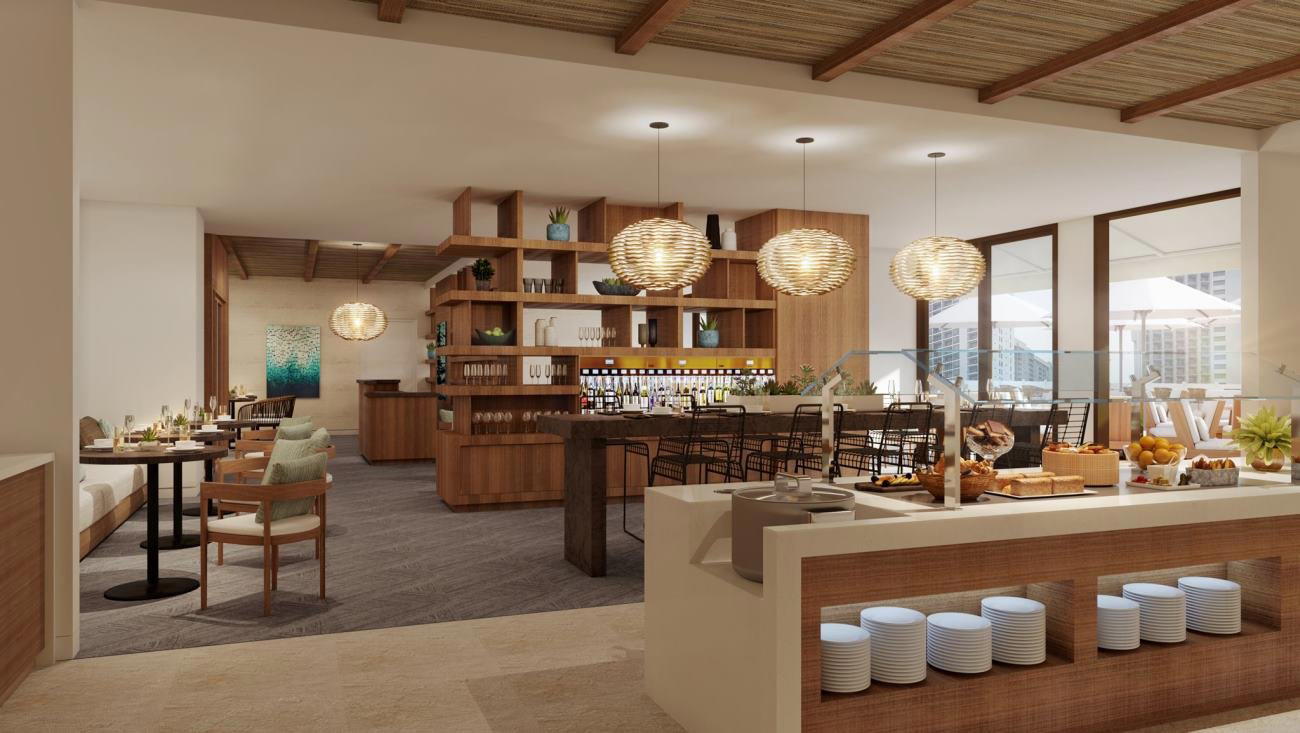
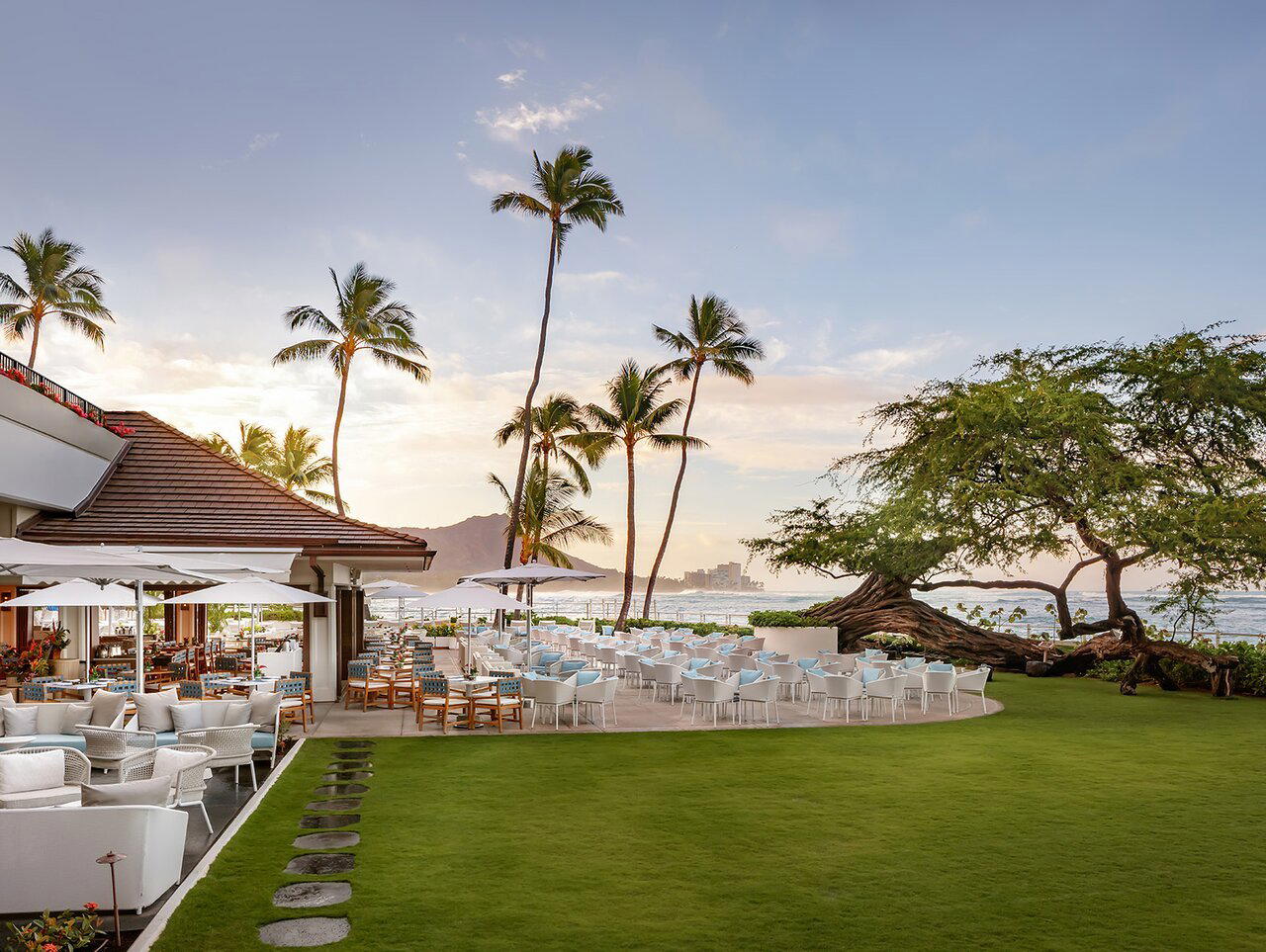
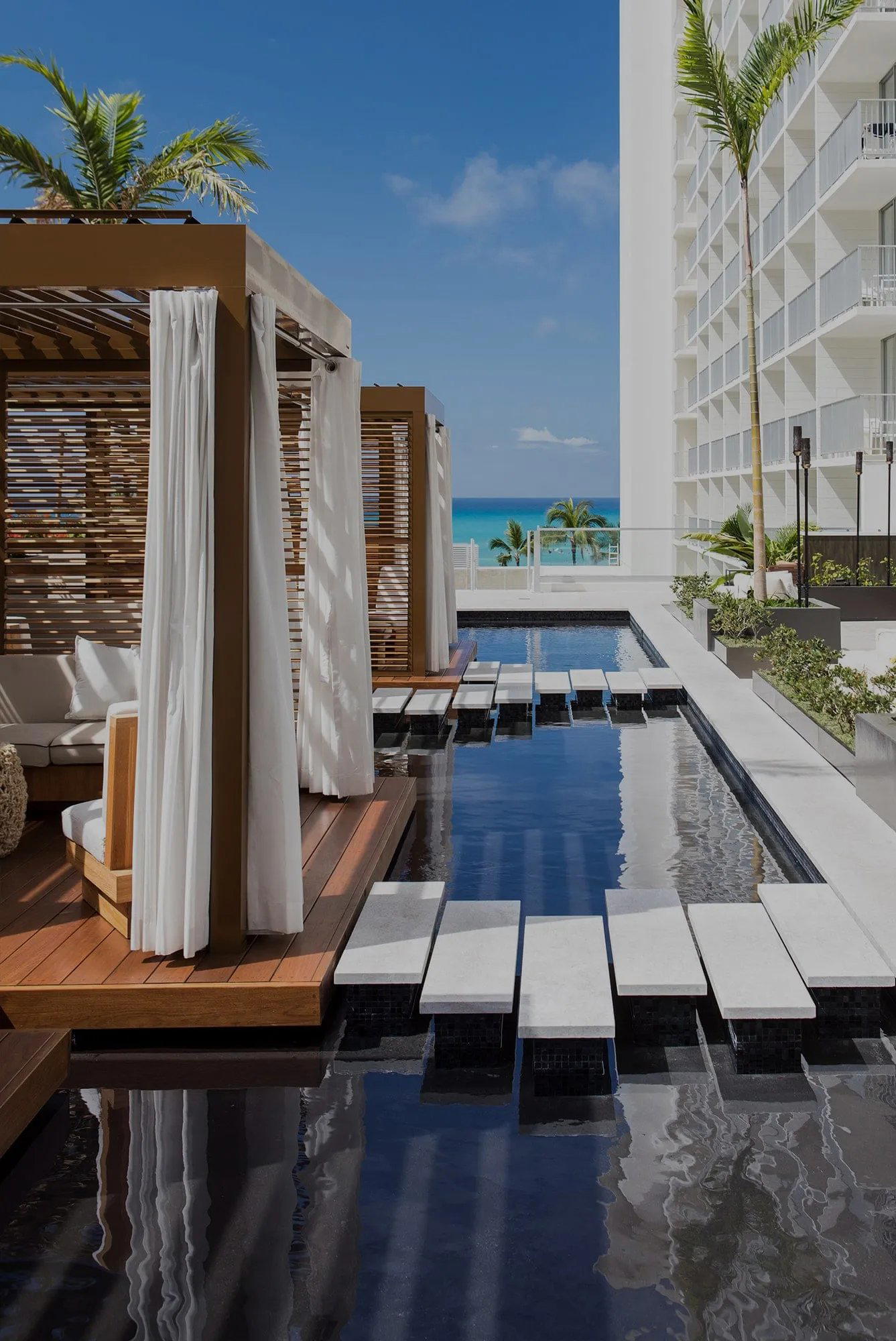
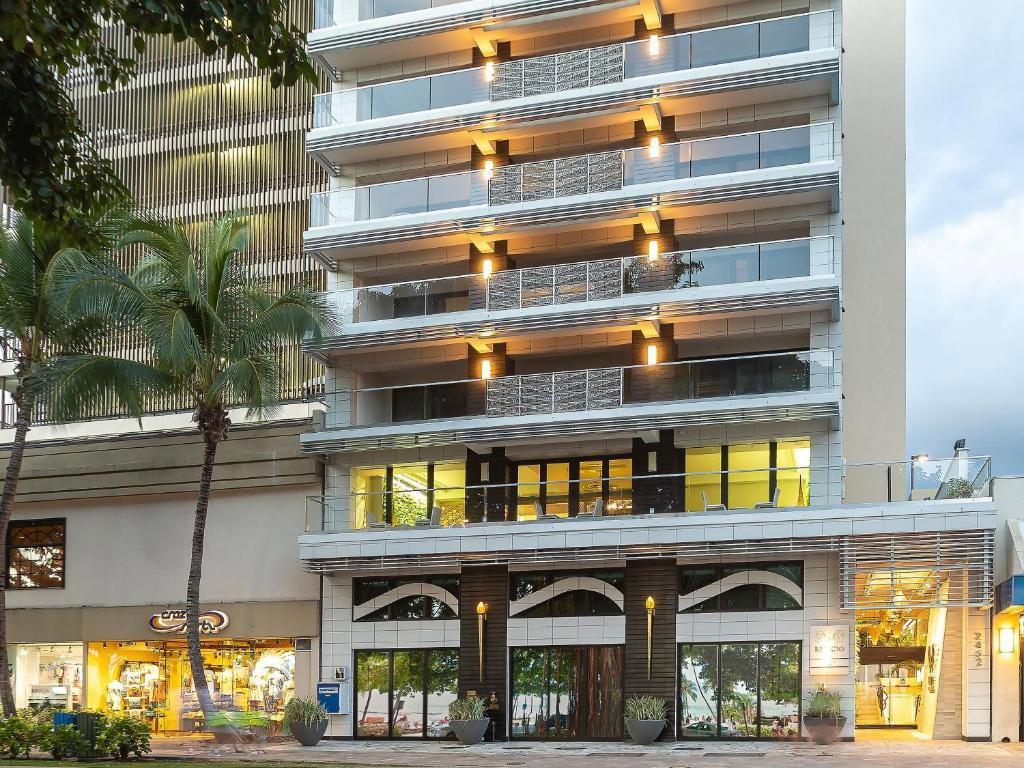
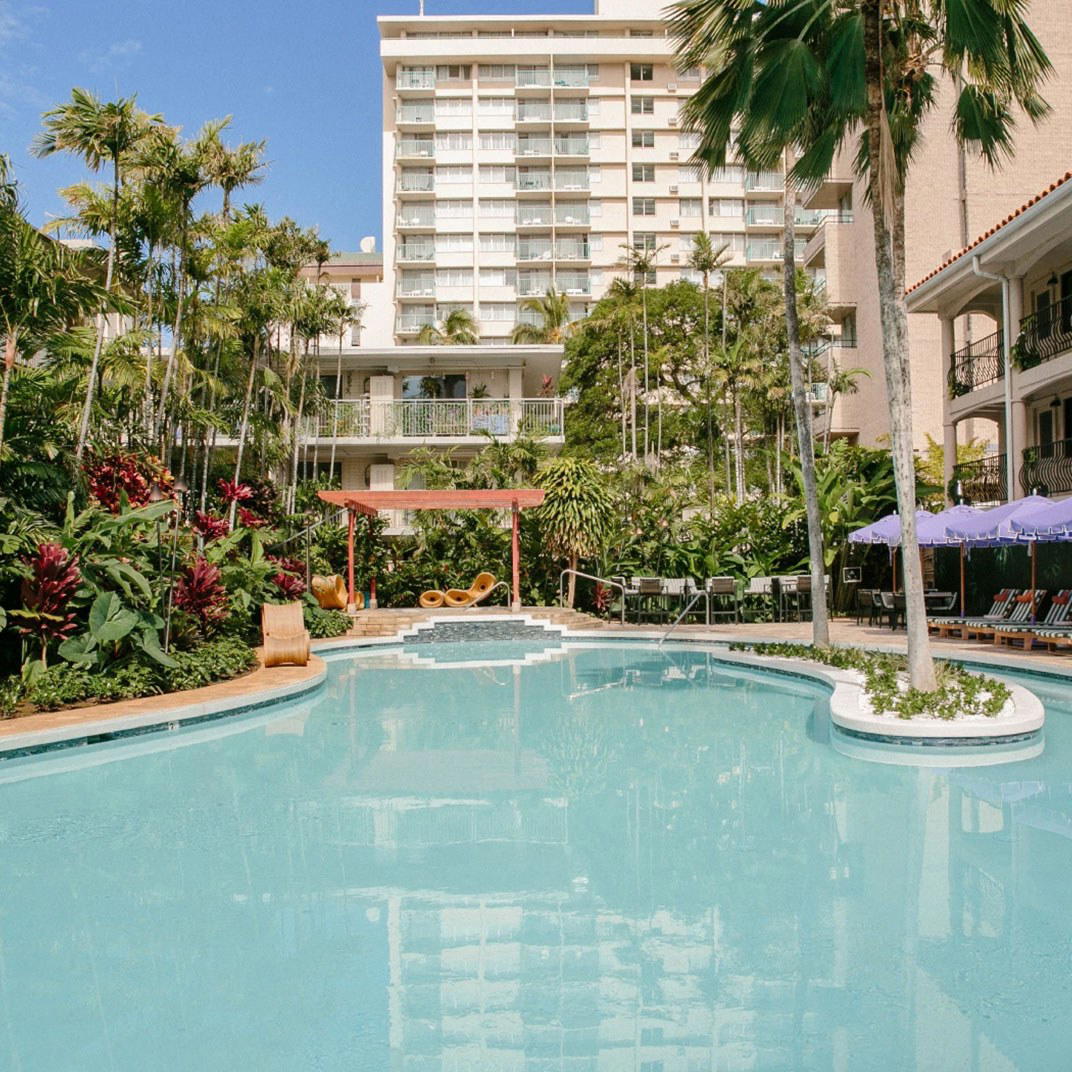
Modern, island-inspired, and down-to-earth, with a scenic and intimate feel that guests describe as ideal for date nights, celebrations, and relaxed group dinners.