.png)
Arcos de Quejana is a Michelin Plate-recognised restaurant set within a rural hotel in Kexaa, Álava, where the kitchen draws on locally produced cheeses and Basque coastal tradition to present traditional cuisine across an à la carte menu and two set formats. The cod preparations, served with Pilpil and Vizcaína sauces, represent the clearest expression of what the kitchen does well. A modern wine cellar and panelled dining rooms complete the offer.
 Discover on Pearl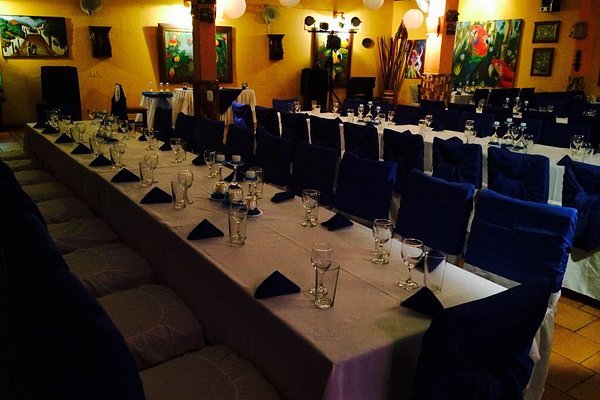
Stone Walls, Local Cheese, and Cod Two Ways: Dining at Arcos de Quejana
Rural Álava operates on a different register from the Basque Country's more celebrated dining corridors. Where Arzak in San Sebastián and Azurmendi in Larrabetzu have become reference points for Spanish gastronomy at its most technically ambitious, the villages of the Ayala Valley pursue a quieter culinary argument: that proximity to source material, applied with care, can produce something worth travelling for. Arcos de Quejana sits inside that tradition. The restaurant is housed within a rural hotel in Kexaa, a small municipality in the Álava province, and the building itself sets the tone before you sit down. Wood panelling, stone detailing, and rooms that feel assembled over time rather than designed in a single intervention characterise the interior. The leading floor holds a private event space accessed by a panoramic lift, which is an architectural choice that signals the hotel's ambition without abandoning its rural footing.
Where the Food Comes From
The sourcing argument at Arcos de Quejana is made most plainly through its cheese selection. All cheeses offered are produced in the local area, which in the context of Álava means access to a farmhouse tradition that predates any contemporary interest in provenance. This is not a gesture toward localism; it is the default position of a kitchen that has always operated close to its suppliers. The inland Basque provinces have maintained small-scale dairy operations for generations, and the cheeses that appear on the table here carry that continuity without needing to announce it.
The same sourcing logic extends to the kitchen's treatment of cod. Bacalao has been a cornerstone of Basque cooking since the region's deep-sea fishing fleets were active in the North Atlantic centuries ago, and the two sauces in which the kitchen serves it — Pilpil and Vizcaína — are both classical preparations with roots in that history. Pilpil is an emulsification made from the gelatin released by the fish itself, requiring patience and technique rather than fat-heavy shortcuts. Vizcaína is a red pepper and onion sauce with a deeper, earthier character that takes its name from the neighbouring province of Bizkaia. Serving both allows the kitchen to make a comparative point about regional variation within a single ingredient, which is a more instructive approach than choosing one and presenting it as definitive. The Michelin Guide has recognised this kitchen with a Plate in both 2024 and 2025, a signal that the cooking meets a consistent technical standard without reaching for the theatrics of the starred tier.
For context on where this sits within Spain's broader dining hierarchy, restaurants such as Mugaritz in Errenteria, Martin Berasategui in Lasarte-Oria, and DiverXO in Madrid represent the country's most decorated and technically complex end of the spectrum. Arcos de Quejana occupies a different position: a kitchen working at the Michelin Plate level with a clear regional identity, a mid-range price point (€€), and an offer that makes sense precisely because of where it is located. The comparison set is not the three-star circuit but rather other tradition-rooted restaurants in rural northern Spain, such as Auga in Gijón and Auberge Grand'Maison in Mûr-de-Bretagne, where classical cooking and rural setting form a coherent argument together.
Menu Format and What to Order
The kitchen operates an à la carte menu alongside two set formats: Bertako and Tradicional. The dual-menu structure reflects a pragmatic approach to different guest intentions. The Tradicional set is likely the more conservative of the two, built around the kitchen's most reliable classical preparations. The Bertako format, whose name references a Basque word for local or from here, suggests a closer focus on regional ingredients and their seasonal expressions. Neither menu pushes the kitchen into progressive territory; both are designed to deliver well-executed traditional cuisine at a price point that keeps the restaurant accessible relative to the Basque region's higher-end offer.
The cod, as noted by the Michelin Guide's own assessment, is the preparation to seek out. The local cheeses, served at the meal's close, provide a grounding finish that connects the table back to the agricultural landscape surrounding the hotel. These two elements together , salt-preserved Atlantic fish and fresh inland dairy , capture something essential about the Basque food tradition: a cuisine built on the tension between coast and interior, between preservation and freshness.
The Wine Cellar
Hotel includes a modern wine cellar that guests can visit, which positions it within a growing category of rural Spanish properties that treat wine as part of the guest experience rather than simply as a list inside a dining room. Álava is the southern, and arguably most complex, sub-region of Rioja, producing wines with cooler-climate characteristics that sit apart from the broader Rioja identity. A visit to the cellar gives context to whatever appears in the glass during the meal. For those whose interest in Spanish wine extends beyond the restaurant, our full Kexaa wineries guide covers the regional options in more detail.
Planning a Visit
Kexaa is a small municipality in Álava, and reaching it requires your own transport; this is not a destination you arrive at by public transit. The remoteness is, in part, the point. The hotel format means that dining here can be extended into an overnight stay, which changes the calculus considerably for anyone travelling from Bilbao or Vitoria-Gasteiz. Staying on-site gives access to the cellar visit and removes the practical constraint of a return drive after dinner. The price range sits at €€, which for a rural hotel restaurant with Michelin recognition represents a direct value position relative to comparable properties in the region. Booking in advance is advisable given the hotel's limited scale; the property's remote location does not insulate it from demand during peak rural tourism periods in the Basque Country.
For broader planning across the area, see our full Kexaa restaurants guide, our full Kexaa hotels guide, our full Kexaa bars guide, and our full Kexaa experiences guide. Those spending time in wider northern Spain may also find context in profiles of kitchens working at different points on the tradition-to-innovation spectrum, including Aponiente in El Puerto de Santa María, Quique Dacosta in Dénia, Ricard Camarena in València, Cocina Hermanos Torres in Barcelona, El Celler de Can Roca in Girona, and Atrio in Cáceres.
Frequently Asked Questions
Fast Comparison
These are the closest comparables we have in our database for quick context.
| Venue | Cuisine | Price | Awards | Notes |
|---|---|---|---|---|
| Arcos de Quejana | Traditional Cuisine | €€ | This restaurant is part of a rural hotel which, despite its relatively remote lo… | This venue |
| Aponiente | Progressive - Seafood, Creative | €€€€ | Michelin 3 Star | Progressive - Seafood, Creative, €€€€ |
| Arzak | Modern Basque, Creative | €€€€ | Michelin 3 Star | Modern Basque, Creative, €€€€ |
| DiverXO | Progressive - Asian, Creative | €€€€ | Michelin 3 Star | Progressive - Asian, Creative, €€€€ |
| El Celler de Can Roca | Progressive Spanish, Creative | €€€€ | Michelin 3 Star | Progressive Spanish, Creative, €€€€ |
| Quique Dacosta | Creative | €€€€ | Michelin 3 Star | Creative, €€€€ |
Need a table?
Our members enjoy priority alerts and concierge-led booking support for the world's most difficult tables.
Get Exclusive Access