Araf brings Istanbul’s fire-cooking current into focus: smoke, live heat and the city’s long habit of grilling as social ritual rather than performance. With few formal details published, the draw is less about checklist dining and more about how contemporary Istanbul continues to translate Anatolian, Balkan and Levantine hearth traditions for a modern restaurant audience.
 Discover on Pearl
Pearl is the En Primeur Club membership app — saves, bookings, and concierge access live there. Same editors, same standards.
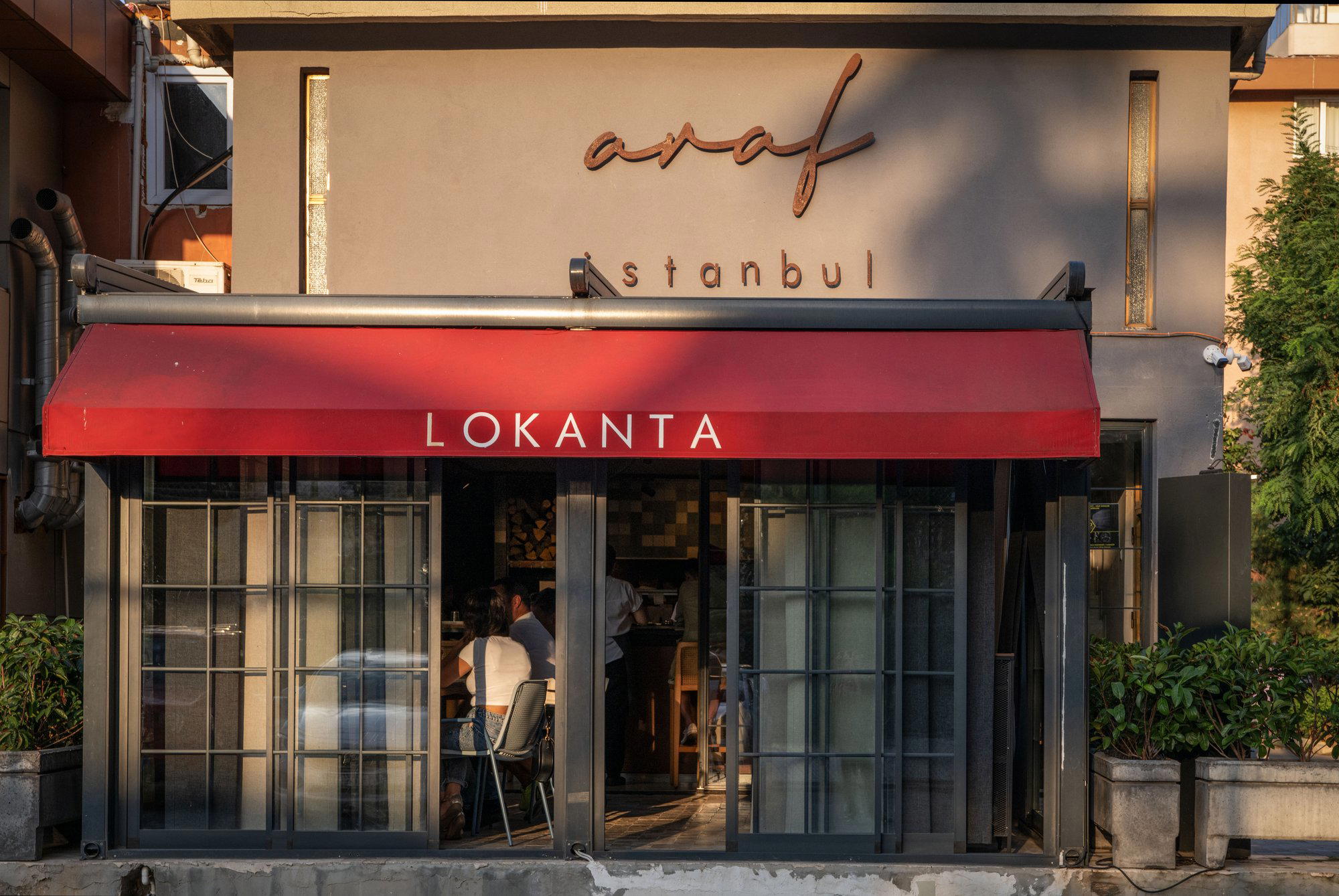
Fire changes the rhythm of a room before a plate arrives. In Istanbul, that usually means heat you can sense at the edge of the dining room, the dry perfume of char, and a style of eating that owes as much to ocakbaşı culture as it does to the city’s newer appetite for chef-led restaurants. Araf belongs to that conversation: not a classical kebab house, not a polished hotel dining room, but part of a broader return to flame as technique, theatre and cultural memory.
Istanbul has always been a city of grills, but the current fire-cooking wave is different from the old division between neighbourhood ocakbaşı, meyhane tables and international fine dining. The newer version treats embers as a language rather than a shortcut to smoke. Vegetables, seafood, offal and meat can all carry the mark of the grill; what matters is control, not spectacle. That makes fire cooking a useful lens for reading the city’s restaurant mood in 2026: less interested in imported formats, more confident about regional memory, but still fluent in the expectations of urban diners who move between rooftop restaurants, taverns, tasting menus and casual counters in the same week.
Fire cooking as Istanbul's older restaurant grammar
The cultural roots run deeper than trend language suggests. Anatolia’s cooking traditions have long relied on open flame, wood ovens, tandır, mangal and charcoal grills, while Istanbul added the habits of a port city: shared plates, fish culture, late dinners and long tables built around rakı, bread and conversation. A restaurant working in this idiom is participating in a grammar locals understand without explanation. Smoke is not decoration; it is part of how fat, acidity, herbs and bread are expected to behave together.
Araf is useful to place inside that frame because its listed cuisine is simply fire cooking. That restraint matters. It avoids the vague global label that often flattens Istanbul restaurants into “Mediterranean” or “modern Turkish” and instead points to the technique that shapes the meal. The absence of a published chef narrative also keeps the emphasis where it should be: on a dining form that predates the personality-driven restaurant era. For travellers comparing Istanbul meals, this is a different proposition from grand-room Turkish dining such as 29 (Turkish), Russian-leaning nostalgia at 1924 İstanbul (Russian), or hotel-anchored international menus like 34 Restaurant.
The city’s range is part of the point. A night can move from a view-led table at 16 Roof Swissotel in Besiktas to a Beyoğlu panorama at 360 Istanbul in Beyoglu, or toward the apartment-like atmosphere of 5. Kat Restaurant. Fire cooking sits apart from those categories because its centre of gravity is not the view, the room category or the international polish. It is the relationship between ingredient, flame and table culture.
Where Araf fits in a city that eats across eras
Istanbul dining rewards visitors who avoid treating Turkish cooking as a single format. The city contains palace-influenced cooking, Black Sea fish traditions, southeastern grill culture, Aegean vegetables, meyhane ritual and a fast-growing contemporary restaurant scene. Araf’s appeal comes from occupying a narrower lane within that range: a meal structured around live heat rather than a survey of regional dishes. That makes it better read as part of the city’s fire-cooking revival than as a comprehensive introduction to Turkish cuisine.
For a broader Istanbul itinerary, contrast matters. Waterside dining at A'jia Restaurant speaks to the Bosphorus tradition, while the wider national restaurant map stretches well beyond the city through established regional addresses such as 7 Mehmet in Antalya, ADA Restaurant in Fethiye, Adil Müftüoğlu in Balcova and Adil Müftüoğlu in Izmir. Those links are not substitutes for one another; they show how Turkish dining changes by coast, city and cooking tradition. Fire cooking in Istanbul has its own register, shaped by density, late-night habits and the city’s talent for turning shared food into a social engine.
Internationally, fire-led restaurants have moved from rustic shorthand to disciplined technique, from Cape Town’s grill culture at Ongetem, fire cooking in Cape Town to tightly framed bar-dining formats such as Jōdo Saké Bar in Los Angeles. Istanbul brings a different inheritance to the same idea. Here, the flame is not an imported concept; it is part of the city’s everyday food memory, now being edited for contemporary dining rooms.
How to place it in an Istanbul trip
Araf makes the strongest sense for travellers who want one meal built around technique rather than scenery or a tasting-menu script. It is not the place to use as a complete survey of Istanbul dining, and that is the advantage: a focused fire-cooking meal can sit between more classical Turkish restaurants, Bosphorus addresses and cocktail-led evenings without repeating the same experience. Use Our full Istanbul restaurants guide to build that sequence, then widen the trip through Our full Istanbul hotels guide, Our full Istanbul bars guide, Our full Istanbul wineries guide and Our full Istanbul experiences guide.
The editorial case is clear: Istanbul’s fire-cooking restaurants are not chasing novelty so much as sharpening an older instinct. Araf belongs in that lane. Without relying on published awards, star ratings or chef biography, it reads as a technique-led address for diners interested in how the city’s grill culture is being reframed for the present.
Peer Set Snapshot
Comparable venues nearby, for context on price, style, and recognition.
| Venue | Cuisine | Price | Awards | Notes |
|---|---|---|---|---|
| ArafThis venue — the venue you are viewing | Modern Turkish Chef’s Table | $$$ | , | |
| Mücver | Modern Turkish Live Fire Cooking | $$$ | , | Firuzaga |
| Turk Art Terrace Restaurant | Turkish Rooftop with Seafood and Kebabs | $$$ | , | Sultan Ahmet |
| Seher Restaurant | Authentic Turkish Kebabs and Testi | $$ | , | Hocapasa |
| Last Ottoman Cafe & Restaurant | Authentic Turkish Ottoman Cuisine | $$ | , | Hocapasa |
| Ticarethane Sk. No:8 | Turkish with International Flair | $$ | , | Alemdar |
At a Glance
- Modern
- Elegant
- Intimate
- Sophisticated
- Trendy
- Date Night
- Special Occasion
- Business Dinner
- Solo
- Chefs Counter
- Open Kitchen
- Design Destination
- Standalone
- Extensive Wine List
- Local Sourcing
- Skyline
- Waterfront
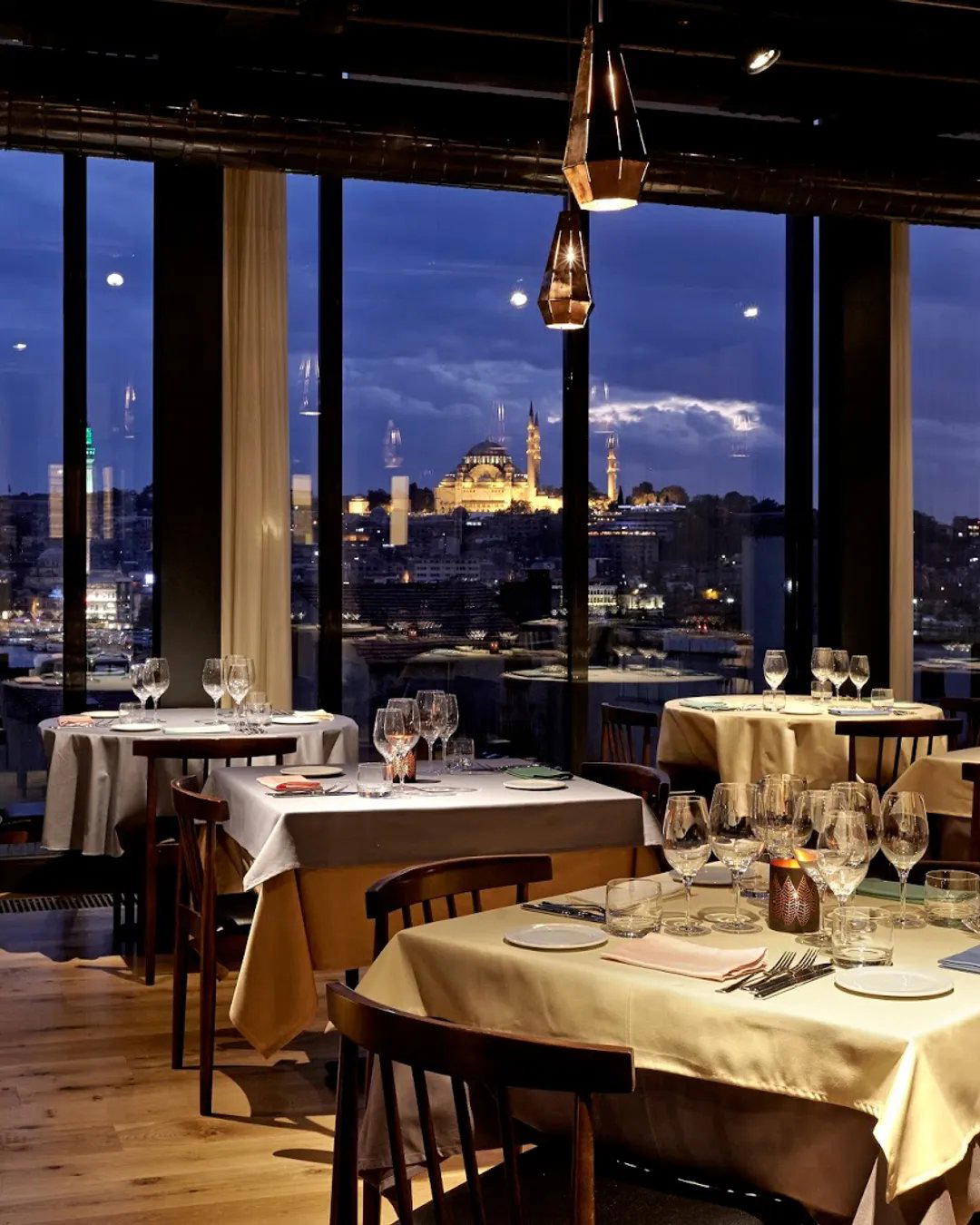
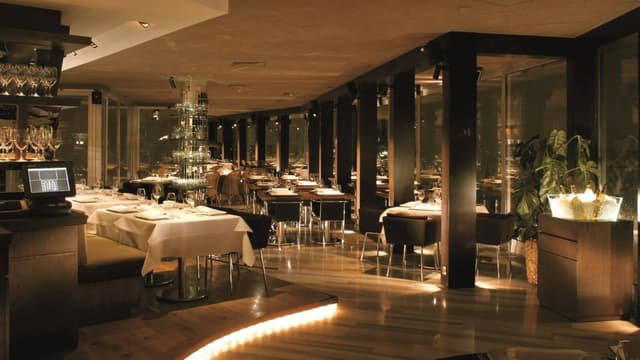
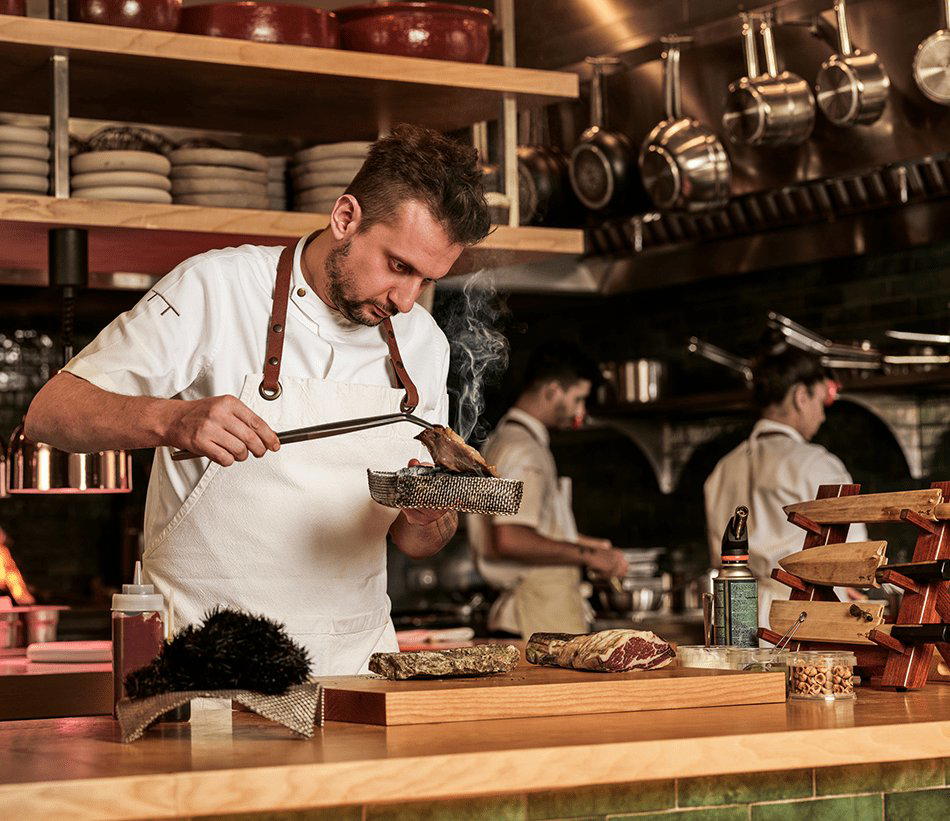
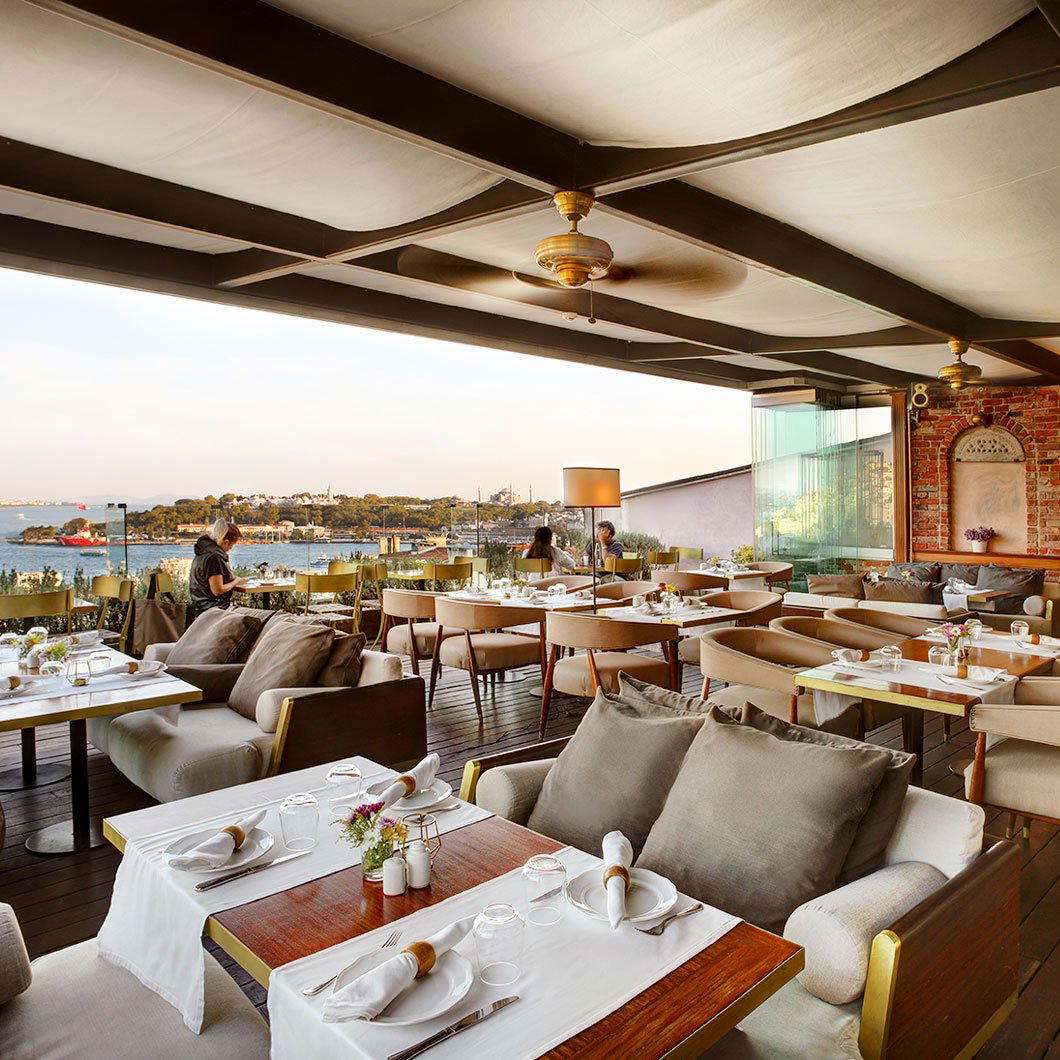
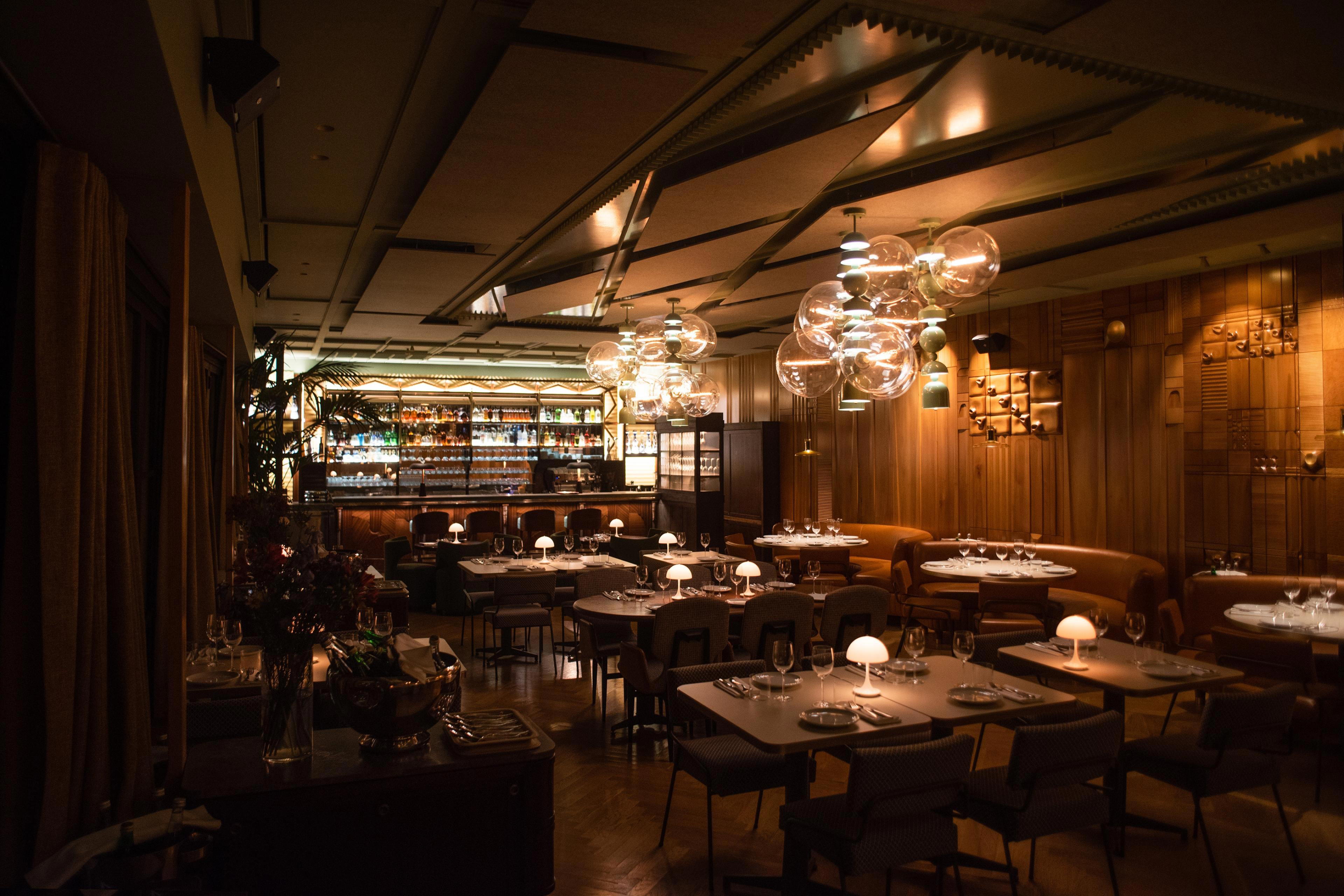
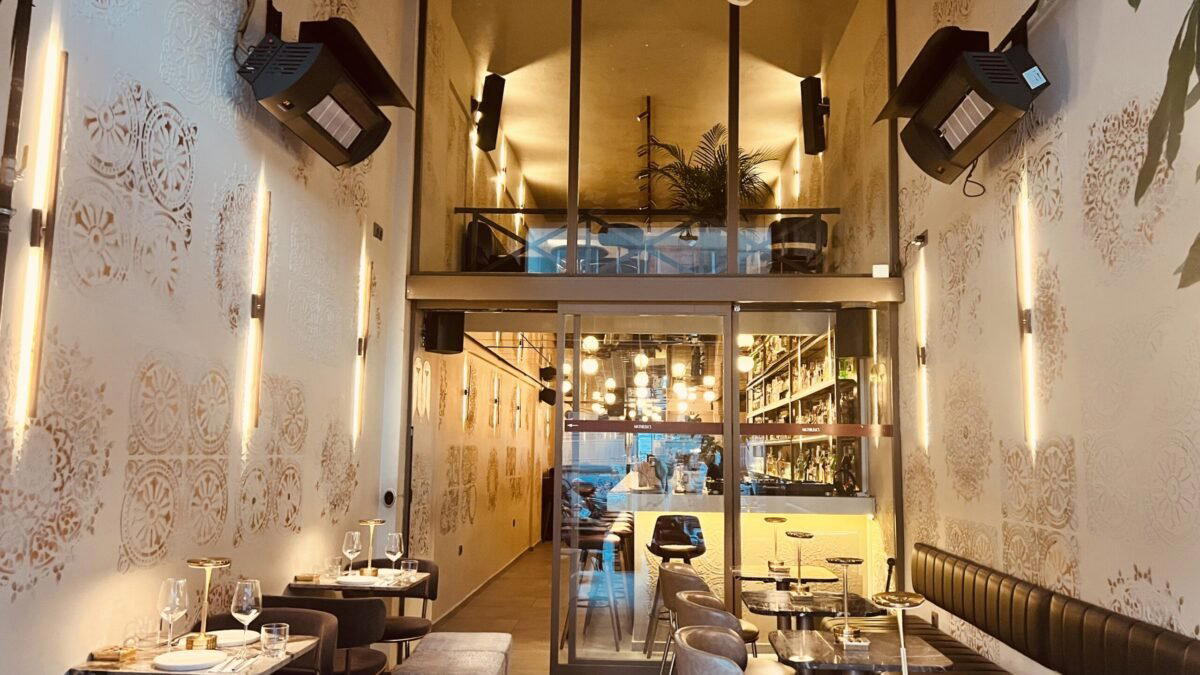
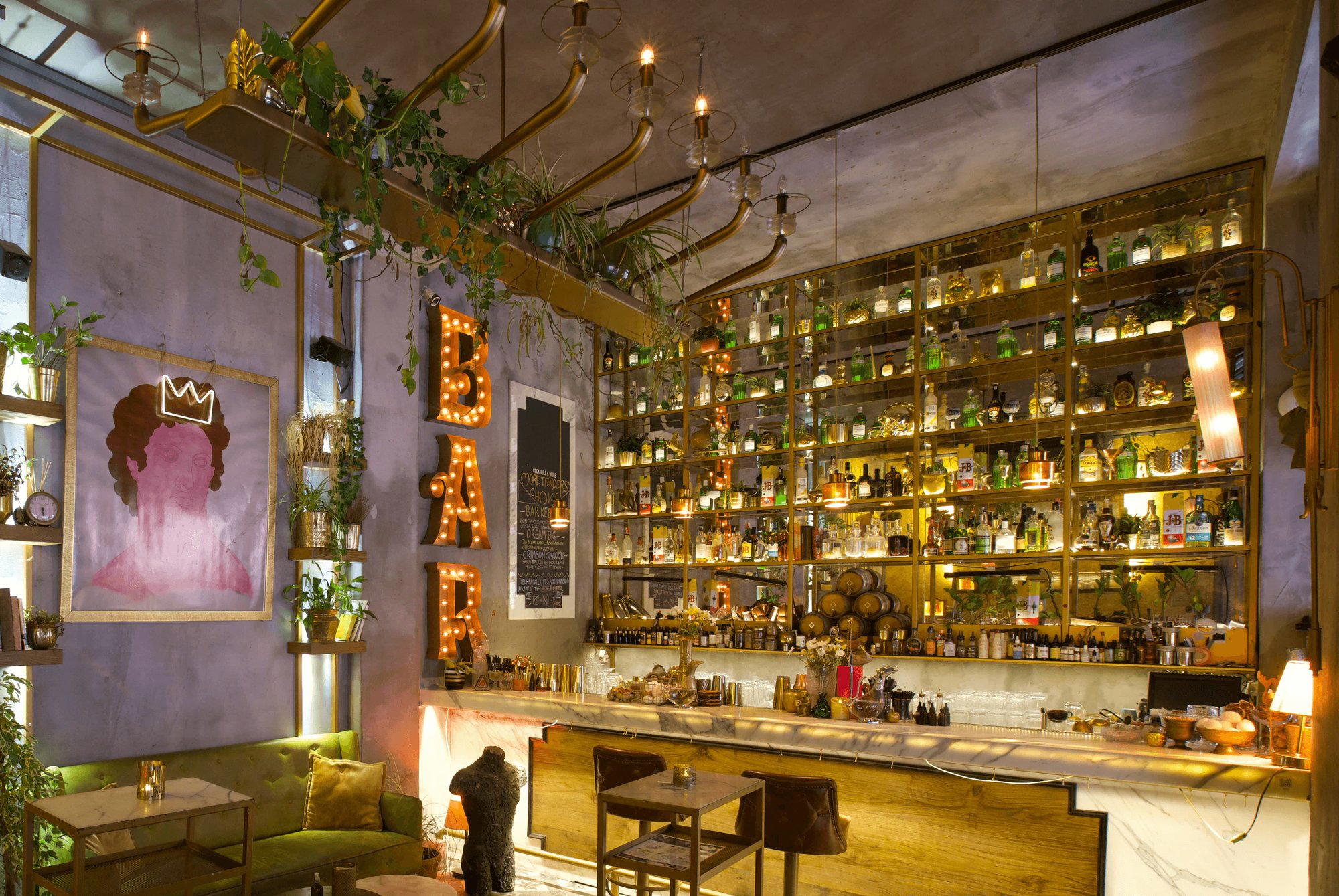
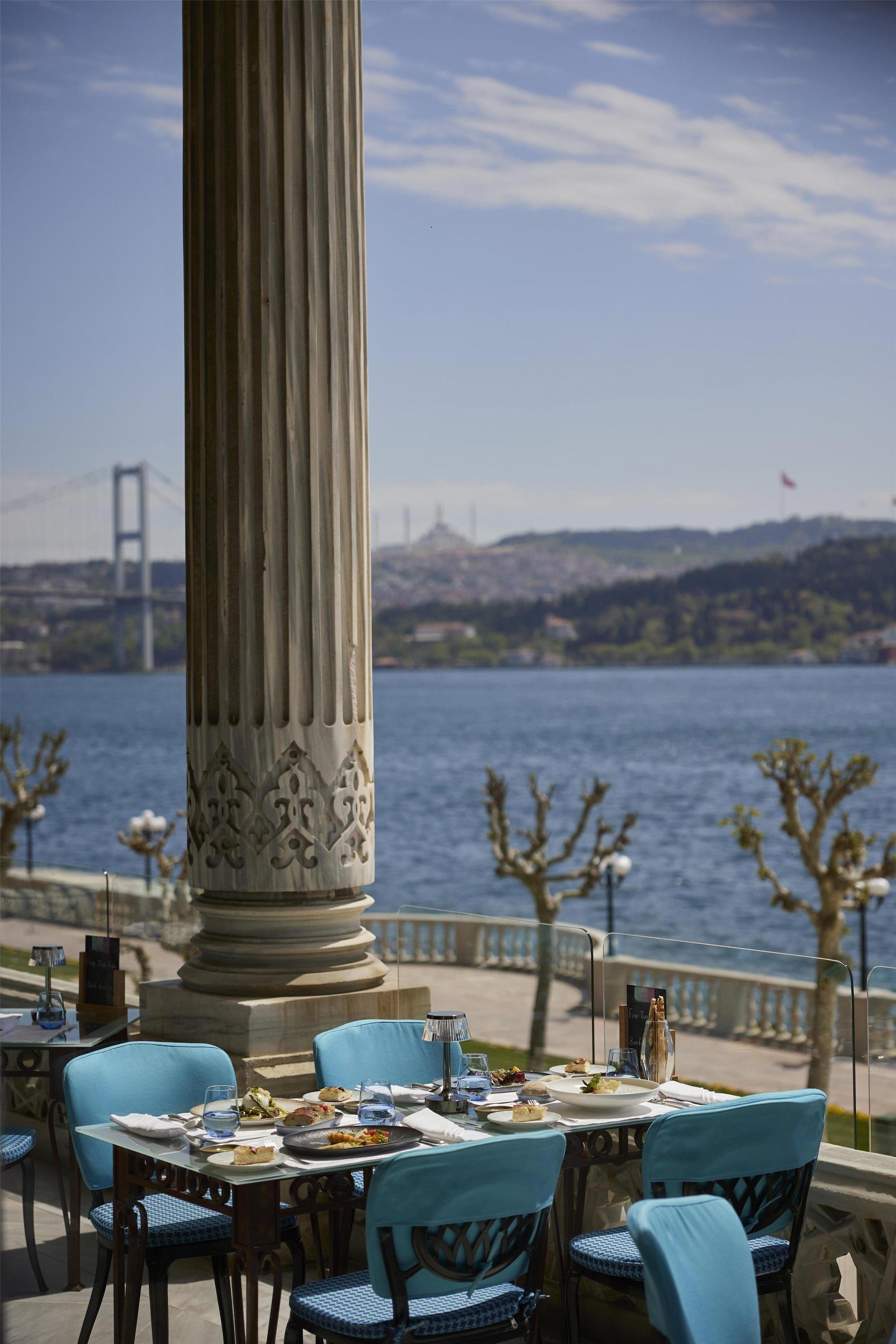
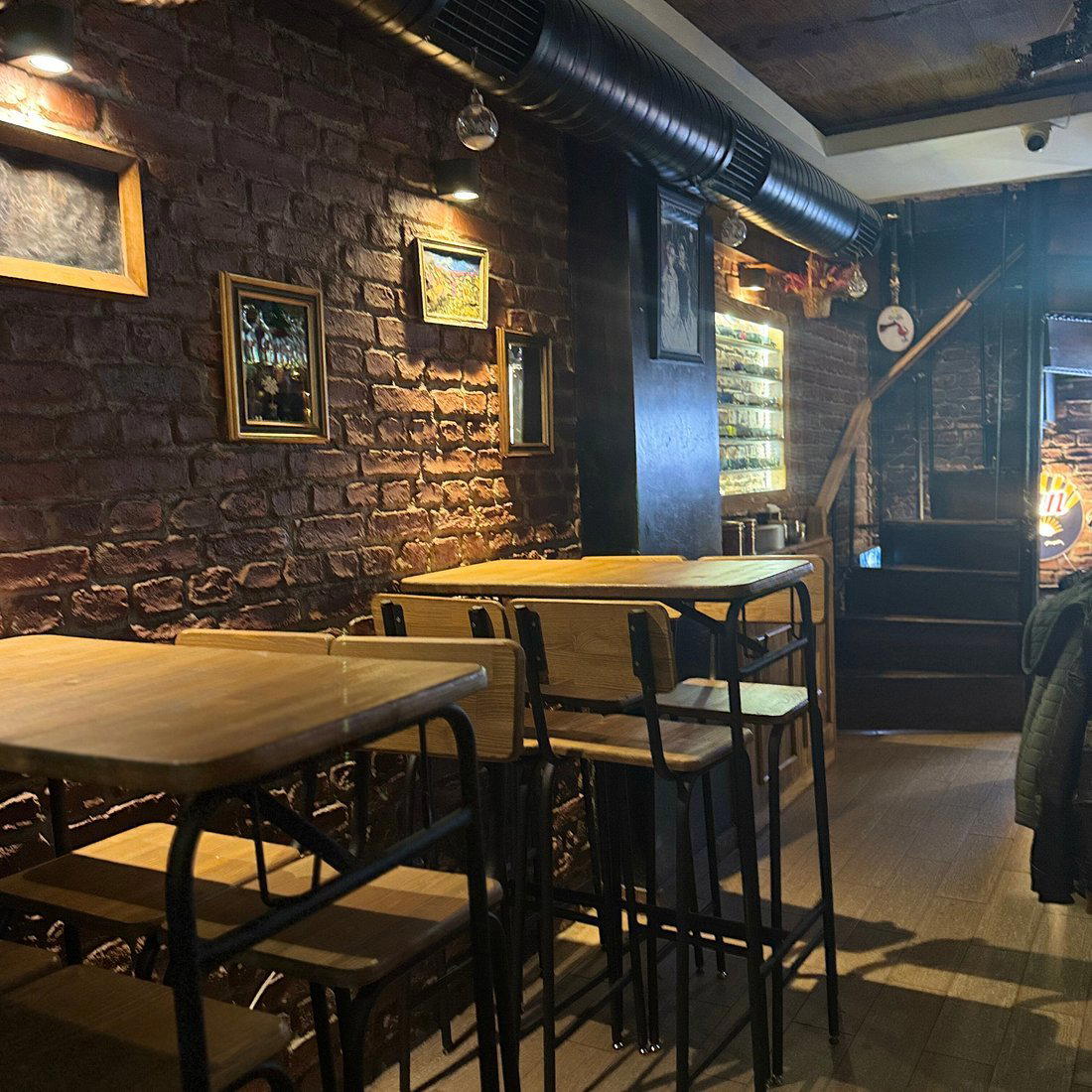
Contemporary and elegant with an intimate chef’s counter feel, centered on an open kitchen where guests watch each dish being prepared; the atmosphere reads as softly theatrical yet relaxed, with a sophisticated, destination-dining energy rather than a noisy crowd scene.