Aosta
Aosta brings Alpine Italian cooking into Aspen’s mountain-dining conversation, where cold-weather appetite, ski-town pacing, and northern Italian comfort naturally overlap. The appeal is regional rather than generic: the name points toward Valle d’Aosta, a borderland cuisine shaped by altitude, dairy, cured meats, polenta, and the pull between Italy, France, and Switzerland.
 Discover on Pearl
Pearl is the En Primeur Club membership app — saves, bookings, and concierge access live there. Same editors, same standards.
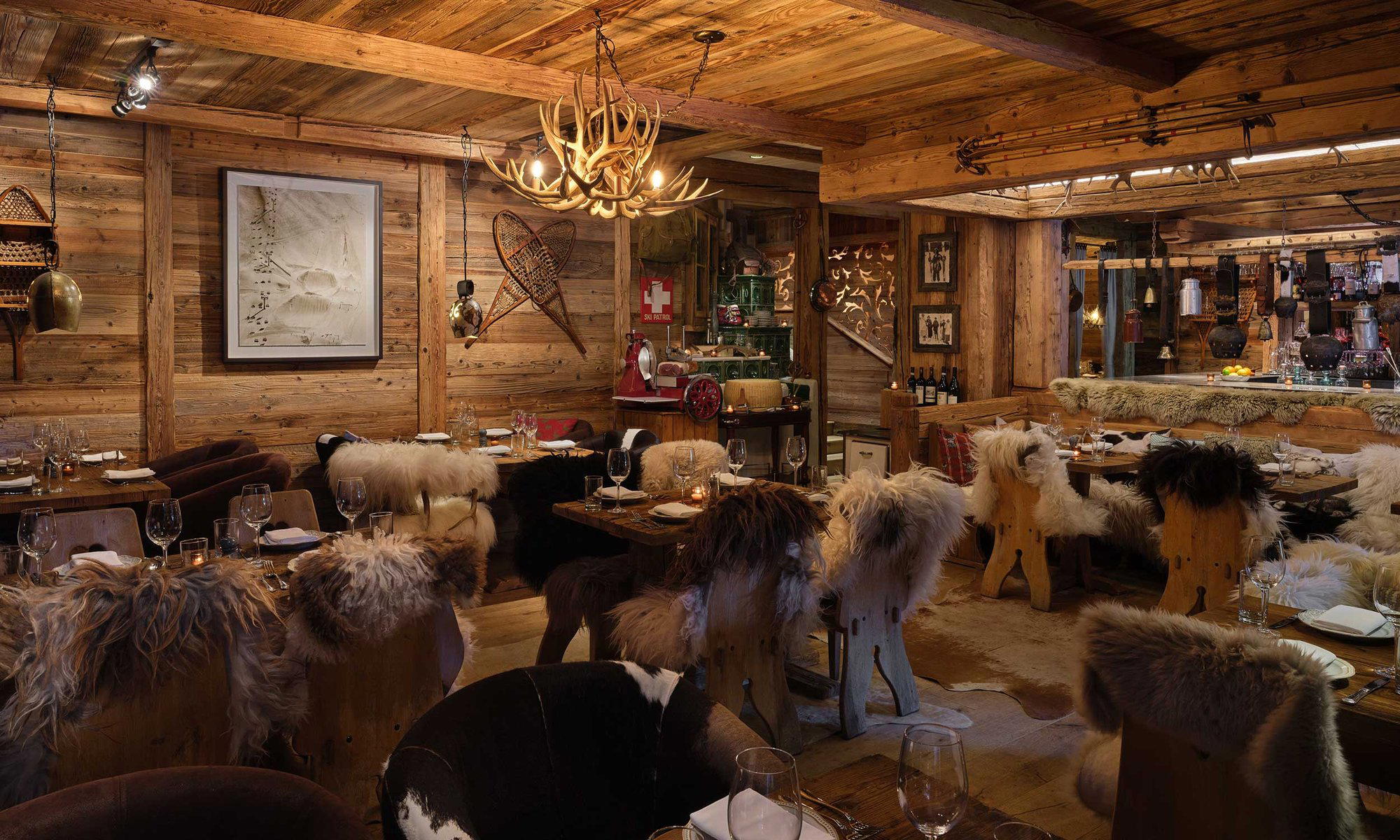
In Aspen, dinner often begins before the menu arrives: boots under the table, wool layers on chair backs, the room carrying that post-slope mix of fatigue and appetite. Alpine Italian cooking fits this setting without needing theatrical translation. Aosta works inside that logic, drawing on a northern Italian vocabulary better suited to altitude than tomato-heavy coastal cooking or the glossy Milanese dining room fantasy imported to ski towns too often.
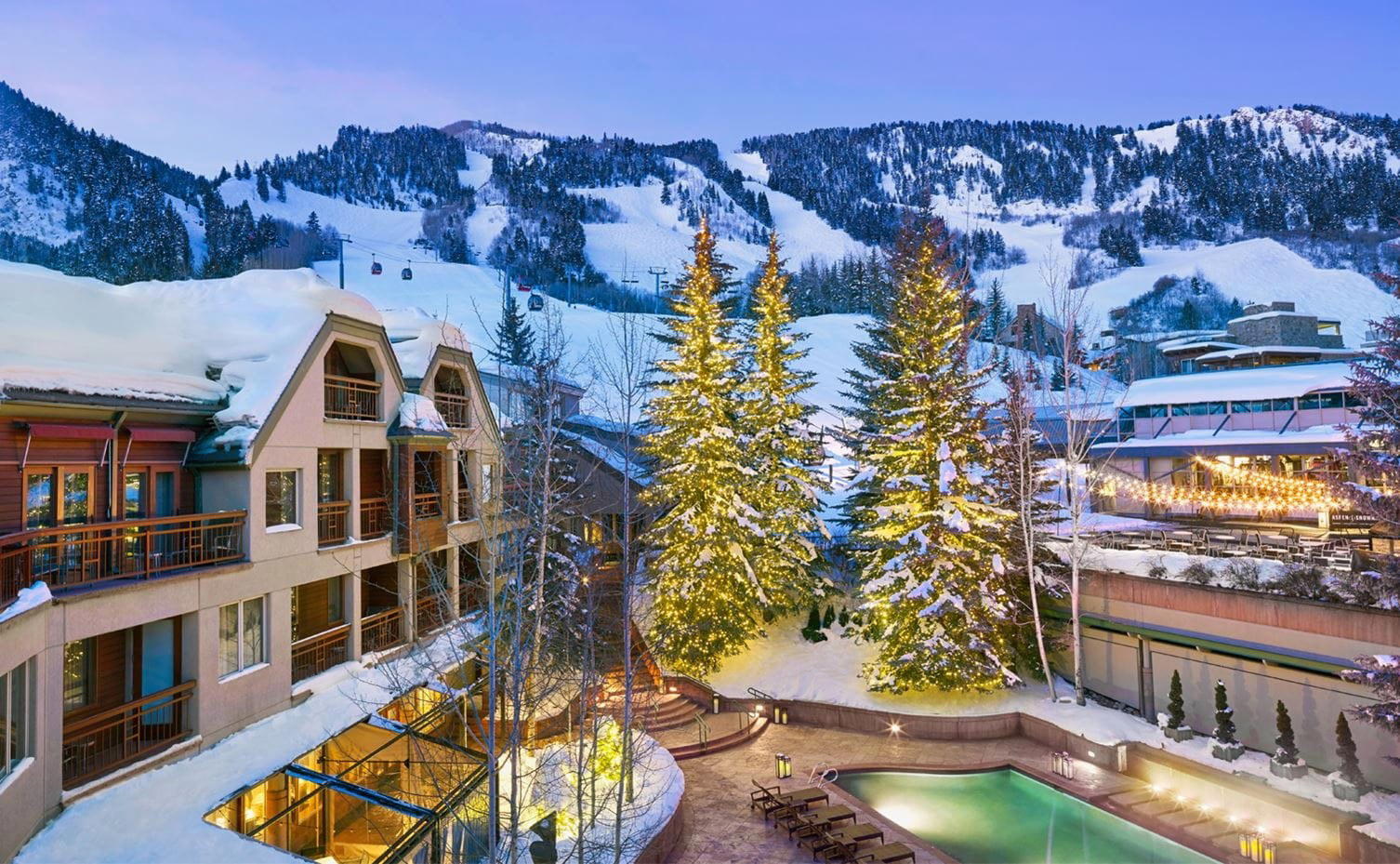
The useful distinction is regional. Italian restaurants in American resort cities often flatten the country into a familiar sequence of pasta, steak, and tiramisu. Alpine Italian sits elsewhere. Valle d’Aosta, the region signaled by the name, is Italy’s smallest region and one of its most mountainous, pressed against France and Switzerland. Its cooking traditionally leans on cheese, butter, grains, cured meats, mountain herbs, and dishes built for cold weather rather than seaside lightness. In Aspen, that reference point matters because the city rewards food with weight, warmth, and rhythm after a day organized around weather and terrain.
Alpine Italian makes more sense in Aspen than red-sauce nostalgia
Roman cooking is built around sharp economy: pecorino, guanciale, pepper, offal, and pasta shapes that carry sauce with precision. Tuscan cooking tends toward grilled meats, beans, unsauced confidence, and olive oil rather than dairy. Neapolitan cooking is coastal and volcanic, with pizza, tomatoes, seafood, and a different sense of heat. Alpine Italian has another center of gravity. It is mountain food, and that makes it unusually compatible with Aspen’s dining culture, where guests often want structure rather than delicacy.
That does not mean heaviness for its own sake. The stronger version of the genre understands contrast: bitter greens against cheese, acidity against slow-cooked richness, wine lists that do not treat Barolo as the only serious northern answer. In a city where luxury dining can drift toward generalized expense, Aosta’s regional cue gives the restaurant a clearer lane. The point is not simply Italian food in a resort town; it is Italian food with a mountain dialect.
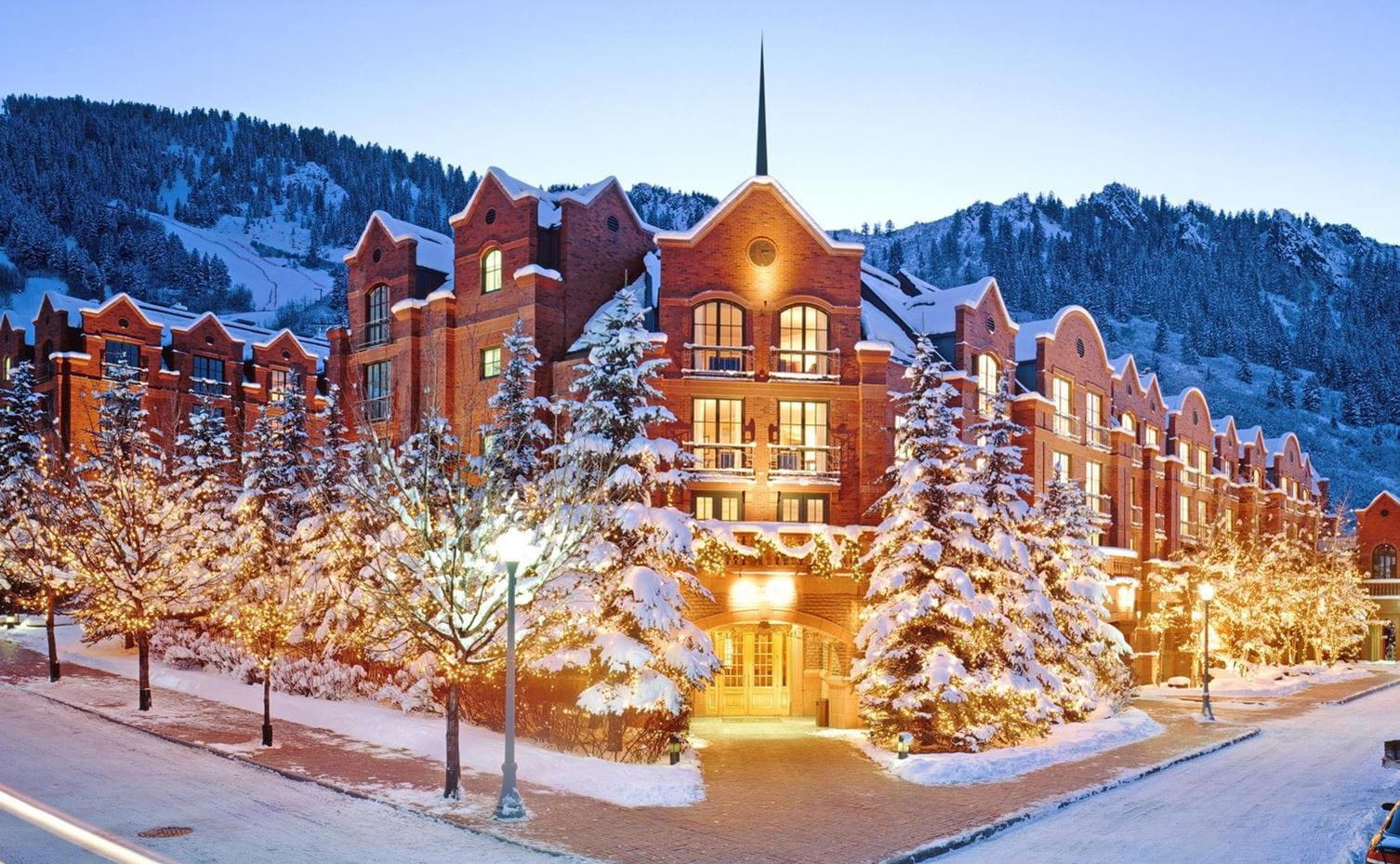
Aspen’s restaurant scene is compact but varied, with casual après-ski rooms, hotel dining, late-night bars, and polished special-occasion restaurants operating within a few walkable blocks. Readers mapping the wider city can place Aosta alongside the broader Aspen food circuit through Our full Aspen restaurants guide, while nearby dining references across the city include Ajax Tavern, 7908 Aspen, 39 Degrees, and 300 Puppy Smith St #202. Within that wider field, Aosta Aspen is useful for diners who want the comfort of Italian cooking without defaulting to the usual central and southern regional script.
The regional signal is the real editorial value
The absence of public chef mythology here is not a weakness. For this kind of restaurant, the more relevant question is whether the kitchen’s identity can be read through region rather than personality. Alpine Italian cooking gives diners a framework: expect a colder-climate idea of pleasure, less about basil and tomatoes, more about texture, dairy, grains, and the meeting point between Italian and cross-border mountain traditions. That is a stronger organizing principle than the generic “modern Italian” label that covers too much and explains too little.
Aosta also sits inside a broader resort-town trend: destination diners increasingly want specificity, but not necessarily long tasting menus. Aspen’s food culture has to serve residents, ski-season regulars, hotel guests, families, and high-spend visitors moving between dinner and late-night rooms. A regional Italian restaurant can function across those groups when the cooking has enough definition to interest serious diners and enough familiarity to satisfy a mixed table. That balance is harder than it sounds. Too much rusticity reads staged; too much polish erases the mountain reference.
For travelers planning the whole Aspen trip rather than a single table, the surrounding editorial map matters. The city’s hospitality rhythm is shaped as much by where visitors sleep and drink as where they dine, so the wider context belongs in Our full Aspen hotels guide, Our full Aspen bars guide, Our full Aspen wineries guide, and Our full Aspen experiences guide. For readers comparing how regional food identities travel across American cities, EP Club’s restaurant archive also traces focused formats from Jōdo Saké Bar in Los Angeles and Onigiri Time in Pasadena to ¿Por Qué No? in Portland, 'Ai Love Nalo in Waimanalo Beach, 'āina in San Francisco, 'Ama 'Ama in Kapolei, -Grilled beef Sukiyaki- KAMAKURA TANUKIAN 鎌倉 たぬき庵 in Kamakura, and ¡Salud! in Los Angeles.
Who this table suits
Aosta is most compelling for diners who understand Italian food as a set of regions rather than a single comfort category. The Aspen setting makes the Alpine reference practical, not decorative: cold nights, mountain days, and group dinners all favor cooking with warmth and substance. Choose it when the table wants Italian familiarity with a northern, high-altitude accent, and when the evening calls for a meal that belongs to the mountains rather than a coastal fantasy flown into Colorado.
In Context
Comparable venues nearby, for context on price, style, and recognition.
| Venue | Cuisine | Price | Awards | Notes |
|---|---|---|---|---|
| AostaThis venue — the venue you are viewing | $$$ | , | ||
| The Snow Lodge | $$$$ | , | Aspen Flyover 1/4 Section Grid, Coastal Italian | |
| Grey Lady | $$$ | , | Aspen Flyover 1/4 Section Grid, Nantucket-Inspired Seafood | |
| Meat & Cheese Restaurant and Farm Shop | $$$ | , | Aspen Flyover 1/4 Section Grid, World Farmhouse | |
| Sushi Nakazawa | downtown, Modern Japanese Omakase | $$$$ | , | |
| Belly Up Aspen | $$ | , | Aspen Flyover 1/4 Section Grid, American Bar Food |
Continue exploring
More in Aspen
Restaurants in Aspen
Browse all →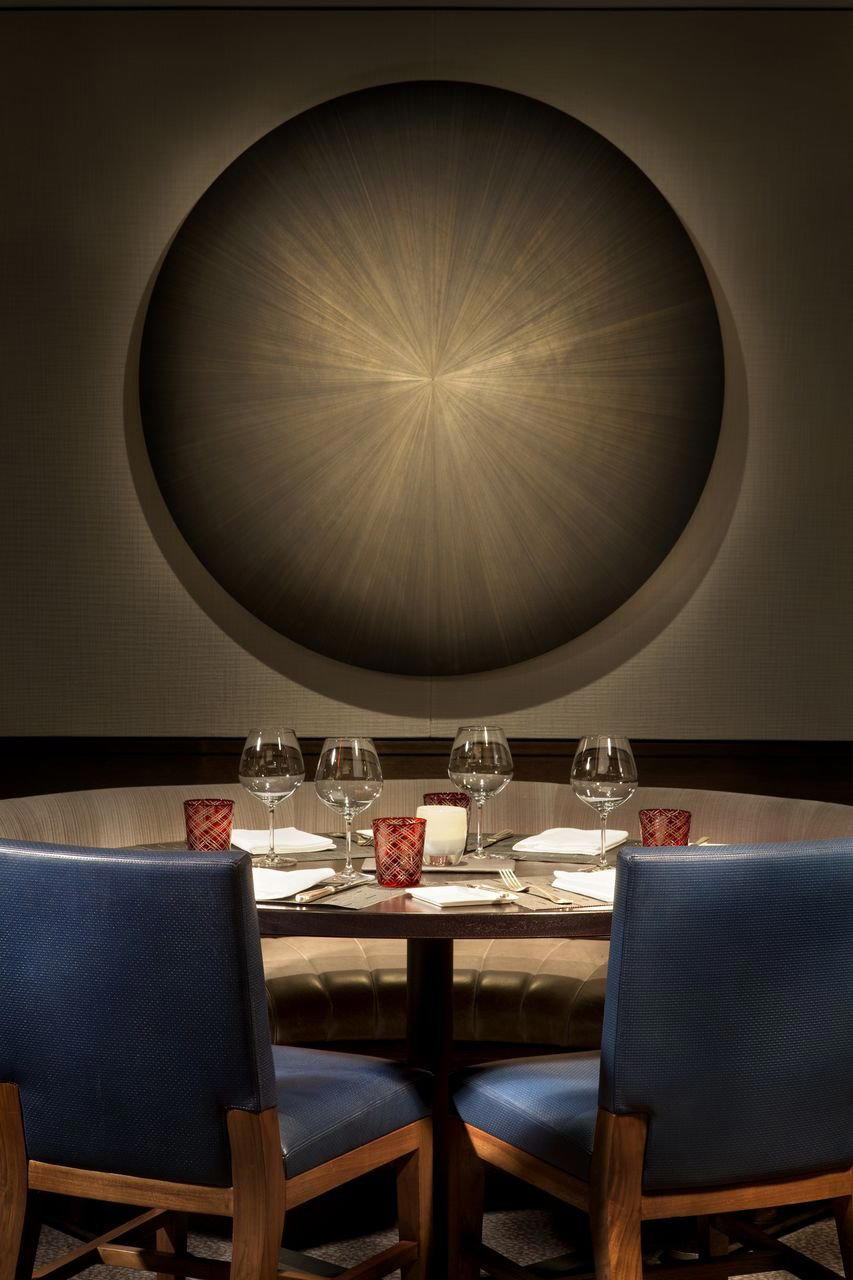

At a Glance
- Cozy
- Rustic
- Elegant
- Intimate
- Sophisticated
- Date Night
- Business Dinner
- Group Dining
- Celebration
- Special Occasion
- Design Destination
- Standalone
- Craft Cocktails
- Extensive Wine List
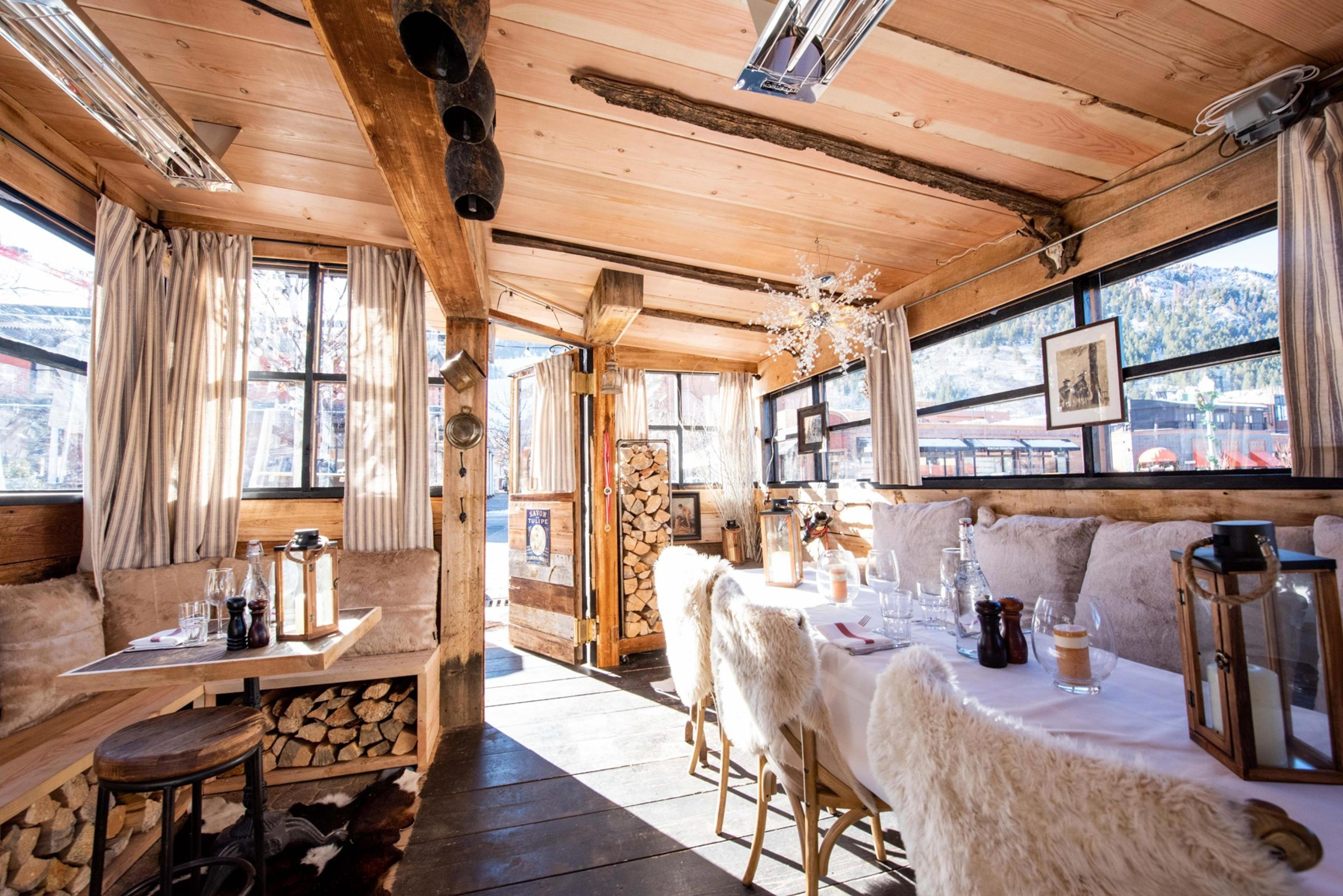
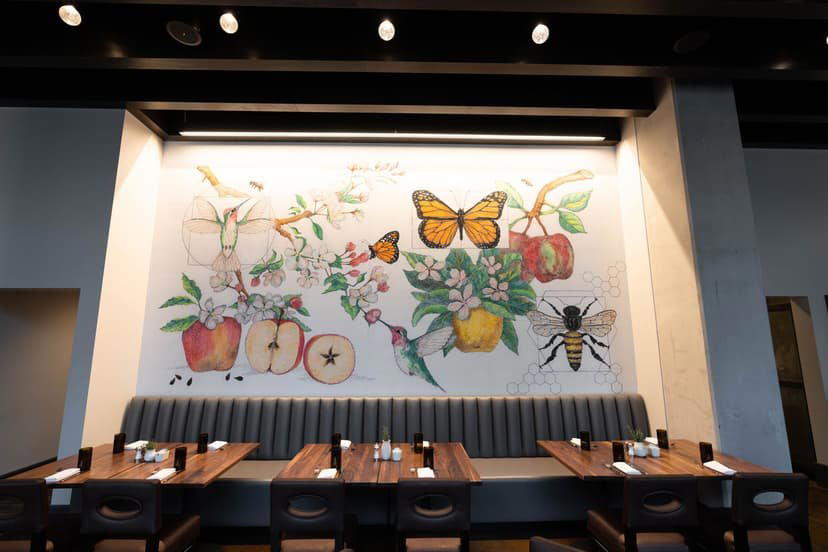
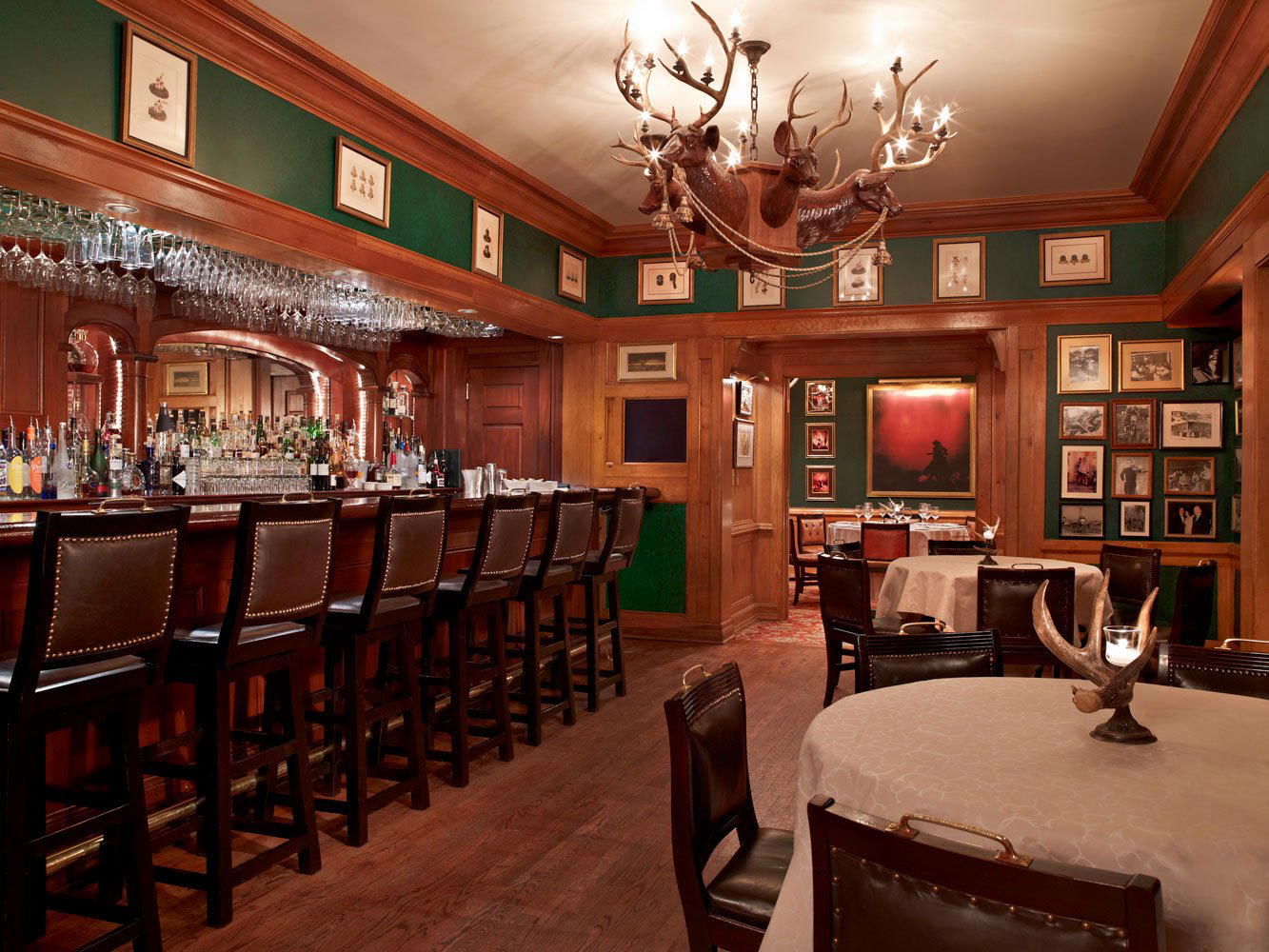
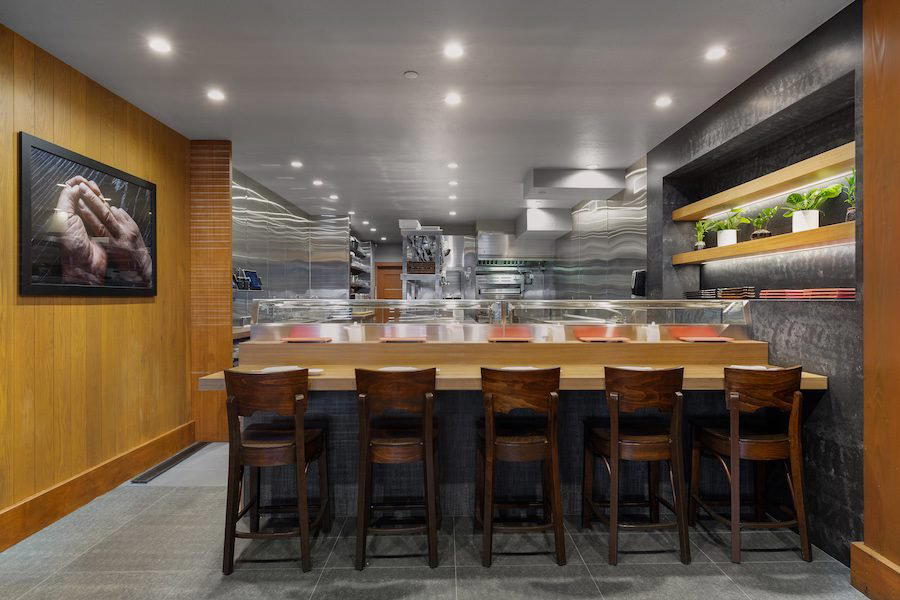
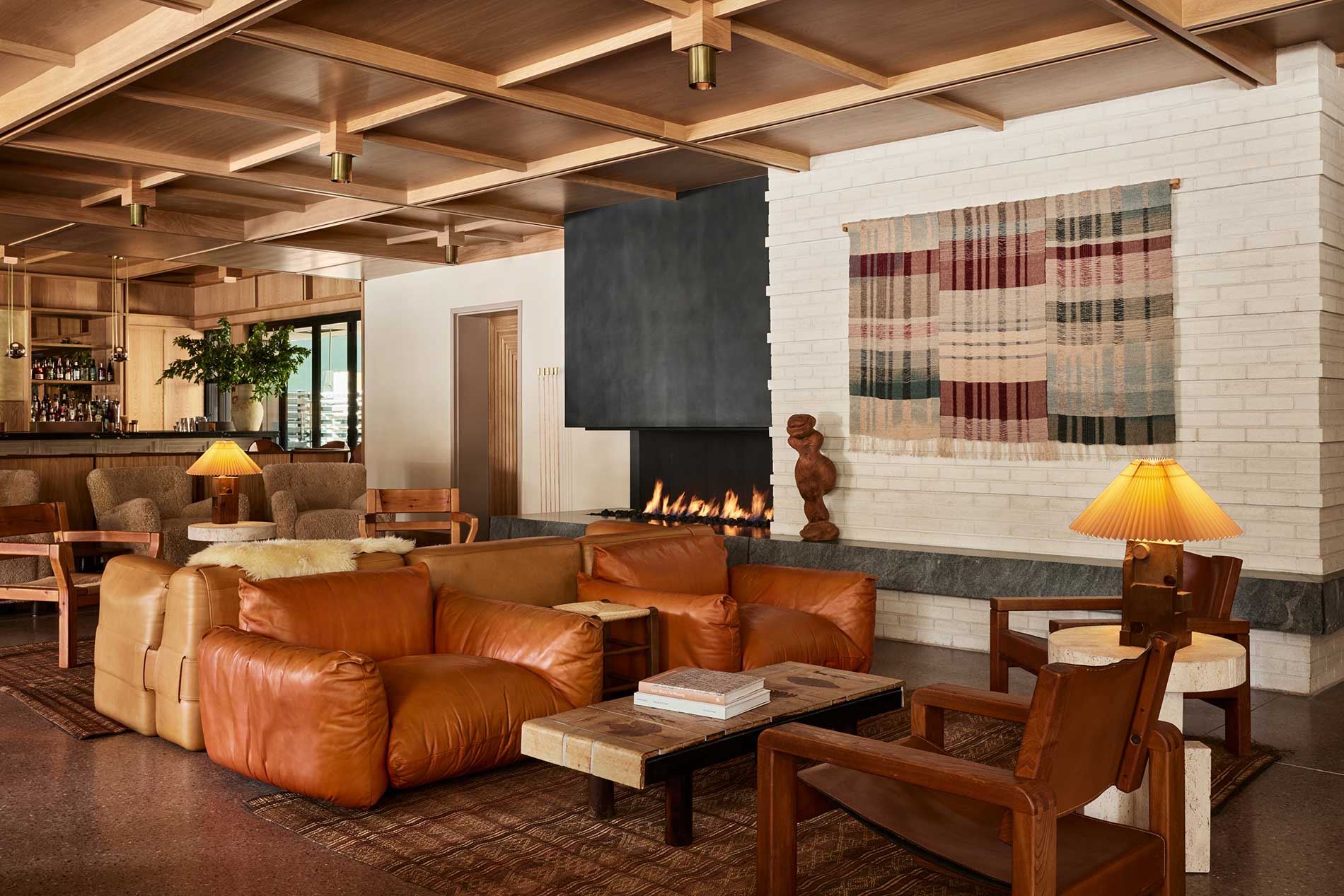
The dining room is warm and rustic yet polished, with Alpine wood-paneled walls, handcrafted tables, fur pelts and hide rugs under soft lighting from antler chandeliers, creating an intimate, celebratory mountain-lodge feel.