In the South Tyrol village of Burgstall, Aomi Wagyū Restaurant brings a focused proposition to one of Italy's most ingredient-conscious alpine regions: Japanese wagyu in a setting where provenance and product quality drive the menu. The restaurant sits on Via Roma at the edge of the Adige Valley, placing it within reach of both Merano and Bolzano for visitors exploring the Alto Adige dining circuit.
 Discover on Pearl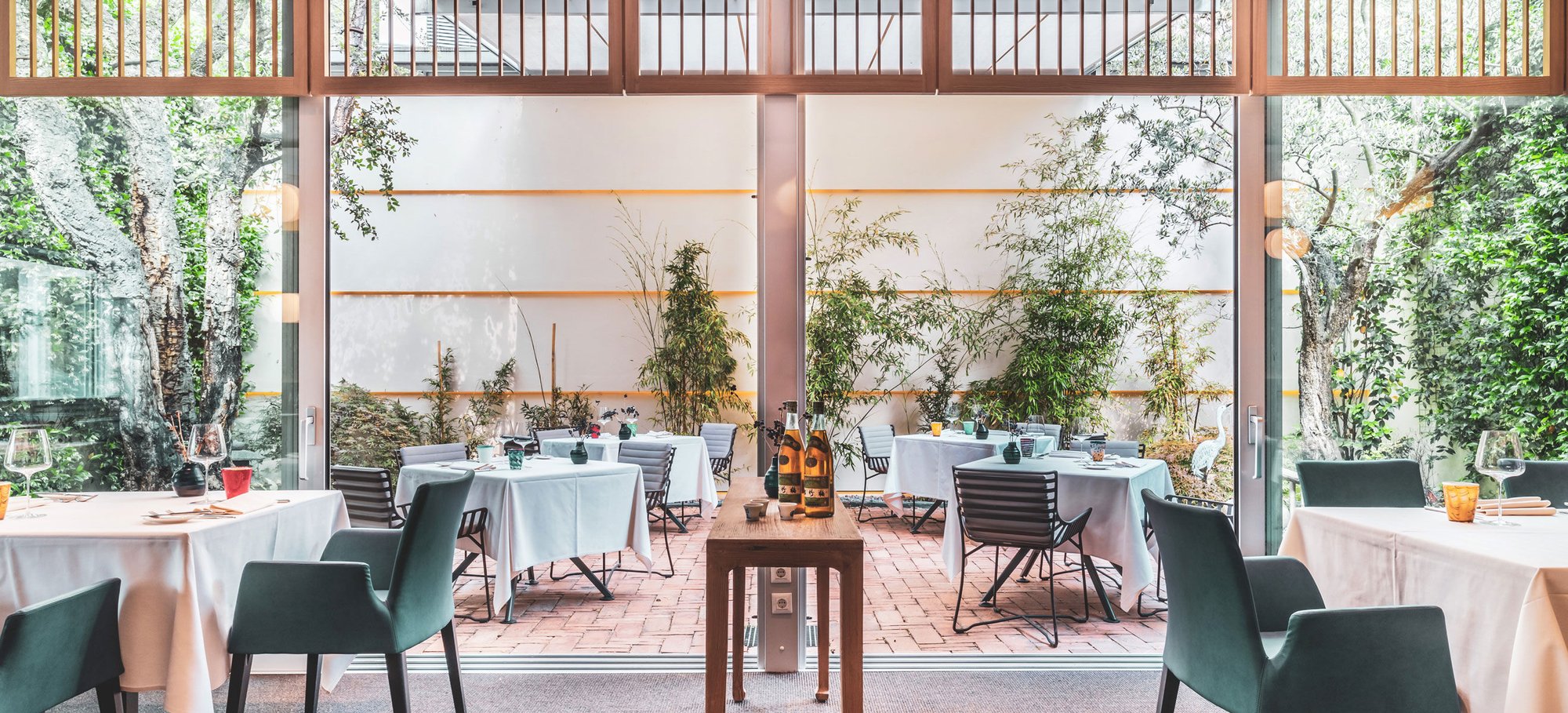
Where Alpine Precision Meets Japanese Beef Culture
South Tyrol has long operated as a region where ingredient sourcing is treated as a discipline rather than a marketing point. The same altitude and climatic rigour that shapes the area's apple orchards, speck producers, and small-scale dairy operations creates a sensibility among restaurants here: the product comes first, and the cooking exists to clarify rather than transform. Aomi Wagyū Restaurant in Burgstall positions itself within that local logic, but draws its primary material from a very different tradition. Wagyu beef, a category defined by specific Japanese cattle breeds and the fat marbling standards they produce, is a rare specialisation anywhere in Italy, and rarer still in a village of this size.
Burgstall sits in the Adige Valley, a stretch of South Tyrol that connects Merano to the south and opens toward Bolzano. The village is quiet by the standards of either city, which means a restaurant here competes on specificity rather than foot traffic. That context matters when reading what Aomi is doing: the decision to centre a menu on wagyu is a deliberate narrowing of scope, one that signals confidence in the ingredient itself. Visitors making the journey from Merano or Bolzano, or stopping through the valley on a broader Alto Adige itinerary, should read that narrowness as a quality signal rather than a limitation. For the broader regional dining picture, our full Burgstall restaurants guide maps the valley's options across categories.
The Sourcing Argument for Wagyu in Alpine Italy
Wagyu as a product category carries significant precision. The term covers several Japanese cattle breeds, most prominently Kuroge Washu (Japanese Black), whose genetic predisposition to intramuscular fat produces the marbling patterns that distinguish it from standard beef. The beef is graded by fat distribution, with the BMS (Beef Marbling Standard) scale running from 1 to 12 in Japan, where anything above BMS 8 represents the upper tier of the market. That grading system, combined with the feed protocols and extended raising periods associated with genuine wagyu production, means the ingredient commands a price premium that flows directly into menu costs wherever it appears.
In Italy, wagyu has entered the premium dining conversation through two routes: imported Japanese product, and domestic Italian-raised wagyu cattle, a practice that has grown in the Po Valley and parts of Veneto. The distinction matters for anyone thinking about what ends up on the plate. Domestic Italian wagyu benefits from local traceability and shorter supply chains, but the marbling results vary more than Japanese production, where feed protocols have been standardised over generations. Which sourcing path Aomi follows shapes the product fundamentally, and it is the kind of question worth raising when booking or arriving, particularly given the restaurant's address in a region where local provenance is a value held seriously by both producers and diners.
South Tyrol's position as a border region, historically German-speaking and influenced by Austrian culinary tradition, also creates an interesting tension with a Japanese beef focus. The region's most celebrated restaurants, including Atelier Moessmer Norbert Niederkofler in Brunico, have moved toward hyper-local alpine ingredients as a philosophical commitment. Aomi sits outside that movement by design, drawing instead on a global premium ingredient with its own rigorous sourcing logic. That contrast is not a weakness; it is what makes the restaurant's proposition distinct within the regional context.
Reading the Room: Alto Adige's Fine Dining Tier
Italy's premium restaurant tier is concentrated in predictable urban centres and coastal addresses. Osteria Francescana in Modena, Enoteca Pinchiorri in Florence, and La Pergola in Rome occupy the nationally recognised summit of Italian dining. Further down the peninsula, addresses like Dal Pescatore in Runate, Uliassi in Senigallia, and Piazza Duomo in Alba define regional excellence across distinct ingredient traditions. South Tyrol contributes to this picture from the north, where the alpine setting and Germanic culinary inheritance produce a different register entirely.
Within that context, a wagyu-specialist in a small valley village occupies a specific niche: premium ingredient focus without the ambient prestige of a major city address. Comparable specialist approaches in Italy include Quattro Passi in Marina del Cantone, where the coastal address anchors a Mediterranean seafood focus, or Reale in Castel di Sangro, another destination restaurant in a non-metropolitan location that asks diners to travel to the ingredient's context rather than the other way around. The logic is consistent: when the product is the argument, location becomes secondary to commitment.
For diners who want to triangulate Burgstall against the broader Italian fine dining circuit before committing, addresses like Le Calandre in Rubano, Da Vittorio in Brusaporto, Villa Crespi in Orta San Giulio, Enrico Bartolini in Milan, and Casa Perbellini 12 Apostoli in Verona each represent different approaches to premium ingredient curation in northern Italy. Internationally, the sourcing discipline that defines a strong wagyu program has analogues in Le Bernardin in New York City and Lazy Bear in San Francisco, both of which treat ingredient provenance as the structural argument of the menu. Gambero Rosso in Marina di Gioiosa Ionica offers yet another example of how a focused, single-category ingredient approach can anchor a restaurant far from any metropolitan centre.
Planning Your Visit
Aomi Wagyū Restaurant is located at Via Roma 7 in Burgstall, postal code 39014, in the BZ province of South Tyrol. The village sits between Merano and Bolzano on the Adige Valley corridor, making it accessible by car from either city in under thirty minutes. South Tyrol's rail connections run through Merano and Bolzano, with local transport options linking the valley, though a car remains the most practical choice for this part of the region. Because specific hours, pricing, and booking methods are not published in centrally available records, contacting the restaurant directly before visiting is the sensible approach, particularly for a specialist format where covers may be limited. A wagyu-focused menu at the premium end of the market typically involves advance planning regardless of format, and smaller village restaurants in this region frequently operate without walk-in availability during peak season.
Frequently Asked Questions
Comparable Spots, Quickly
These are the closest comparables we have in our database for quick context.
| Venue | Cuisine | Price | Awards | Notes |
|---|---|---|---|---|
| Aomi Wagyū Restaurant | This venue | |||
| Atelier Moessmer Norbert Niederkofler | Italian, Creative | €€€€ | Michelin 3 Star | Italian, Creative, €€€€ |
| Dal Pescatore | Italian, Italian Contemporary | €€€€ | Michelin 3 Star | Italian, Italian Contemporary, €€€€ |
| Quattro Passi | Italian, Mediterranean Cuisine | €€€€ | Michelin 3 Star | Italian, Mediterranean Cuisine, €€€€ |
| Reale | Progressive Italian, Modern Cuisine | €€€€ | Michelin 3 Star | Progressive Italian, Modern Cuisine, €€€€ |
| Uliassi | Italian Seafood - Marche, Creative | €€€€ | Michelin 3 Star | Italian Seafood - Marche, Creative, €€€€ |
Need a table?
Our members enjoy priority alerts and concierge-led booking support for the world's most difficult tables.
Get Exclusive Access