Anomaly SF


Michelin Plate · Wine Spectator Award of Excellence
Our verdict
On Sutter Street in San Francisco's Lower Pacific Heights, Anomaly SF earns consecutive Michelin Plate recognition for its California-inflected Southern American cooking under chef-owner Michael Lanham. The wine program, directed by Francis Kulaga, draws from a 600-bottle cellar with particular depth in California and France, positioned in the mid-to-upper tier of the city's contemporary dining scene.

Pearl is the En Primeur Club membership app — saves, bookings, and concierge access live there. Same editors, same standards.
- Address
- 2600 Sutter St, San Francisco, CA 94109
- Phone
- (415) 510-9468
- Hours
- Mon ClosedTue 7–11 PMWed–Sat 6–11 PMSun Closed
- Website
- anomalysf.com
- Directions
- Get directions
- Booking
- Book on Tock
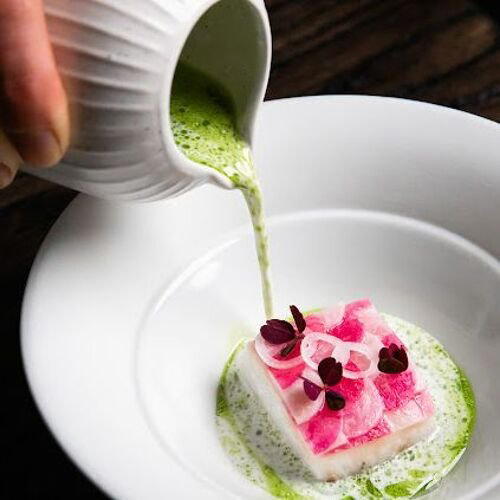
The menu
What to order
- An Egg; sort of
- Green Goddess Soup & Parmesan Snow
A Room That Sets Its Own Terms
Lower Pacific Heights occupies an interesting middle ground in San Francisco's dining geography: close enough to the density of the Western Addition to draw a neighborhood crowd, far enough from the Financial District to feel genuinely residential. On Sutter Street, the contemporary dining scene is less concentrated than in SoMa or Hayes Valley, which means restaurants here earn their regulars through consistency rather than foot traffic. Anomaly SF sits in that context, and the address alone signals something about its audience: people who sought it out.
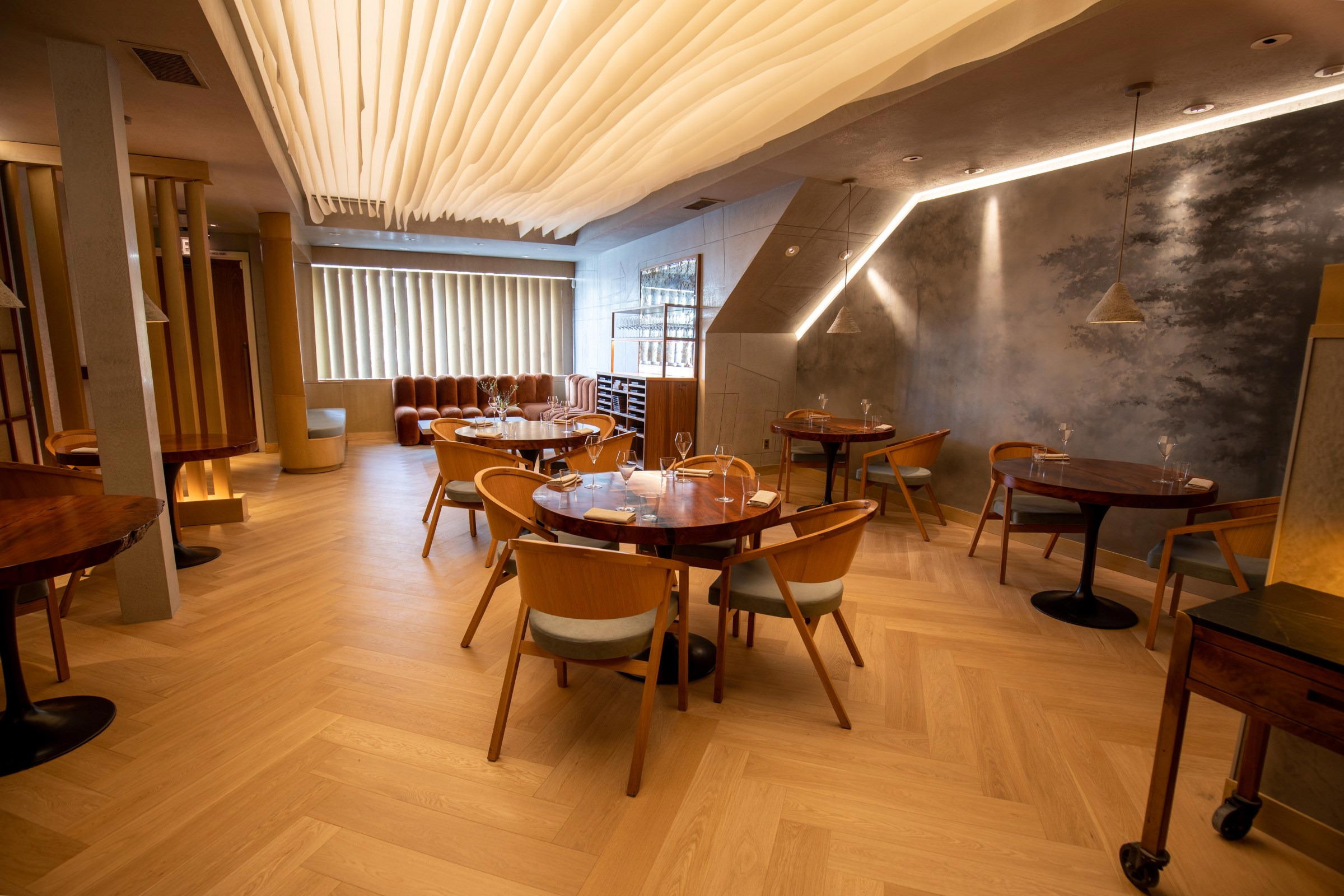
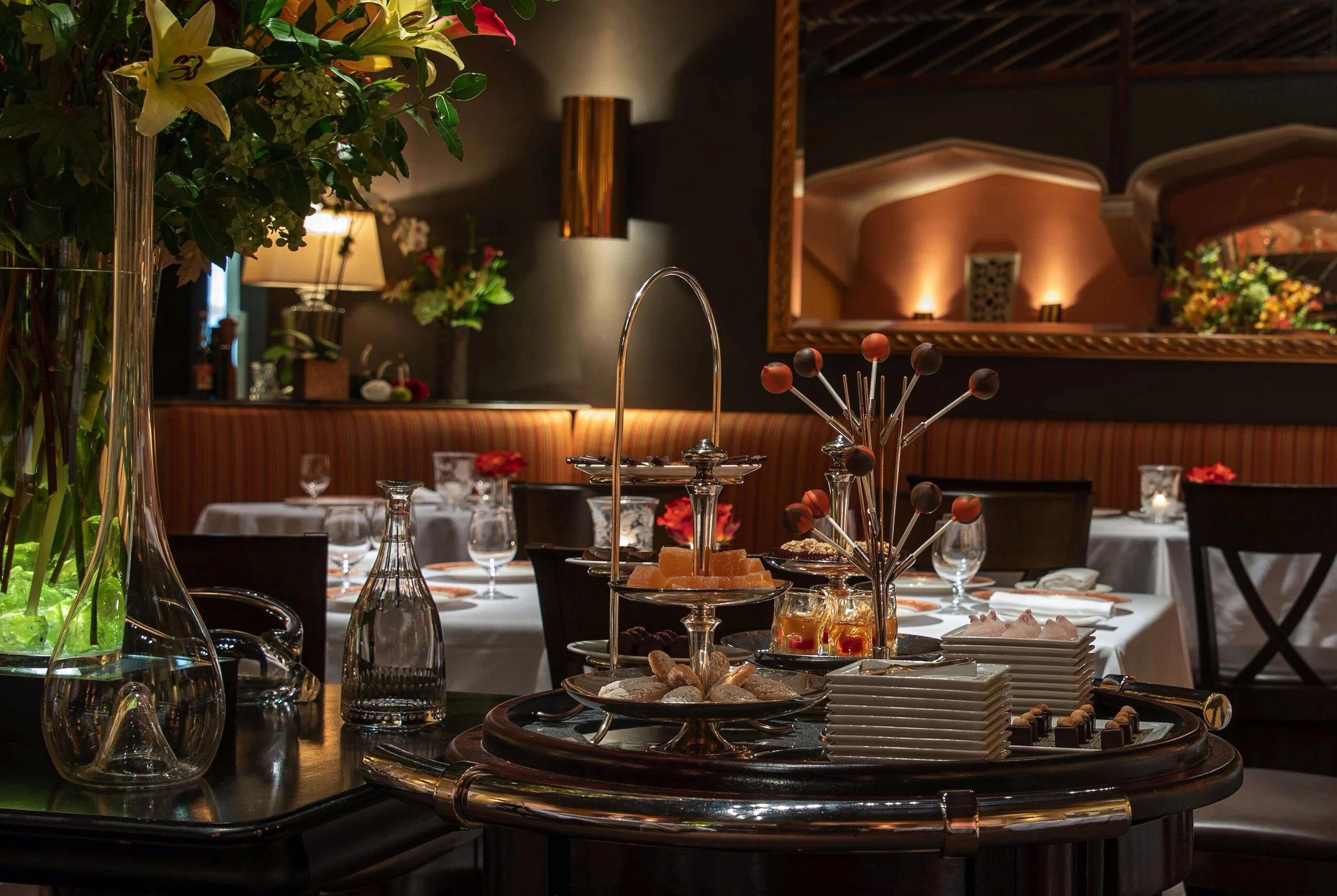
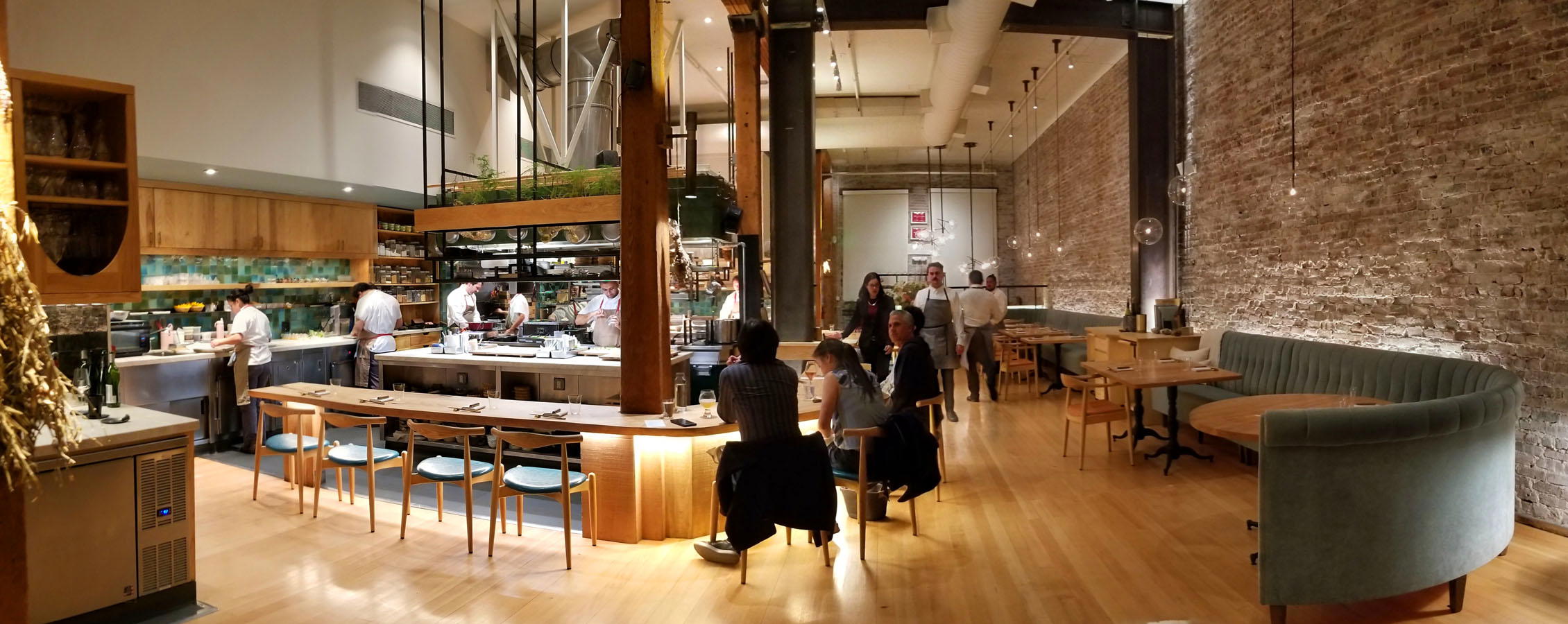
The physical framing of a restaurant shapes expectations before a single dish arrives. San Francisco's contemporary tier has moved, over the past decade, toward a particular aesthetic vocabulary: exposed wood, ceramic tableware, warm low-spectrum lighting, and service postures that suggest informality without sacrificing precision. Anomaly SF operates within that register. The design reads as deliberate restraint rather than minimalism for its own sake, the kind of environment where attention defaults to the plate and the glass rather than to the room itself. For a dining format that bridges Californian technique with Southern American tradition, the spatial logic holds: neither element announces itself loudly, and the combination rewards closer attention.
The California-Southern Axis
Californian cooking and Southern American cooking make a less obvious pairing than, say, Californian and Japanese, which has become a standard regional idiom. The Southern strand brings a different pantry: cured meats, low-and-slow preparations, legume-forward building blocks, and a comfort-weight sensibility that cuts against California's instinct toward brightness and lightness. The tension between those two poles is productive territory for a kitchen.
Chef-owner Michael Lanham's program positions Anomaly SF within a cohort of restaurants that treat Southern American traditions as serious culinary infrastructure rather than as nostalgia or novelty. Compare that with the progressive American format at Lazy Bear, where Southern reference points occasionally appear but are filtered through a high-modernist framework, or the California-French orthodoxy at Atelier Crenn. Anomaly SF's commitment to holding both cuisines in meaningful relation gives it a distinct position in the city's contemporary tier. For comparable regional sincerity applied to different traditions, Kiln and Angler SF occupy adjacent space in San Francisco's mid-to-upper contemporary bracket, each building outward from a specific culinary logic rather than assembling a generically ambitious menu.
The Michelin Plate recognition in both 2024 and 2025 is a useful data point here. The Plate designation, which Michelin awards to restaurants offering good cooking without reaching Star criteria, places Anomaly SF in a specific tier: technically sound, editorially noticed, but operating below the pressure and price architecture of the Star set. For context, the three-Star restaurants in San Francisco, including Benu, Atelier Crenn, and Quince, run menus in the $300-plus-per-person range. Anomaly SF's cuisine pricing at the $$$ tier, representing meals typically above $66 per person without beverages, positions it meaningfully below that ceiling while still signaling seriousness of execution.
The Wine Program as a Structural Argument
A 600-bottle cellar with wine pricing in the $$$ bracket and a $70 corkage fee tells you several things at once. The cellar is mid-sized by serious restaurant standards, large enough to offer genuine depth but not so large as to require a full-time logistics operation. The focus on California and France is the dominant logic at this price point across San Francisco's restaurant wine programs; Burgundy and domestic Pinot Noir sit comfortably together, and Northern California's Cabernet and Chardonnay production gives sommeliers well-mapped supplier relationships.
Wine Director Francis Kulaga, who also serves as General Manager, oversees a list that skews toward bottles above $100, which the $$$ wine-pricing designation reflects. A $70 corkage fee is on the higher end of San Francisco's norm, suggesting the program takes its list seriously enough to price the alternative accordingly. Sommelier Matthew Didier completes a lean but credentialed team for a restaurant of this size. The structure here resembles what you find at Michelin Plate-recognized contemporaries rather than the sprawling, deep-cut lists at Star-level operations like The French Laundry in Napa or Single Thread Farm in Healdsburg.
For comparison, [Snail Bar]() in Oakland and Le Comptoir at Bar Crenn in San Francisco approach wine from different editorial angles, the former through natural wine advocacy, the latter through a tightly curated short list aligned to a French culinary framework. Anomaly SF's broader 200-selection, 600-bottle depth suggests a more inclusive approach to the genre, one suited to a dining room serving dinner to a range of guests with different reference points.
Where Anomaly SF Sits in San Francisco's Contemporary Map
San Francisco's fine-dining tier is stratified enough that price and awards do real positioning work. Below the three-Star bracket and above the casual-contemporary middle sits a cluster of Michelin Plate and Bib Gourmand restaurants that carry genuine critical attention without the full ceremonial weight of the Star experience. Anomaly SF belongs to that productive middle tier, where cooking decisions are made for culinary reasons rather than to satisfy the ritual expectations of a $400 tasting menu.
The Southern American element in particular sets it apart from most peers in that tier. Southern cooking at serious restaurant level remains less represented in San Francisco than in cities like Charleston or New Orleans, where Emeril's has long anchored a broader tradition. In a Bay Area context, finding that Southern thread woven into a Californian framework at Michelin-recognized quality is a specific proposition. For readers building a multi-night itinerary across the city's contemporary restaurants, Chez TJ in Mountain View offers another data point in the region's progressive American conversation, while Providence in Los Angeles and César in New York City represent how the contemporary format operates under different regional constraints. Internationally, Jungsik in Seoul demonstrates how a similar kitchen logic, Korean tradition filtered through contemporary French technique, can build sustained recognition. The broader EP Club guides for San Francisco restaurants, [bars](), [hotels](), [wineries](), and experiences map the full range of options across the city.
Planning Your Visit
Anomaly SF serves dinner only, which narrows the logistical window but sharpens the occasion. At 2600 Sutter Street, the restaurant sits between Divisadero and Broderick in the Lower Pacific Heights corridor, accessible by the 24 Divisadero Muni line or a short drive from the Union Square hotel cluster. Street parking on Sutter is possible but competitive on weekend evenings. For weekend dinners, advance booking is advisable; the mid-week window is more flexible but still not guaranteed at prime evening hours. The $70 corkage fee applies if you bring your own bottle, which is worth calculating against the $$$ wine list pricing before deciding. Two courses without beverages will typically run above $66 per person; with wine from the list, plan for the full evening to land meaningfully above that floor.
Frequently asked questions
What distinctions does Anomaly SF have?
Anomaly SF has received recognition including: WINE: Wine Strengths: California, France Pricing: $$$ i Wine pricing: Based on the list\'s general markup and high and low price points:$ has many bottles < $50;$$ has a range of pricing;$$$ has many $100+ bottles Corkage Fee: $70 Selection….
What's Anomaly SF's location?
Anomaly SF is located at 2600 Sutter St, San Francisco, CA 94109, San Francisco.
What's the must-try dish at Anomaly SF?
The kitchen does not publish a confirmed signature dish, so any single recommendation would be speculation. What the cuisine framework does tell you is that Michael Lanham's menu sits at the intersection of Californian and Southern American cooking — a pairing that tends to emphasise local produce read through a Southern lens. At the $$$$ price point with Michelin Plate recognition in both 2024 and 2025, the tasting arc is the better frame than any individual plate.
How much does it cost to eat at Anomaly SF?
Pricing at Anomaly SF is listed as $$$$.
Should I book Anomaly SF in advance?
Yes, particularly if you are working around fixed travel dates. Anomaly SF holds Michelin Plate status for 2024 and 2025 and prices dinner at the $$$$ tier, both of which compress availability at peak times. Dinner is the only service offered, which means the reservation pool is smaller than at venues running multiple seatings across lunch and dinner. Book ahead through whatever channel the restaurant currently lists.
Peers Worth Knowing
| Venue | Cuisine | Price | Awards | Notes |
|---|---|---|---|---|
| Anomaly SFThis venue — the venue you are viewing | Modern American Tasting Menu | $100–150 | Michelin Plate · Wine Spectator Award of Excellence | Not listed |
| Lazy Bear | Modern American Tasting Menu | Not listed | 2 Michelin Stars · World's 50 Best #25 | Progressive American, Contemporary |
| Benu | Modern Asian Fusion Fine Dining | $150–200 | 3 Michelin Stars · World's 50 Best #33 | French - Chinese, Asian |
| Atelier Crenn | Contemporary French Fine Dining | $300–500 | 3 Michelin Stars · World's 50 Best #44 | Modern French, Contemporary |
| Quince | Modern French Fine Dining | $300–500 | 3 Michelin Stars · World's 50 Best #48 | Italian, Contemporary |
| Saison | Modern French-Italian | Not listed | Michelin Plate | Progressive American, Californian |
Recognition history
Dated appearances from independent guides and award organizations, with the underlying list record or original source where available.
Michelin Plate
Michelin
Wine Spectator Award of Excellence
Wine Spectator
Full recognition history (4 entries)
Wine Spectator Award of Excellence
Wine Spectator
Michelin Plate
Michelin
Continue exploring
More in San Francisco
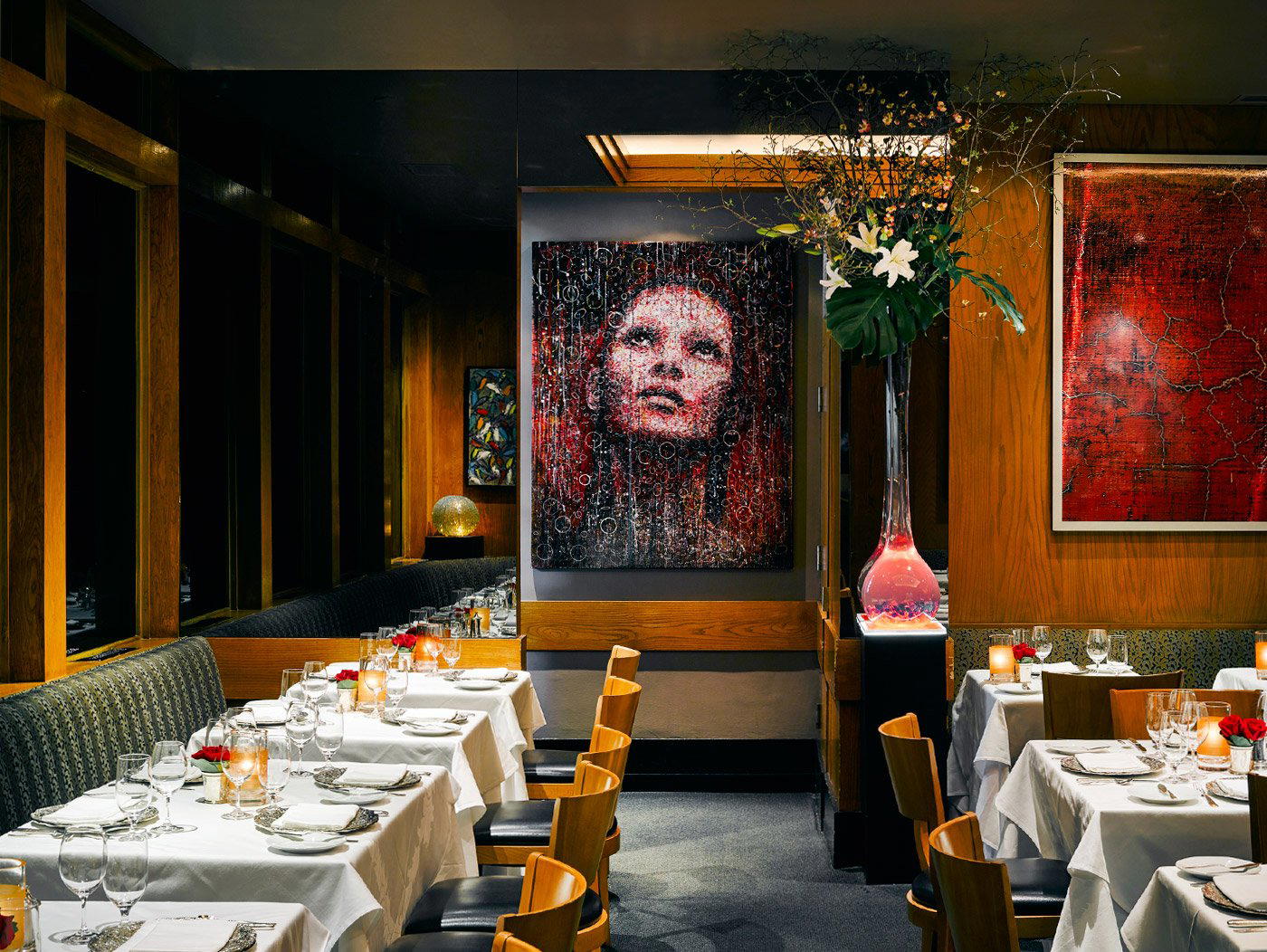
Restaurants in San Francisco
Browse all →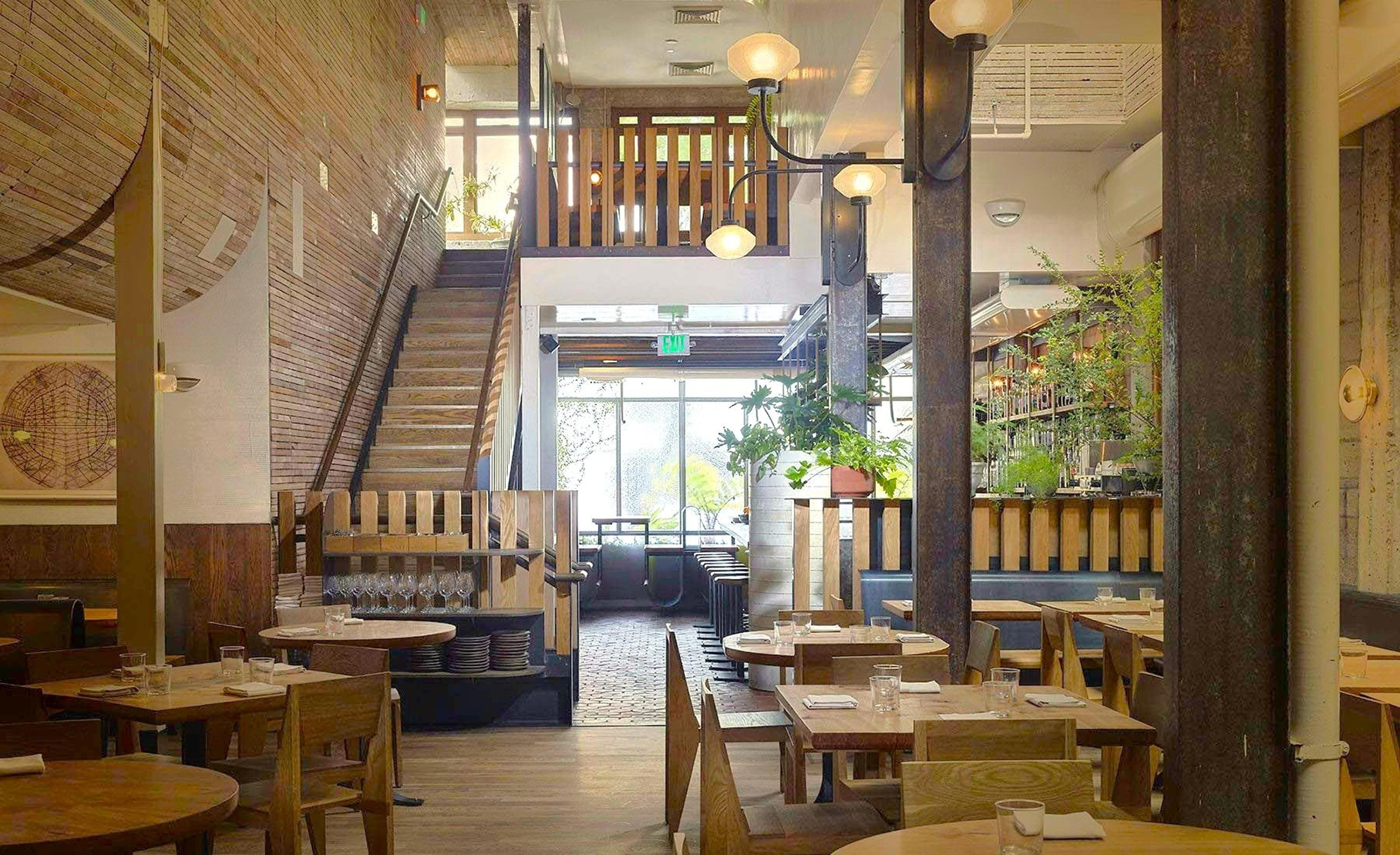
Bars in San Francisco
Browse all →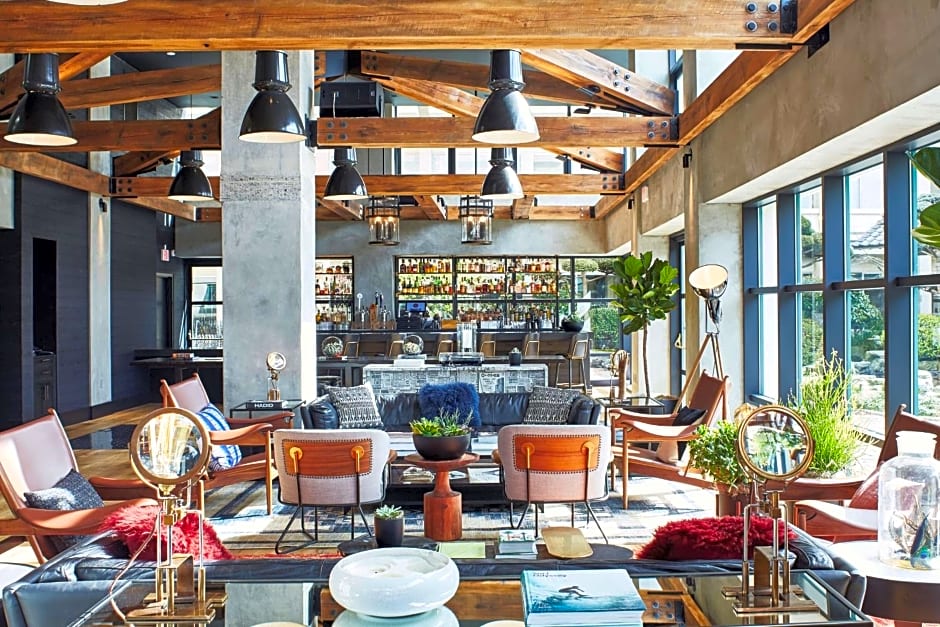
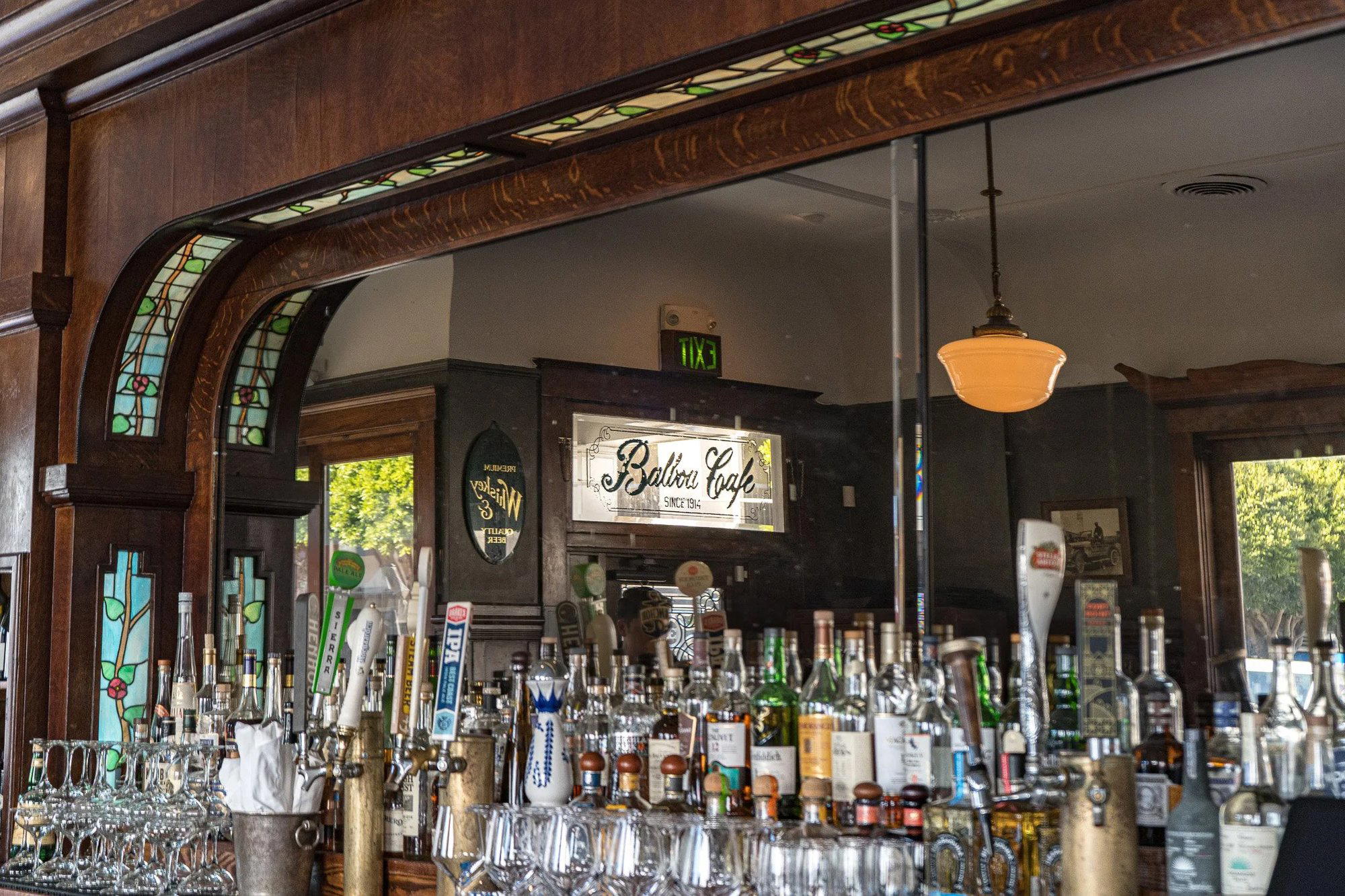
Hotels in San Francisco
Browse all →
Details
- Modern
- Intimate
- Trendy
- Sophisticated
- Date Night
- Special Occasion
- Celebration
- Open Kitchen
- Extensive Wine List
- Sommelier Led
- Tasting Menu
- Vegetarian Friendly
Current opening hours
- Monday
- Closed
- Tuesday
- 7–11 PM
- Wednesday
- 6–11 PM
- Thursday
- 6–11 PM
- Friday
- 6–11 PM
- Saturday
- 6–11 PM
- Sunday
- Closed
Hours can change for holidays and private events. Last verified .
Dimly lit, intimate space with modern decor resembling an Anthropologie showroom, open kitchen spotlit, and a sub rosa supper club feel despite some acoustic echo issues.