Anelya


Anelya brings Eastern European cooking to Chicago's Avondale neighbourhood at a price point that makes serious technique accessible. The zakusky cart, green borsch with dill and nettles, and holubtsi stuffed with locally raised beef represent a tradition that rarely gets this kind of careful, product-focused treatment in an American dining room. A Michelin Plate recognition in 2024 confirms the kitchen's standing.
Pearl is the En Primeur Club membership app — saves, bookings, and concierge access live there. Same editors, same standards.
- Address
- 3472 N Elston Ave, Chicago, IL 60618
- Phone
- (773) 692-2192
- Website
- anelyarestaurant.com
- Directions
- Get directions
 Saves & bookings on Pearl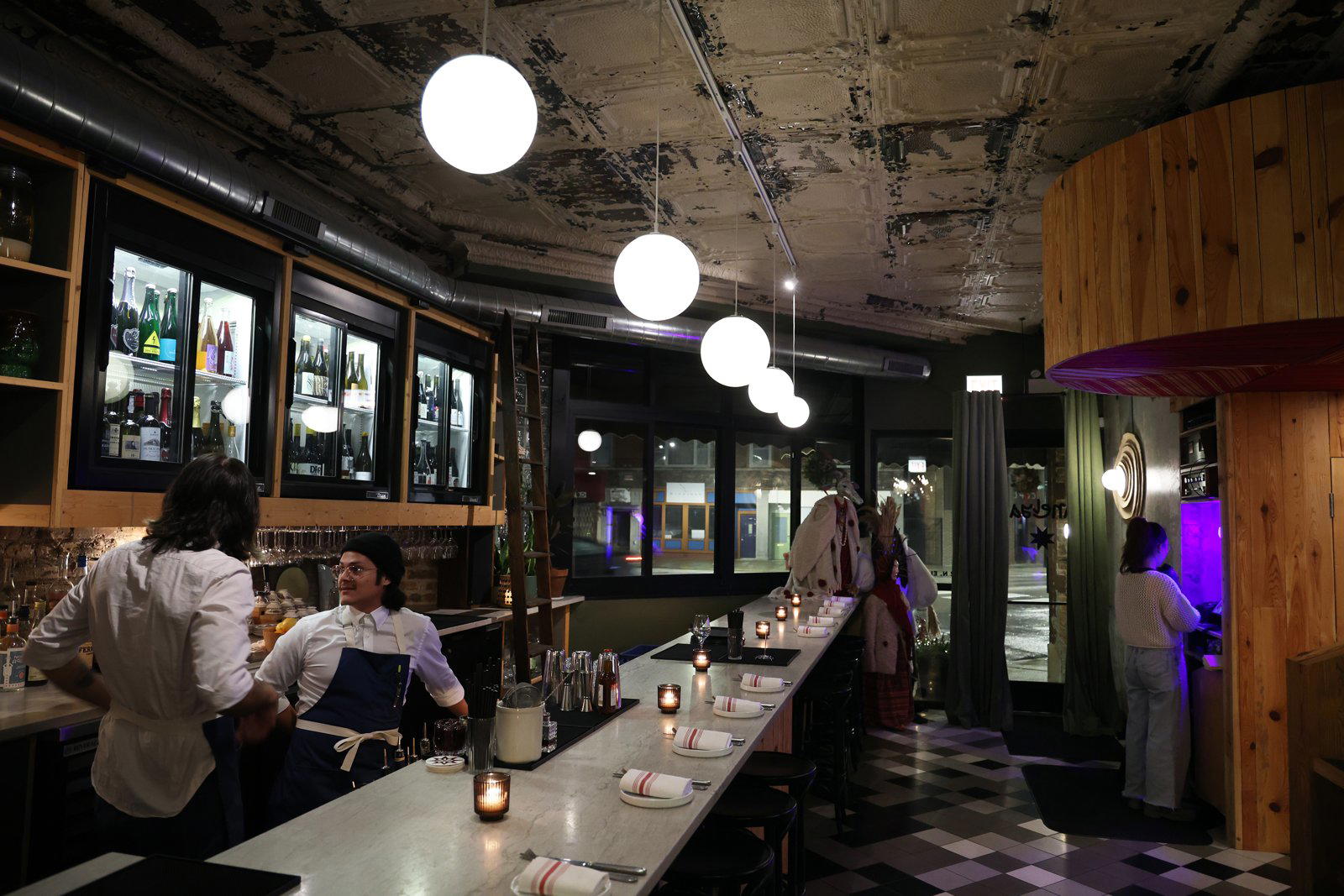
A Corner of Avondale That Smells Like Eastern Europe
Pull up to the 3400 block of North Elston Avenue on a cold Chicago evening and you're already in the right headspace for Anelya. Avondale is a working neighbourhood without the self-consciousness of Wicker Park or the polished density of the West Loop dining corridor. The building is low-key, the signage quiet. Inside, the transition is immediate: the air carries the warm, yeasty signal of bread baking and something deeper, the fatty, herbal register of stock and dill that belongs unmistakably to the cooking traditions of Ukraine and its neighbours. This is not a set-dressed approximation of Eastern Europe. The sensory cues are too specific, too earned.
Chicago has long sustained pockets of Eastern European community cooking, from the old Polish bakeries on Milwaukee Avenue to Ukrainian Village's Orthodox domes. What has been rarer is a restaurant that addresses those traditions with the same product focus and technical seriousness applied to, say, the Nordic-American format at Ever or the contemporary Filipino approach at Kasama.
The Zakusky Cart and the Logic of the Opening Act
The structure of the meal at Anelya tracks closely to Eastern European hospitality tradition, where the table fills before anyone sits down to eat in earnest. The zakusky cart, a rolling spread of small dishes, is the visual and sensory centrepiece of the opening sequence. In Russian and Ukrainian culinary culture, zakuski function as a pre-meal drinking table: salt, fat, acid, and starch arranged to accompany spirits before the main courses arrive. Here, the cart arrives loaded with items like sunflower seed hummus, roe tarts, and carrot salad. The combination signals sourcing intelligence alongside preservation of the tradition's spirit.
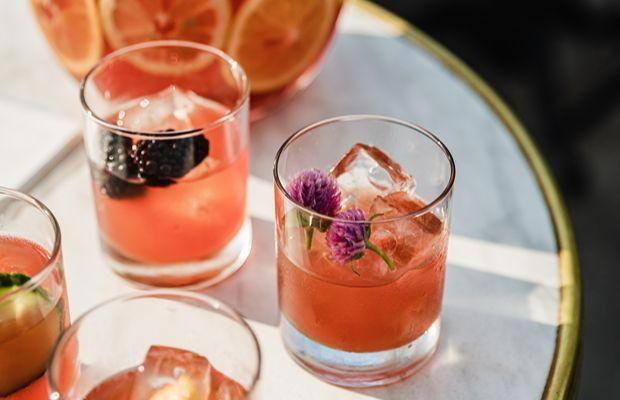
The bar stage before dinner reinforces the same logic. A shot of horseradish-infused vodka or a glass of Balkan wine is not decorative programming; it is how this meal is supposed to begin. Balkan wine in particular is a category that remains underexplored in American restaurant lists, where the default Central European option tends to be Austrian or, occasionally, Hungarian. Bringing it into the pre-dinner ritual here is a small act of education that goes down easily.
Green Borsch, Bread, and What Product-Focused Means in This Context
Phrase "product-focused approach to traditional specialties" is easy to write and hard to execute. In Eastern European cooking, the challenge is that the canon relies heavily on technique applied to humble, often root-heavy ingredients rather than on premium raw materials. The way you know the approach is working is in the details: whether the dill in a borsch tastes picked, not dried; whether the potato carries earth rather than water; whether the bread has tension in the crust and spring in the crumb.
Anelya's green borsch, enhanced with dill and nettles and served with boiled egg and fingerling potato slices, lands in that territory. The nettles are a signal worth noting: they appear in Ukrainian spring cooking as a seasonal green, which places this dish in a specific culinary moment rather than as a generic soup. The pampushky, the challah-adjacent Ukrainian bread served butter-glazed alongside, is the kind of thing that either anchors a meal or becomes forgettable depending on how seriously the kitchen treats it. By accounts, the bread here earns its place.
The holubtsi, stuffed cabbage made with finely ground locally raised beef, sits in a long Central and Eastern European tradition where the same basic form, meat and grain wrapped in cabbage leaf and braised, appears under a dozen names across a dozen countries. What distinguishes versions is the fat ratio in the filling, the acidity of the braising liquid, and whether the cabbage dissolves into the sauce or holds its shape. Sourcing locally raised beef for the filling is a detail that matters to the dish's flavour as much as to the kitchen's sourcing principles.
Where Anelya Sits in Chicago's Recognition Tier
A Michelin Plate in 2024 is the relevant trust signal here. The Plate sits below the star tier but above the general listing, indicating that Michelin inspectors found food worth seeking out without placing it in the formal fine dining bracket. Given the price point and the neighbourhood, this is the more appropriate recognition: Anelya is not competing with Alinea, Smyth, or Oriole in the tasting-menu, $$$$ bracket. It is doing something different and doing it with enough rigour to earn external recognition at its own tier.
Anelya shows how under-explored cuisine can be handled with genuine skill at an accessible price point. Eastern European cooking in the United States, outside of community restaurants and festival contexts, rarely receives this kind of platform. For comparison, Kinkally in London and the Boulder Dushanbe Tea House in Boulder represent the narrow field of dedicated Eastern European or Central Asian dining rooms in the English-speaking world that attract serious critical attention.
5 from 294 ratings, a number that suggests a consistent base of returning diners rather than a wave of novelty visits. At the $$ price tier, a 4.5 average usually means the kitchen is delivering reliably across the full range of the menu, not just on headline dishes.
The Dining Room and the Atmosphere It Creates
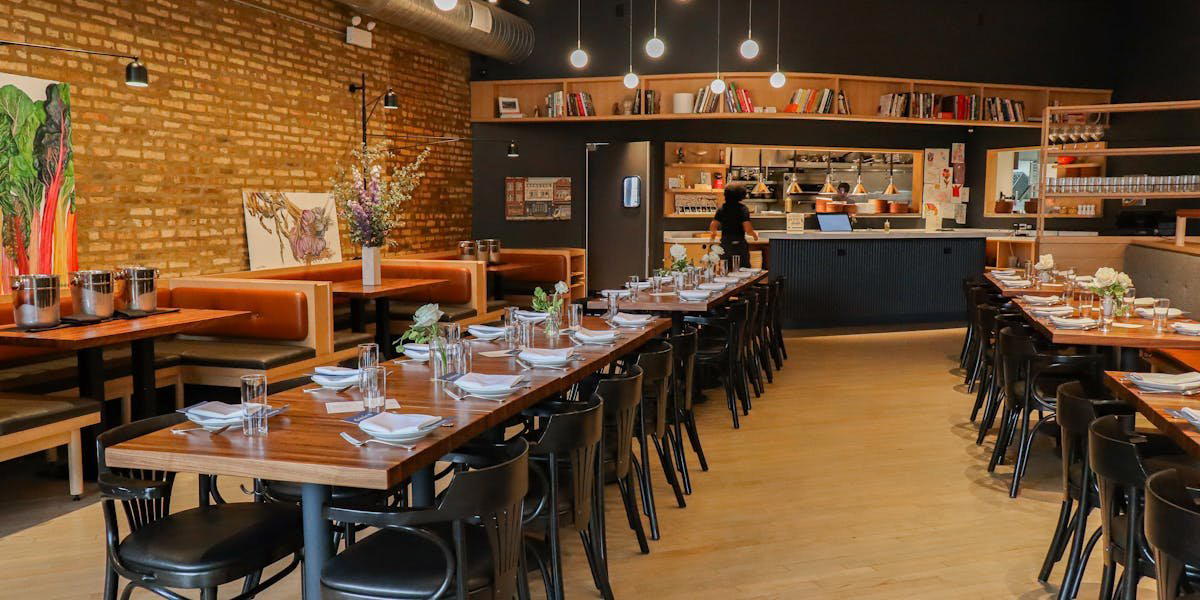
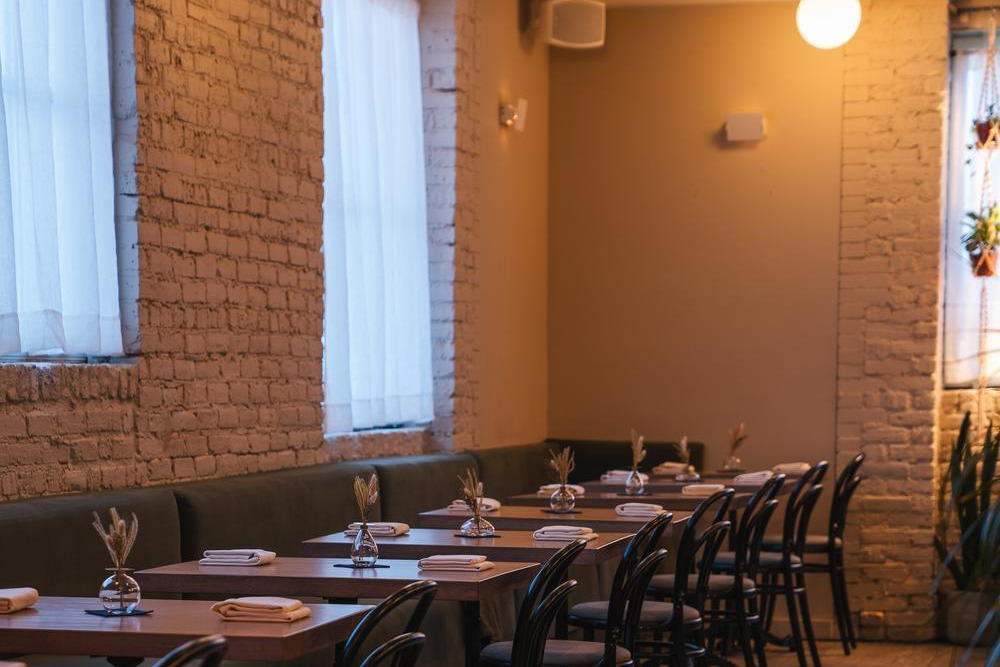
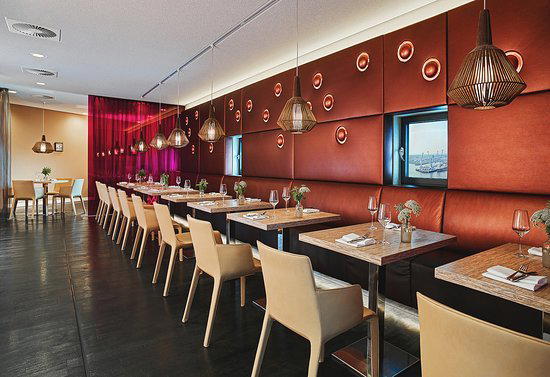
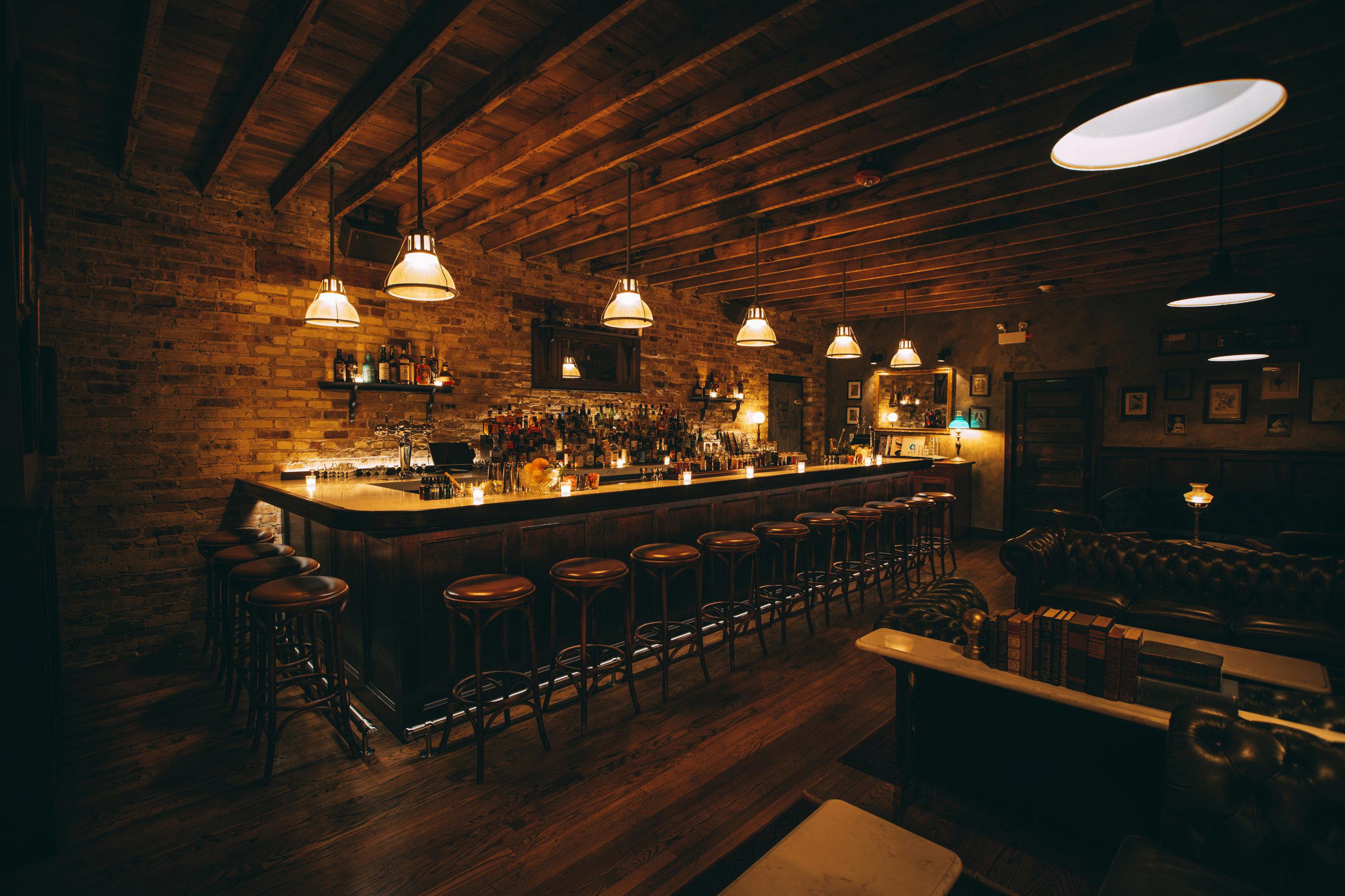
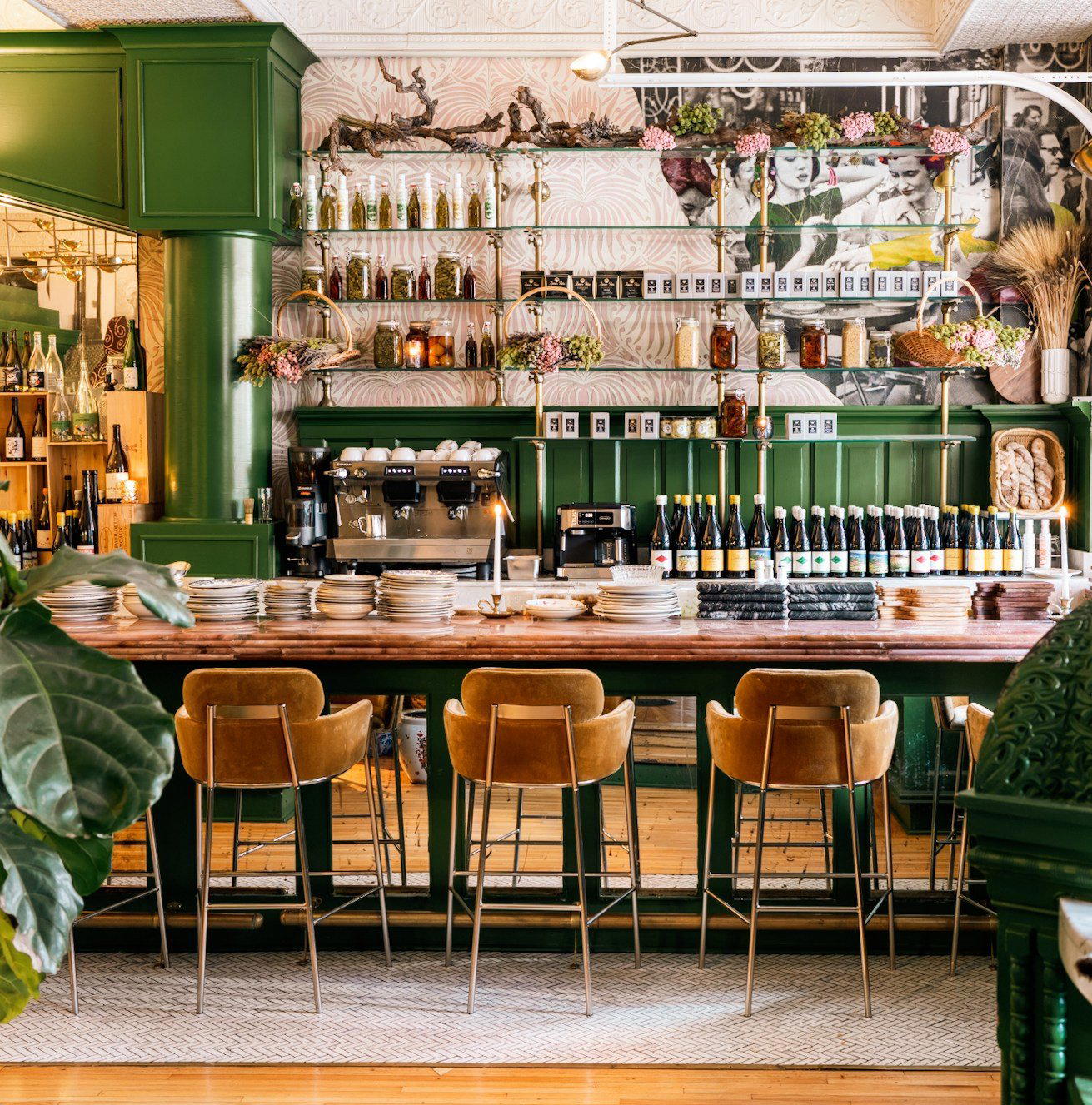
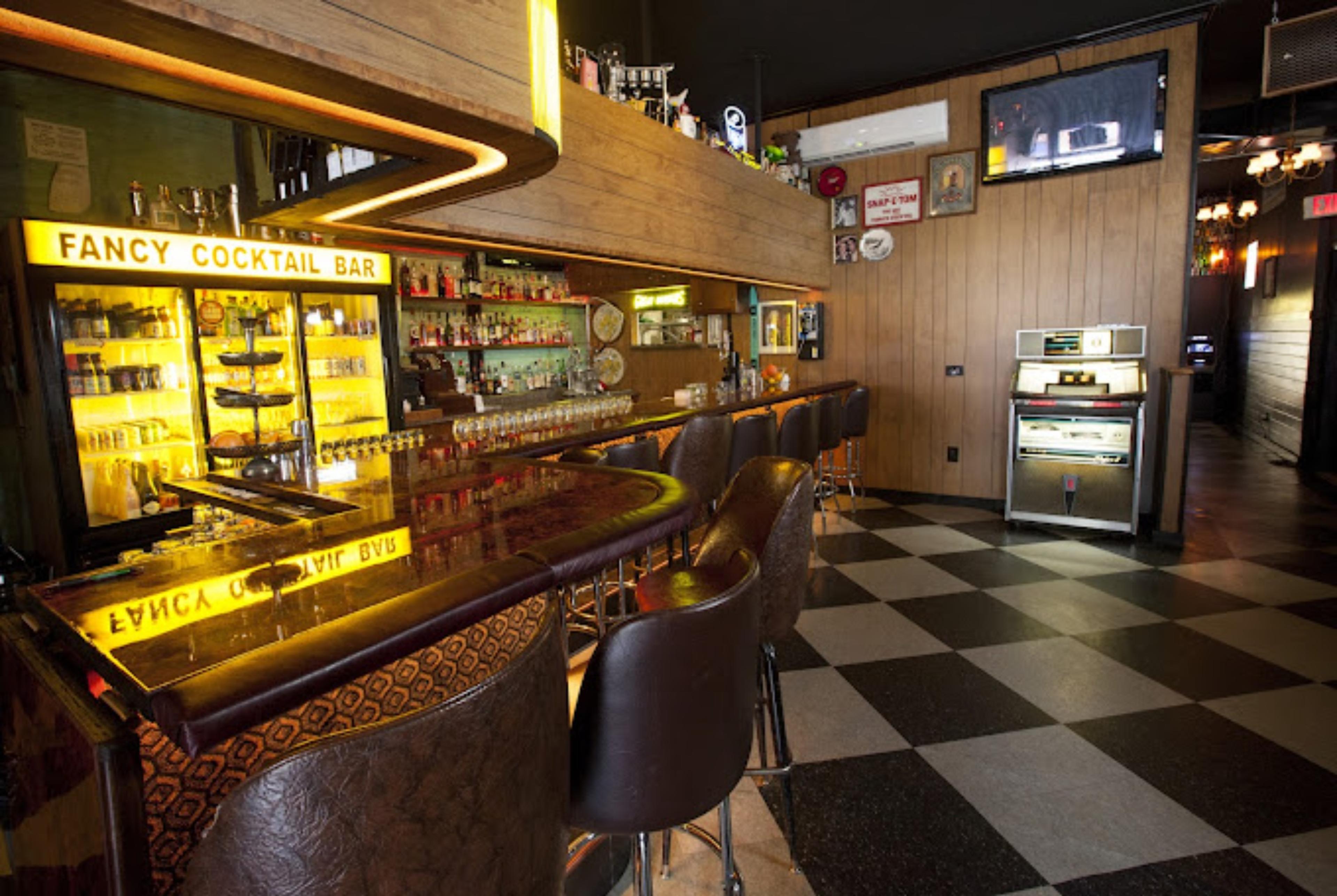
The dining room that follows the bar is a deliberate shift in register. Eastern European domestic interiors tend toward warmth over minimalism, and the Avondale location supports that direction: the neighbourhood's character is residential and unpretentious. The room does not try to reframe the cuisine as something it isn't. There are no exposed industrial surfaces or ambient playlists calibrated for Instagram capture. The atmosphere that results is closer to how this food has always been served, around a table, with the kitchen taking the work seriously without performing that seriousness at the guest.
Planning a Visit
Anelya sits at 3472 N Elston Ave in Avondale, accessible from the Blue Line at Addison or by car with street parking available along Elston. The $$ pricing makes it one of the more accessible restaurants in Chicago that carries Michelin recognition, and it is worth approaching as a full-evening format: begin in the bar with the vodka or Balkan wine, let the zakusky cart set the pace, and work through to the borsch and holubtsi without rushing.
What Should I Order at Anelya?
The zakusky cart is the place to start: it anchors the meal in the Eastern European tradition the kitchen is working from and lets you assess the sourcing approach before the main courses arrive. The green borsch with dill, nettles, boiled egg, and fingerling potato is the dish that most clearly demonstrates the product-focused philosophy, and the pampushky bread alongside it is worth ordering if you plan to work through the soup properly. The holubtsi, stuffed cabbage made with locally raised beef, represents the canonical Eastern European main course format and is the practical test of how well the kitchen handles braised meat. On drinks, the horseradish vodka is the correct opening move; the Balkan wine list is worth exploring if you want to extend the evening into a category that most Chicago wine lists ignore entirely. The Michelin Plate (2024) and chefs Johnny Clark and Beverly Kim's product-focused framework are the credentials that back these choices.
In Context: Similar Options
Comparable venues nearby, for context on price, style, and recognition.
| Venue | Cuisine | Price | Awards | Notes |
|---|---|---|---|---|
| AnelyaThis venue — the venue you are viewing | Modern Ukrainian | $$$ | Michelin Plate | Not listed |
| Maxwells Trading | Modern New American with Asian Influences | $$$ | Michelin Plate | West Loop |
| Loyalist | Modern American Gastropub | $$$ | Not listed | West Loop |
| Gaijin | Modern Japanese Okonomiyaki | $$$ | Michelin Plate | West Loop |
| Itoko | Modern Japanese Sushi & Robata | $$$ | Michelin Plate | Lakeview |
Recognition history
Dated appearances from independent guides and award organizations, with the underlying list record or original source where available.
Star Wine List
Star Wine List
Michelin Plate
Michelin
Michelin Plate
Michelin


At a Glance
- Cozy
- Intimate
- Charming
- Elegant
- Modern
- Date Night
- Special Occasion
- Group Dining
- Open Kitchen
- Private Dining
- Craft Cocktails
Current opening hours
- Monday
- Closed
- Tuesday
- Closed
- Wednesday
- 5–9 PM
- Thursday
- 5–9 PM
- Friday
- 5–10 PM
- Saturday
- 5–10 PM
- Sunday
- 5–9 PM
Hours can change for holidays and private events. Last verified .
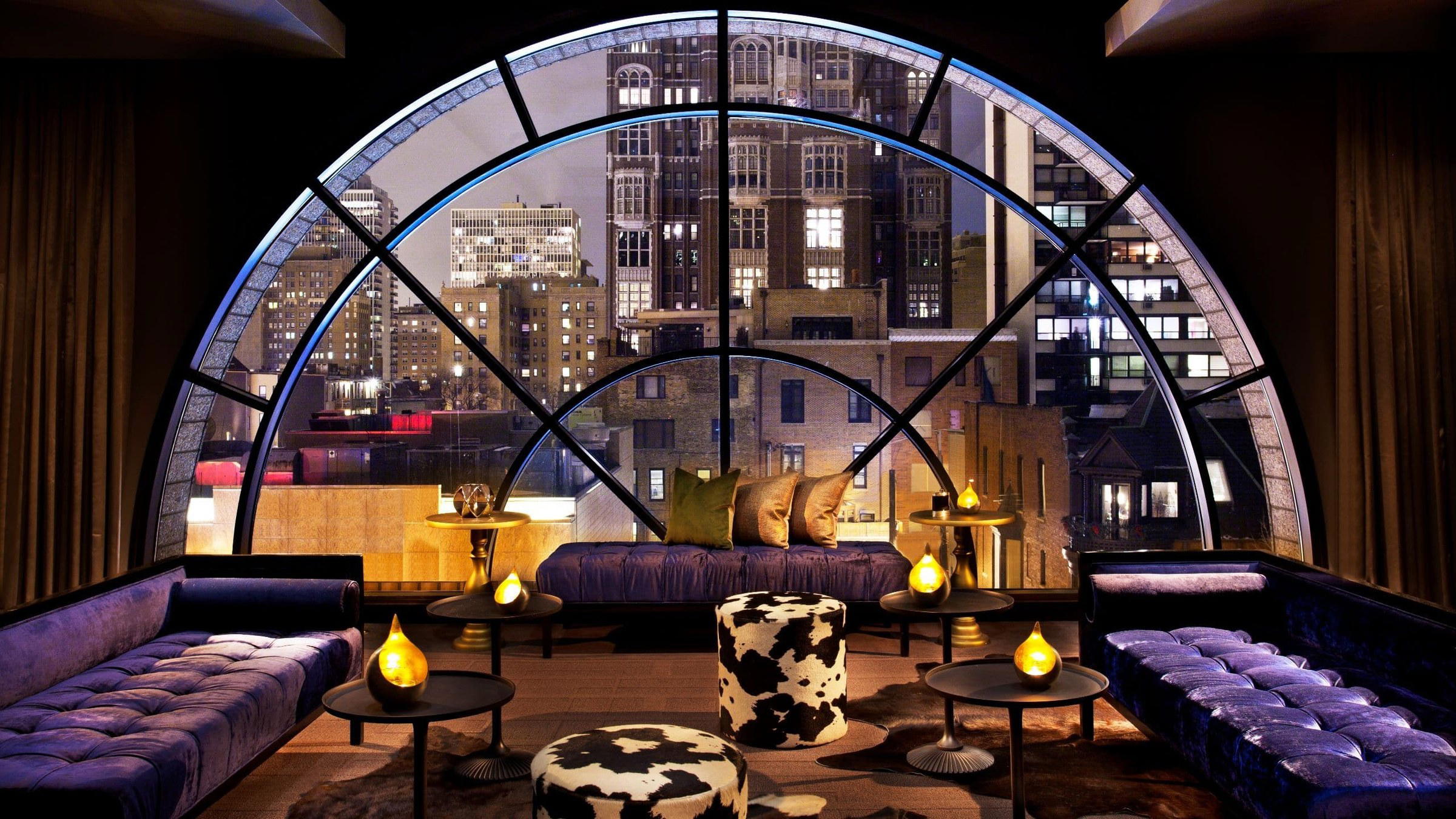
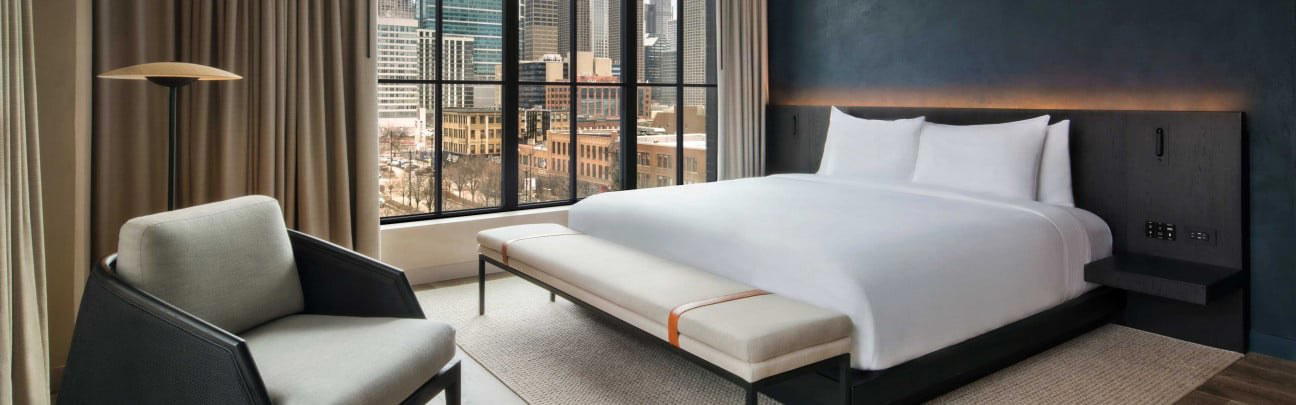
Warm, candlelit, and intimate with homey Ukrainian touches, contemporary design, comfortable seating, and upbeat music that can become lively when busy.