Royal 35 Steakhouse

Royal 35 Steakhouse occupies a deliberate position in Midtown Manhattan's steakhouse tier, where the address on East 35th Street signals proximity to the Empire State Building corridor and a clientele that moves between corporate power lunches and late evening dining. The format sits within New York's established chophouse tradition, where the wine list and dry-aged beef program carry as much weight as the room itself.
Pearl is the En Primeur Club membership app — saves, bookings, and concierge access live there. Same editors, same standards.
- Address
- 1 E 35th St, New York, NY 10016
- Phone
- +12128047276
- Website
- royal35steakhouse.com
- Directions
- Get directions
 Saves & bookings on Pearl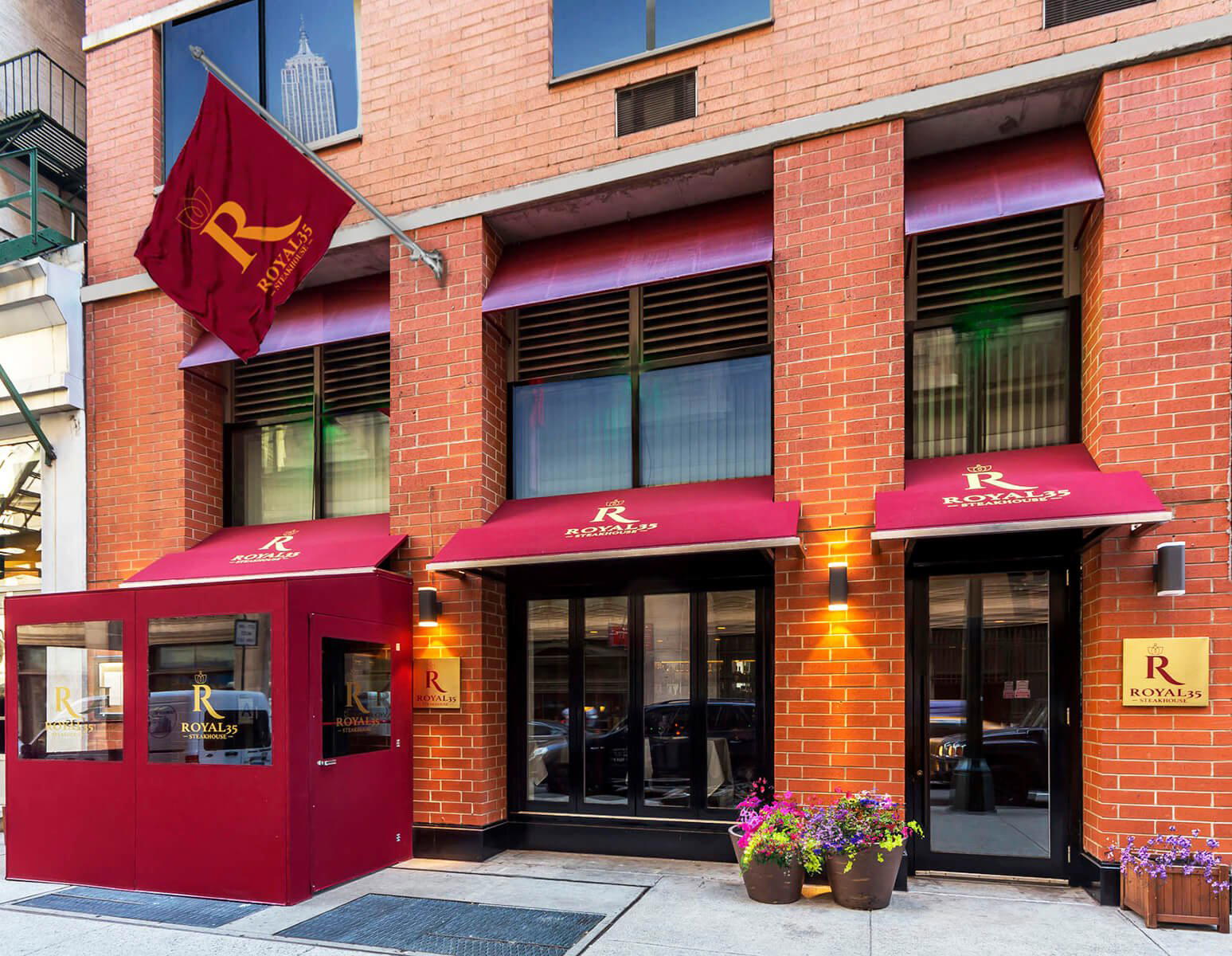
Midtown's Steakhouse Tier and Where Royal 35 Sits Within It
New York's steakhouse category has never been monolithic. The city operates several distinct tiers simultaneously: the expense-account institutions of the West 40s and 50s, the old-guard chop houses that predate the postwar boom, and a newer generation of chophouses that lean on cellar depth and sourcing provenance to justify premium positioning. Royal 35 Steakhouse is a Classic Dry-Aged Steakhouse in New York City at 1 E 35th St, with. Royal 35 Steakhouse, addressed at 1 East 35th Street, occupies a Midtown pocket that is slightly south of the traditional steakhouse corridor, closer to the Murray Hill and NoMad boundary than to the dense cluster of competitors in the West 50s. That geography matters: the neighborhood draws a mix of office traffic from nearby corporate towers and a dinner clientele willing to cross a few blocks for something that reads less institutional than the flagship power-dining rooms to the north.
Midtown steakhouses in this sub-tier compete less on name recognition and more on the quality of the experience once seated. The wine list becomes a primary differentiator when the beef program alone cannot separate one address from another. Cellars that carry meaningful vertical depth in American Cabernet and aged Burgundy signal a different kind of seriousness than a list assembled purely around by-the-glass margin. Royal 35's positioning on 35th Street, just east of Fifth Avenue, keeps it within walking range of a significant concentration of hotel guests and business travelers for whom an authoritative wine program often matters as much as the cut on the plate.
The Wine Program as the Load-Bearing Element
In the upper tier of New York steakhouses, the wine list functions less as an amenity and more as an argument. The argument is about whether a room understands its clientele well enough to stock what they actually want to drink rather than what the distributor pushed hardest. Napa Cabernet is the obvious backbone for any serious American steakhouse cellar: Caymus, Jordan, and the Stag's Leap Wine Cellars lineup serve the accessible bracket, while the allocation-dependent producers from Pritchard Hill and the Oakville corridor serve a different conversation entirely. A steakhouse that can pull bottles from the latter category without a reservation made months in advance is operating with either strong distributor relationships or genuine cellar age, both of which are worth noting.
Burgundy depth is the second signal. A steakhouse that carries meaningful premier and grand cru Burgundy is addressing a diner who understands that the fat content and char of a well-rested dry-aged ribeye can carry the weight of a structured Pinot in a way that surprises guests accustomed to thinking in straight pairings. The leading American steakhouse cellars have understood this for at least two decades; the format has spread from the New York flagships to the newer generation of chophouses that opened in the 2010s.
Steak Format and the Logic of the Midtown Chophouse
The classic New York steakhouse format is not complicated, and its endurance is precisely because of that. A la carte ordering, shared sides, a dessert trolley or a slice of New York cheesecake at the end: the formula has survived because it serves a specific social function that tasting-menu formats at Per Se or omakase formats at Masa do not. The steakhouse is the room where a table of four with different appetites can all leave satisfied, where the conversation is the point and the food is the frame rather than the other way around. That social utility explains why the format commands consistent prices in Midtown despite competition from every direction, including the progressive Korean menus at Atomix and Jungsik New York that occupy the same price tier with an entirely different value proposition.
Dry-aged beef programs have become the technical differentiator within the chophouse category over the past decade. The shift from wet-aged to dry-aged as the default for premium cuts happened gradually across the industry, driven partly by consumer awareness and partly by the marketing advantage that visible aging lockers provide. A restaurant that can show its aging process builds immediate credibility. The question for any steakhouse in this tier is whether the aging program is functional or performative: whether the cuts are actually held long enough to develop the concentrated, slightly mineral character that distinguishes genuine dry-age from a cut that simply sat in a cooler for a week under a UV light.
Context Among American Fine Dining
Royal 35 operates in a city where the reference points for serious dining are set by rooms like Le Bernardin, which has held three Michelin stars across decades and defines seafood fine dining in New York with the kind of institutional weight that reshapes expectations city-wide. The steakhouse format does not compete directly with that category, but it borrows from the same clientele and the same corporate entertainment budgets. Understanding where the steakhouse sits relative to the broader fine-dining map of the city helps clarify what it is and is not trying to do.
Across the wider American restaurant circuit, the steakhouse format appears at almost every tier of the market. What separates the serious addresses from the franchise operations is almost always the same two things: the sourcing provenance of the beef and the depth of the cellar. Rooms like Blue Hill at Stone Barns in nearby Tarrytown have demonstrated that sourcing transparency can become the central editorial point of a restaurant's identity. The steakhouse equivalent of that approach involves naming the ranch, the breed, and the aging duration rather than relying on vague premium signaling.
Planning Your Visit
Royal 35 Steakhouse is located at 1 East 35th Street in Midtown Manhattan, within the block between Fifth Avenue and Madison Avenue. The address is a short walk from the B, D, F, M trains at 34th Street-Herald Square and the 6 train at 33rd Street, making it accessible from most Manhattan neighborhoods without requiring a cab. For visitors staying near Midtown hotels, the walk from the Empire State Building area takes under five minutes. Given that the venue sits in a high-traffic corporate corridor, booking ahead for weekday dinner is advisable; the lunch period on business days tends to fill quickly from nearby office buildings. Inn at Little Washington in Virginia is worth noting for travelers extending their East Coast itinerary who want to experience a contrasting format in a different register entirely.
Awards and Standing
Comparable venues nearby, for context on price, style, and recognition.
| Venue | Cuisine | Price | Notes |
|---|---|---|---|
| Royal 35 SteakhouseThis venue — the venue you are viewing | Classic Dry-Aged Steakhouse | $$$$ | Not listed |
| Golden Steer | Classic American Steakhouse | $$$$ | Greenwich Village |
| Bobby Van’s Steakhouse | Classic Steakhouse | $$$$ | East Midtown-Turtle Bay |
| Wolfgang's Steakhouse - Broadway | Classic Dry-Aged Steakhouse | $$$$ | Midtown-Times Square |
| Del Frisco's Double Eagle Steakhouse | Premium American Steakhouse | $$$$ | Midtown-Times Square |
| Nusr-Et Steakhouse New York | Turkish-Inspired Steakhouse | $$$$ | Midtown-Times Square |
Recognition history
Dated appearances from independent guides and award organizations, with the underlying list record or original source where available.
Wine Spectator Award of Excellence
Wine Spectator
Continue exploring
More in New York City
Restaurants in New York City
Browse all →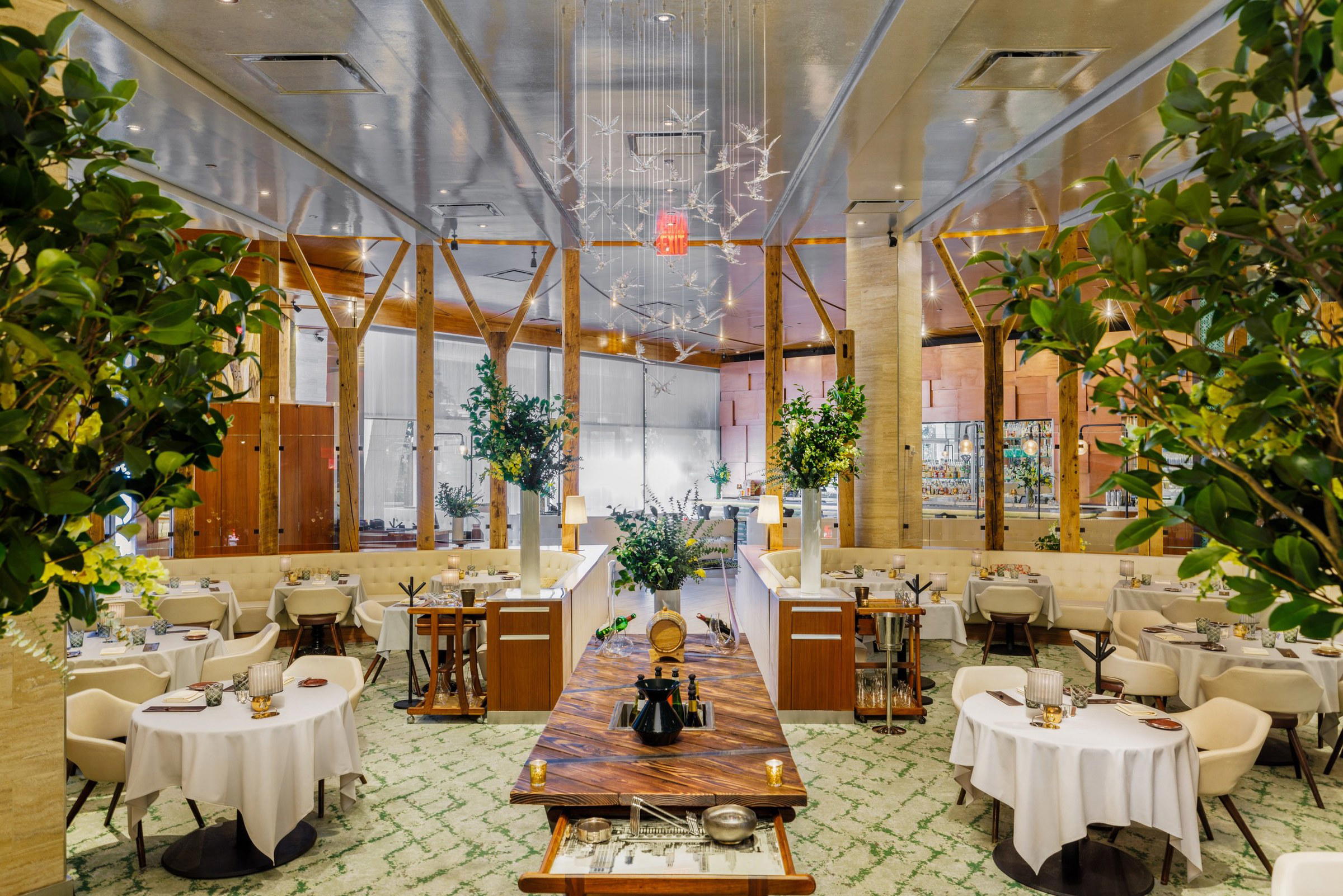
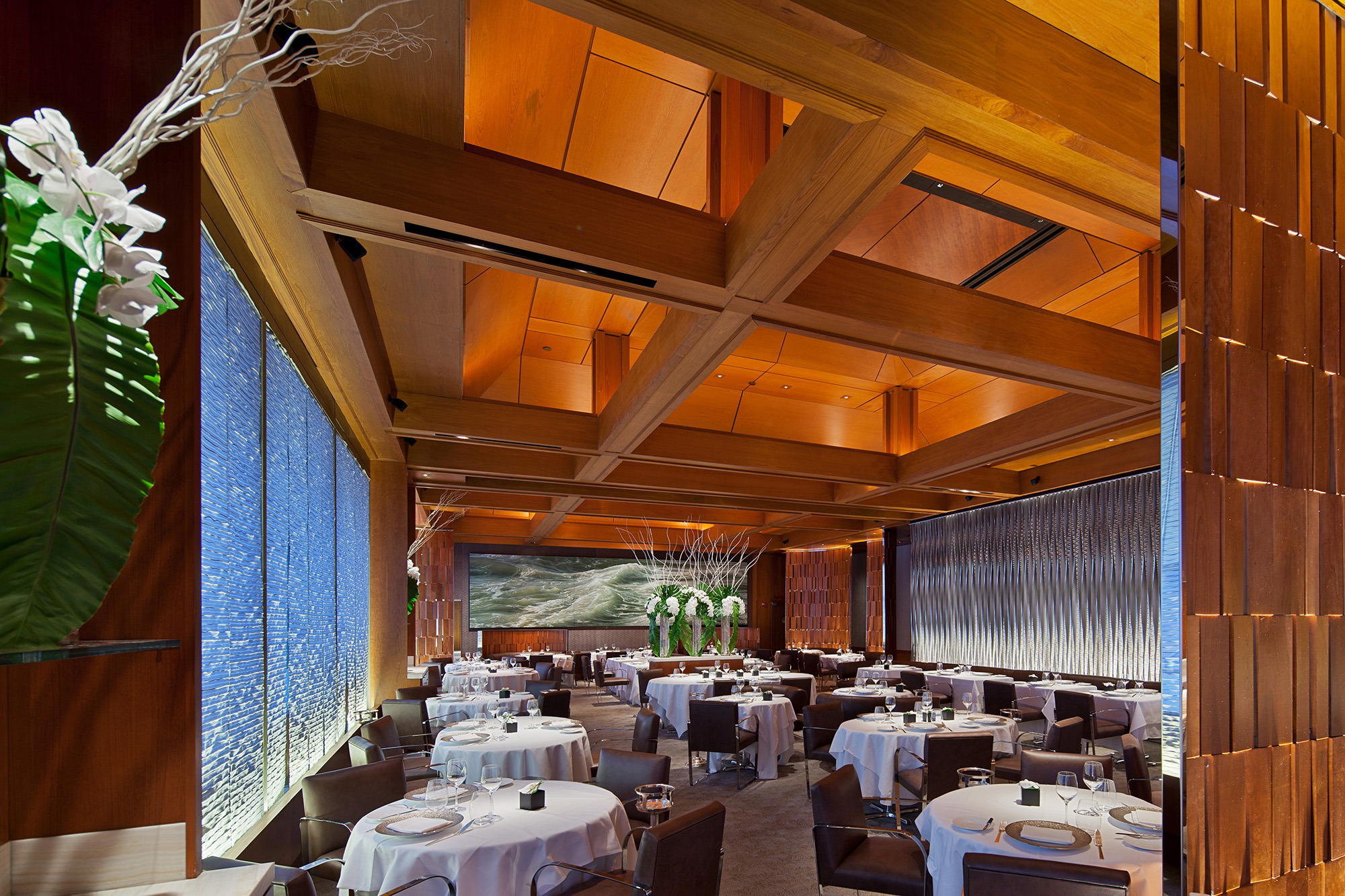
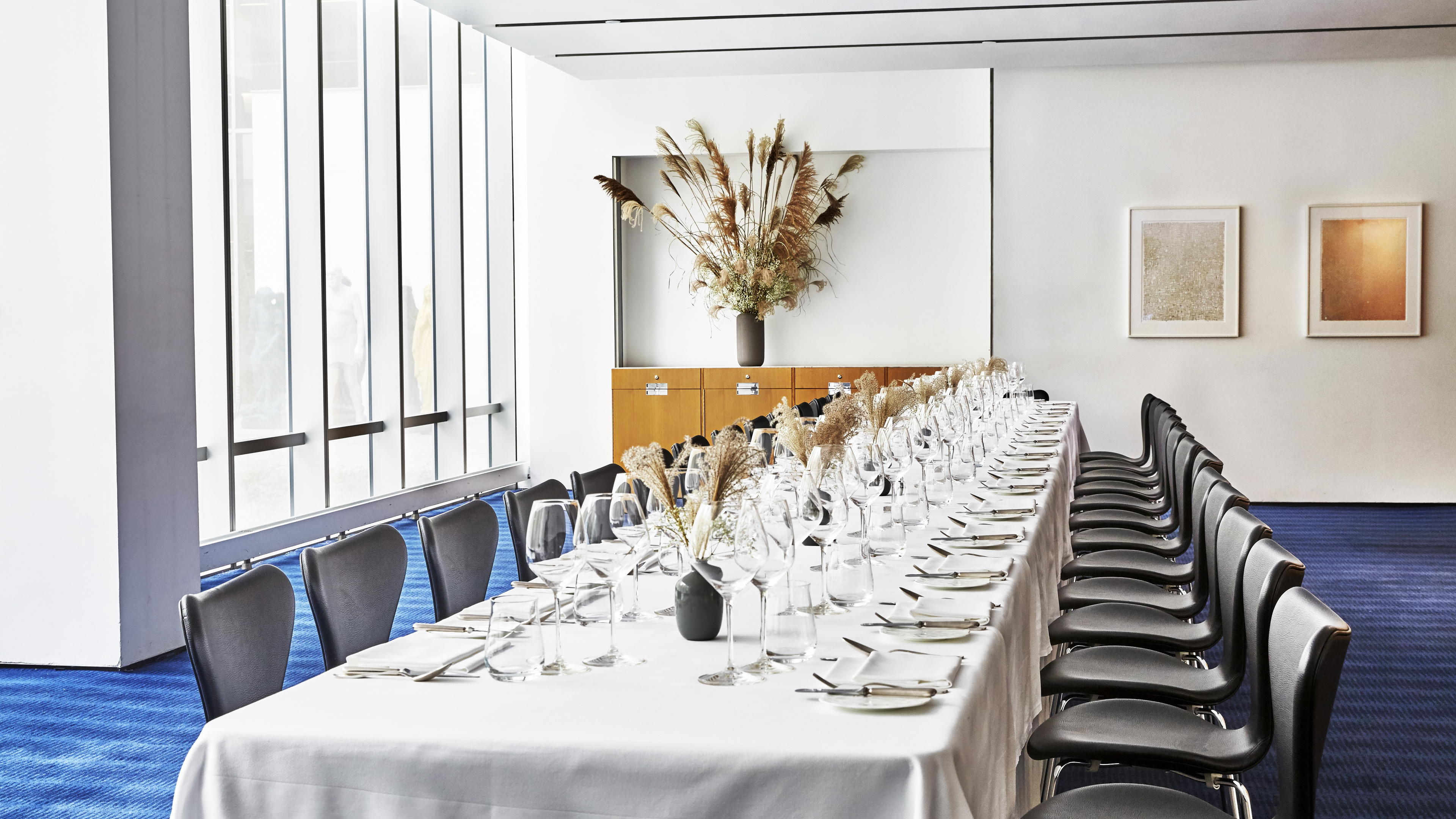
Bars in New York City
Browse all →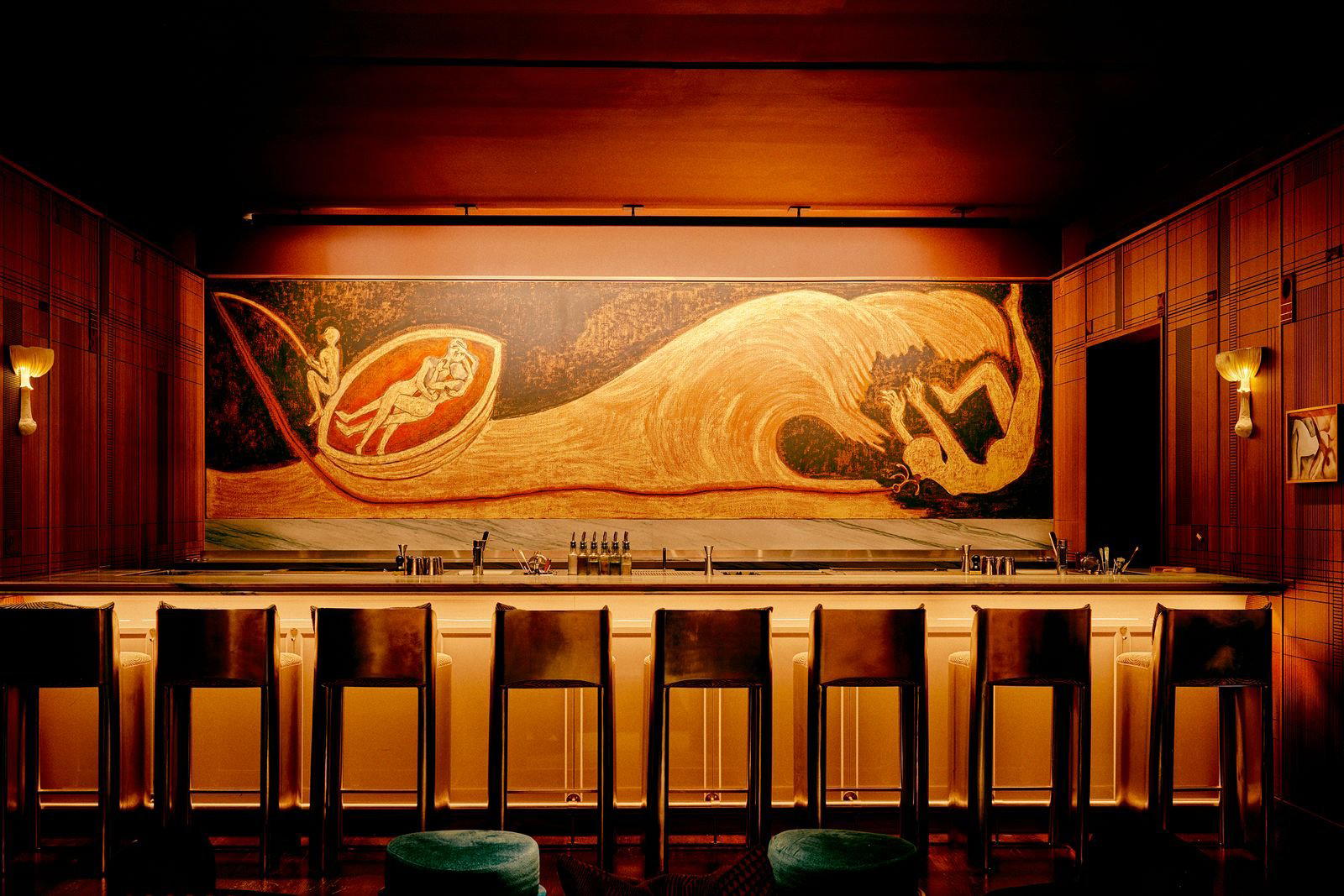
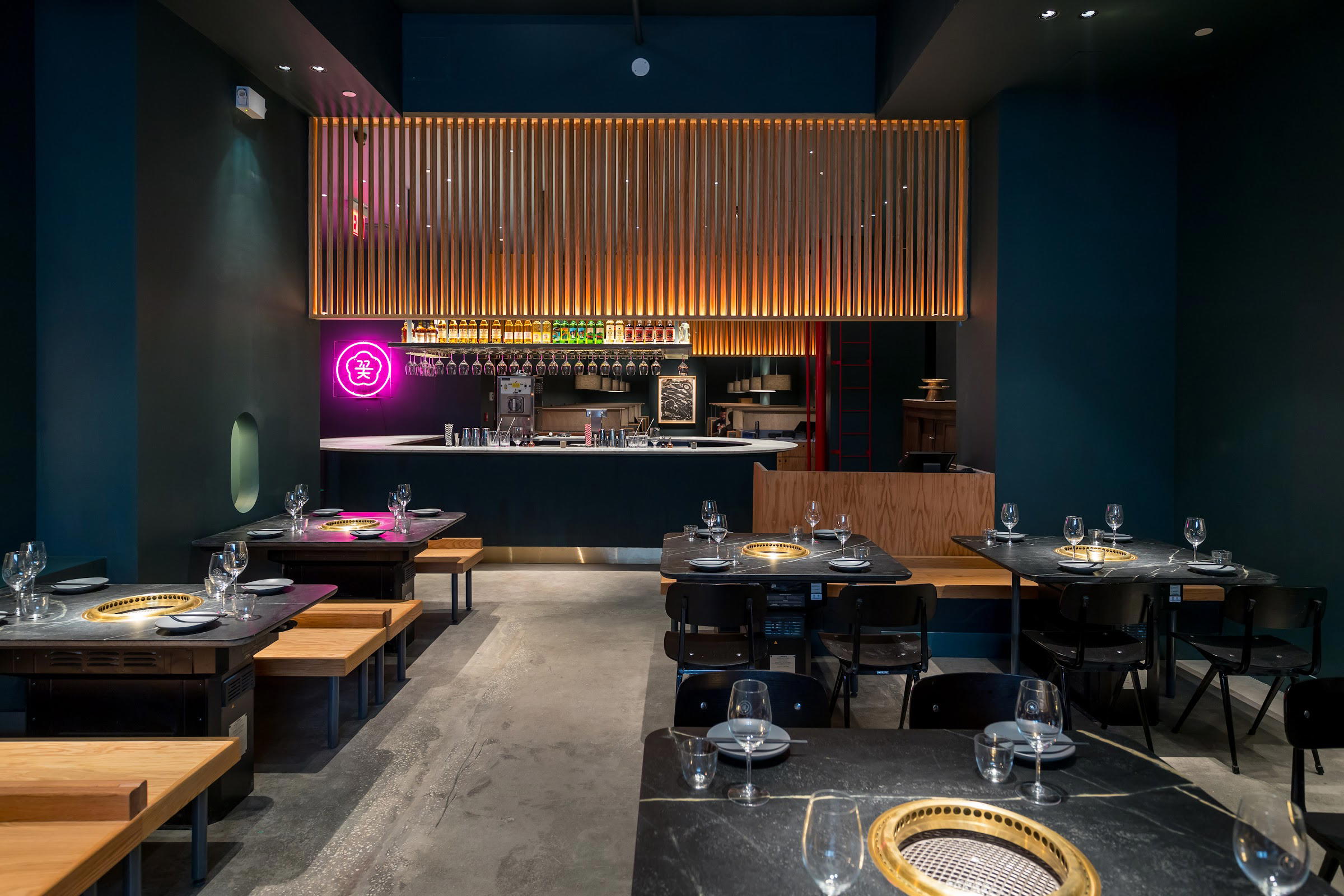

Hotels in New York City
Browse all →





At a Glance
- Elegant
- Sophisticated
- Classic
- Intimate
- Date Night
- Business Dinner
- Special Occasion
- Private Dining
- Extensive Wine List
Current opening hours
- Monday
- 12–3:30 PM, 4–11 PM
- Tuesday
- 12–3:30 PM, 4–11 PM
- Wednesday
- 12–3:30 PM, 4–11 PM
- Thursday
- 12–3:30 PM, 4–11 PM
- Friday
- 12–3:30 PM, 4–11 PM
- Saturday
- 4–11 PM
- Sunday
- 4–10 PM
Hours can change for holidays and private events. Last verified .
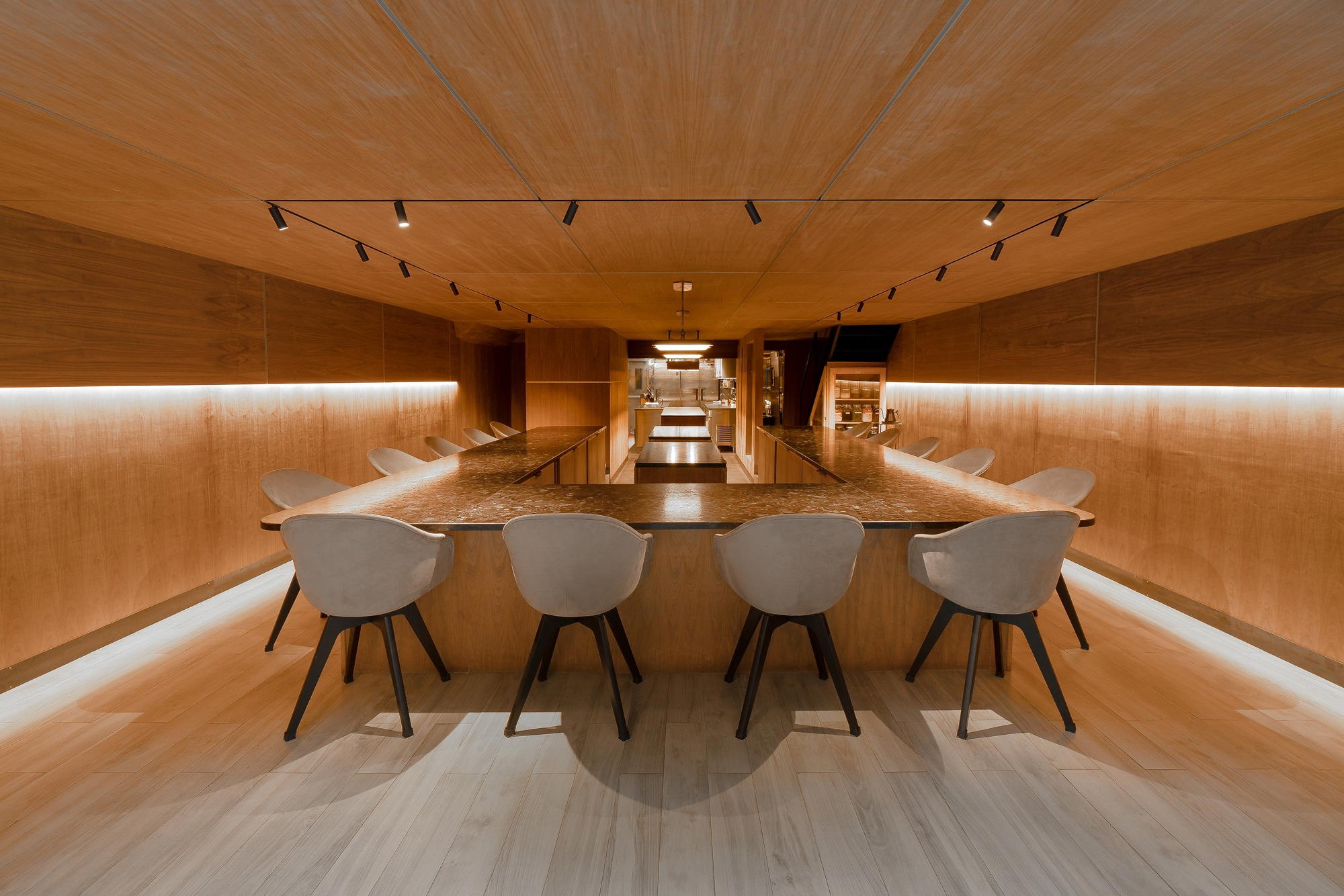
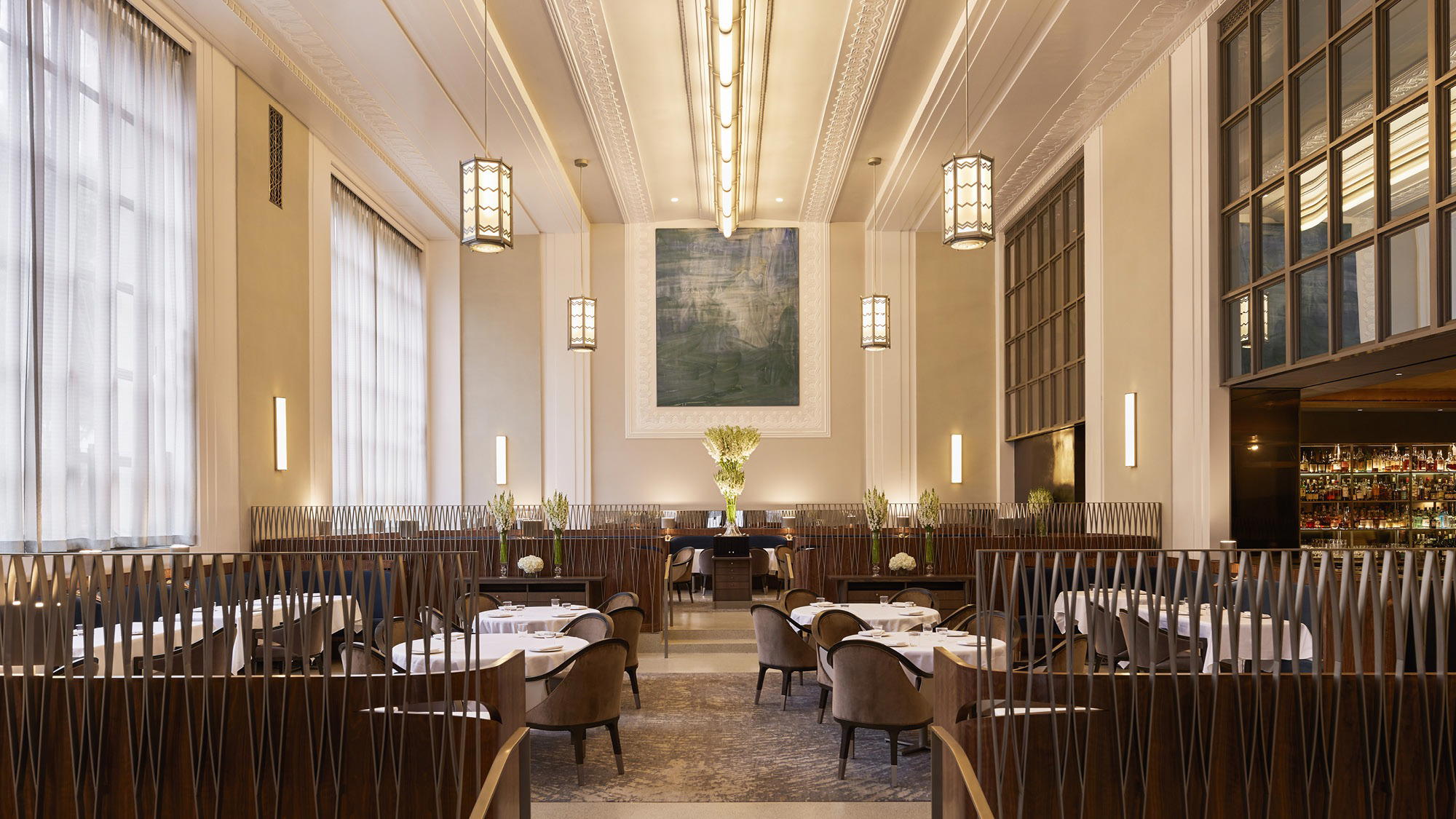
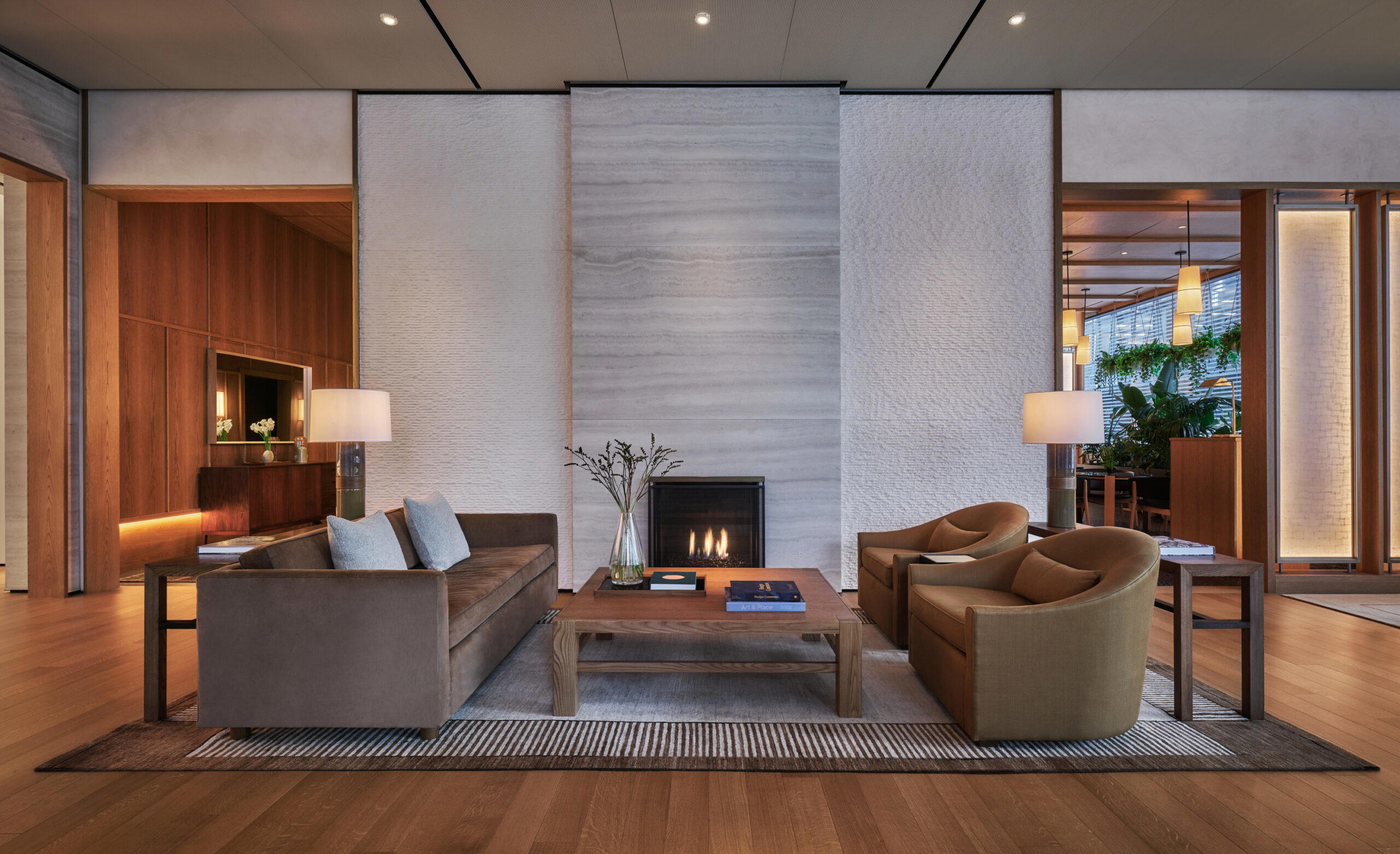
Warm, sophisticated setting with rich mahogany wood, classic leather seats, royal red carpets, and an old-school elegant vibe.