

Inside the Four Seasons Resort Megève, on the historic Rothschild family estate at the foot of Mont d'Arbois, Brasserie Benjamin offers a spacious, unhurried alternative to the resort's more formal dining. The menu draws on classical French brasserie repertoire, from sole meunière and Rossini-style beef fillet to house-made bottarga and linguine with cockles, served to skiers, hikers, and trail runners with equal attentiveness.
Pearl is the En Primeur Club membership app — saves, bookings, and concierge access live there. Same editors, same standards.
- Address
- Four Seasons Resort Megève, 373 chemin des Follières
- Phone
- +33 4 50 78 62 65
- Website
- fourseasons.com
- Directions
- Get directions
 Saves & bookings on Pearl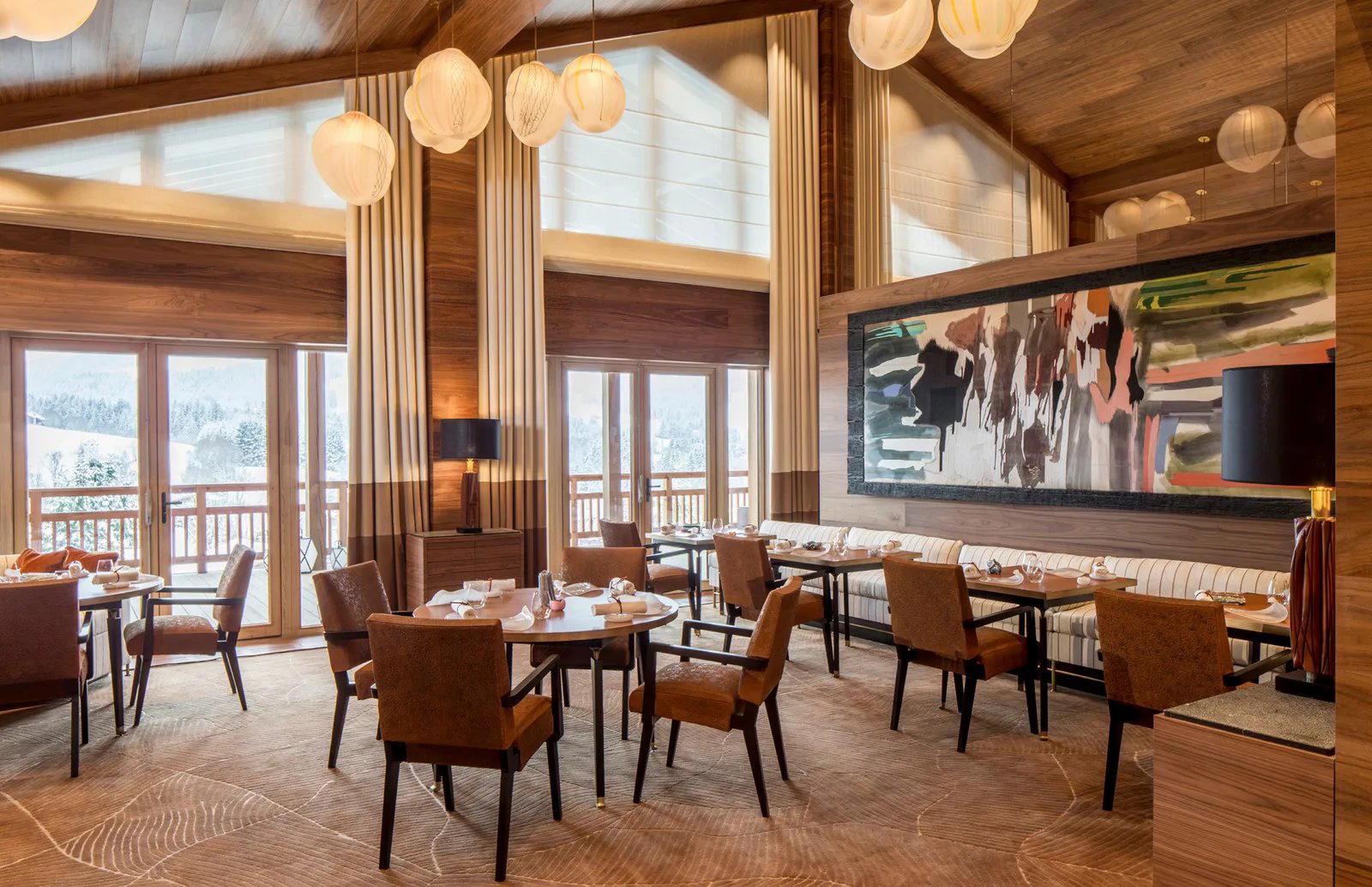
A Brasserie at Altitude: The Setting at Mont d'Arbois
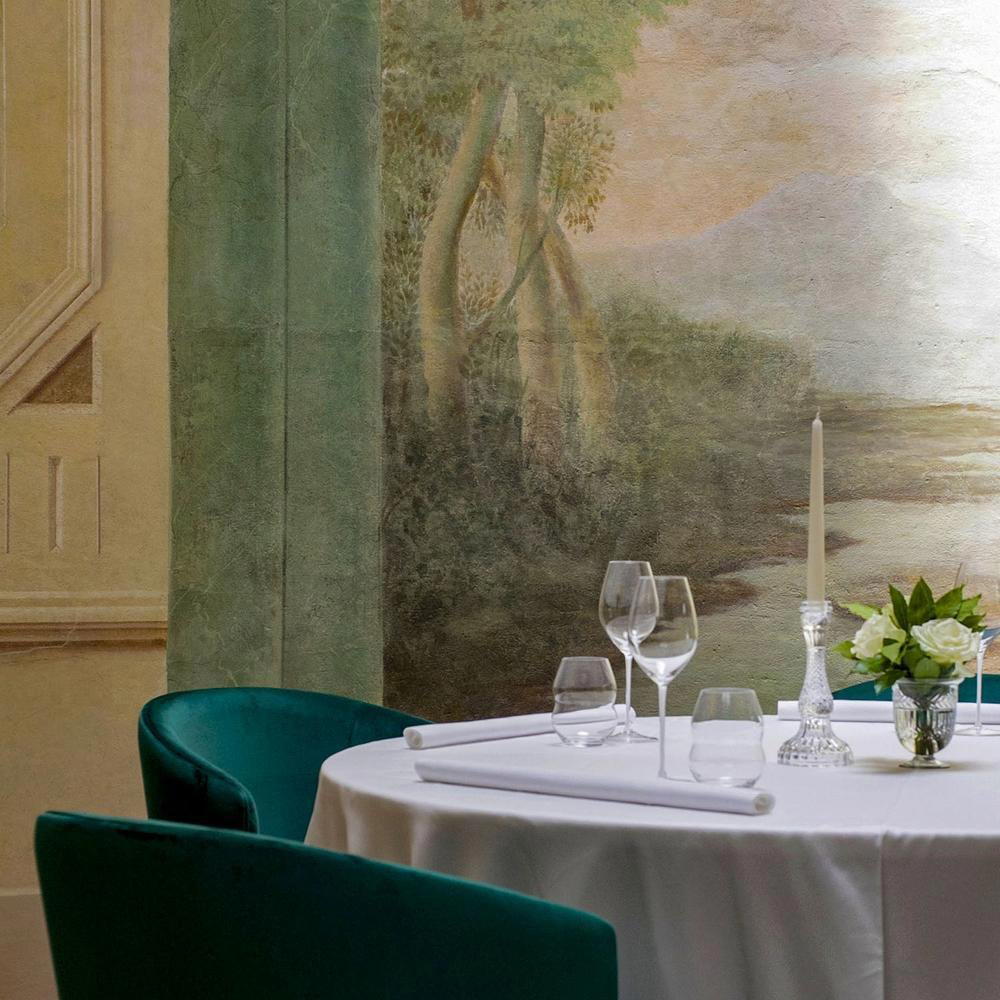
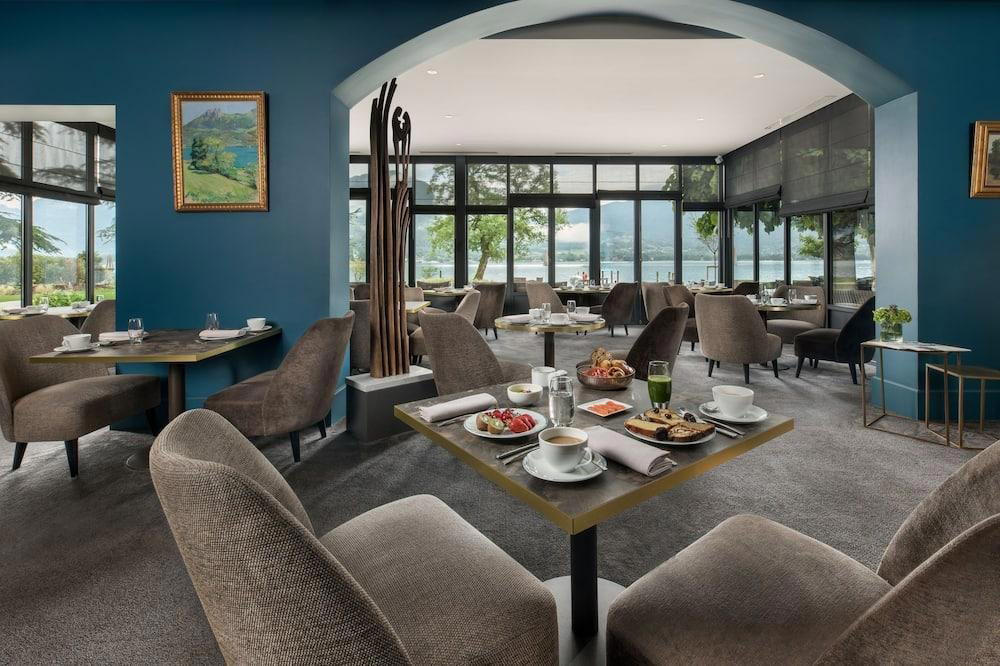
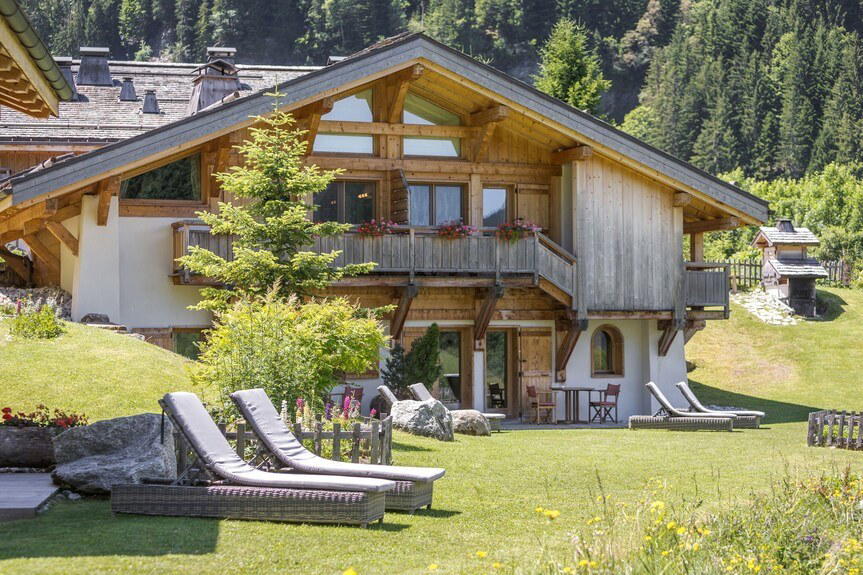
The brasserie format has always served a particular function in French alpine resorts: it is the room where the day begins and ends without ceremony, where wet ski boots are forgiven and a long lunch stretches naturally into afternoon. At the foot of Mont d'Arbois, on the estate long associated with the Rothschild family and now operating as the Four Seasons Resort Megève, Brasserie Benjamin occupies that role with a dining room that manages to be both spacious and genuinely warm. The scale works in its favour. Where smaller mountain restaurants feel pressured by their own intimacy, this room absorbs a full lunch service without noise becoming oppressive or service feeling rushed.
Megève itself positions its dining scene across a wide register, from the three-Michelin-starred Flocons de Sel and the high-concept kitchens at La Table de l'Alpaga down through traditional Savoyard rooms and the kind of après-ski bars that blur into dinner. Brasserie Benjamin occupies the middle tier of this range with clear intent: classical French cooking, intelligently sourced, inside a hotel context that keeps the experience polished without tipping into the kind of formality that would be wrong for the mountain setting. For a broader read of where this fits into the town's offer, our full Megève restaurants guide maps the complete picture.
The Menu's Relationship with Classical French Sourcing
What distinguishes the Brasserie Benjamin menu is its deliberate alignment with the canon of French brasserie cooking — a tradition that, at its most rigorous, depends almost entirely on sourcing integrity rather than technical innovation. Sole meunière is the clearest example: the dish has exactly three variables (the sole, the butter, the lemon), and the quality of the finished plate is determined almost entirely before it reaches the kitchen. Serving it here, at altitude, inside a resort context, is a considered signal. It tells you the kitchen is buying fish properly and handling it with respect for the original form, rather than concealing sourcing limitations behind complexity.
The same logic applies to the Rossini-style beef fillet, a preparation that pairs prime beef with foie gras in a combination that French brasserie tradition has carried since the nineteenth century. The dish survives in serious rooms because it requires both components to be genuinely good. Anything less and the combination exposes rather than conceals. That the kitchen includes it alongside linguine with cockles and house-made bottarga suggests a menu strategy that mixes land and sea sourcing without treating either as subordinate to the other.
The bottarga is worth noting specifically. House-made cured roe at a ski resort brasserie is an uncommon commitment. It represents preparation time, sourcing quality, and a kitchen culture that values made-in-house produce over convenience purchasing. The linguine with cockles that accompanies it puts the bottarga in a format where its salinity and depth carry the pasta without requiring further augmentation. This is the kind of detail that separates a kitchen working with intention from one that has assembled a menu of familiar titles.
Reading the Menu's Range
Norwegian omelette listed for sharing, the risotto, and the vegetarian options read as evidence of a kitchen that has thought about the diversity of a resort guest list rather than cooking only for one kind of diner. Mont d'Arbois attracts skiers in winter and hikers and trail runners through the warmer months, and the menu's breadth reflects that seasonal variation in clientele. The millefeuille as a listed dessert is a technically demanding pastry preparation — laminated dough executed well requires precision, and its presence on the menu at this scale is another indication of kitchen discipline.
France's most reference-point brasseries and grande cuisine houses, from Auberge de l'Ill in Illhaeusern to Paul Bocuse outside Lyon and Bras in Laguiole, hold their authority partly through the consistency of sourcing decisions made over decades. Brasserie Benjamin operates at a different scale and ambition, but the menu's classical anchors suggest an awareness of what that tradition requires. Elsewhere in France, rooms at Troisgros in Ouches and Mirazur in Menton represent how far the French table can extend when the sourcing infrastructure is in place. The brasserie register is a different commitment, but not a lesser one when executed honestly.
Service, Wine, and the Practical Experience
The wine list described in the property's own materials as superb is consistent with what a Four Seasons context makes possible: purchasing relationships that extend into Burgundy, the Rhône, and Bordeaux, alongside alpine producers from Savoie whose wines pair with mountain food in ways that international lists frequently overlook. Savoie whites in particular, with their mineral register and relatively low alcohol, work well against fish preparations and lighter pasta dishes in a way that heavier Burgundy Chardonnay sometimes does not.
Service is described as attentive, which at the resort brasserie level means responsive without being performative. The distinction matters in a room that serves both first-time hotel guests and repeat visitors who know the menu well. Getting that balance right across a full dining room at a high-volume mountain resort is a genuine operational skill.
For planning purposes, Brasserie Benjamin sits inside the Four Seasons Resort Megève at 373 chemin des Follières, at the foot of Mont d'Arbois. The resort context means the room is accessible to hotel guests directly, but the brasserie also draws visitors from the town and from the slopes during the ski season. For those building a broader trip, our Megève hotels guide covers the full accommodation range, and the bars guide, wineries guide, and experiences guide cover the rest of what the town offers.
Within Megève's dining circuit, rooms like Vous, 1920, and Anata represent adjacent but distinct positions: more contemporary or internationally inflected cooking against which Brasserie Benjamin's classical French register stands in clear contrast. Internationally, the approach to sourcing-led French seafood finds parallels in rooms like Le Bernardin in New York and the classical tradition maintained at Alléno Paris au Pavillon Ledoyen, though the brasserie format operates with less ceremony than either. For a cross-genre comparison in terms of ingredient commitment at a different end of the culinary register, Emeril's in New Orleans shows how sourcing identity can anchor a menu across a broad audience.
How Brasserie Benjamin Megève compares with similar nearby venues.
| Venue | Cuisine | Price |
|---|---|---|
| Kaito | Japanese | €€€€ |
Recognition history
Dated appearances from independent guides and award organizations, with the underlying list record or original source where available.
Michelin Plate
Michelin
Wine Spectator Best of Award of Excellence
Wine Spectator
Continue exploring
More in Megève
Restaurants in Megève
Browse all →
Bars in Megève
Browse all →
Hotels in Megève
Browse all →

At a Glance
- Elegant
- Sophisticated
- Cozy
- Special Occasion
- Date Night
- Terrace
- Hotel Restaurant
- Wine Cellar
- Open Kitchen
- Extensive Wine List
- Sommelier Led
- Local Sourcing
- Mountain
Spacious and cosy dining room with warm timber-and-glass setting and attentive service.