.png)

Le Refuge sits on the Route du Leutaz outside Megève's village centre, holding a Michelin Plate and consecutive Opinionated About Dining recognition since 2023. Under chef Matt Levin, the kitchen works within a traditional cuisine framework at the €€€ price point, making it one of the more credibly decorated mid-tier options in a resort town otherwise dominated by four-bracket fine dining.
Pearl is the En Primeur Club membership app — saves, bookings, and concierge access live there. Same editors, same standards.
- Address
- 2615 Rte du Leutaz, 74120 Megève, France
- Phone
- +33 4 50 21 23 04
- Website
- refuge-megeve.com
 Saves & bookings on Pearl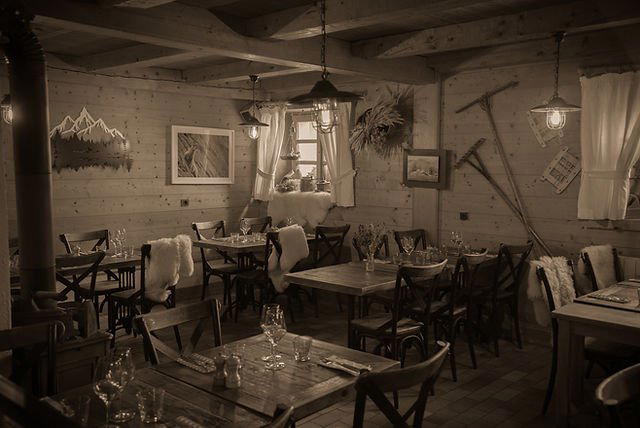
Traditional Cooking on the Megève Fringe
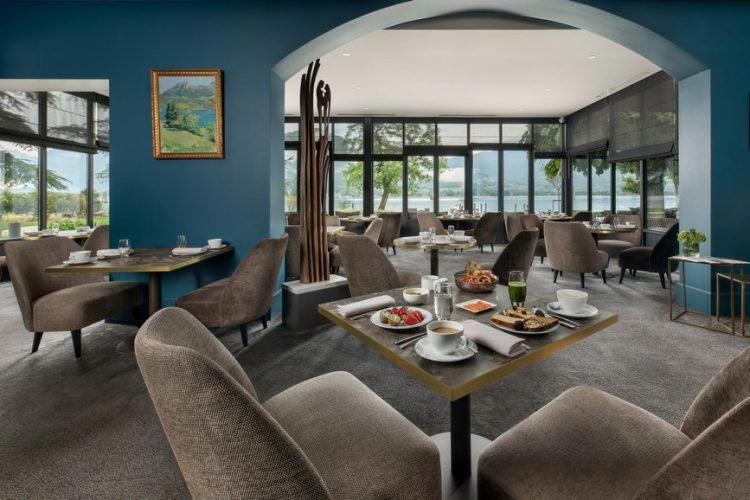
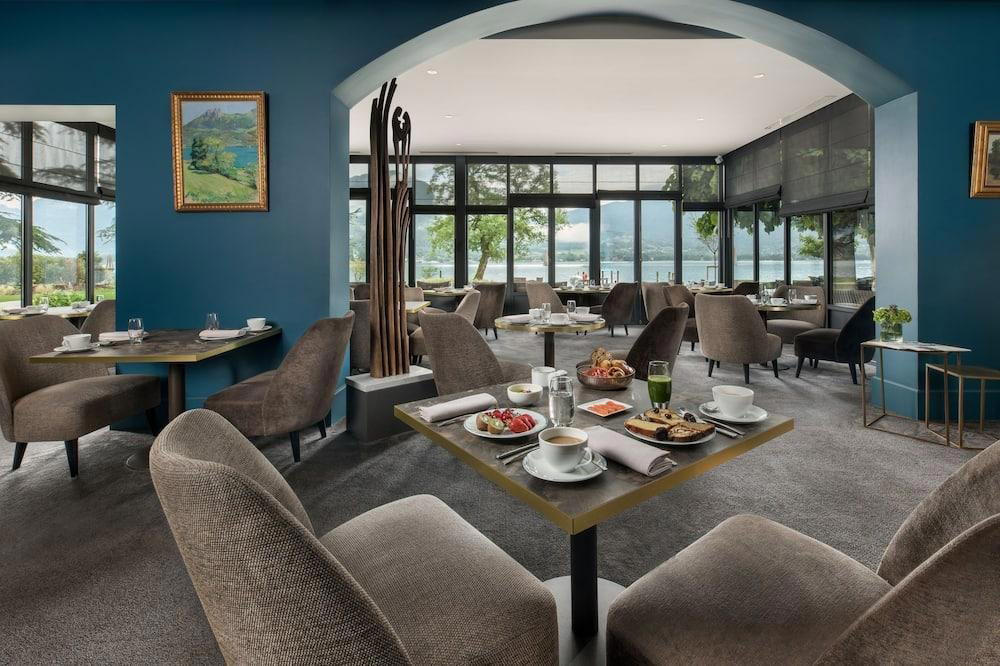
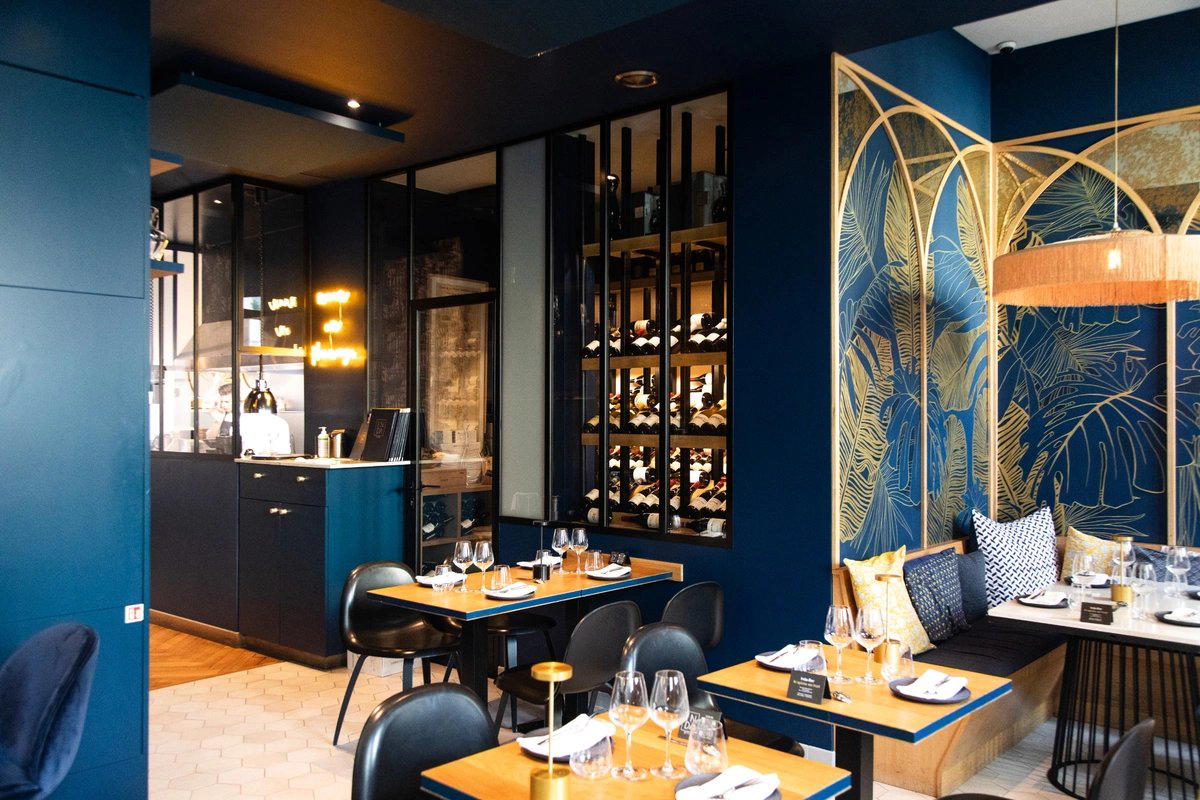
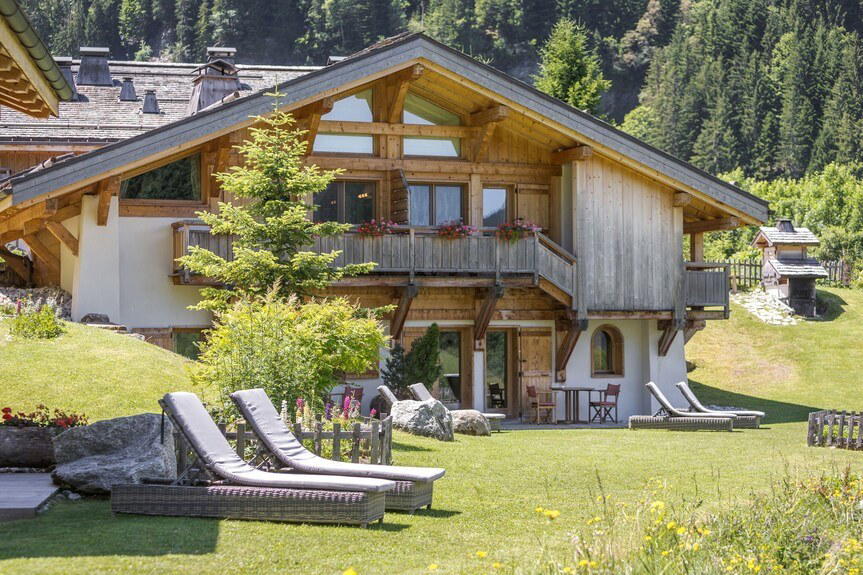
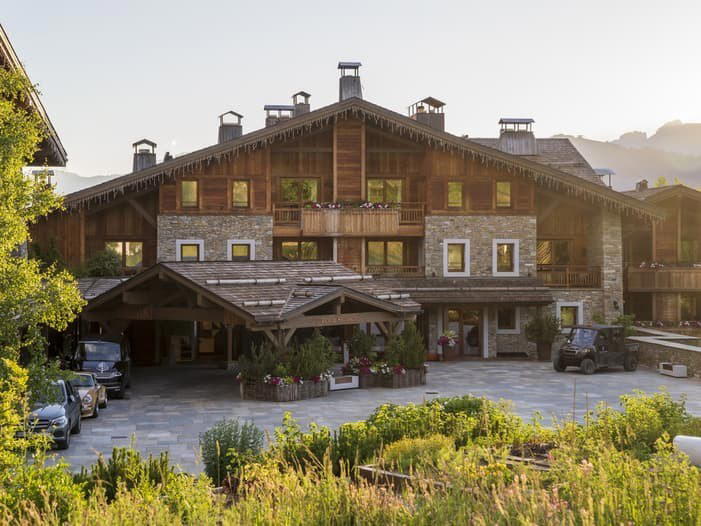
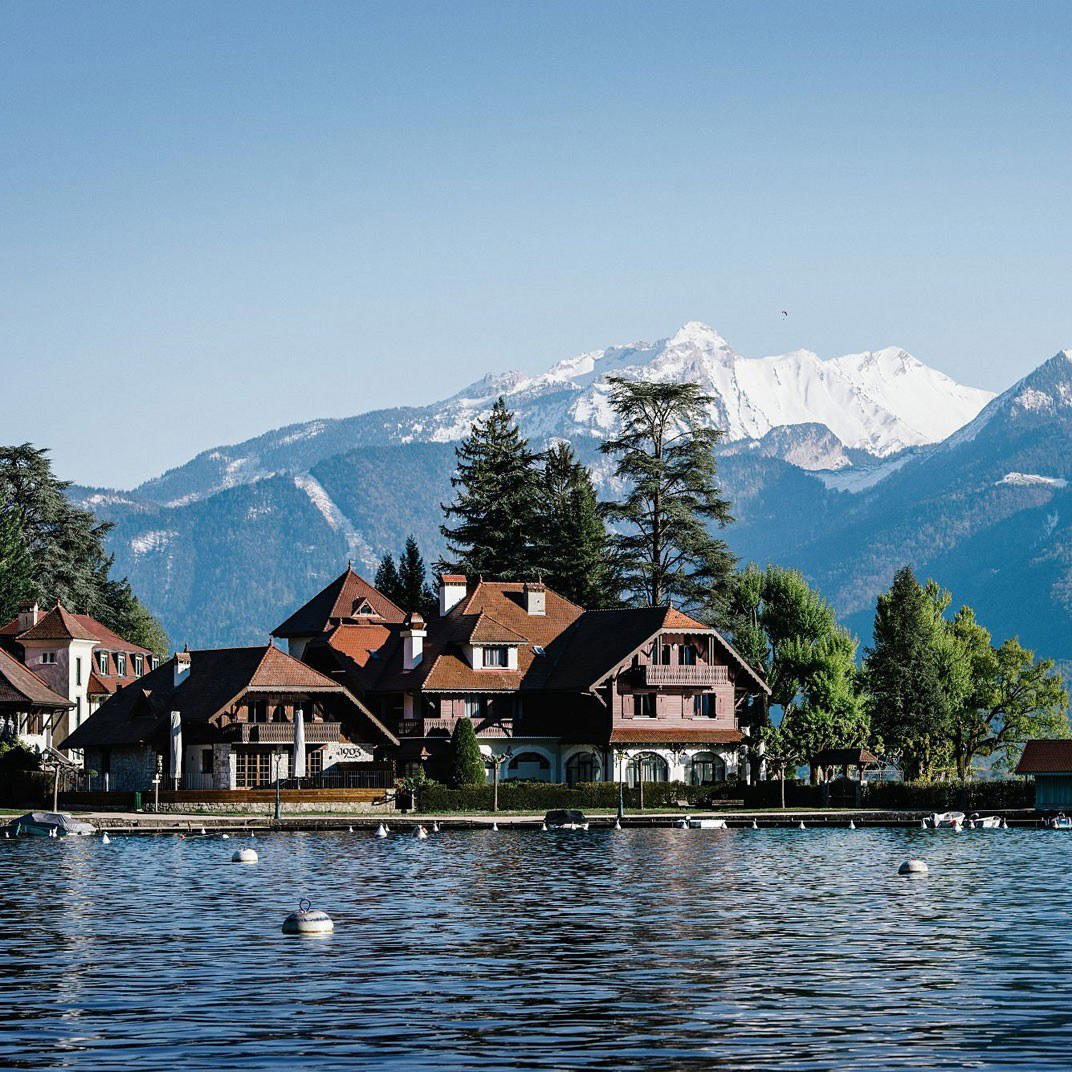
The Route du Leutaz runs uphill from Megève's centre toward the ski domain, passing chalets that grow quieter and more private the further you travel from the village square. Le Refuge sits along this stretch, its exterior consistent with the architectural grammar of the area: timber framing, pitched rooflines, the visual vocabulary of the French Alpine refuge translated into a dining context. The physical setting does most of the tonal work before you reach the door. Inside, that same register continues, a room designed around warmth rather than spectacle, which in a resort like Megève, where statement interiors compete aggressively for attention, is itself a positioning choice.
Megève's dining scene has long split along a fairly clear axis. At the upper end, €€€€ kitchens like Flocons de Sel and La Table de l'Alpaga operate with contemporary French and modern cuisine frameworks, tasting menus, and the full apparatus of high-end resort dining. Further along the spectrum, hybrid formats like 1920 bring French-Japanese cross-referencing into the mix. Le Refuge occupies a different tier, the €€€ bracket alongside Le Prieuré, working within traditional cuisine rather than against it. That distinction matters: where contemporaries in the town are reframing Alpine cooking through modern technique, Le Refuge is more interested in what the tradition actually contains.
How the Menu Is Structured
Traditional cuisine, as a framework, carries specific obligations. It asks a kitchen to demonstrate mastery of established forms rather than invention, and it makes the quality of sourcing and execution visible in a way that novelty can sometimes obscure. The menu at Le Refuge operates within that logic. Chef Matt Levin's approach, as read through the recognition the restaurant has accumulated, points toward a kitchen that is not trying to rewrite Alpine cooking but to cook it with precision and care.
Le Refuge has earned Michelin Plate recognition in both 2024 and 2025, alongside Opinionated About Dining Casual recognition in 2023, 2024, and 2025, reflecting sustained quality at the accessible end of the fine-dining spectrum. The OAD Casual ranking is particularly instructive: it situates Le Refuge within a comparable set that prioritises cooking quality over ceremony, a category of restaurant where the absence of white-tablecloth formality is understood as intentional rather than a limitation.
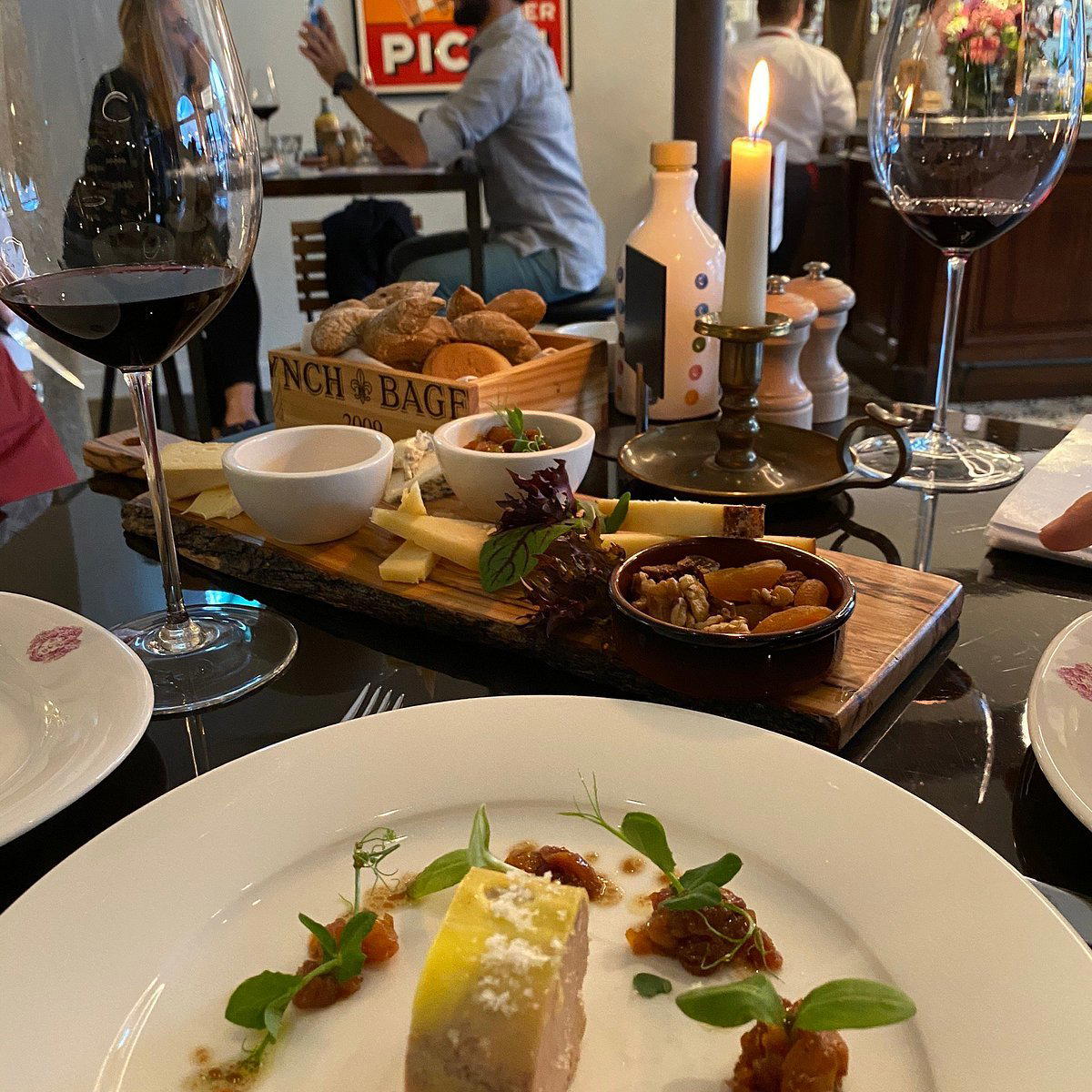
What that means in practice is a menu that foregrounds the cuisine rather than the performance around it. Traditional cuisine menus in this Alpine context typically build around regional ingredients, mountain proteins, and preparations that have coherent histories in the area. The structure tends toward clarity: well-defined courses, cooking methods that are legible, portions calibrated for satisfaction rather than restraint. The Michelin Plate, which signals a kitchen producing good food without the full complexity required for star recognition, fits this kind of cooking. It marks a serious kitchen operating honestly within its genre, which is a different achievement than pushing at the boundaries of that genre.
Compared to the traditional cuisine positioning at Auberge Grand'Maison in Mûr-de-Bretagne or the long-running regional anchors like Auberge de l'Ill in Illhaeusern, Le Refuge operates at a smaller scale and in a resort context, where the dining population skews toward visitors rather than regulars. That shapes menu architecture: the cooking needs to be accessible on a first visit, legible to international guests, and still capable of rewarding closer attention. The sustained OAD recognition suggests it manages that balance.
Placing Le Refuge in the Wider French Traditional Register
France's traditional cuisine category spans an enormous range, from the temple-format cooking of Paul Bocuse's Auberge du Pont de Collonges to the regionally embedded precision of Bras in Laguiole, which occupies a different tradition altogether. At the modern end, kitchens like Alléno Paris au Pavillon Ledoyen and Mirazur in Menton have moved so far into contemporary technique that the traditional label no longer applies in any meaningful way. Le Refuge, by contrast, sits closer to the regional-craft end of the spectrum, a position it shares with kitchens like Auga in Gijón in spirit if not geography, places where the coherence of a regional cooking tradition is the central argument.
Within Megève specifically, that positioning is commercially and editorially coherent. A resort town at this price level needs restaurants across the full range: the tasting-menu landmarks that anchor the destination's fine-dining reputation, and the mid-tier kitchens that make repeat visits, family dinners, and post-skiing meals viable without the commitment of a €€€€ prix fixe. Le Refuge fills that second function with a level of credibility that most resort-town fillers do not achieve.
Planning a Visit
Le Refuge sits at 2615 Route du Leutaz, which places it outside Megève's pedestrian village core and requires either a car or a short taxi ride from the centre. That slight remove from the main tourist circuit is part of its character: the clientele tends toward guests who have specifically sought it out rather than those walking past. A Google rating of 4.7 across 967 reviews is a meaningful data point in this context, suggesting consistent performance over a significant sample rather than a spike driven by novelty. The €€€ price tier places it above casual mountain dining but below the full fine-dining commitment of Megève's top tier, making it a practical anchor for an evening when the goal is very good traditional cooking without an extended formal programme.
For broader planning, Vous covers the modern cuisine tier at an accessible price point, while the full range of Megève options is covered in our full Megève restaurants guide. For French Alpine dining at the level above, Troisgros in Ouches remains the reference point for how tradition and contemporary evolution can operate in the same kitchen without contradiction.
At-a-Glance Comparison
Comparable venues nearby, for context on price, style, and recognition.
| Venue | Cuisine | Price | Awards | Notes |
|---|---|---|---|---|
| Le Refuge | Traditional Savoyard Bistro | $$$ | Michelin Plate | Leutaz |
| Le Saint-Nicolas - Au Coin du Feu | Modern French Gastronomic | $$$ | Michelin Plate | Le Village |
| Le Café Megève | Traditional French Brasserie with Savoyard Accents | $$$ | , | centre du village |
| Breizh Café Megève | Modern Breton Crêperie | $$$ | Michelin Plate | village center |
| Kaito | Japanese Fusion with Alpine Influences | $$$$ | Michelin Plate | Megève |
| Le Prieuré | Traditional Savoyard Bistro | $$$ | Michelin Plate | Village center |
Continue exploring
More in Megève
Restaurants in Megève
Browse all →

At a Glance
- Rustic
- Cozy
- Romantic
- Elegant
- Date Night
- Family
- Special Occasion
- Terrace
- Extensive Wine List
- Local Sourcing
- Mountain
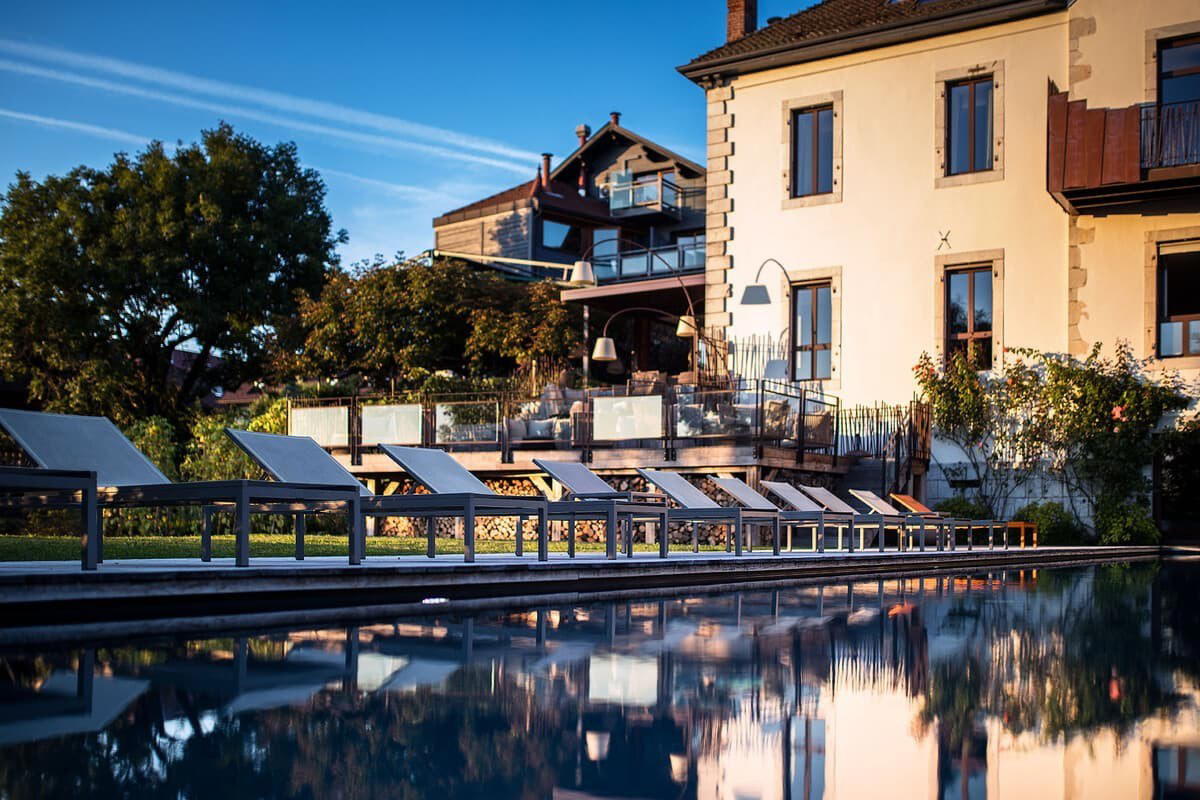
Warm and convivial mountain refuge atmosphere with old wood decor, Savoyard pottery, soft lighting, and a cozy, familial feel enhanced by an exceptional panoramic terrace in good weather.