Anahuacalli on Rue des Bernardins has anchored Mexican dining in Paris's 5th arrondissement long enough to become a reference point for the city's Latin American restaurant scene. In a neighbourhood better known for its proximity to the Sorbonne than its global cuisine, the restaurant represents a strand of Parisian dining that predates the current wave of taqueria openings and street-food concepts. For visitors mapping the city's non-European dining tradition, it sits in a distinct category.
Pearl is the En Primeur Club membership app — saves, bookings, and concierge access live there. Same editors, same standards.
- Address
- 30 Rue des Bernardins, 75005 Paris, France
- Phone
- +33143261020
- Website
- google.com
- Directions
- Get directions
 Saves & bookings on Pearl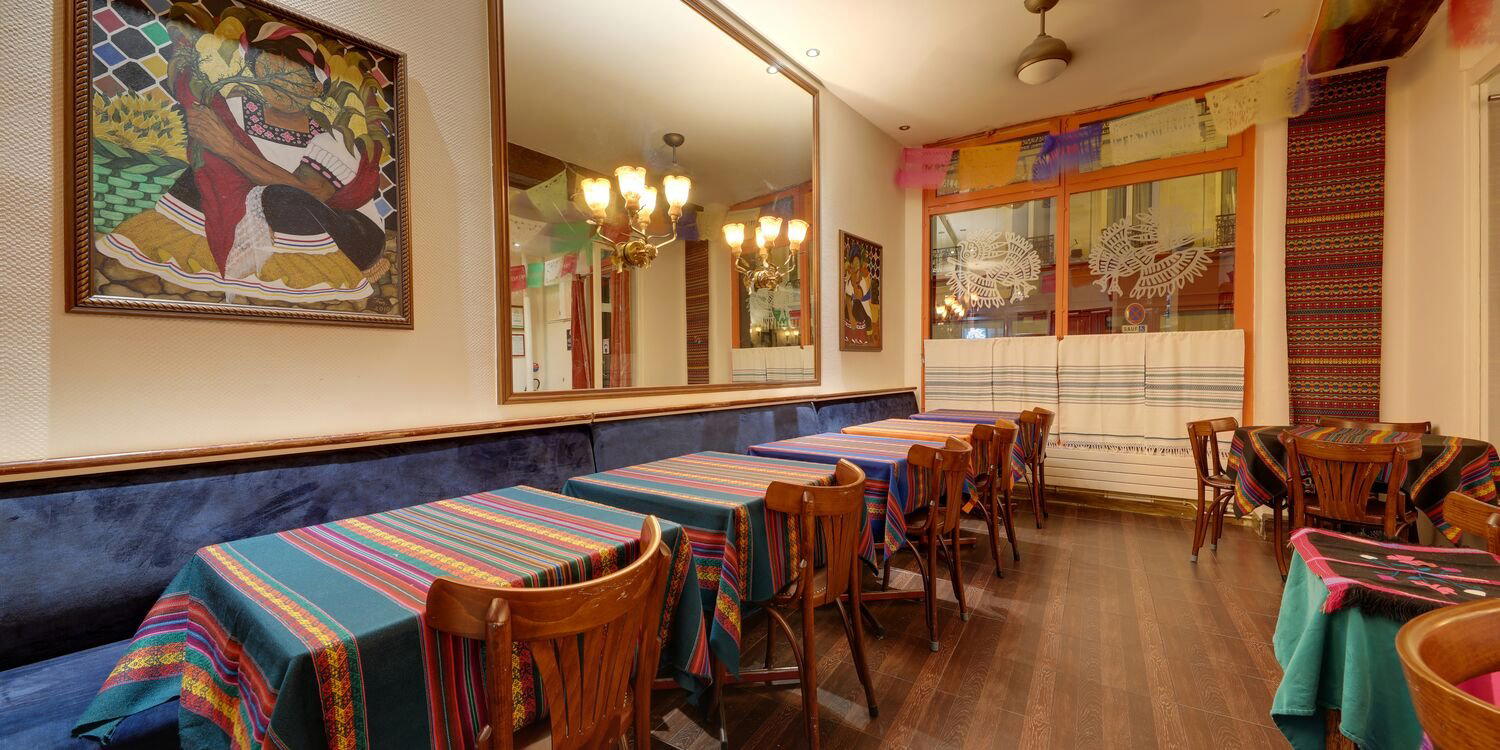
A Footnote Street With a Long Memory
Rue des Bernardins is not a dining destination in the way that Rue du Faubourg Saint-Antoine or the passages around Bonne Nouvelle have become. The 5th arrondissement's restaurant reputation runs toward traditional French bistros and a scattering of North African addresses that have served the university population for decades. Which makes the presence of Anahuacalli at number 30, a casual Mexican restaurant in Paris's 5th arrondissement, something worth pausing over. Mexican restaurants in Paris have historically occupied one of two categories: casual cantina formats aimed at students and the curious, or more considered addresses attempting to present regional Mexican cooking to a French audience trained on precision and provenance. Anahuacalli has operated in this neighbourhood long enough to predate the current generation of Paris taco bars and mezcal-led concepts that have arrived in the Marais and Oberkampf over the past several years.
What Mexican Dining in Paris Has Actually Looked Like
To understand Anahuacalli's position, it helps to understand what the broader arc of Latin American cooking in Paris has looked like. For most of the late twentieth century, Mexican food in France was either absorbed into a generic "world cuisine" category or presented in ways that prioritised accessibility over specificity. Mole was simplified, tortillas were flour-heavy, and the nuance of regional Mexican cooking, which varies dramatically between Oaxaca, the Yucatán, and Mexico City, was largely flattened. The restaurants that survived long-term in Paris were those that found a middle register: enough fidelity to the source material to attract a knowing clientele, enough adaptation to keep a French neighbourhood audience returning.
That is the context in which a restaurant on a quiet Left Bank street, serving food rooted in Mexican tradition, needs to be assessed. Not against the €€€€ tier occupied by Alléno Paris au Pavillon Ledoyen, L'Ambroisie, or Le Cinq at the Four Seasons George V, but against the question of whether it is doing something that the newer, trendier formats are not.
The 5th Arrondissement as a Dining Context
The Latin Quarter's dining scene is defined less by culinary ambition and more by durability. Restaurants here tend to succeed by being reliable rather than revelatory. The student population around the Sorbonne creates a base of regulars who return often and spend modestly, while the tourist traffic from Notre-Dame and the Jardin des Plantes adds a second tier of footfall. A restaurant that has maintained a presence on Rue des Bernardins is not doing so through novelty. It is doing so through a combination of consistency, a loyal neighbourhood audience, and a product that holds up to repeated visits. This is the structural logic that sustains independent restaurants in academic quartiers across European capitals, from Bloomsbury to Schwabing to the 5th.
Evolution and the Question of Reinvention
The editorial angle most relevant to Anahuacalli is not provenance or prestige, but evolution. Paris's non-French dining scene has changed significantly since the mid-2000s. The arrival of serious Japanese counters (see Kei for the Franco-Japanese hybrid end of that spectrum), the expansion of pan-Asian formats, and more recently the growth of modern Latin American concepts have raised the baseline of what diners expect from global cuisines in Paris. A Mexican restaurant that was considered a genuine reference point in 1995 faces a different competitive environment in 2024.
The question for any long-running address in this category is whether it has moved with those expectations or held its ground on the basis of what it does well. In the French regional context, restaurants like Bras in Laguiole and Auberge de l'Ill in Illhaeusern have shown that longevity and innovation are not mutually exclusive. At the other end of the French dining spectrum, institutions like Paul Bocuse's Auberge du Pont de Collonges and Les Prés d'Eugénie have debated constantly how much tradition should anchor identity versus how much adaptation is necessary for survival. The same tension plays out in every cuisine category, including Mexican in Paris.
Addresses like Flocons de Sel in Megève, Mirazur in Menton, and Troisgros in Ouches illustrate how France's most durable restaurant names have managed generational change by deepening their identity rather than chasing trends. Whether Anahuacalli has followed a comparable path, or whether it occupies its niche by sheer persistence, is a question better answered by those who have tracked it over multiple visits across different decades.
Where It Sits in the Paris Mexican Dining Picture
Paris's newer wave of Mexican-influenced addresses skews toward casual: natural wine lists alongside mezcal, small plates, and a downtown postcode. Anahuacalli's Left Bank address and apparent longevity place it in a different register from that format, closer to the mid-century tradition of neighbourhood restaurants that treat a foreign cuisine with the same seriousness French diners bring to regional French cooking. That positioning, if maintained, is genuinely more interesting than the trend-driven end of the market. Comparable thinking applies internationally: Le Bernardin in New York has shown that rigorous commitment to a single cuisine's logic, sustained across decades, produces a different kind of authority than novelty-led programming. So has Lazy Bear in San Francisco, which built its reputation by treating an unconventional format with absolute seriousness over time.
For further reference on what French regional cooking looks like when executed with long-term commitment, Georges Blanc in Vonnas, Auberge du Vieux Puits in Fontjoncouse, and La Table du Castellet each represent different models of how regional addresses build durable authority. And for the haute end of Parisian French cooking, Arpège remains the clearest example of how a single culinary conviction, held consistently, defines a restaurant's identity across decades.
Planning a Visit
Anahuacalli is open Monday to Thursday from 7 to 10:30 PM, Friday from 7 to 11 PM, Saturday from 12 to 2:30 PM and 7 to 11 PM, and Sunday from 12 to 2:30 PM and 7 to 10:30 PM. The address is 30 Rue des Bernardins in the 5th arrondissement.
| Venue | Cuisine | Price Tier | Arrondissement |
|---|---|---|---|
| Anahuacalli | Mexican | €€ | 5th |
| Kei | Contemporary French/Japanese | €€€€ | 1st |
| L'Ambroisie | Classic French | €€€€ | 4th |
| Arpège | Creative French | €€€€ | 7th |
Recognition, Side-by-Side
Comparable venues nearby, for context on price, style, and recognition.
| Venue | Cuisine | Price | Notes |
|---|---|---|---|
| AnahuacalliThis venue — the venue you are viewing | Authentic Mexican | $$ | Not listed |
| Candeleria | Authentic Mexican Taqueria | $$ | Le Marais |
| Mamacita Paris | Authentic Mexican Taqueria | $$ | 9th Arr. |
| Signorvino Paris | Italian trattoria & wine bar | $$ | Latin Quarter |
| Café Mélia | Traditional French Bistro | $$ | Le Marais |
| la Manufacture | French Bistro | $$ | 13e Arr. – Gobelins |
Continue exploring
More in Paris
Restaurants in Paris
Browse all →
Bars in Paris
Browse all →
Hotels in Paris
Browse all →
Wineries in Paris
Browse all →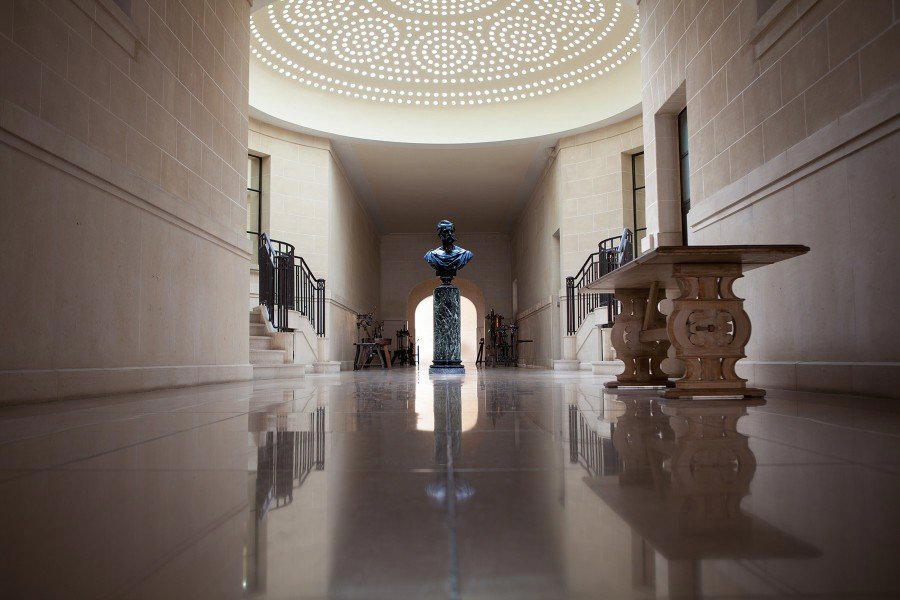
At a Glance
- Cozy
- Intimate
- Date Night
- Casual Hangout
- Historic Building
- Craft Cocktails
Current opening hours
- Monday
- 7–10:30 PM
- Tuesday
- 7–10:30 PM
- Wednesday
- 7–10:30 PM
- Thursday
- 7–10:30 PM
- Friday
- 7–11 PM
- Saturday
- 12–2:30 PM, 7–11 PM
- Sunday
- 12–2:30 PM, 7–10:30 PM
Hours can change for holidays and private events. Last verified .
Simple, sober dining room with nice decorations including statues, cozy corner setting, warm and lively atmosphere.