Amuse Marketplace & Bar
Our verdict
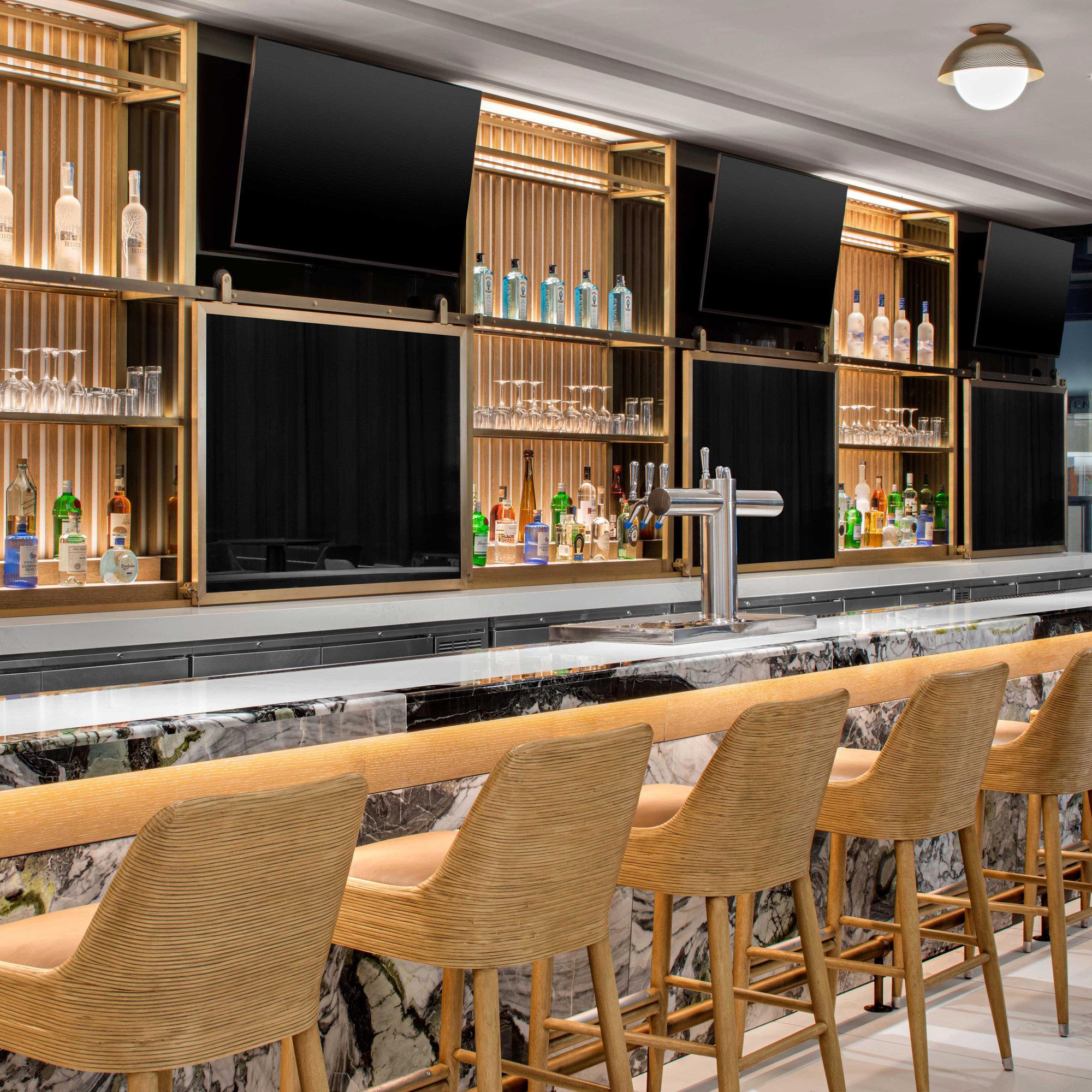
Amuse Marketplace & Bar belongs to Midtown East’s practical dining orbit: commuter corridors, hotel lobbies, office towers, and pre-theatre schedules shape the way people eat here. The useful lens is sourcing and format rather than ceremony, with marketplace cues suggesting a casual, flexible approach in a part of New York City where speed and range often matter as much as polish.

Pearl is the En Primeur Club membership app, where members save venues, book tables and use the concierge.
The menu
What to order
- LaFrieda burger
- House-made chicken pot pie
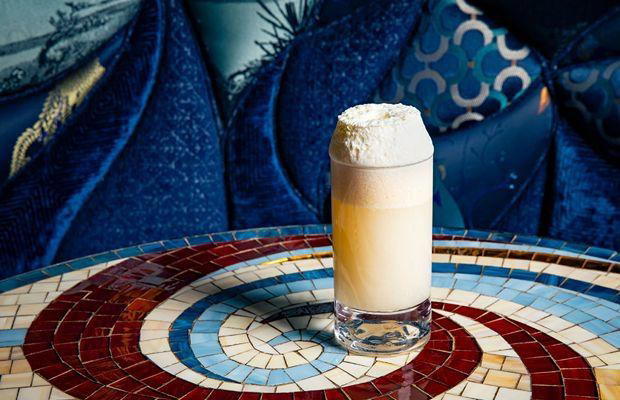
- Enhanced juice cocktails
New York City is not a slow-food stage set. It is a corridor of office badges, rolling suitcases, commuters, and hotel guests recalibrating between meetings and transit. In that setting, a marketplace-and-bar format reads differently than it would in a quieter setting: the point is less about culinary theatre than about selection, turnover, and ingredients that can serve several kinds of diner without forcing a single script.
Amuse Marketplace & Bar sits inside that New York City grammar. The name signals two ideas at once: a market sensibility, where product choice matters, and a bar sensibility, where the meal can be informal, social, or brief. New York has many rooms built around spectacle; this category works when it understands restraint, consistency, and the mixed demands of a city fed by offices, hotels, and transit.
New York City rewards flexible sourcing over rigid ceremony
Ingredient sourcing in this part of the city is usually judged by a practical test: can a kitchen handle volume without flattening everything into sameness? The better marketplace formats in New York borrow from grocery counters, wine bars, dining rooms, and all-day restaurants. They depend on produce, prepared items, pantry staples, and bar-friendly plates that can move across lunch, early evening, and post-work drinking without pretending every sitting is a tasting menu.
That matters because New York City is a competitive dining environment with many different kinds of rooms. A counter such as Sushi Yasuda competes on discipline, specialization, and the authority of a narrow format. Soba Totto, by contrast, belongs to a casual-dining tradition where category clarity helps diners know what they are walking into. Amuse Marketplace & Bar occupies a looser lane: not a single-cuisine temple, but a room whose value depends on how well the marketplace premise translates into everyday New York use.
The sourcing angle is also where this kind of venue either earns credibility or loses it. A marketplace label creates expectations around freshness, visible abundance, and a certain directness of food. It does not require luxury ingredients; it requires choices that feel intentional. In a city where diners can compare focused counters, casual neighborhood rooms, and specialist dining rooms, a broad-format venue has to justify breadth through execution rather than rarity.
The bar-and-market model fits the city's in-between meals
New York dining is increasingly shaped by the in-between occasion: not a long dinner, not a desk lunch, not a formal drink. The marketplace-and-bar structure suits that shift because it can absorb uneven appetites. One guest may want a light plate and a glass; another may be building a full meal around shared food. New York City, with its heavy flow of visitors and workers, gives that model a natural audience.
This is not the same proposition as a chef-led tasting counter, and it should not be judged by that yardstick. The relevant comparison is the city’s network of useful, polished, flexible rooms that make sense before transit, after a meeting, or between appointments. A more tightly defined restaurant draws identity from a clearer anchor; the marketplace-bar format draws identity from range and rhythm. The question for diners is whether they want a defined culinary lane or a more adaptable New York City stop.
That distinction is worth making because New York can punish vagueness. Broad menus and hybrid formats work when the room has a reason to exist beyond convenience. Ingredient-driven thinking gives the format its spine: sourcing, rotation, and preparation carry more weight than decorative language. The trust signal here is contextual rather than trophy-based: format, utility, and the demands of a high-traffic New York City dining corridor.
How to place it within a New York dining day
For travelers, Amuse Marketplace & Bar is better understood as part of a New York City plan than as the only reason to shape a day around one meal. That is not a criticism. New York dining is built from both pilgrimage meals and useful neighborhood rooms, and the latter often determine how well a trip functions. The city’s serious eating map has room for specialist counters, casual cafés, bar-focused rooms, and plant-forward cooking; a marketplace bar belongs to the category of venues that help connect those stronger anchors.
Readers building a wider itinerary can use Our full New York City restaurants guide for dining context, then branch into Our full New York City hotels guide, Our full New York City bars guide, Our full New York City wineries guide, and Our full New York City experiences guide. For category contrast within the city, compare the more focused framing of Cibo, Izakaya Futago, Sinigual, Soba Totto, and Sushi Yasuda, where narrower identities can make the editorial frame clearer from the first glance.
The editorial read is simple: this is a format for diners who value adaptability in a dense part of New York City. It will make the most sense when the occasion calls for a bar-adjacent meal, a flexible meeting point, or a less prescriptive stop in a city that often forces diners to choose between speed and seriousness. For broader sourcing and regional context, compare it generically with other dining rooms whose narrower identities define the visit more immediately.
Frequently asked questions
Is Amuse Marketplace & Bar good for families?
Its marketplace-and-bar format in New York City makes it workable for families who want a flexible stop. The New York City location is better suited to mixed-age groups that want an easygoing meal rather than a formal dining room.
How would you describe the vibe at Amuse Marketplace & Bar?
Expect a practical New York City rhythm: part market, part bar, built for people moving through the city rather than settling in for a long service. The mood should track with that busy urban pace.
What's Amuse Marketplace & Bar's location?
Amuse Marketplace & Bar is located in New York City.
Do they take walk-ins at Amuse Marketplace & Bar?
For walk-ins, check current availability directly with Amuse Marketplace & Bar. The marketplace-and-bar format may suit guests looking for a flexible New York City stop, but current seating policies can change.
What is Amuse Marketplace & Bar known for?
Amuse Marketplace & Bar is defined by its marketplace-and-bar model in New York City, not by a formal tasting menu or chef-driven spectacle. Its clear anchor is a flexible food-and-drink format for a busy city setting.
Comparison Snapshot
Comparable venues by cuisine and price in the same metro.
| Venue | Cuisine | Price | Awards |
|---|---|---|---|
| Amuse Marketplace & BarThis venue (the venue you are viewing) | American (Traditional) | $30–50 | Not listed |
| Sushi Yasuda | Traditional Japanese Omakase | $150–200 | Michelin Plate · La Liste Top Restaurants |
| Cibo | Northern Italian Pizza & Pasta | Not listed | Not listed |
| Sinigual | Contemporary Mexican | $50–100 | Not listed |
| Izakaya Futago | Traditional Japanese Soba & Yakitori Izakaya | $20–30 | Michelin Plate |
| Soba Totto | Traditional Japanese Soba & Yakitori Izakaya | $20–30 | Michelin Plate |

Continue exploring
More in New York City
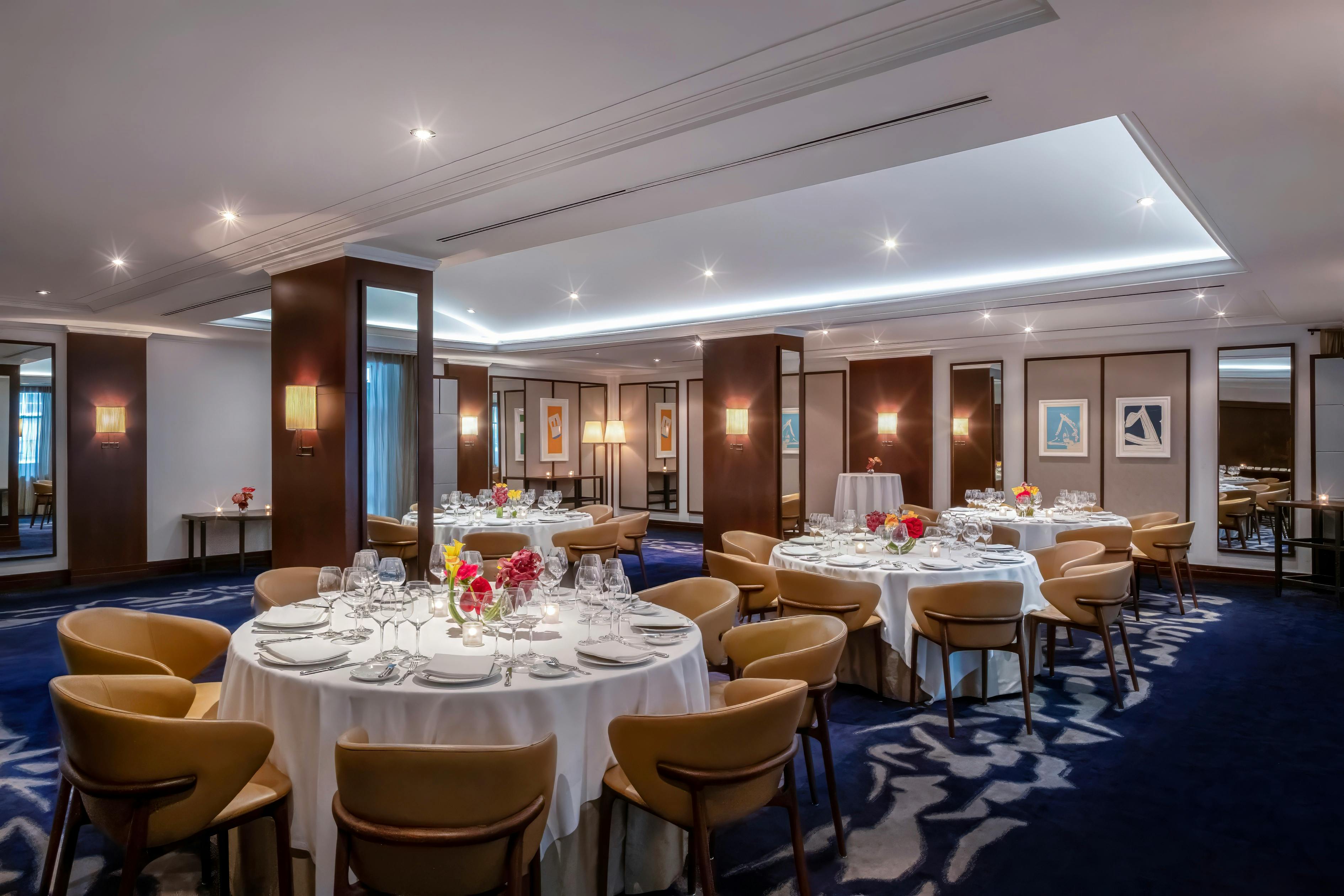
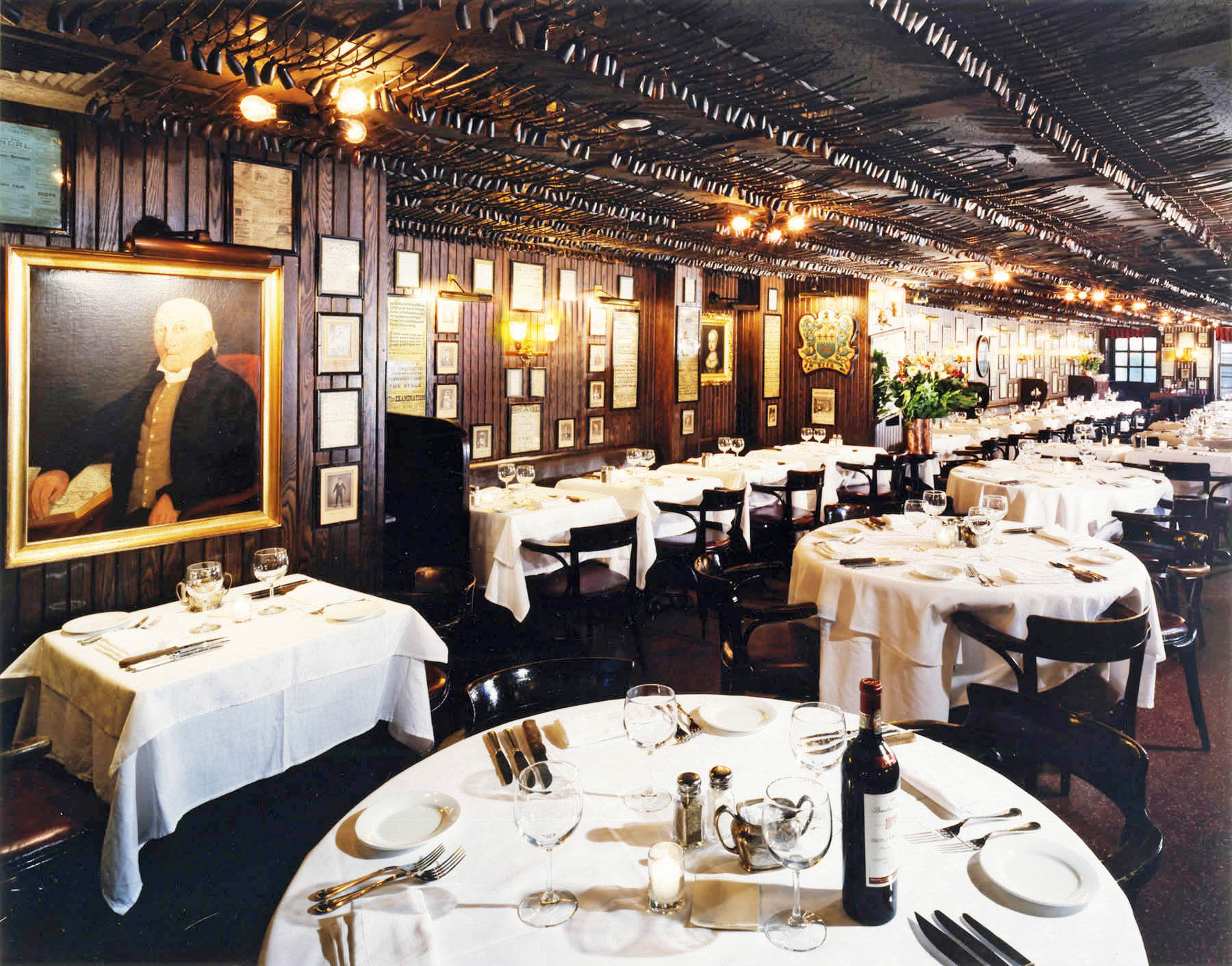
Restaurants in New York City
All restaurants in New York City →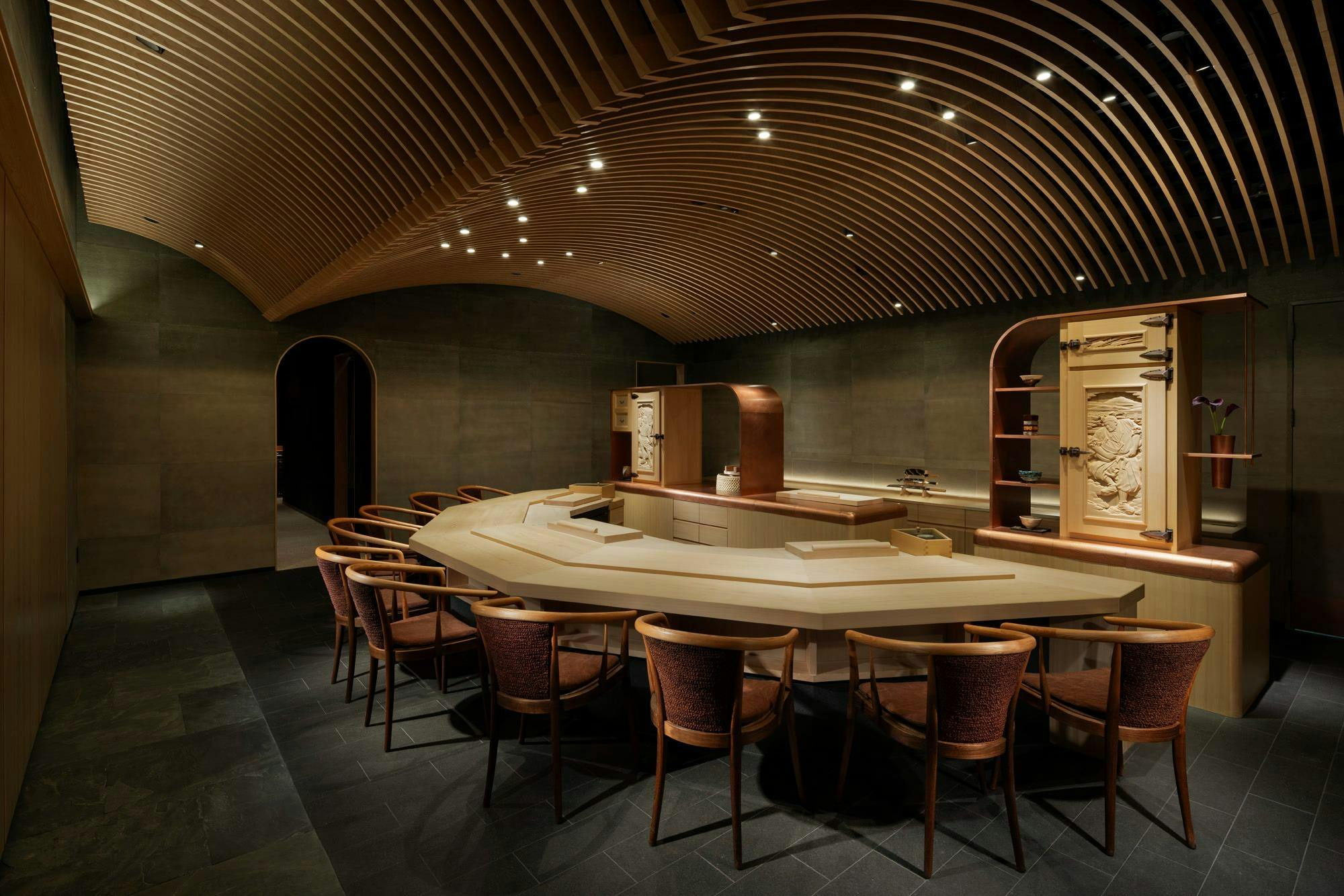
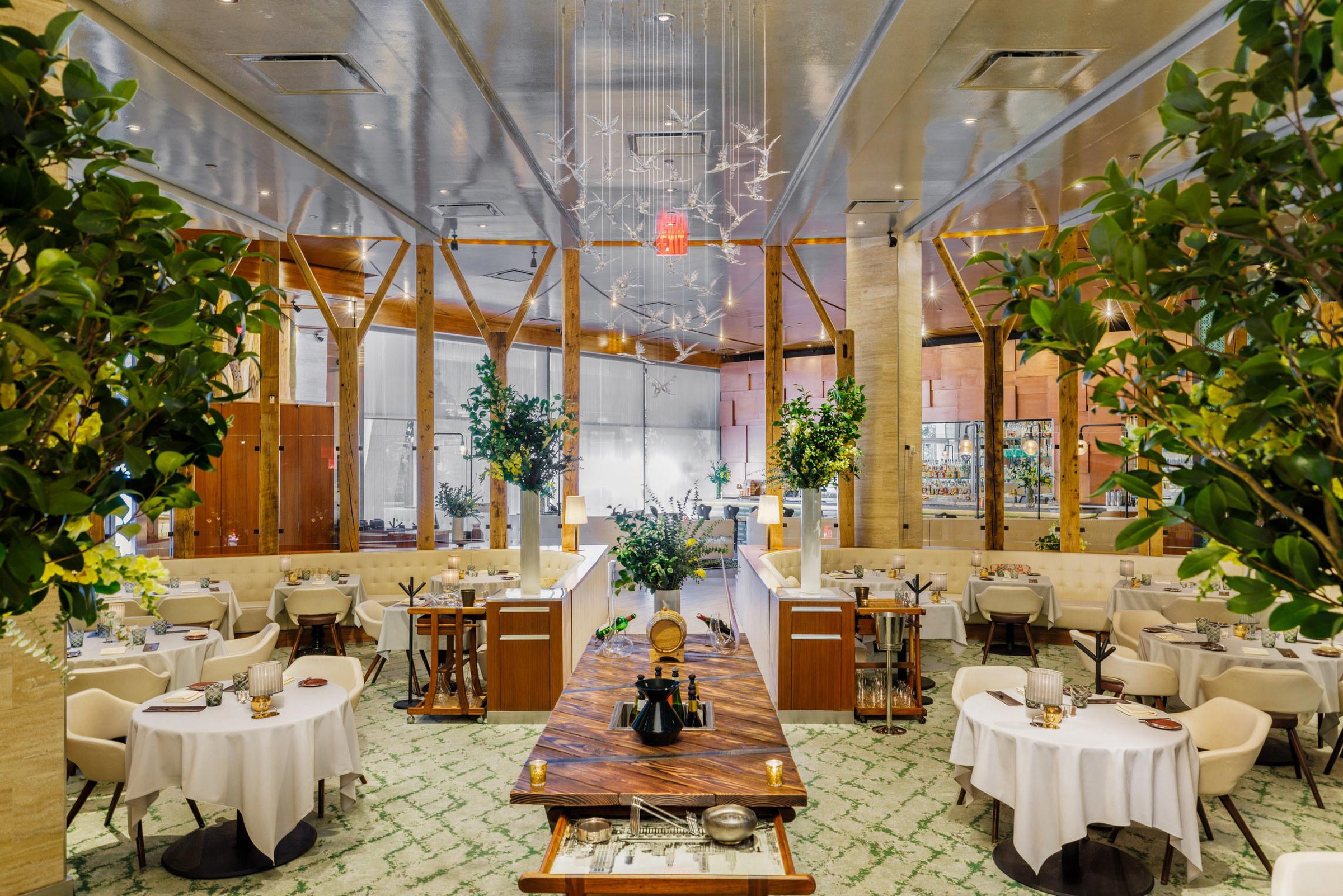
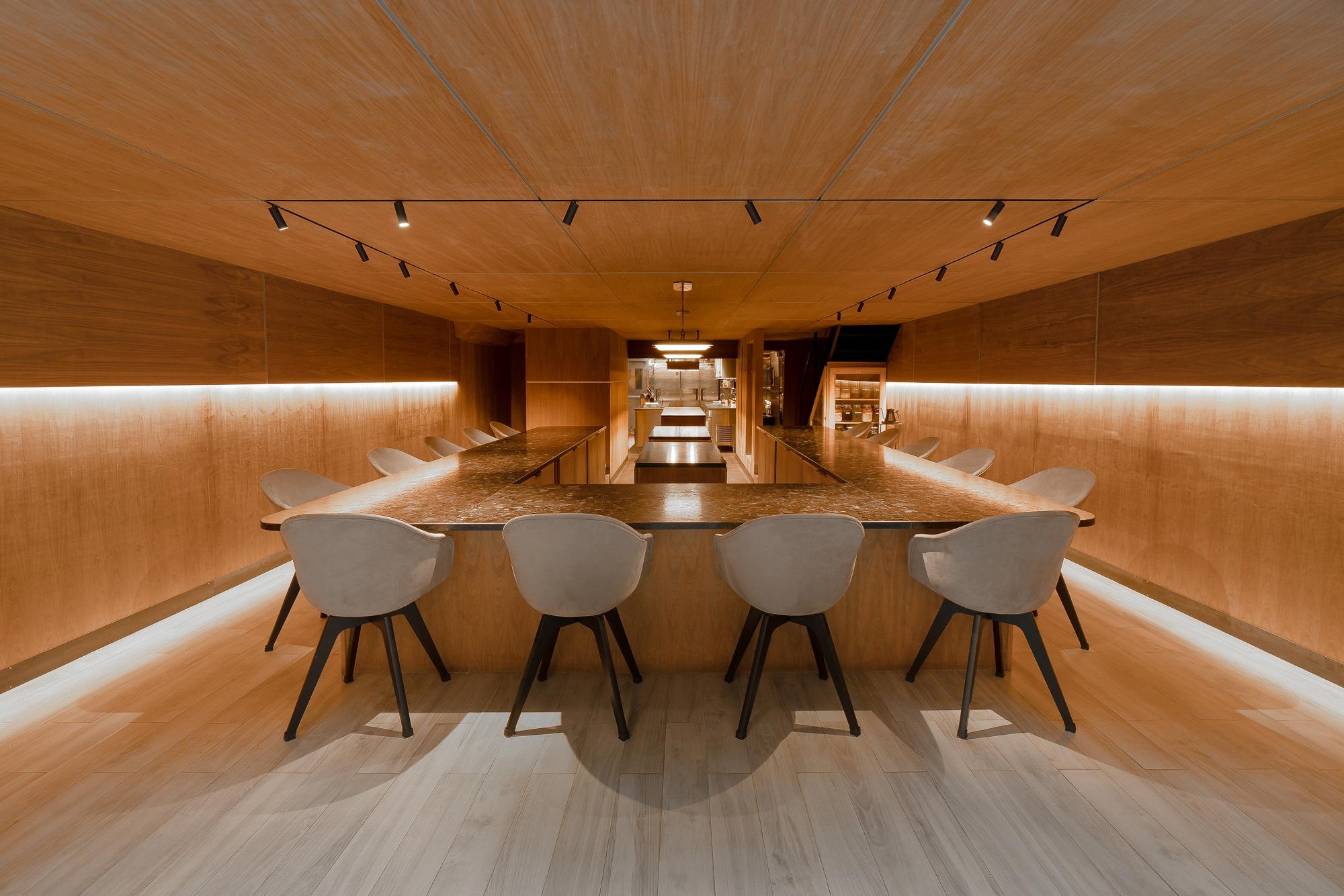
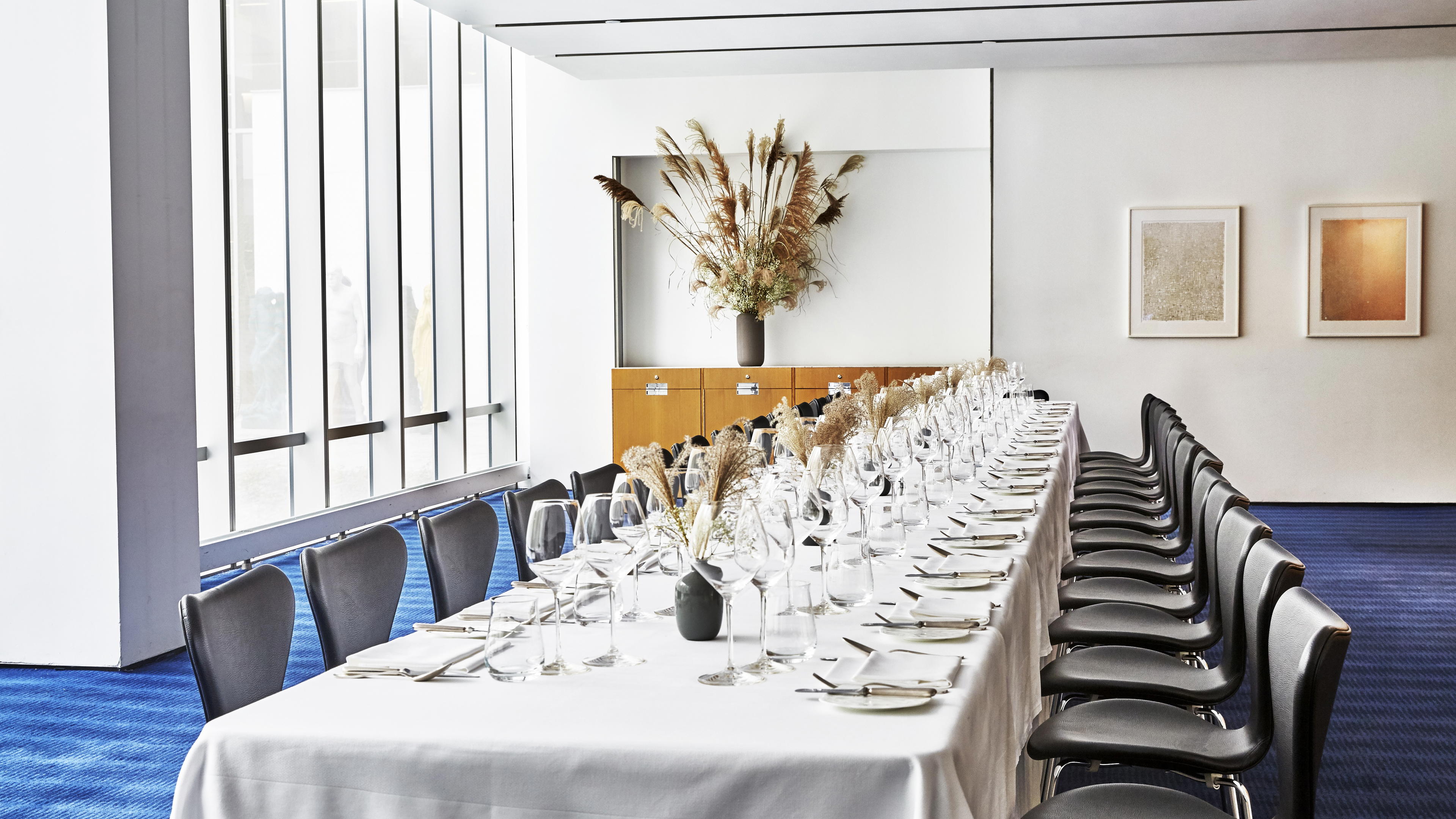
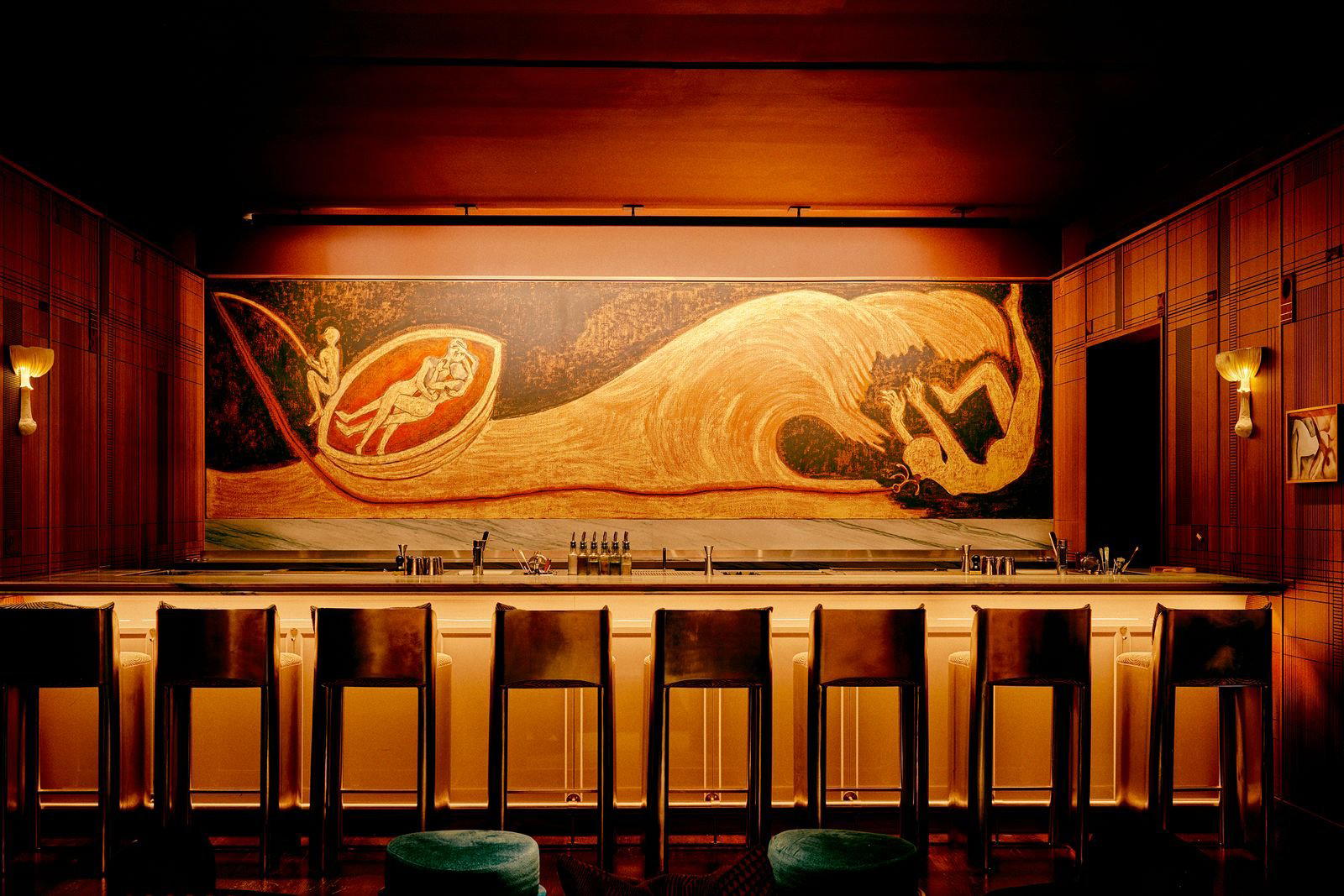
Bars in New York City
All bars in New York City →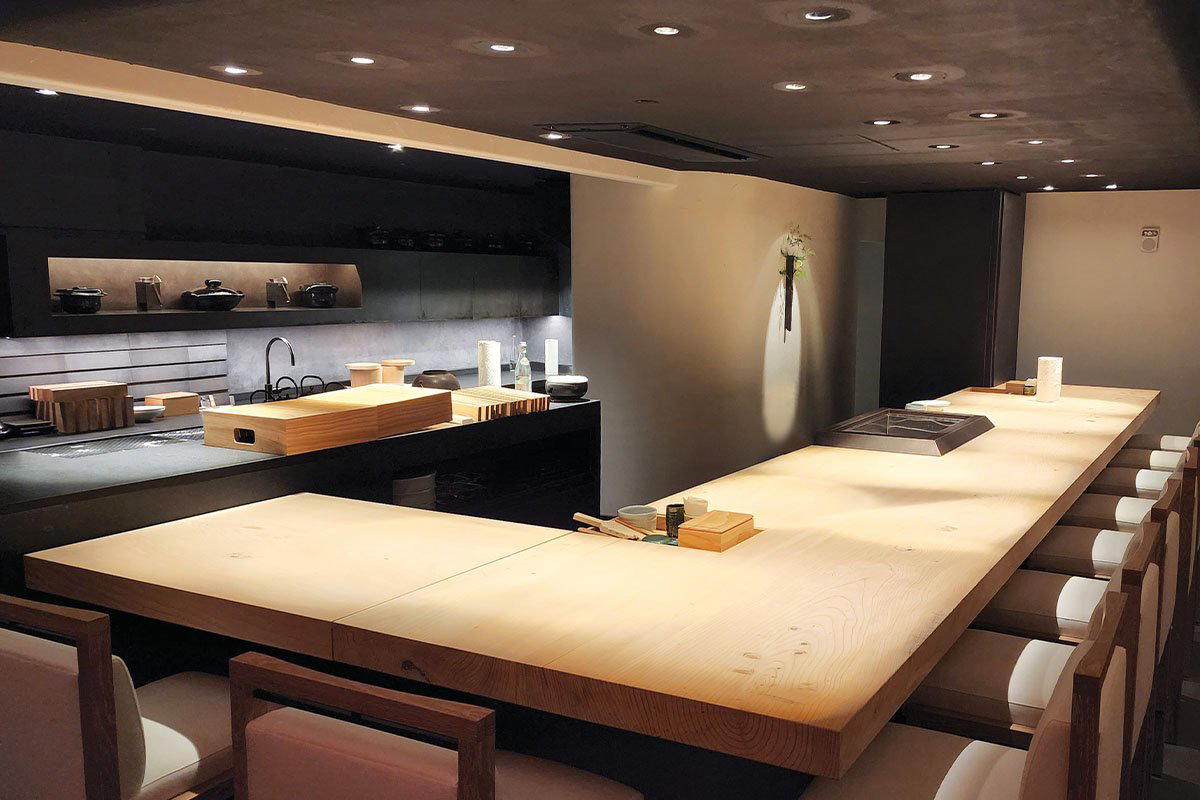
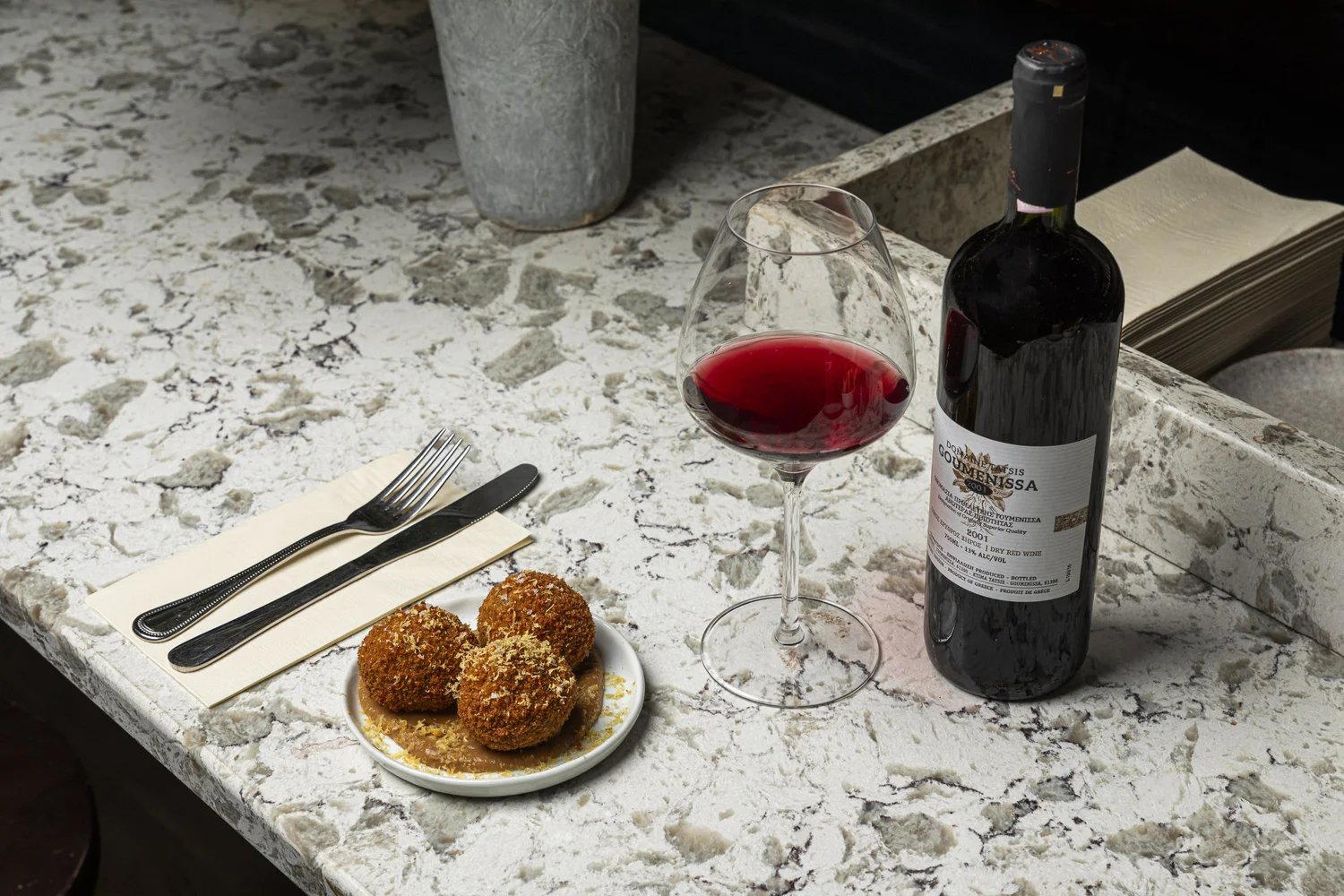
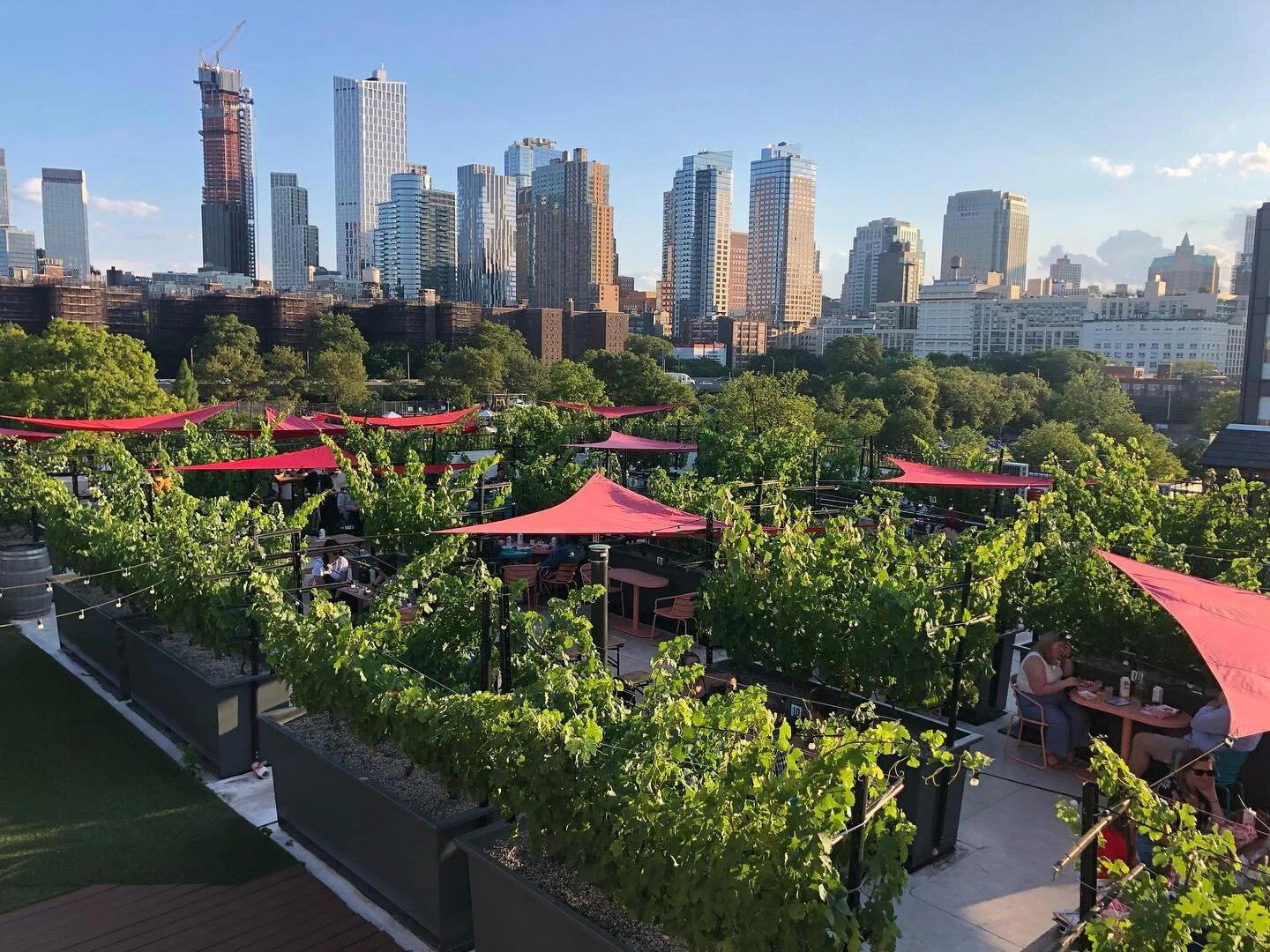
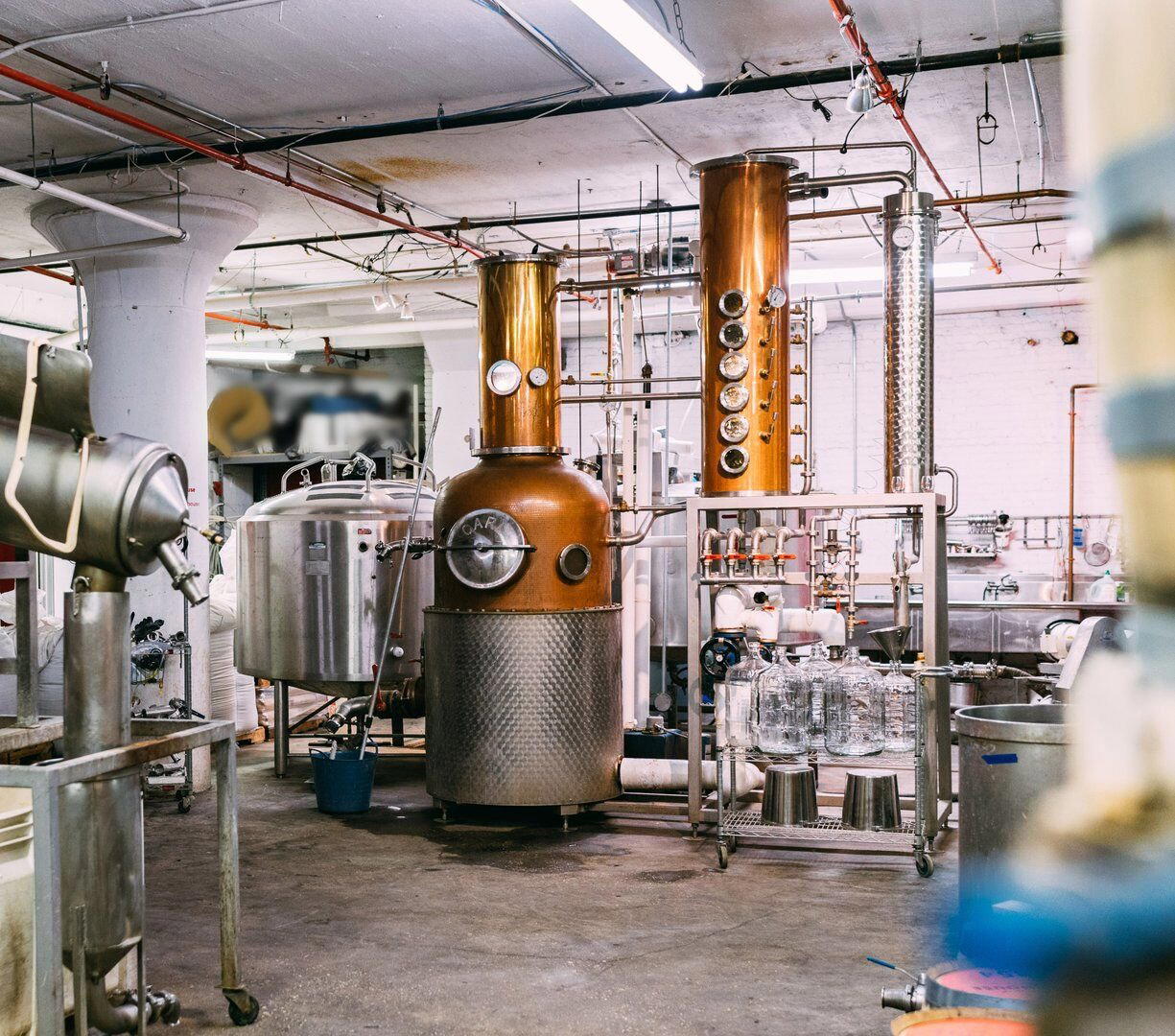
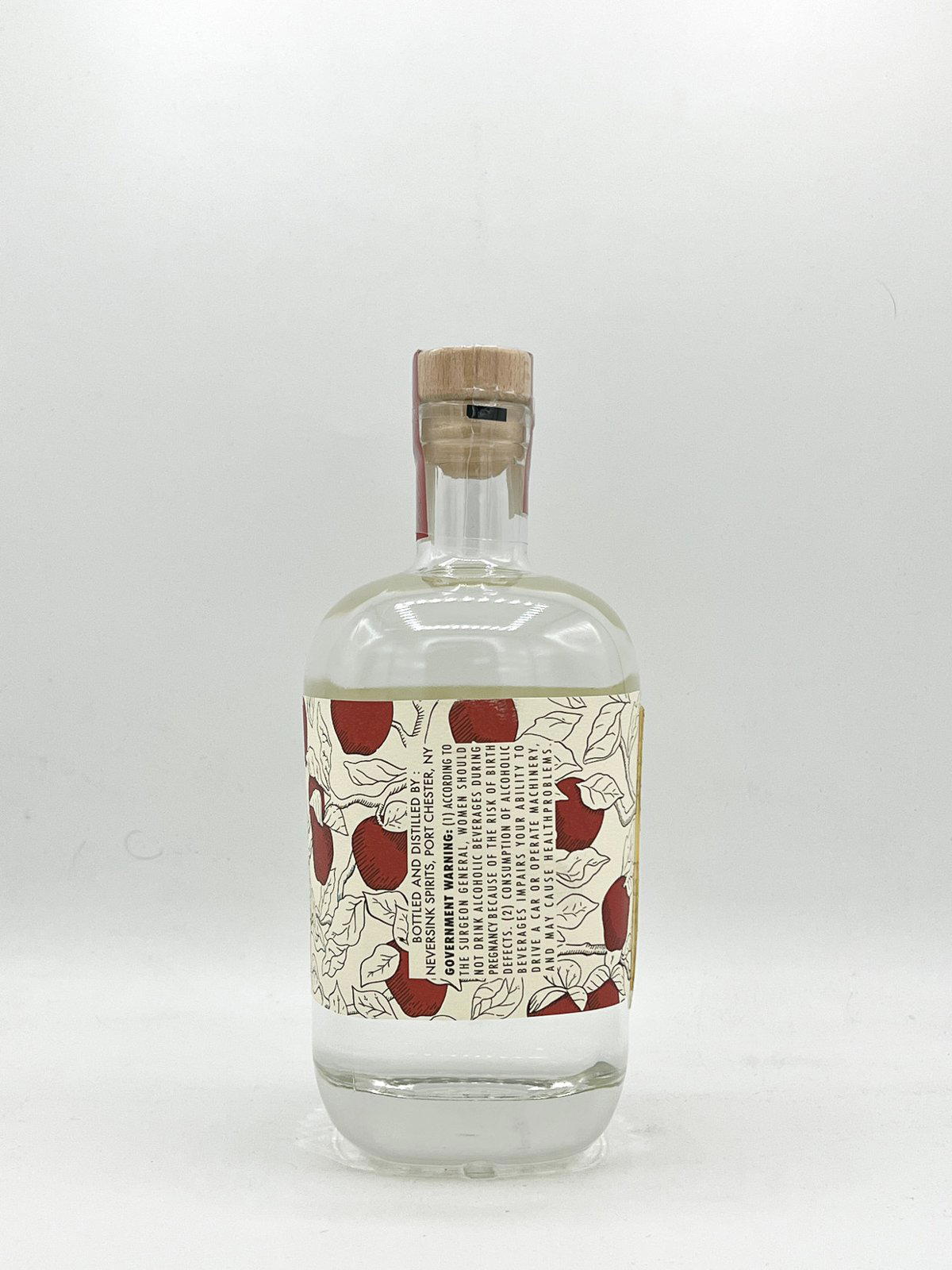
Amuse Marketplace & Bar
The wine
- Natural wine
- Craft cocktails
- Beer program
Details
- Modern
- Cozy
- Sophisticated
- Business Dinner
- Group Dining
- Brunch
- Casual Hangout
- After Work
- Hotel Restaurant
- Standalone
- Craft Cocktails
- Beer Program
- Natural Wine
- Local Sourcing
- Organic
- Biodynamic
- A La Carte
- Cocktails
- Wine
- Beer
- Vegetarian Friendly
- Gluten Free Options
Current opening hours
- Monday
- 6:30 AM–11 PM
- Tuesday
- 6:30 AM–11 PM
- Wednesday
- 6:30 AM–11 PM
- Thursday
- 6:30 AM–11 PM
- Friday
- 6:30 AM–11 PM
- Saturday
- 6:30 AM–11:30 PM
- Sunday
- 6:30 AM–11:30 PM
Hours can change for holidays and private events. Hours as of .
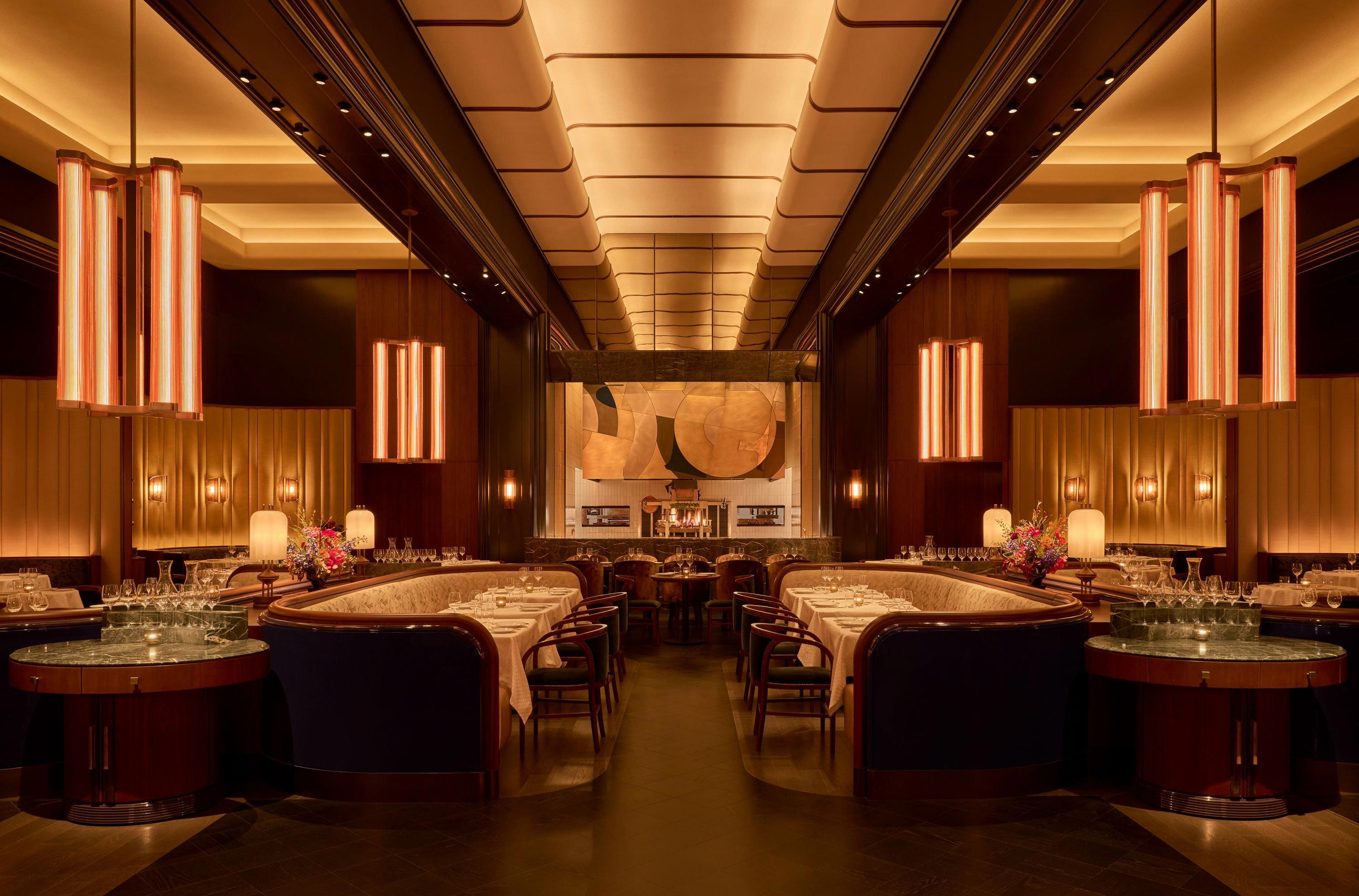
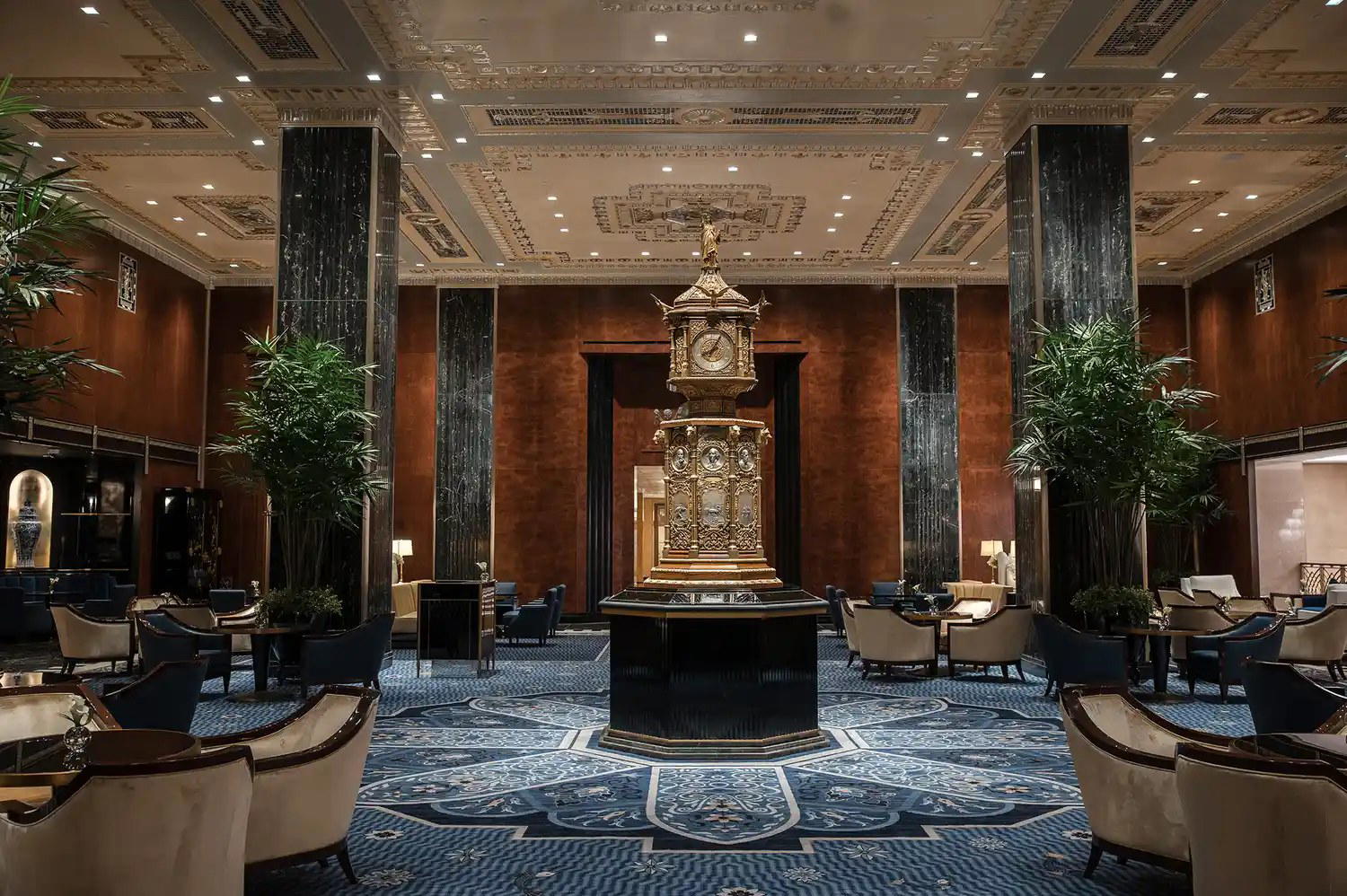
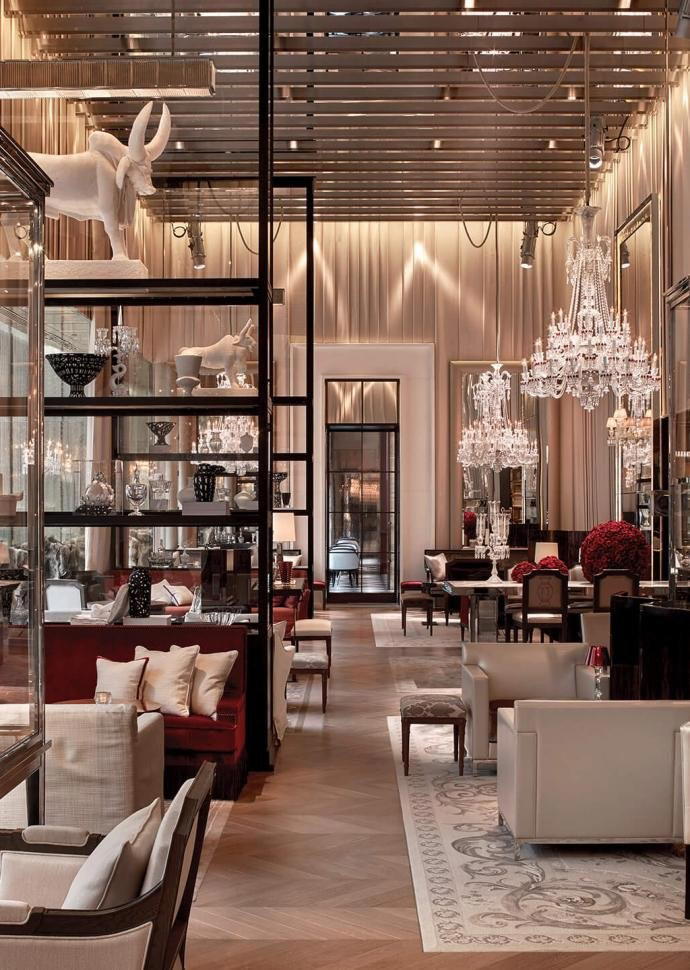
Contemporary and nature-inspired, with a sleek modern feel and a laid-back, comfortable tone.