Sushi Yasuda



A Midtown sushi counter with more than two decades of practice behind it, Sushi Yasuda operates on the logic that classical technique needs no embellishment. The omakase at 204 E 43rd Street draws consistent recognition from Opinionated About Dining and a Michelin Plate, with nigiri built around seasonal fish handled without deviation from tradition. Confirmation and punctuality are required; the counter rewards those who follow the rules.
Pearl is the En Primeur Club membership app — saves, bookings, and concierge access live there. Same editors, same standards.
- Address
- 204 E 43rd St, New York, NY 10017, United States
- Phone
- +1 212-972-1001
- Website
- sushiyasuda.com
- Directions
- Get directions
 Saves & bookings on Pearl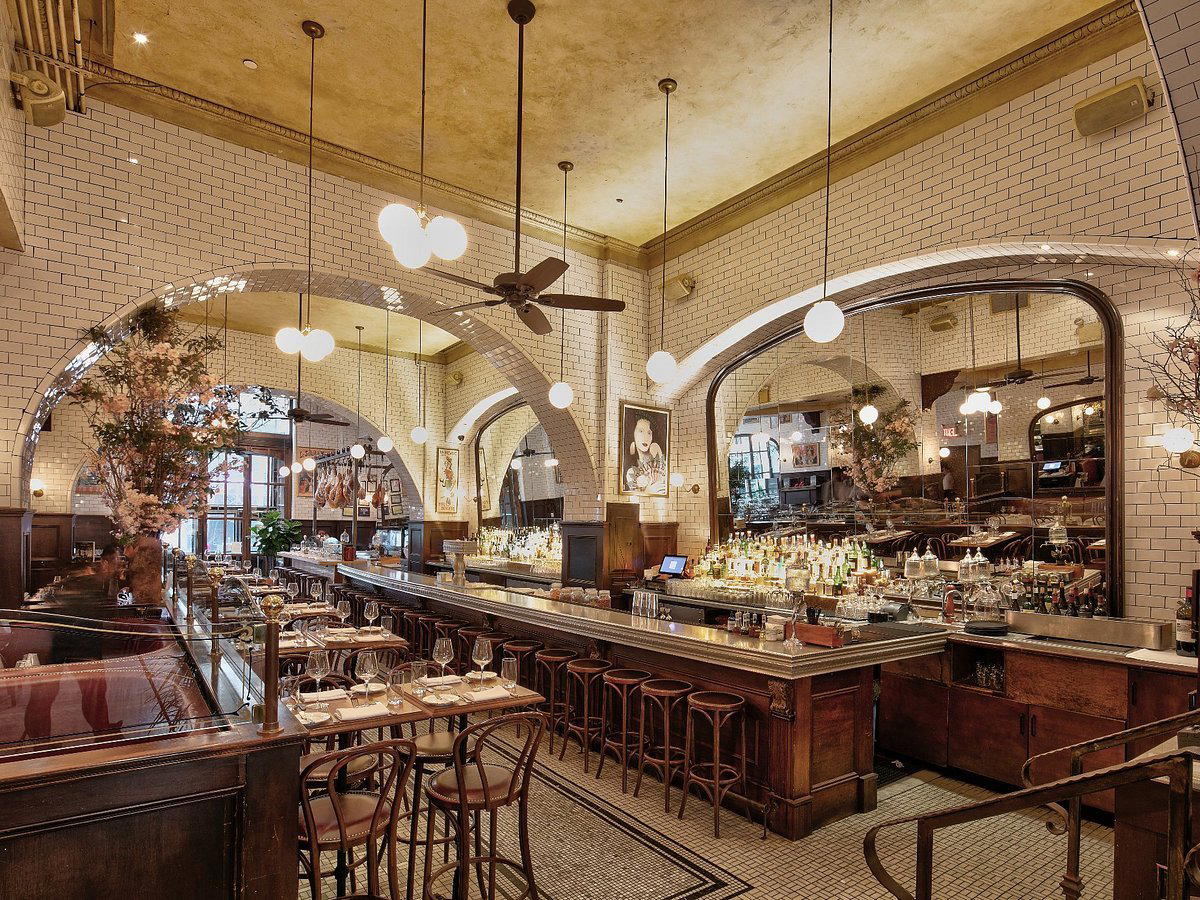
A Midtown Counter That Refuses to Change Its Mind
New York's sushi scene has fractured over the past decade into distinct tiers. At one end sit the ultra-premium counters, where per-head costs approach four figures and the experience is as much about theater as fish. At the other, a wave of accessible omakase formats has made the genre available at almost any price point. Between those poles, a smaller and more interesting cohort exists: counters that opened before the category fragmented, built a following on classical discipline, and have seen no reason to revise the formula. Sushi Yasuda, which has operated at 204 East 43rd Street in Midtown since the late 1990s, belongs firmly in that group.
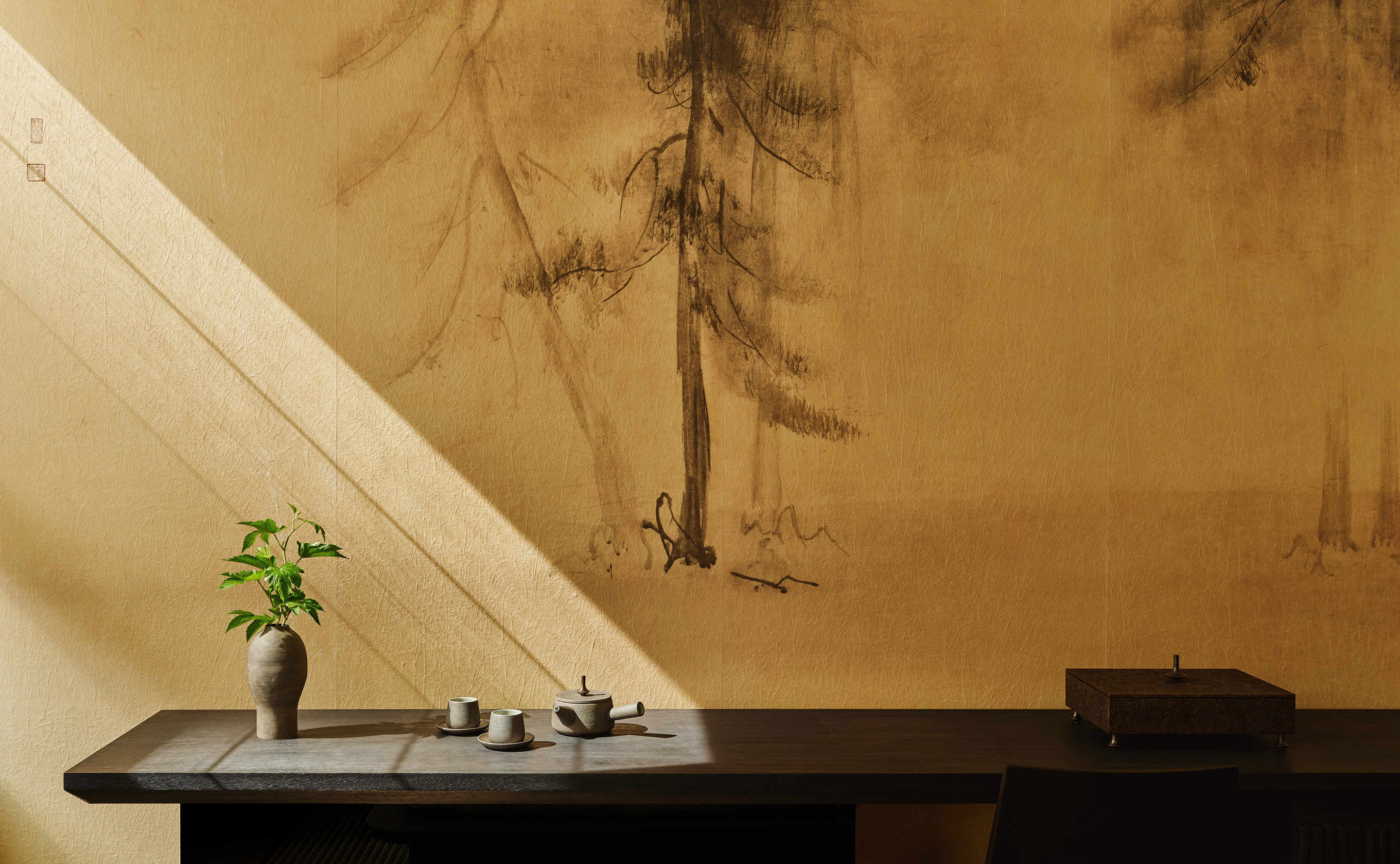
The room signals its priorities immediately. Honey-toned wood and bamboo slats are the primary decorative elements, described by Opinionated About Dining as giving the space a "spartan aura." There are no dramatic lighting rigs, no carefully staged entrance corridors. What the room offers instead is focus, and that focus lands entirely on the counter itself.
Classical Sushi in the Age of Innovation
The editorial angle that makes Sushi Yasuda worth considering is the same logic that governs mastery in ramen or soba: simplicity at the summit of its register is harder to execute than complexity at the same level. A bowl of shio ramen with three components demands more from a cook than a dish assembled from fifteen. The same principle applies to nigiri. Strip away the truffle shavings, the aged soy reductions, and the tableside theater, and what remains is the itamae, the rice, and the fish. That is the format Yasuda has maintained, and it is the format that exposes every technical gap.
Chef Mitsuru Tamura leads the counter and the omakase reflects a classical approach that Opinionated About Dining describes as "ignoring new trends and sticking to classically assembled sushi." That framing is not a criticism. It is an accurate description of what a certain tier of sushi purist comes here to find. The menu draws on seasonal fish: cherrystone clam, bluefin tuna, sayori with shiso. A Maine and Japanese uni tasting appears as a recurring format, using two sourcing origins to illustrate the subtle variation that geography and feed produce in the same species. That kind of comparative structure requires no invention, only access to quality fish and the confidence to present the comparison cleanly.
For context on where Yasuda sits within New York's premium Japanese tier, it is useful to map the comparable set. Masa operates at the ceiling of the price bracket. Sushi Noz and Sushi Amane have drawn strong critical recognition in the past several years. Kosaka operates with a slightly different stylistic emphasis. Sushi Nakazawa built its following in part on documented lineage and media attention. That combination, volume of reviews and consistent critical placement, suggests a counter that performs reliably rather than one that spikes on occasion.
The Discipline the Format Demands
There is a structural comparison worth drawing to other American fine dining formats. At Alinea in Chicago, The French Laundry in Napa, or Lazy Bear in San Francisco, the ambition is often expressed through technique layered on technique. The same applies to seafood-focused rooms like Providence in Los Angeles or through plant-based reinvention at similar price tiers. Classical omakase operates on the opposite logic. Restraint is the technique. The question is not what can be added, but what can be removed while the quality of the ingredient carries the meal.
That discipline extends to the operational structure. Yasuda requires confirmation and punctuality, a detail OAD flags as part of its profile. These requirements are standard in traditional Japanese dining contexts, where the itamae sequences a counter of guests simultaneously and a single late arrival disrupts the entire service rhythm. For diners accustomed to more informal Western fine dining protocols, the expectation can feel rigorous. For those who have eaten at serious omakase counters in Tokyo or Osaka, it is simply how the format works. Globally, this approach carries across to venues like Sushi Masaki Saito in Toronto and Endo at The Rotunda in London, where the same underlying logic governs the counter experience.
Midtown as Context
The 43rd Street address places Yasuda in a stretch of Midtown that is not the neighborhood most food-focused visitors prioritize. The area is primarily office and commuter infrastructure, which shapes the lunch service. Monday through Friday, the counter opens from noon to 3 p.m. and again from 6 to 11 p.m. Saturday service runs from 5 to 11 p.m. and Sunday the restaurant is closed. Sunday the restaurant is closed.
Price and Recognition
Comparable venues nearby, for context on price, style, and recognition.
| Venue | Cuisine | Price | Awards | Notes |
|---|---|---|---|---|
| Sushi YasudaThis venue — the venue you are viewing | Sushi, Japanese | $$$$ | Michelin Plate | Not listed |
| Vestry | Not listed | $$$$ | Michelin Plate | SoHo-Little Italy-Hudson Square, Modern Japanese Fine Dining |
| Sushi by Bou | Not listed | $$$$ | Michelin Plate | Midtown South-Flatiron-Union Square, Edomae-Style Omakase |
| Secchu Yokota | Not listed | $$$$ | Michelin Plate | East Village, Modern Japanese Tempura Omakase |
| Ilis | Greenpoint, Nordic Foraged Fine Dining | $$$$ | Michelin Plate | Not listed |
| Hirohisa | Not listed | $$$$ | Michelin Plate | SoHo-Little Italy-Hudson Square, Kaiseki Omakase |
Recognition history
Dated appearances from independent guides and award organizations, with the underlying list record or original source where available.
Opinionated About Dining Top Restaurants in North America Highly Recommended
Opinionated About Dining
La Liste Top Restaurants
La Liste
Michelin Plate
Michelin
Opinionated About Dining Top Restaurants in North America Ranked #433
Opinionated About Dining
Michelin Plate
Michelin
Opinionated About Dining Top Restaurants in North America Ranked #303
Opinionated About Dining
Opinionated About Dining Top Restaurants in North America Highly Recommended
Opinionated About Dining
Continue exploring
More in New York City
More from Chef Mitsuru Tamura
Browse all →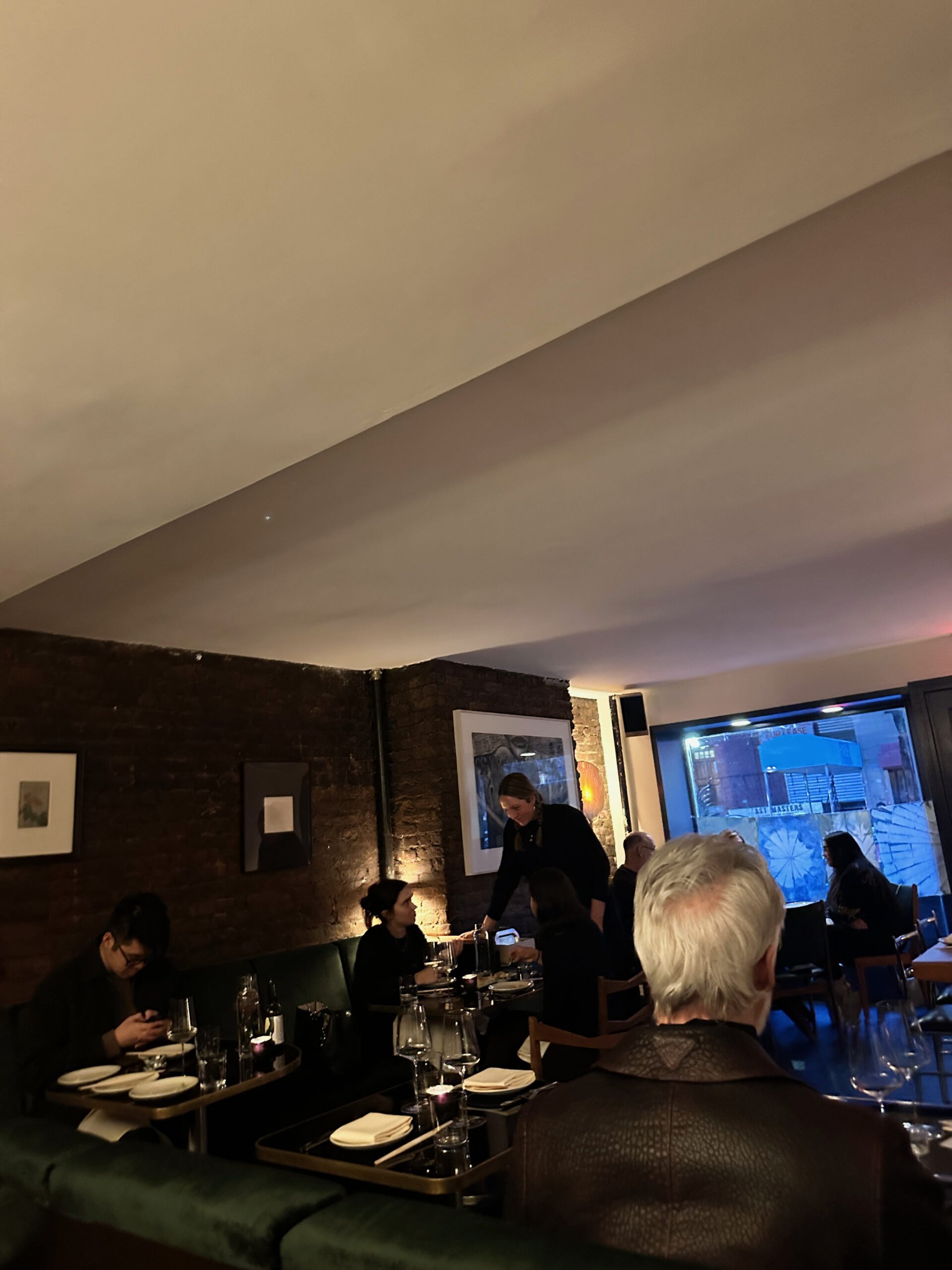
Restaurants in New York City
Browse all →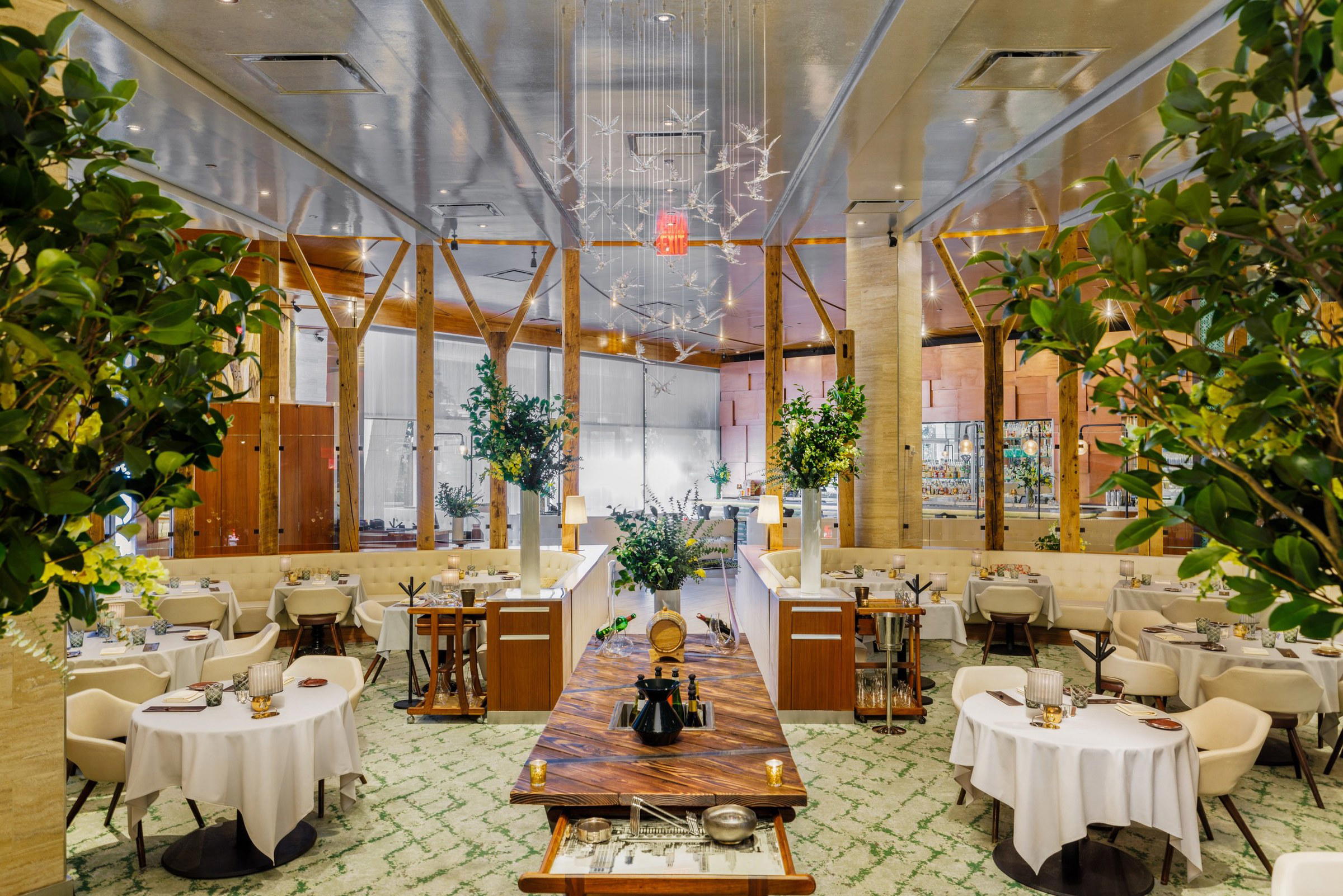
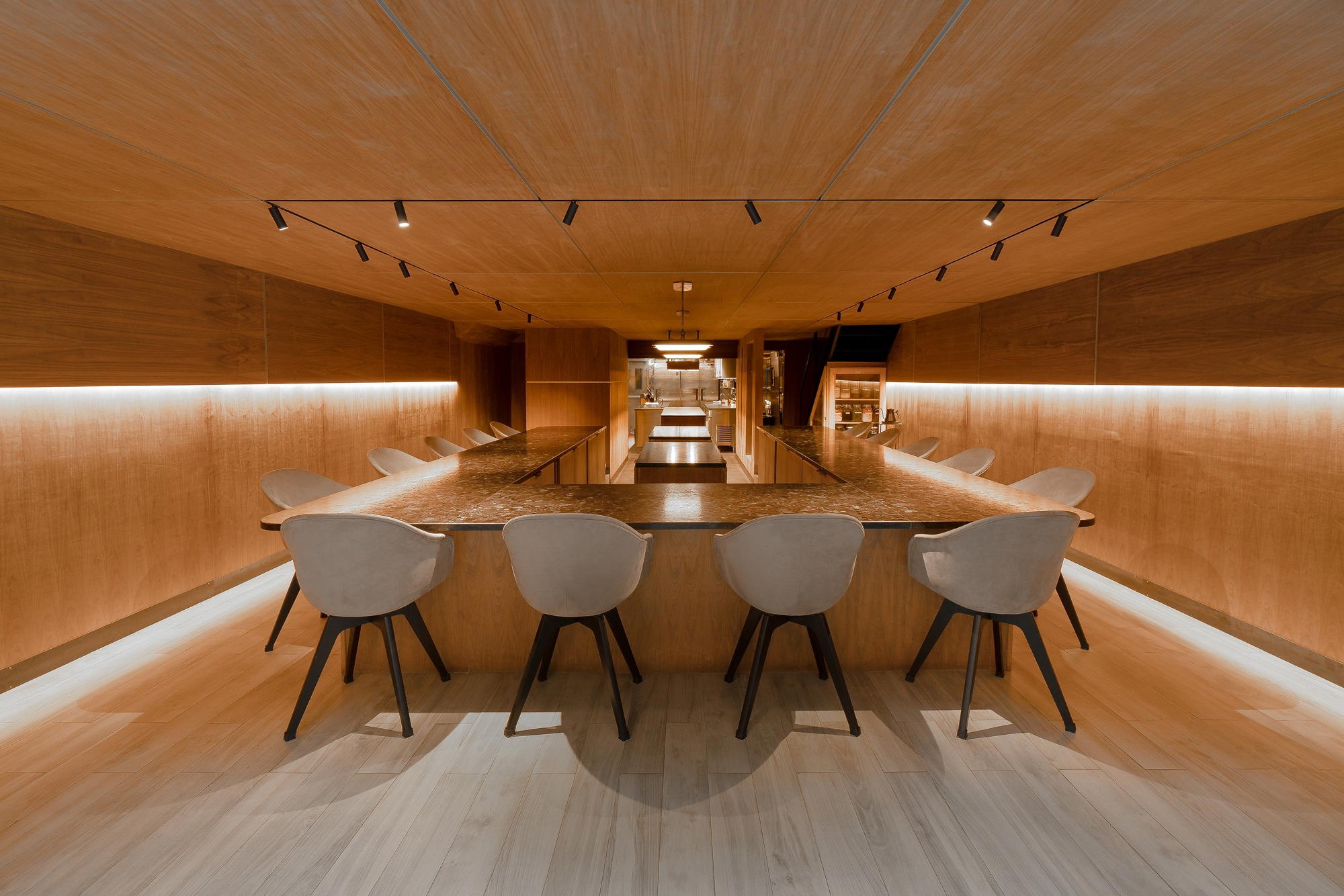
Bars in New York City
Browse all →
Hotels in New York City
Browse all →





At a Glance
- Elegant
- Sophisticated
- Intimate
- Classic
- Date Night
- Business Dinner
- Special Occasion
- Chefs Counter
- Sake Program
- Sustainable Seafood
Current opening hours
- Monday
- 12–3 p.m., 6–11 p.m.
- Tuesday
- 12–3 p.m., 6–11 p.m.
- Wednesday
- 12–3 p.m., 6–11 p.m.
- Thursday
- 12–3 p.m., 6–11 p.m.
- Friday
- 12–3 p.m., 6–11 p.m.
- Saturday
- 5–11 p.m.
- Sunday
- Closed
Hours can change for holidays and private events. Last verified .
Sleek, spacious sushi bar with a sedate, refined atmosphere featuring beautiful interior vibes and hard surfaces that can make it loud when busy.