American Cut

Our verdict
American Cut in Tribeca has occupied a specific niche in New York's steakhouse circuit since 2013: modern in format, theatrical in atmosphere, and built around USDA Prime and A5 Wagyu cuts prepared on a high-temperature grill. Under chef Juan-Pablo Perez, the kitchen anchors its menu around dry-aged beef while the cocktail program and supper-club room keep the energy running late into the evening.

Pearl is the En Primeur Club membership app, where members save venues, book tables and use the concierge.
The menu
What to order
- 42 oz. Tomahawk Rib-Eye
- Chili Lobster
- 1924 Hotel Caesar
- 52 oz. Porterhouse with flaming bone marrow butter
- Dry-aged Rib-Eye with Pastrami spices
Tribeca's Steakhouse Theater, Reconsidered
New York's relationship with the steakhouse runs deeper than appetite. The format has served as a proxy for civic ambition since the mid-nineteenth century, and the city's leading beef houses have always reflected the era that produced them. Old-guard rooms like the original Keens or Peter Luger built authority on austerity: thick cuts, no-nonsense service, no apology for the check. The wave that arrived in the 2000s took a different approach, packaging the steakhouse as spectacle, layering in theatrical interiors, cocktail ambition, and updated menu formats that borrowed freely from the broader New York dining conversation.
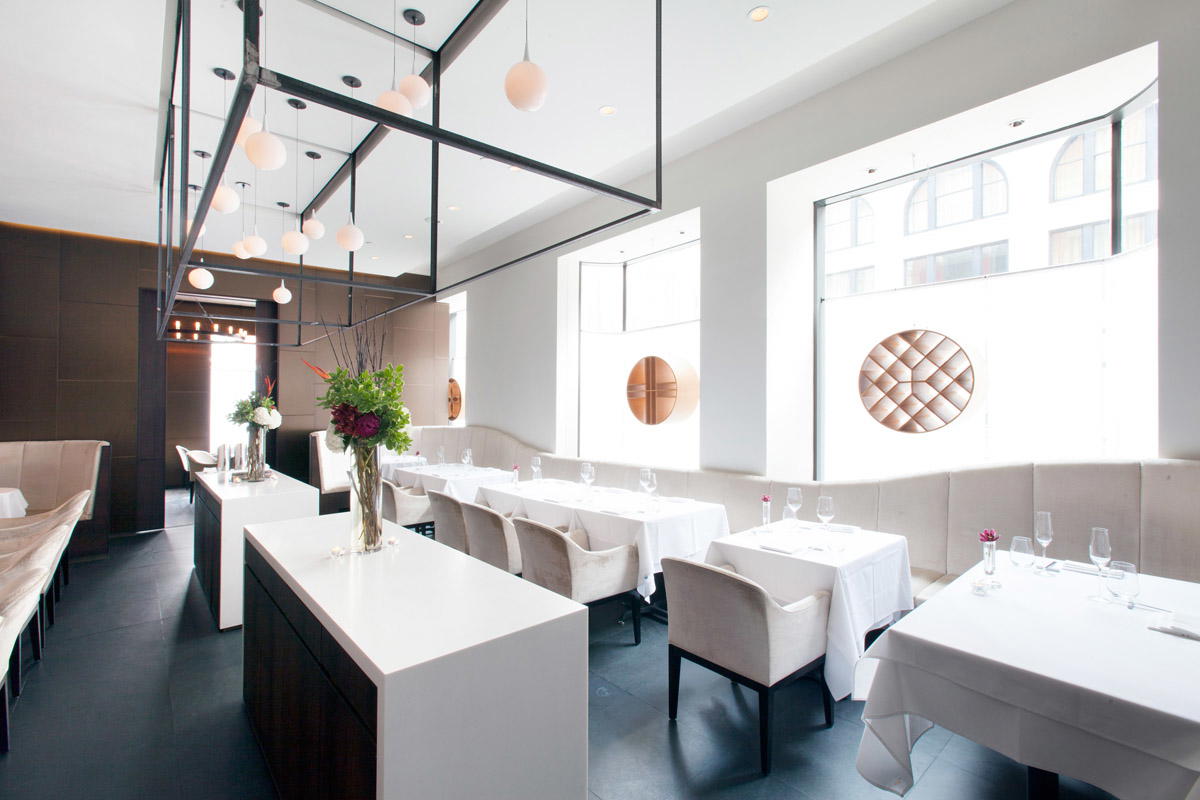
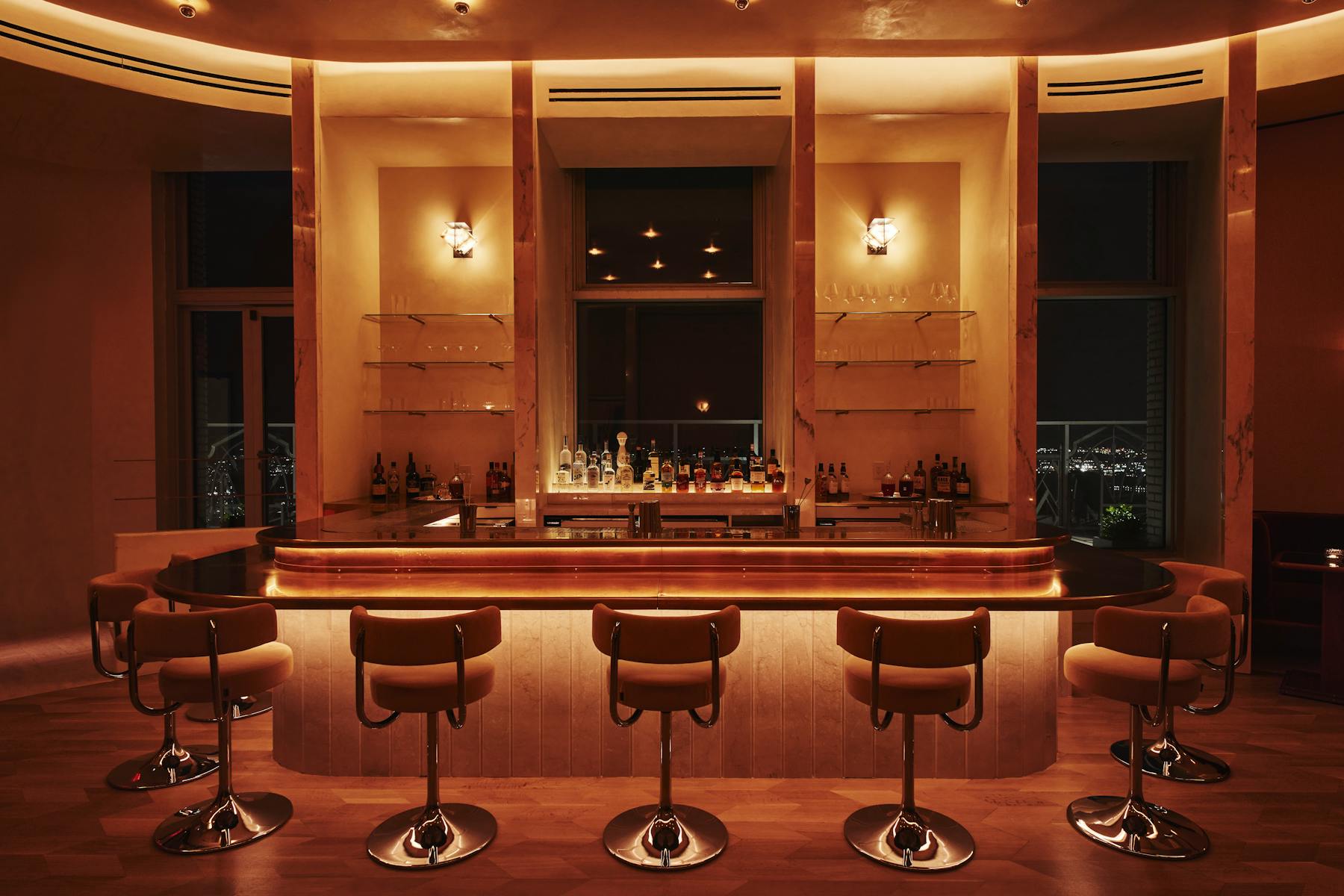
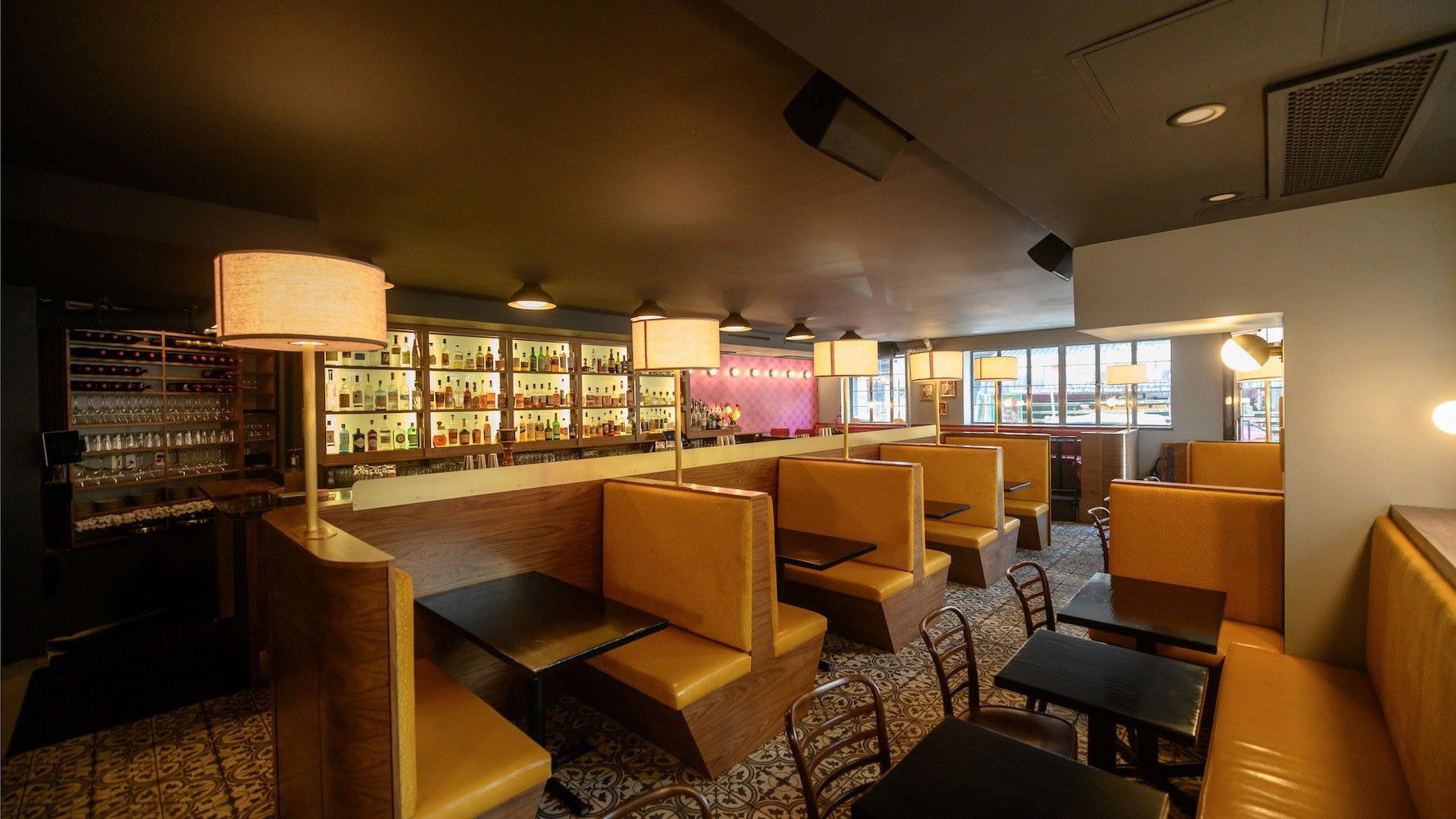
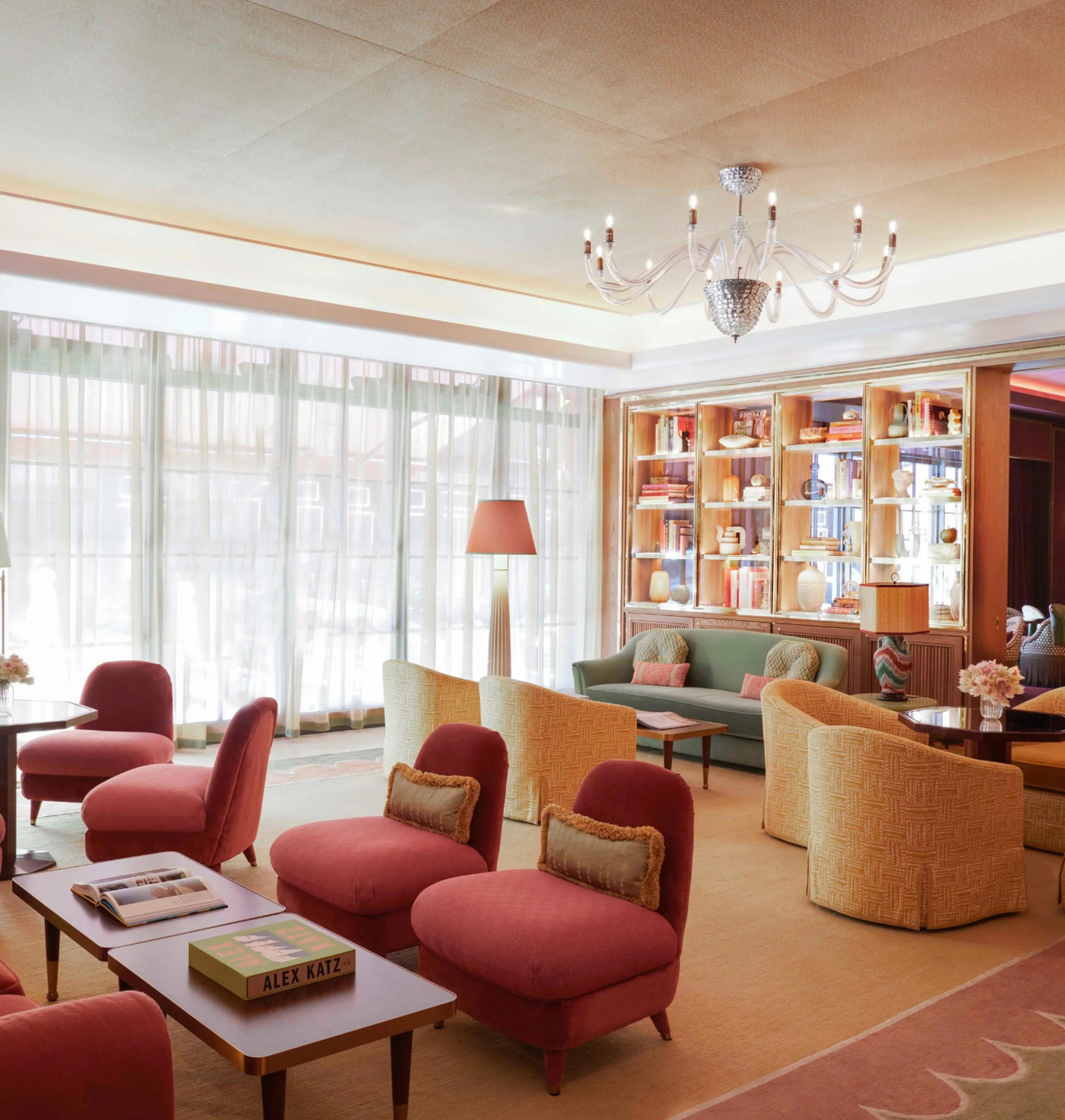
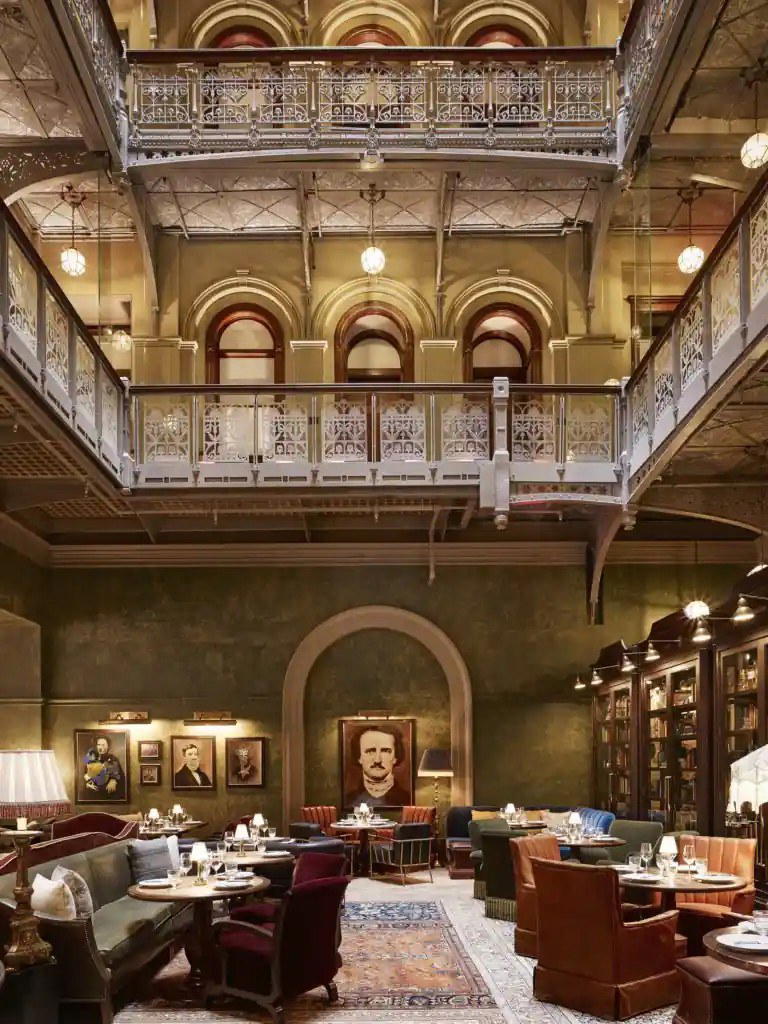
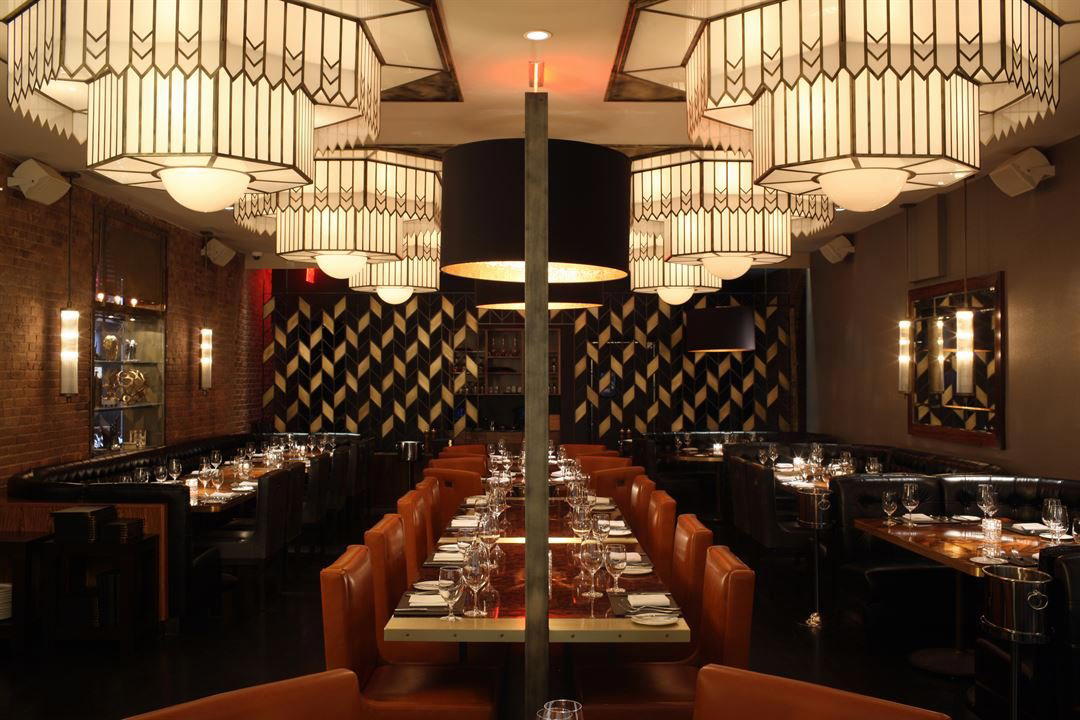
American Cut, which opened at 363 Greenwich Street in Tribeca in 2013, belonged firmly to that second wave. The room communicates its intentions immediately: leather banquettes run along moody walls, polished brass catches the low light, and the overall effect lands somewhere between a supper club from a half-remembered decade and a contemporary downtown dining room. It is a space built for a certain kind of evening, one that begins with a martini and runs well past dessert. Whether that atmosphere holds up as a sustained dining proposition is the more interesting question, and the honest answer in 2025 is: sometimes yes, sometimes no.
The Menu Architecture: Beef as the Center, Everything Else as Counterpoint
American Cut's menu is organized around USDA Prime beef, primarily dry-aged, prepared on a high-temperature grill. The method matters here. High-heat grilling at this level is about crust development and temperature control: achieving the right exterior char without compressing the aging work that gives the interior its character. The kitchen's documented approach centers on a 30-day dry-aged tomahawk and a bone-in ribeye, alongside A5 Miyazaki Wagyu, which sits at the upper register of the menu both in price and in the care its preparation demands.
What has always distinguished American Cut from more conservative steakhouse formats is its willingness to let the rest of the menu carry creative weight. Bone marrow escargot is the kind of starter that signals kitchen ambition without entirely abandoning comfort. Chili lobster toast pulls from Southeast Asian flavor logic and places it in a downtown New York context. Truffle mac and cheese and crispy potatoes finished with beef butter are crowd-acknowledgments, dishes that know their audience and execute accordingly. This approach reflects a broader pattern visible across the American steakhouse genre's modern iteration: the main protein anchors the room, but the supporting menu is where a kitchen demonstrates range. Comparable formats appear at restaurants like Emeril's in New Orleans, where the protein-forward anchor coexists with an ambitious surrounding menu.
Where the Team Holds It Together, and Where It Doesn't
American Cut's editorial angle in 2025 is largely about the relationship between its front-of-house energy and its kitchen consistency. When the team is calibrated, the experience works: cocktails arrive well-made and quickly, pacing through courses feels intentional rather than rushed or neglected, and the room's theatricality is reinforced rather than undermined by the service. The cocktail list, which has always been a genuine program rather than an afterthought, still performs. The wine program, anchored by bold New World reds, is structured to serve the beef menu rather than to impress sommeliers at adjacent tables.
The gap, when it opens, tends to appear in pacing and attentiveness. A front-of-house team managing a large, animated room in Tribeca on a Saturday night is handling a logistically demanding situation, and American Cut's service record suggests that outcome is not yet consistent. The kitchen, meanwhile, has shown variation in execution: the cuts that arrive correctly prepared justify the format's ambition, but inconsistency at this price tier, in a city where Le Bernardin, Eleven Madison Park, and Per Se hold the standard for three-Michelin-star precision, is a meaningful liability. American Cut does not compete with those rooms on format or ambition, but it competes for the same discretionary evening spend from a diner who has options.
Chef Juan-Pablo Perez leads the kitchen, and the menu's structure shows a coherent point of view: the dry-aging program and the Wagyu sourcing signal that beef quality is not the area being cut. Where the inconsistency surfaces is in execution under volume, which is a team-management challenge as much as a culinary one. High-volume theatrical steakhouses face this pressure across the format, from Lazy Bear in San Francisco's performance-dinner model to the production demands at Alinea in Chicago, where kitchen discipline is the whole point. American Cut's format is less exacting, but the expectations it sets through its room and its pricing require a similar discipline.
Where American Cut Sits in New York's Steakhouse Tier
New York's steakhouse market has fragmented substantially. The legacy rooms retain loyalty through history and consistency. The celebrity-driven formats compete on access and spectacle. The craft-led newcomers position themselves through sourcing transparency and technique. American Cut has always occupied a distinct position: it arrived with the energy of the newer wave but accumulated a track record that now requires reassessment.
Against the comparison set that includes Atomix or Masa, the terms of evaluation are entirely different. Those rooms are operating in a register where every detail is load-bearing. American Cut is not trying to be Masa; it is trying to be the room where a table of six has a genuinely good time with serious beef and strong drinks. That is a legitimate ambition. The question is whether it delivers on it reliably, and the current evidence suggests the answer is inconsistent enough to matter.
For the broader picture of where American Cut sits within Tribeca's dining geography, the neighborhood has moved significantly since 2013. Tribeca is no longer the loft-district outlier it was; it is one of Manhattan's most expensive residential precincts, and its restaurants have followed. The competition for a theatrical, premium dinner in the neighborhood is more crowded than it was at the venue's opening. Context like this is worth carrying when considering whether American Cut is the right call for a given evening, or whether the full New York City restaurants guide surfaces alternatives that better fit the specific occasion.
Planning a Visit
American Cut is located at 363 Greenwich Street in Tribeca, accessible from the Franklin Street stop on the 1 train. The room's format, dim lighting and animated energy at peak hours, makes it a better fit for evenings when the goal is a social, high-energy dinner rather than a quiet conversation. Reservations are advisable, particularly on weekends when the Tribeca dining corridor runs at capacity. The dry-aged tomahawk and the Wagyu are the anchor orders; the cocktail program merits attention from arrival. For guests planning a wider Tribeca or lower Manhattan evening, the New York City bars guide and the New York City hotels guide cover the supporting geography. Those extending a trip across the five boroughs will find the experiences guide and wineries guide useful supplements.
For comparison across American fine dining formats, the range from Single Thread Farm in Healdsburg to The French Laundry in Napa to Providence in Los Angeles illustrates how differently the premium dinner format can be executed across the country. American Cut's position is deliberately less austere and more theatrical than any of those rooms, which is a deliberate trade-off rather than a failure of ambition. Internationally, venues like 8 1/2 Otto e Mezzo Bombana in Hong Kong and Alain Ducasse at Louis XV in Monte Carlo operate at an entirely different register of formality and precision, which clarifies by contrast what American Cut is and is not attempting to be.
Frequently asked questions
Is American Cut better for a quiet night or a lively one?
American Cut at 363 Greenwich Street is built for energy, not solitude. The leather banquettes, dim lighting, and polished brass of the velvet-lined dining room set a supper-club tone that pairs better with martinis and a group than with a low-key dinner for two. On nights when the front-of-house is firing, the room has genuine theatrical momentum.
What kind of recognition has American Cut received?
American Cut has received recognition including: In a city where the steakhouse is practically a civic institution, American Cut once roared into the scene with a swagger all its own—bold, modern and unapologetically theatrical. Nestled in Tribeca, the restaurant quickly became known for ….
What dish is American Cut famous for?
The 30-day dry-aged tomahawk is the signature draw, alongside the bone-in ribeye and A5 Miyazaki Wagyu. On the starters side, the bone marrow escargot and chili lobster toast have become identifying markers of American Cut's approach to the format, using the classic steakhouse framework as a base for more playful execution.
Where do I go for American Cut?
American Cut is located at 363 Greenwich St, New York, NY 10013, New York City.
Which chef is American Cut associated with?
The chef associated with American Cut is Juan-Pablo Perez.
Accolades, Compared
| Venue | Cuisine | Price | Awards | Notes |
|---|---|---|---|---|
| American CutThis venue (the venue you are viewing) | Modern American Steakhouse | $100–150 | Not listed | Not listed |
| Le Bernardin | French Seafood Fine Dining | $300–500 | 3 Michelin Stars · World's 50 Best #13 | French, Seafood |
| Atomix | Modern Korean Tasting Menu | $300–500 | 2 Michelin Stars · World's 50 Best #7 | Modern Korean, Korean |
| Masa | Seasonal Hokkaido Tempura Omakase | $150–200 | Tabelog 100 #34 | Sushi, Japanese |
| Per Se | French Fine Dining Tasting Menu | $300–500 | 3 Michelin Stars · World's 50 Best #40 | French, Contemporary |
| Eleven Madison Park | Contemporary Plant-Based Fine Dining | $300–500 | 3 Michelin Stars · World's 50 Best #4 | French, Vegan |
Recognition history
Dated appearances from independent guides and award organizations, with the underlying list record or original source where available.
World's Best Steaks 101 Best Steak Restaurants #67
World's Best Steaks
Full recognition history (3 entries)
World's Best Steaks 50 Best Steakhouses in North America #24
World's Best Steaks
World's Best Steaks 101 Best Steak Restaurants #75
World's Best Steaks