Ambra
On Hudson Street in the West Village, Ambra occupies a corner of New York's dining scene where Italian cooking and sustainability-led sourcing intersect. The address at 569 Hudson St places it within one of Manhattan's most closely watched neighbourhoods for independent restaurants, where provenance and producer relationships increasingly define the conversation rather than spectacle.
Pearl is the En Primeur Club membership app — saves, bookings, and concierge access live there. Same editors, same standards.
- Address
- 569 Hudson St, New York, NY 10014
- Phone
- +16469898120
- Website
- ambranyc.com
- Directions
- Get directions
 Saves & bookings on Pearl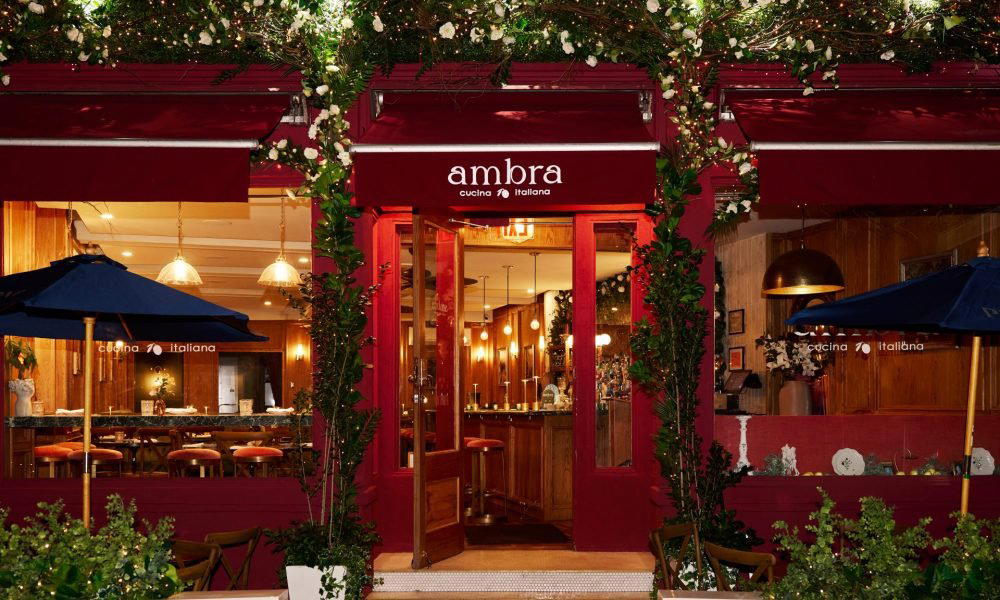
West Village, Italian Tradition, and the Ethics of Sourcing
The West Village has long operated as a counterweight to Manhattan's more theatrical dining districts. Where Midtown produces large-format rooms built around occasion and expense accounts, Hudson Street and its surrounding blocks have historically favoured smaller operators working with more defined culinary identities. Ambra, a Modern Italian restaurant at 569 Hudson St in New York City, sits inside that tradition. Italian-leaning restaurants in this neighbourhood tend to draw their credibility from the specificity of their sourcing and the coherence of their cooking rather than from the volume of their press coverage, and that framework shapes how Ambra positions itself in the local conversation.
Across American fine dining, the past decade has produced a clear split between venues that treat sustainability as a marketing posture and those that have restructured their kitchen and procurement operations around it. The latter group, which includes Blue Hill at Stone Barns in Tarrytown and Single Thread Farm in Healdsburg, has demonstrated that ethical sourcing and precise cooking are not competing priorities. Ambra occupies a similar position within New York City, where the density of the market makes producer relationships harder to build but more legible to a dining public that has grown accustomed to reading sourcing notes on menus.
The Sustainability Argument in a Dense Urban Market
Restaurants operating in cities face a different set of constraints than their farm-adjacent counterparts. There is no on-site garden, no neighbouring cooperative. The sourcing work happens through relationships with distributors, regional farms, and importers who can verify the provenance of proteins, produce, and dairy. In New York specifically, the greenmarket network and the concentration of specialty importers make this more tractable than in most American cities, but it still requires consistent operational discipline rather than occasional good intentions.
The sustainability conversation in Italian cooking is also distinct from the broader American farm-to-table framing. Italian culinary tradition is already built around seasonal constraint: certain preparations are only coherent at certain times of year, certain ingredients are only sourced from specific regions because the terroir is part of the product. That structural relationship between place and ingredient, when applied rigorously, produces a form of sustainability that predates the contemporary movement by centuries. Venues like Dal Pescatore in Runate and Atelier Moessmer Norbert Niederkofler in Brunico have built international recognition on precisely this foundation, demonstrating that Italian regional cooking and rigorous environmental ethics are deeply compatible frameworks.
Within New York, that framework meets a different set of competitive pressures. The city's upper-tier restaurants, including Le Bernardin, Eleven Madison Park, and Per Se, operate at price points that justify extreme procurement specificity. Below that tier, restaurants on Hudson Street compete on a combination of neighbourhood loyalty, culinary coherence, and the kind of word-of-mouth that builds slowly through consistent execution rather than through launch-moment press.
Seasonal Timing and the West Village Dining Rhythm
The West Village dining room fills differently depending on the season. Summer brings foot traffic from the surrounding streets and the natural draw of the neighbourhood's outdoor dining infrastructure. Autumn is historically when the West Village's independent Italian operators perform at their most coherent: the produce from the regional farms that supply the city's better kitchens shifts toward root vegetables, squash, and the dried legumes that anchor Italian winter cooking, and the menus tighten accordingly. Visitors planning around food quality rather than weather should consider September through November as the period when Italian-leaning restaurants in this neighbourhood are working with interesting raw material.
That seasonal rhythm also intersects with the broader calendar of farm-to-table sourcing. Restaurants committed to waste reduction and ethical sourcing tend to have more interesting menus in transitional months, when the discipline of working with what is available and using all of it becomes most visible. The gaps in availability force creativity in a way that high summer abundance does not.
Ambra in the Context of New York's Independent Italian Scene
New York's Italian restaurant ecosystem is large enough to contain several distinct tiers. At one end sit the red-sauce institutions of the outer boroughs, restaurants with decades of neighbourhood history and menus unchanged by design. At the other end, a small cohort of Italian-leaning fine dining rooms competes in the same bracket as Atomix and Masa, with tasting menus priced accordingly. Between those poles, the West Village's independent operators occupy a middle tier defined by culinary specificity and neighbourhood integration.
That middle tier is where the sustainability argument matters most commercially. Diners at the summit end of the price spectrum expect provenance information as a baseline. Diners at the lower end are primarily choosing on value. In the middle, provenance and sourcing ethics become differentiating signals rather than table stakes, and restaurants that build those signals into their identity attract a more consistent and less price-sensitive core audience. Similar dynamics play out at Frasca Food and Wine in Boulder and Smyth in Chicago, both of which operate in competitive markets where rigorous sourcing has built durable reputations without relying on the validation of major awards cycles. Across the country, venues like Lazy Bear in San Francisco, Providence in Los Angeles, Addison in San Diego, Emeril's in New Orleans, and The Inn at Little Washington each illustrate how regional identity and sourcing discipline compound into long-term credibility, regardless of format or price point.
Planning Your Visit
Ambra is located at 569 Hudson St, New York, NY 10014, in the West Village. And for a regional benchmark on how provenance-driven menus scale with price, the French Laundry in Napa offers a useful point of comparison.
| Venue | Cuisine | Price Tier | Format |
|---|---|---|---|
| Ambra | Italian | $$$$ | Independent, West Village |
| Le Bernardin | French, Seafood | $$$$ | Midtown, tasting menu |
| Eleven Madison Park | French, Vegan | $$$$ | Flatiron, tasting menu |
| Atomix | Modern Korean | $$$$ | Midtown, tasting menu |
| Per Se | French, Contemporary | $$$$ | Columbus Circle, tasting menu |
City Peers
Comparable venues nearby, for context on price, style, and recognition.
| Venue | Cuisine | Price | Notes |
|---|---|---|---|
| AmbraThis venue — the venue you are viewing | Modern Italian | $$$$ | Not listed |
| Nerea | Modern Mediterranean-Inspired Italian | $$$$ | West Village |
| DelBianco Italian Restaurant | Upscale Northern Italian | $$$$ | Midtown-Times Square |
| Ponte Vecchio | Fine Italian with Fresh Seafood | $$$$ | Bay Ridge |
| Bocelli | Authentic Italian Trattoria | $$$$ | Grasmere-Arrochar-South Beach-Dongan Hills |
| Buona Notte | Traditional Italian Trattoria | $$$ | SoHo-Little Italy-Hudson Square |
Continue exploring
More in New York City
Restaurants in New York City
Browse all →
Bars in New York City
Browse all →
Hotels in New York City
Browse all →




At a Glance
- Intimate
- Elegant
- Cozy
- Sophisticated
- Date Night
- Special Occasion
- Private Dining
- Open Kitchen
- Organic
- Local Sourcing
- Street Scene
Current opening hours
- Monday
- Closed
- Tuesday
- 5–10 PM
- Wednesday
- 5–10 PM
- Thursday
- 4–11 PM
- Friday
- 4–11 PM
- Saturday
- 4–11:30 PM
- Sunday
- Closed
Hours can change for holidays and private events. Last verified .
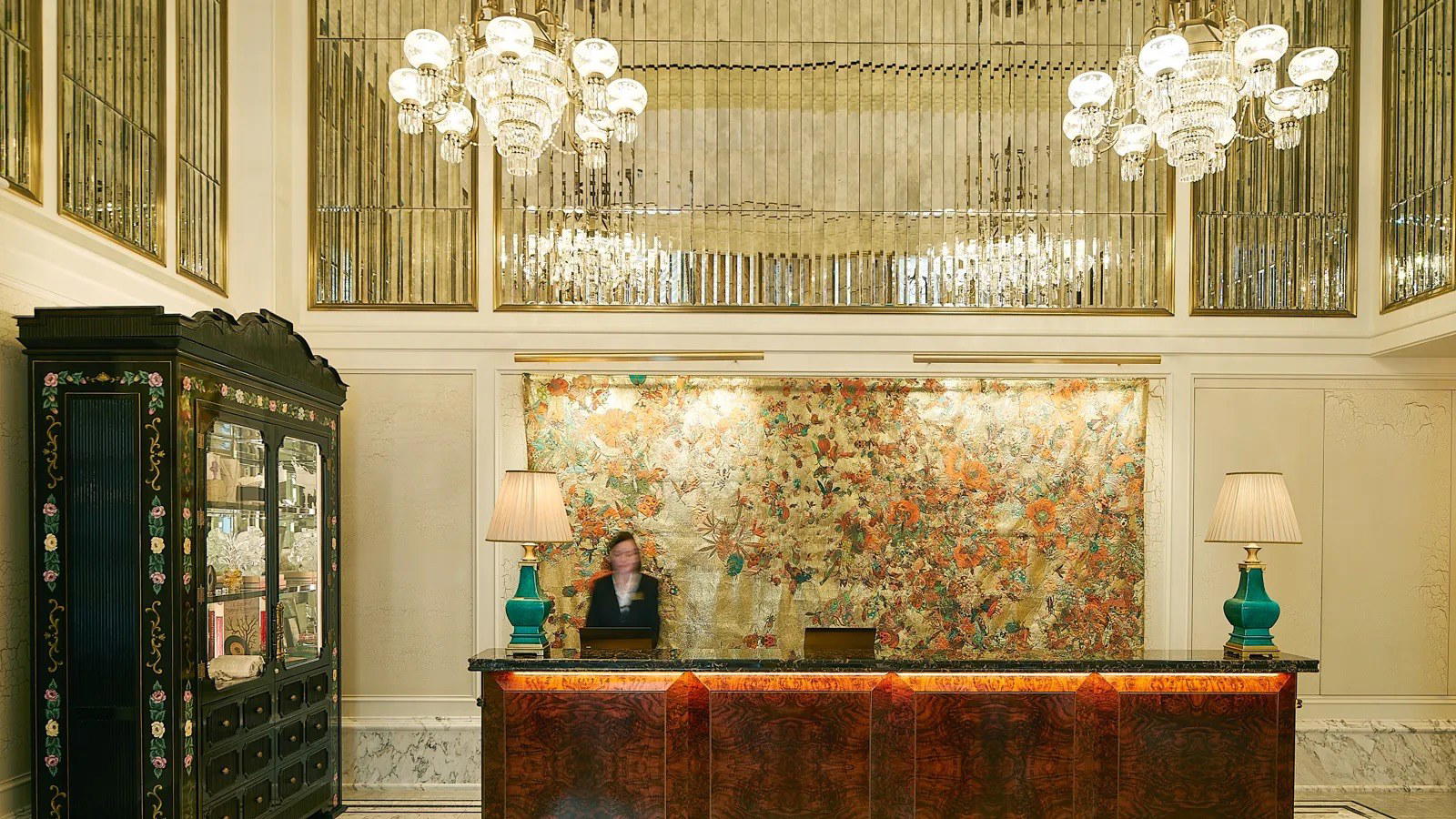
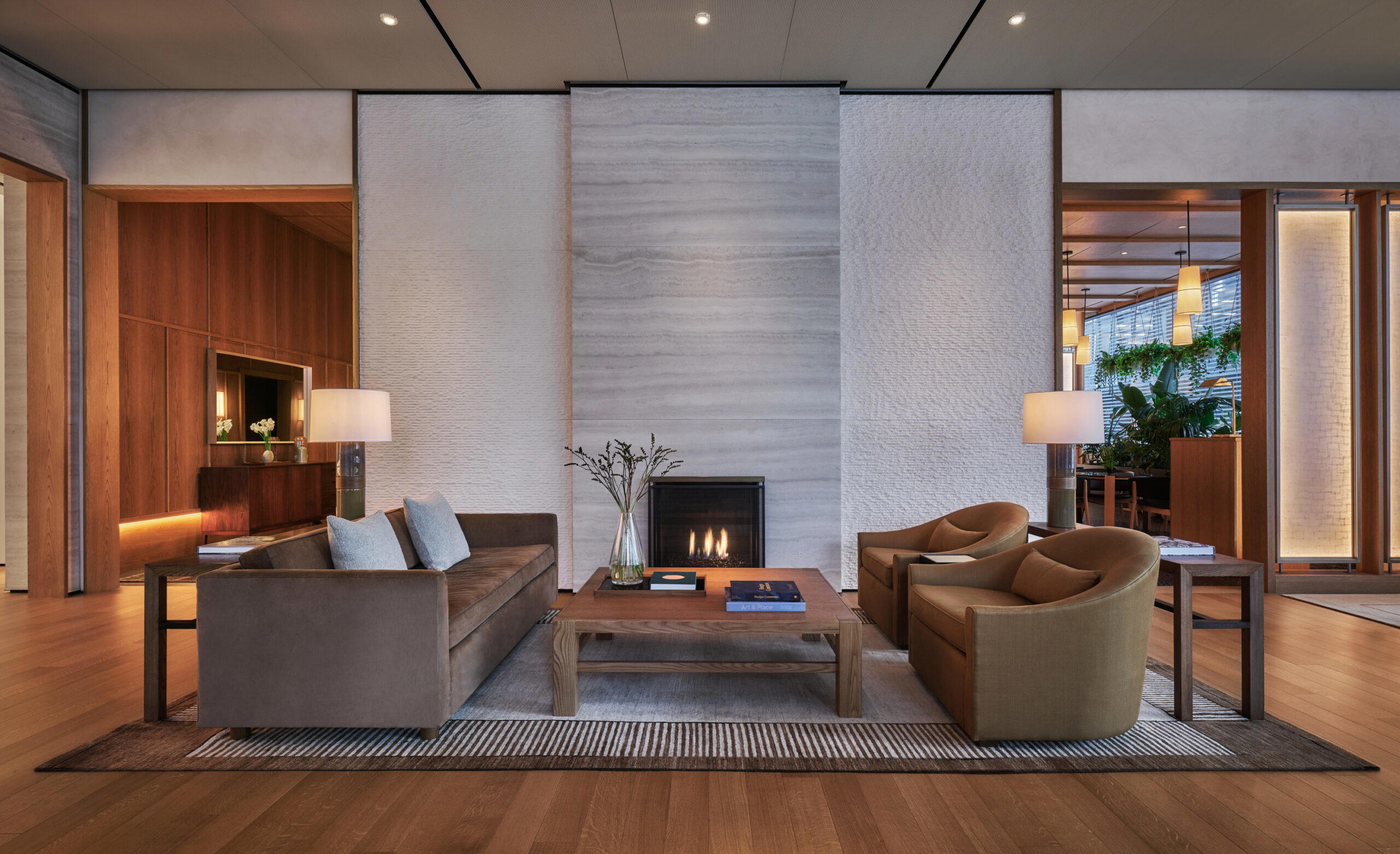
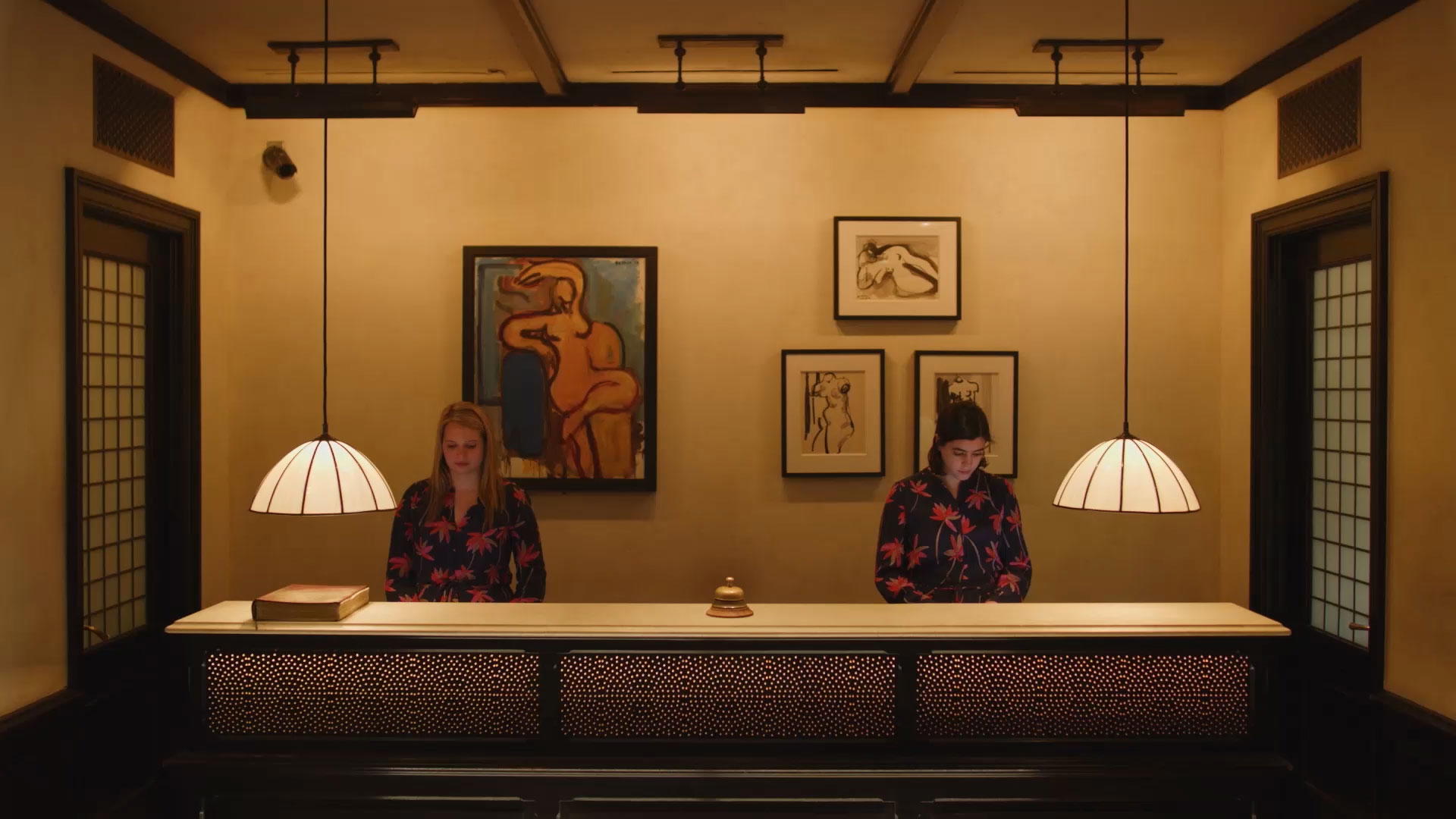
Cozy and refined with amber hues, lively greenery, wood-centric minimalism, and large windows framing the West Village street scene, creating a lively yet feminine and effortlessly elegant atmosphere.