
Am Osterfeuer holds both a Michelin Plate (2025) and a Bib Gourmand (2024), placing it in a small tier of Herford restaurants recognised for regional cooking that earns formal critical attention. The Bib Gourmand designation, reserved for kitchens delivering quality at restrained prices, signals where this address sits within Germany's broader regional dining conversation.
Pearl is the En Primeur Club membership app — saves, bookings, and concierge access live there. Same editors, same standards.
- Address
- Hellerweg 35, 32052 Herford, Germany
- Phone
- +49 5221 70210
- Website
- am-osterfeuer.de
- Directions
- Get directions
 Saves & bookings on Pearl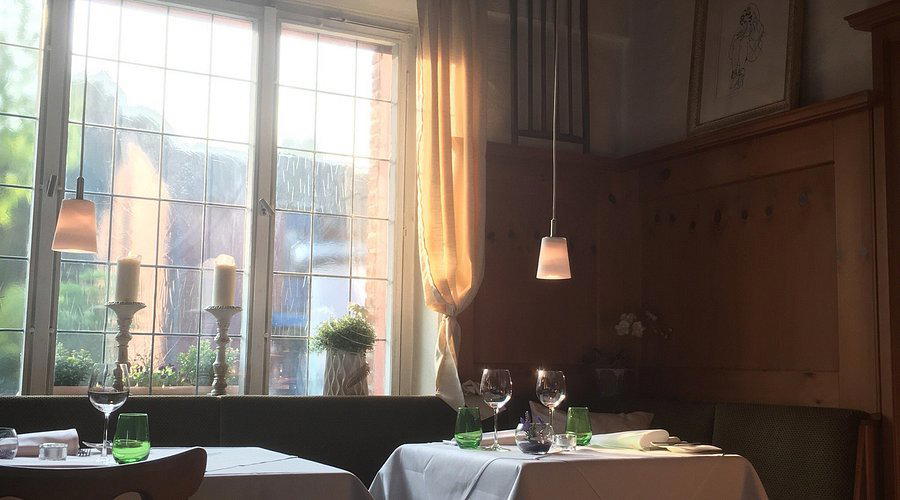
Regional Cooking With Something to Prove
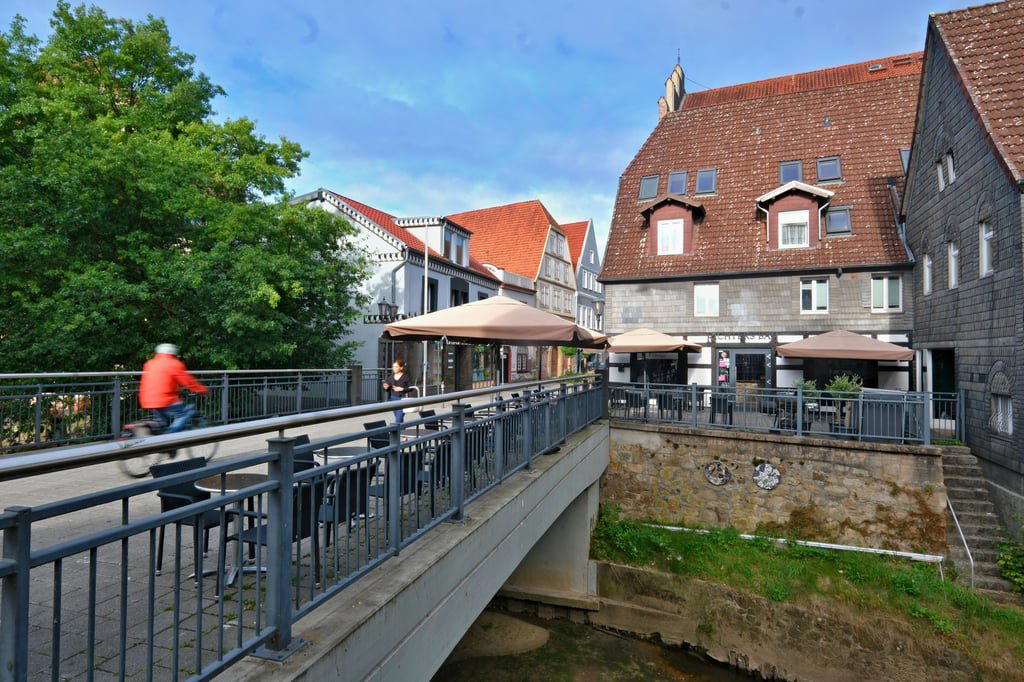
Am Osterfeuer is a restaurant in Herford, Germany, serving Modern German with Westphalian influences. Herford is not a city that typically draws restaurant pilgrims. Situated in the Teutoburg Forest lowlands of eastern North Rhine-Westphalia, it sits well outside the circuit that routes travelling critics between Hamburg, Düsseldorf, and Munich. That relative obscurity makes the Michelin committee's attention to Am Osterfeuer at Hellerweg 35 more instructive than a similar recognition would be in a city already dense with starred addresses. When a kitchen in a mid-sized provincial town earns Michelin recognition, the implication is that the cooking has cleared a threshold on its own terms, not by riding a neighbourhood's rising tide.
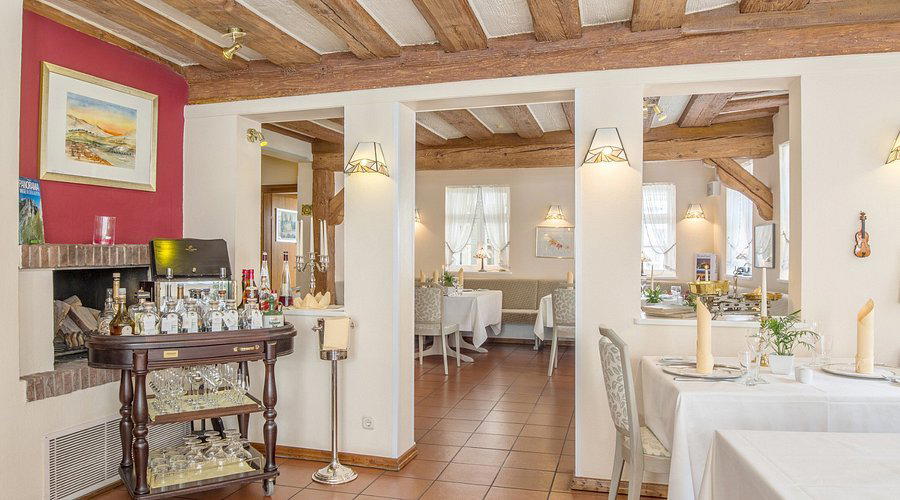
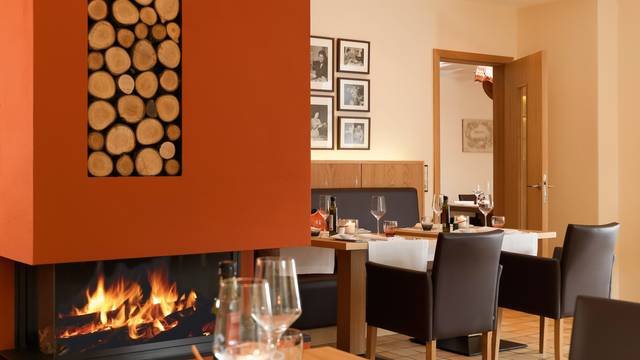
The address itself, a side street in a residential-commercial fringe rather than a city-centre showcase location, reinforces that the cooking is doing the work here. Arriving at Am Osterfeuer, there is no visible apparatus of fine-dining theatre to set expectations. What the room signals, instead, is the kind of confidence that comes from a kitchen focused inward on the plate rather than outward on the performance of luxury.
Where Regional Cuisine Sits in Germany's Dining Hierarchy
Germany's Michelin-recognised dining tier is weighted toward French-influenced tasting-menu formats and creative international kitchens. The three-star addresses, Aqua in Wolfsburg, Schwarzwaldstube in Baiersbronn, and the two-star cohort that includes Vendôme in Bergisch Gladbach and CODA Dessert Dining in Berlin operate at price points and conceptual registers that place them in a separate competitive bracket. The Bib Gourmand designation exists precisely to acknowledge a different kind of achievement: cooking that delivers on quality without the €€€€ price architecture that underwrites those upper-tier kitchens.
Am Osterfeuer's €€ pricing and regional cuisine designation place it in a peer group that includes addresses like Fahr in Künten-Sulz and Gannerhof in Innervillgraten, kitchens where the identity of the cooking is inseparable from the agricultural and culinary traditions of their immediate region. This is a smaller, quieter tier within Germany's dining recognition system, and its practitioners tend to be less visible internationally while carrying real authority locally.
For context on what Michelin's Bib Gourmand actually signals: the designation is reserved for restaurants where the inspector found quality cooking at a price Michelin considers reasonable for the market. In Germany's current dining economy, that functions as a meaningful editorial position, distinguishing a kitchen from the undifferentiated middle of the market without placing it in the expense-account bracket. The recognition is about the food itself, not just the value proposition.
The Argument for Ingredient Provenance in Regional German Cooking
Regional cuisine as a category carries a specific claim about sourcing: that what arrives on the plate is shaped by the geography of its production rather than by a global supply chain calibrated to consistency and year-round availability. In eastern Westphalia, that means engaging with a food culture historically defined by smoked and cured meats, river fish, root vegetables, and forest-gathered ingredients, a pantry shaped by climate, terrain, and agricultural patterns that predate any contemporary farm-to-table framing.
The credibility of that regional identity depends entirely on whether a kitchen is actually working with local producers and seasonal constraints, or simply using regional styling as an aesthetic position. Michelin's recognition at this level suggests the former, which in a regional context tends to reward kitchens that have built genuine supply relationships rather than importing premium ingredients from outside the region and pricing accordingly.
This matters because the argument for regional cooking is ultimately an argument about what a place tastes like. When that argument holds, dinner at the restaurant becomes something qualitatively different from eating at a technically accomplished kitchen in the same city that sources proteins from a national distributor. The former is legible as a specific place; the latter could be anywhere.
Herford's Dining Context
Within Herford itself, the restaurant scene operates at a scale appropriate to a city of roughly 66,000 people. Formal dining options are limited, which means a Michelin-recognised address carries disproportionate local weight. For visitors, the restaurant can justify building an evening around the city rather than passing through en route to Bielefeld or Paderborn. The comparison point within Herford is Die Alte Schule, which operates in the international cuisine register, a different proposition that addresses a different dining appetite.
The broader North Rhine-Westphalia dining circuit that includes addresses like JAN in Munich, Restaurant Haerlin in Hamburg, and Schanz in Piesport operates at a different altitude in terms of investment and ambition. The restaurant is not in competition with those addresses; it is making a different case about what a regional kitchen can achieve at a more accessible price point.
Planning a Visit
The restaurant sits at Hellerweg 35 in Herford. The €€€ price range positions it above the casual dining tier but below the full tasting-menu expense-account register, meaningfully accessible for the quality of recognition it carries. Herford is served by regular rail connections from Bielefeld (approximately 15 minutes) and Hannover, making it reachable as a destination dinner without requiring an overnight stay, though the local hotel options are worth considering for those arriving from further afield. Booking ahead is advisable given the limited scale of Herford's serious dining options and the recognition the restaurant has received. Phone and online booking details are best confirmed directly.8 across 173 submissions suggest consistent execution rather than occasional peaks.
Comparison Across the German Regional Tier
The broader German regional cuisine category also finds expression at addresses like ES:SENZ in Grassau and Victor's Fine Dining by Christian Bau in Perl, both of which operate at different price and recognition levels but share the underlying premise that where ingredients come from is a meaningful part of what a meal communicates. Waldhotel Sonnora in Dreis sits further up the formality register. What distinguishes the restaurant within this field is not prestige but position: a Michelin-recognised regional kitchen in a city where serious cooking is the exception, not the default.
What's the Signature Dish at Am Osterfeuer?
No specific dish information is published for the restaurant. The Michelin Bib Gourmand and Plate recognitions anchor the kitchen firmly in regional cuisine with an emphasis on quality-to-price ratio, which in eastern Westphalia typically implies seasonal menus built around locally sourced proteins and produce. For current menu specifics, contacting the restaurant directly or checking recent visitor accounts is the reliable route, any dish-level detail circulating online should be treated as potentially outdated given the seasonal nature of a regionally grounded kitchen.
In Context: Similar Options
Comparable venues nearby, for context on price, style, and recognition.
| Venue | Cuisine | Price | Awards | Notes |
|---|---|---|---|---|
| Am OsterfeuerThis venue — the venue you are viewing | Modern German with Westphalian influences | $$ | Bib Gourmand | Not listed |
| Die Alte Schule | Modern German with International Influences | $$$$ | Michelin Plate | Herford center |
| Jägerkrug Herford | Traditional German Grill & Regional Home-Style | $$$ | Not listed | Herford |
| Domschenke | Regional German Country Cooking | $$ | Michelin Plate | Mastholte |
| Flux - Biorestaurant Werratal | Organic Seasonal Country Cooking | $$ | Bib Gourmand | Werratal |
Recognition history
Dated appearances from independent guides and award organizations, with the underlying list record or original source where available.
Michelin Plate
Michelin · 2026 Michelin Plate
Michelin Plate
Michelin
Michelin Bib Gourmand
Michelin
At a Glance
- Cozy
- Modern
- Elegant
- Date Night
- Family
- Special Occasion
- Terrace
- Garden
Current opening hours
- Monday
- Closed
- Tuesday
- Closed
- Wednesday
- 5:30 PM–12 AM
- Thursday
- 5:30 PM–12 AM
- Friday
- 5:30 PM–12 AM
- Saturday
- 5:30 PM–12 AM
- Sunday
- 11:30 AM–2 PM, 5:30 PM–12 AM
Hours can change for holidays and private events. Last verified .
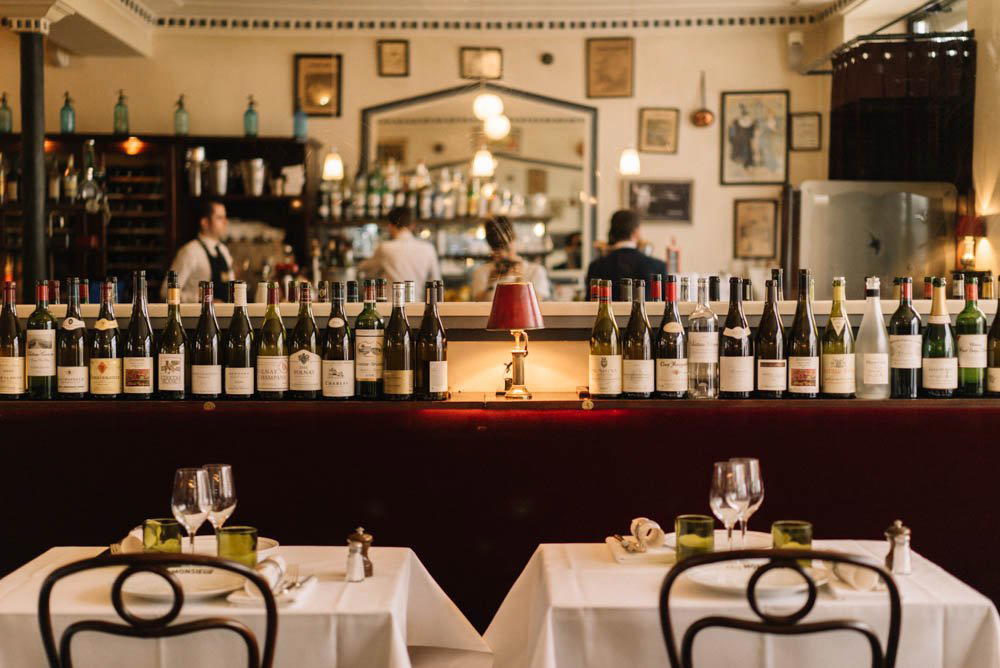
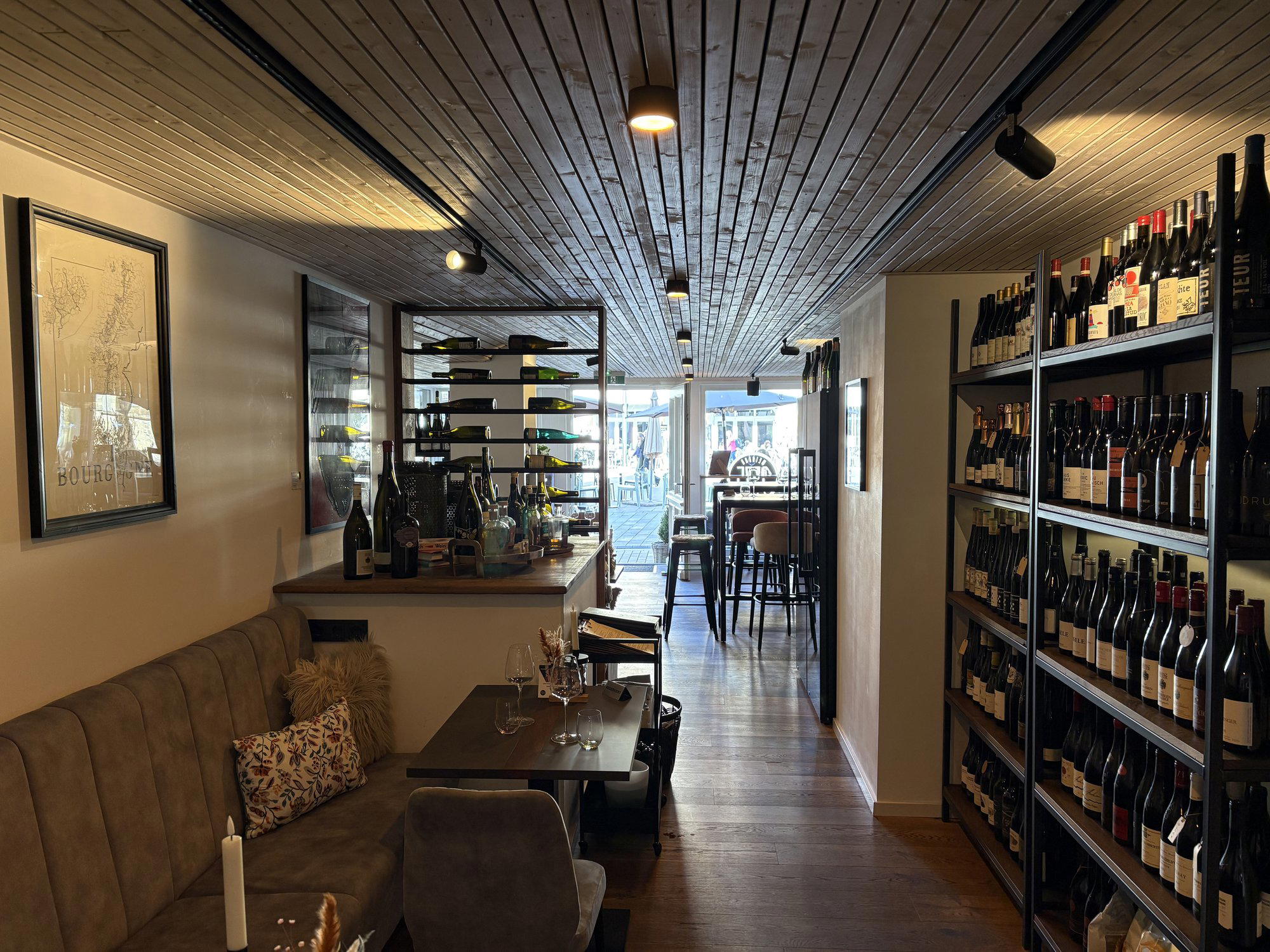
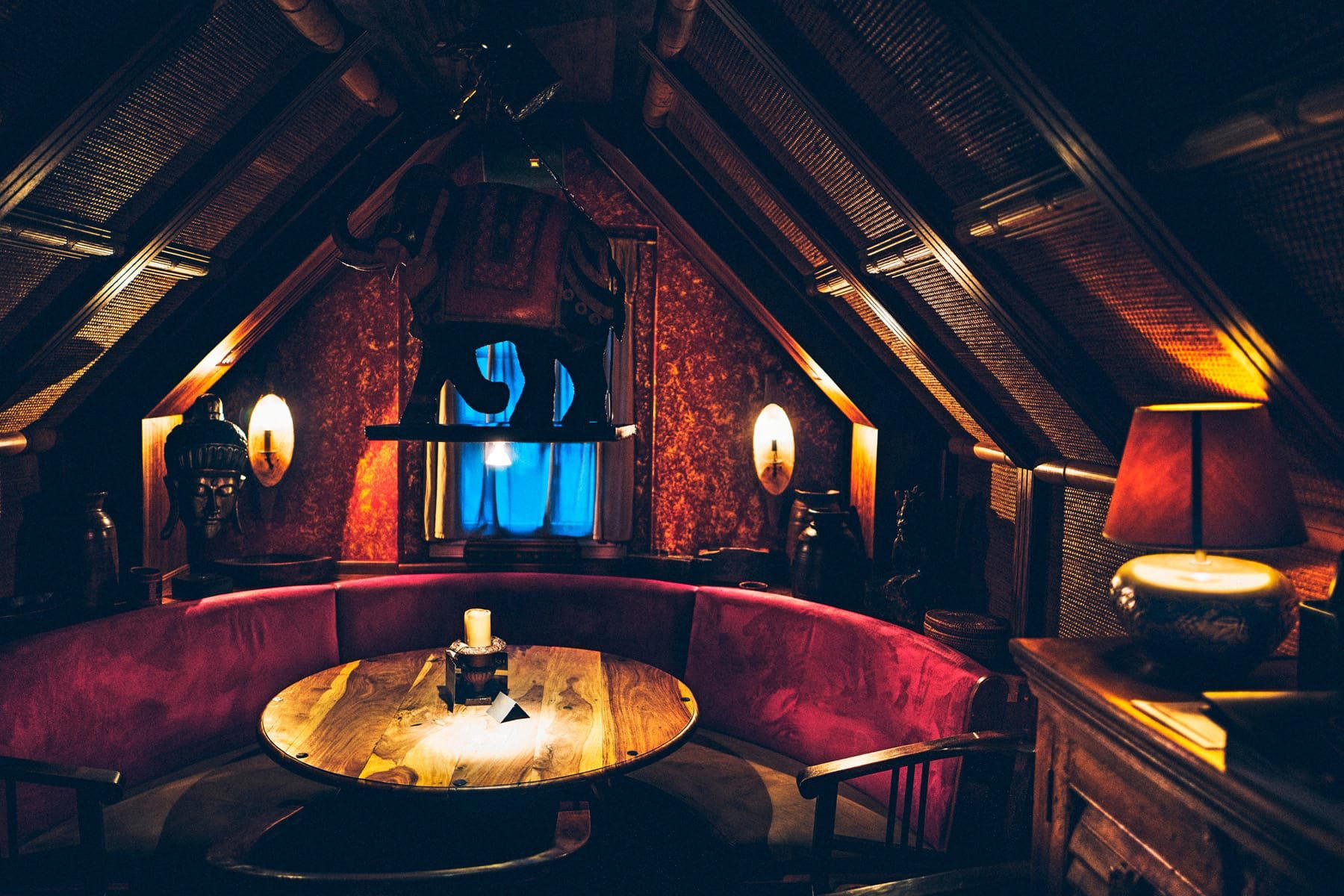
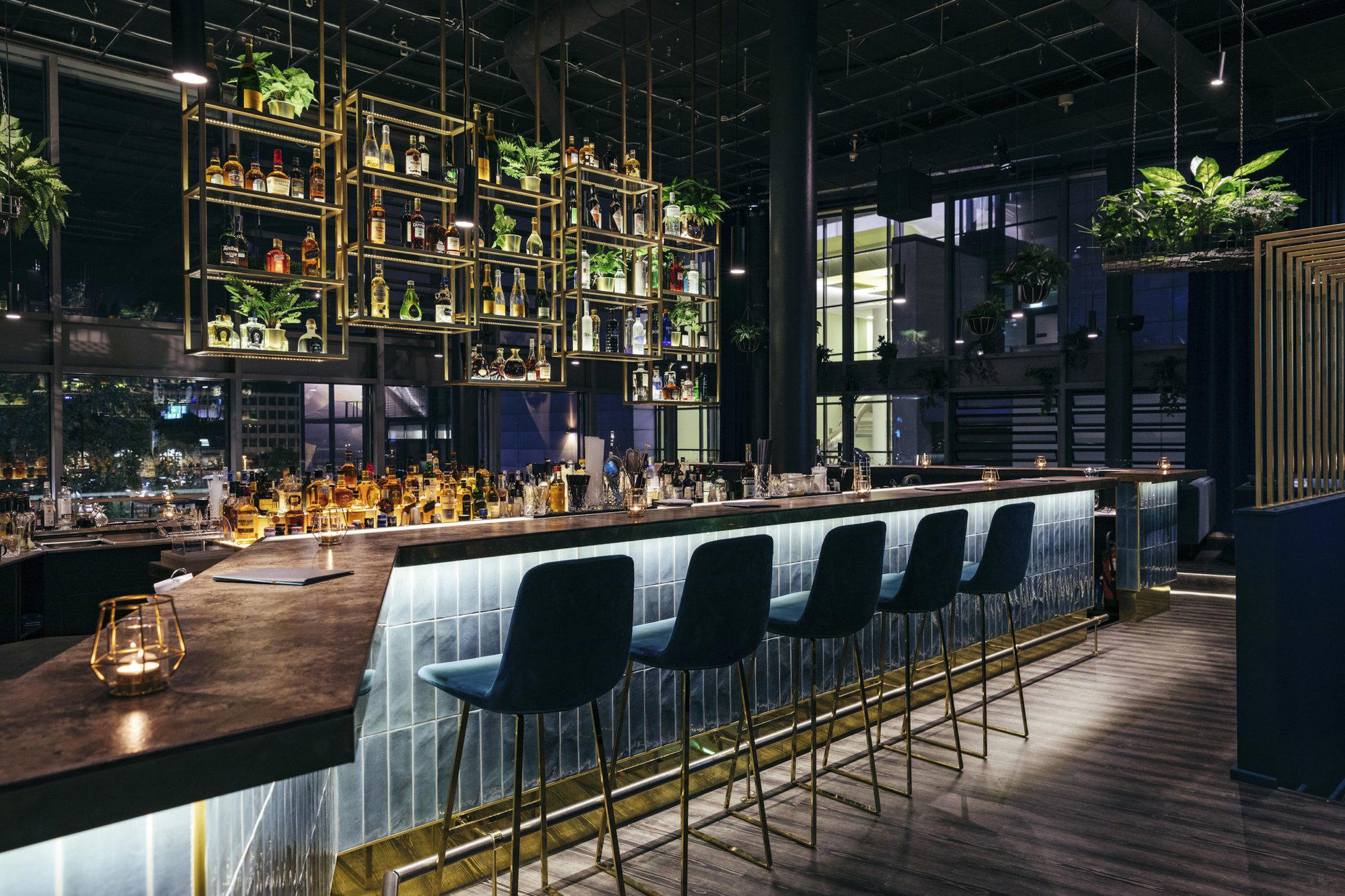
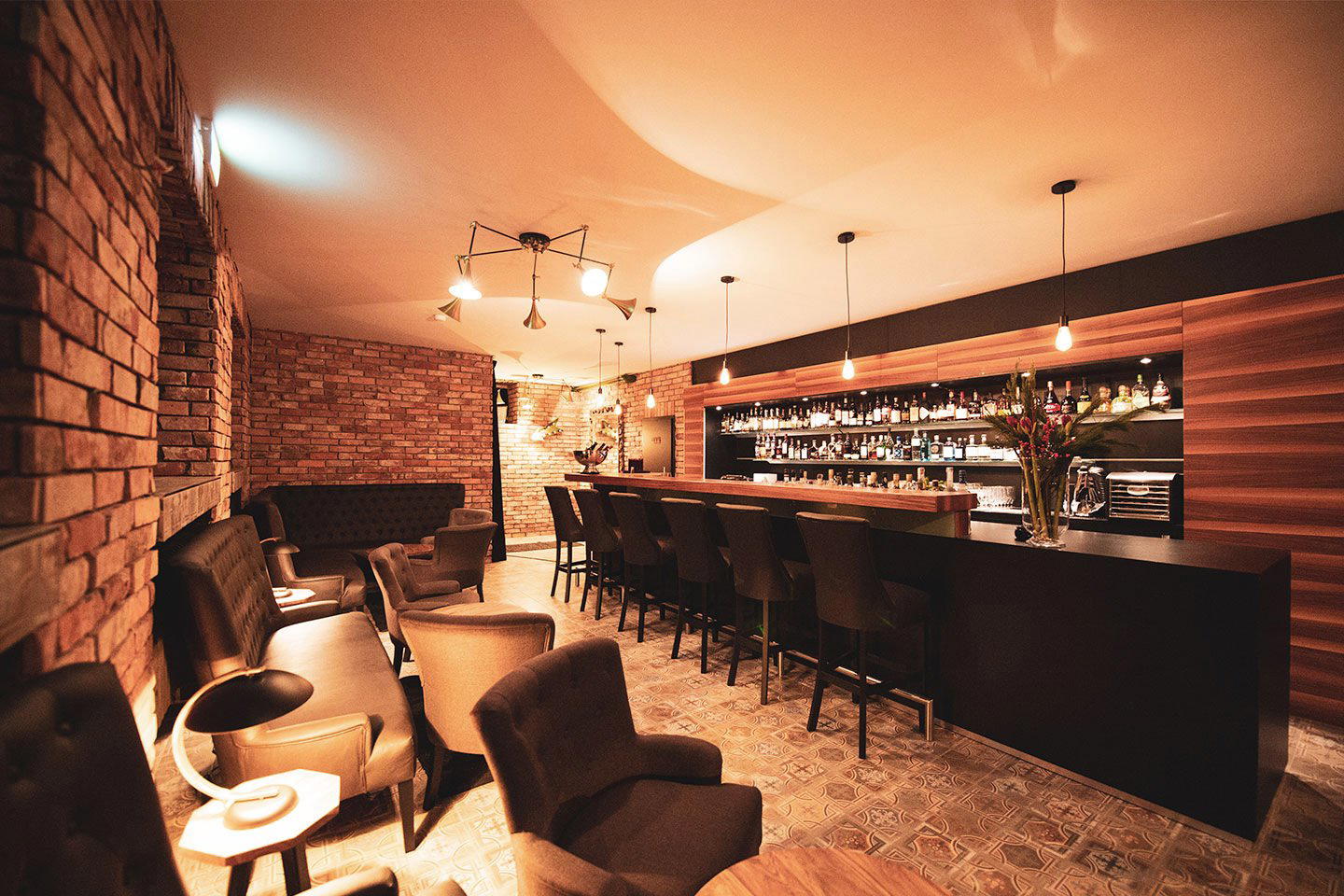
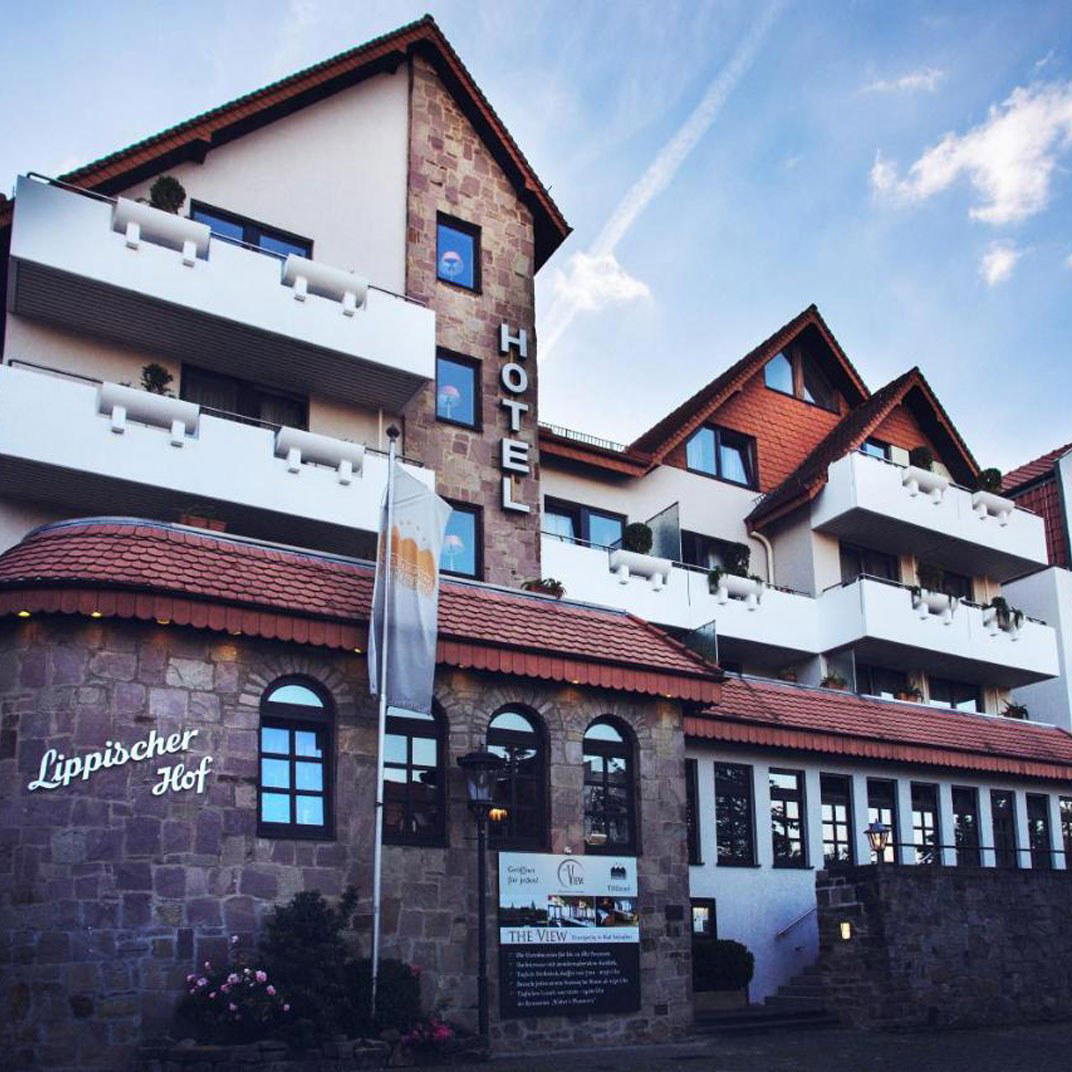
Attractive and cheerful interior with a skilful modern makeover preserving traditional character; cozy modern ambience.