AUVIGU
.png)
AUVIGU holds consecutive Michelin Plates for 2024 and 2025, placing it among the small tier of creative restaurants earning formal recognition in North Rhine-Westphalia's spa-town circuit. The kitchen works in the Creative register, at a €€€ price point that positions it distinctly below the region's starred heavyweights but above casual dining. With a Google rating of 4.9 across 96 reviews, the consistency signal here is harder to dismiss than at venues with fewer data points.

Where Bad Salzuflen Places Its Creative Restaurant Ambitions
The spa towns of North Rhine-Westphalia have never been obvious territory for ambitious creative cooking. Their identity is thermal baths, 19th-century promenades, and the kind of Germanic wellness culture that historically favoured hearty regional food over tasting-menu restraint. That context makes AUVIGU's consecutive Michelin Plate recognitions in 2024 and 2025 a more pointed statement about what this town is becoming than any single dish could be. Michelin Plates are not stars, but they signal that inspectors returned, found the kitchen still operating at a threshold of quality, and chose to say so in print. That is a different category of venue from the surrounding lunch options.
For a broader read on what the town offers beyond this address, our full Bad Salzuflen restaurants guide maps the field. And for visitors building a longer itinerary, our Bad Salzuflen hotels guide, bars guide, wineries guide, and experiences guide cover the rest of the circuit.
The Creative Register in a Regional Context
Germany's creative dining tier has a recognisable shape. At the summit sit places like Aqua in Wolfsburg, which works across Contemporary German, Italian, and Japanese influences at three Michelin stars and €€€€ pricing, or Schwarzwaldstube in Baiersbronn with its three-star French classicism. Two-star creative houses like Vendôme in Bergisch Gladbach and CODA Dessert Dining in Berlin operate at €€€€ and define the category's middle tier. Further across the country, JAN in Munich, Restaurant Haerlin in Hamburg, Schanz in Piesport, Victor's Fine Dining by Christian Bau in Perl, Waldhotel Sonnora in Dreis, Bagatelle in Trier, and ES:SENZ in Grassau each occupy distinct positions in this graduated field. The international creative benchmark is set by addresses like Alléno Paris au Pavillon Ledoyen and Arpège in Paris, both of which frame what the cuisine type can mean at its outer limit.
AUVIGU sits below all of those in formal award terms, but its €€€ pricing and Michelin Plate status place it in a peer set that most German spa towns cannot claim at all. That gap between award ceiling and local context is, arguably, more interesting than the award itself. Diners travelling specifically to eat here are making a different calculation than those who simply wander in from the Kurpark.
What the Ingredient Question Means for Creative Cooking
The Creative label in fine dining is genuinely broad. It covers kitchens that treat seasonal produce as the primary material, those that work from a single culinary tradition and rework it technically, and those that synthesise influences from multiple national food cultures. What unites the serious end of the category is sourcing discipline: the ingredient has to be good enough to withstand the technique applied to it. At the two- and three-star German creative houses, supply relationships with specific farms, fishermen, and foragers are documented, named, and often central to the menu narrative.
For a Michelin Plate kitchen operating at €€€ in North Rhine-Westphalia, the sourcing question is sharper in one specific way: the region is not short of quality agricultural production. The Teutoburg Forest edge, the river valleys, and the broader Westphalian agricultural network offer genuine raw material. A creative kitchen in this geography that takes sourcing seriously has access to ingredients that would cost more to transport to a larger city restaurant. The question the Plate recognition leaves open is how systematically that local supply chain is being used. That is the kind of detail that shifts a Plate-level kitchen toward the first rung of star conversation.
Reading the 4.9 Rating Carefully
A Google rating of 4.9 from 96 reviews carries a specific kind of evidential weight. At low review counts, near-perfect scores can reflect a loyal core rather than broad consensus. At 96 reviews, the figure is statistically harder to dismiss: it suggests that the kitchen performs consistently across different service periods and different tables, not just on opening nights or for regulars who round up generously. For context, many starred German restaurants carry lower Google scores at higher review volumes, which reflects the harsher expectations that come with higher price points. AUVIGU's €€€ positioning may attract reviewers with calibrated rather than ceiling-high expectations, which can actually produce more reliable satisfaction signals.
The combination of two consecutive Michelin Plates and a near-perfect Google score across nearly 100 data points suggests a kitchen that has found its register and executes it reliably. That is a different proposition from a restaurant that swings between brilliance and inconsistency, which is a more common profile at the creative end of the market.
Planning a Visit
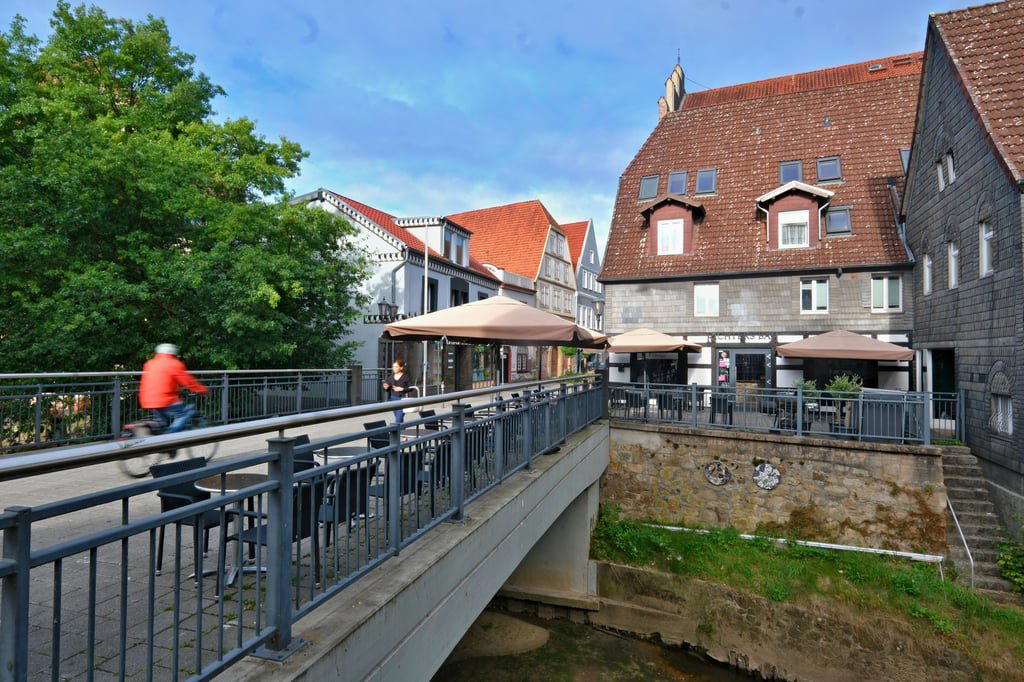
Bad Salzuflen sits in the eastern part of North Rhine-Westphalia, accessible from Bielefeld (roughly 20 kilometres to the northeast) and within reach of Detmold and the broader Teutoburg Forest touring circuit. The town's character as a historic spa destination means accommodation ranges from traditional Kurhotel properties to smaller privately run guesthouses; our hotels guide covers current options. AUVIGU's €€€ price bracket positions a meal here as a deliberate dining occasion rather than a casual drop-in, and the Michelin recognition makes it worth building an evening around rather than pairing with a packed sightseeing day. Phone and booking method data are not available in our current database record, so contacting the venue directly through local search or the town's tourism infrastructure is the practical route. Given the consistency signals in the review data, booking ahead rather than attempting a walk-in is the sensible approach, particularly on weekends when the spa-town visitor footfall peaks.
Fast Comparison
These are the closest comparables we have in our database for quick context.
| Venue | Cuisine | Price | Awards | Notes |
|---|---|---|---|---|
| AUVIGU | Creative | €€€ | Michelin Plate (2025); Michelin Plate (2024) | This venue |
| Schwarzwaldstube | French, Classic French | €€€€ | Michelin 3 Star | French, Classic French, €€€€ |
| Aqua | Contemporary German, Italian/Japanese, Creative | €€€€ | Michelin 3 Star | Contemporary German, Italian/Japanese, Creative, €€€€ |
| CODA Dessert Dining | Creative | €€€€ | Michelin 2 Star | Creative, €€€€ |
| Tantris | Modern French, French Contemporary | €€€€ | Michelin 2 Star | Modern French, French Contemporary, €€€€ |
| Vendôme | Modern European, Creative | €€€€ | Michelin 2 Star | Modern European, Creative, €€€€ |
Continue exploring
More in Bad Salzuflen
Restaurants in Bad Salzuflen
Browse all →Bars in Bad Salzuflen
Browse all →Hotels in Bad Salzuflen
Browse all →At a Glance
- Elegant
- Cozy
- Sophisticated
- Intimate
- Date Night
- Business Dinner
- Special Occasion
- Open Kitchen
- Extensive Wine List
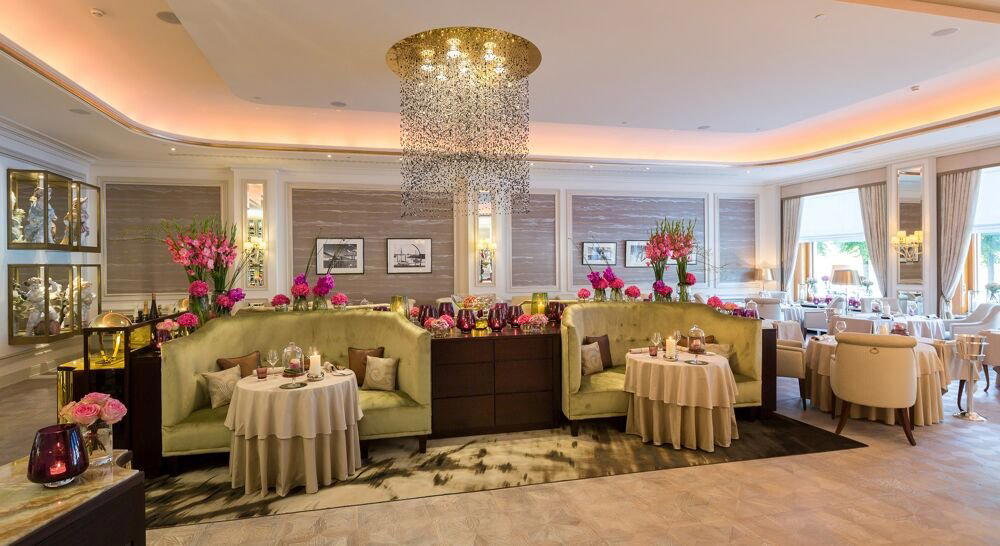
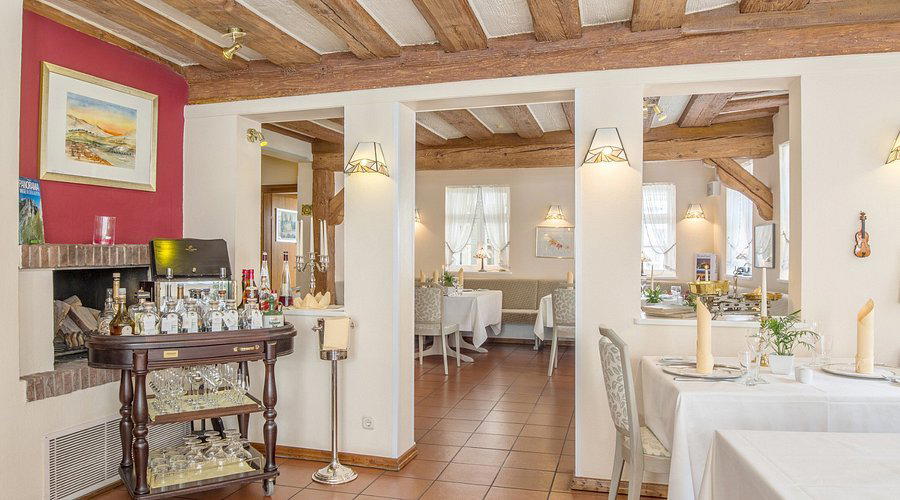
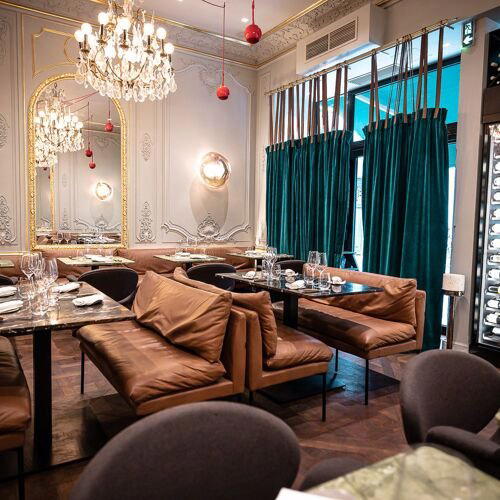
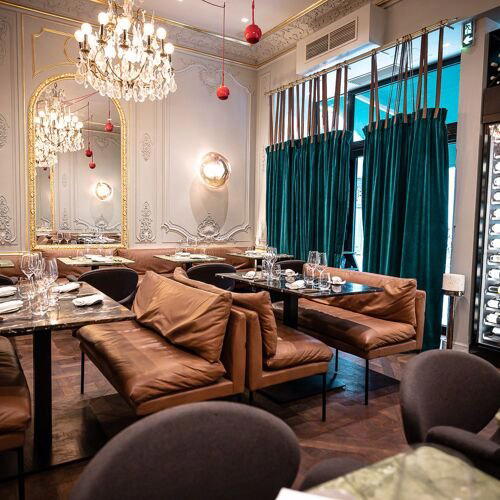
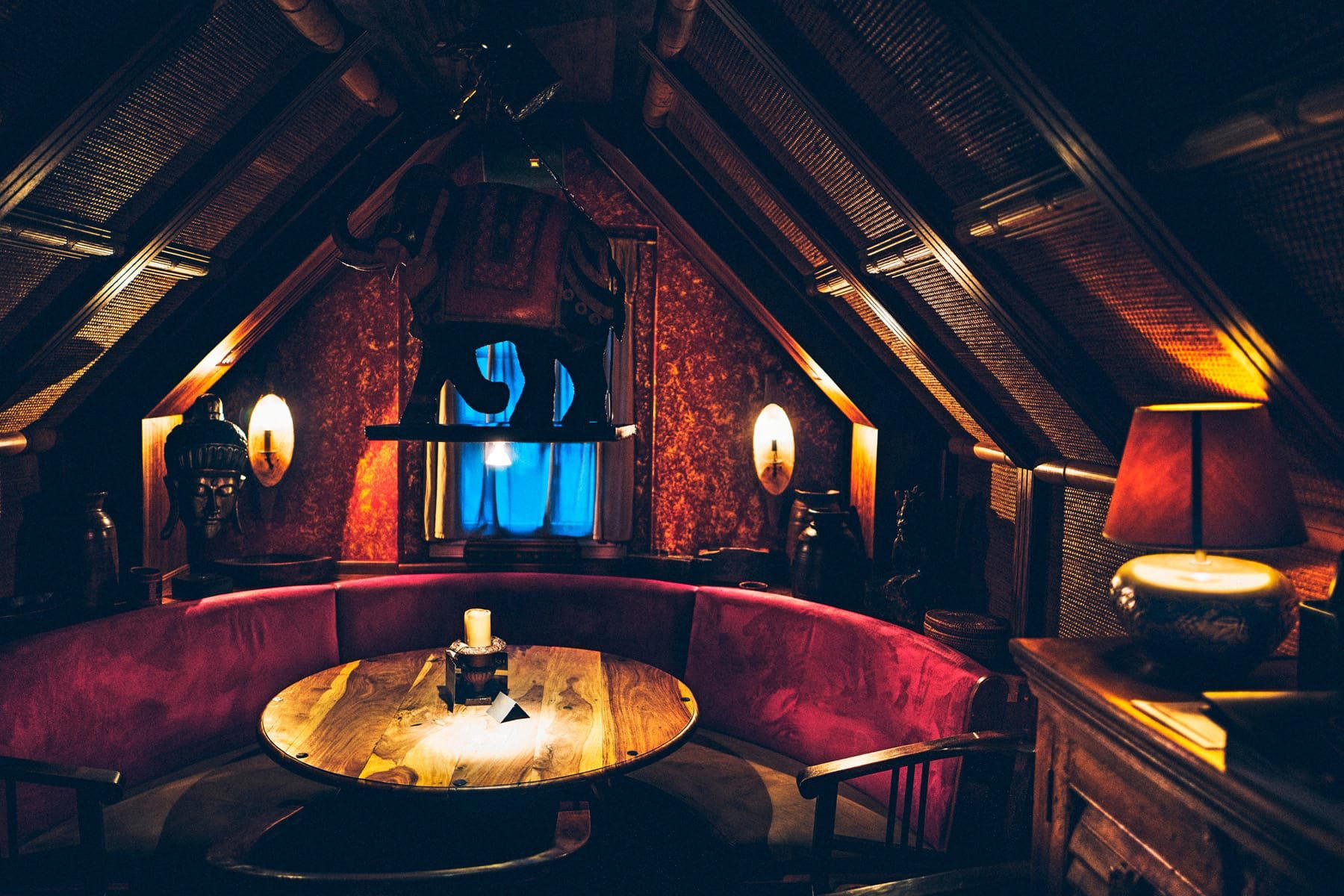
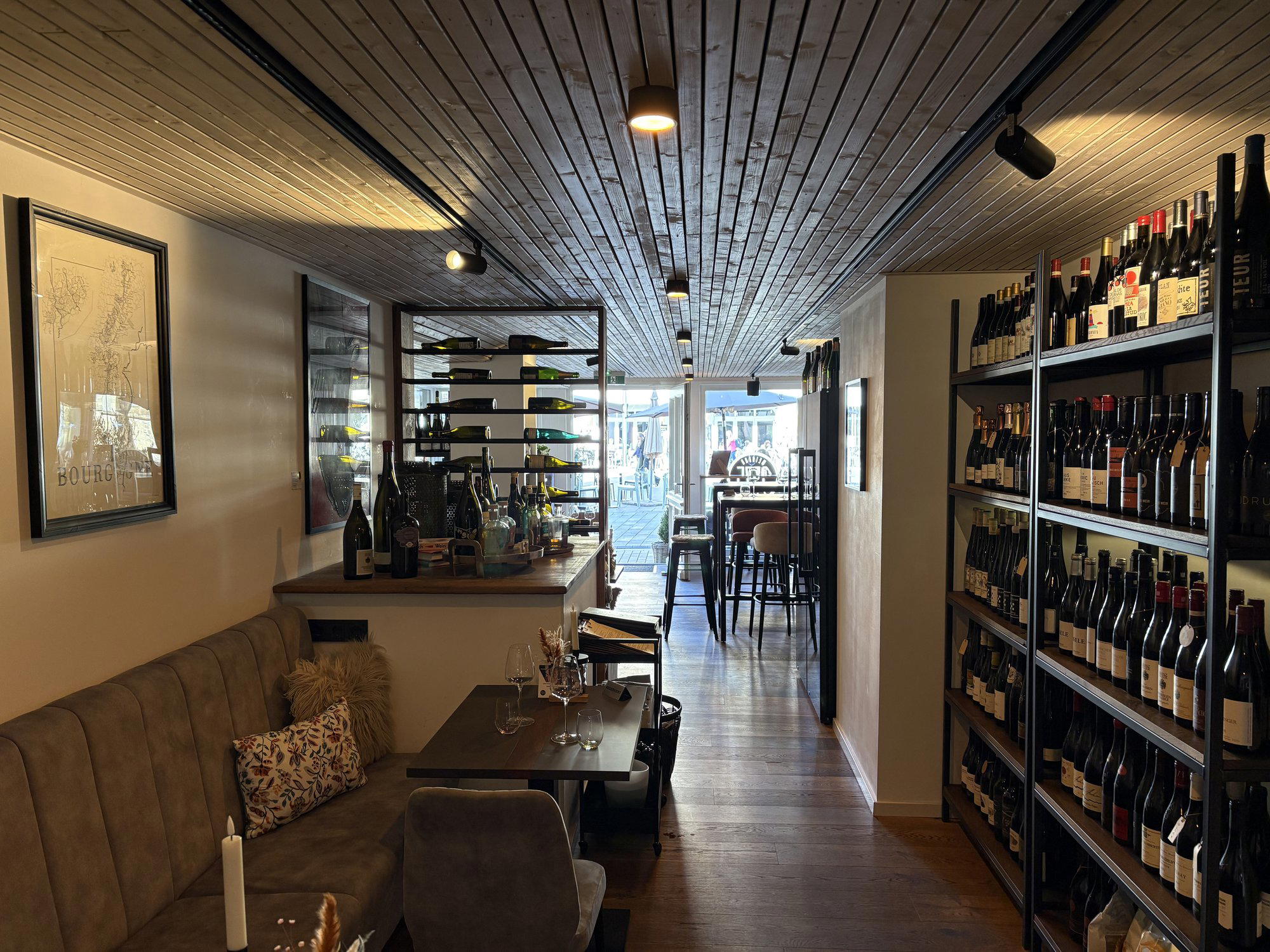
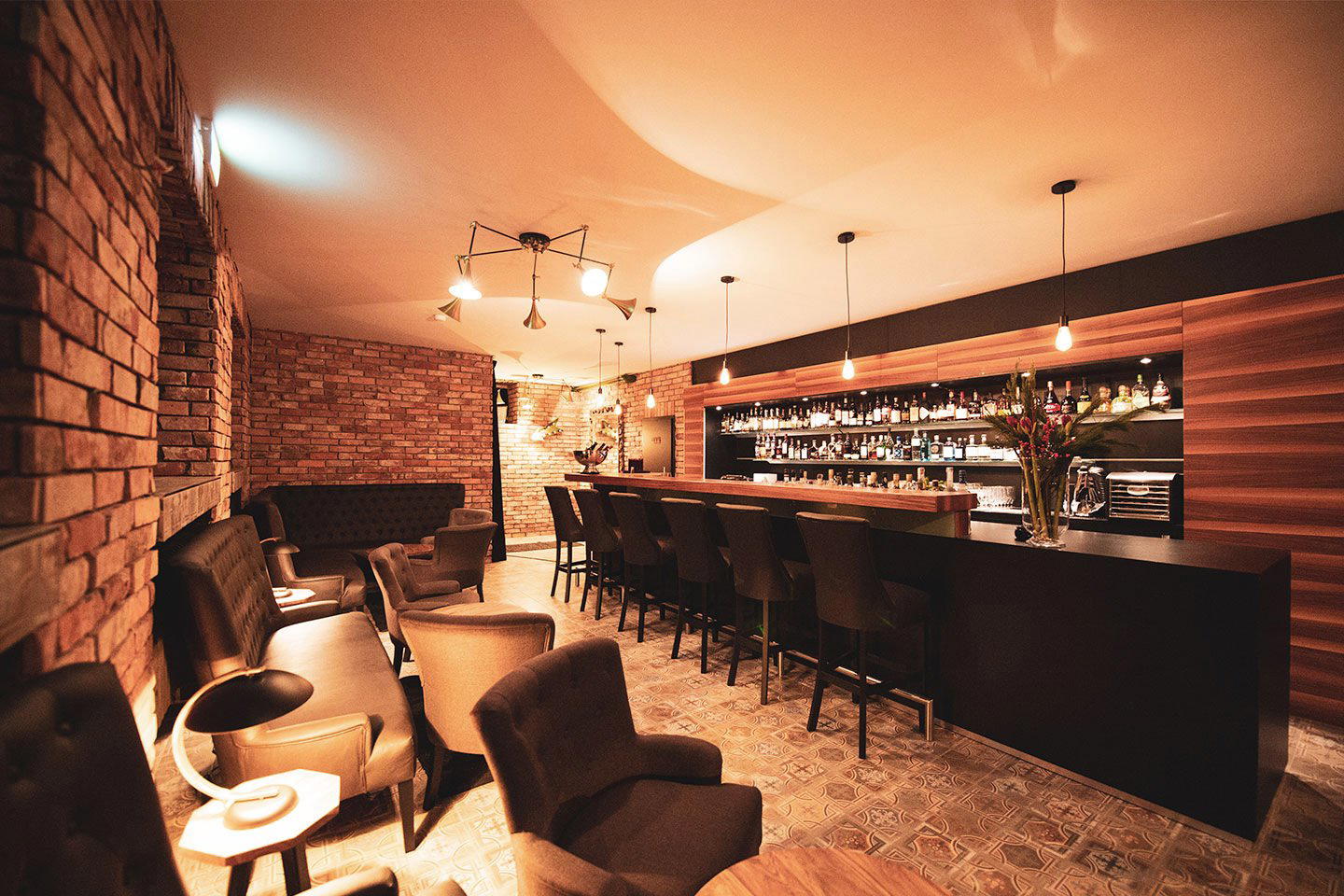
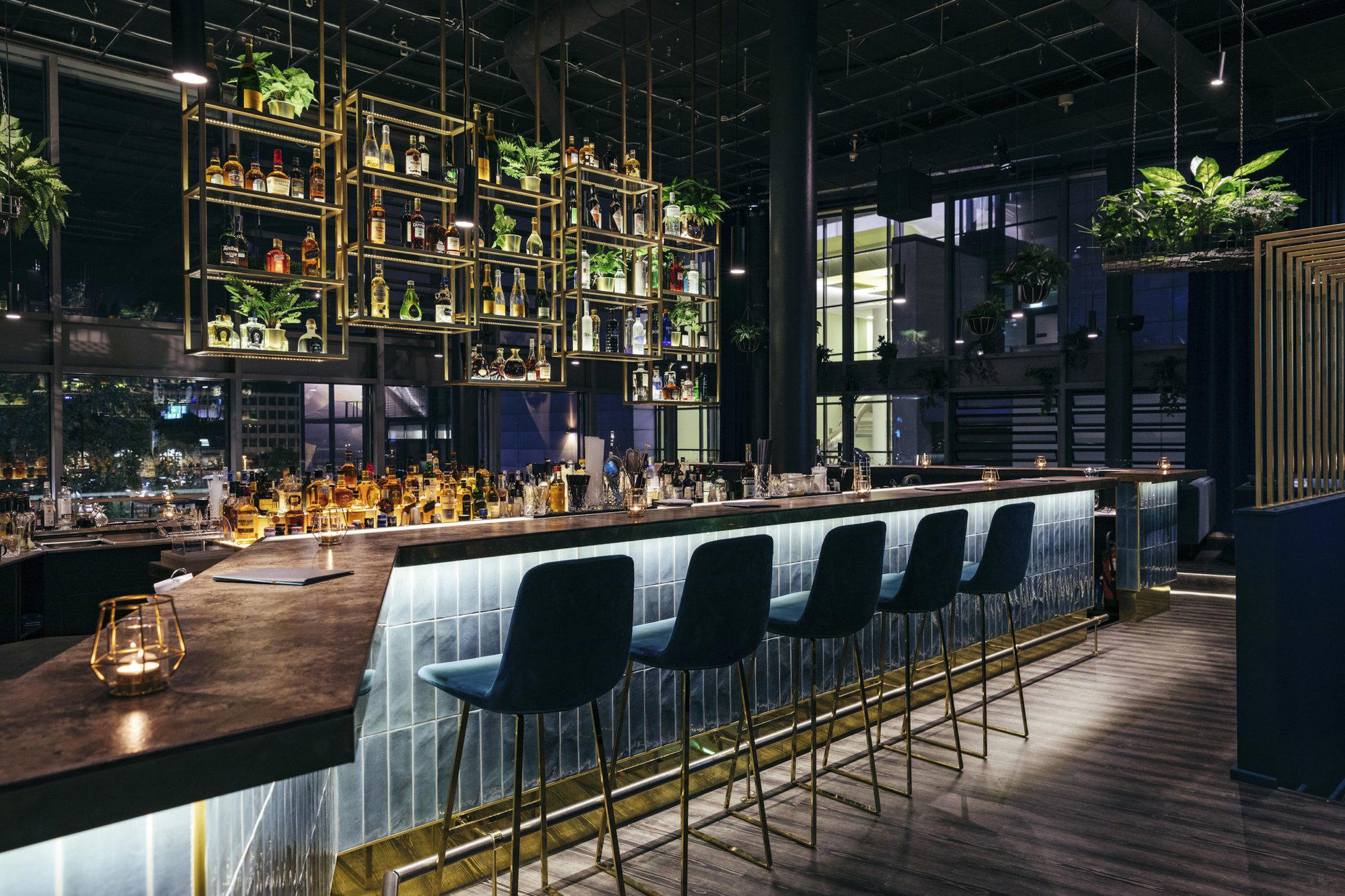
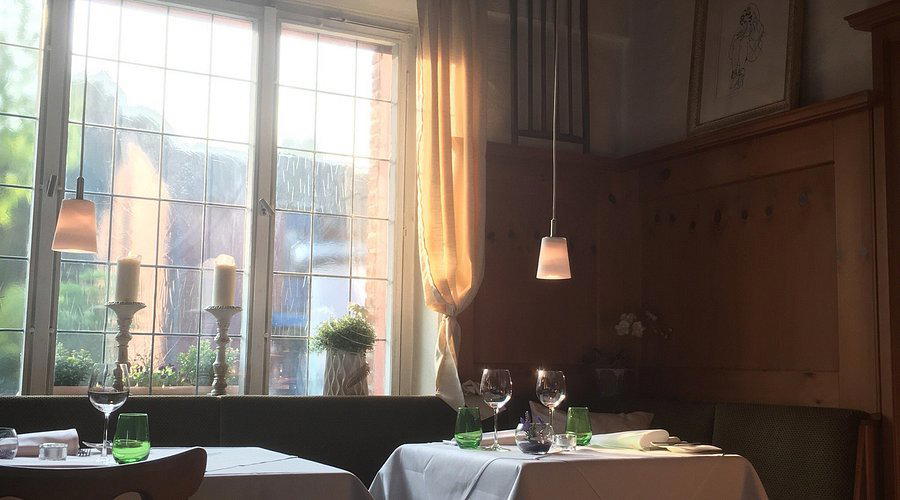
Noble, homely, and pleasantly equipped with beautiful decoration, ample space, and a clear overview that makes guests feel at home.