Altdeutsche Bierstuben
On Oerlinghausen's central Hauptstraße, Altdeutsche Bierstuben represents the kind of traditional German tavern format that anchors small-town hospitality in the Teutoburg Forest region. The setting and format follow conventions built around community gathering rather than destination dining, placing it in a distinct tier from the Michelin-tracked restaurants of larger German cities. For visitors exploring the area, it reads as a local institution shaped by regional custom.
Pearl is the En Primeur Club membership app — saves, bookings, and concierge access live there. Same editors, same standards.
- Address
- Hauptstraße 3, 33813 Oerlinghausen, Germany
- Phone
- +494952023560
- Website
- altdeutschebierstuben.de
- Directions
- Get directions
 Saves & bookings on Pearl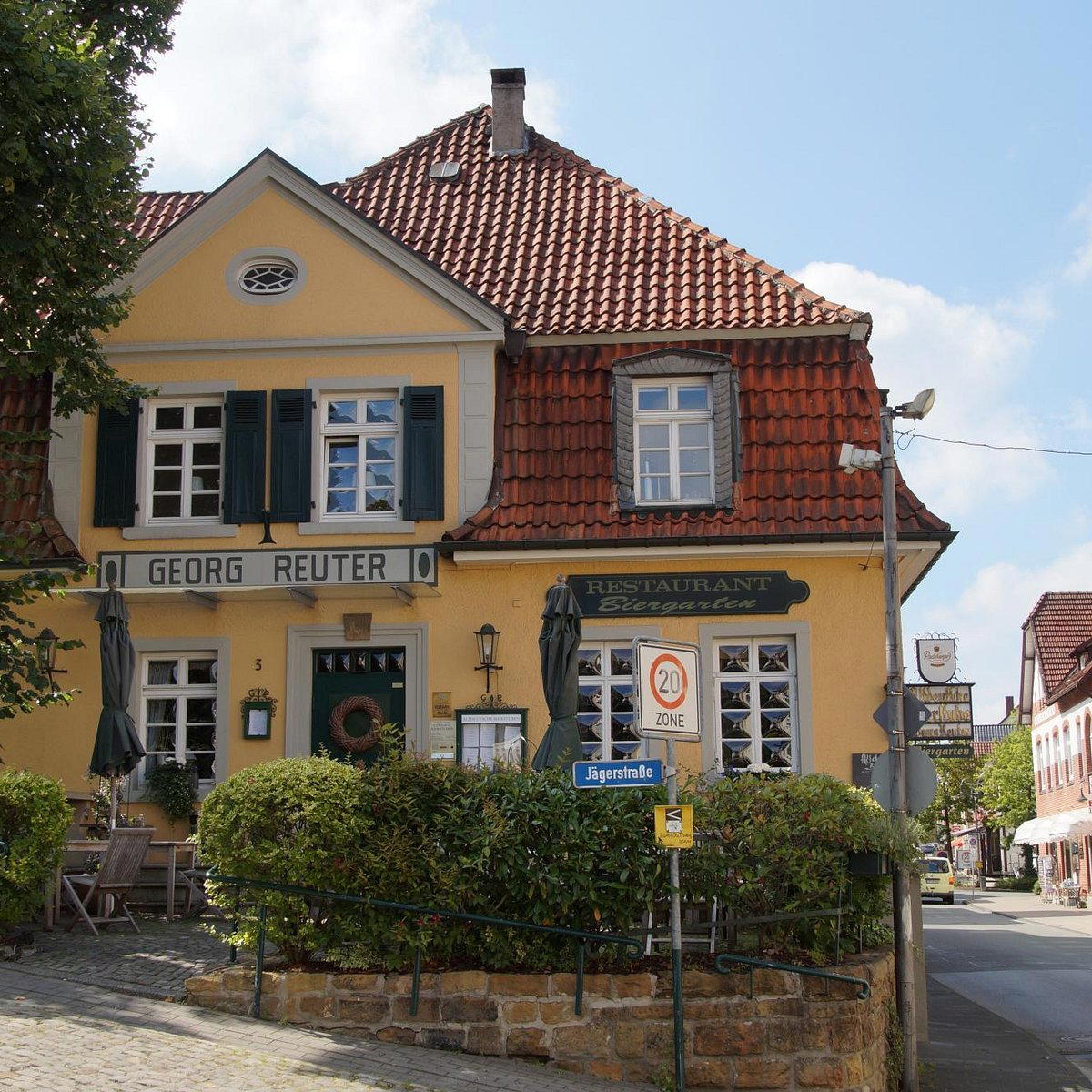
Tavern Culture in Small-Town Ostwestfalen-Lippe
There is a particular rhythm to entering a traditional German Bierstube in a town like Oerlinghausen. The room announces its purpose before anything is ordered: worn wood, a counter positioned for standing conversation, and the kind of ambient noise that comes from regulars rather than reservation holders. Altdeutsche Bierstuben, at Hauptstraße 3 in the centre of Oerlinghausen, operates within this format. The name itself signals the proposition, altdeutsch meaning old German, a deliberate positioning that aligns the venue with a hospitality tradition built around continuity, familiarity, and local custom rather than seasonal reinvention.
Oerlinghausen is a small town in the Teutoburg Forest region of Ostwestfalen-Lippe, about 15 kilometres east of Bielefeld. It sits in a part of North Rhine-Westphalia where the dining scene stratifies clearly between everyday local establishments and the occasional destination restaurant drawing visitors from further afield. The tavern format Altdeutsche Bierstuben occupies sits firmly in the former category, which is not a limitation but a definition. These are rooms that sustain communities.
Where the Food Comes From: Ingredient Traditions in the Teutoburg Region
The ingredient traditions of this corner of Westphalia have long been shaped by agricultural proximity. The Teutoburg Forest and surrounding farmland have historically supplied pork, root vegetables, rye, and dairy to local tables. In the traditional German tavern format, that proximity tends to express itself through hearty preparations: braised meats, pickled accompaniments, bread from regional mills, and seasonal produce drawn from nearby farms rather than centralised supply chains. The distance between field and kitchen in towns this size is often shorter than in metropolitan settings, even if the menu rarely advertises it.
This stands in contrast to Germany's multi-Michelin-starred restaurants, where provenance is foregrounded explicitly and sourcing becomes part of the editorial narrative. At venues like Schwarzwaldstube in Baiersbronn or Waldhotel Sonnora in Dreis, ingredient sourcing is documented and discussed as a marker of positioning within the premium tier. The traditional Bierstube model works the opposite way: sourcing is embedded in the format without being announced, part of the operational DNA of a room that has served the same community across multiple decades.
Germany's fine dining tier, represented in the country's smaller cities by names like Schanz in Piesport, Bagatelle in Trier, and L.A. Jordan in Deidesheim, builds its identity explicitly around named producers and traceable supply lines. The tavern tradition does something quieter: it assumes regional connection as a baseline rather than a selling point. That assumption, when it holds, produces cooking that reads as grounded rather than performed.
The Oerlinghausen Dining Context
For visitors approaching Oerlinghausen from the dining angle, the town operates within a regional circuit rather than as a standalone destination. Bielefeld to the west carries more restaurant depth; the forest landscapes to the east and south attract hikers and cyclists who need reliable midday and evening stops. Oerlinghausen's restaurant provision matches that profile: it covers the range from everyday local to the kind of casual regional cooking that rewards a post-hike appetite.
Within Oerlinghausen itself, Altes Gasthaus Nagel and Jannis Restaurant represent different points on the local dining range, from traditional gasthaus format to more contemporary approaches. Altdeutsche Bierstuben occupies its own position in that set, leaning into the tavern archetype with a specificity that the name makes explicit.
For context beyond the region, Germany's broader restaurant culture has bifurcated sharply over the past decade. On one end, venues like Aqua in Wolfsburg, Vendôme in Bergisch Gladbach, JAN in Munich, GästeHaus Klaus Erfort in Saarbrücken, Restaurant Haerlin in Hamburg, Victor's Fine Dining by Christian Bau in Perl, and ES:SENZ in Grassau compete in the multi-Michelin bracket, defining German cuisine at its most technically ambitious. Creative formats like CODA Dessert Dining in Berlin push the category further. On the other end, the Bierstube and Gasthaus formats persist precisely because they serve a different need, one rooted in accessibility, community, and continuity across generations. Internationally, that division between fine dining and its vernacular counterpart shows up in cities across any country with a deep restaurant culture, from Le Bernardin in New York City to Lazy Bear in San Francisco, where the high-end formats generate the attention, but the everyday establishments sustain the food culture.
Planning a Visit
The restaurant is located at Hauptstraße 3, in the central part of Oerlinghausen, making it walkable from the town centre and accessible by road from Bielefeld via the B68 or connecting routes through the forest. Current hours, pricing, and booking details should be confirmed directly before travelling.
Quick Comparison
Comparable venues nearby, for context on price, style, and recognition.
| Venue | Cuisine | Price | Notes |
|---|---|---|---|
| Altdeutsche BierstubenThis venue — the venue you are viewing | Traditional German Regional Cuisine | $$ | Not listed |
| ALTES GASTHAUS NAGEL | Italian | $$ | Oerlinghausen City center |
| Jannis Restaurant | Greek | $$ | Oerlinghausen |
| Restaurant Zur Quelle & Bistro Karls Quelle | German Seasonal Bistro | $$ | Zentrum |
| Albertz. | Modern German Eatery | $$ | Mitte |
| Reimanns Eck | Traditional German Regional Cuisine | $$ | Oststadt |
Continue exploring
More in Oerlinghausen
Restaurants in Oerlinghausen
Browse all →
Bars in Oerlinghausen
Browse all →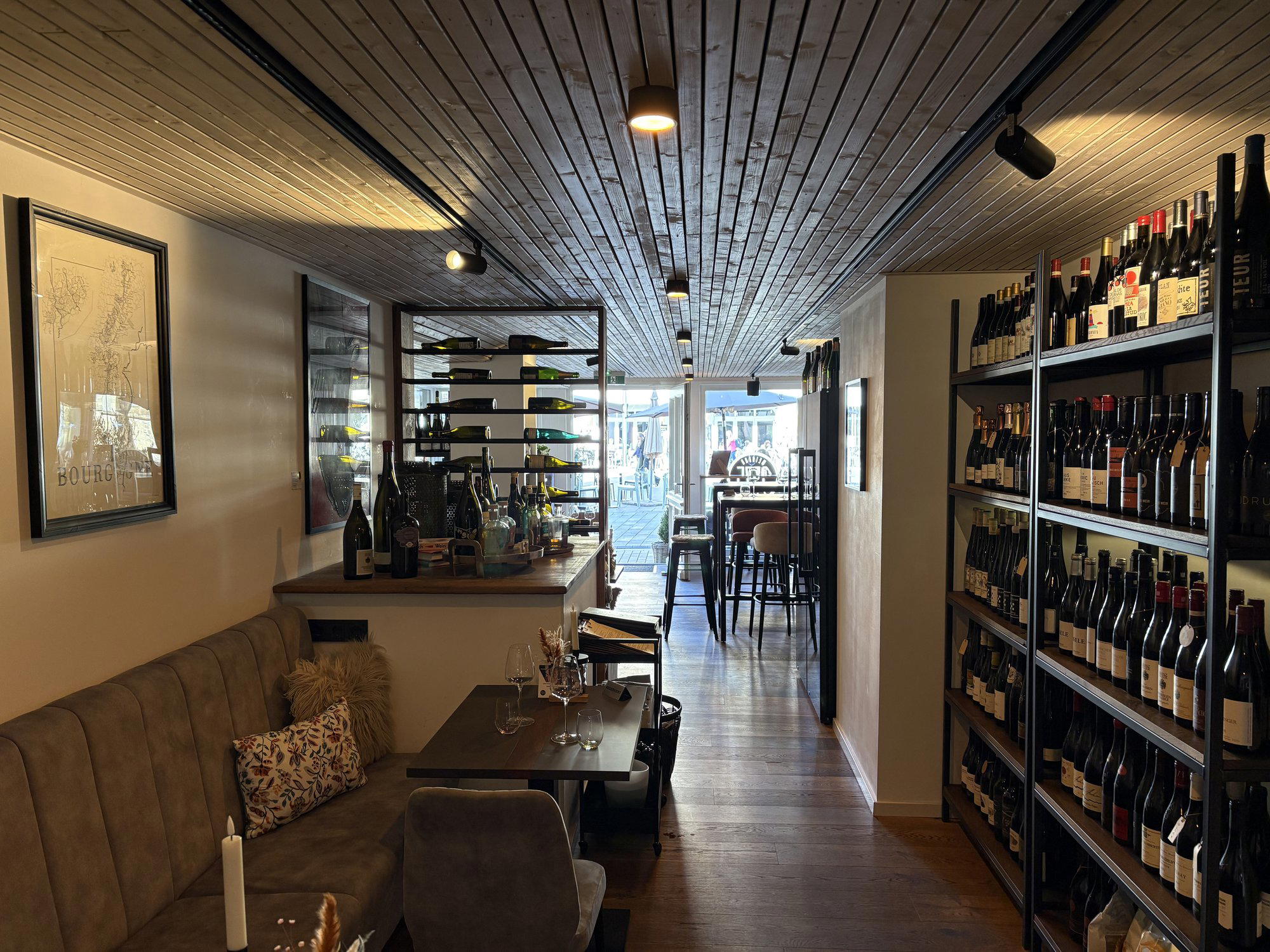
Hotels in Oerlinghausen
Browse all →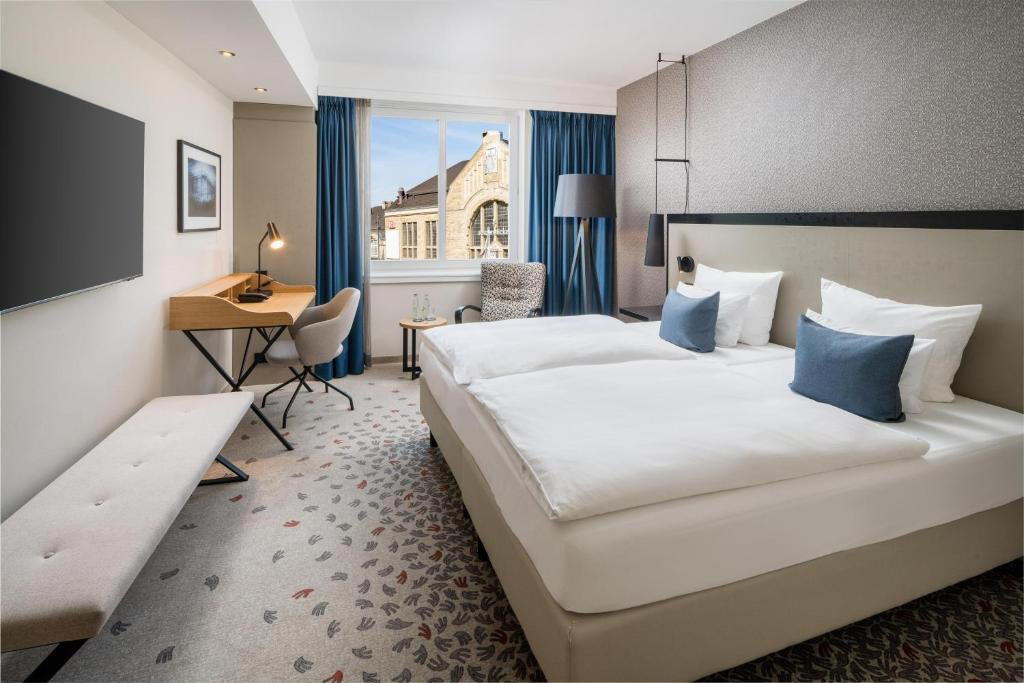
At a Glance
- Rustic
- Cozy
- Classic
- Casual Hangout
- Group Dining
- Special Occasion
- Historic Building
- Beer Program
- Local Sourcing
Current opening hours
- Monday
- 6–10:30 PM
- Tuesday
- 6–10:30 PM
- Wednesday
- Closed
- Thursday
- Closed
- Friday
- 6–10:30 PM
- Saturday
- 6–10:30 PM
- Sunday
- 12–2:30 PM, 6–10:30 PM
Hours can change for holidays and private events. Last verified .