Aloha
Our verdict
Aloha sits in Bab Ezzouar, one of Algiers' eastern districts where a new generation of dining addresses has taken shape alongside the area's commercial expansion. For a broader picture of the neighbourhood's restaurant scene, see our full Bab Ezzouar guide.

Pearl is the En Primeur Club membership app — saves, bookings, and concierge access live there. Same editors, same standards.
- Address
- Bab Ezzouar, Algeria
- Phone
- +213 550 55 69 10
- Hours
- Mon–Wed 11 AM–11 PMThu 11 AM–11:30 PMFri 5–11:30 PMSat–Sun 11 AM–11 PM
- Website
- linktr.ee
- Directions
- Get directions
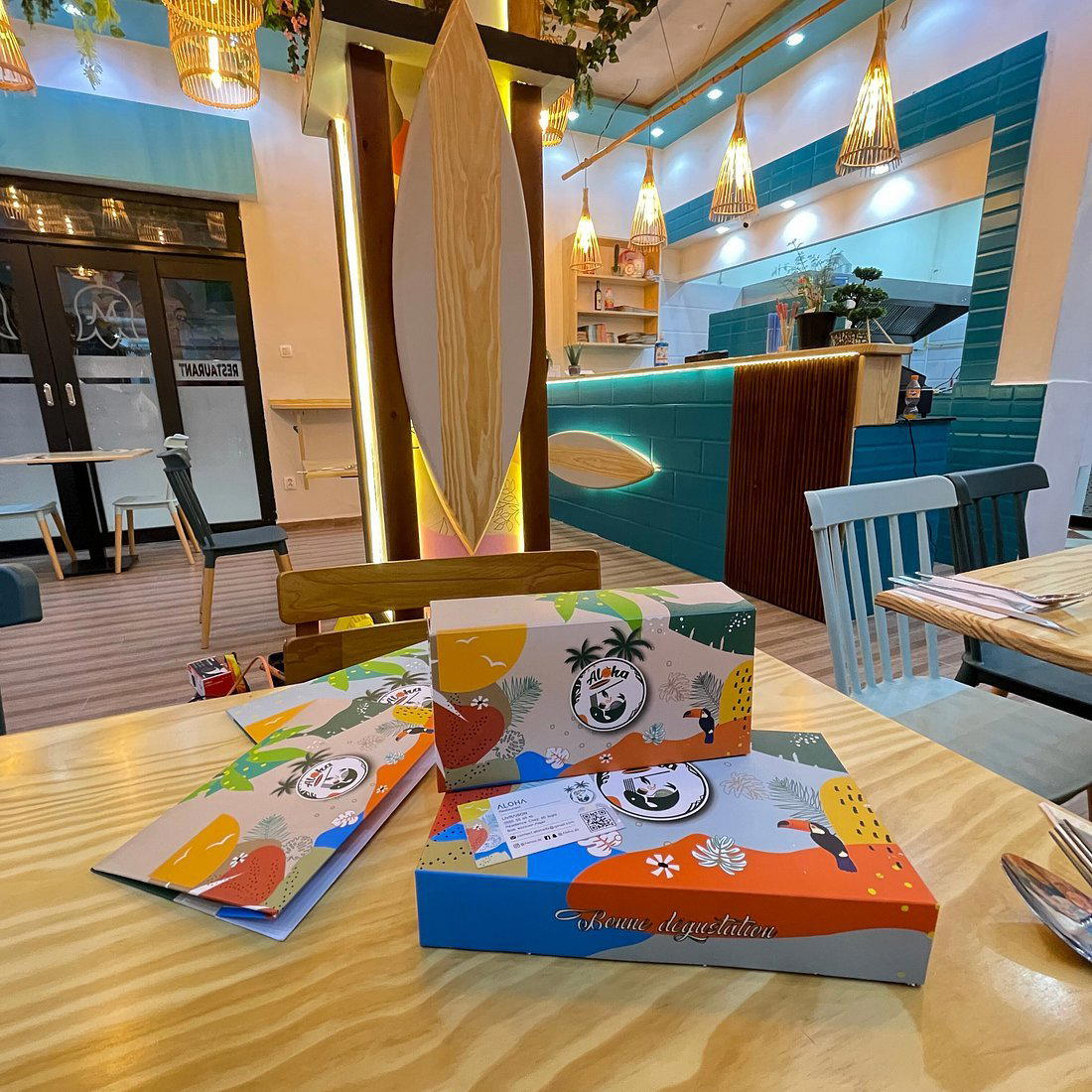
Bab Ezzouar and the Shifting Dining Map East of Algiers
The eastern corridor of Greater Algiers has changed considerably over the past decade. Bab Ezzouar, anchored by one of Algeria's largest shopping centres and a cluster of technology and logistics businesses, has pulled both daytime foot traffic and evening dining activity away from the city's older commercial districts. Restaurants in this part of the capital tend to reflect that demographic shift: a clientele with disposable income, exposure to international formats, and expectations shaped partly by travel and partly by the urban competition Algeria's dining scene has been quietly producing. Aloha operates within this context, at an address that places it inside the eastern suburbs rather than the historic centre, which carries its own implications for who the restaurant is serving and what culinary register it is likely working in.
For readers building a full picture of where Bab Ezzouar fits relative to other dining destinations in the Algiers metropolitan area, our full Bab Ezzouar restaurants guide covers the neighbourhood's character in detail. Nearby, Rotisserie El Gatt in الجزائر offers a useful point of comparison within the local Algerian dining tier.
Ingredient Sourcing and the Algerian Table
Any serious conversation about restaurant cooking in Algeria begins with what the country's agricultural interior produces. The northern coastal plains, the Tell Atlas, and the Mitidja valley collectively supply an unusually broad range of ingredients: citrus, stone fruit, olive oil, lamb from the high plateaux, and Mediterranean seafood from a coastline that runs more than 1,200 kilometres. Algerian cooking, historically underrepresented in the international food press relative to its Moroccan and Tunisian neighbours, draws on those raw materials with techniques rooted in Amazigh, Ottoman, and French culinary traditions, producing a cuisine of real depth when kitchens source with care.
In the eastern suburbs of Algiers, proximity to both the capital's wholesale markets and the produce networks feeding the broader metropolitan area means that restaurants in Bab Ezzouar can theoretically access the same primary ingredients as their counterparts in Didouche Mourad or Hydra. The question, as it is anywhere, is whether they choose to. A dining room that genuinely connects its menu to the seasonal rhythms of Algerian agriculture operates differently from one running a fixed international format year-round.
The global conversation around sourcing has filtered through to dining cultures far beyond the obvious reference points. Restaurants like Atelier Moessmer Norbert Niederkofler in Brunico and Reale in Castel di Sangro have built their entire editorial identities around hyper-regional ingredient programs. That approach, once confined to a small tier of European fine dining, now sets a reference standard that informs how critics and attentive diners read restaurant menus everywhere, including Algiers.
What the Available Record Tells Us
That absence of data is itself informative. Restaurants at the premium end of any market tend to accumulate a traceable public record relatively quickly, through review aggregators, local press, or award nominations. The thinner the public data trail, the more likely a venue sits in the mid-market or neighbourhood tier rather than the high-visibility fine dining bracket. That is a reasonable working hypothesis for Aloha, though not a confirmed one.
Readers who want benchmarks for what premium restaurant programs look like at the verified end of the spectrum can reference Le Bernardin in New York City, HAJIME in Osaka, or Uliassi in Senigallia for a sense of how venues with deep sourcing commitments and significant award recognition document and communicate their programs. Closer to an accessible neighbourhood model, Lazy Bear in San Francisco demonstrates how a mid-to-high price tier restaurant can build a credible sourcing narrative without the infrastructure of a three-star kitchen.
The Eastern Algiers Dining Tier in Comparative Context
Algeria's restaurant culture rarely appears in international dining guides, which creates a persistent information gap for visitors and a commercial asymmetry for local operators. The restaurants that do break through into international visibility tend to cluster around a handful of signals: consistent format, a traceable chef lineage, or an ingredient story compelling enough to generate press. In Mediterranean coastal markets with similar dynamics, venues have found traction by anchoring to local fishing traditions or to the kind of wine-and-table culture that produces word-of-mouth density. Algeria's complex relationship with alcohol means that restaurants there must build their credibility through food and service alone, without the sommelier-led experience that anchors the premium positioning of, say, Dal Pescatore in Runate or Piazza Duomo in Alba.
That constraint, rather than limiting the potential of Algerian fine dining, arguably sharpens its focus. Kitchens that cannot rely on a wine program to carry part of the evening's perceived value must invest more heavily in the cooking itself, in the sourcing story, and in the texture of hospitality. The restaurants in this region that have built real followings have generally done so through exactly that concentration. Venues like Arzak in San Sebastián and Quique Dacosta in Dénia are instructive not as direct peers, but as examples of how a strong regional identity, expressed through sourcing and technique, can generate international recognition from a peripheral geography.
Planning a Visit
Bab Ezzouar is accessible from central Algiers via the metropolitan rail network, with the Bab Ezzouar station reducing what would otherwise be a significant road journey during peak traffic hours. The district's commercial infrastructure means parking is generally available for those arriving by car, which remains the practical preference for most Algiers residents making an evening trip to this part of the city. Given the absence of confirmed hours, booking method, and contact details in the current public record for Aloha, direct enquiry through local channels or aggregator platforms covering the Algerian market is the appropriate starting point before planning travel. Visitors coming from outside Algeria who want to cross-reference the dining culture with similar Mediterranean coastal traditions might also consider how purpose-driven sourcing restaurants in other coastal markets, from Quattro Passi in Marina del Cantone to Waterside Inn in Bray, have built their reputations, as a frame for what to look for when the information infrastructure around a venue is still developing.
For readers building a broader itinerary, Atomix in New York City, Emeril's in New Orleans, Le Calandre in Rubano, and Jordnær in Gentofte represent the range of what a committed dining traveller might use as reference points when calibrating expectations across different city contexts.
Frequently asked questions
What do critics highlight about Aloha?
Aloha does not appear in international dining guides or carry documented awards at this time, which reflects a broader pattern across Algeria's restaurant scene rather than a judgment on the venue specifically. Algeria rarely features in publications such as the Michelin Guide or the World's 50 Best, leaving most credible assessment to local sources.
How It Stacks Up
Comparable venues nearby, for context on price, style, and recognition.
| Venue | Cuisine | Notes |
|---|---|---|
| AlohaThis venue — the venue you are viewing | Japanese Asian Fusion | Not listed |
| Arabesque | Syrian & Lebanese Grill | Centre Ville |
| 独一锅 (老杜火锅) | Chinese Hotpot | الجزائر |
| Rotisserie El Gatt | Traditional Algerian Rotisserie | الجزائر |
| Restaurant Eldjazair | French-Algerian Fusion | Algiers |
Continue exploring
More in Bab Ezzouar
Restaurants in Bab Ezzouar
Browse all →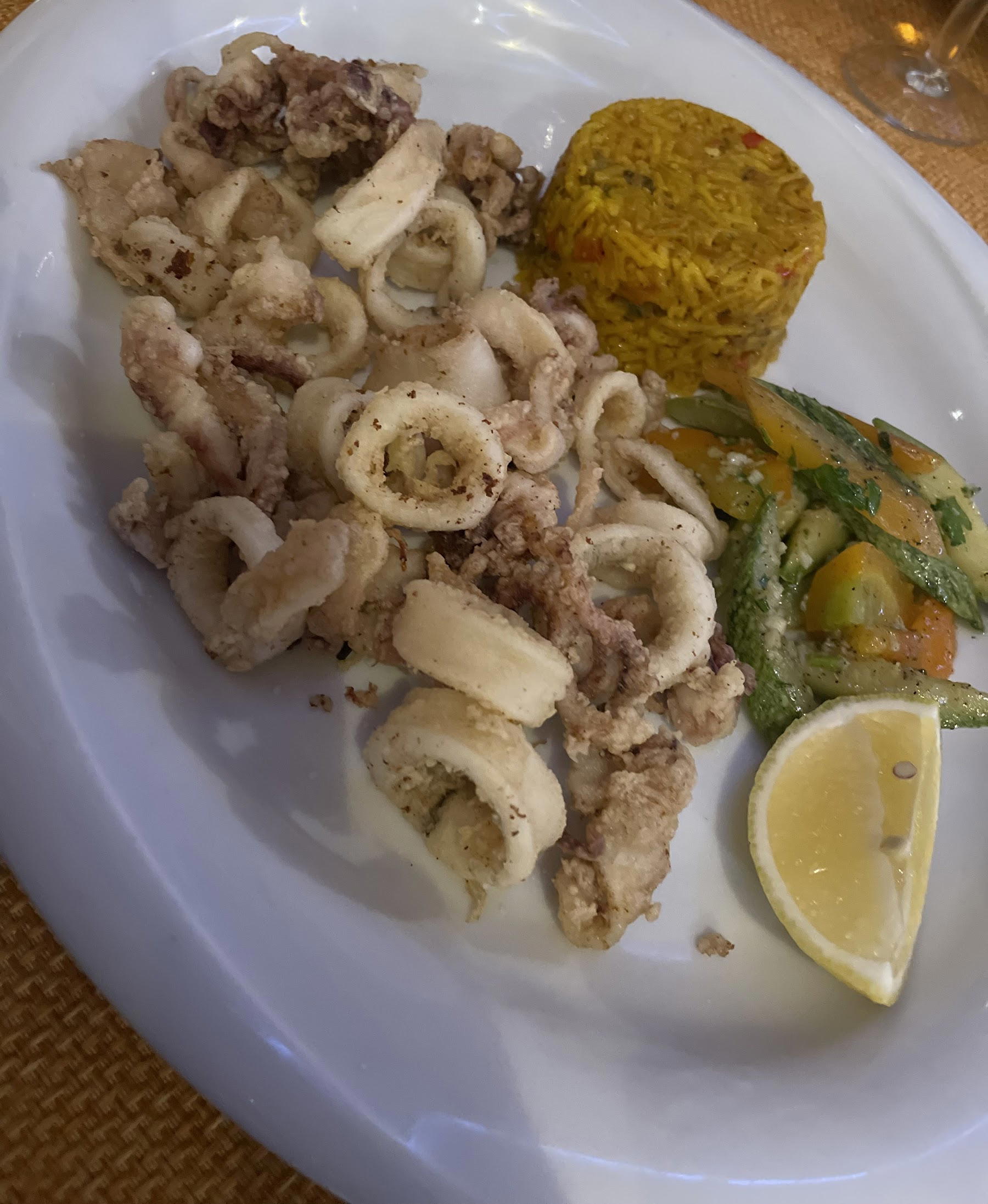
Hotels in Bab Ezzouar
Browse all →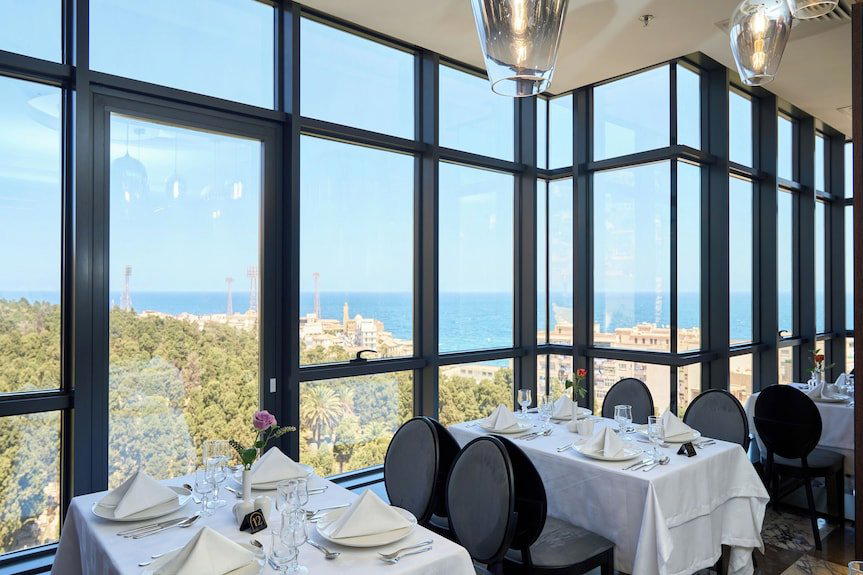
Details
- Modern
- Casual Hangout
- A La Carte
Current opening hours
- Monday
- 11 AM–11 PM
- Tuesday
- 11 AM–11 PM
- Wednesday
- 11 AM–11 PM
- Thursday
- 11 AM–11:30 PM
- Friday
- 5–11:30 PM
- Saturday
- 11 AM–11 PM
- Sunday
- 11 AM–11 PM
Hours can change for holidays and private events. Last verified .
Fast food atmosphere with decor described as a mockery of Asian style.