Almond
Almond in Bridgehampton occupies a distinctive position on the South Fork dining circuit, where farm proximity and seasonal sourcing shape the kitchen's direction. The restaurant sits at the quieter, more local-facing end of the Hamptons spectrum, offering a contrast to the scene-heavy rooms that dominate the summer corridor. For visitors working through the area's dining options, it represents a different register entirely.
Pearl is the En Primeur Club membership app — saves, bookings, and concierge access live there. Same editors, same standards.
- Address
- 1 Ocean Rd, Bridgehampton, NY 11932
- Phone
- +16315375665
- Website
- almondrestaurant.com
- Directions
- Get directions
 Saves & bookings on Pearl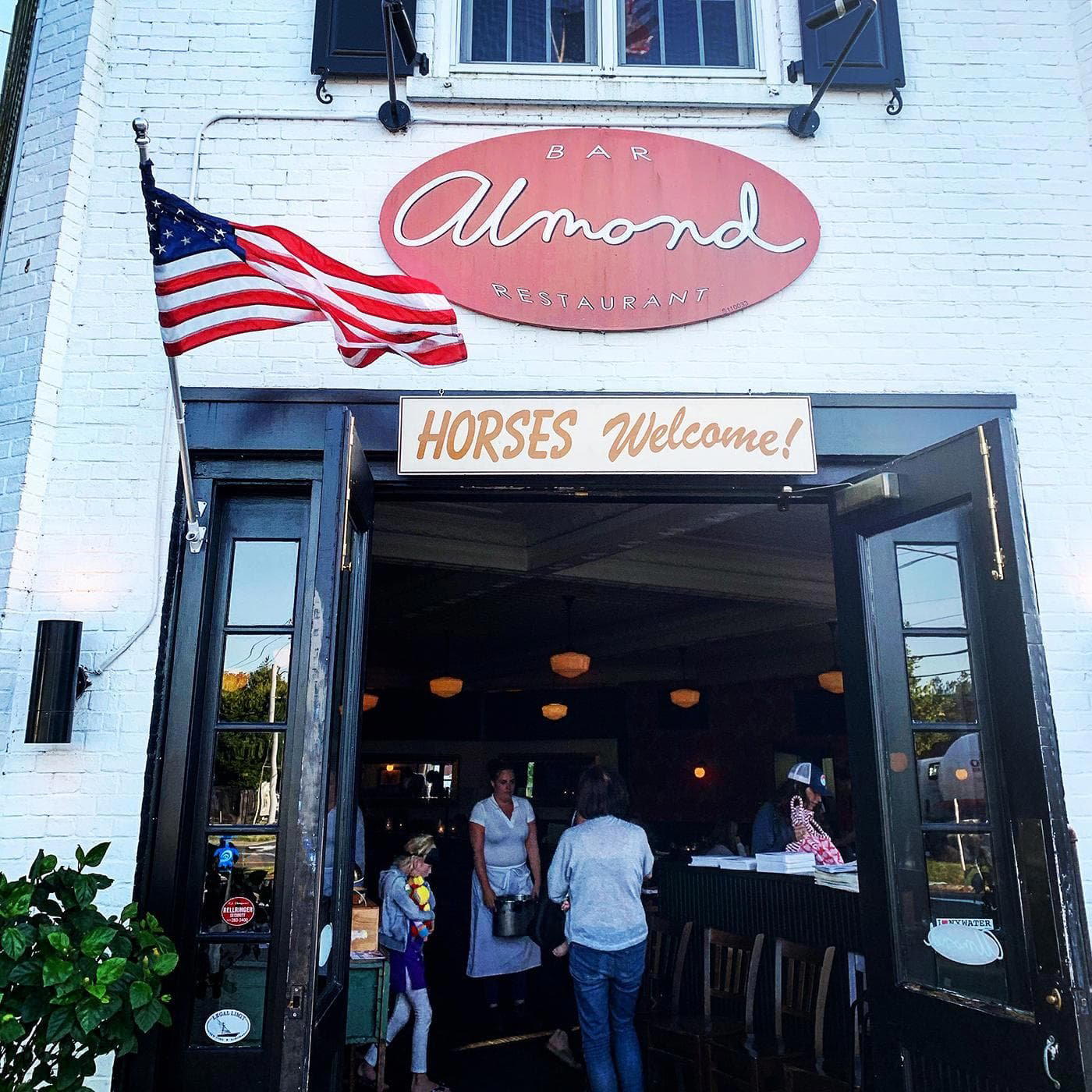
Where the South Fork Grows Its Dinner
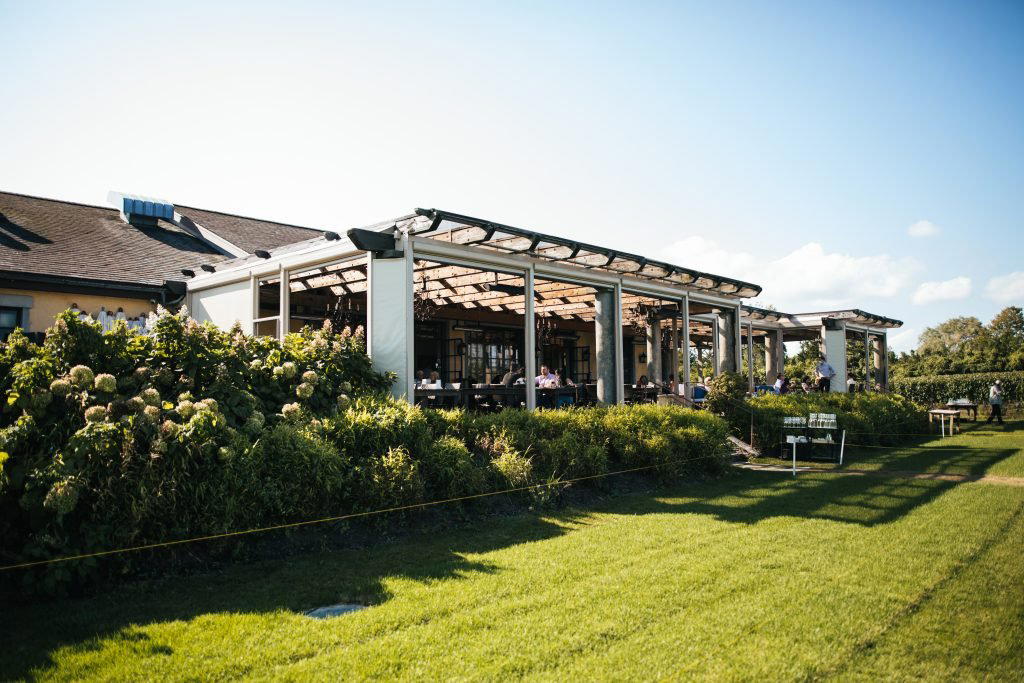
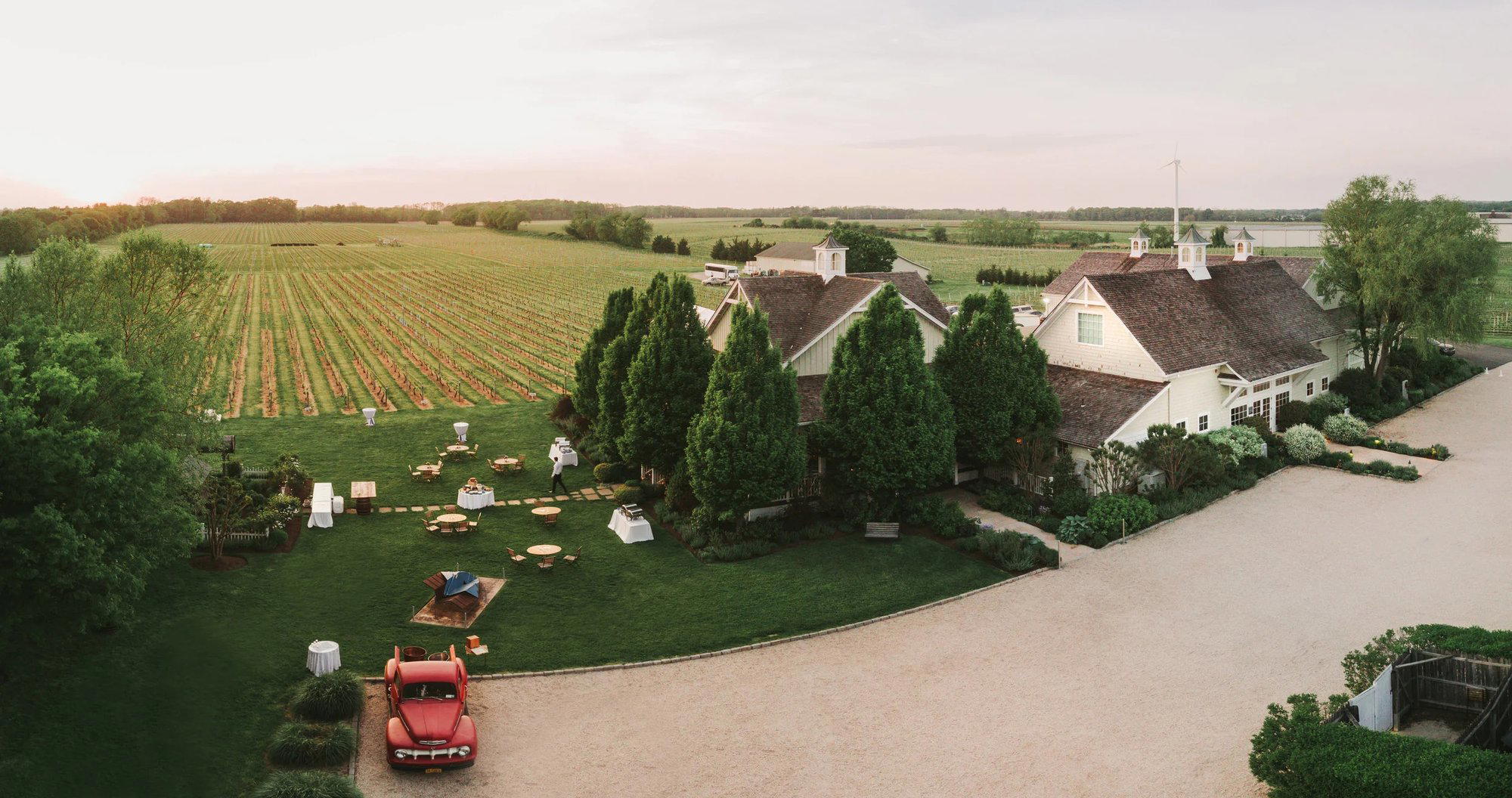
Almond is a restaurant in Bridgehampton, New York, serving seasonal French bistro fare at about $60 per person. One is the summer spectacle economy: large rooms, celebrity sightings, and wine lists priced against Manhattan penthouses. The other is quieter and more durable, restaurants that derive their identity from the surrounding farmland rather than from the crowd that fills them in July and August. Bridgehampton sits at the agricultural centre of this stretch, flanked by working farms that supply the kinds of ingredients that restaurants in Manhattan pay freight premiums to source. Almond, at 1 Ocean Road, operates within that second register.
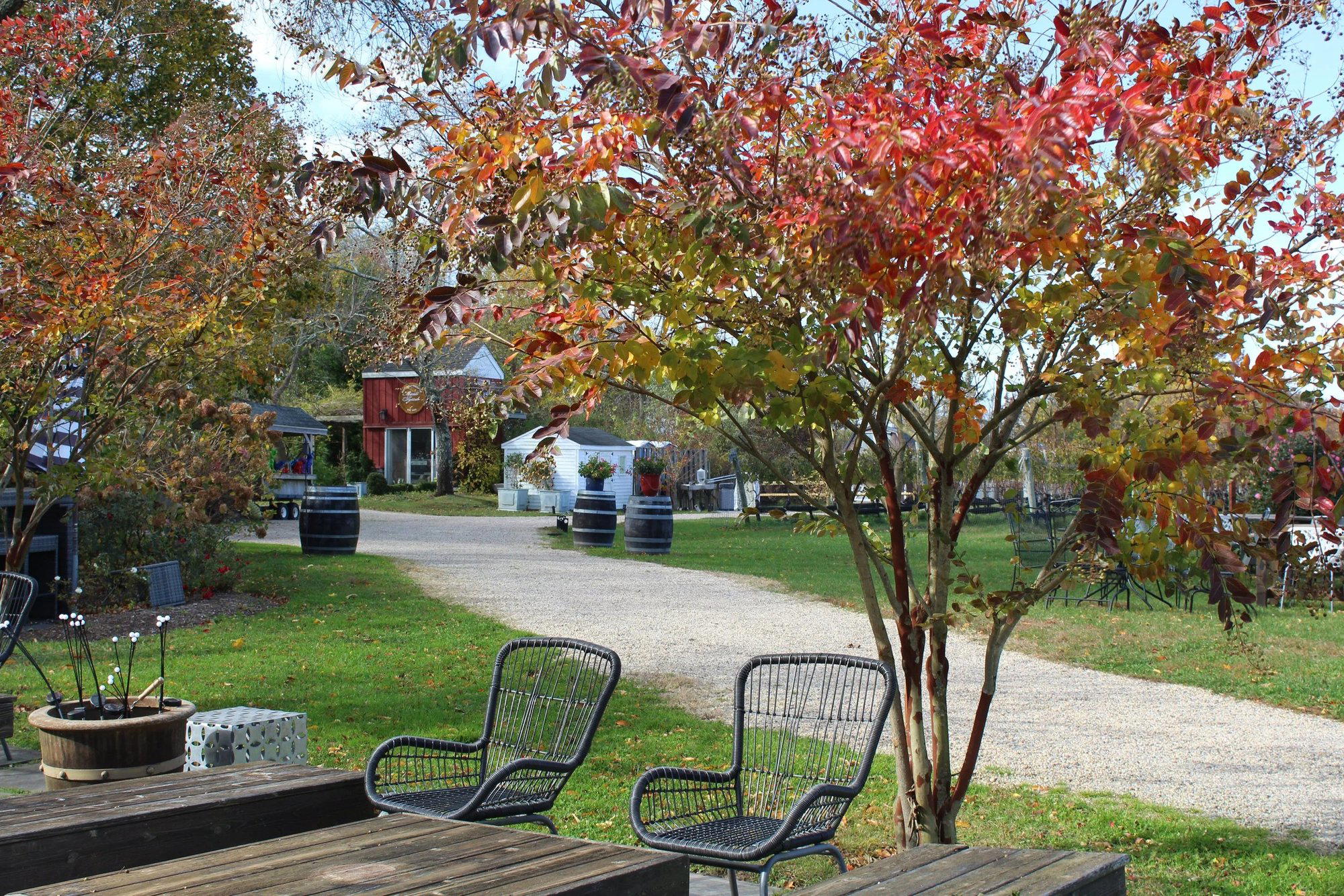
The physical approach to Almond already signals its orientation. Bridgehampton's main corridor lacks the ostentatious signage of East Hampton's high-traffic blocks, and the restaurant does not compete for attention on that basis. What arrives instead is the sense of a room that has been here through multiple seasons, that has regulars who return not for novelty but for consistency, which is, on the East End, a more meaningful kind of loyalty than a summer reservation waitlist.
Sourcing at the Source
Editorial logic of a restaurant like Almond is best understood through geography. The South Fork of Long Island has one of the densest concentrations of small-scale agricultural producers within a two-hour radius of New York City. Produce moves from farm to kitchen here in a way that is structurally different from urban farm-to-table rhetoric, where "local" often means the nearest regional distribution hub. In Bridgehampton, the farm may be a half-mile away. That compression changes what a kitchen can do: it can respond to what was harvested that morning rather than what was ordered a week ago.
This is the category of sourcing philosophy that distinguishes a handful of American restaurants operating in agricultural regions from their urban counterparts. Single Thread Farm in Healdsburg built its entire identity around a farm on the same property. Blue Hill at Stone Barns in Tarrytown operates on a working estate where the kitchen and the land are in literal conversation. Almond does not claim that level of integration, but it operates in a region where ingredient proximity is structural rather than aspirational, the terroir of the East End informs the plate whether the kitchen articulates it explicitly or not.
Long Island's agricultural output includes sweet corn, tomatoes, stone fruit, and leafy greens through the warmer months, with root vegetables and brassicas carrying the autumn menu. The South Fork also has a serious fishing tradition: fluke, striped bass, and local shellfish come out of the waters immediately adjacent. A kitchen at this address that is paying attention has a genuinely different raw-material base than one operating in a city, and that difference should register on the plate in ways that seasonal menus from more removed locations cannot replicate.
Bridgehampton's Position in the East End Dining Circuit
Understanding where Almond sits requires mapping the broader East End dining structure. The Hamptons have historically attracted a tier of serious restaurant investment: Jean-Georges at Topping Rose House brings a four-star Manhattan pedigree to Bridgehampton itself, operating at the high-format end of the local spectrum. Pierre's, also in Bridgehampton, covers the French bistro tradition that has long been a reliable anchor for the village's dining identity. These venues collectively define what the Bridgehampton dining scene offers at its upper and mid registers.
Almond occupies a position within this map that is defined less by format ambition than by a seasonal, ingredient-led consistency. In a summer resort economy, that positioning is more durable than trend-dependent concepts. The rooms that rely on scene can see dramatic swings between peak and off-season; restaurants with a genuine local following, built on sourcing relationships and menu familiarity, tend to hold across the calendar.
For context: the farm-sourcing approach Almond represents regionally is the same logic that drives destination dining at more formally ambitious operations elsewhere. Smyth in Chicago and The French Laundry in Napa each build sourcing networks that define their menus at a structural level. The difference is format and price tier, not underlying philosophy. At the East End's scale, Almond represents the accessible expression of the same underlying commitment to place.
Who This Room Is For
The Hamptons draw two distinct visitor profiles with divergent dining priorities. The first wants the table that requires a month of advance planning, a room that photographs well, and a bill that confirms status. The second wants to eat well in a place that reflects where they actually are, to taste the corn that came from a field they drove past on the way in. Almond addresses the second type. That is not a limitation; in a summer market saturated with the former, it is a specific and useful identity.
Practically, visitors travelling out from Manhattan should account for the South Fork's summer traffic patterns, Route 27, the main artery, can add significant time to an anticipated ninety-minute drive on summer Fridays. The village of Bridgehampton is compact and walkable once you arrive, and the restaurant's address on Ocean Road places it within the village core. For those spending multiple days on the East End, Bridgehampton makes a sensible base: proximate to farm stands, wineries on the North Fork (a longer trip, but achievable), and the full run of South Fork dining that ranges from the highly formal to the deliberately casual.
The Broader Farm-Table Context
American restaurants that have made sourcing their central editorial argument occupy a specific critical position. The category is well-populated at the high end: Addison in San Diego, Providence in Los Angeles, and Lazy Bear in San Francisco each frame their menus through ingredient sourcing at a formal-dining scale. At the other end of the ambition spectrum, the logic applies just as cleanly to neighbourhood restaurants where the sourcing advantage is geographic rather than philosophical, where the supply chain is short because the kitchen is simply close to where things grow.
The comparison that clarifies Almond's value is not against Le Bernardin in New York City or Atomix in New York City, those operate in a different tier and format category entirely. The relevant comparison is against what else the East End offers at a similar register, and against the general quality of the ingredient base available to any kitchen operating in this specific geography. On that basis, the address itself is an asset.
Restaurants that have built lasting identities around sourcing in specific agricultural regions, from Frasca Food and Wine in Boulder to The Inn at Little Washington, demonstrate that place-specificity compounds over time. The longer a kitchen maintains sourcing relationships with nearby producers, the more accurately its menu reflects a particular patch of ground. That process is slow, but the result is a kind of legibility that imported ingredients and generic seasonal menus cannot approximate.
Planning Your Visit
Almond's address at 1 Ocean Road places it in the heart of Bridgehampton village. Prospective diners should check current hours and reservation policies before visiting. The summer window, roughly Memorial Day through Labor Day, is when the local ingredient supply is at its fullest and when the surrounding agricultural context is most visible. That timing is worth factoring into a visit if ingredient sourcing is the primary draw.
Comparable Venues
Comparable venues nearby, for context on price, style, and recognition.
| Venue | Cuisine | Price | Notes |
|---|---|---|---|
| AlmondThis venue — the venue you are viewing | Seasonal French Bistro | $$$ | Not listed |
| Pierre's | Classic French Bistro | $$$$ | Bridgehampton |
| Jean-Georges at Topping Rose House | Seasonal Farm-to-Table American | $$$$ | Bridgehampton |
| L'Accolade | French Neo-Bistro | $$$ | West Village |
| The Golden Swan | French Mediterranean | $$$ | West Village |
| Le Gratin | Lyonnais Bouchon | $$$ | Tribeca-Civic Center |
Continue exploring
More in Bridgehampton
Restaurants in Bridgehampton
Browse all →
Bars in Bridgehampton
Browse all →
Hotels in Bridgehampton
Browse all →

At a Glance
- Lively
- Cozy
- Date Night
- Group Dining
- Special Occasion
- Open Kitchen
- Extensive Wine List
- Local Sourcing
- Farm To Table
Current opening hours
- Monday
- Closed
- Tuesday
- 5–9 PM
- Wednesday
- 5–9 PM
- Thursday
- 5–9 PM
- Friday
- 5–10 PM
- Saturday
- 5–10 PM
- Sunday
- Closed
Hours can change for holidays and private events. Last verified .
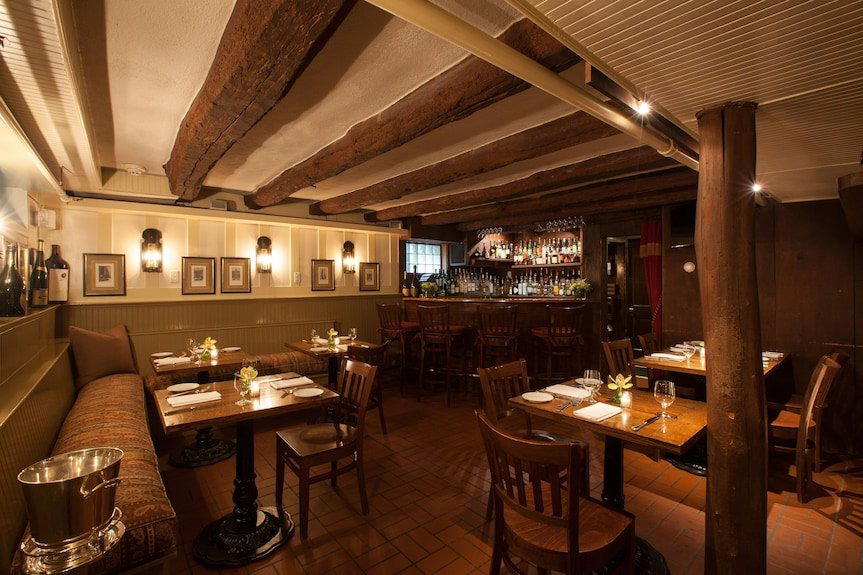
Bustling brasserie atmosphere with bistro chic vibe, comfortable and welcoming with a mix of thrilling and cool energy.