Estia's Little Kitchen
Our verdict
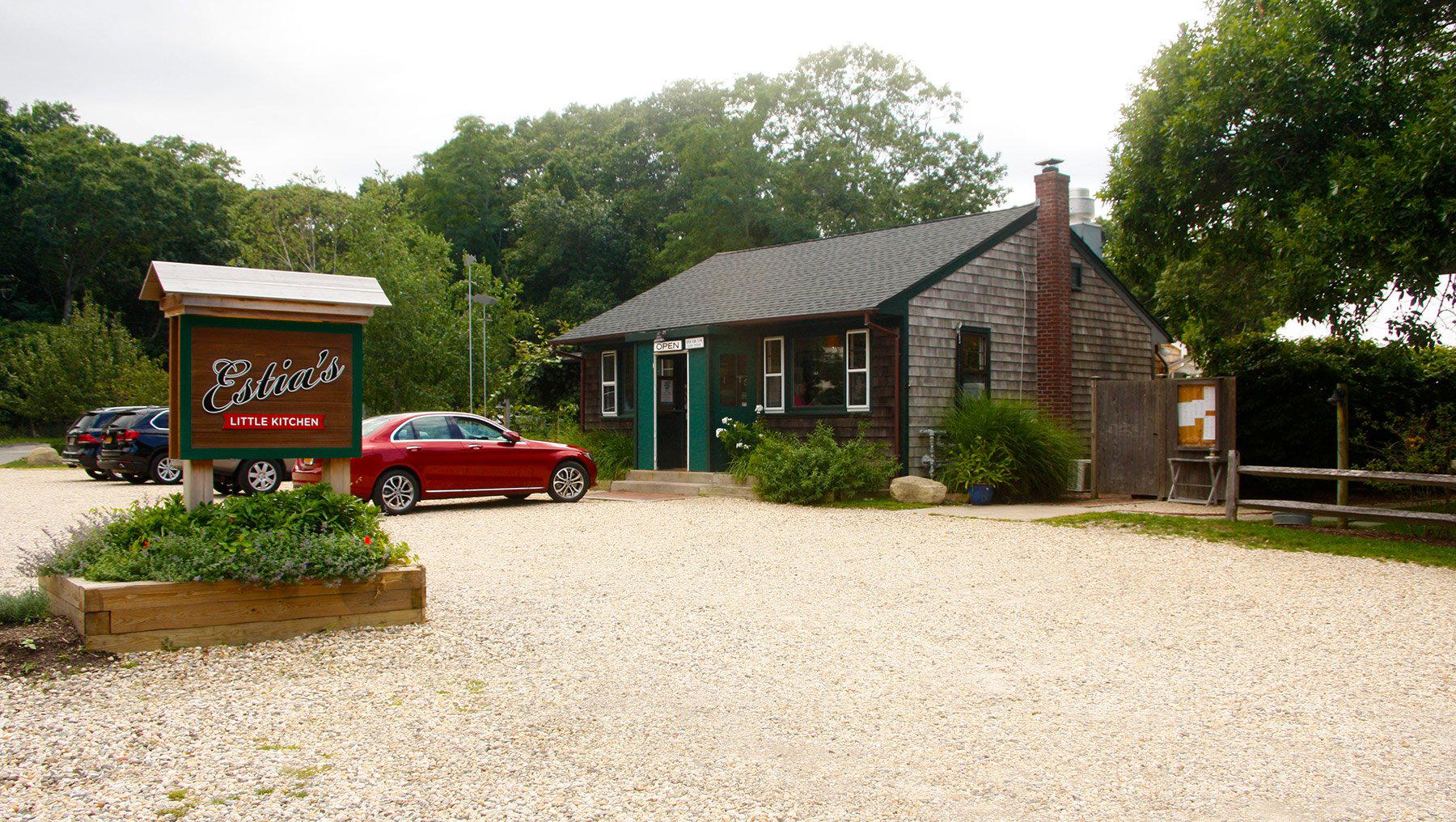
Estia's Little Kitchen sits along the Bridgehampton–Sag Harbor Turnpike, operating in a part of the East End where farm stands and fishing boats define what lands on the plate. The kitchen draws from the South Fork's agricultural and coastal supply chain, placing it firmly in the locavore tradition that has shaped the Hamptons dining conversation for decades. For Sag Harbor, it remains a reference point for ingredient-driven, unpretentious cooking.

Pearl is the En Primeur Club membership app — saves, bookings, and concierge access live there. Same editors, same standards.
- Address
- 1615 Bridgehampton-Sag Harbor Turnpike, Sag Harbor, NY 11963
- Phone
- (631) 725-1045
- Hours
- Mon 9 AM–3 PMTue ClosedWed–Thu 9 AM–3 PMFri–Sat 9 AM–3 PM, 5–8 PMSun 9 AM–3 PM
- Website
- estiaslittlekitchen.com
- Directions
- Get directions
Where the Food Comes From First
The Bridgehampton–Sag Harbor Turnpike is a working road. It passes farm stands, nurseries, and roadside vegetable patches before it reaches Estia's Little Kitchen at 1615, and that geography is part of the point. The East End of Long Island sits within one of the most agriculturally productive stretches of the Northeast, where potato fields have given way to market gardens, small-batch berry farms, and diversified produce operations over the past three decades. The restaurant occupies this supply chain as a neighbor rather than a distant buyer, which is a different relationship than the farm-to-table branding common across the Hamptons corridor.
This stretch of the South Fork separates itself from the resort-driven dining of Southampton and East Hampton by scale and intention. The kitchens that earn lasting reputations here tend to be smaller operations where the sourcing is structural, not decorative. At that level, the provenance of an ingredient is not a menu footnote but a constraint that shapes the whole cooking program. It is the same logic behind restaurants like Blue Hill at Stone Barns in Tarrytown or Single Thread Farm in Healdsburg, where the farming relationship precedes the menu rather than following from it.
The Sag Harbor Context
Sag Harbor operates differently from the rest of the Hamptons. The village has a working waterfront history, a year-round community, and a restaurant culture that was not entirely built around summer money. That history created space for places that serve the village as much as they serve the seasonal population. The American Hotel anchors the formal end of the village's dining, with a wine cellar and a room that has served Sag Harbor through multiple eras. Sen occupies the contemporary Japanese end of the spectrum. The Dock House and Zagara (Amalfi Coast–inspired seafood and coastal flavors) add further range to a village dining scene that punches above its size. Estia's Little Kitchen sits outside the village center itself, on a road that reads more agricultural than resort, and that placement is consistent with what the kitchen is doing. For a fuller survey of where these restaurants fit within the village, see our full Sag Harbor restaurants guide.
Ingredient Sourcing as Structure, Not Story
Across the American fine-dining conversation, sourcing has become marketing language as often as it describes practice. The restaurants that actually build their programs around supply relationships tend to have menus that shift with the growing season rather than holding fixed across six-month periods. The Hamptons is positioned to support that model in a way that urban kitchens cannot replicate: the farm and the restaurant exist within the same county, sometimes within direct sight of each other. The South Fork's coastal climate extends the growing season for certain crops and produces ingredients, including specific varieties of corn, tomatoes, and squash, that do not travel well and rarely appear in city markets at the same quality.
The implications for cooking are concrete. A kitchen that sources from farms within a few miles has access to produce at a ripeness that would not survive a longer supply chain. That changes what can be done with a dish: a tomato harvested that morning requires less intervention than one picked four days earlier for commercial transit. The restraint that characterizes East End cooking at its most credible is partly a function of ingredient quality rather than a stylistic preference. This is the same argument made by destination kitchens like Smyth in Chicago or The French Laundry in Napa, where proximity to supply is treated as a competitive condition, not an afterthought. Internationally, Atelier Moessmer Norbert Niederkofler in Brunico applies a similar framework in the South Tyrol, where Alpine sourcing constraints become the generative force behind the menu.
For Estia's Little Kitchen, the address on the Bridgehampton–Sag Harbor Turnpike is itself a signal. This is not a restaurant positioned at the center of a resort town's dining district. It sits where the agricultural supply actually exists, in the corridor between two villages that remains more farmland than development.
The ingredient-driven model connects them to restaurants across the country that have built programs around regional supply rather than classical French structure or urban tasting-menu ambition. Lazy Bear in San Francisco, Providence in Los Angeles, and Emeril's in New Orleans each represent different regional interpretations of kitchens rooted in their local food systems. Frasca Food and Wine in Boulder and Addison in San Diego occupy similar territory in their respective cities. What connects them is not a shared culinary style but a shared structural commitment: the supply relationship shapes the menu before technique does.
At the more technically demanding end of that tradition, Le Bernardin in New York City and Atomix in New York City demonstrate how ingredient precision and sourcing rigor can coexist with elaborate formal structure. The Inn at Little Washington in Washington operates in a rural mid-Atlantic context not entirely unlike the South Fork, where the restaurant's distance from a major urban center is part of what makes the sourcing possible. Estia's Little Kitchen operates at a smaller scale than most of these references, but the underlying logic connects.
Planning a Visit
The restaurant sits at 1615 Bridgehampton–Sag Harbor Turnpike, between the two villages, accessible by car rather than walkable from either village center. In peak summer months, the East End dining scene compresses sharply: tables at well-regarded kitchens across the South Fork fill weeks in advance, and smaller operations with limited seating tend to fill faster than their larger neighbors. For a restaurant of this size and local reputation, advance planning in July and August is sensible. Shoulder seasons, particularly late May and early October, offer more room and often the most interesting produce from local farms, as spring and fall crops on the South Fork can be more distinctive than midsummer volume.
Frequently asked questions
Is Estia's Little Kitchen suitable for children?
Estia's Little Kitchen sits in a low-key stretch of the Bridgehampton–Sag Harbor Turnpike rather than a formal village dining room, which tends to make the atmosphere more relaxed than destination fine-dining. The kitchen's focus on straightforward ingredient cooking rather than elaborate tasting formats also keeps the experience accessible. Families visiting the East End who prioritize sourcing over spectacle generally find it a workable fit.
What kind of setting is Estia's Little Kitchen?
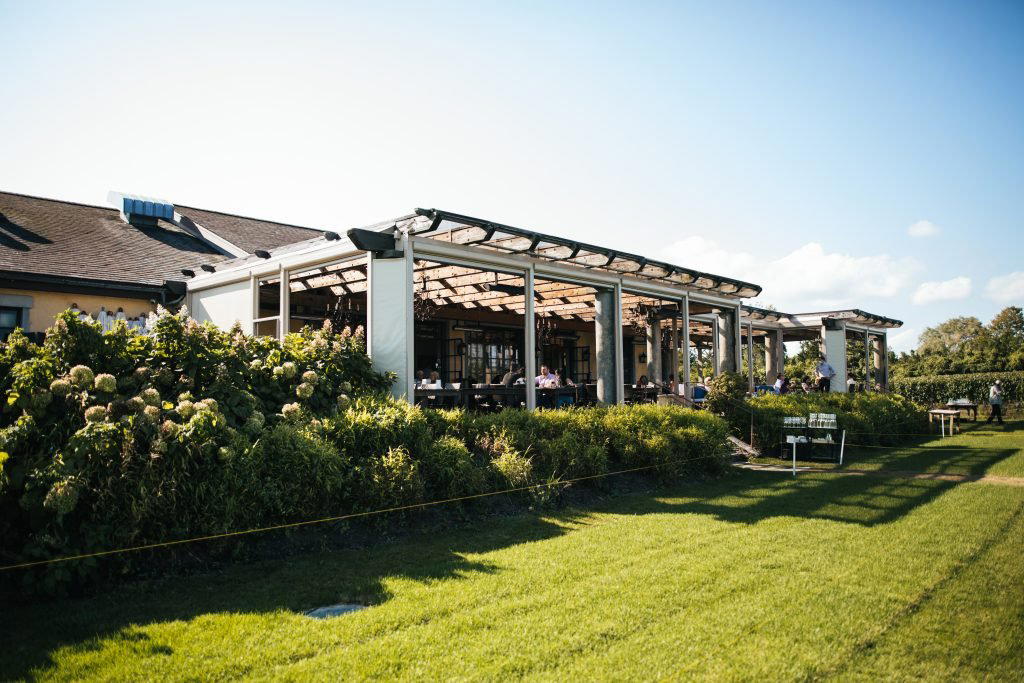
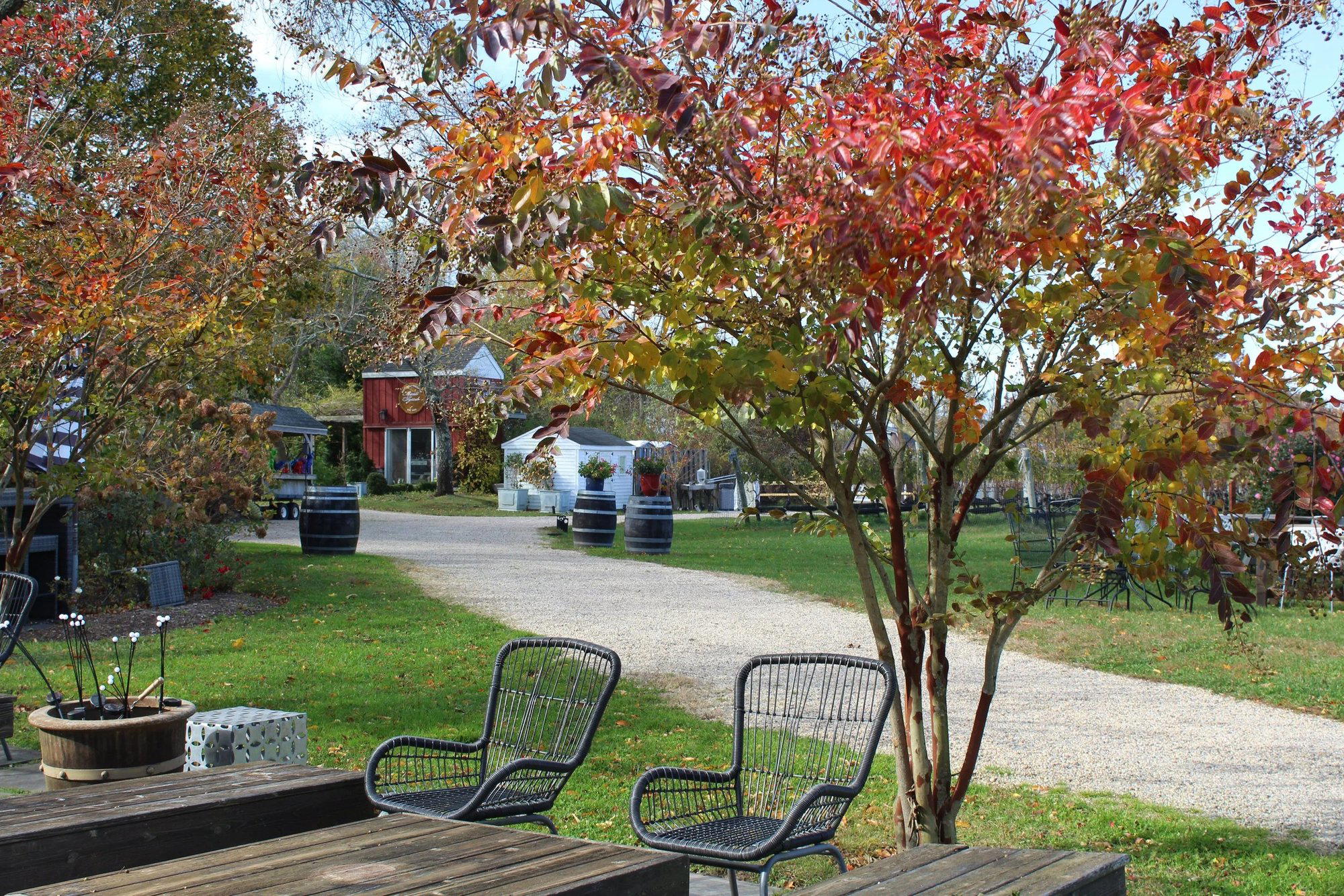
The restaurant occupies a roadside position on the Bridgehampton–Sag Harbor Turnpike, between the two villages and surrounded by the farm stands and working land that characterize this stretch of the East End. It reads as a neighbourhood kitchen with serious sourcing credentials rather than a Hamptons showpiece. Reaching it requires a car; it is not walkable from either Sag Harbor or Bridgehampton village centers.
Is Estia's Little Kitchen open year-round, and how does the menu change between seasons?
Sag Harbor functions as a year-round community in a way that distinguishes it from more seasonally shuttered Hamptons addresses, and Estia's Little Kitchen reflects that local character through its positioning on the Bridgehampton–Sag Harbor Turnpike rather than in a summer-tourist corridor. The kitchen's sourcing model — drawing from East End farms and producers — means the menu shifts materially between growing seasons, with summer and autumn offering the widest range of local produce. For current hours and seasonal schedule, check the venue's official channels, as operational patterns can vary.
What should I eat at Estia's Little Kitchen?
The kitchen's identity is built around what is available locally from East End farms and producers at any given point in the season, which means the menu shifts rather than running fixed signature dishes year-round. Ordering around whatever reflects current local harvest tends to be the logic the kitchen's sourcing model rewards. Specific dishes and current menu details are best confirmed directly with the restaurant before your visit.
What's the address for Estia's Little Kitchen?
Estia's Little Kitchen is located at 1615 Bridgehampton-Sag Harbor Turnpike, Sag Harbor, NY 11963, Sag Harbor.
How far ahead should I plan for Estia's Little Kitchen?
Sag Harbor's dining scene draws both year-round locals and a significant summer influx from across the Hamptons, which compresses availability at the most established kitchens during peak season. Estia's Little Kitchen, positioned between two villages with a loyal local following, fills tables faster in summer than the address might suggest. Booking several weeks ahead for July and August visits is a reasonable baseline; shoulder-season timing is generally less pressured.
At-a-Glance Comparison
Comparable venues nearby, for context on price, style, and recognition.
| Venue | Cuisine | Price | Awards | Notes |
|---|---|---|---|---|
| Estia's Little KitchenThis venue — the venue you are viewing | Mexican-inspired American | $20–30 | Not listed | Not listed |
| The Dock House | Classic Seafood Shack | $20–30 | Not listed | historic district |
| Zagara | Amalfi Coast Italian | $50–100 | Not listed | Sag Harbor |
| The American Hotel | Classic American Fine Dining | Not listed | Wine Spectator Grand Award | Sag Harbor |
| Sen | Modern Japanese Sushi | $50–100 | Not listed | Sag Harbor |
| Season Glen Head | Seasonal American Bistro | Not listed | Not listed | Glen Head |
Continue exploring
More in Sag Harbor
Restaurants in Sag Harbor
Browse all →


Bars in Sag Harbor
Browse all →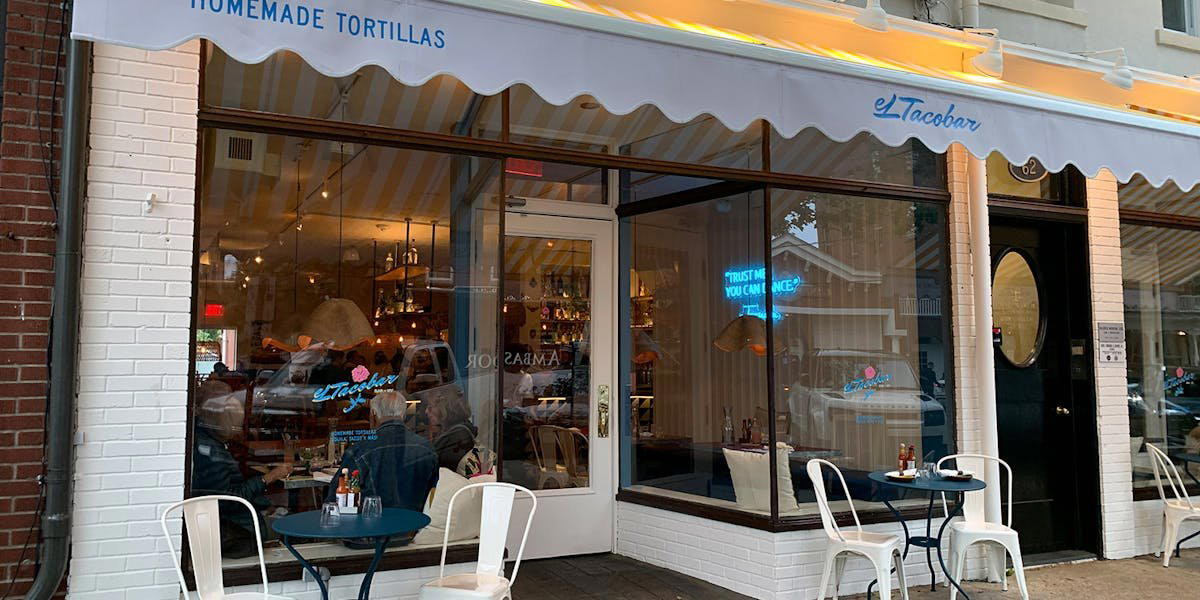

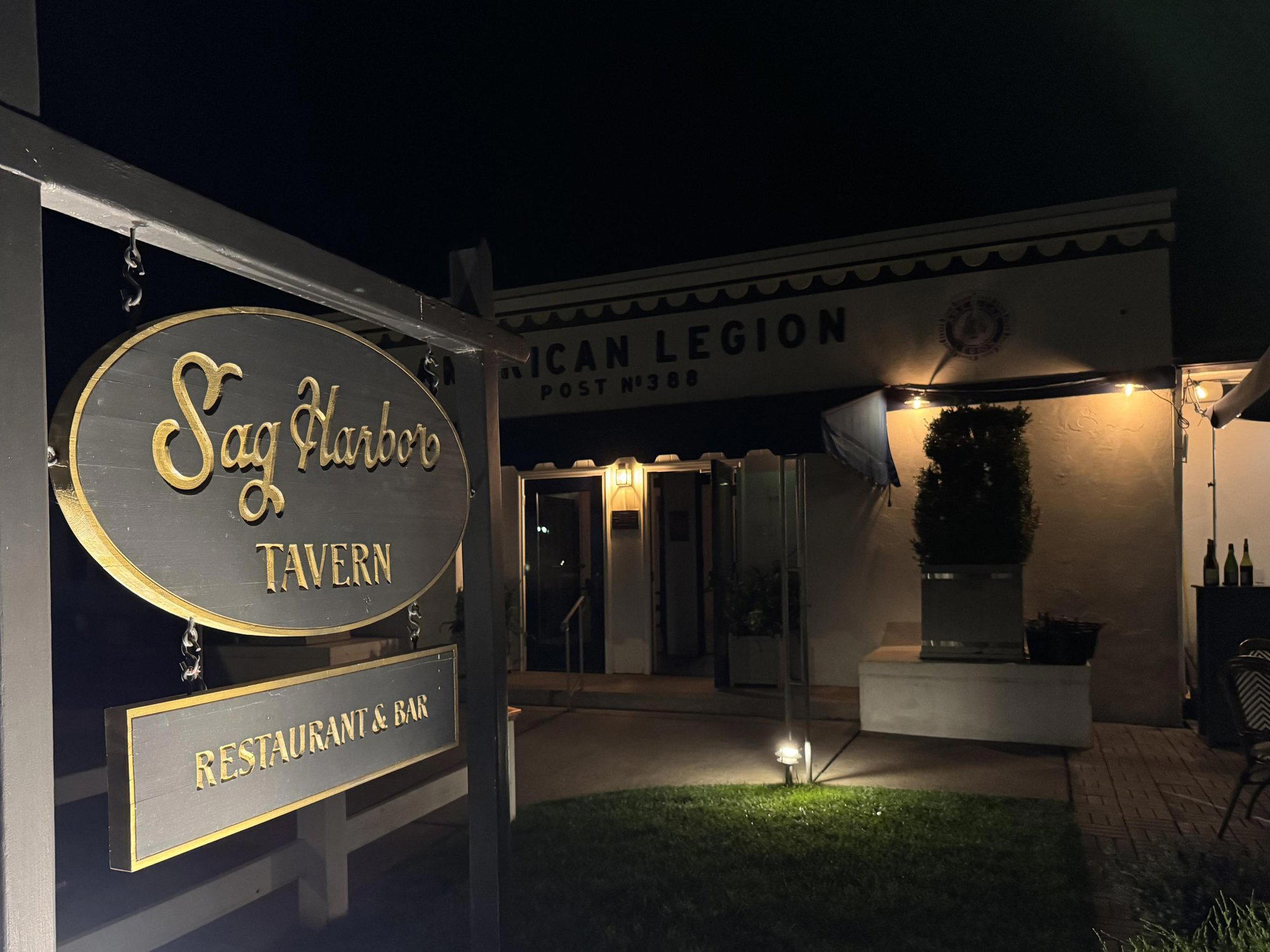
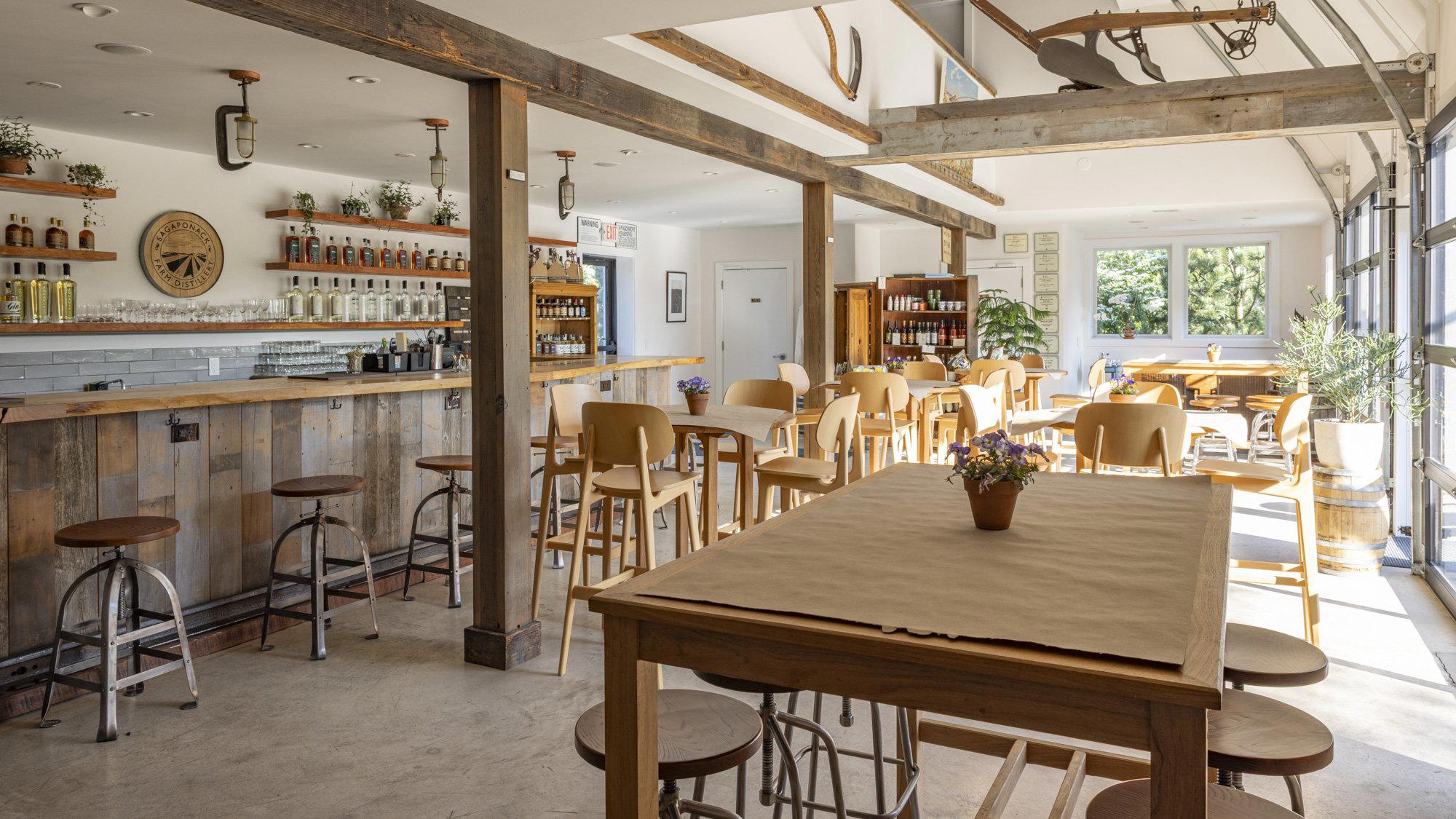
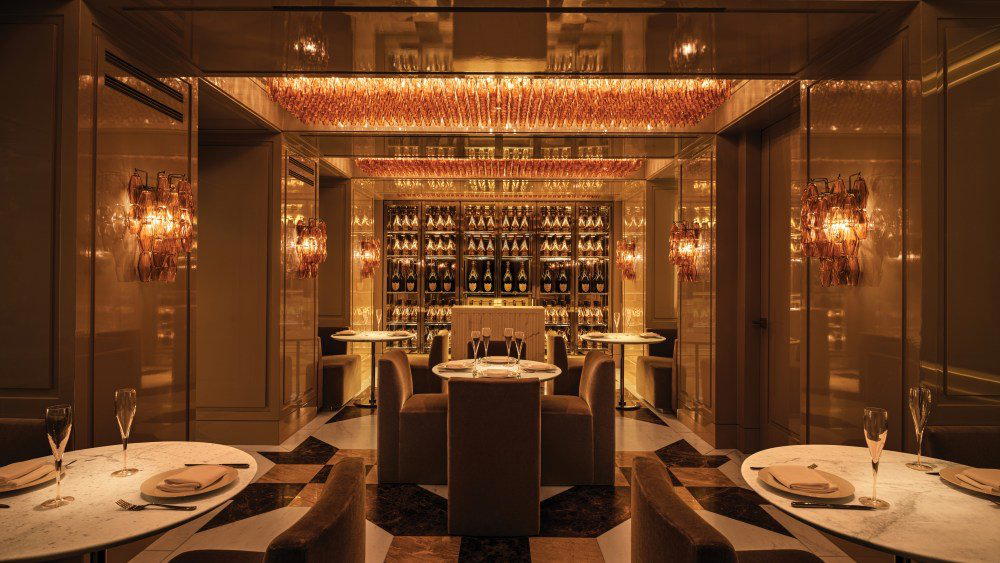
Hotels in Sag Harbor
Browse all →


Details
- Cozy
- Rustic
- Brunch
- Family
- Casual Hangout
- Open Kitchen
- Farm To Table
- Local Sourcing
- A La Carte
- Vegetarian Friendly
Current opening hours
- Monday
- 9 AM–3 PM
- Tuesday
- Closed
- Wednesday
- 9 AM–3 PM
- Thursday
- 9 AM–3 PM
- Friday
- 9 AM–3 PM, 5–8 PM
- Saturday
- 9 AM–3 PM, 5–8 PM
- Sunday
- 9 AM–3 PM
Hours can change for holidays and private events. Last verified .
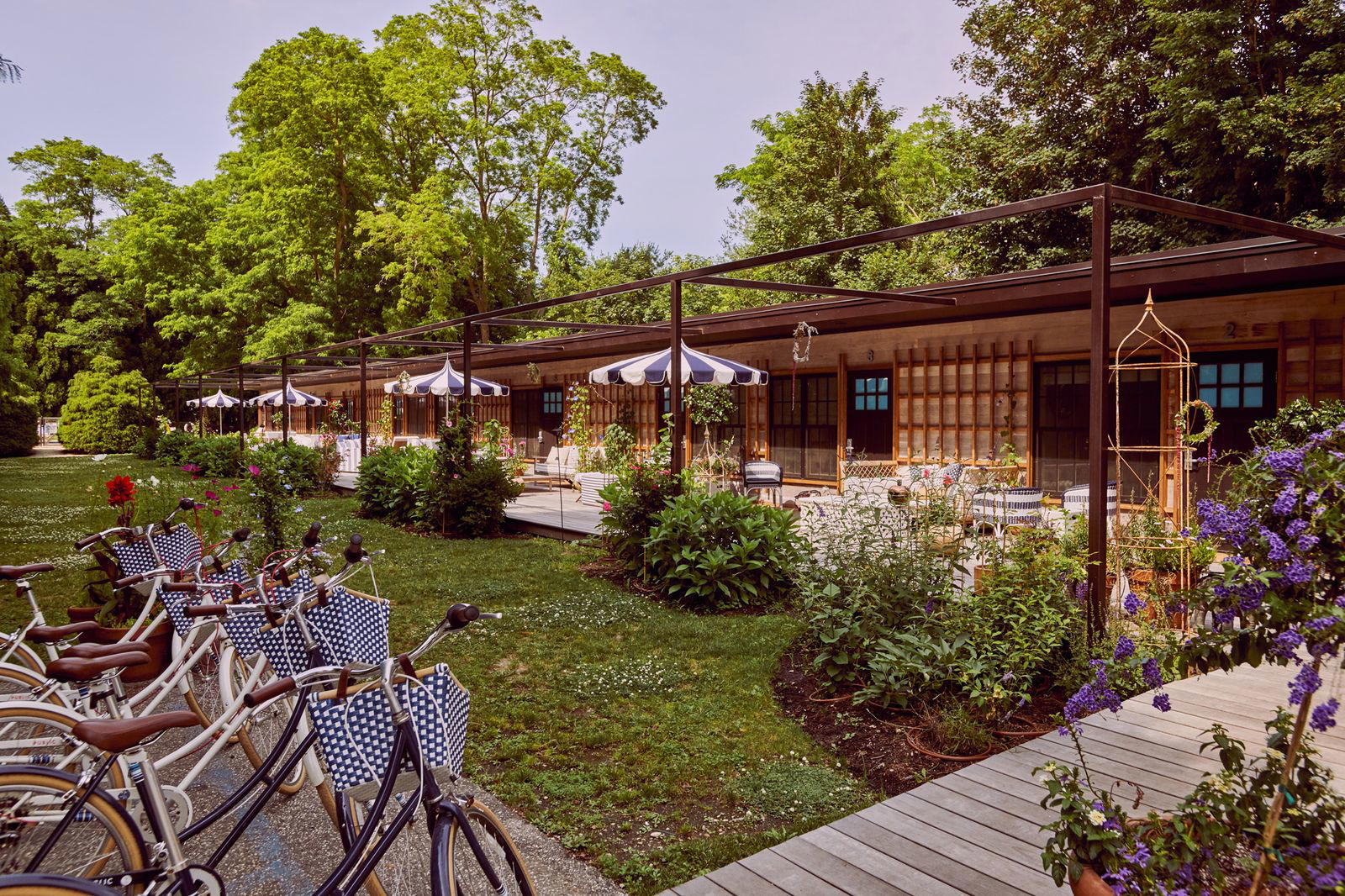
Comfortable, cozy, and casual with colorful garden and character-filled turquoise dining room.