Allegro
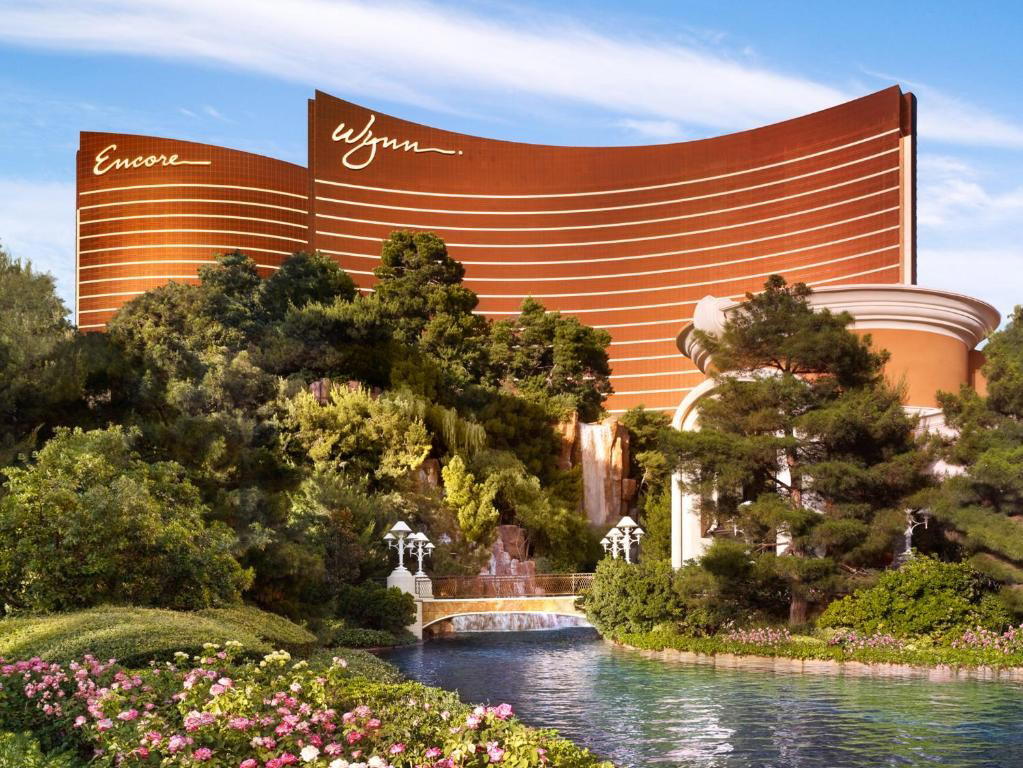
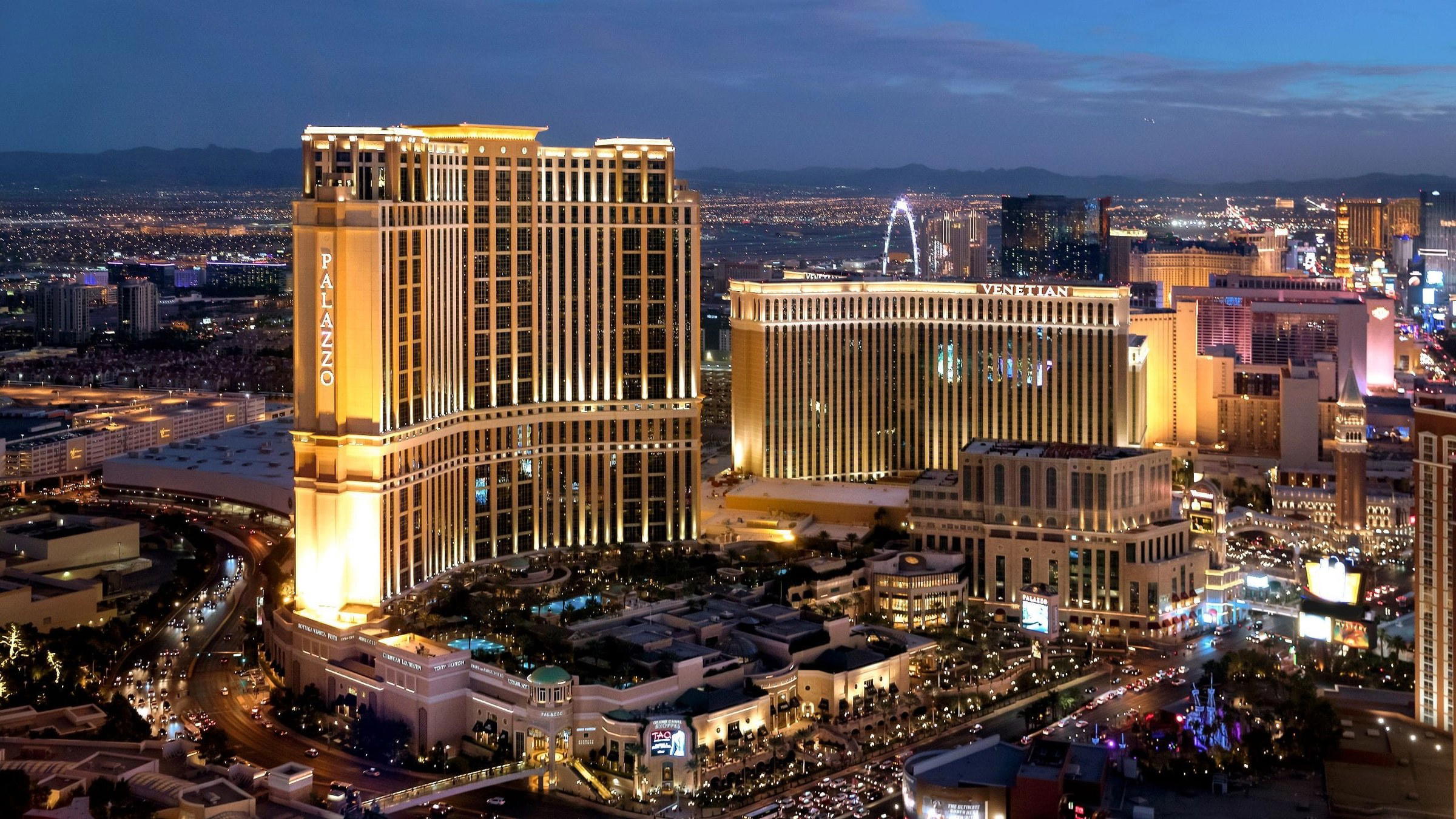
Allegro sits on the Las Vegas Strip at 3131 S Las Vegas Blvd, placing it within among the more competitive dining corridors in the American West.
Pearl is the En Primeur Club membership app — saves, bookings, and concierge access live there. Same editors, same standards.
- Address
- 3131 S Las Vegas Blvd, Las Vegas, NV 89109
- Phone
- +17027702040
- Website
- wynnlasvegas.com
- Directions
- Get directions
 Saves & bookings on Pearl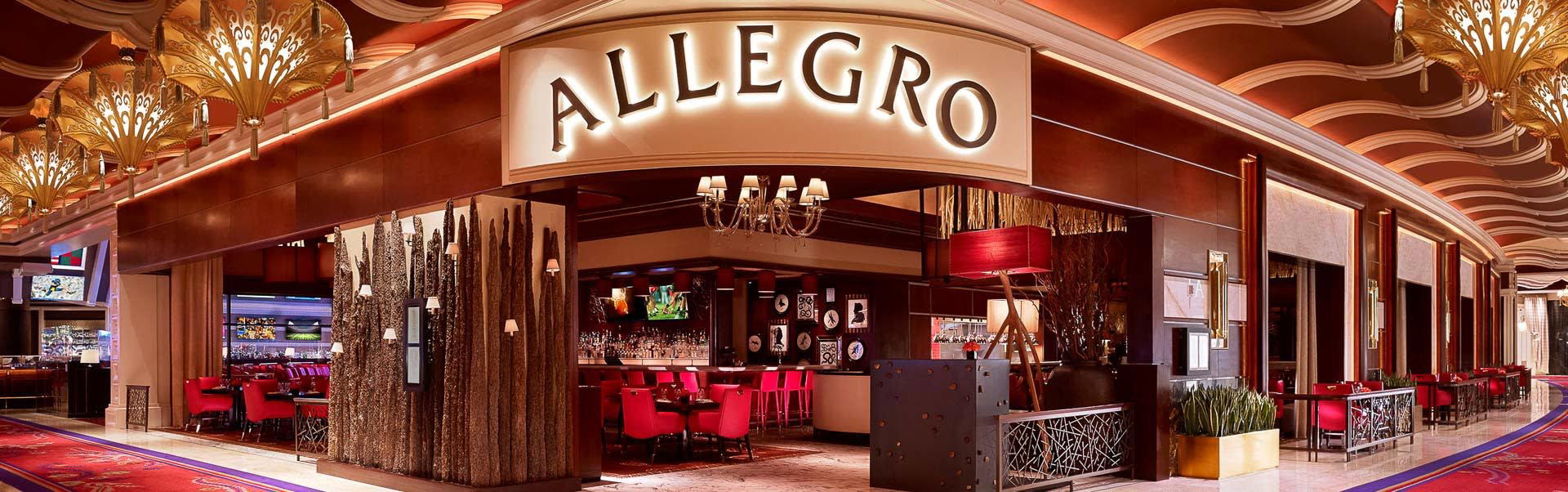
The Strip in Winter and Spring: When Sourcing Separates the Room
Las Vegas dining has a seasonal logic that visitors from colder climates often miss. Between November and April, the Strip's premium restaurants operate at a different register: conventions thin out midweek, kitchen brigades reset their menus after the holiday rush, and producers from California's Central Valley, the Pacific Northwest, and Nevada's own high-desert farms begin delivering the first serious winter citrus, root vegetables, and early-season greens. It is during these months that a restaurant's sourcing relationships become visible. Venues with direct supplier lines show it in the plate; those relying on broadline distributors show that too. Allegro is a restaurant serving Classic Italian Pizza and Pasta at 3131 S Las Vegas Blvd, Las Vegas, NV 89109.
The address places it in among the more scrutinised restaurant corridors in the American West, where the gap between a well-sourced kitchen and a theatrical one is smaller than the price differential might suggest. Neighbouring the property are concepts drawing from Latin American, Italian, and Japanese traditions, each making its own claim on ingredient quality. The question any serious restaurant on this stretch has to answer is not whether the produce is good, everyone says it is, but whether the supply chain behind it is traceable, consistent, and built around more than a single star ingredient on the menu.
What Ingredient Sourcing Means on the Strip
The sourcing conversation in Las Vegas has shifted considerably over the past decade. When Craftsteak established a cattle provenance argument on the Strip, it signalled that Las Vegas diners, at least in the upper tiers, would pay attention to where protein came from, not just how it was prepared. That shift opened space for other conversations: about coastal seafood supply chains, about dry-aged programmes, about whether a kitchen's vegetable list changed weekly or stayed fixed for months at a time.
Farm-to-table infrastructure in Nevada is thinner than in Northern California, where restaurants like Single Thread Farm in Healdsburg operate with their own agricultural base, or New York, where Blue Hill at Stone Barns in Tarrytown has built an entire dining philosophy around estate-grown produce. Las Vegas kitchens have to work harder logistically: the desert climate limits local growing seasons, which makes supplier relationships with California, Oregon, and Washington state farms proportionally more important. Restaurants that invest in those relationships, and that let seasonal availability guide menu construction rather than the reverse, tend to produce more coherent plates than those that lock in a menu and source to match it.
Further afield, the sourcing-first model has generated particularly discussed tasting menus in the country. Smyth in Chicago changes its menu based on what its farm network delivers each week. Addison in San Diego has built a California-regional identity around seasonal produce sourced close to the Mexican border. Even coastal seafood specialists like Providence in Los Angeles and Le Bernardin in New York City have made the argument that where a fish comes from, and how it was handled between boat and kitchen, matters as much as what the chef does with it. Strip restaurants operating in the same price tier face the same expectation, whether or not they explicitly make the sourcing argument on their menus.
Allegro in Its Competitive Set
On the Strip itself, the dining comparable set is wide. Sushi counters like Kabuto and Yui Edomae Sushi operate in a register where fish provenance is not a marketing point but a technical requirement, the sourcing is the product. Italian concepts like Sinatra and Latin-inflected kitchens like Chica make different sourcing arguments, rooted in cured products, imported grains, and South American produce networks respectively. Each approach reflects a different philosophy about what authenticity means when you are cooking a regional cuisine 2,000 miles from its origin.
Allegro's address at 3131 S Las Vegas Blvd puts it in conversation with all of these, and with the broader Strip ecosystem documented in our full Las Vegas restaurants guide. Nearby, restaurants like 108 Eats, 18bin, 777 Korean Restaurant, and A Different Beast represent the off-Strip and mid-Strip operators building more specialist, often more ingredient-led propositions at different price points. The contrast is instructive: smaller independent operators frequently have more sourcing flexibility than large hotel-anchored restaurants, simply because they are ordering for fewer covers and can absorb the unpredictability of seasonal supply.
Globally, the sourcing-led tasting menu has become one of the defining formats of fine dining. Lazy Bear in San Francisco operates a ticketed communal format built around California producers. The French Laundry in Napa maintains its own on-site garden. The Inn at Little Washington in Washington draws on Shenandoah Valley farms. Internationally, Atelier Moessmer Norbert Niederkofler in Brunico has taken a hyper-regional Alpine sourcing approach that has influenced how European chefs think about terroir outside of wine. Even Korean fine dining, as demonstrated by Atomix in New York City, has found critical recognition through the argument that traditional Korean ingredients, sourced with care and context, can sustain a full tasting menu narrative. Emeril's in New Orleans built its early reputation in part on the argument that Gulf Coast sourcing was a distinct culinary identity, not just geography.
Planning a Visit
Allegro operates at 3131 S Las Vegas Blvd, on the central Strip. Reservations are recommended, and the restaurant is open Mon to Thu 5 PM to 1 AM, Fri 4 PM to 3 AM, Sat 12 PM to 3 AM, and Sun 12 PM to 1 AM.
City Peers
Comparable venues nearby, for context on price, style, and recognition.
| Venue | Cuisine | Price | Notes |
|---|---|---|---|
| AllegroThis venue — the venue you are viewing | Classic Italian Pizza and Pasta | $$$ | Not listed |
| CARAMÁ | Modern Italian by Wolfgang Puck | $$$ | Boulder Junction |
| Ciao Vino | Regional Italian & Italian-American | $$$ | Angel Park Lindell |
| Osteria Costa | Amalfi Coast Italian | $$$ | South Las Vegas |
| Matteo's | Northern Italian Trattoria | $$$ | South Las Vegas |
| Al Solito Posto | Classic Italian Neighborhood Trattoria | $$$ | Angel Park Lindell |
Continue exploring
More in Las Vegas
Restaurants in Las Vegas
Browse all →
Bars in Las Vegas
Browse all →

At a Glance
- Lively
- Elegant
- Group Dining
- Casual Hangout
- Late Night
- Hotel Restaurant
- Extensive Wine List
Current opening hours
- Monday
- 5 PM–1 AM
- Tuesday
- 5 PM–1 AM
- Wednesday
- 5 PM–1 AM
- Thursday
- 5 PM–1 AM
- Friday
- 4 PM–3 AM
- Saturday
- 12 PM–3 AM
- Sunday
- 12 PM–1 AM
Hours can change for holidays and private events. Last verified .
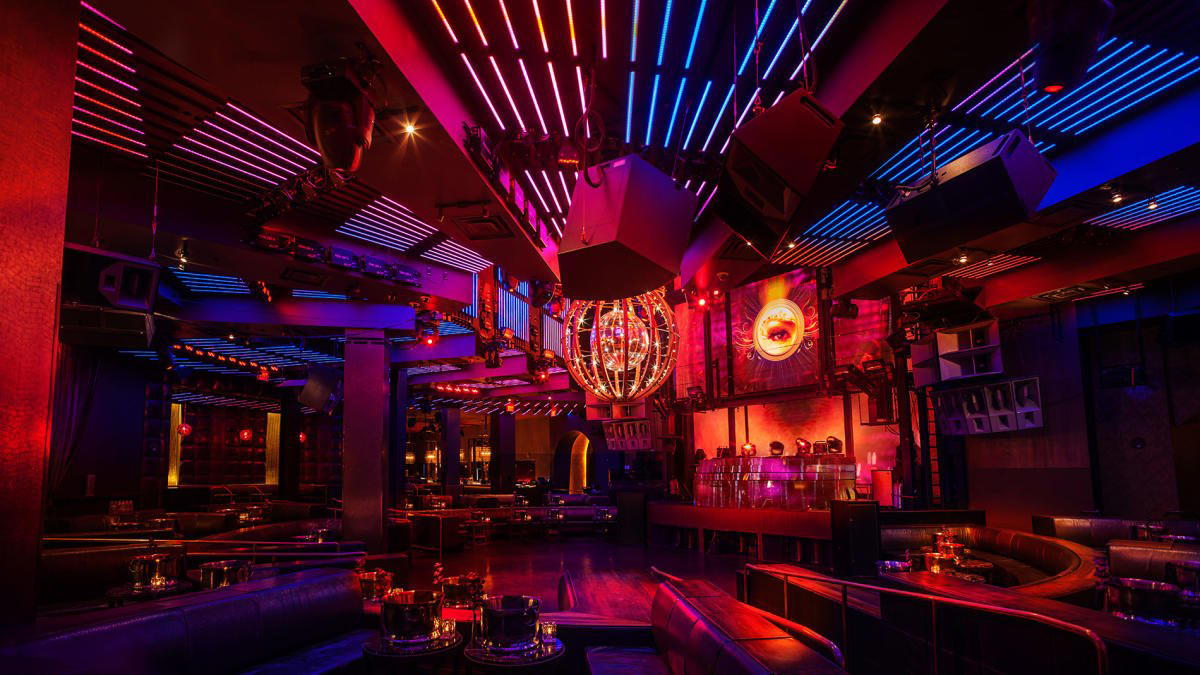
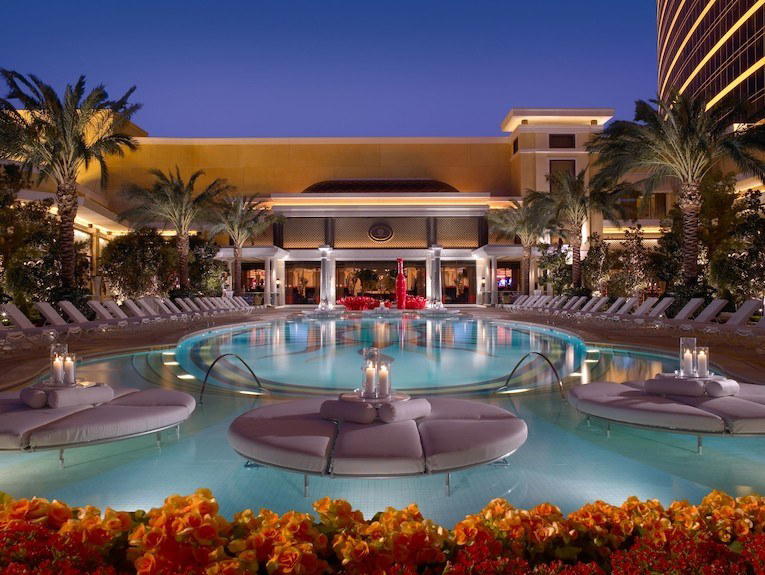
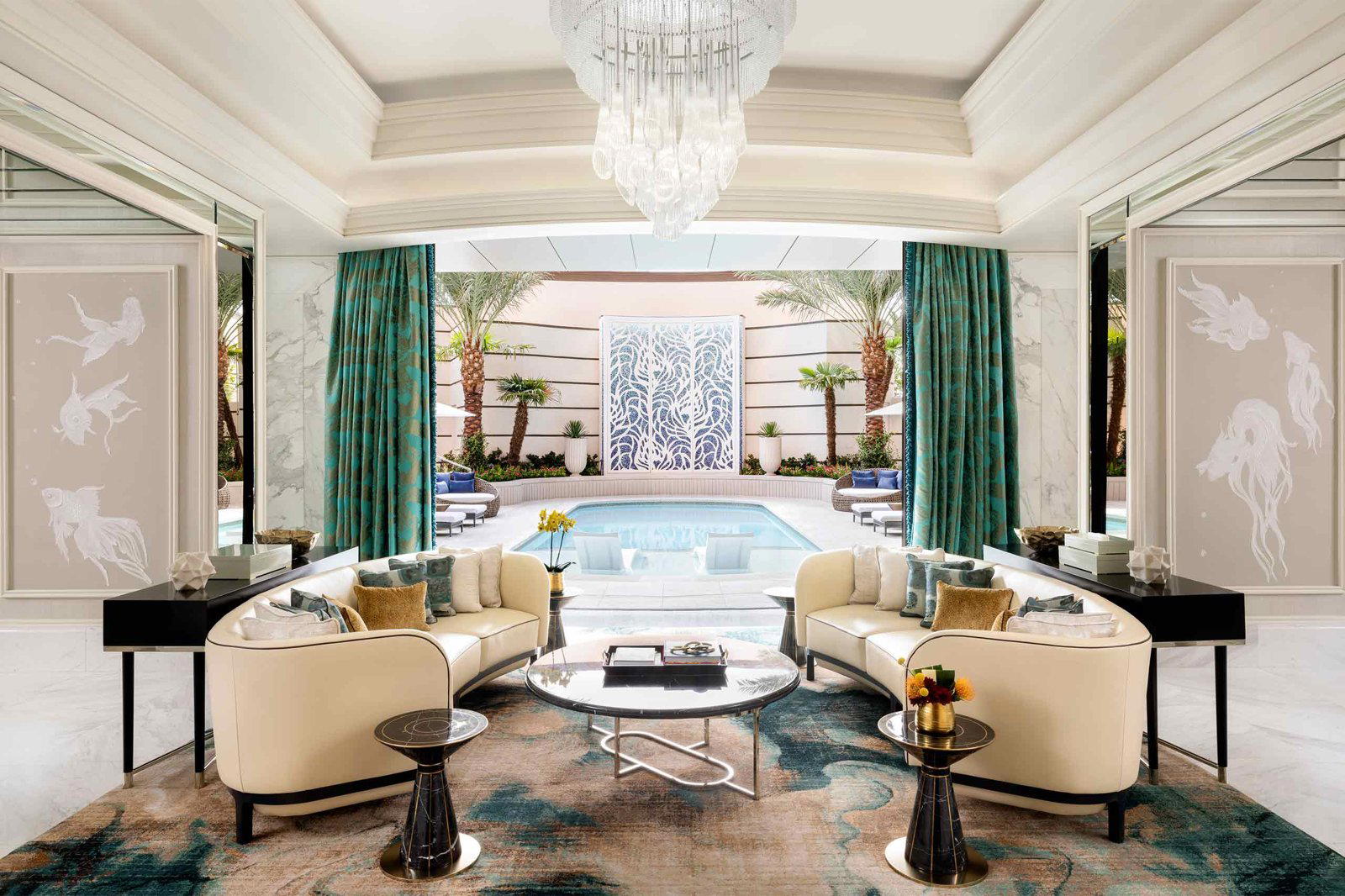
Lively and welcoming atmosphere with lively energy suitable for casino guests.