Aliment
Our verdict
On a quiet stretch of Bush Street in the Tendernob, Aliment occupies the space where California's ingredient obsession meets rigorous international technique. The address sits at the edge of a neighbourhood that has quietly accumulated some of San Francisco's most considered smaller dining rooms. For a city that has consistently rewarded precision and provenance, it is a natural fit.

Pearl is the En Primeur Club membership app, where members save venues, book tables and use the concierge.

The menu
What to order
- Flank Steak Salad
- Mushroom Fettuccini
- Brussels Sprouts
- Fried Chicken Sandwich
- Curry Squash Soup
Bush Street and the Case for Restraint
San Francisco's most interesting dining rooms rarely announce themselves loudly. The city's food culture has, over the past decade, shifted away from spectacle-driven formats toward smaller, more disciplined spaces where the cooking carries the argument. The 786 Bush Street address places Aliment in the Tendernob, a neighbourhood at the seam of Nob Hill and the Tenderloin that has accumulated a quiet density of serious independent restaurants operating well below the profile of their food would suggest. It is the kind of block where you know where you're going before you arrive.
That geographic context matters because it reflects a broader pattern across American fine dining: the retreat from high-visibility real estate and the corresponding shift toward dining rooms where operational focus, not location premium, defines the experience. Venues like Lazy Bear and Saison operate within San Francisco's leading price tier on the strength of their programs alone.
The Intersection That Defines California Cooking Right Now
California's relationship with ingredient provenance has never been more refined, and nowhere is the tension between local sourcing and imported technique more productively felt than in San Francisco's contemporary dining rooms. The state produces extraordinary raw material: dry-farmed tomatoes from the Central Valley, line-caught Pacific seafood, heritage grains from small-acreage farms north of the Bay. The question that separates serious kitchens from competent ones is what happens next.
The dominant mode at the upper end of the San Francisco market is the application of European or East Asian precision to these California materials. Benu maps Korean and Chinese culinary logic onto Northern California produce. Atelier Crenn imposes French structural rigour on the same larder. Quince runs Italian technique through a Californian seasonal lens. The pattern repeats across the city's top tier: global method, local matter. Aliment sits within this tradition, at an address that signals the same intention without the institutional weight of those three-Michelin-star comparables.
Further afield, the logic appears at places like Single Thread Farm in Healdsburg, where Japanese kaiseki discipline organises hyper-local Sonoma County produce across a multi-course format, and at Blue Hill at Stone Barns in New York, where the farm-to-table premise is taken to its most rigorous conclusion. The conversation about what local ingredients can become under a technically demanding hand is one of the defining discussions in American fine dining across the 2020s.
San Francisco's Competitive Set and Where This Fits
Understanding what Aliment is requires understanding the tier structure of San Francisco dining. At the very leading, you have Saison and the Michelin three-star operators running at price points that price against New York and Tokyo peers rather than local competition. One step below, a layer of serious contemporary restaurants operates with tasting-menu formats, strong sourcing programs, and meaningful technique without the full weight of starred recognition. This is a legitimate and often more interesting bracket: less institutional, frequently more current in what they are cooking.
Nationally, the most instructive comparisons are often in cities that run a similar playbook. Smyth in Chicago and Providence in Los Angeles both demonstrate how imported European and Asian technique applied to American regional product can produce cooking that reads as entirely local in character. Addison in San Diego pursues the same territory at a higher price point with stronger award recognition. The pattern is consistent enough to constitute a recognisable mode in American fine dining, and San Francisco is one of its clearest expressions.
Across the country, the most celebrated versions of this approach include Le Bernardin in New York City, where French technique applied to American seafood has produced one of the most decorated dining rooms in the hemisphere, and The French Laundry in Napa, which has spent three decades arguing that classical French method and California agriculture are natural partners. Even Emeril's in New Orleans made a version of this case, mapping classical training onto Southern American product. The ambition cuts across price points and cities.
For a European reference point that takes the local-ingredients, global-technique framework to an extreme conclusion, Atelier Moessmer Norbert Niederkofler in Brunico restricts itself entirely to Alpine products processed through fine-dining rigour, a position that clarifies how far the sourcing-first philosophy can go when taken seriously. Frasca Food and Wine in Boulder and Atomix in New York City both demonstrate the same principle operating at high levels in less expected cities, which suggests the approach is durable regardless of geography when the underlying conviction is genuine.
San Francisco's full dining scene, across all price tiers and neighbourhoods, is mapped in our complete San Francisco restaurants guide, which places Aliment in a broader city context alongside the dining rooms above and many others. The Inn at Little Washington serves as another data point for how long-running independent restaurants with a clear culinary identity can sustain relevance across decades by staying committed to their foundational premise rather than chasing trends.
Know Before You Go
Planning Details
- Address: 786 Bush St, San Francisco, CA 94108
- Neighbourhood: Tendernob (between Nob Hill and the Tenderloin)
- Hours: Confirm current service hours directly with the restaurant before visiting
- Getting there: The Bush Street address is walkable from Union Square and accessible by multiple MUNI lines; street parking is limited in the area
Frequently asked questions
What is the signature dish at Aliment?
What defines the better restaurants in Aliment's neighbourhood tier, however, is a consistent commitment to California-sourced ingredients processed through international technique. If that framework holds here, the cooking worth watching is likely whatever reflects the current season in California's agricultural calendar most directly. Verify current menu details through the restaurant's own channels before visiting.
Do I need a reservation for Aliment?
In San Francisco's serious independent dining tier, advance reservations are standard practice rather than the exception. Given that the city's mid-to-upper bracket restaurants routinely book out days to weeks ahead, contacting Aliment directly to confirm availability before visiting is the practical approach. If the restaurant operates a tasting-menu format comparable to peers in this price bracket, walk-in availability is likely limited.
What makes Aliment worth seeking out?
The Bush Street address places it in a neighbourhood that rewards exploring on foot, and the restaurant sits within a city that has consistently produced some of the country's most technically ambitious cooking built around California's extraordinary produce. Within that context, any kitchen operating seriously at this address is working with one of the strongest ingredient pools available to American chefs. Confirm current awards, recognition, and format directly with the venue to assess how it positions against peers like Lazy Bear or Quince.
How does Aliment handle allergies?
For dietary restrictions and allergy requirements, the reliable approach in any San Francisco fine dining context is to contact the restaurant directly when booking. Kitchens operating at this level of the market generally accommodate restrictions with advance notice, but the specific capacity to do so varies and should be confirmed before your visit.
Is Aliment overpriced or worth every penny?
What is observable is that San Francisco's serious independent dining rooms at this tier tend to price in relation to their sourcing costs and kitchen ambition rather than against entry-level competition. For comparable pricing context in the city, Benu and Atelier Crenn represent the upper bound of what the San Francisco market supports. Confirm current pricing directly with Aliment.
How does Aliment's Bush Street location compare to San Francisco's other serious dining addresses?
The Tendernob location places Aliment outside the cluster of high-profile restaurant corridors in the Mission, Hayes Valley, and the Financial District, which in practice means lower foot traffic and higher intentionality from the people who do show up. San Francisco diners who seek out restaurants in quieter residential-adjacent blocks tend to be more informed and more invested in the food itself, which creates a different room dynamic than venues relying on passing trade. For the broader map of serious San Francisco dining rooms and how neighbourhoods shape their character, see our full San Francisco restaurants guide.
Quick Comparison
| Venue | Cuisine | Price | Awards | Notes |
|---|---|---|---|---|
| AlimentThis venue (the venue you are viewing) | Organic New American | $30–50 | Not listed | Not listed |
| Lazy Bear | Modern American Tasting Menu | Not listed | 2 Michelin Stars · World's 50 Best #25 | Progressive American, Contemporary |
| Atelier Crenn | Contemporary French Fine Dining | $300–500 | 3 Michelin Stars · World's 50 Best #44 | Modern French, Contemporary |
| Benu | Modern Asian Fusion Fine Dining | $150–200 | 3 Michelin Stars · World's 50 Best #33 | French - Chinese, Asian |
| Quince | Contemporary Californian | $300–500 | 3 Michelin Stars · World's 50 Best #48 | Italian, Contemporary |
| Saison | Modern Fire-Forward Fine Dining | $300–500 | 2 Michelin Stars · World's 50 Best #22 | Progressive American, Californian |
Continue exploring
More in San Francisco
Restaurants in San Francisco
All restaurants in San Francisco →
Bars in San Francisco
All bars in San Francisco →


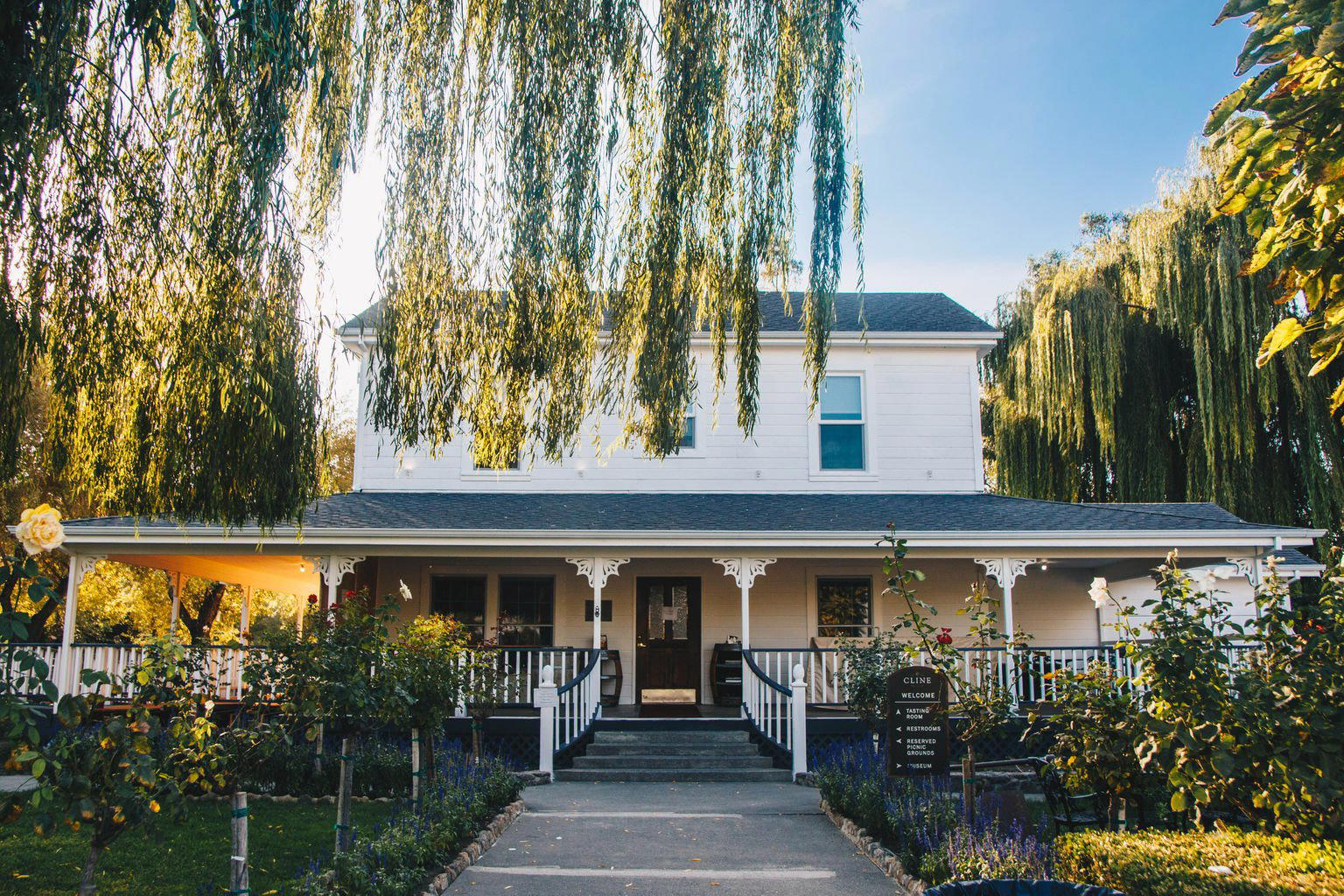
Aliment
The wine
- Extensive wine list
- Craft cocktails
- Beer program
Details
- Trendy
- Lively
- Modern
- Energetic
- Casual Hangout
- Group Dining
- Date Night
- After Work
- Terrace
- Standalone
- Craft Cocktails
- Beer Program
- Extensive Wine List
- Organic
- Local Sourcing
- Street Scene
- A La Carte
- Small Plates
- Craft Cocktails
- Local Wines
- Craft Beers
- Vegetarian Friendly
- Vegan Options
- Gluten Free Options
Current opening hours
- Monday
- 5–9 PM
- Tuesday
- 5–9 PM
- Wednesday
- 5–9 PM
- Thursday
- 12–9:30 PM
- Friday
- 12–9:30 PM
- Saturday
- 12–9:30 PM
- Sunday
- Closed
Hours can change for holidays and private events. Hours as of .
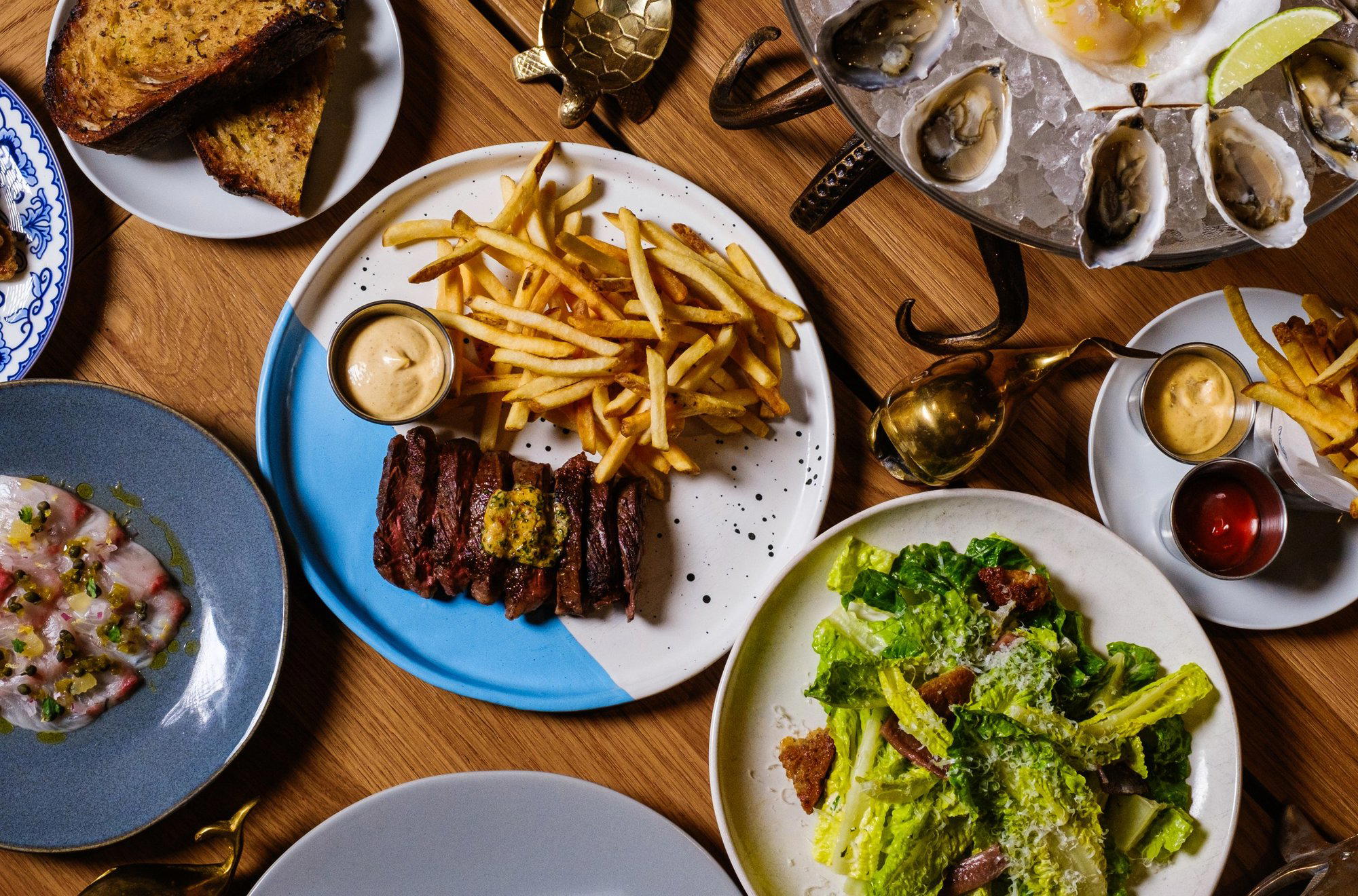
Warm and energetic with a trendy, clean aesthetic; features glass-enclosed outdoor parklet seating and a full bar creating a lively local atmosphere.