Bartlett Hall
Bartlett Hall occupies a mid-Market Street address in San Francisco's Union Square corridor, where the city's craft beverage and seasonal kitchen scenes converge. Compared to the tasting-menu tier represented by Lazy Bear or Benu, it operates in a more accessible register while engaging the same Northern California sourcing ethos. The result is a neighbourhood anchor that reads both as bar and kitchen without committing fully to either identity.
Pearl is the En Primeur Club membership app — saves, bookings, and concierge access live there. Same editors, same standards.
- Address
- 242 O'Farrell St, San Francisco, CA 94102
- Phone
- +14154334332
- Website
- bartletthall.com
- Directions
- Get directions
 Saves & bookings on Pearl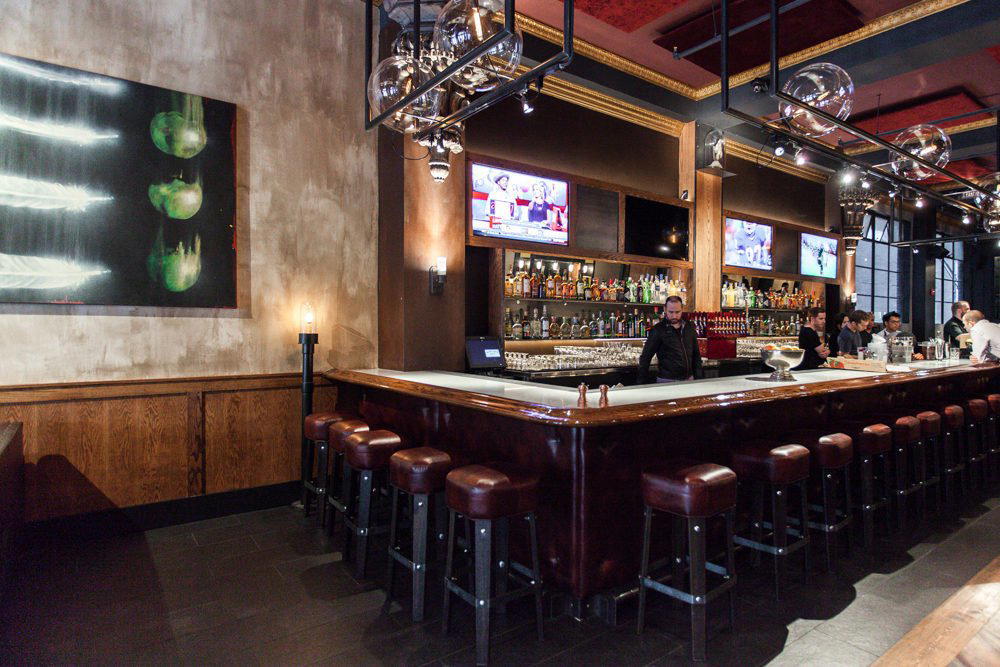
Union Square's Craft Convergence
San Francisco's Union Square corridor has spent the better part of a decade repositioning itself. The neighbourhood that once meant hotel bars and pre-theatre mediocrity has slowly filled with operations that take their drink programs and seasonal sourcing as seriously as the fine-dining rooms a few blocks away. Bartlett Hall, at 242 O'Farrell Street, is a restaurant in San Francisco's Union Square, serving American gastropub fare at a price tier of 2. It sits inside that shift. The address places it at the denser, more commercial end of the city's bar-and-kitchen spectrum, a few rungs below the prix-fixe tier occupied by Lazy Bear or Atelier Crenn, but operating with a comparable commitment to what goes into the glass and onto the plate.
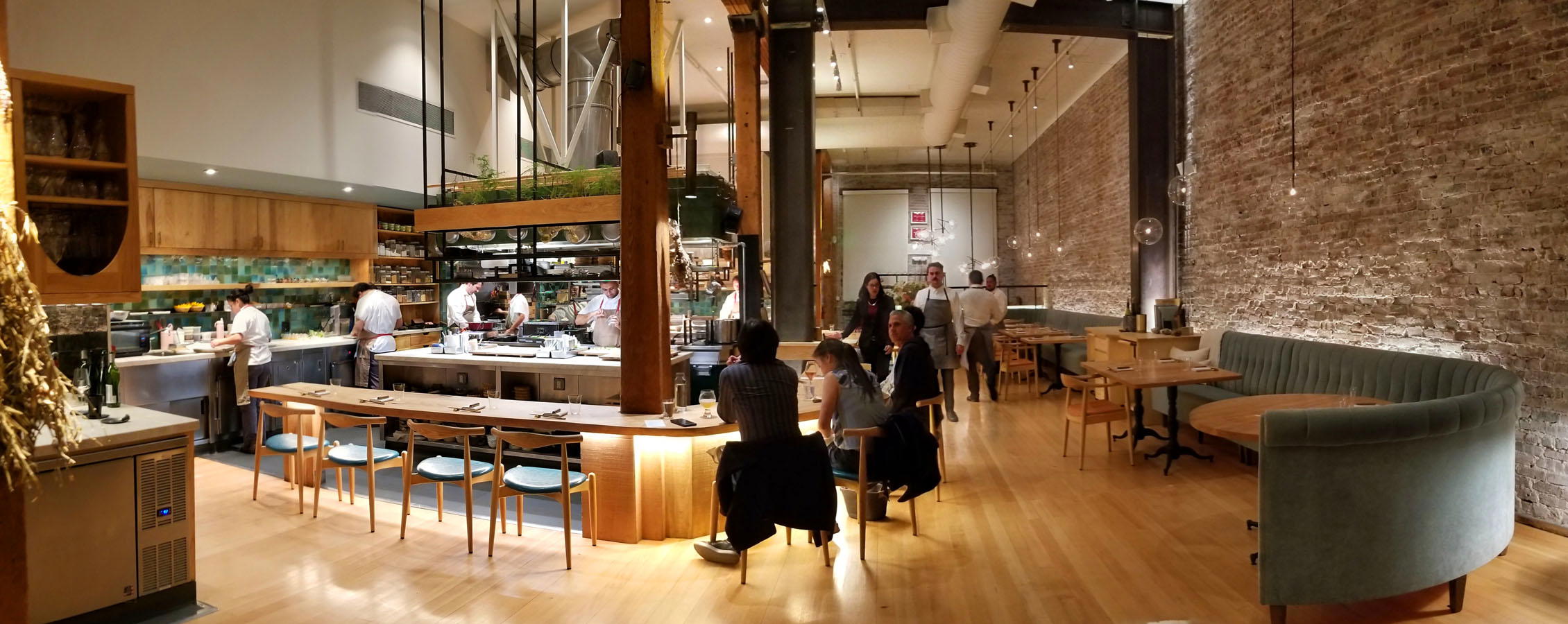
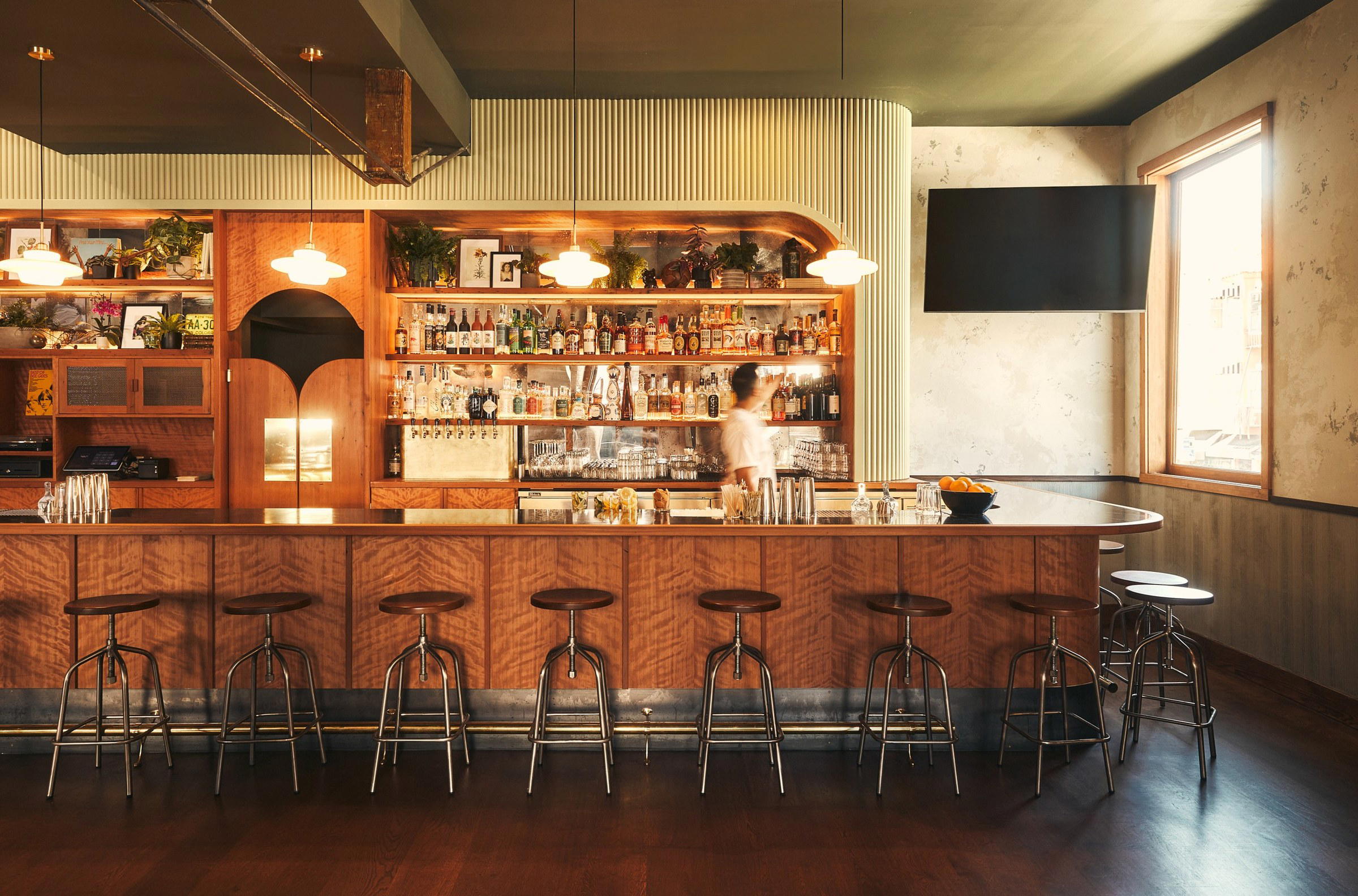
The physical approach tells you something about the format. Union Square properties in this price register tend toward open, high-ceilinged interiors that function across dayparts, and Bartlett Hall follows that logic. The space is designed to absorb lunchtime foot traffic, afternoon drinks, and dinner service without the architectural cues that signal you've committed to a four-hour tasting menu. That flexibility is intentional, and it places the venue in a different competitive conversation than the city's destination dining rooms.
The Northern California Sourcing Tradition It Belongs To
To understand Bartlett Hall's editorial position, it helps to understand the sourcing framework that defines Northern California's better casual operations. The Bay Area has long operated with a shorter farm-to-table supply chain than most American cities: proximity to the Central Valley, the Sonoma and Marin agricultural belts, and the Pacific coast gives kitchens at every price point access to produce and protein that restaurants in Chicago or New York would reserve for their highest-ticket menus. Operations like Single Thread Farm in Healdsburg take that sourcing to its most programmatic extreme. The restaurant draws from the same regional logic without the architectural formality.
This matters when discussing sustainability. The craft bar and seasonal kitchen format that restaurant operates within is, structurally, better positioned for low-waste and ethical sourcing than either a high-volume chain or a fully tasting-menu operation. Menus that rotate with seasonal availability rather than year-round consistency reduce both waste and the carbon cost of off-season importing. The Bay Area's short supply lines amplify that effect. Compared to the seafood-focused ethical sourcing framework that has defined operations like Providence in Los Angeles or the farm-system integration at Blue Hill at Stone Barns in Tarrytown, the restaurant's approach is less documented, but the regional context it operates in sets a relatively high floor.
Where It Fits in the Craft Bar Category
San Francisco's craft cocktail scene has moved through several phases since the mid-2000s speakeasy wave. The current moment favors transparency over theatrics: documented sourcing for spirits, house-made or locally produced modifiers, and drink programs that can hold an editorial conversation about fermentation, distillation, or regional agriculture. This is the category the restaurant competes in, and it's a meaningfully different market than the one defined by Benu's wine list or the cellar depth at Quince.
Across the country, one credentialed operations in this tier are increasingly organized around a sustainability axis. Atelier Moessmer Norbert Niederkofler in Brunico has made zero-kilometer sourcing central to its identity, earning recognition that has reshaped how European fine dining discusses ingredient provenance. Closer to home, Smyth in Chicago and Frasca Food and Wine in Boulder have each built reputations partly on regional sourcing discipline. The restaurant operates at a more accessible price point than any of those, but the editorial conversation it participates in is the same one.
Positioning Against the San Francisco comparable set
The practical question for a reader choosing between the restaurant and the city's higher-tier options is a question of format and commitment, not quality ceiling. The operations at Saison, which prices in the upper bracket of American tasting menus and operates with a live-fire kitchen program, or the nightly ticketed format at Lazy Bear, require advance planning, significant spend, and a defined block of evening time. The restaurant does not ask that of its guest. The tradeoff is the absence of the curated progression and cellar depth those rooms provide.
For comparison, the city's other $$$$ operations, Atelier Crenn's three Michelin stars, Benu's French-Chinese tasting format, and Quince's Italian-inflected contemporary program, all sit in a tier where the meal is the occasion. The restaurant positions itself as the room you use more often, with fewer barriers to entry and a format that accommodates the full range of how people actually move through an evening in Union Square.
That's a different value proposition, and one the city needs. Not every visit to San Francisco's dining scene belongs in the same category as a meal at The French Laundry in Napa or Le Bernardin in New York City. The everyday tier, done with sourcing integrity and a serious drink program, is its own form of editorial argument. For context on what the city's full dining spread looks like, our full San Francisco restaurants guide maps the range from accessible anchors through to destination-level tasting rooms.
Planning Your Visit
| Venue | Format | Price Tier | Booking Required | Sourcing Focus |
|---|---|---|---|---|
| The restaurant | Bar and kitchen, multi-daypart | Not confirmed | Not confirmed | Northern California regional |
| Lazy Bear | Ticketed tasting menu | $$$$ | Yes, advance ticket purchase | Progressive American seasonal |
| Atelier Crenn | Tasting menu, Modern French | $$$$ | Yes | Biodynamic and local |
| Saison | Live-fire tasting menu | $$$$ | Yes | California farm and forage |
| Benu | Tasting menu, French-Chinese | $$$$ | Yes | Asian pantry meets California |
A Tight Comparison
Comparable venues nearby, for context on price, style, and recognition.
| Venue | Cuisine | Price | Notes |
|---|---|---|---|
| Bartlett HallThis venue — the venue you are viewing | Tenderloin, American Gastropub | $$ | Not listed |
| 302 Broderick St | Not listed | $$ | Hayes Valley, American Rotisserie Chicken |
| Fountain Cafe | Mission District, Classic American Diner | $$ | Not listed |
| Mel's Drive-In | Van Ness, Classic American Diner | $$ | Not listed |
| Rickybobby | Lower Haight, American Comfort Food | $$ | Not listed |
| Roam Artisan Burgers | Marina, Artisan Burgers | $$ | Not listed |
Continue exploring
More in San Francisco
Restaurants in San Francisco
Browse all →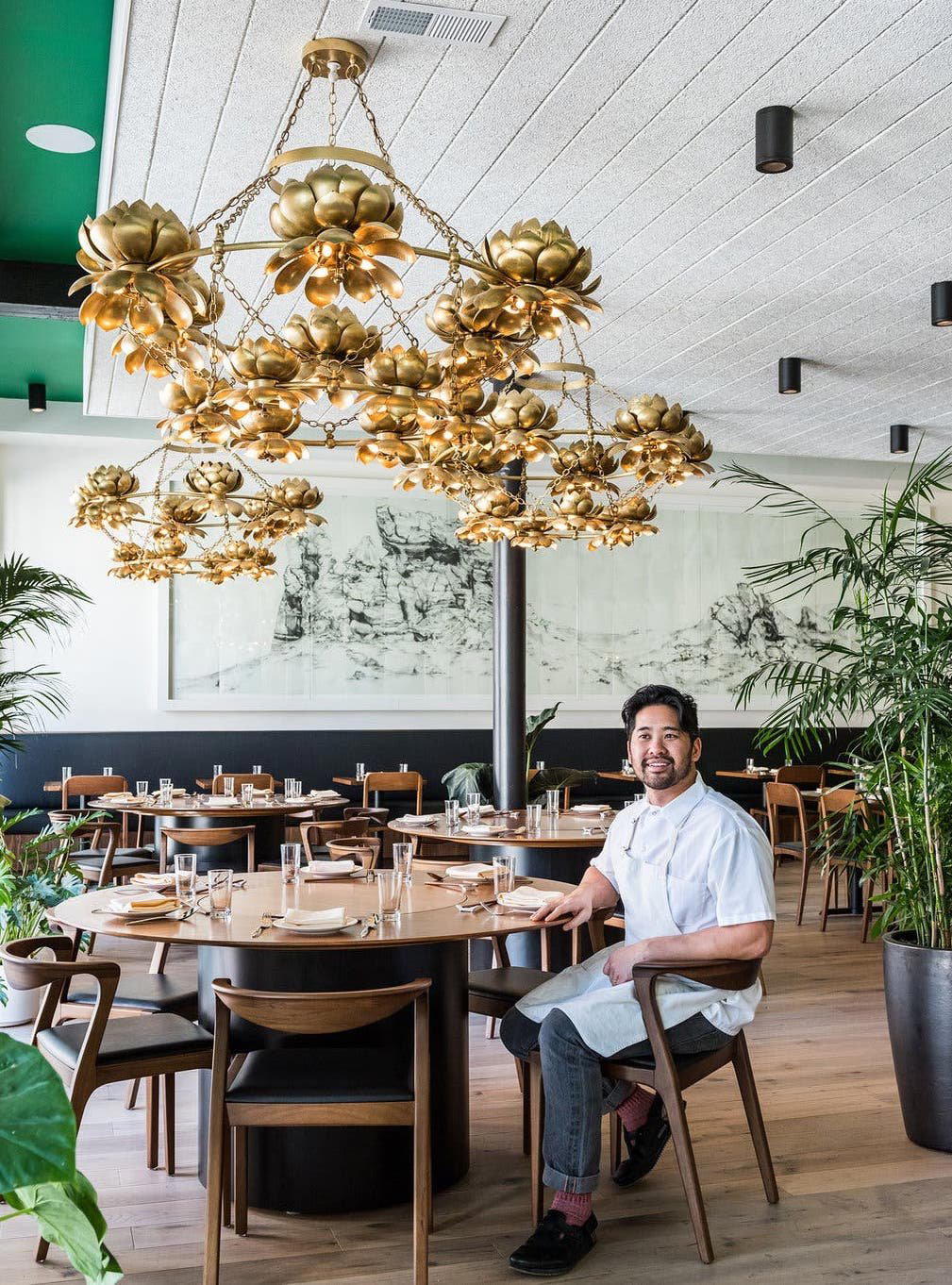
Bars in San Francisco
Browse all →
Hotels in San Francisco
Browse all →
At a Glance
- Lively
- Trendy
- Energetic
- Group Dining
- Casual Hangout
- After Work
- Open Kitchen
- Craft Cocktails
Current opening hours
- Monday
- 3–10 PM
- Tuesday
- 3–10 PM
- Wednesday
- 3–10 PM
- Thursday
- 3–10 PM
- Friday
- 3–10 PM
- Saturday
- 3–10 PM
- Sunday
- 3–10 PM
Hours can change for holidays and private events. Last verified .
Lively and lively atmosphere fusing San Francisco's historic elements with modern energy, featuring numerous televisions for sports entertainment.