Al Fayhaa Restaurant
Our verdict
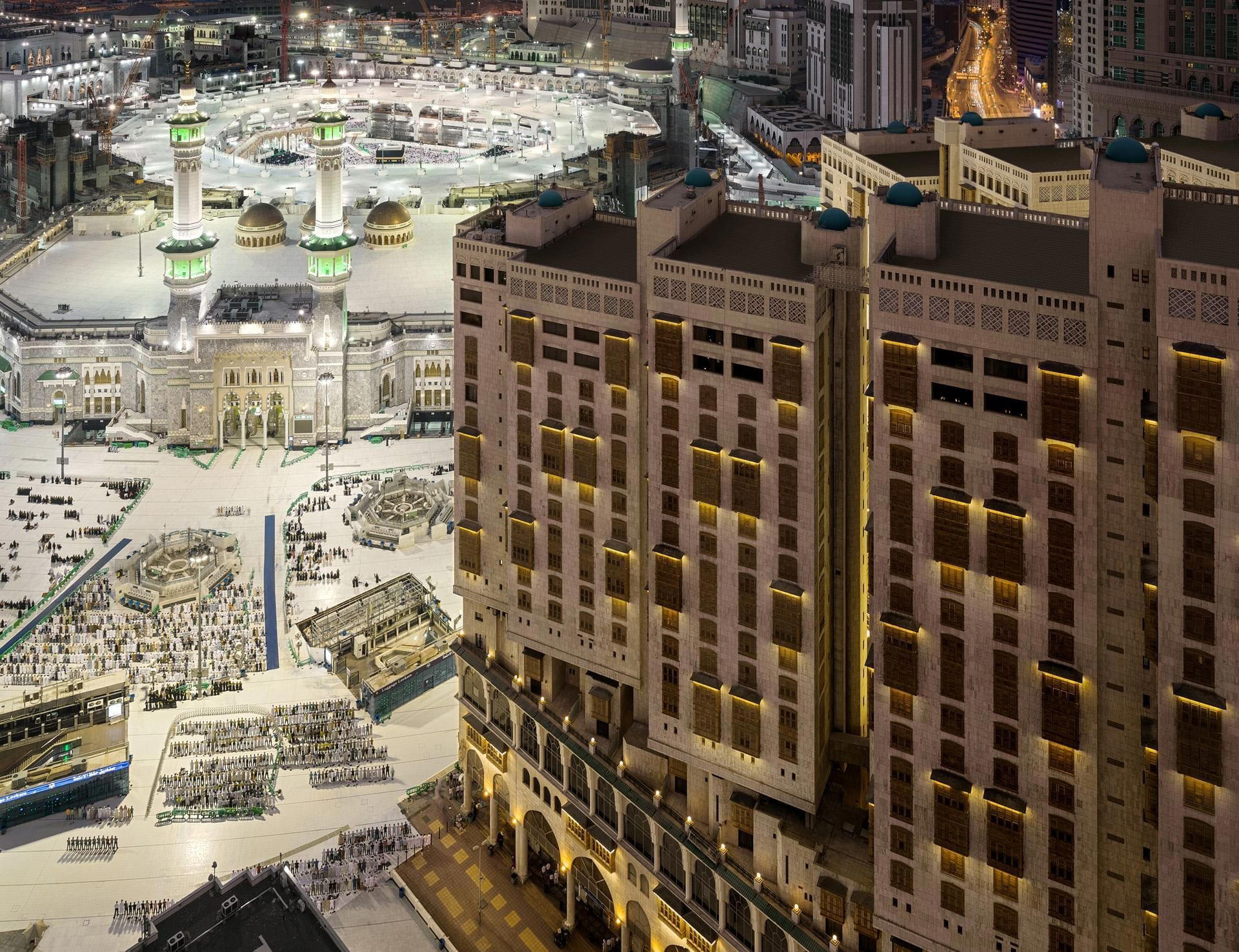
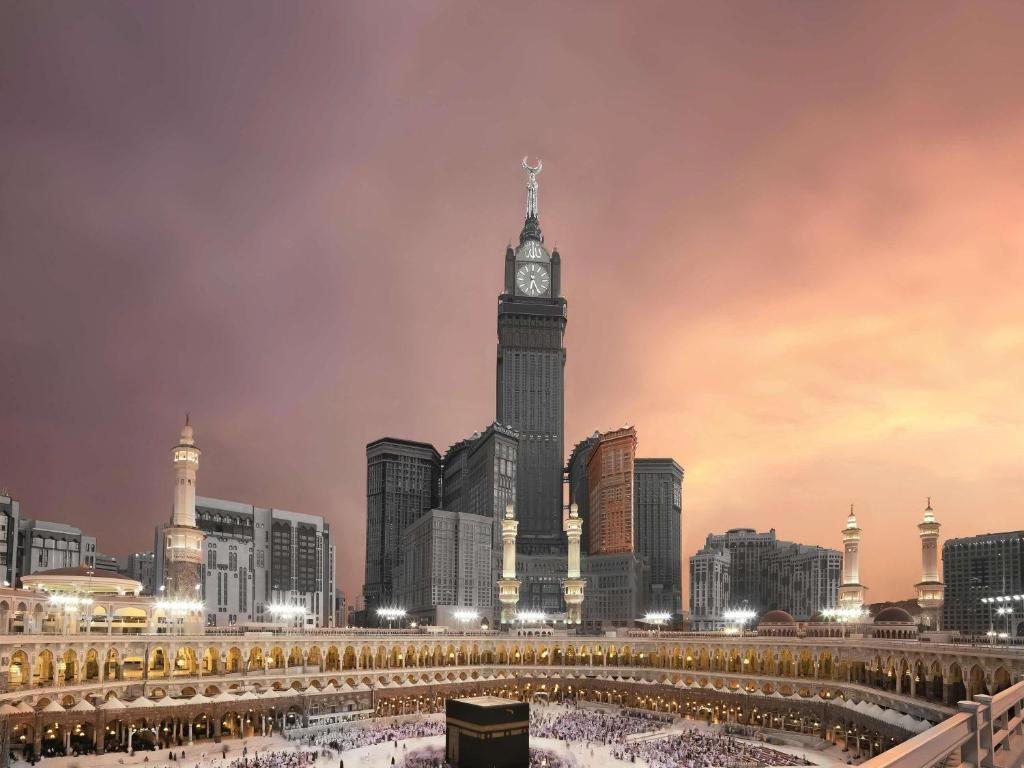
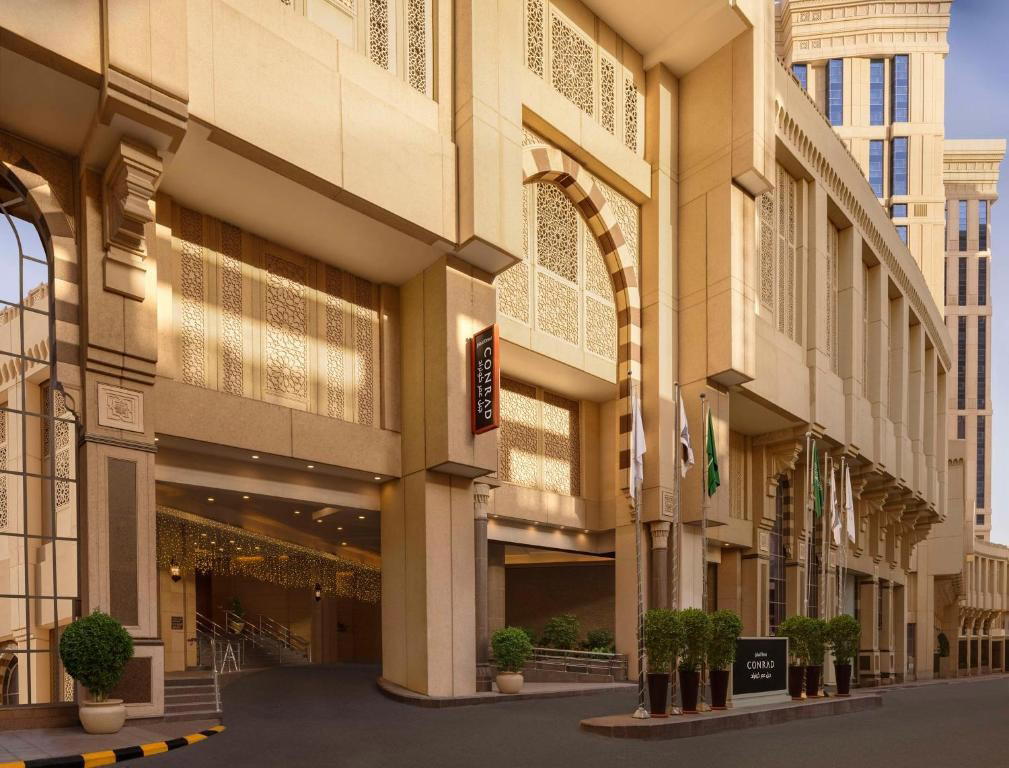
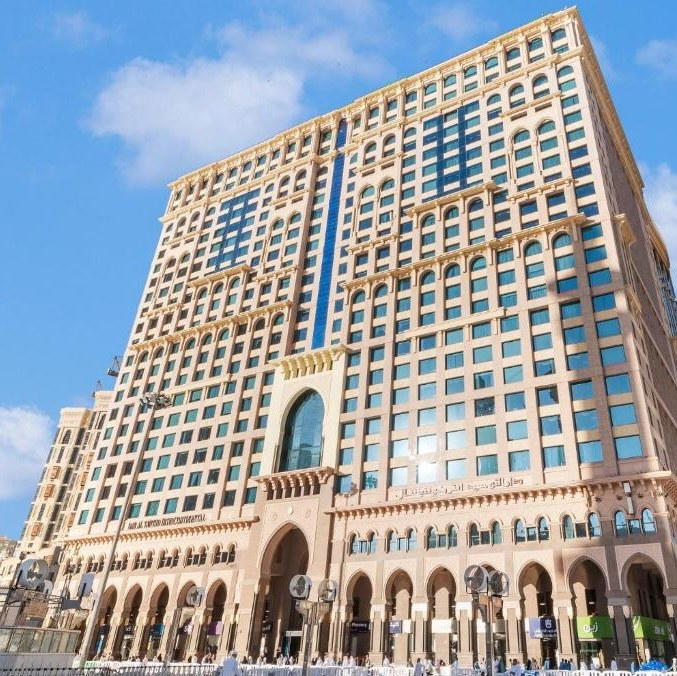
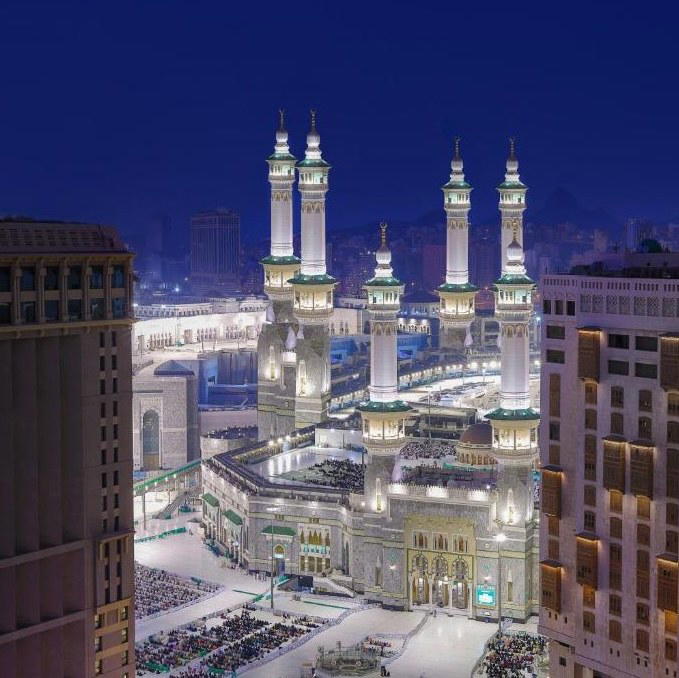
Al Fayhaa Restaurant sits in Makkah’s Al Haram district, where dining is shaped less by spectacle than by proximity, prayer rhythms, and the practical needs of pilgrims moving through the city. The useful way to read it is within Makkah’s hotel-adjacent restaurant culture: convenient, group-friendly, and tied to the daily tempo around the sanctuary rather than chef-led destination dining.

Pearl is the En Primeur Club membership app — saves, bookings, and concierge access live there. Same editors, same standards.
- Address
- Ibrahim El Khalil Street, Al Haram, Makkah 21955, Saudi Arabia
- Phone
- +966 12 534 0000
- Hours
- Daily 6 AM–11 PM
- Directions
- Get directions
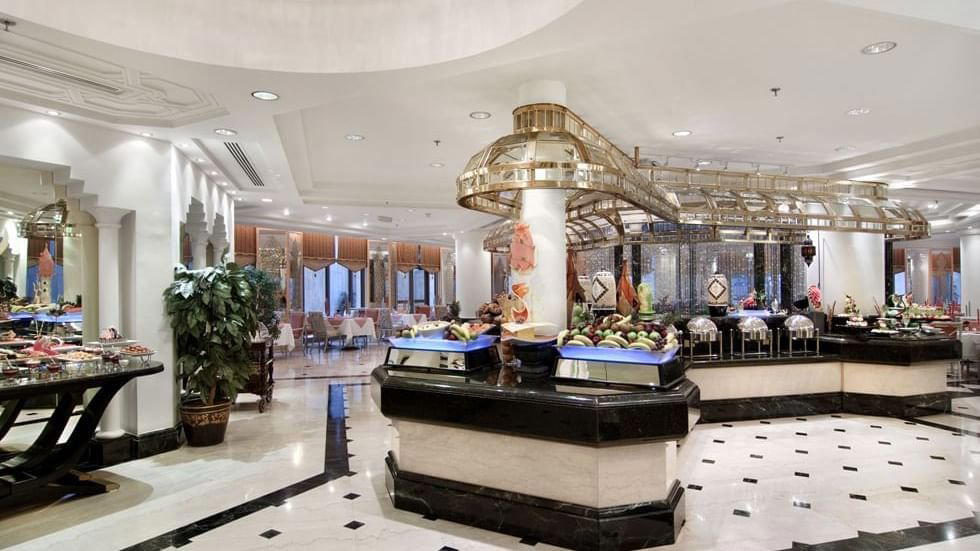
The menu
What to order
- Kabsa
- Arabic coffee
- Saudi rice dishes
- Desserts buffet
Approaching Makkah, the restaurant scene changes character. Meals here are not built around leisurely tasting formats or destination detours; they sit inside a city rhythm defined by prayer times, hotel corridors, family groups, and the constant movement of pilgrims. In that context, Al Fayhaa Restaurant belongs to a practical Makkah category: places valued for location and function before culinary theatre.
Makkah’s central dining culture is unusually shaped by logistics. Around the city, restaurants serve guests arriving from different countries, age groups, and eating habits, often within compressed windows between rituals, check-ins, and transport. That produces a different kind of hospitality from the chef-driven dining rooms of larger Saudi cities. The measure is less about novelty and more about whether a meal can absorb families, mixed preferences, and uneven schedules without turning dinner into another task.
Food in Makkah follows the city's pilgrimage rhythm
In many Gulf cities, premium restaurant coverage tends to chase named chefs, tasting menus, and visible accolades. Makkah asks for a different reading. The city’s core dining pattern is tied to religious travel, and restaurants in Makkah operate within a market where convenience, familiarity, and cultural breadth carry weight. Al Fayhaa Restaurant’s position in Makkah places it inside a city where the restaurant decision often begins with who is in the group and how much time remains before the next commitment.
This is why comparisons in Makkah need restraint. Al Andalus Restaurant and other Makkah dining rooms point to the same broader truth: central Makkah dining is frequently judged by accessibility, comfort, and its ability to serve travellers who may be eating with children, elders, or companions from several food cultures. Al Fayhaa Restaurant should be understood in that frame rather than as a chef-personality address.
The cultural background matters. Saudi dining has long balanced communal eating, familiar regional preparations, breads, dates, coffee service, and hospitality rituals, while Makkah adds a further layer through the cuisines of visiting Muslim communities. The result is a city where restaurant menus often need to feel legible to more than one audience. Without relying on unlisted dish claims, the relevant point is the setting: a restaurant in Makkah participates in a dining tradition where shared tables and group practicality matter as much as individual ordering.
How to read Al Fayhaa against Makkah's central restaurant tier
Al Fayhaa Restaurant is best read through practical city signals rather than through a claimed chef résumé or a rigid awards narrative. Formal recognition can be less central to how many Makkah meals are chosen than it is in restaurant capitals where lists and chef résumés steer demand. For travellers, that shifts the evaluation toward more grounded signals: city context, group suitability, format expectations, and whether the room fits the purpose of the meal.
Against comparison venues such as Al Andalus Restaurant, Jasmin Café, Al Noor Restaurant, Al Majlis, and Al Qasr, the useful distinction is not a ranked hierarchy but a choice of occasion. Cafés may suit lighter pauses; hotel restaurants often absorb larger mixed groups; more formal dining rooms can make sense when a meal is part of a family gathering rather than a quick stop. Al Fayhaa Restaurant belongs in the Makkah conversation where the first question is rarely “Who is cooking?” and more often “Can this work for everyone at the table?”
That makes it a more relevant listing for readers planning around Makkah than for readers chasing a destination restaurant in isolation. For a wider city scan, Our full Makkah restaurants guide is the natural companion, while trip planning in the city often also touches Our full Makkah hotels guide and Our full Makkah experiences guide. The city’s category pages for Our full Makkah bars guide and Our full Makkah wineries guide should be read with local norms in mind: Makkah’s hospitality culture is not organized around alcohol-led leisure.
Where this fits in a Saudi dining itinerary
Saudi Arabia’s restaurant map is increasingly varied, but Makkah remains its own case. Riyadh has a concentration of polished dining rooms, Jeddah has a Red Sea port-city food culture with a broader casual range, and heritage destinations add another hospitality context. Makkah’s central restaurants answer a more specific need: feeding people who are in the city for religious purpose first.
That contrast is useful when building a trip. A traveller comparing Saudi dining styles might look from Al Fayhaa Restaurant to other dining in Jeddah, Riyadh, or elsewhere in Saudi Arabia to see how strongly place changes the purpose of a meal. International reference points in other cities underline the difference: those entries often sit in dining cultures where concept, category, or subculture may lead the choice. In Makkah, the city’s sacred geography usually leads first.
The editorial read is clear: choose Al Fayhaa Restaurant when the priority is a Makkah meal that fits the city’s rhythm. Do not approach it expecting the signals of a chef-led tasting room. Approach it as part of the city’s practical hospitality fabric, where the success of the meal is measured by timing, ease, and how well it serves the group around the table.
Frequently asked questions
Does Al Fayhaa Restaurant work for a family meal?
Yes, the Makkah setting makes Al Fayhaa Restaurant a practical choice for a family meal. Its city context also suits groups moving through Makkah together.
Is Al Fayhaa Restaurant formal or casual?
The listing gives no chef name or tasting-menu format, so it reads as a practical restaurant rather than a formal destination dining room. Its location in Makkah points to a city setting shaped by group meals and travel schedules.
How do I find Al Fayhaa Restaurant?
Al Fayhaa Restaurant is located in Makkah.
Should I book Al Fayhaa Restaurant in advance?
Advance booking can change from the venue details shown here. For a restaurant in Makkah, timing matters most during busy prayer and pilgrimage periods. Check the venue's official channels for the latest details.
What is Al Fayhaa Restaurant known for?
At minimum, it is identified as a restaurant in Makkah. The listing here does not specify a cuisine type, chef, or detailed menu structure.
Can Al Fayhaa Restaurant handle vegetarian requests?
Vegetarian requests should be raised directly with the restaurant, since the listing does not specify a cuisine type or menu structure. The Makkah setting suggests a service context where mixed-diet groups should confirm their needs directly.
Price and Recognition
Nearby venues at a similar price tier for orientation.
| Venue | Cuisine | Price |
|---|---|---|
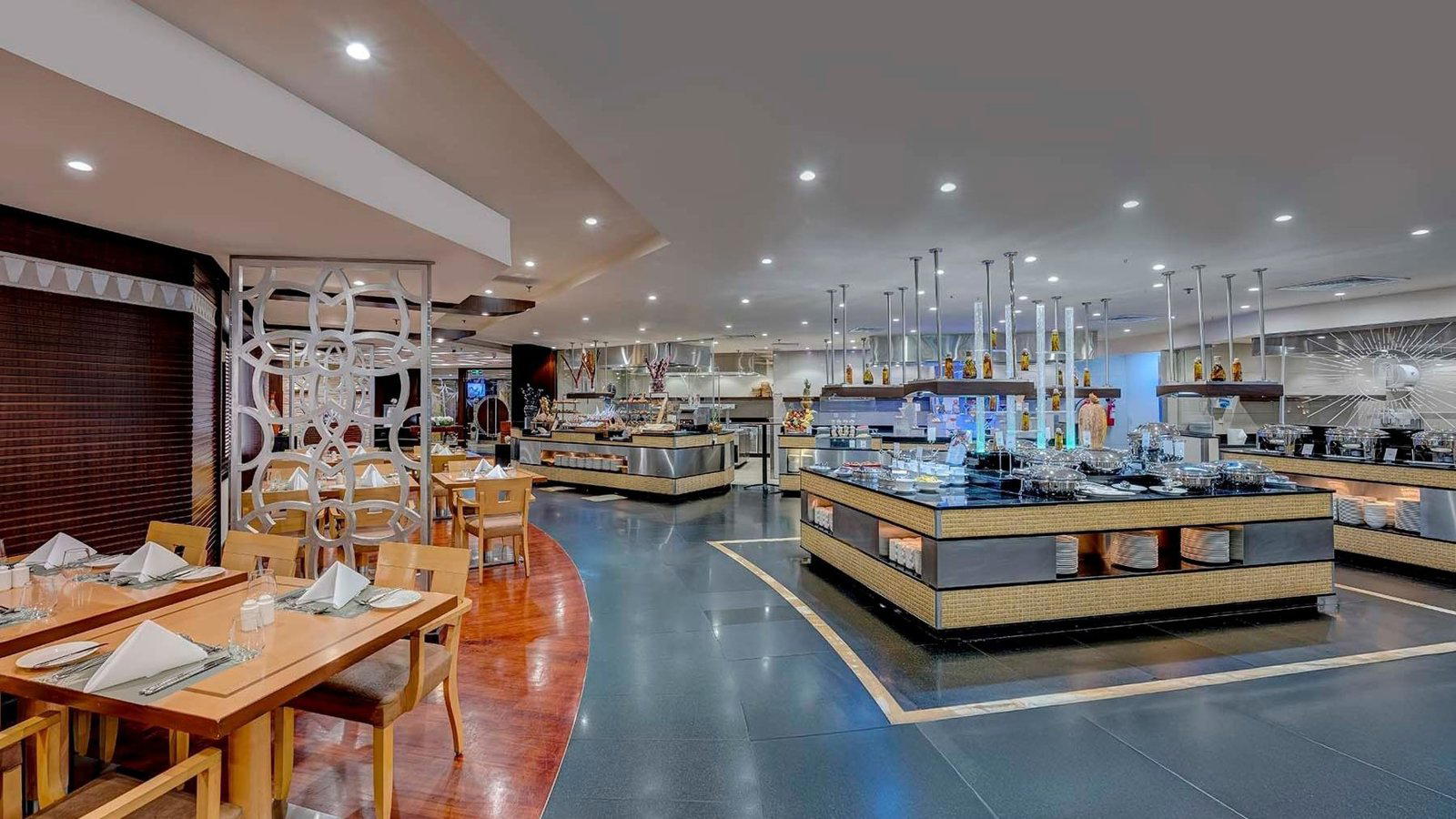
| Al Fayhaa RestaurantThis venue — the venue you are viewing | Oriental & International Halal Buffet with Holy Haram Views | Not listed |
| Al Andalus Restaurant | Arabic & International Hotel Buffet with Holy Haram Views | Not listed |
| Al Noor Restaurant | Arabic & international buffet with Holy Haram views | Not listed |
| Al Majlis | Fine-dining Eastern Mediterranean with Italian and Levantine influences | $50–100 |
| Al Qasr | Luxury all‑day international buffet with Arabic, Indian, Moroccan and Western dishes | $50–100 |
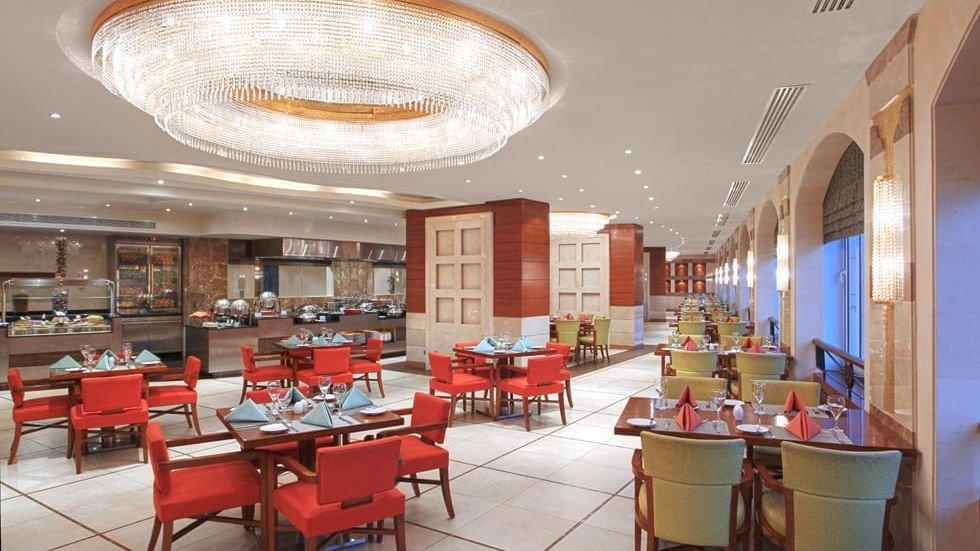
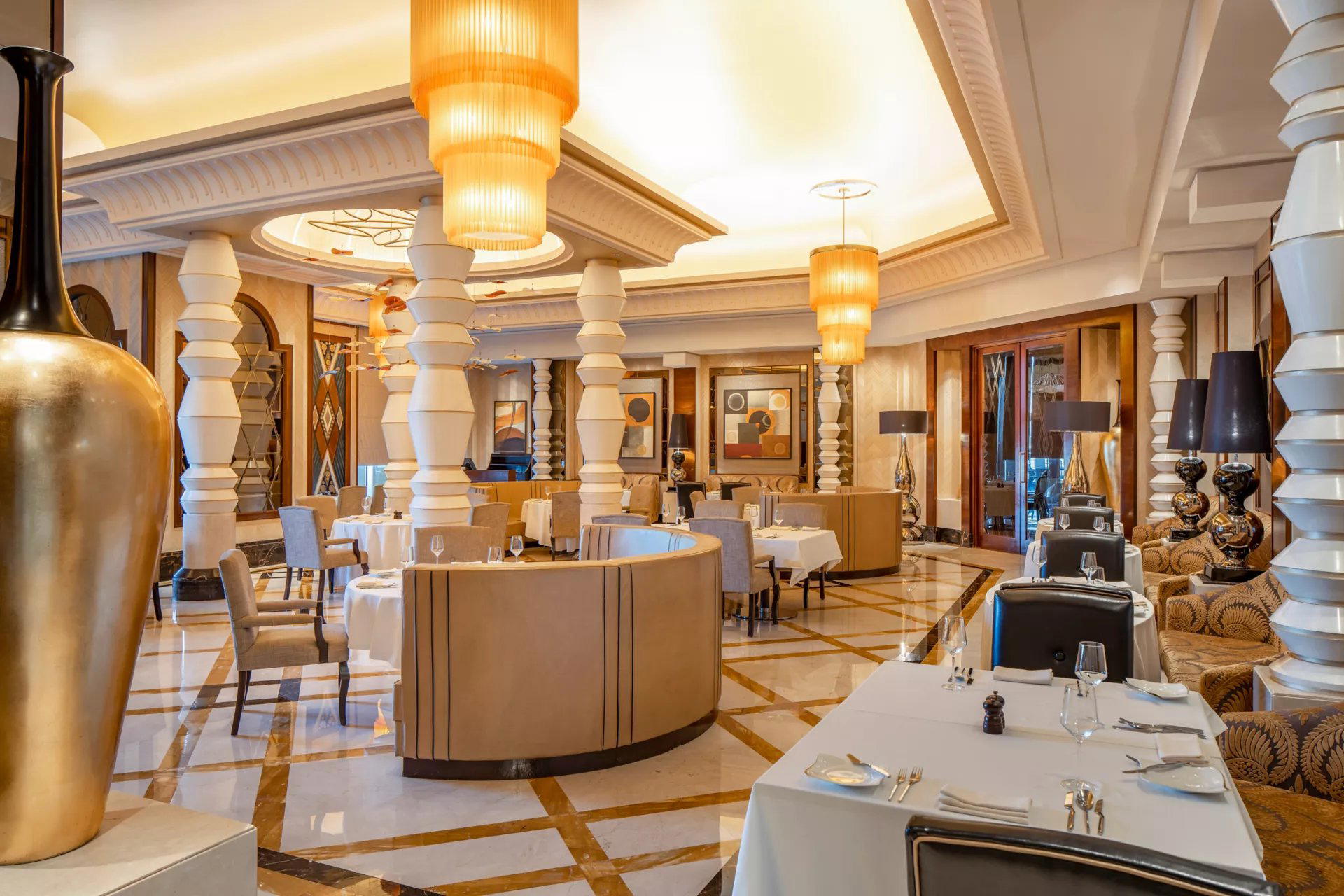
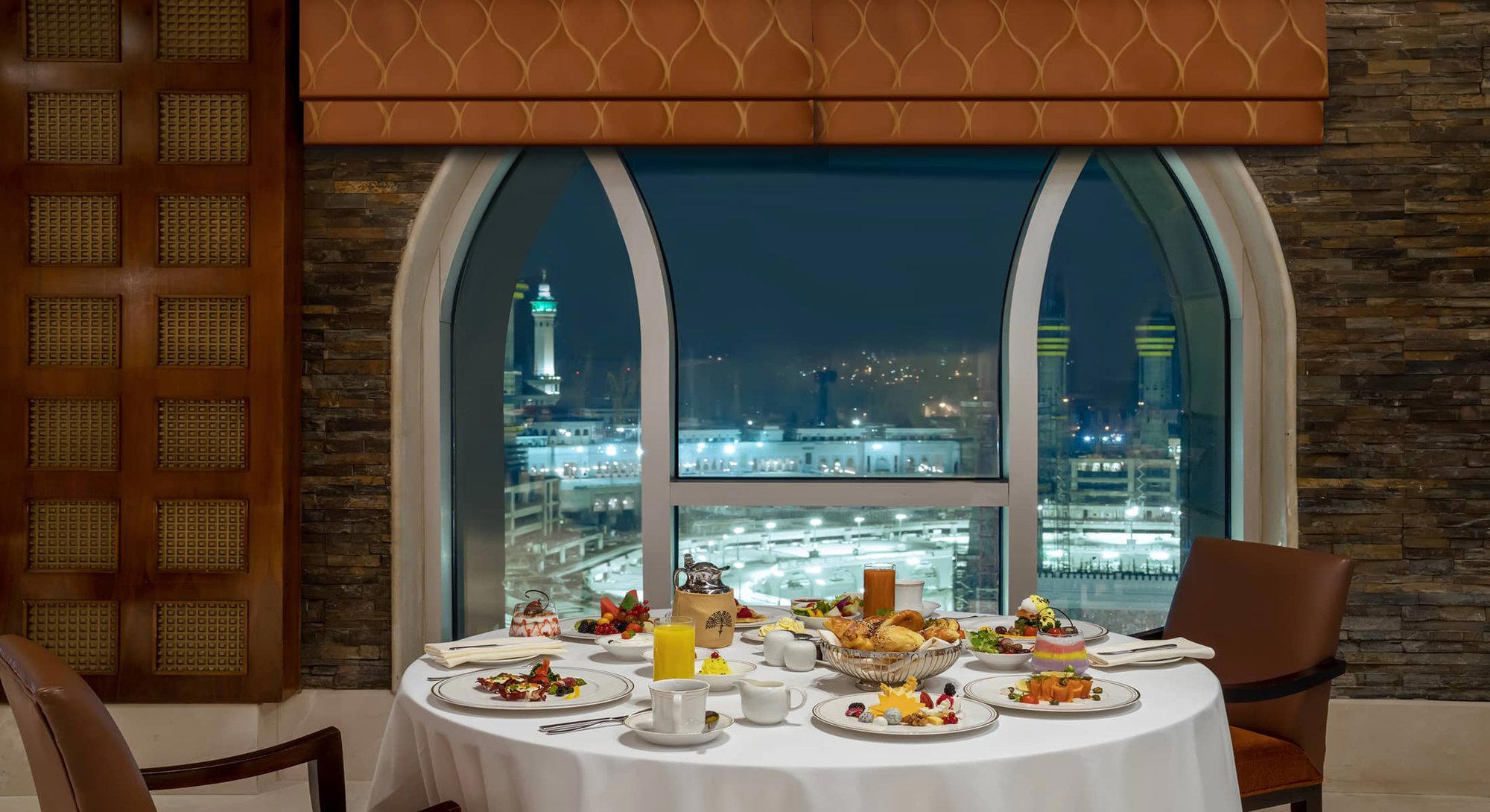
Details
- Lively
- Elegant
- Scenic
- Classic
- Group Dining
- Family
- Casual Hangout
- Celebration
- After Work
- Panoramic View
- Hotel Restaurant
- Skyline
- Buffet
- Coffee
- Tea
- Soft Drinks
- Halal
Current opening hours
- Monday
- 6 AM–11 PM
- Tuesday
- 6 AM–11 PM
- Wednesday
- 6 AM–11 PM
- Thursday
- 6 AM–11 PM
- Friday
- 6 AM–11 PM
- Saturday
- 6 AM–11 PM
- Sunday
- 6 AM–11 PM
Hours can change for holidays and private events. Last verified .