Al Andalus Restaurant
Our verdict
Al Andalus Restaurant sits in Makkah’s Al Haram district, where dining is shaped by pilgrimage rhythms, hotel kitchens, and the constant demand for familiar food served at scale. With no public awards or chef-led positioning attached to the restaurant, its editorial relevance is less about celebrity cooking than about location, sourcing expectations, and how central Makkah restaurants serve a transient, international table.
- Address
- Ibrahim El Khalil Street, Al Haram, Makkah 21955, Saudi Arabia
- Phone
- +966 12 534 0000
- Directions
- Get directions
The menu
What to order
- Shawarma
- Mandi
Approaching Makkah, the city’s dining culture feels less like a conventional restaurant scene and more like a system built around movement: families arriving after prayer, hotel guests eating between obligations, and kitchens calibrated for volume without losing the comfort of recognizable flavours. In Makkah, restaurants are judged by a different set of pressures than dining rooms in Riyadh or Jeddah. Proximity, consistency, and ingredient familiarity carry as much weight as technique.
Al Andalus Restaurant belongs to that Makkah category. Its Makkah setting places it within a city where menus have to speak across nationalities, dietary habits, and travel schedules. The meaningful question is less about spectacle and more about how a restaurant in this position handles the basic contract of Makkah dining: familiar staples, shared-table formats, and spice profiles that feel legible to guests arriving from across the Muslim world.
Central Makkah dining is built around reliability, not culinary theatre
Makkah’s restaurant culture is inseparable from the pilgrimage economy. In many cities, premium dining is defined by tasting-menu choreography or chef authorship. In Makkah, the hierarchy is different. Service has to absorb uneven arrival times, multi-generational groups, and diners who may be tired, fasting, jet-lagged, or moving between hotel and mosque. That changes what matters on the plate. Food needs to be clear, replenishable, and grounded in ingredients that travel well through a busy service.
Ingredient sourcing, in this context, is less romantic than operational. Saudi kitchens often work with regional supply chains and broad pantry expectations, while Makkah restaurants also respond to the preferences of pilgrims from South Asia, Southeast Asia, Africa, the Levant, Turkey, and the Gulf. The result is a pragmatic food culture: dishes tend to favour recognisable formats, warm spices, shared portions, and service rhythms that allow a table to eat quickly or linger without the structure of a formal tasting menu.
That is why comparisons within Makkah are more useful than imported fine-dining benchmarks. Al Fayhaa Restaurant, Al Noor Restaurant, Al Majlis, Al Qasr, and Jasmin Café all sit in a city where the dining decision is shaped by convenience and group needs as much as appetite. For readers mapping the broader local field, Our full Makkah restaurants guide gives the more useful frame than a star-chasing checklist.
Ingredient familiarity matters when the table is international
The strongest restaurants in pilgrimage cities understand that familiarity is not the same as blandness. A well-run Makkah dining room can read the room through sourcing and preparation: staples that hold, breads or shared formats that suit group eating, vegetables that can move between salads and cooked sides, proteins that work for conservative palates, and spice profiles that carry warmth without forcing every diner into the same heat level. Those choices matter more here than novelty.
Al Andalus Restaurant is not publicly framed around a named chef, listed cuisine type, or formal tasting format, so the editorial lens should stay on the role it plays in the city. It sits within a practical dining tradition where the meal has to support the day rather than dominate it. That makes it closer in spirit to dependable city restaurants than to destination rooms built around scarcity.
Saudi Arabia’s wider dining map shows how different that context can be. Other dining rooms across the kingdom may reflect mass-market comfort food, capital-city heritage dining, tourism-led expectations, or café-focused regional travel. Makkah is its own category: practical, compressed, and shaped by a global religious calendar.
How to place it in a Makkah itinerary
For planning, the useful move is to think by city flow rather than by prestige. A restaurant in Makkah functions differently from a destination meal elsewhere in Saudi Arabia. It is part of the day’s route, not a detached evening event. Travellers comparing food options should also consider where they are staying, since hotel dining in Makkah often overlaps with the same need for predictable service and broad-appeal menus. For that side of the trip, Our full Makkah hotels guide is the relevant companion.
The broader EP Club map is useful for contrast, too. Other restaurants and cafés show how identity changes by city, format, and audience. Outside Saudi Arabia, many dining scenes sit in a completely different food economy, one built around niche specialisation rather than pilgrimage-scale adaptability. Even within Saudi dining, some urban restaurants point to a more lifestyle-led mode.
Al Andalus Restaurant is therefore best read as part of Makkah’s hospitality machinery: a dining address in a city where sourcing, consistency, and timing carry editorial weight. Readers building a fuller city plan can pair the restaurant search with Our full Makkah experiences guide. The city is not a bar or wine destination in the conventional travel sense, but category pages such as Our full Makkah bars guide and Our full Makkah wineries guide clarify how EP Club separates dining, hospitality, and beverage coverage across destinations.
Frequently asked questions
What's the address for Al Andalus Restaurant?
Al Andalus Restaurant is located in Makkah.
Do I need a reservation for Al Andalus Restaurant?
Dining demand in Makkah can rise around prayer times and peak travel periods. A reservation is sensible if your schedule is fixed; otherwise, plan for flexible timing.
What makes Al Andalus Restaurant worth seeking out?
Its main draw is its role in Makkah’s practical dining landscape. That matters in a city where convenience and timing often matter more than theatrics.
Do they accommodate allergies at Al Andalus Restaurant?
Those details are not published. Use Makkah as the anchor when speaking with staff about restrictions. Check the venue's official channels for the latest details.
Comparison Snapshot
Comparable venues by cuisine and price in the same metro.
| Venue | Cuisine | Price |
|---|---|---|
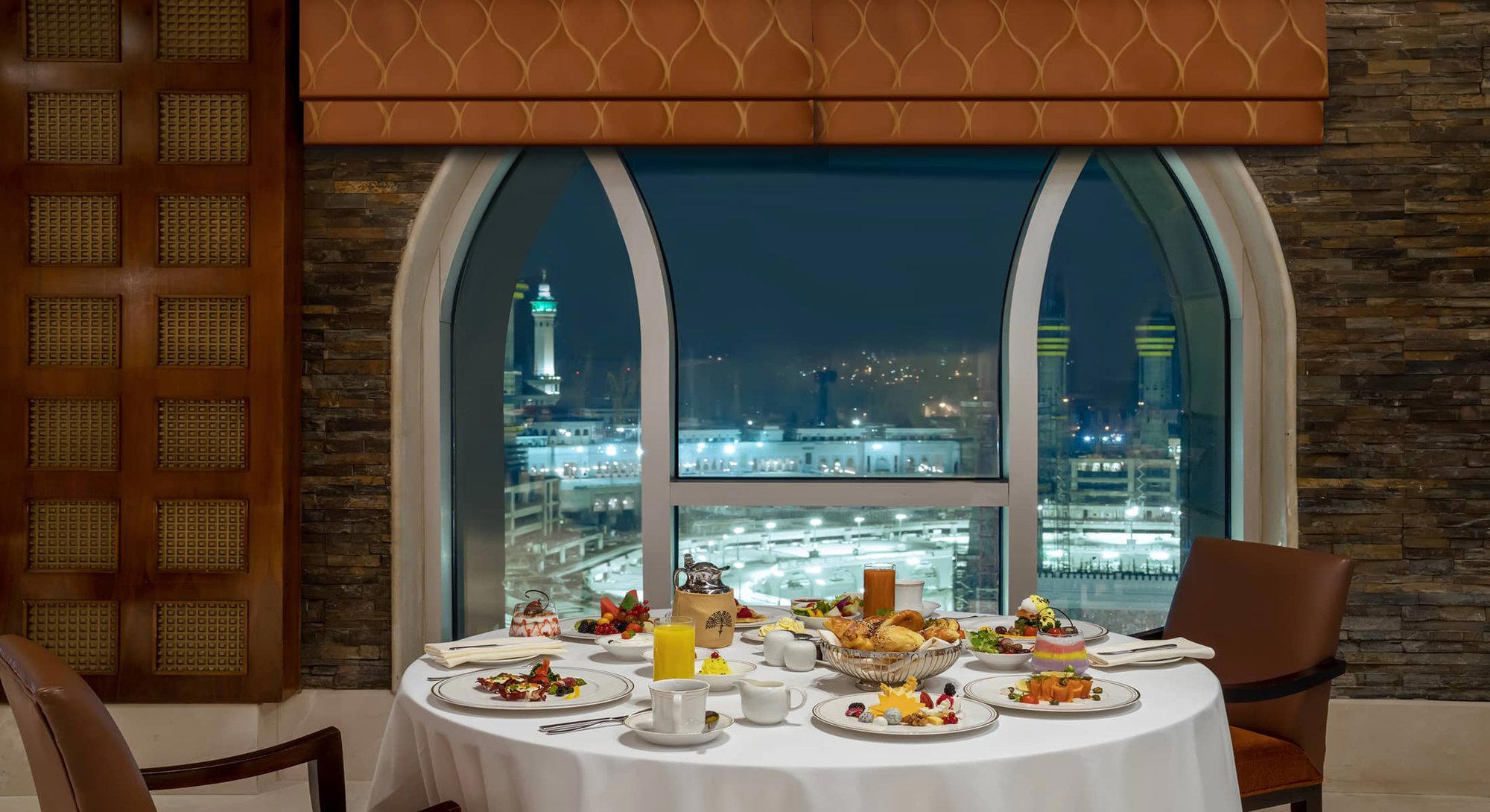
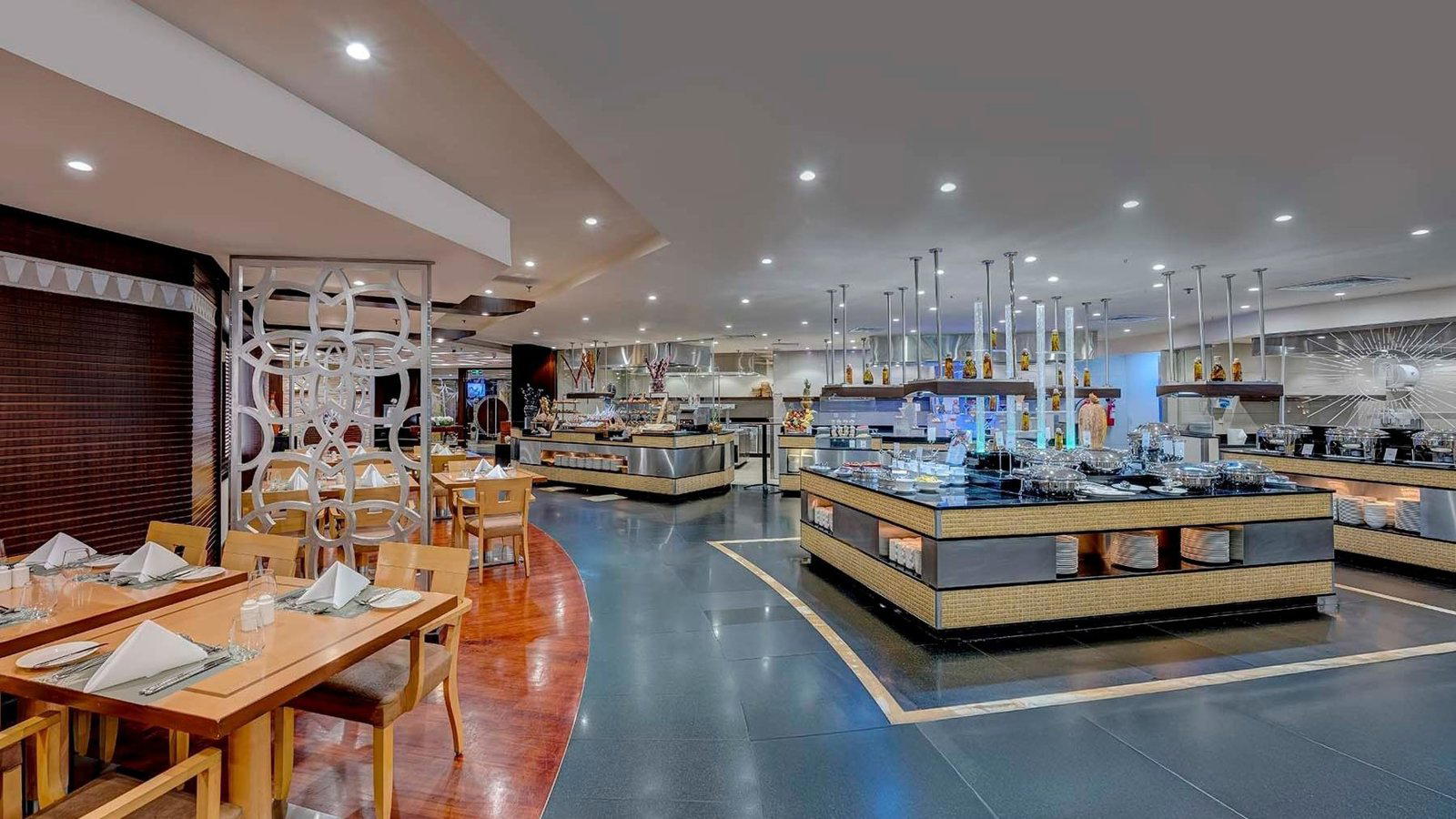
| Al Andalus RestaurantThis venue — the venue you are viewing | Arabic & International Hotel Buffet with Holy Haram Views | Not listed |
| Al Fayhaa Restaurant | Oriental & International Halal Buffet with Holy Haram Views | Not listed |
| Al Noor Restaurant | Arabic & international buffet with Holy Haram views | Not listed |
| Al Majlis | Fine-dining Eastern Mediterranean with Italian and Levantine influences | $50–100 |
| Al Qasr | Luxury all‑day international buffet with Arabic, Indian, Moroccan and Western dishes | $50–100 |
Details
- Elegant
- Lively
- Scenic
- Sophisticated
- Modern
- Group Dining
- Family
- Celebration
- Business Dinner
- Private Event
- Hotel Restaurant
- Panoramic View
- Private Dining
- Zero Proof
- Skyline
- Buffet
- A La Carte
- Mocktails
- Fresh Juices
- Soft Drinks
- Halal
- Vegetarian Friendly
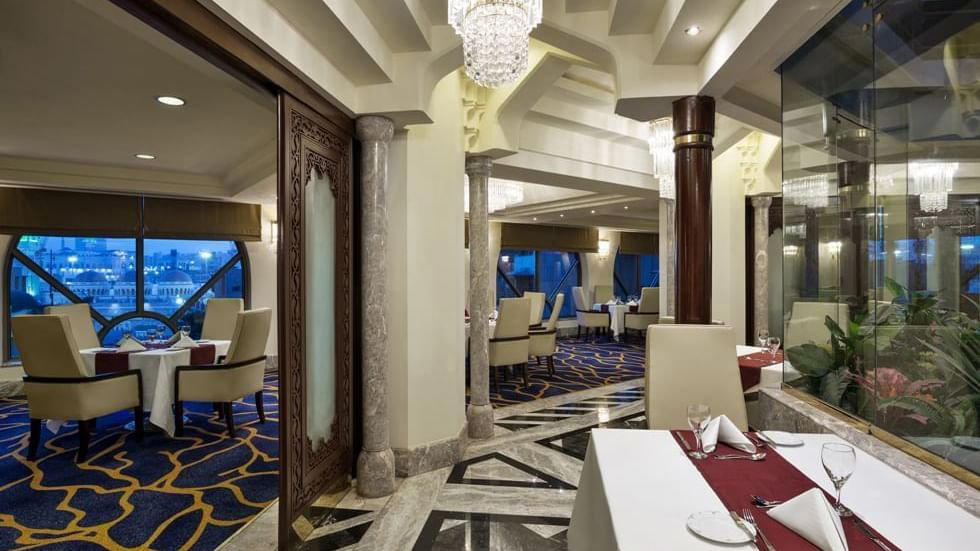
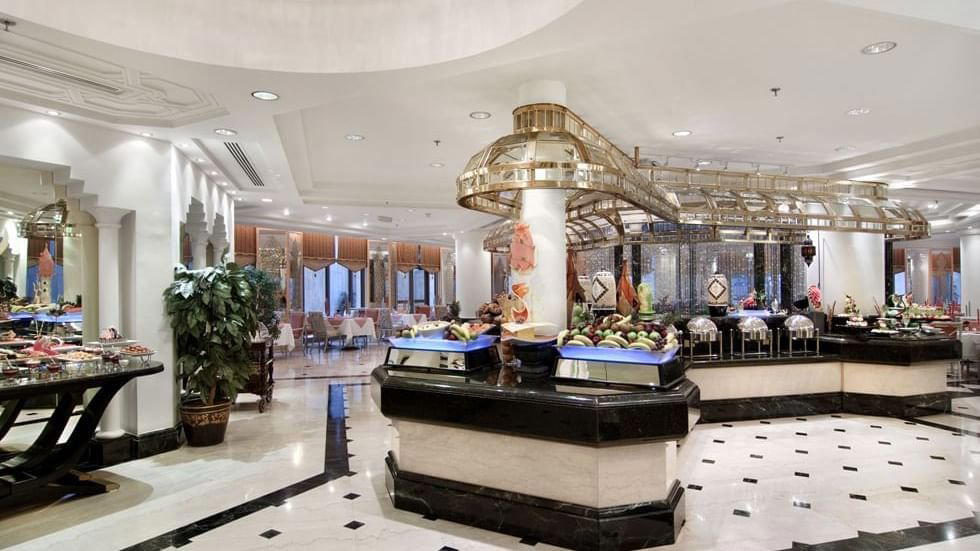
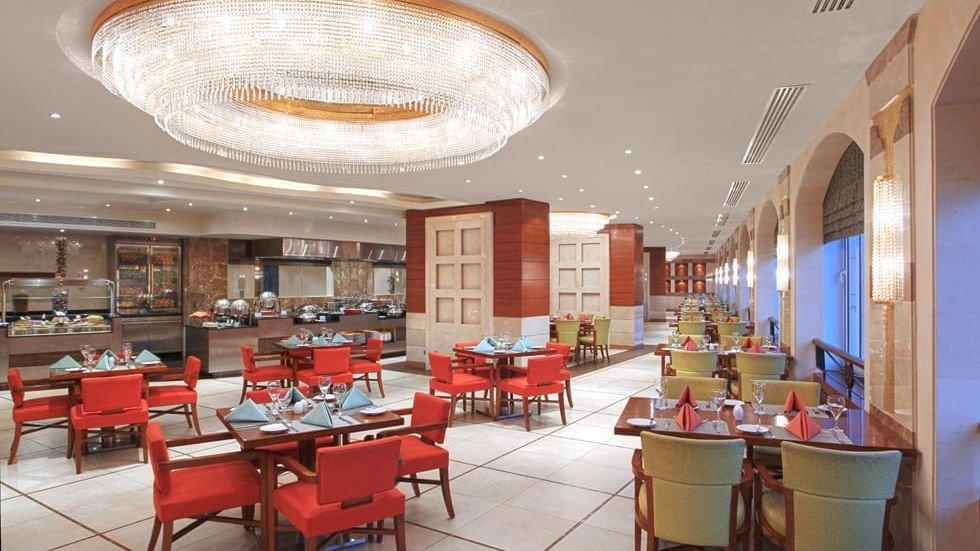
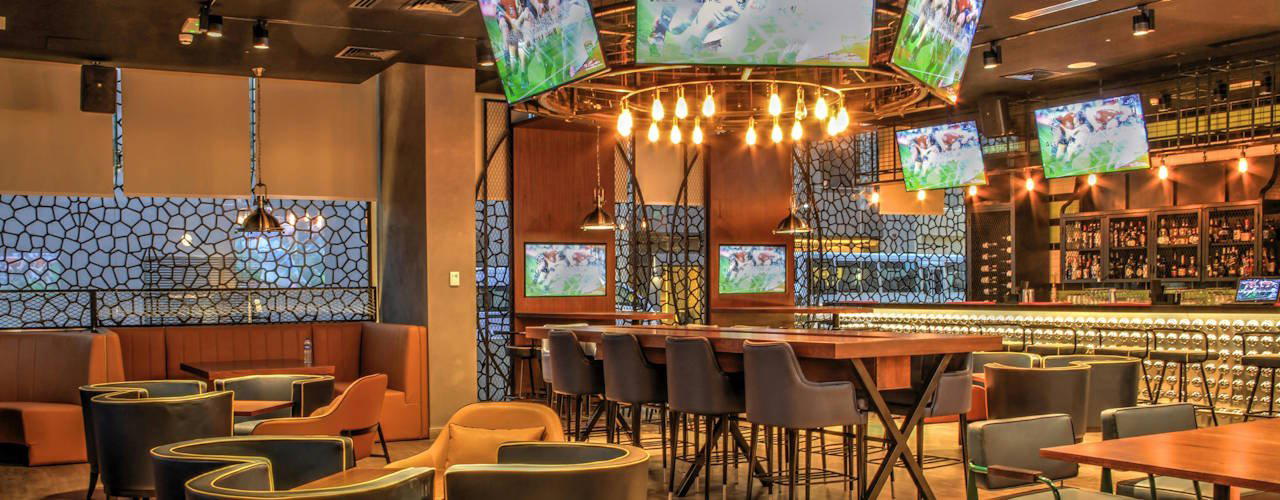
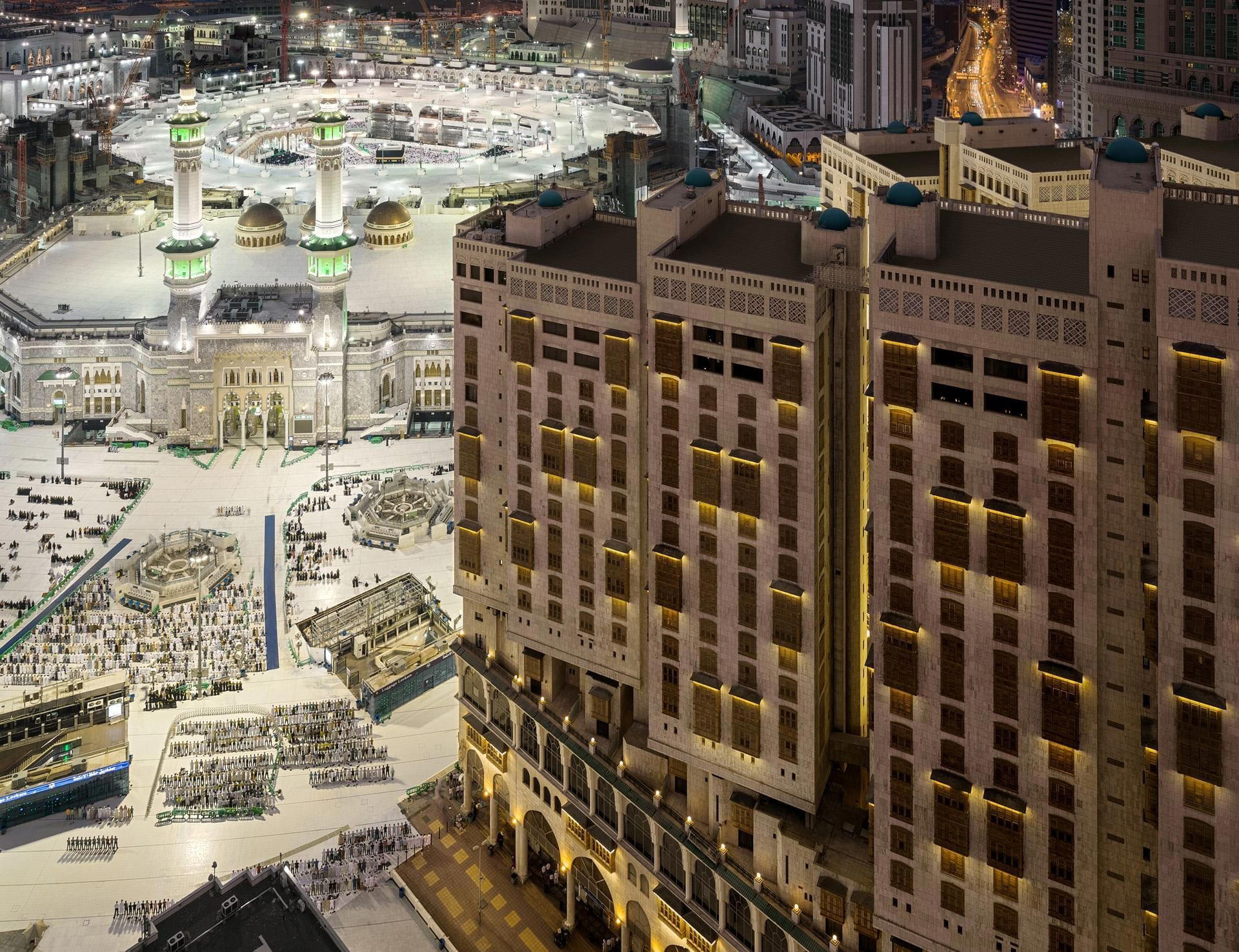
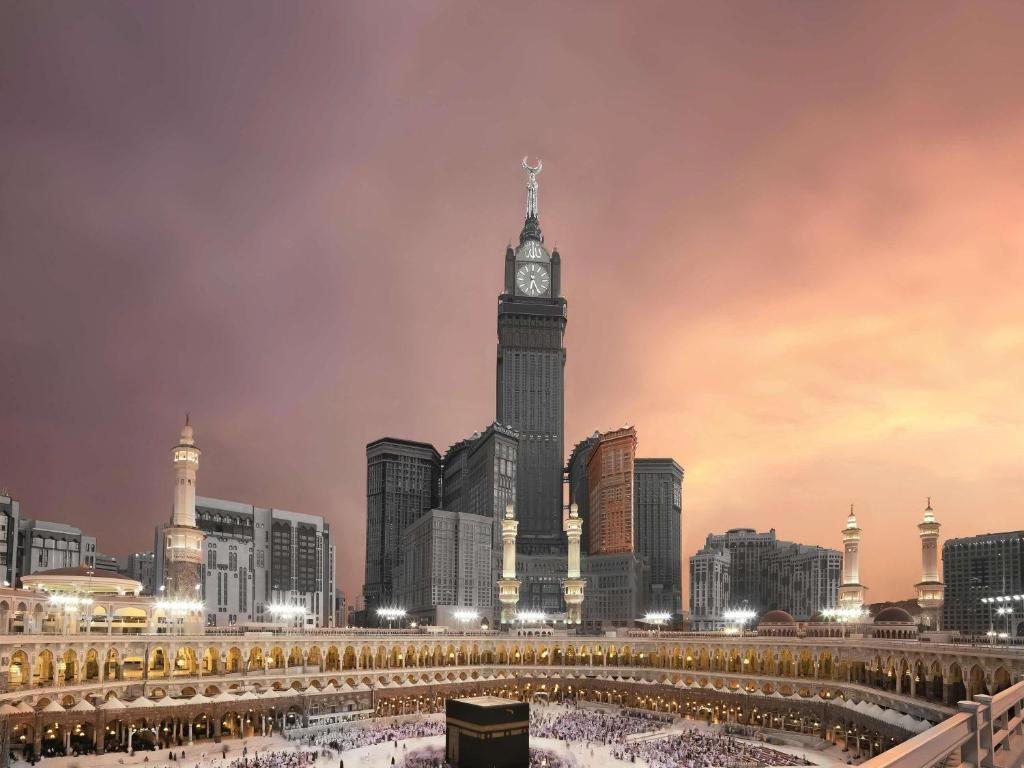
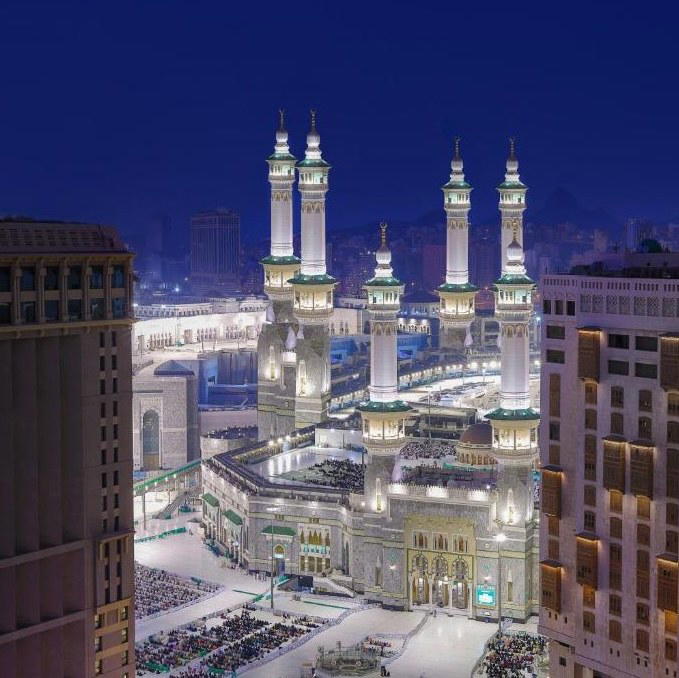
Elegant, contemporary hotel-restaurant setting with a lively atmosphere, comfortable seating and large windows highlighting views over the Holy Haram, suited to families and groups as well as event banquets.