Al Noor Restaurant
Our verdict
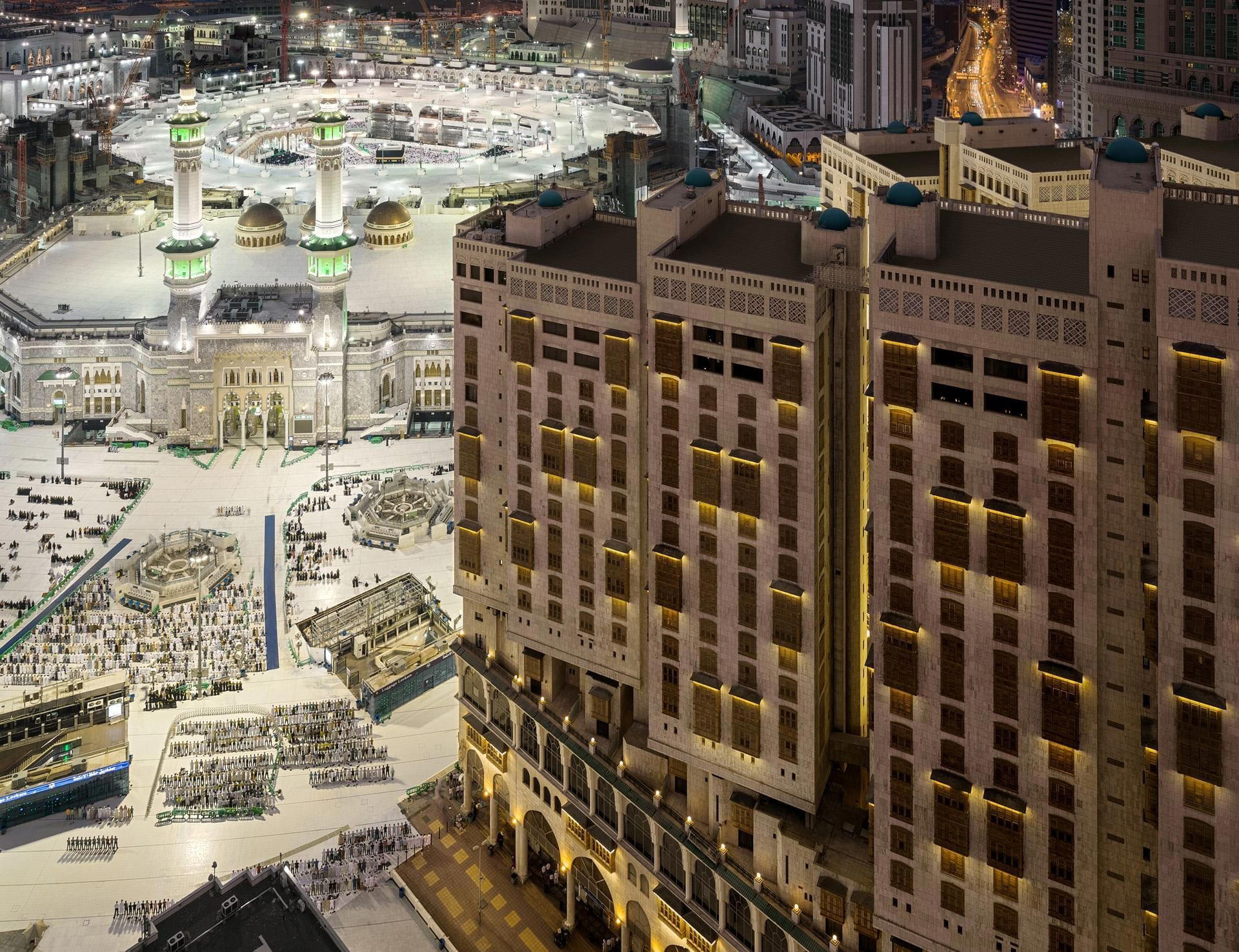
Al Noor Restaurant sits in Makkah’s Al Haram district, where dining is shaped by pilgrimage rhythms, mixed-language crowds, and the need for efficient, familiar meals close to the sanctuary area. With no public chef, awards, price, or booking details attached, it is better read through its setting than through fine-dining signals: a practical city restaurant in one of Saudi Arabia’s most time-sensitive dining zones.

Pearl is the En Primeur Club membership app — saves, bookings, and concierge access live there. Same editors, same standards.
- Address
- 21955 شارع إبراهيم الخليل, Al Haram, Makkah 21955, Saudi Arabia
- Directions
- Get directions
The menu
What to order
- Spiced chicken kabsah
- Saffron rice biryani
- Arabic coffee
Approaching the central dining corridors of Makkah, the dining scene changes character quickly. Restaurants here are not built around leisurely destination meals; they serve people moving between prayer times, group schedules, family obligations, and the intense geography of the city. The soundscape is multilingual, the pace is compressed, and the measure of a restaurant is often less about spectacle than reliability under pressure.
Al Noor Restaurant belongs to that Makkah category: a city restaurant whose significance comes from position and function rather than chef mythology or awards architecture. In many pilgrimage cities, food culture has to absorb difference. Saudi, South Asian, Southeast Asian, Arab, Turkish, and African eating habits meet in the same dining radius, and restaurants in Makkah tend to favor recognizable formats, generous service expectations, and dishes that can work for mixed-age groups.
Central Makkah dining is built around movement, family tables, and familiar foodways
Makkah’s restaurant culture is inseparable from its calendar. During Hajj and Ramadan, the city’s dining pressure changes dramatically; outside those peaks, the same city still runs on prayer-time intervals and hotel-led foot traffic. That produces a different kind of restaurant test from Riyadh or Jeddah. A room does not need a tasting-menu narrative to matter. It needs to handle families, solo pilgrims, late arrivals, and groups whose priorities are timing, comfort, halal certainty, and proximity within the city.
That context explains why restaurants in Makkah often read as practical rather than performative. Menus in the area commonly reflect the broad Muslim travel map: rice dishes, grilled meats, breads, stews, soups, and shareable plates sit comfortably beside international hotel-district staples. Without a public cuisine label for Al Noor Restaurant, the safer editorial reading is category-based: it fits the central Makkah restaurant pattern where accessibility and familiarity carry more weight than a narrowly defined culinary school.
For readers comparing Makkah options, the useful distinction is not only cuisine but occasion. A venue such as Al Andalus Restaurant may be useful to compare within the same city frame, while other unnamed Saudi dining rooms point to the broader restaurant vocabulary that often prioritizes group dining, regional comfort, and service formats built for families. For a wider scan of the city, use Our full Makkah restaurants guide alongside the hotel context in Our full Makkah hotels guide.
How Al Noor Restaurant fits the Makkah decision set
In cities driven by religious travel, the central restaurant decision is often logistical before it is culinary. The question is rarely, “Where is the chef making a statement?” It is more often, “Where can a mixed group eat without losing control of the day?” Al Noor Restaurant’s placement in Makkah puts it inside that decision set. Limited public detail on awards, chef identity, seat count, and price means it should not be evaluated like a reservation-led restaurant in a capital-city dining district. It belongs to the everyday infrastructure of Makkah hospitality.
That does not make the category minor. In Makkah, restaurants serving central city demand carry cultural weight because they support the rituals around the ritual: meals before rest, late-night family coordination, post-prayer regrouping, and the practical hospitality extended to older relatives and children. The city’s dining rooms are often judged by how calmly they absorb these demands. For many visitors, that matters more than a named chef or a designed tasting sequence.
Comparisons outside Makkah should be handled carefully. Restaurants in other Saudi cities and high-volume national dining formats operate in different urban rhythms. Makkah’s central restaurants answer a narrower but more demanding brief: feeding travelers whose day is structured by devotion, distance, and group movement.
Planning the meal around Makkah's rhythms
The practical approach is to treat Al Noor Restaurant as part of a Makkah plan rather than a stand-alone dining excursion. Peak religious periods compress availability across the city, and family groups should expect central Makkah restaurants to feel busiest around prayer-linked movement and evening meal times. Since public booking, hours, phone, website, and price details are not listed, planning should be conservative: allow time, avoid assuming a reservation system, and keep alternatives nearby.
That alternative planning is not a sign of weakness; it is how central Makkah works. The city rewards diners who think in clusters. Nearby restaurant options such as Jasmin Café, Al Fayhaa Restaurant, Lagenda Restaurant, and Al Helal belong to the same broader comparison frame, while EP Club’s city pages can help separate dining from the rest of the trip: Our full Makkah bars guide, Our full Makkah wineries guide, and Our full Makkah experiences guide map the category limits and travel context around the city.
For readers building a Saudi itinerary beyond Makkah, the contrast is useful. Dining rooms in heritage destinations, mountain cities, and northern towns work to different travel rhythms. International examples underline the point by contrast: Makkah’s central restaurants are not chasing the same kind of dining occasion. Their value is measured in usefulness, cultural fit, and the ability to serve a city where meals are folded into one of the world’s great religious movements.
Frequently asked questions
Is Al Noor Restaurant good for families?
Its location in Makkah makes it a practical choice for family meals during busy travel periods. The city’s dining pattern often includes group dining and shared tables.
What is the atmosphere like at Al Noor Restaurant?
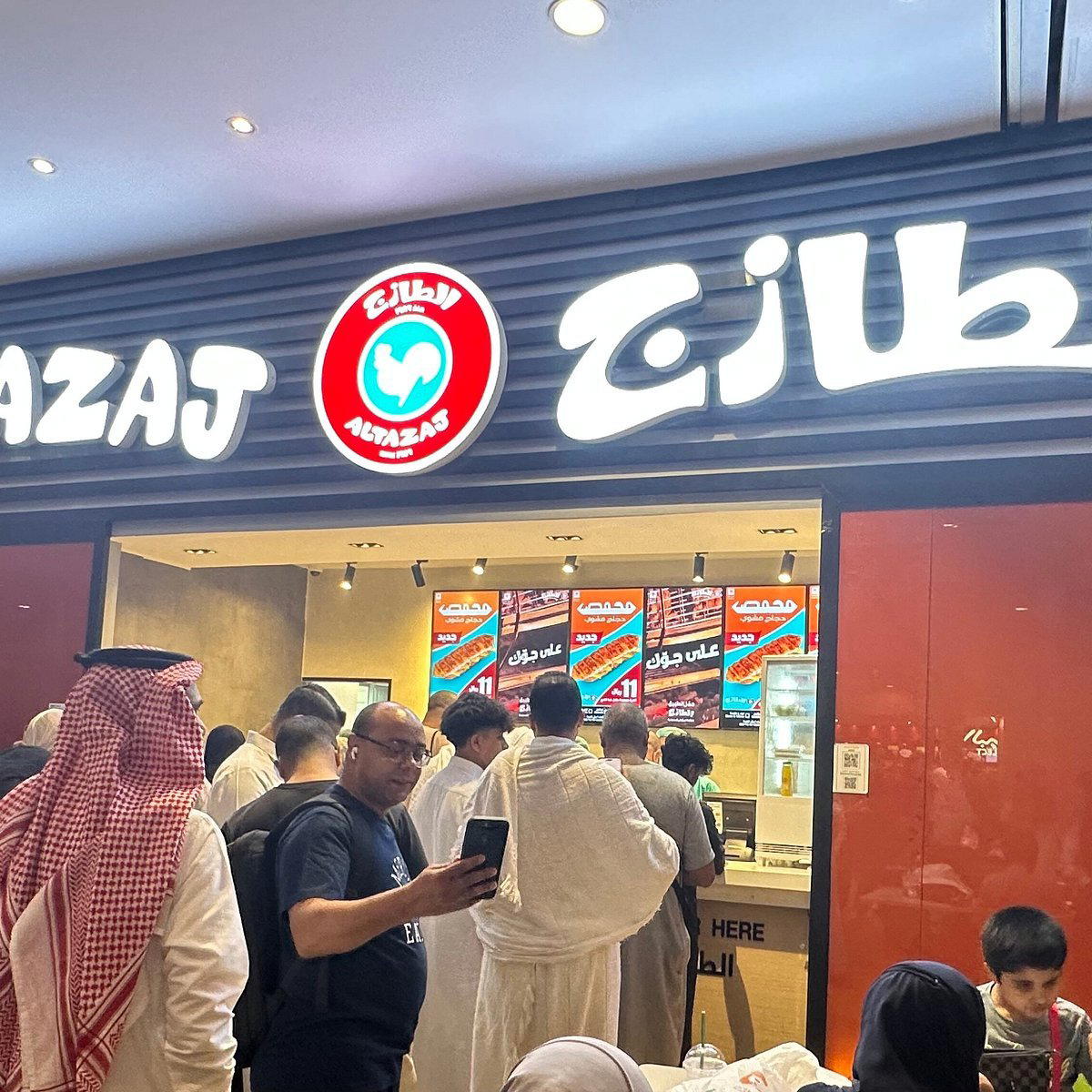
Expect a working Makkah restaurant rather than a destination room built around theatrics. The setting is shaped by foot traffic, family groups, and the pace of religious travel in the city.
Where do I go for Al Noor Restaurant?
Makkah.
Should I book Al Noor Restaurant in advance?
Advance planning makes sense around peak Makkah travel periods. The restaurant is part of the city’s busy dining landscape, where demand can rise quickly.
What has Al Noor Restaurant built its reputation on?
Al Noor Restaurant’s appeal comes from its role in Makkah, where convenience matters as much as the meal itself. For many visitors, the value is in having a practical table within the city’s dining rhythm.
Is Al Noor Restaurant good for vegetarians?
Those details are not published. In Makkah, a restaurant like Al Noor may suit mixed groups, but the location alone does not confirm plant-forward options. Check the venue's official channels for the latest details.
Budget and Context
Side-by-side context: comparable cuisine and price.
| Venue | Cuisine | Price |
|---|---|---|
| Al Noor RestaurantThis venue — the venue you are viewing | Arabic & international buffet with Holy Haram views | Not listed |
| Al Fayhaa Restaurant | Oriental & International Halal Buffet with Holy Haram Views | Not listed |
| Al Andalus Restaurant | Arabic & International Hotel Buffet with Holy Haram Views | Not listed |
| Lagenda Restaurant | Oriental and International Buffet | $30–50 |
Details
- Elegant
- Lively
- Scenic
- Group Dining
- Family
- Casual Hangout
- Business Dinner
- Celebration
- Panoramic View
- Hotel Restaurant
- Skyline
- Buffet
- Coffee
- Tea
- Halal
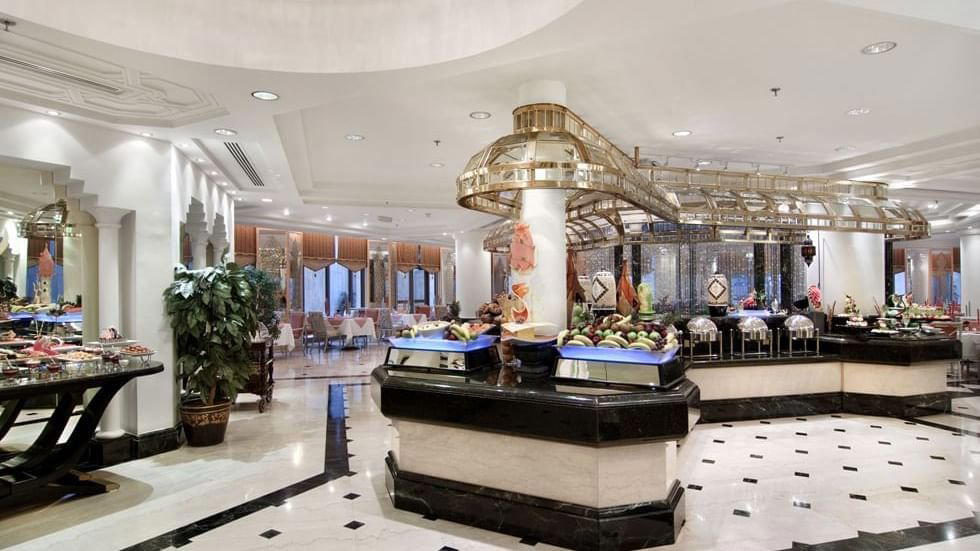
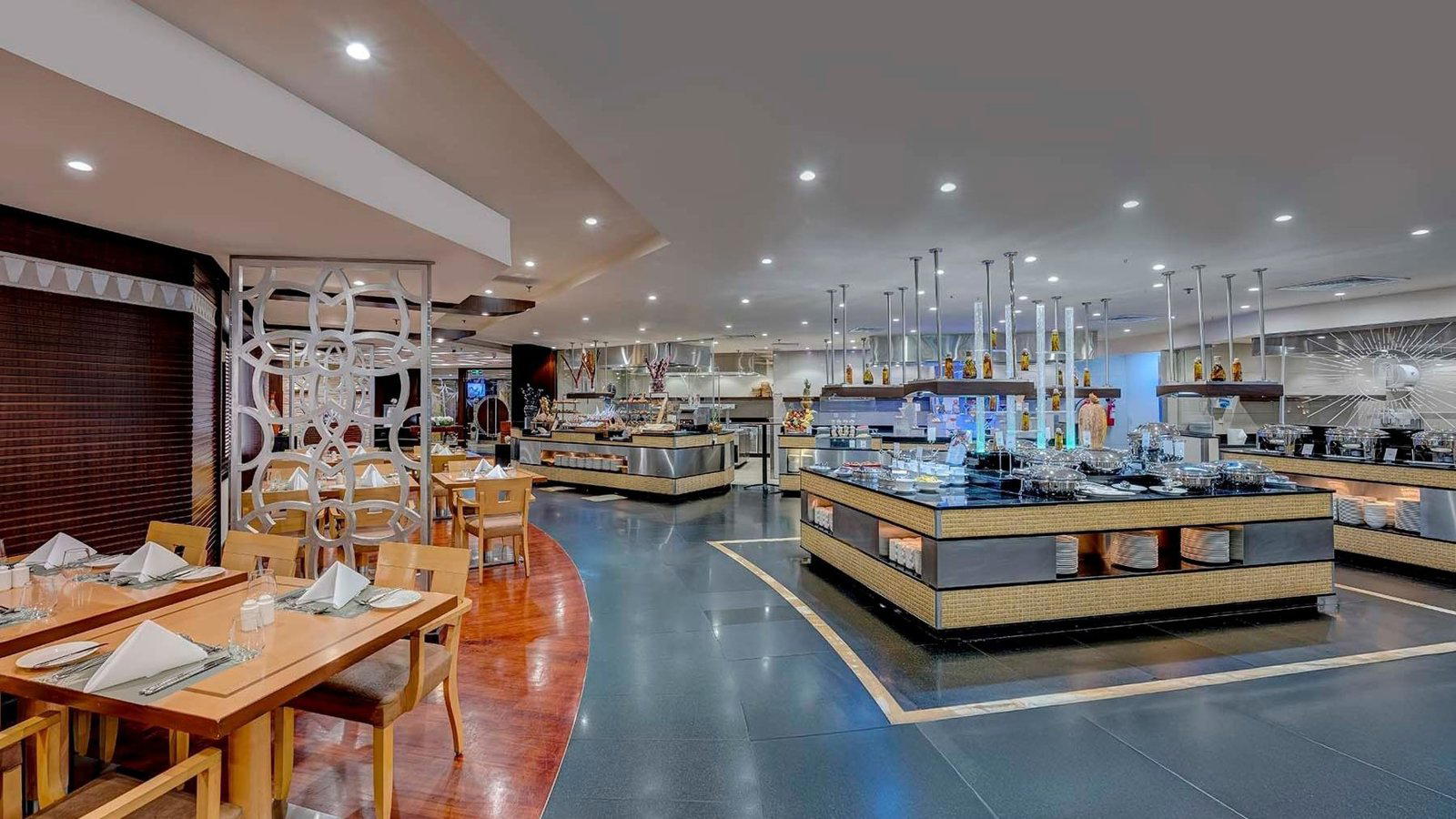
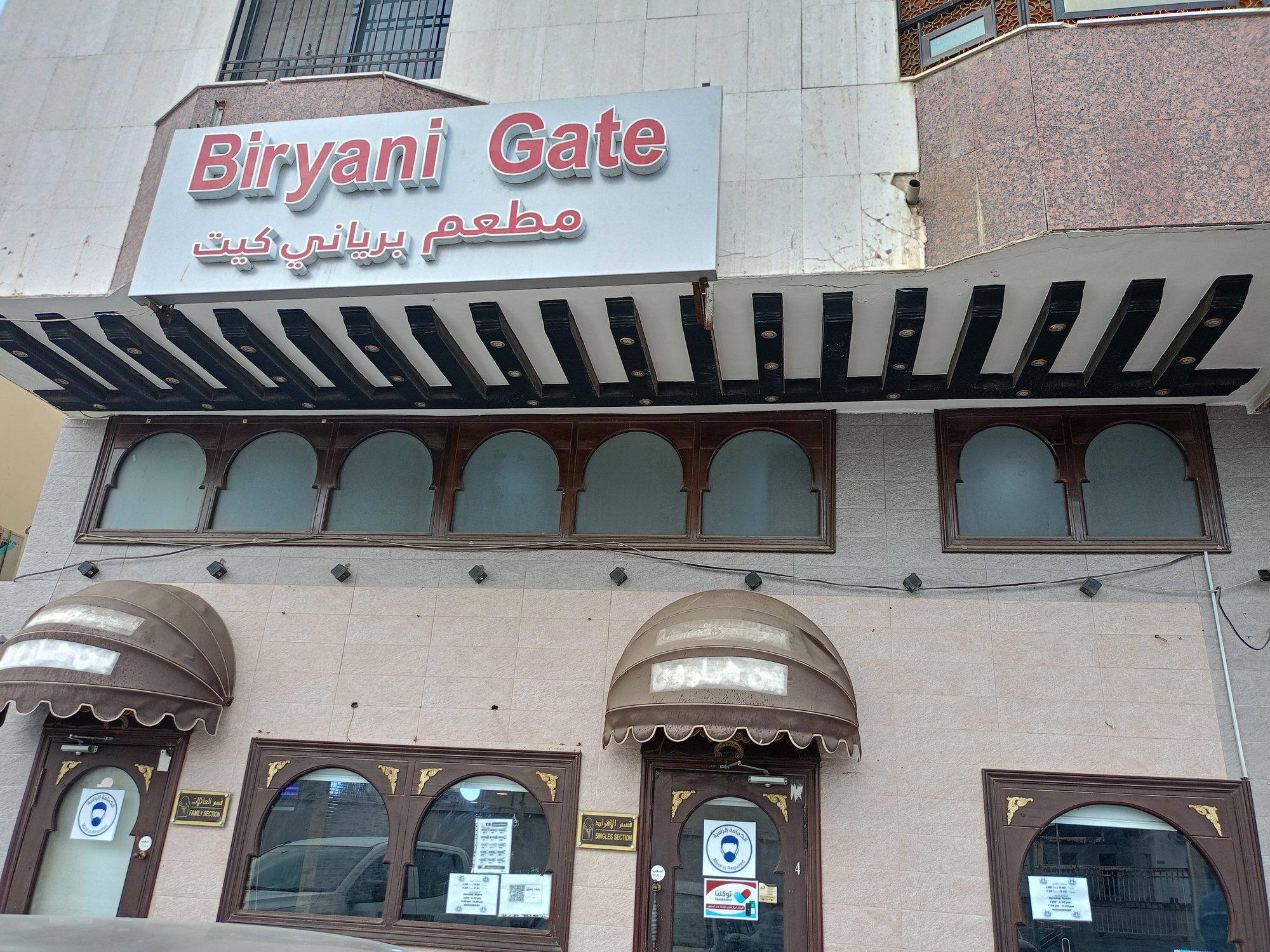
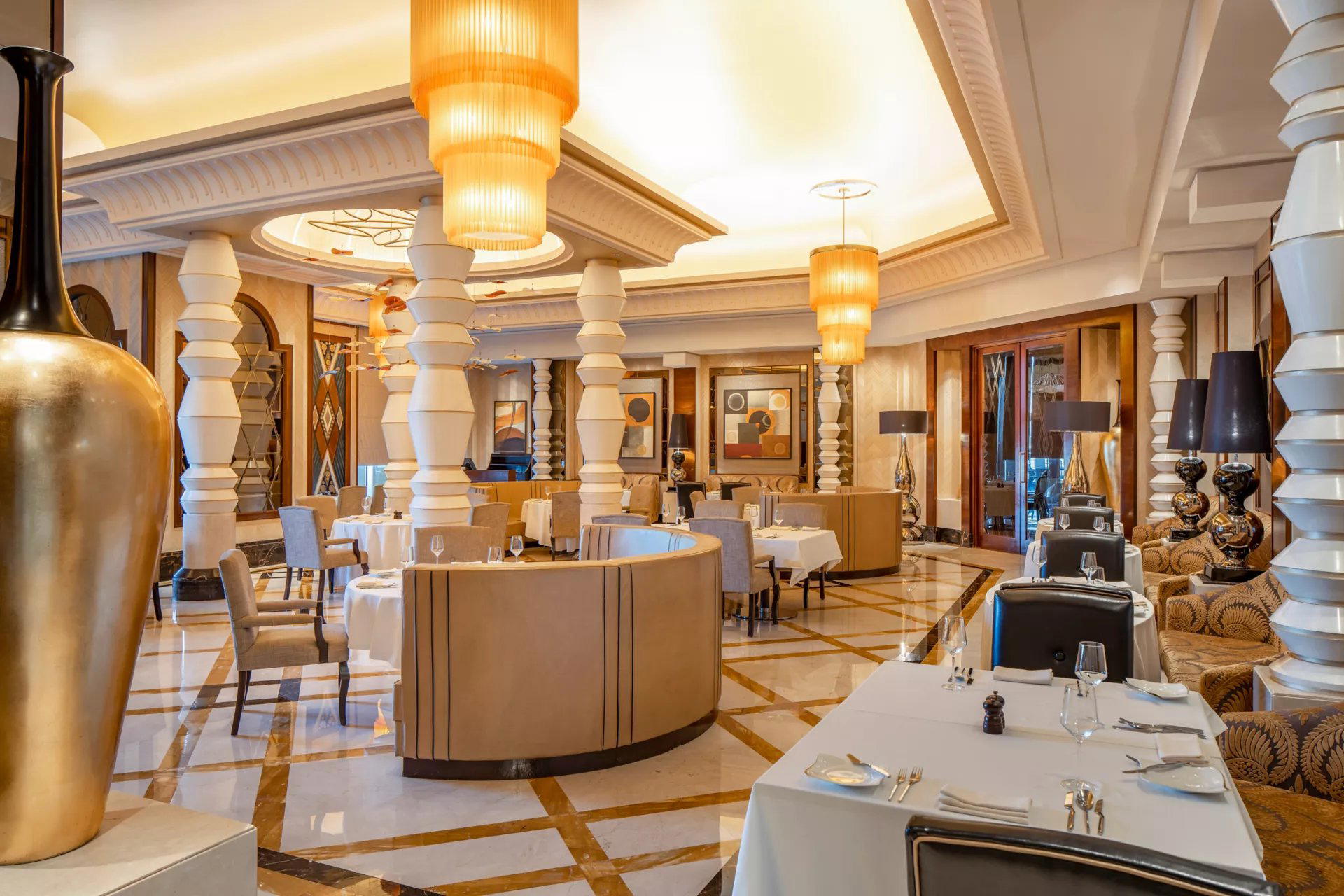
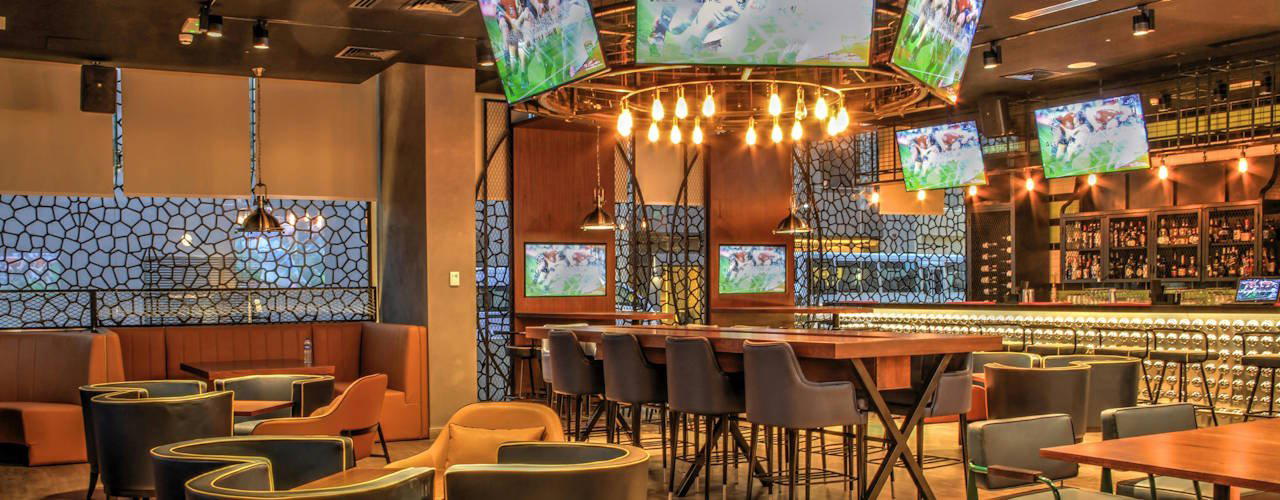
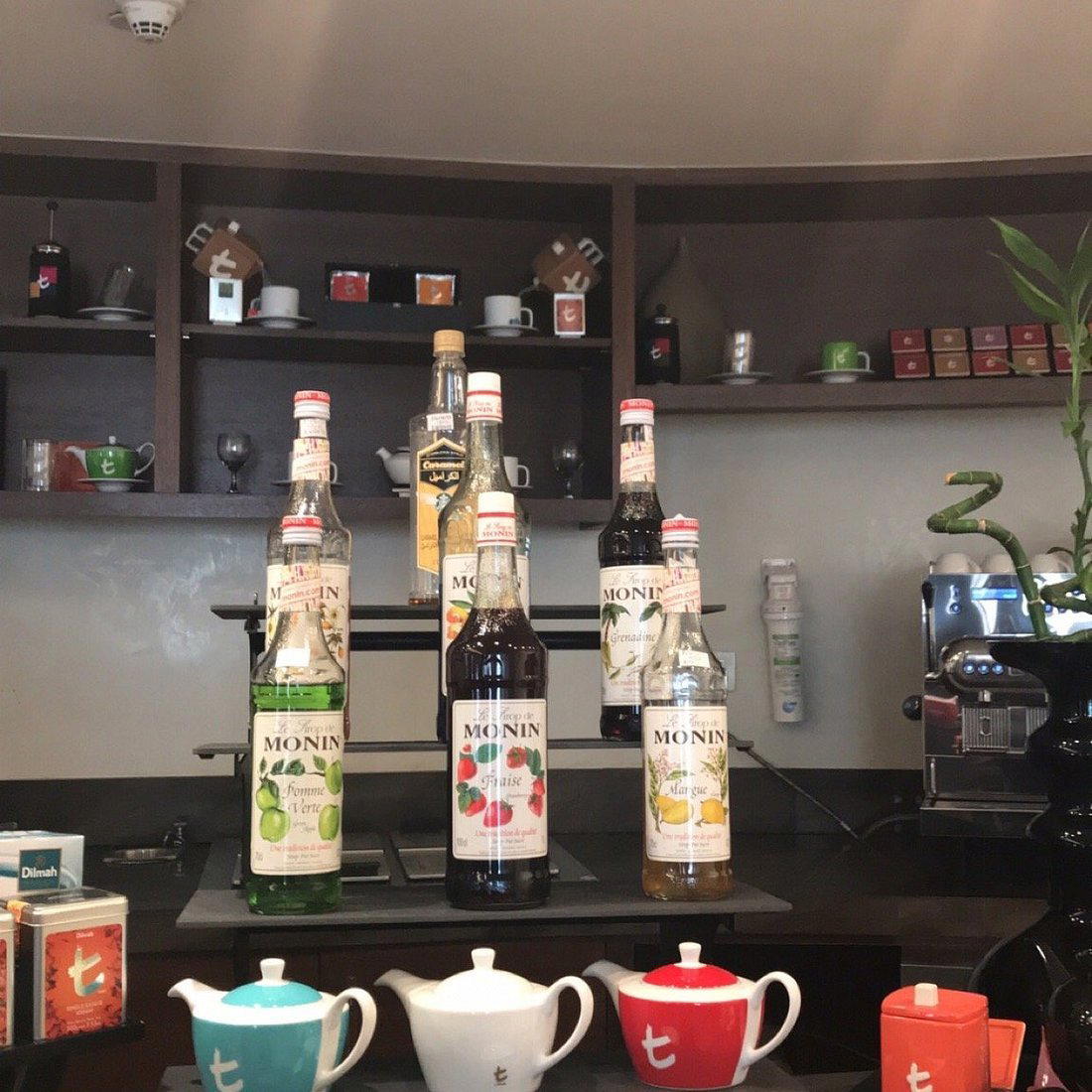
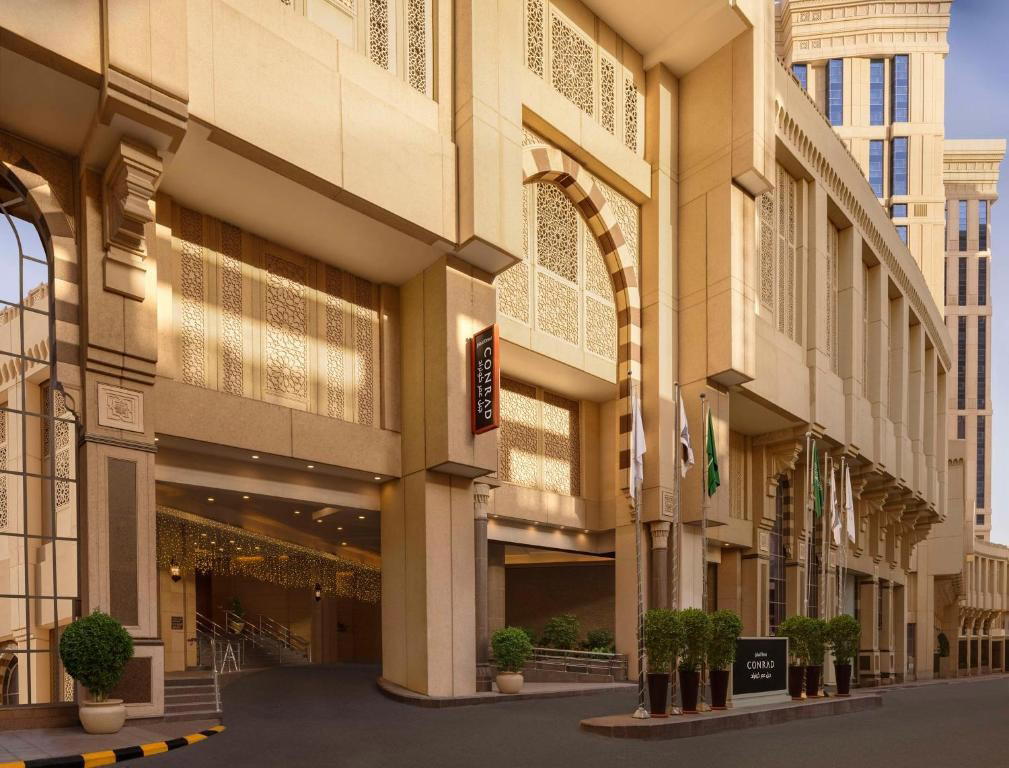
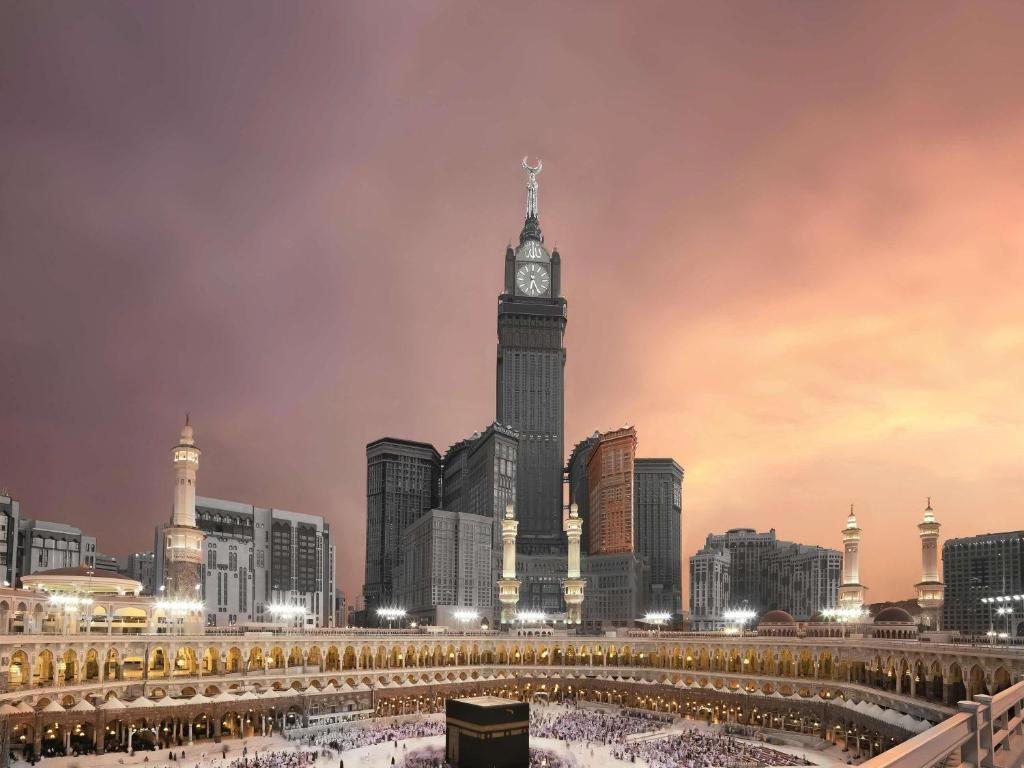
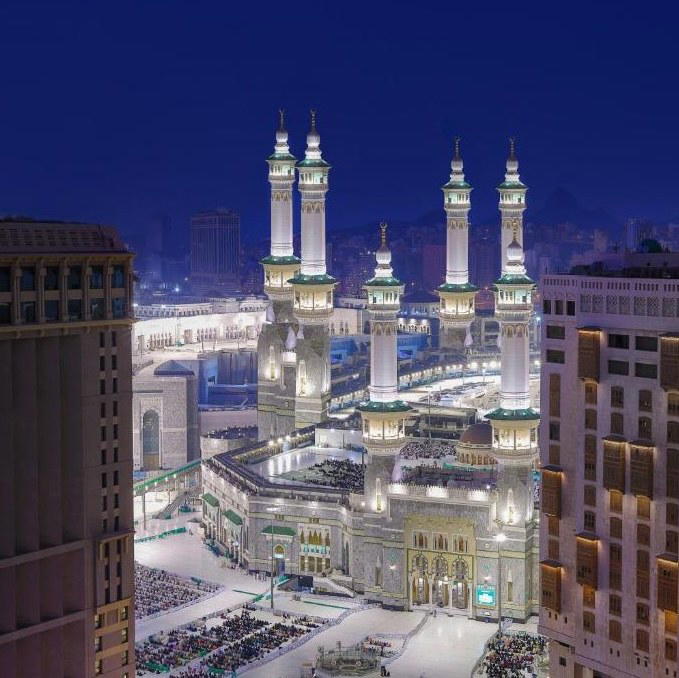
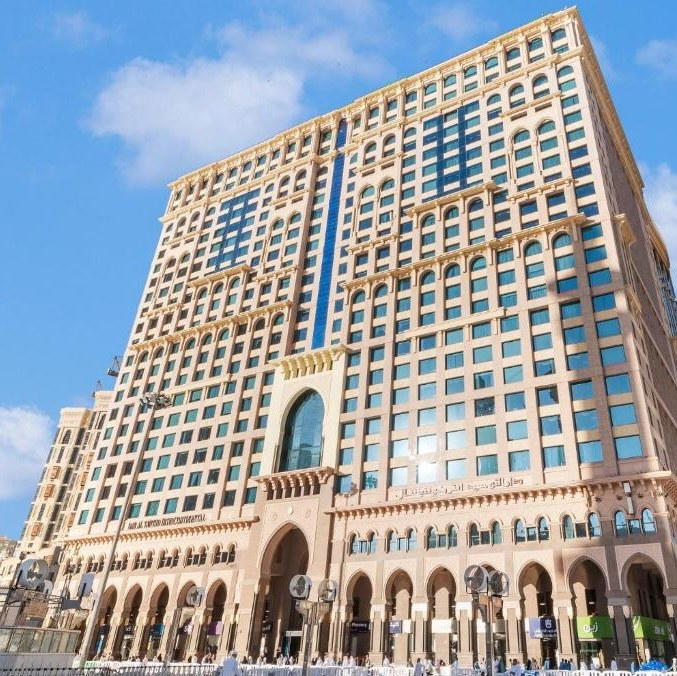
Bright, contemporary hotel-restaurant setting with lively décor and lively buffet service, where guests can relax over Arabic coffee while overlooking the Holy Haram.